



Pasta & Noodles from Italy








Pasta & Noodles from Italy
Buy Italian pasta – quality, tradition and taste combined
Italian pasta is more than just a side dish—it's a cultural treasure. When buying pasta, it's worth paying attention to the ingredients, production methods, and origin. High-quality pasta is traditionally made from durum wheat semolina and water; in Northern Italy, eggs are often added as well. Bronze-extruded, slowly dried pasta retains sauce better and boasts an authentic al dente texture. Whether you're looking for fresh pasta for quick meals or dried specialties for your pantry, with carefully produced products, you're not just buying nutritional value, but genuine flavor.
The most popular pasta shapes in Italy and their perfect sauces
Italian pasta is as diverse as the country's cuisine: spaghetti pairs wonderfully with light tomato sauces and pesto, tagliatelle and pappardelle are the first choice for creamy or meaty sauces, while small pasta like ditalini shines in soups. Farfalle (bow-shaped pasta) harmonize with creamy sauces, while rigatoni and penne, with their tubular shape, ideally hold chunky meat sauces. Lasagna sheets layer perfectly with Bolognese and béchamel sauce. Knowing these combinations makes cooking perfect results much faster.
Bucatini, Penne & Co.: Which pasta goes with which sauce?
Bucatini, with their hollow center, are the secret weapon for sauces like amatriciana and carbonara—they practically absorb the flavor. Penne (straight or rigate) are versatile: ideal for oven-baked dishes or tomato-basil sauces. Spaghetti remain a classic for aglio e olio, while linguine pairs particularly well with seafood sauces. Rigatoni can handle robust, chunky ragùs, and pappardelle are an excellent accompaniment to game ragùs. Choosing the right pasta elevates simple ingredients to gourmet heights.
Fresh pasta vs. dried pasta – differences and advantages
Fresh pasta (pasta fresca) is usually made with eggs, has a velvety texture, and cooks in just a few minutes. It's excellent for delicate fillings like ravioli or light cream sauces. Dried pasta (pasta secca), made from durum wheat semolina, keeps well, holds its shape when al dente, and is perfect for classic sauces. Bronze-drawn dried pasta has a rough surface that holds sauce better—a significant quality difference compared to industrially smoothed products. Both types have their place in the kitchen: the choice depends on the dish and storage requirements.
Pasta made from durum wheat semolina, spelt or whole wheat – which tastes best?
Durum wheat semolina (semola) provides the classic, slightly grainy texture and is the basis for many traditional pasta varieties. Whole wheat or spelt pasta offers additional fiber and a nutty flavor—ideal for health-conscious gourmets. Buckwheat or chestnut pasta (typical of regions like South Tyrol) offers unique taste experiences and is often similar to gluten-free (buckwheat pasta is not gluten-free, but it's an alternative to wheat pasta). Which variety tastes "best" is subjective—what's important is choosing the right sauce and adjusting the cooking time.
Bronze-drawn pasta – why the surface improves the taste
Bronze-drawn pasta is extruded through brass dies, giving the noodles a rough, porous surface. This texture binds sauces significantly better than smooth, Teflon-coated pasta. Combined with slow drying, this results in a superior mouthfeel, more intense flavor, and a more stable al dente texture. For restaurant-quality results at home, the extra cost is worthwhile: bronze-drawn pasta transforms simple ingredients into a culinary sensation.
Discover regional pasta specialties from Italy
Every Italian region has its own pasta traditions: bucatini and spaghetti in Campania, orecchiette in Apulia, pizzoccheri from Lombardy, and malloreddus in Sardinia. South Tyrol surprises with chestnut or buckwheat pasta, which perfectly complements rustic dishes. Discovering regional pasta varieties opens up new pairings and recipes—perfect for content that emphasizes regional origin and storytelling.
Cooking pasta correctly – tips for perfect al dente
Perfect al dente pasta starts with plenty of water (a large pot) and good salting (seawater-like, but not overdone). Add the pasta to simmering water, not boiling. Stir briefly to prevent sticking. Test the cooking time one minute before the package instructions end; true bronze-cured pasta stays al dente longer. For pasta dishes with sauce: reserve some of the cooking water—the starch helps thicken the sauce. Should you rinse it? Only for cold pasta salads. Otherwise, serve warm.
Traditional Italian pasta recipes from Carbonara to Bolognese
Classic recipes are the backbone of every pasta category. Carbonara (eggs, pecorino, guanciale), Amatriciana (tomato, guanciale, pecorino), Bolognese (slow-cooking beef/pork ragù), Pesto alla Genovese (basil, pine nuts, olive oil) — these recipes thrive on the quality of their ingredients. For your shop, recipe sheets, cooking videos, or bundles ("Bucatini + Amatriciana set") are powerful conversion drivers.
Pasta as a happiness booster – why noodles are good for body and soul
Pasta makes you happy—that's not just a saying. Carbohydrates contribute to serotonin production, provide energy, and create a feeling of fullness that lasts. Combined with fresh ingredients like tomatoes, olive oil, and herbs, pasta becomes a balanced treat. Emphasize in your content: mindful portion sizes, whole-grain options, and combinations with vegetables create a balance between enjoyment and health.
Popular pasta and noodle varieties in Italy
Noodles is a general term for a variety of cooked dishes made from dough. These days, they are also categorized under the term pasta. Noodles can come in a wide variety of shapes and sizes. Interestingly, there is a gray area between the terms noodle and dumpling. It is even suggested that the words "noodle" and "dumpling" share a common origin.
There are many different types of Italian pasta, and each region of Italy has its own specific varieties. Here are some of the most well-known Italian pasta types:
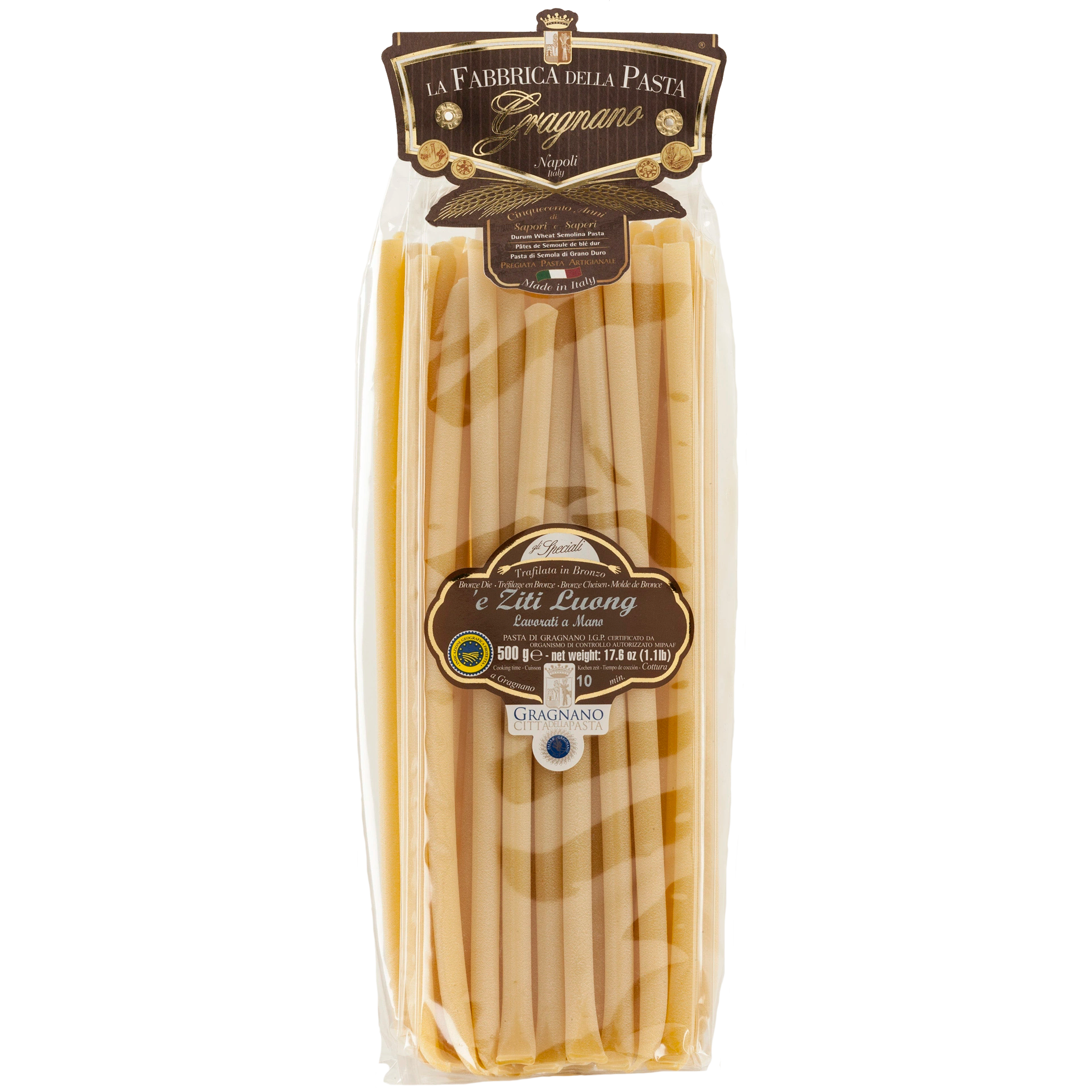
- Bucatini : Thick, elongated spaghetti with a round hole in the middle. Made from durum wheat semolina and water, especially suitable for sauce-rich dishes such as Amatriciana or Carbonara (Region : Campania, Lazio)
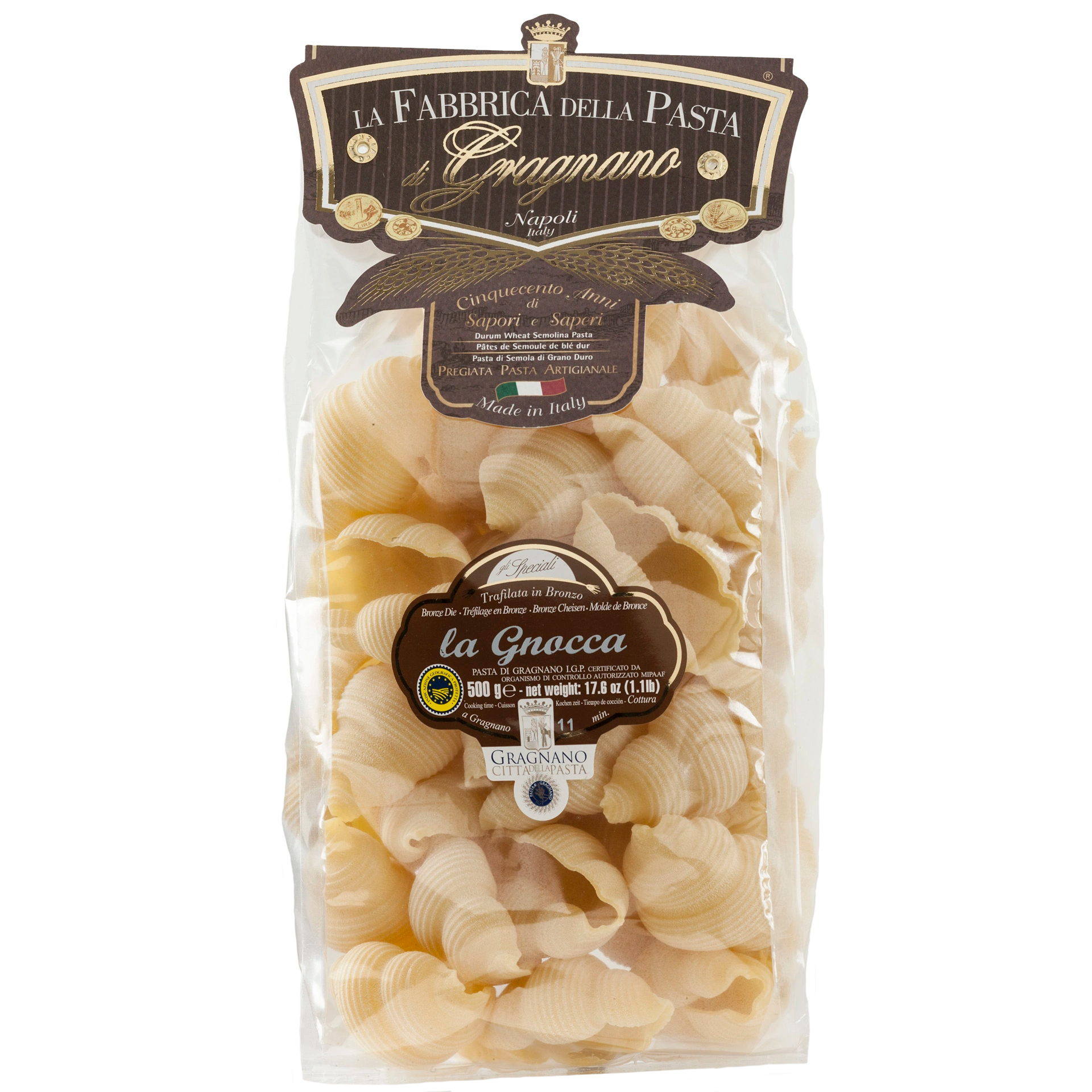
- Cannelloni : Large, tubular pasta that is filled and rolled, ideal for casseroles ( shape : Tube)
- Farfalle : Butterfly or bow shape, perfect for creamy sauces or pasta salads ( Shape : Ribbon)
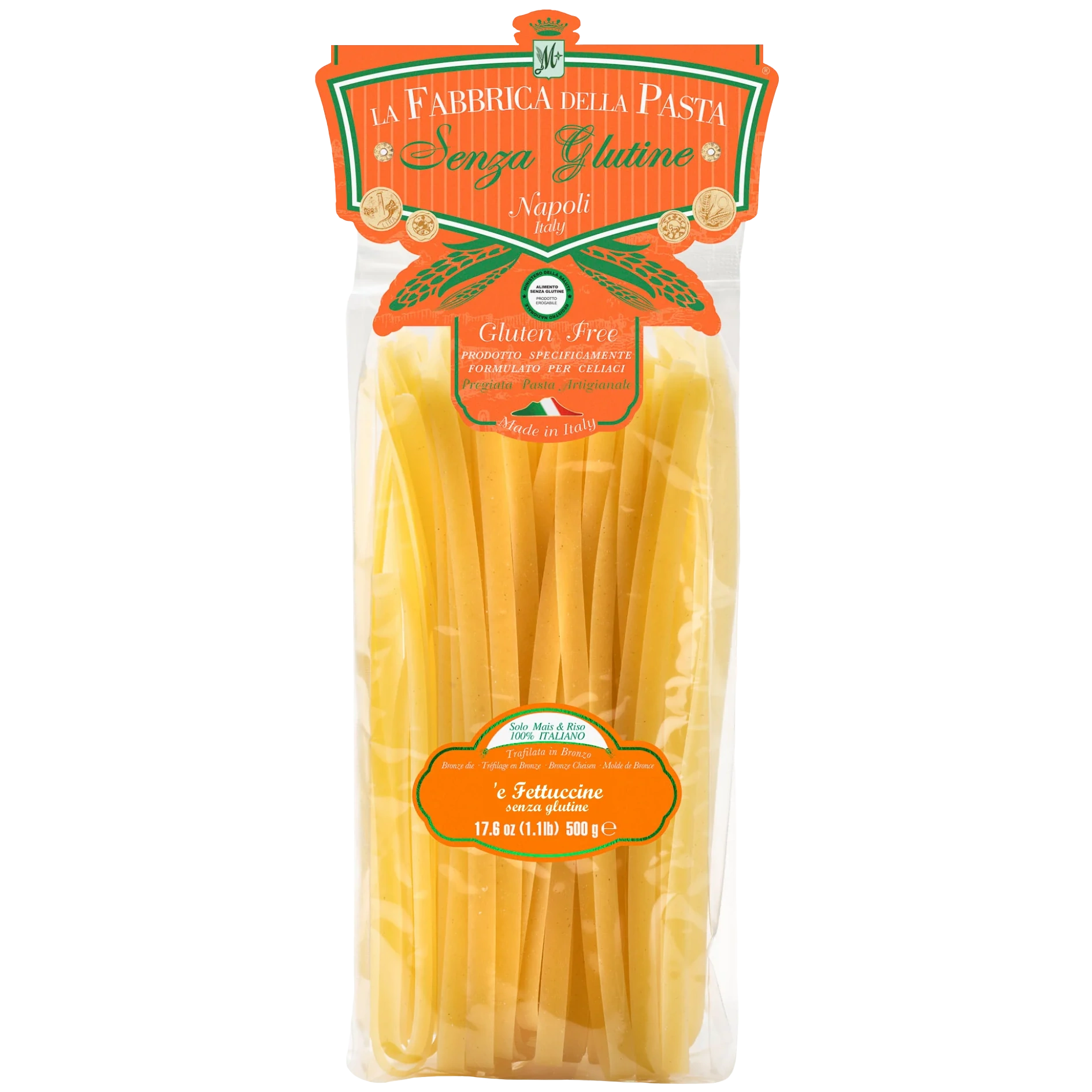
- Fettuccine : A wider version of spaghetti, ideal for creamy sauces or casseroles ( shape : Broad noodle)
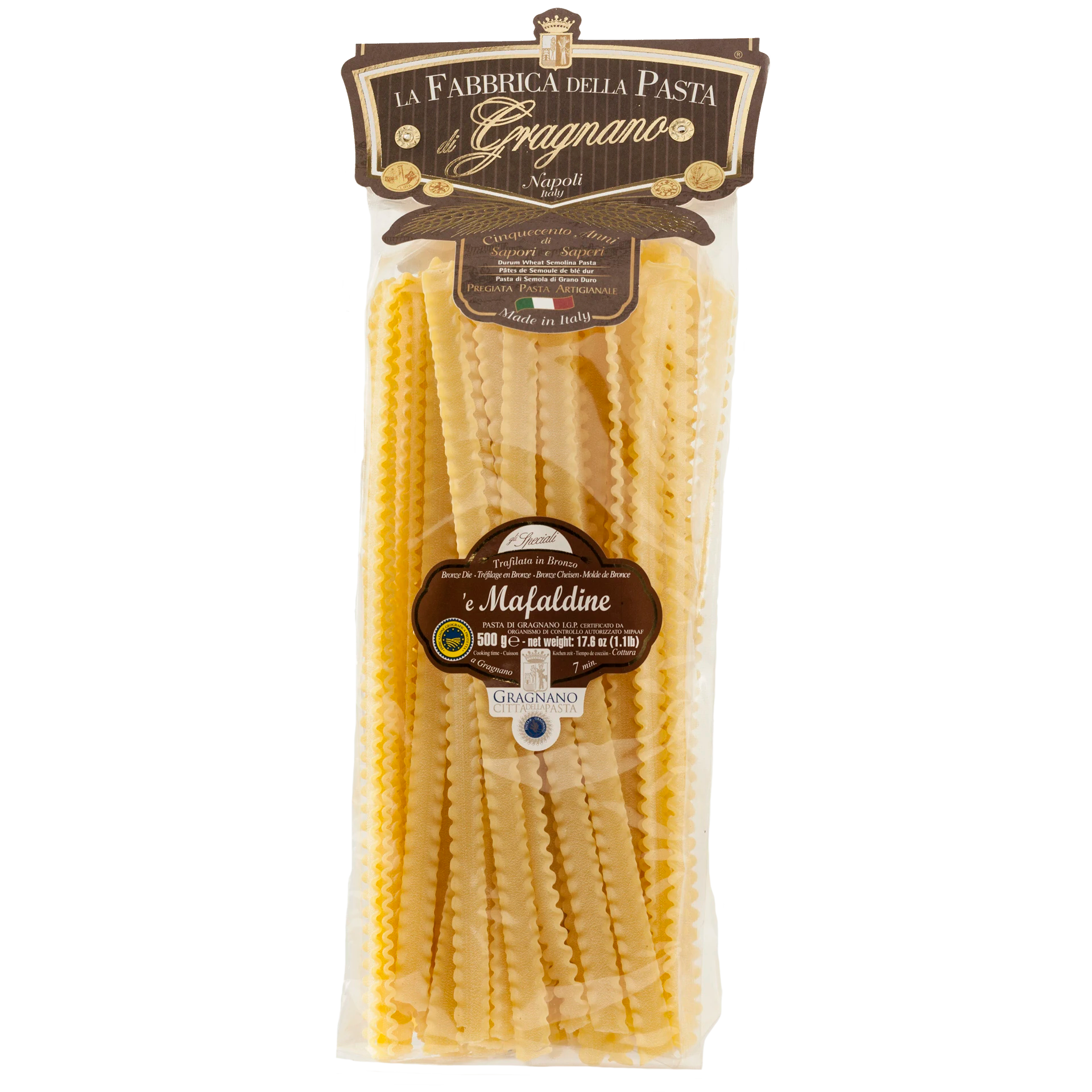
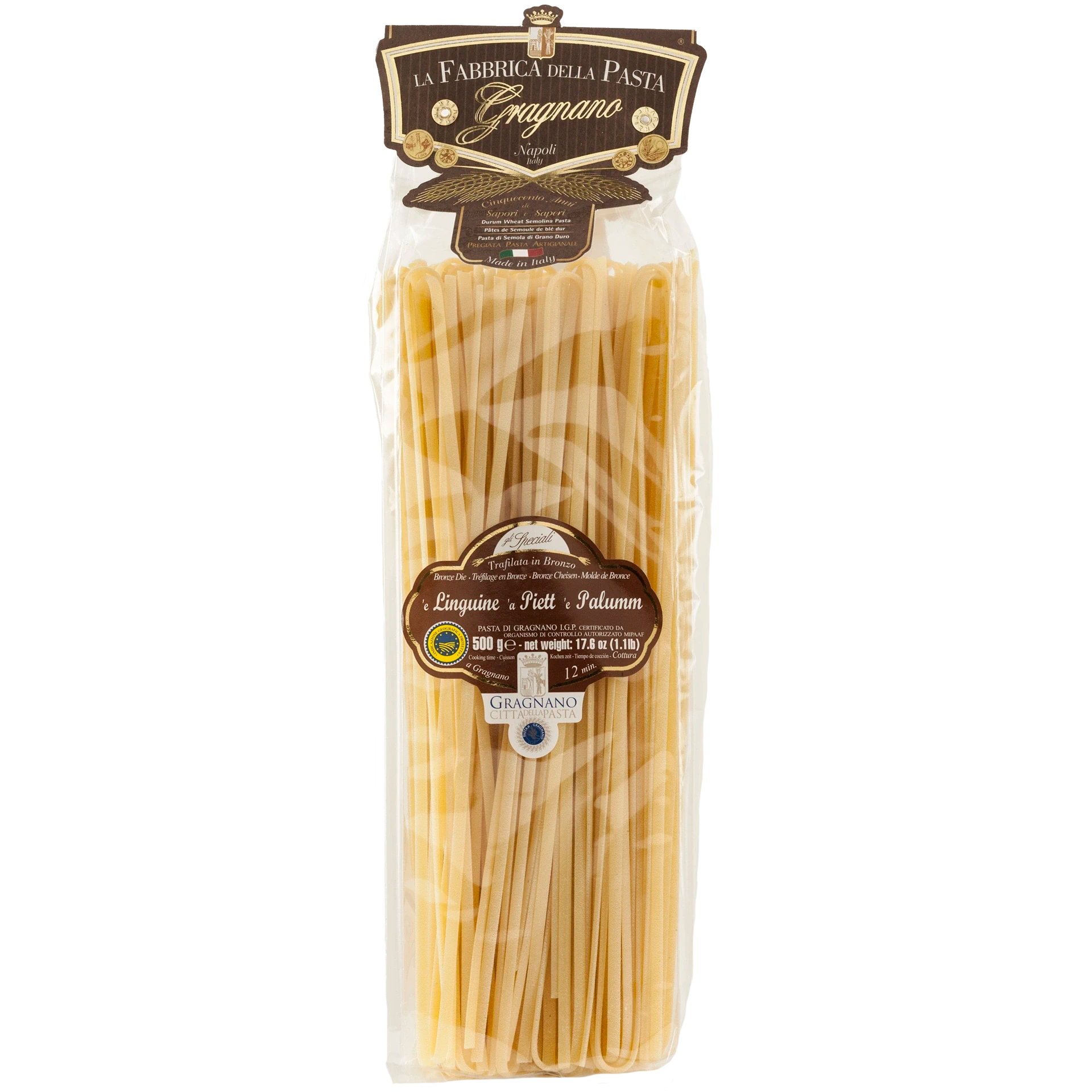
- Linguine : Long, flat pasta, slightly wider than spaghetti. Best served with seafood or fish sauces ( shape : (Flat, oblong)
- Penne : Tubular pasta cut into diagonal pieces, ideal for casseroles and sauces ( Shape : (Diagonally cut tube)
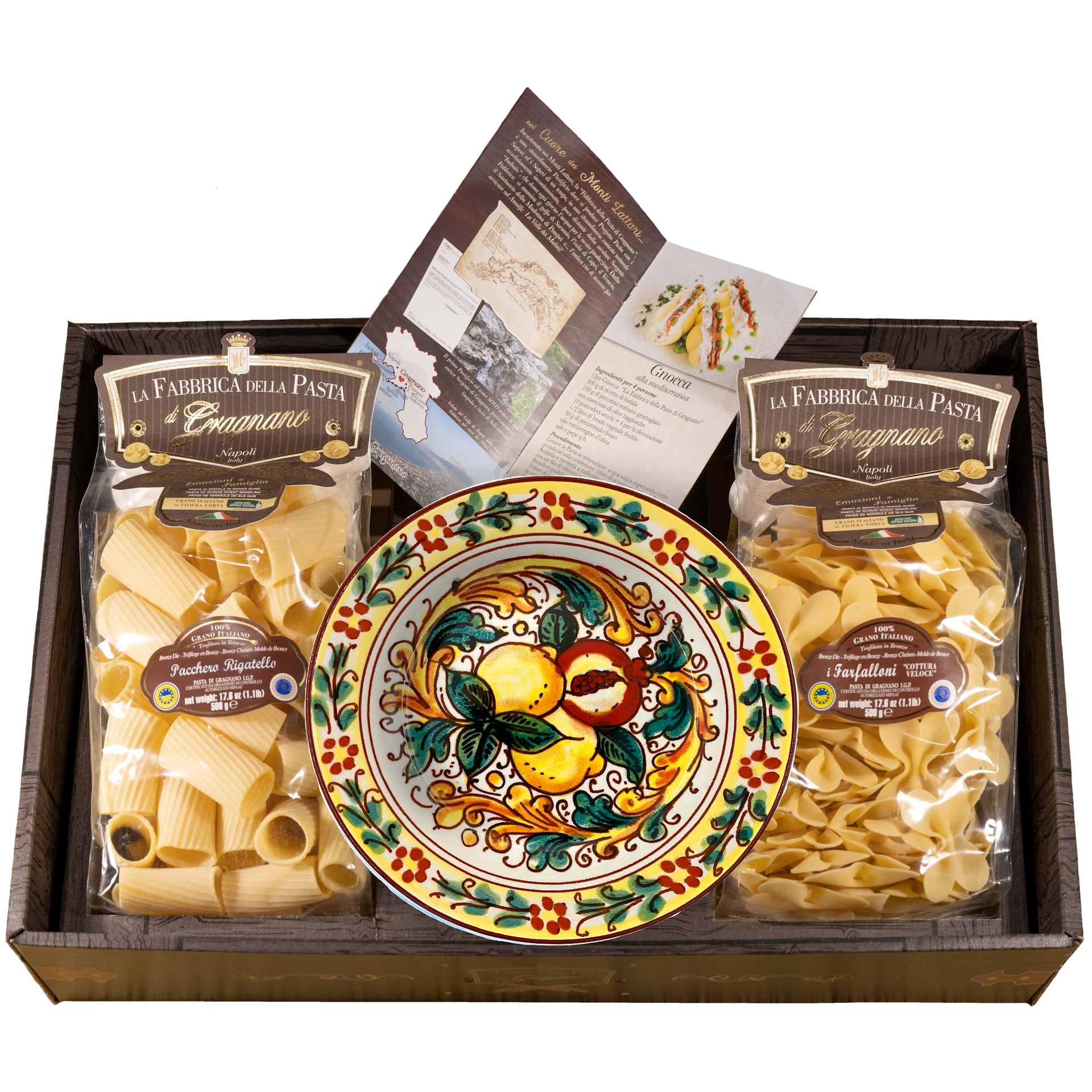
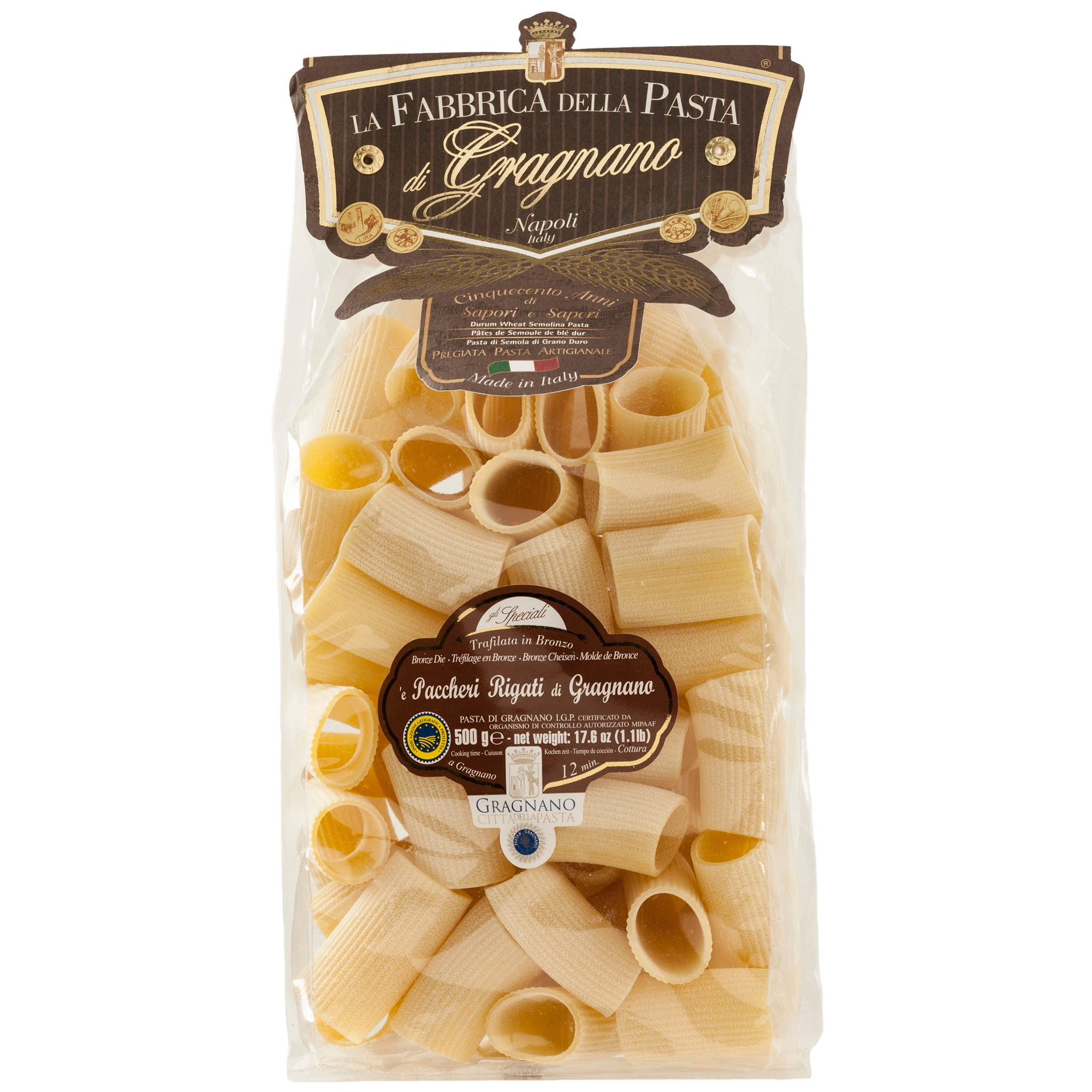
- Rigatoni : Larger tubular pasta, perfect for rich, meaty sauces ( Shape : Large tube)
- Lasagna : Wide, flat pasta used in layers to make lasagna ( shape : (Wide plate)
- Pappardelle : Wide, flat pasta in long strands, ideal with venison ragout or mushroom sauces ( shape : (Wide ribbon noodle)
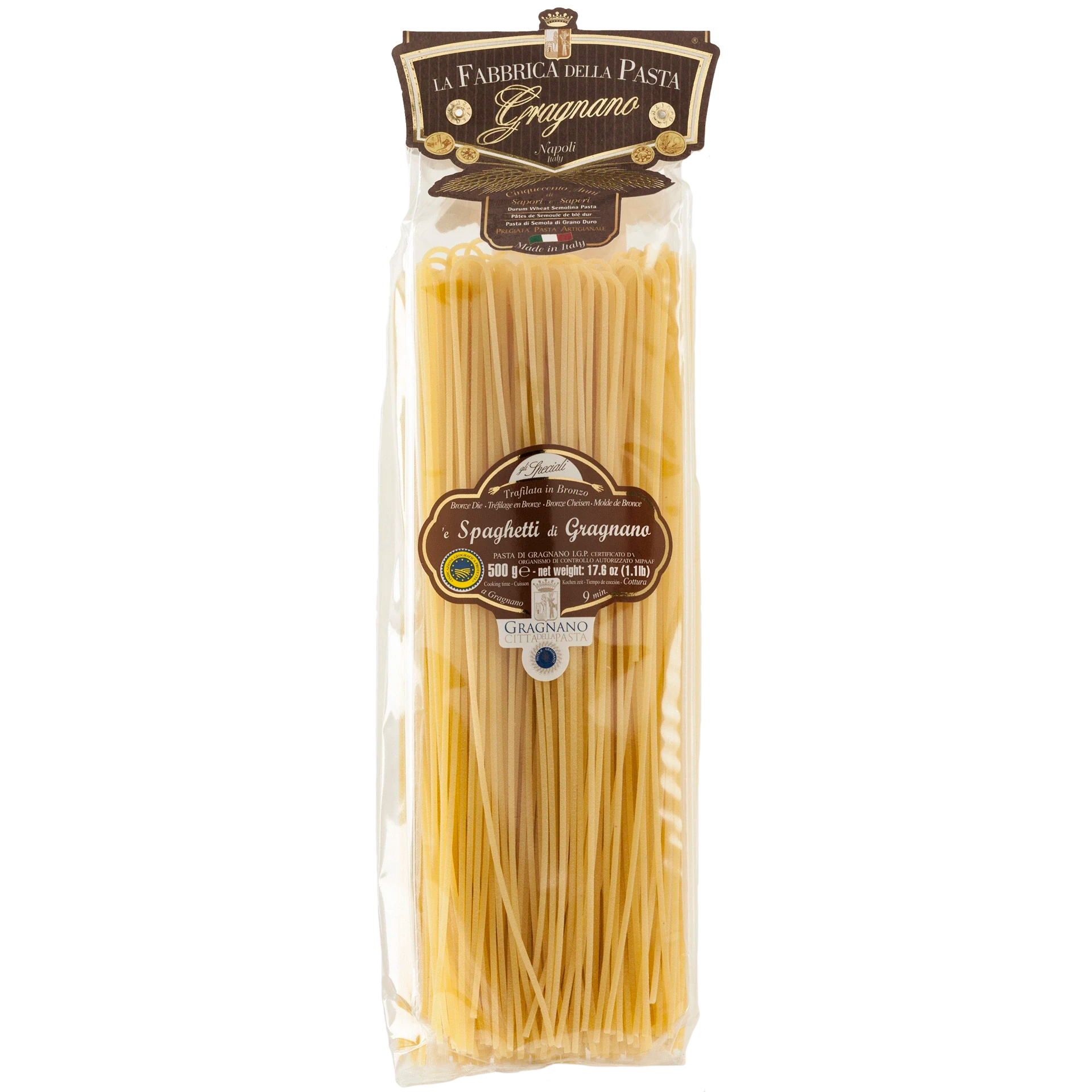
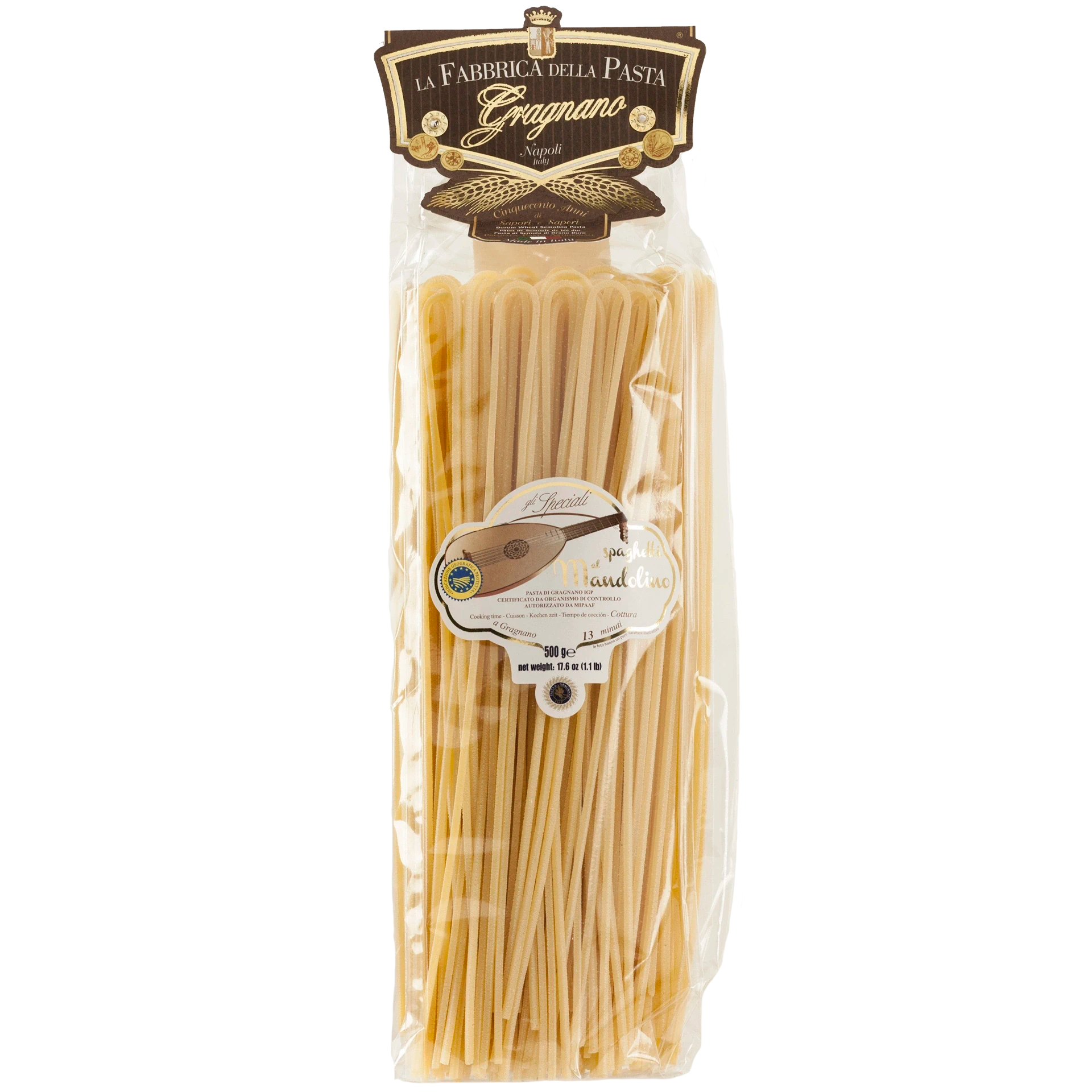
- Spaghetti : Long, thin pasta most commonly used in Italy. Perfect with tomato sauce or pesto ( shape : Thin, long)
Special pasta types & pasta preparation methods
South Tyrol is known for its special pasta varieties containing chestnuts or buckwheat. These pastas have a distinctive flavor and unusual texture that sets them apart from ordinary pasta.
- Chestnut pasta : This pasta is made from a combination of durum wheat semolina and chestnut flour. It has a particularly nutty flavor and a slightly firm texture. It is especially well-suited for rich sauces, such as venison ragout or mushroom sauces.
- Buckwheat noodles : These noodles are made from buckwheat flour and have a slightly nutty flavor and a unique firmness. They are particularly suitable for vegetarian or vegan dishes and can be served as a side dish or a main course.
Pasta preparation methods
In Italy, there are many different ways to prepare pasta, which can vary depending on the region and personal taste. Some of the most popular preparation methods are:
- Al Pomodoro : One of the simplest and most popular Italian pasta dishes. Pasta is served in a tomato sauce made with fresh tomatoes, garlic, basil, and olive oil. It's especially suitable for thin pasta shapes like spaghetti or linguine.
- Al Aglio e Olio : A simple cooking method where pasta is sautéed in olive oil and garlic. Particularly suitable for thin pasta shapes such as spaghetti or linguine.
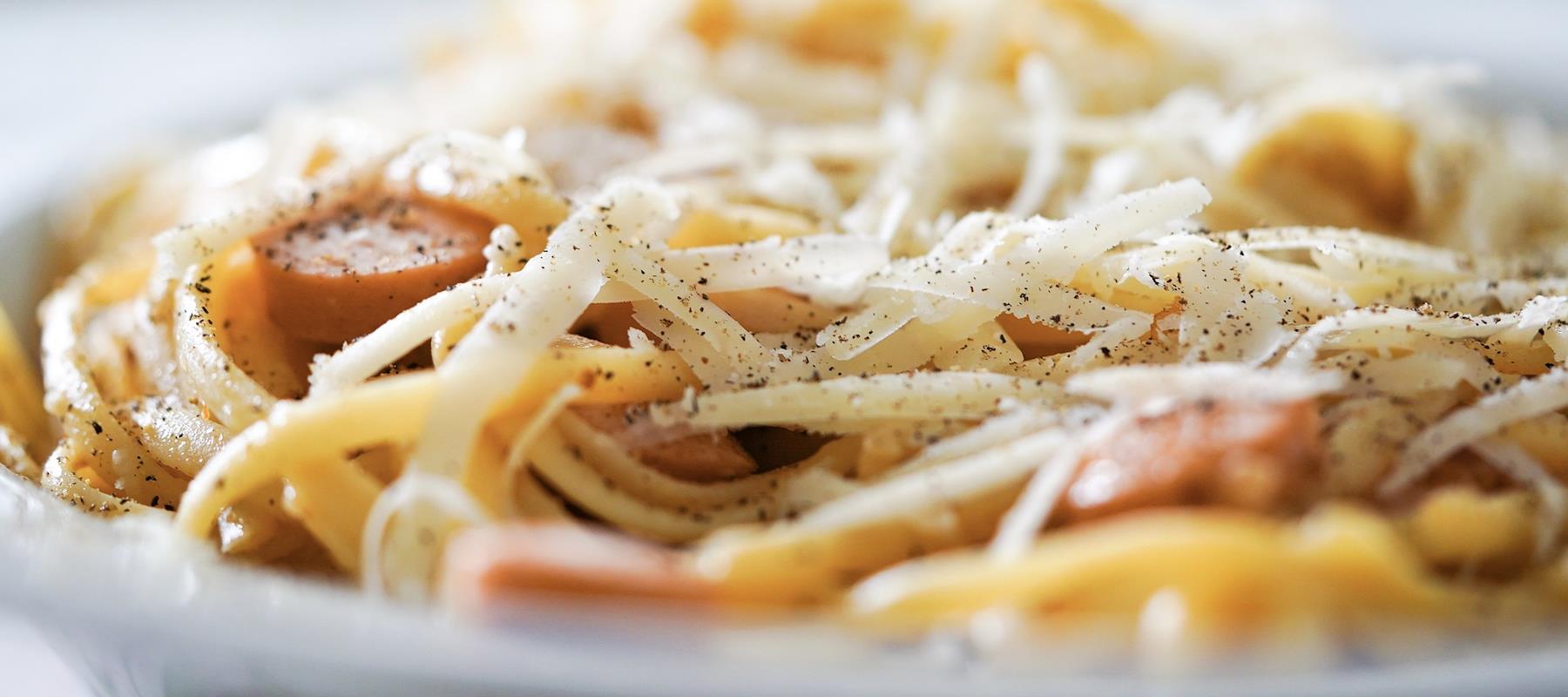
- Carbonara : Popular in the Rome region: pasta in a sauce made with eggs, cheese, bacon or pancetta, and pepper. Especially suitable for thicker pasta shapes like bucatini or fettuccine.
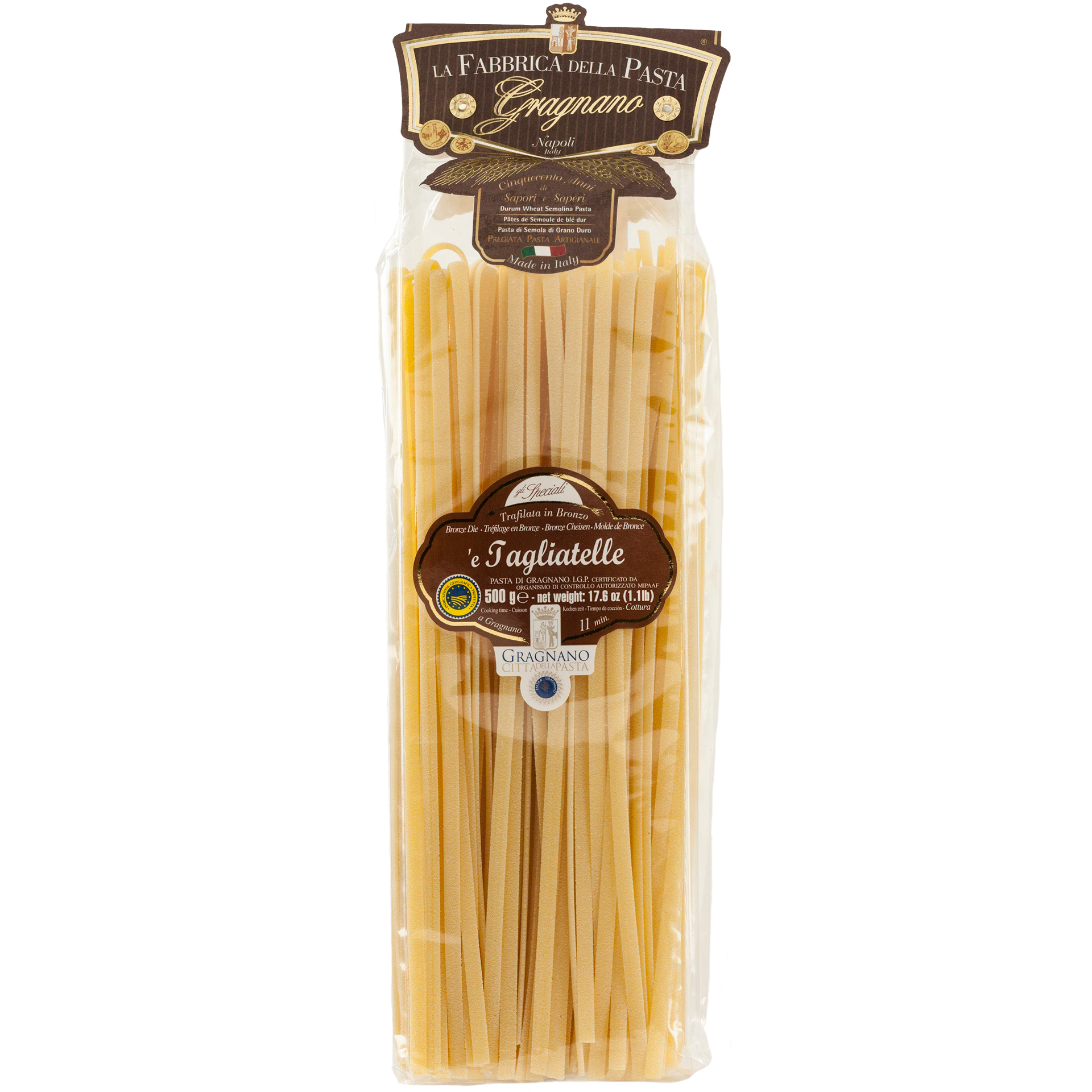
- Bolognese : Typical of Emilia-Romagna: pasta in a beef sauce made with tomatoes, onions, carrots, and celery. Especially suitable for thicker pasta shapes like tagliatelle or pappardelle.
- Amatriciana : Popular in the Rome region: Pasta in a sauce of tomatoes, onions, bacon or pancetta, and pepper. Especially suitable for thicker pasta shapes like bucatini or fettuccine.