


Grappa & Chacha - Buy Pomace Brandies Online
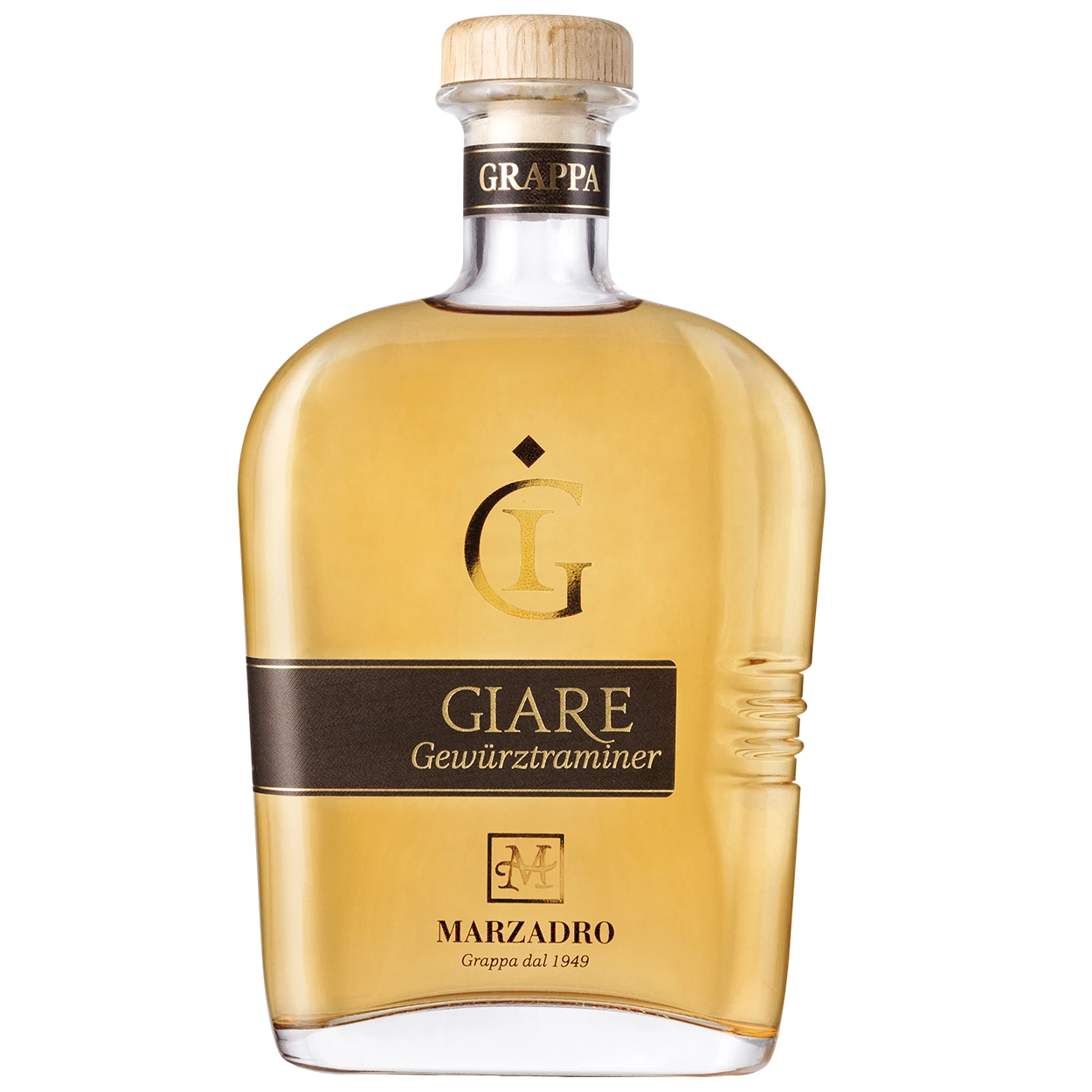
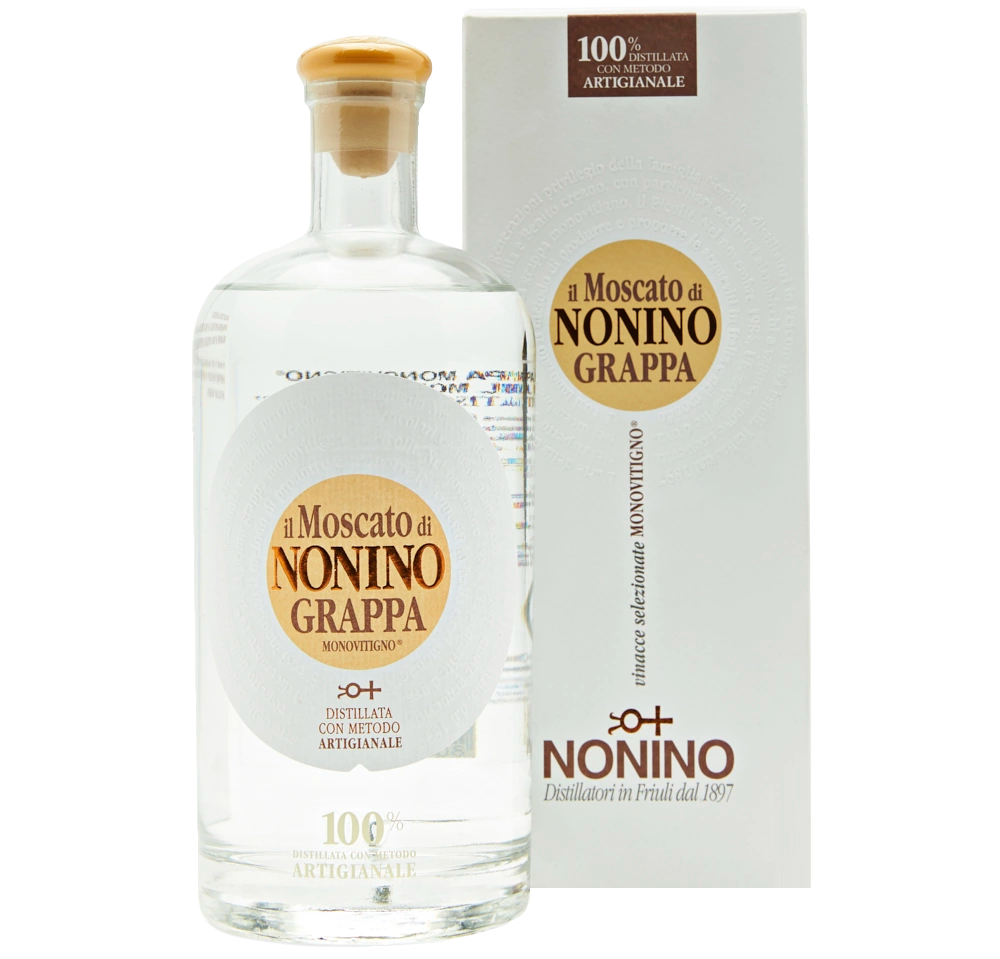
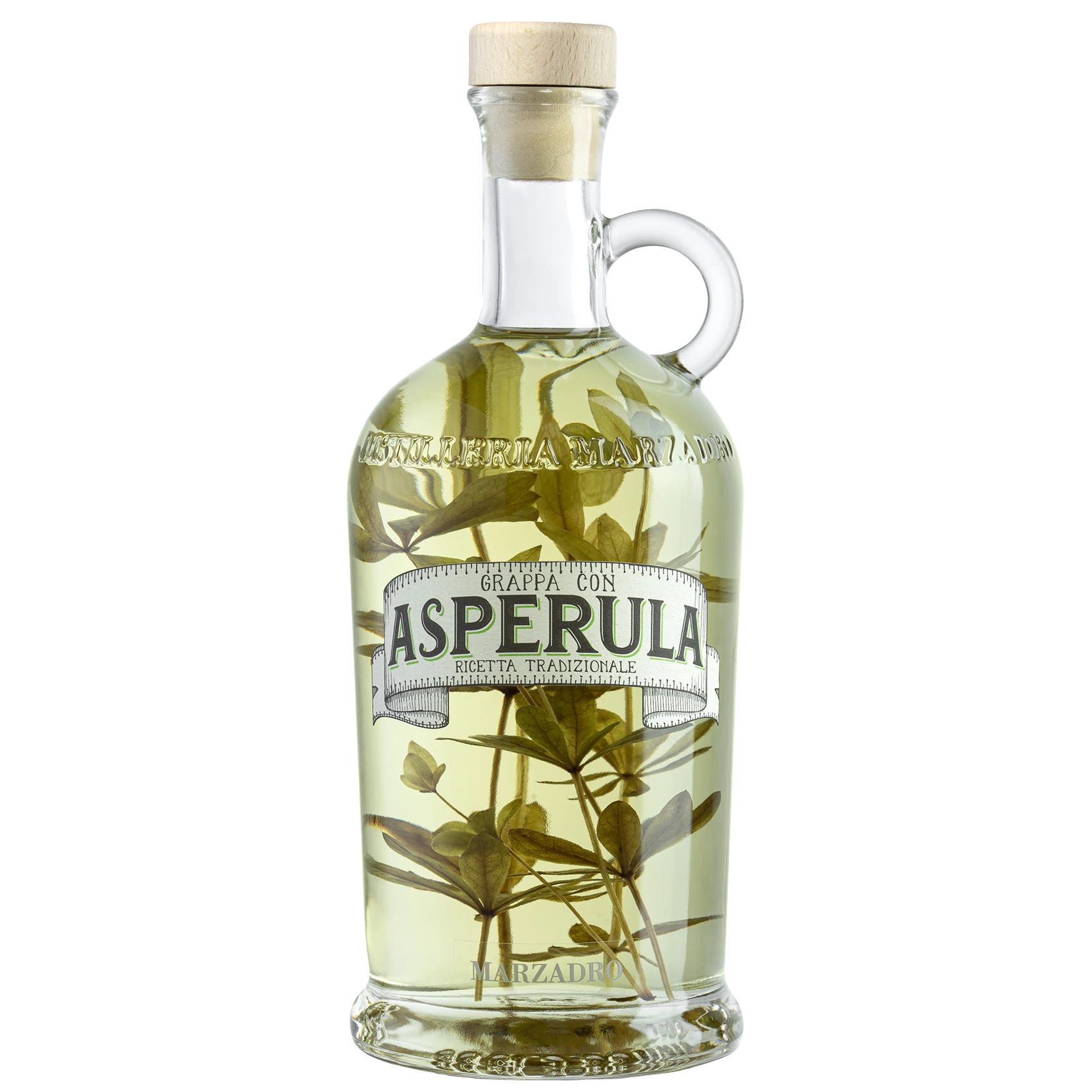
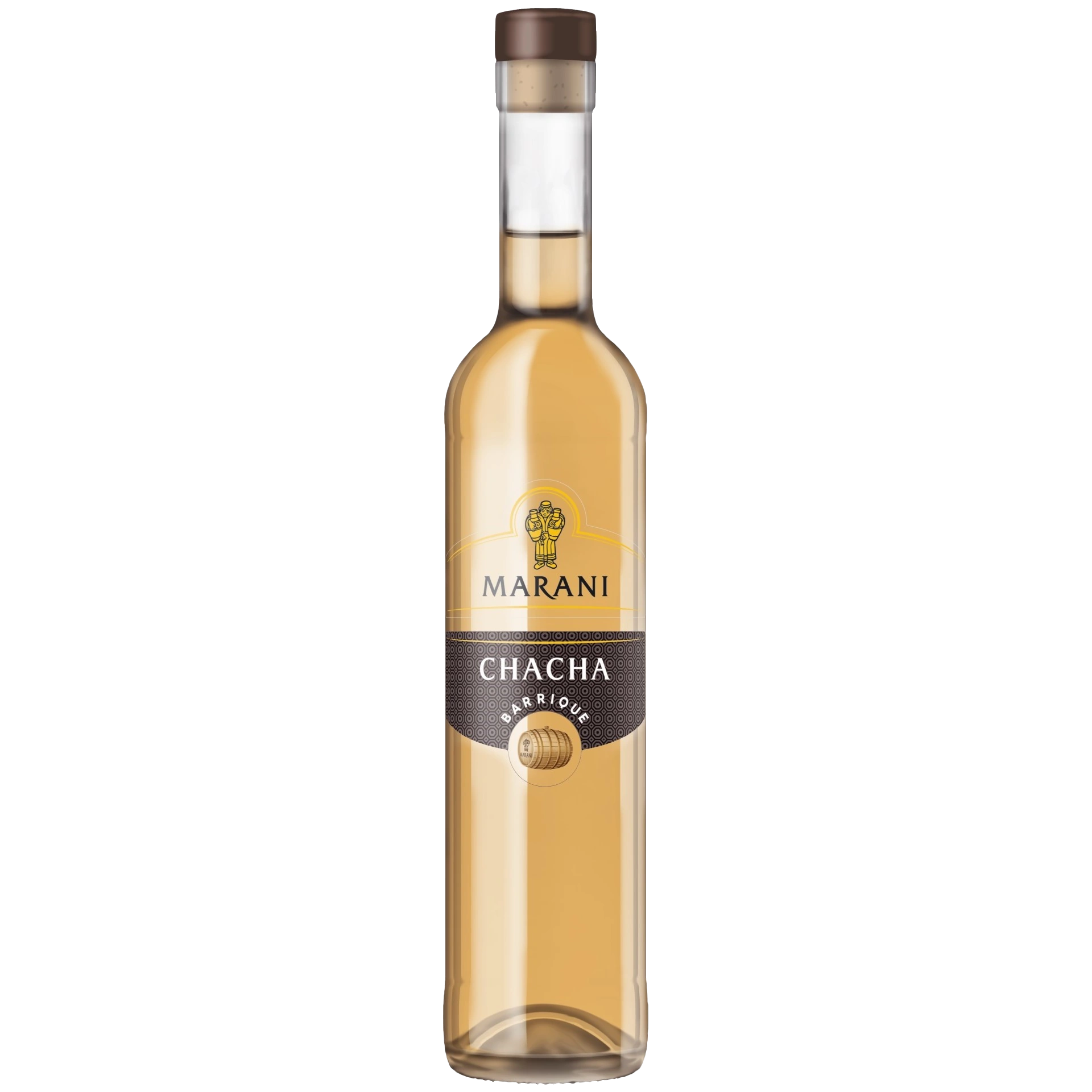
Grappa & Chacha - Buy Pomace Brandies Online
What are Grappa and Chacha, and how do they differ for you?
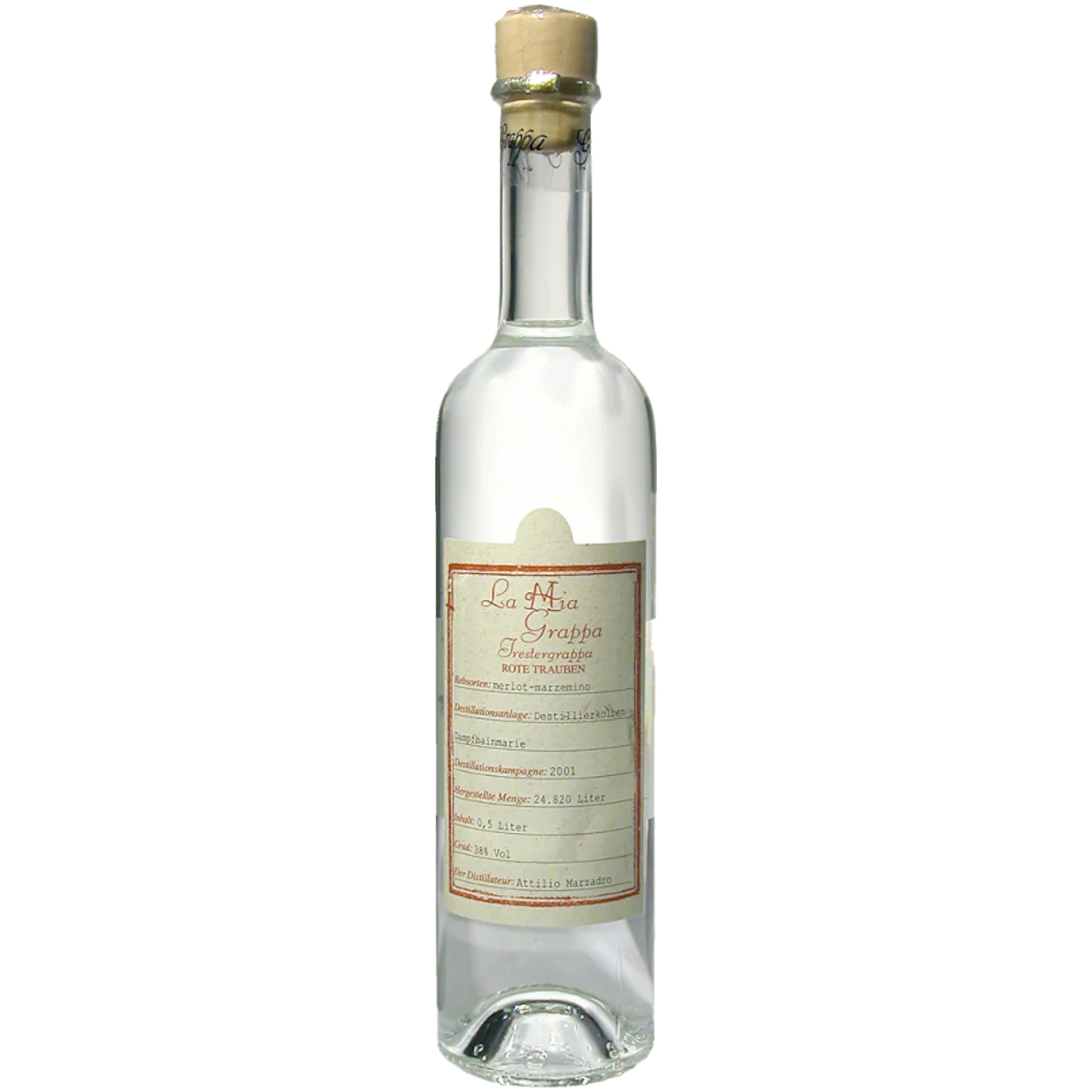
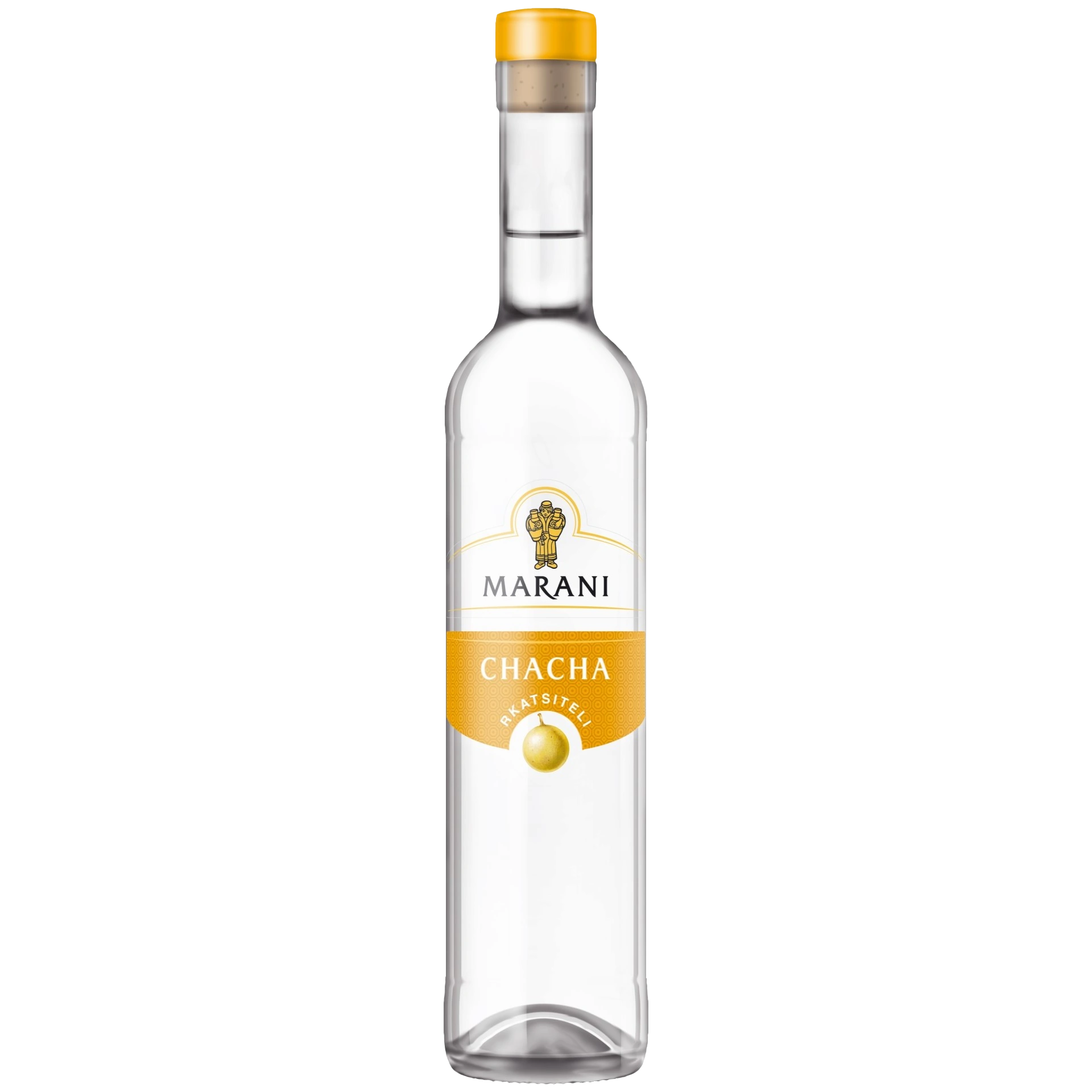
Grappa is the classic Italian pomace brandy, made from the residues of winemaking (skins, seeds, stems). Chacha is its Georgian counterpart: also a pomace distillate, but deeply rooted in Georgia and often with its own regional style. Both are concentrated, aromatic distillates, drunk neat after a meal as a digestif or for a mindful moment of enjoyment — Grappa represents Italian elegance, Chacha Georgian authenticity.
Why should you try high-quality Grappa or Chacha?
Because you're tasting true artisanal products that showcase origin, grape variety, and the art of distillation in the glass. Good Grappas and Chachas convey grape character, fruit notes, spices, and, if aged in barrels, vanilla or woody nuances. They are not just simple spirits, but an expression of regional traditions — perfect if you're looking for enjoyment with a story.
How are Grappa and Chacha made — what should you look for when buying?
Both are produced by fermentation and subsequent distillation of the pomace. Important quality characteristics include: grape varieties used (e.g., Moscato, Nebbiolo, Saperavi), distillation method (copper pot stills), whether the spirit was distilled multiple times, and whether it was aged in barrels. On the label, look for terms like "Riserva," age statements, grape variety indications, or hints about barrel types — this tells you a lot about the style and intensity.
What flavor profiles can you expect — fresh vs. aged?
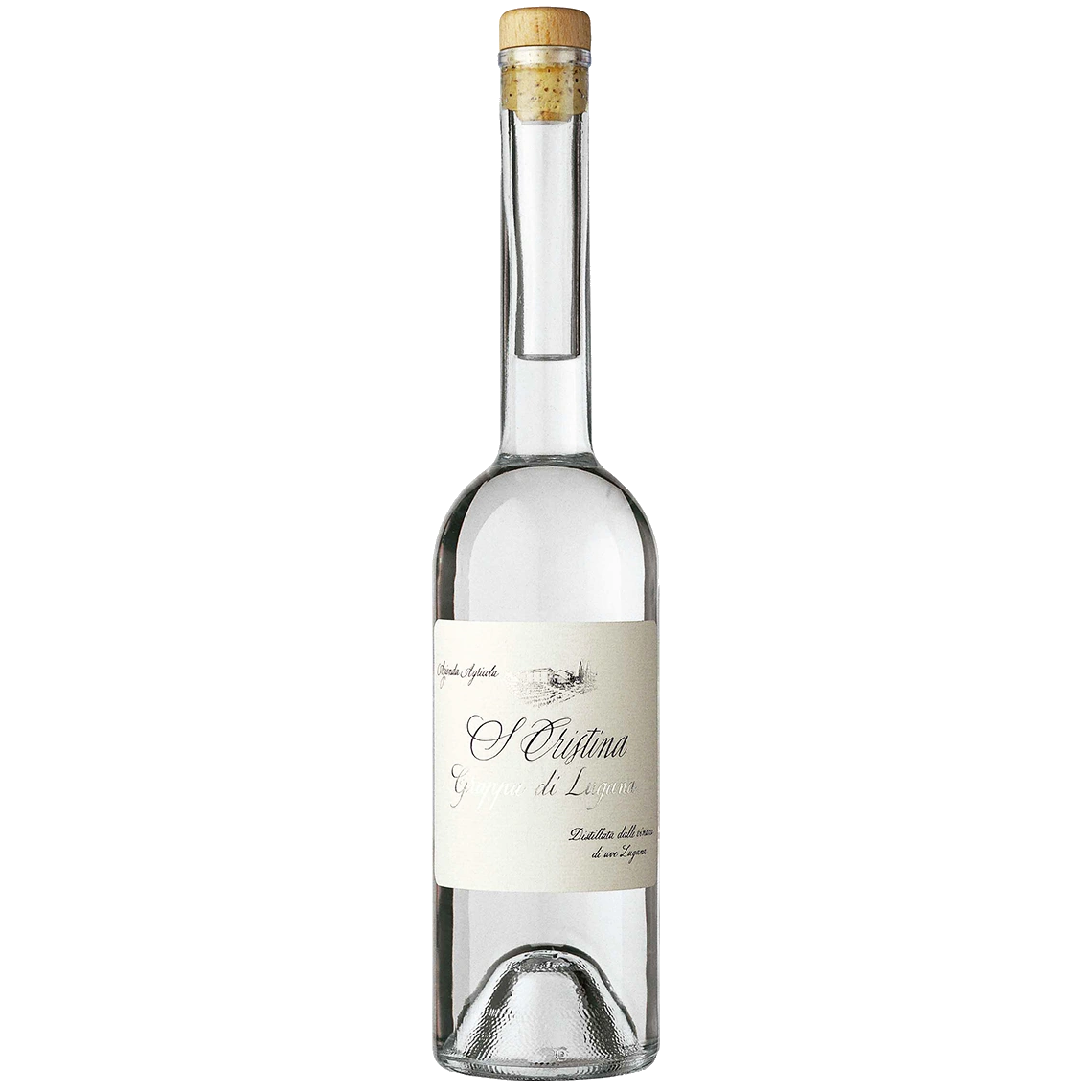
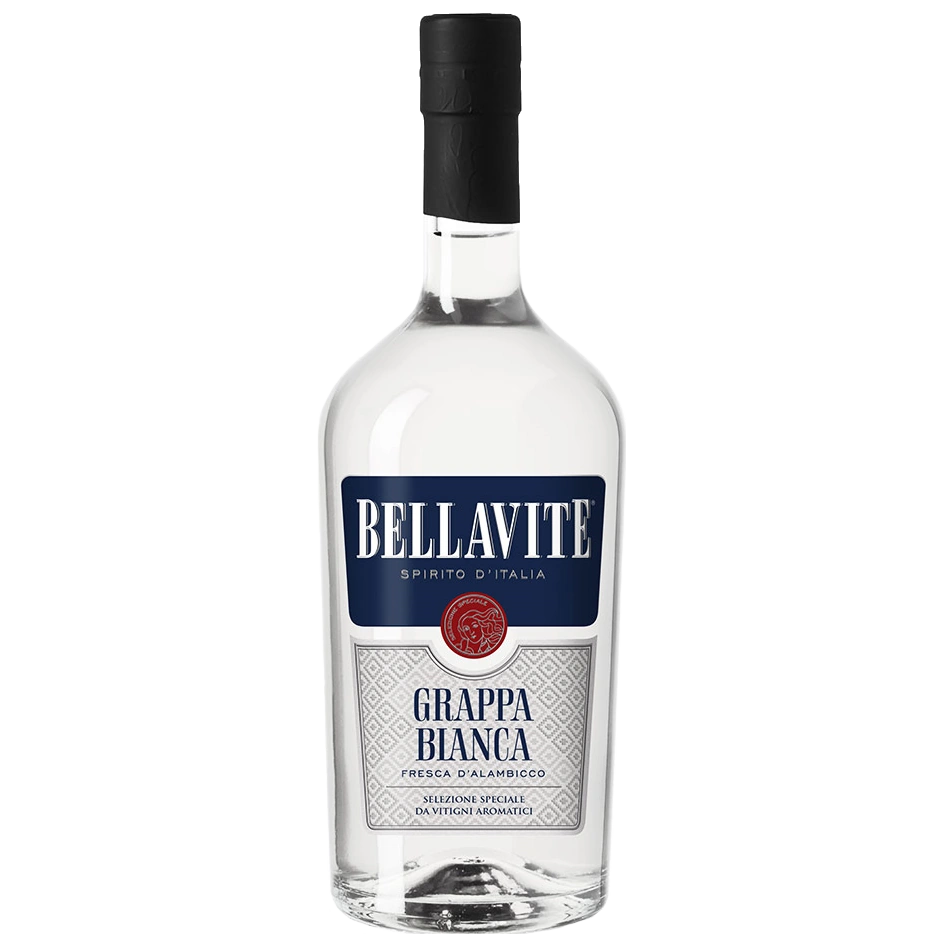
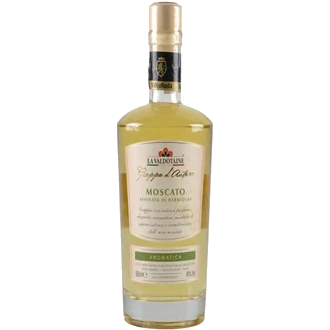
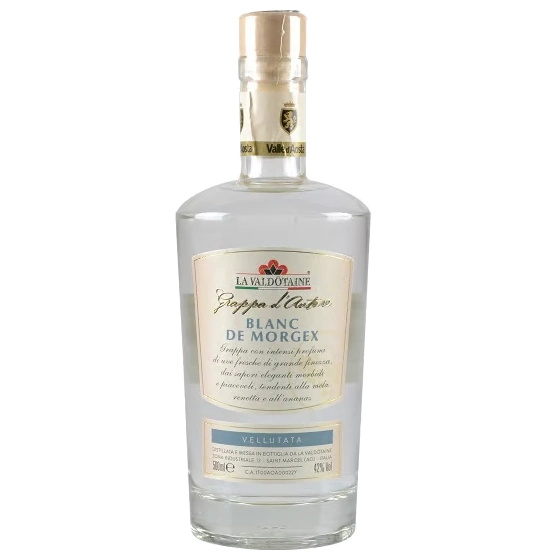
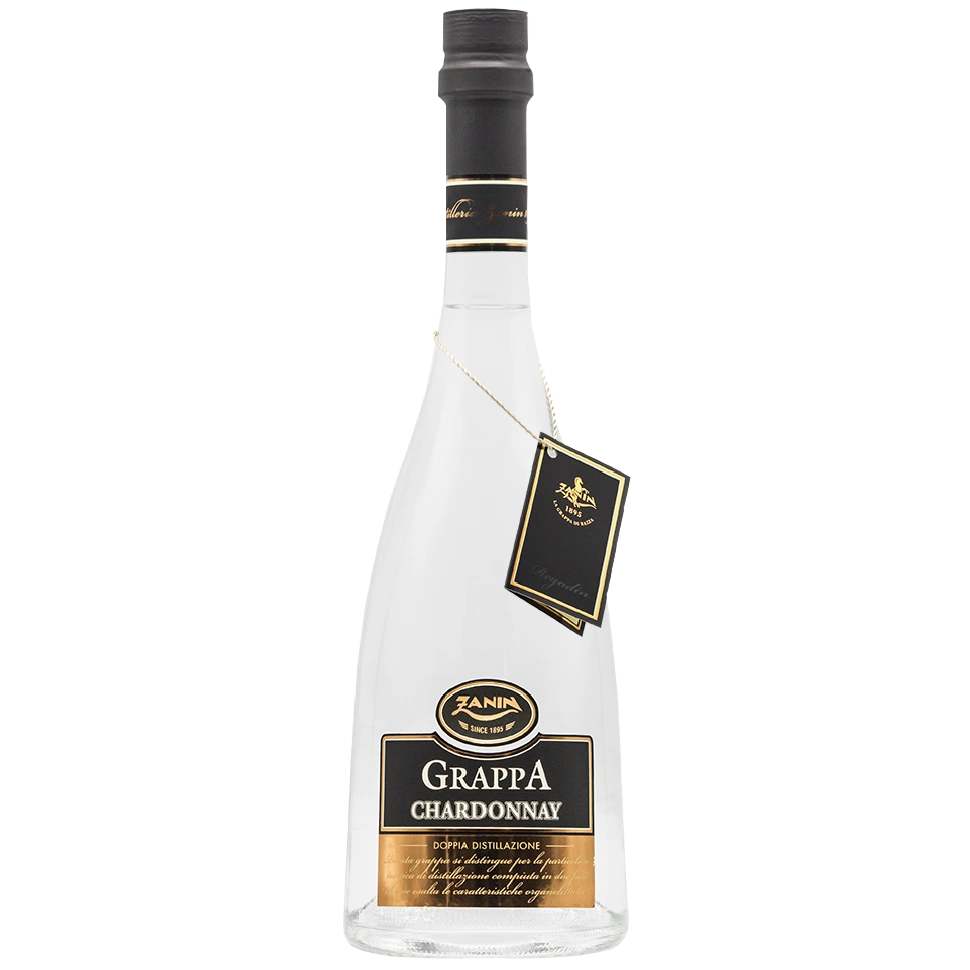
- Fresh Grappas/Chachas (unaged): Clear, fruity, sometimes floral or peppery; ideal for direct enjoyment after a meal.
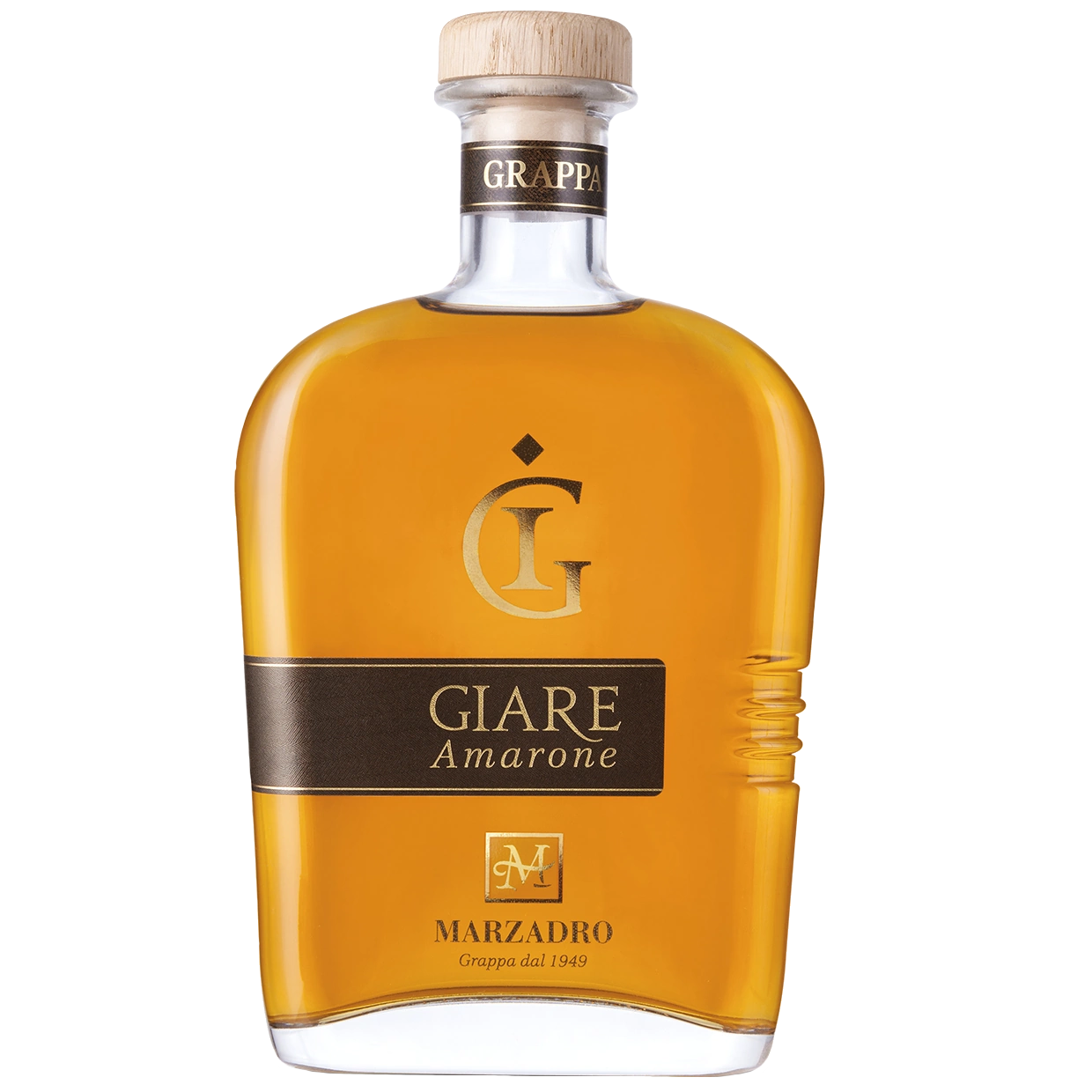
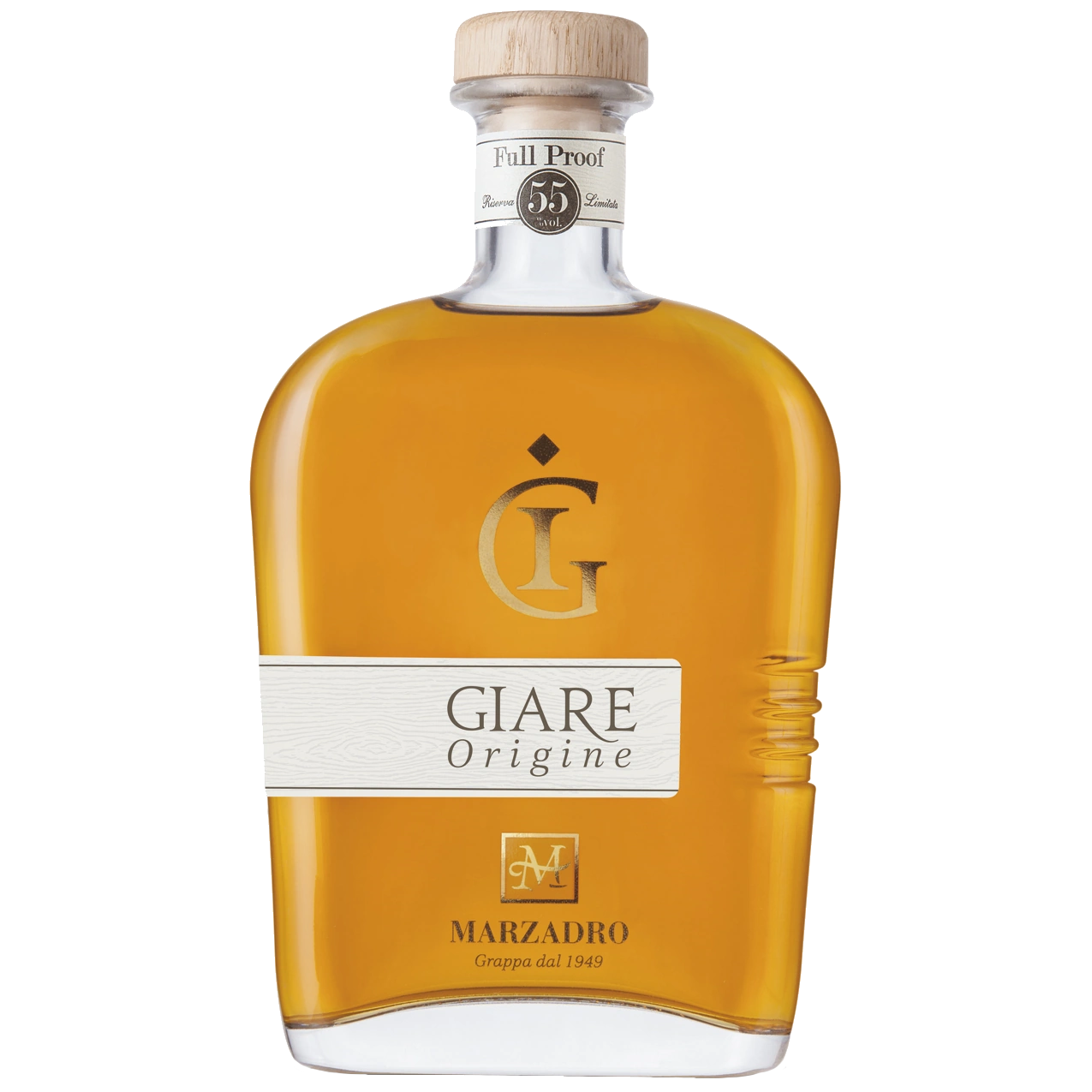
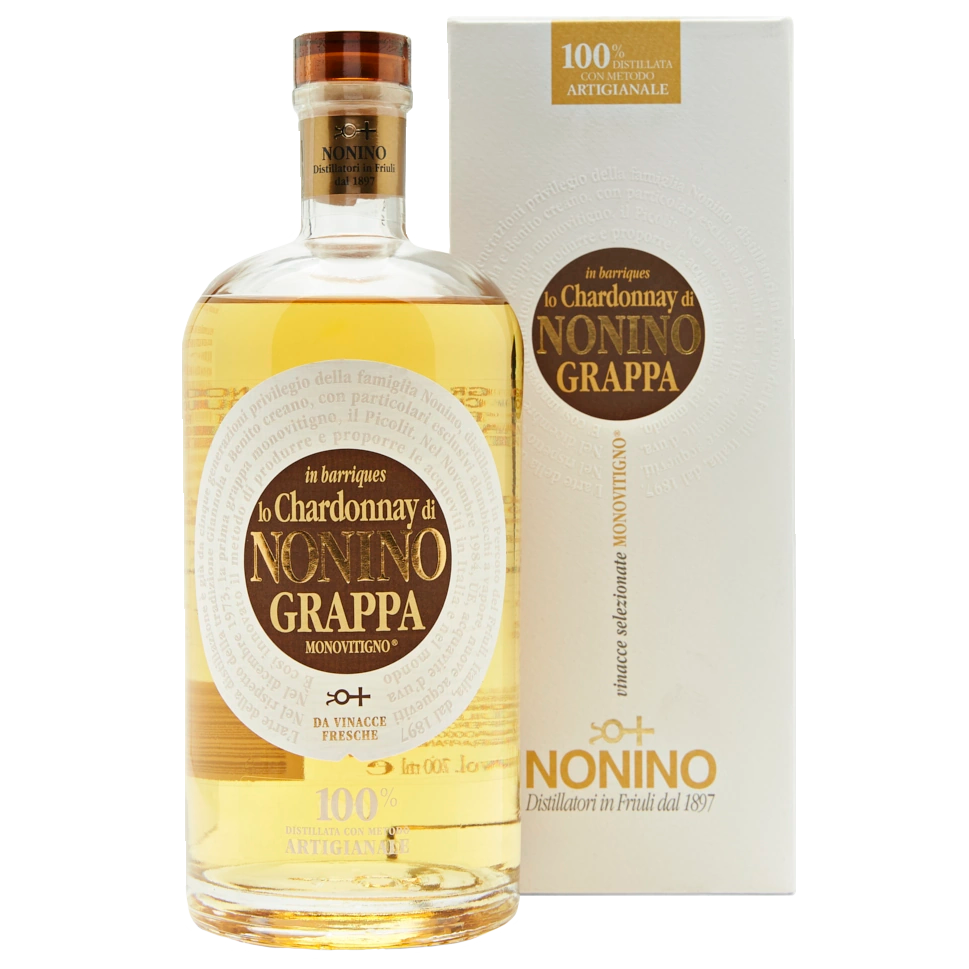
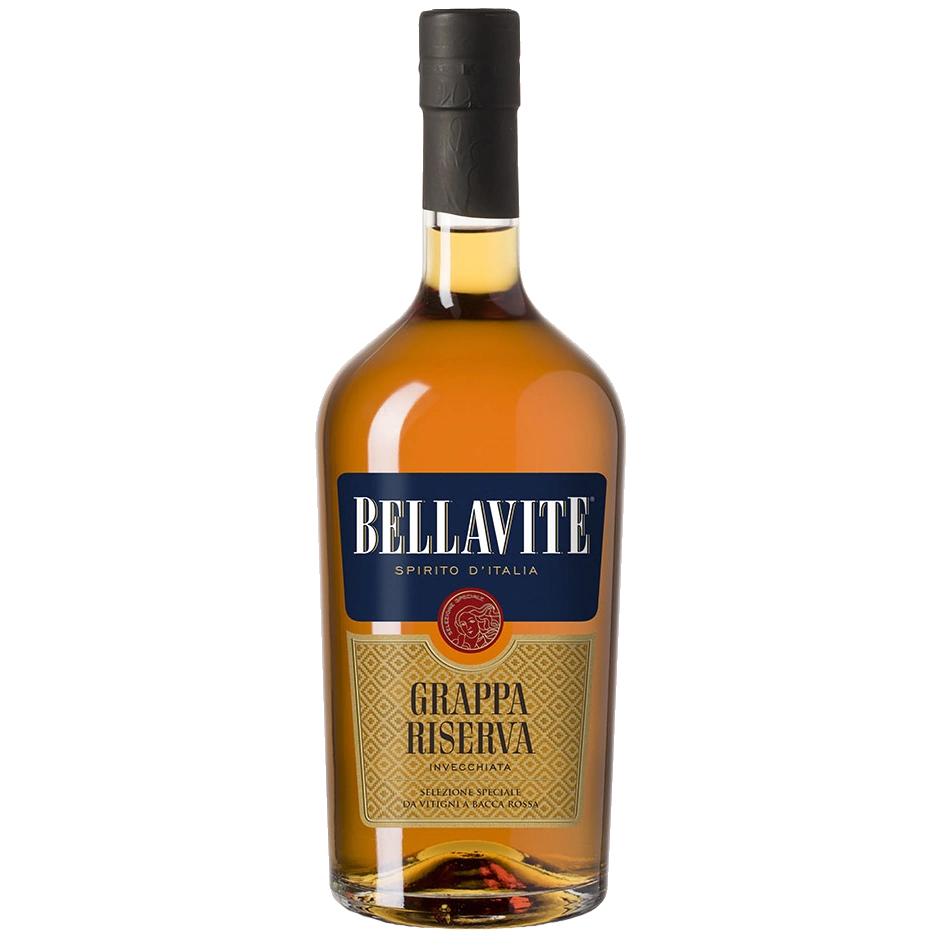
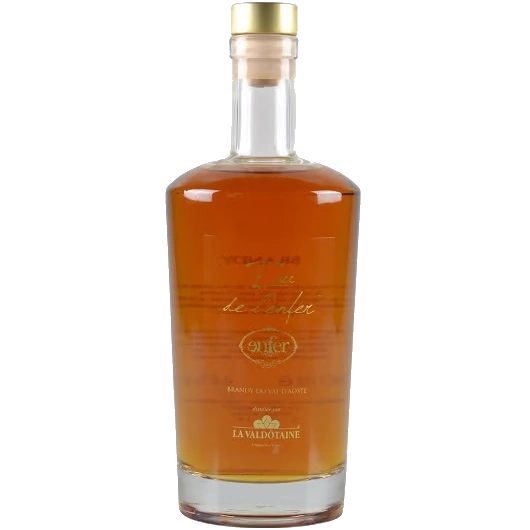
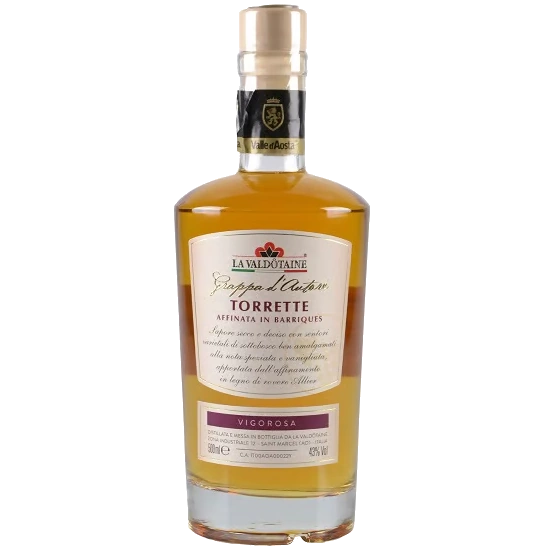
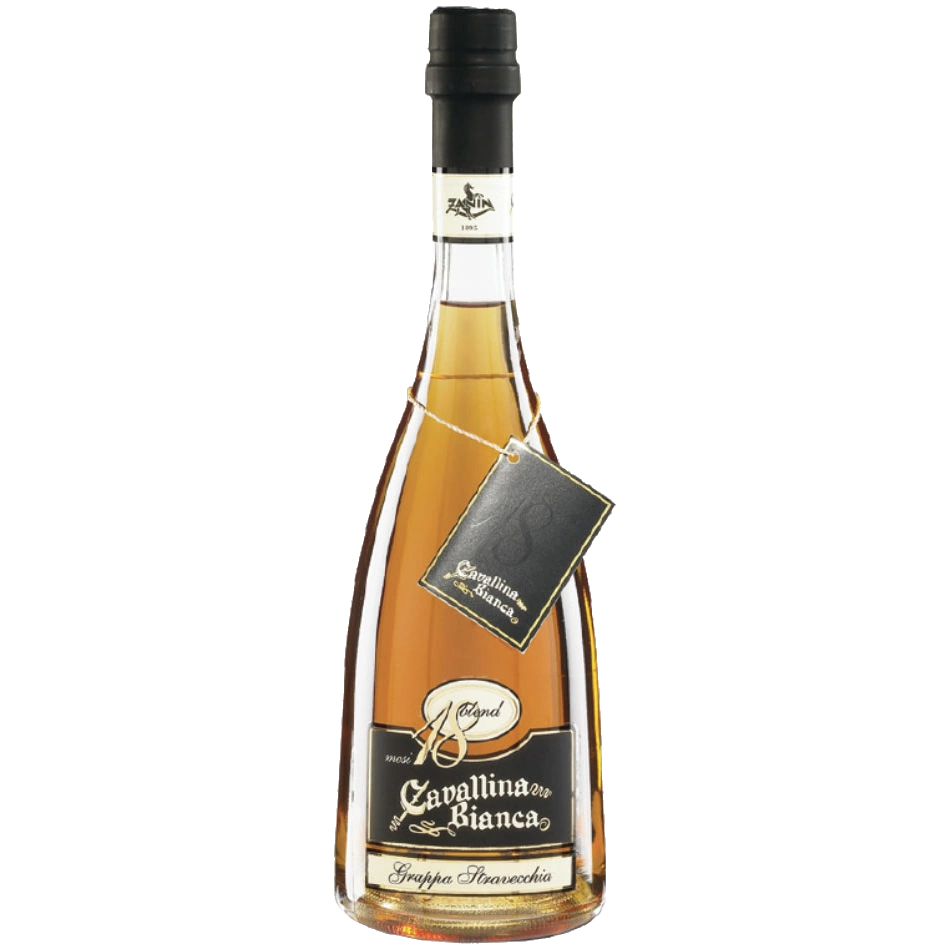
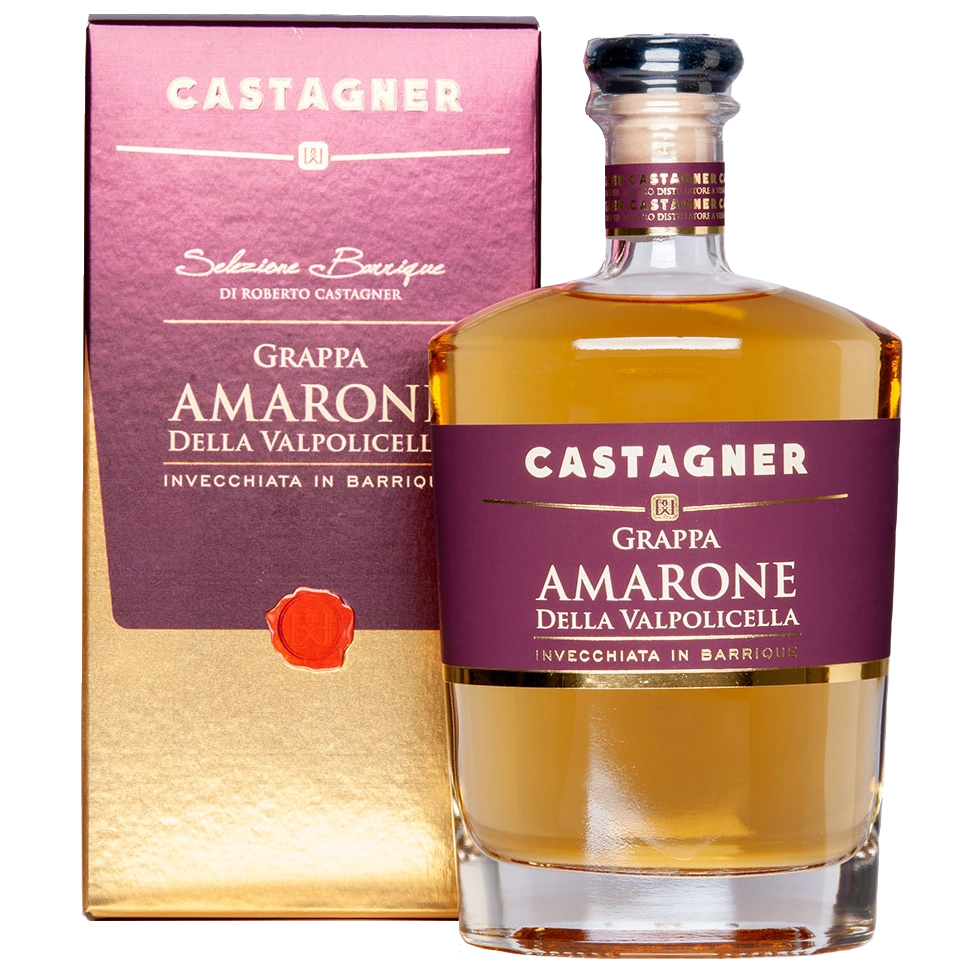
- Aged variants (in oak, chestnut, or other barrels): Deeper, rounder character with notes of vanilla, caramel, dried fruits, and spices.
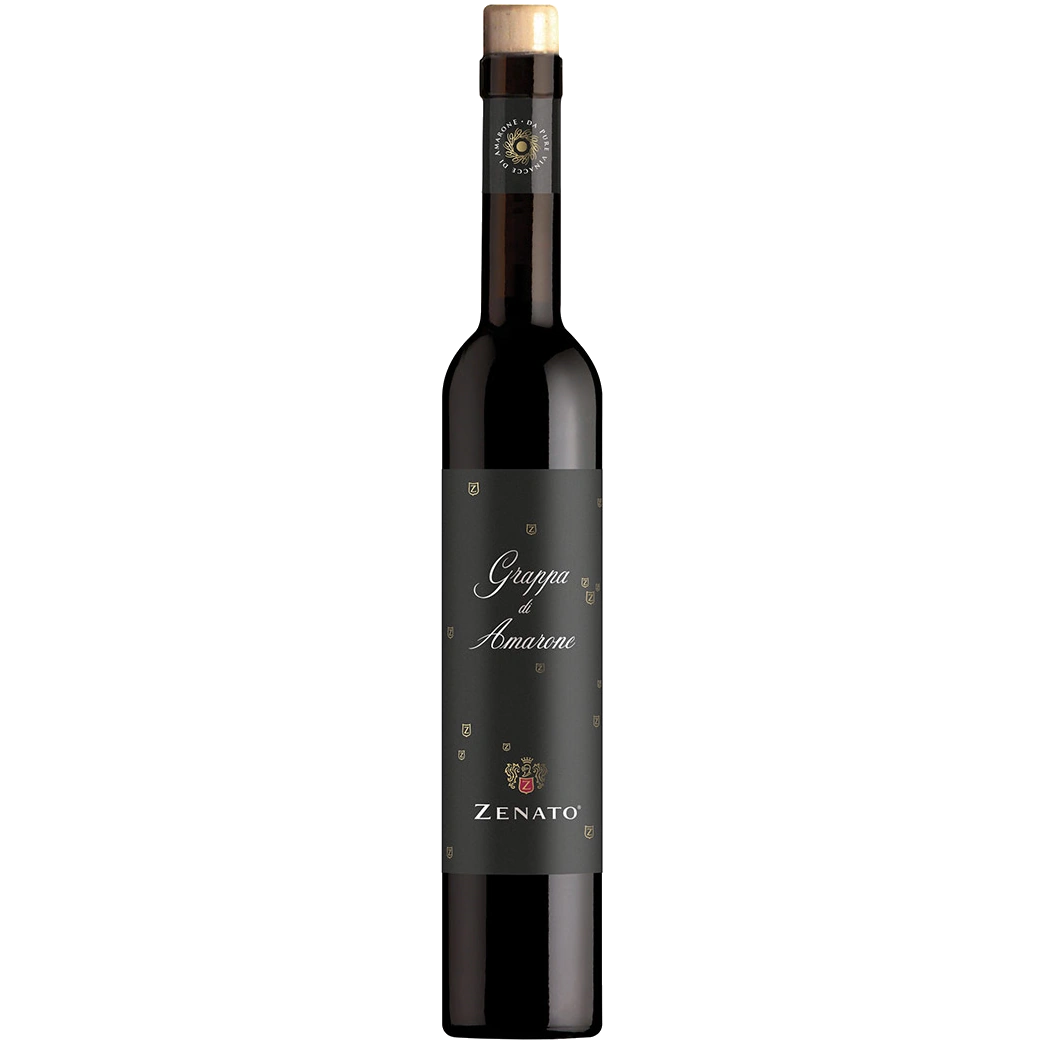
Depending on the grape variety, aromas vary greatly — from floral Moscato notes to fruity grape tones to bolder, more tannic profiles in red grape varieties.
How do you best enjoy Grappa and Chacha — glass, temperature, quantity?
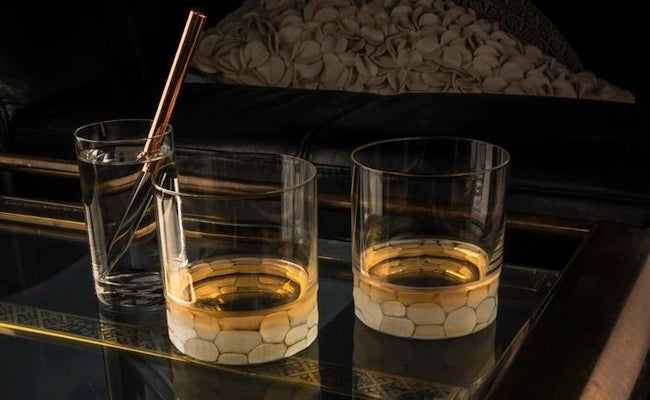
Use small nosing glasses or narrow tumblers to concentrate the aromas. Drinking temperature: light Grappas slightly chilled or at room temperature; aged variants preferably a bit warmer so that the barrel notes can unfold. A small tasting measure (20–40 ml) is sufficient; enjoy in slow sips, breathe in between, and let the aromas linger.
Which food combinations work particularly well?
- Fresh Grappa/Chacha: pair with light desserts, white fruits, or as a finish after fish dishes.
- Aged brandies: harmonize with dark chocolate, aged cheese, dried fruits, and nuts.
- Chacha: strong, unadulterated varieties are also suitable with hearty grilled dishes or as a contrast to sweet desserts.
Experiment with small bites alongside the glass to find your favorite combination.
What does barrel aging mean — is investing in aged variants worthwhile?
Yes, if you appreciate complexity. Barrel aging (oak, chestnut, often ex-bourbon or local woods) mellows the sharpness, adds vanilla and spice notes, and makes the mouthfeel smoother. Aged Grappas and Chachas are often more expensive, but offer a whiskey/brandy-like experience with their own grape base.
Which quality indicators help you when buying?
Look for: origin designations (DOC/IGP for Grappa), grape variety designation, production method (copper pot stills), age statement or "Riserva" indications, barrel type for aged bottlings, and whether they are limited artisan batches. Transparent producers usually also state the mash source and grape variety — this builds trust.
Are there regional specificities you should know?
Italian regions (Piedmont, Veneto, Trentino, Sicily) produce different grape varieties and styles — from floral Moscato Grappas to powerful Nebbiolo expressions. Georgia, in turn, uses local grapes and traditional methods; Chacha can be very direct and distinctive or gently taste of barrel aging. Regionality is part of the enjoyment — read the story on the label.
How do you properly store Grappa and Chacha at home?
Store bottles upright, in a dark place, and at a constant temperature. Unopened, the aromas remain stable; once opened, you should consume bottles within a few years, especially if only a little liquid remains, as oxidation can alter the taste.
Are Grappa and Chacha also suitable as gifts — how do you best present them?
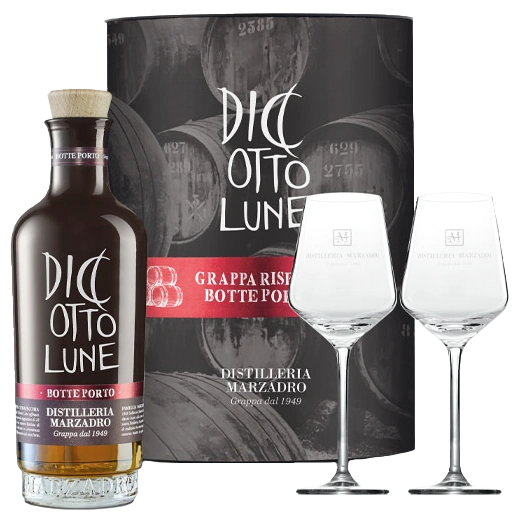
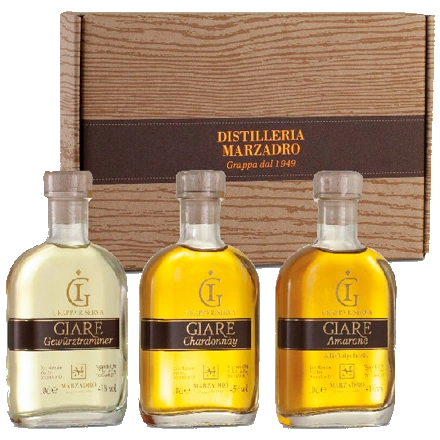
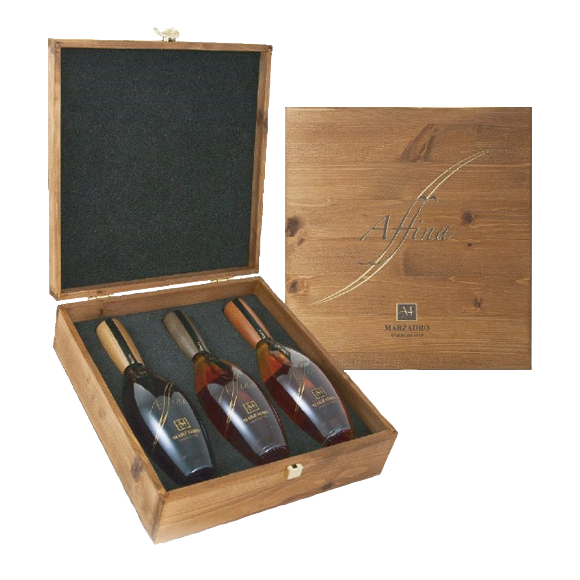
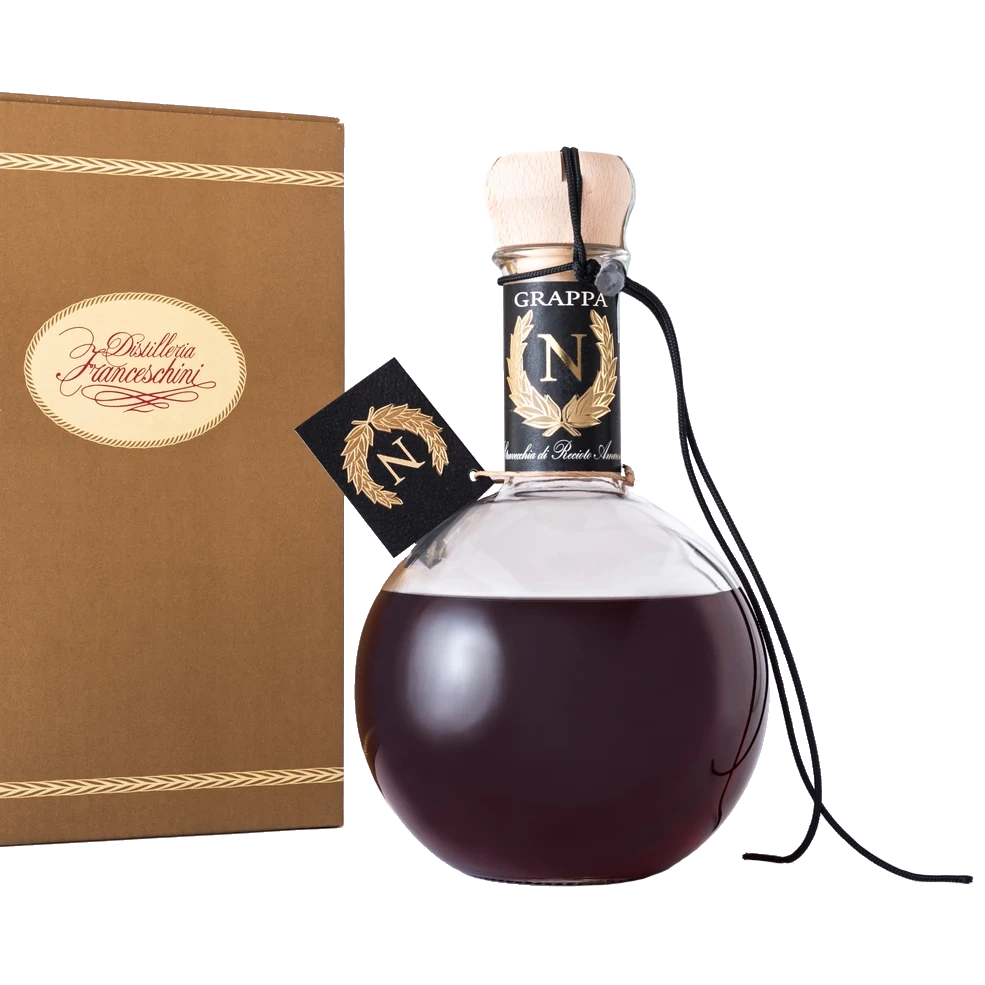
Absolutely. Elegant bottles and aged bottlings make great gifts. Combine the bottle with a glass, chocolates, or a small tasting description. For beginners, tasting sets with small bottles are ideal; for connoisseurs, limited Riserva bottlings are worthwhile.
What should you consider regarding allergies or special dietary needs?
Since Grappa and Chacha are made from grapes, they are generally gluten-free. For spiced or flavored varieties, pay attention to additional ingredients and allergy information (e.g., nuts in flavored products).
Final tip — how do you find your favorite without risk?
Use sample sizes or tastings to compare different grape varieties, age stages, and regions. First, try fresh varieties to experience the grape character, then aged bottlings to discover barrel complexity. Make a note of your impressions — this way, you'll quickly find your personal Grappa or Chacha favorite. Have fun tasting!