

Ireland - Buy Irish Spirits online
Ireland - Buy Irish Spirits online
What makes Irish whiskey so exciting for you?
Irish whiskey stands for diversity, craftsmanship, and drinkability. It combines smooth, fruity notes with occasionally smoky, spicy, or peaty facets—depending on its region of origin. For you, this means a range of styles, from light, everyday drams to complex, smoky bottlings. Irish whiskeys are ideal if you want to appeal to both beginners and experienced connoisseurs.
How do landscape and water influence the aromas you find in the glass?
Water sources, local grains, and maturation processes shape the character of each whiskey. In Ireland, these factors interact strongly: different water qualities give malts and blends subtle mineral notes, the grains used influence body and sweetness, and the type of casks (ex-bourbon, sherry, wine casks) introduces further nuances like vanilla, dried fruit, or tannin. This creates a multifaceted spectrum of aromas that you can discover step by step as you taste.
What taste differences between North and South should you know?
The south of Ireland often exhibits a lighter, more elegant style – influenced by historical English techniques – with floral and fruity notes. In the North, you'll tend to find a deeper, more robust profile with stronger spice; here, Scottish influences are noticeable, including heather, smoke, and in some regions, peat. For you, this means: choose northern bottlings if you like more intense, smokier drams; choose southern bottlings for softer, more accessible aromas.
What is Ireland geographically, and why is that relevant to your enjoyment?
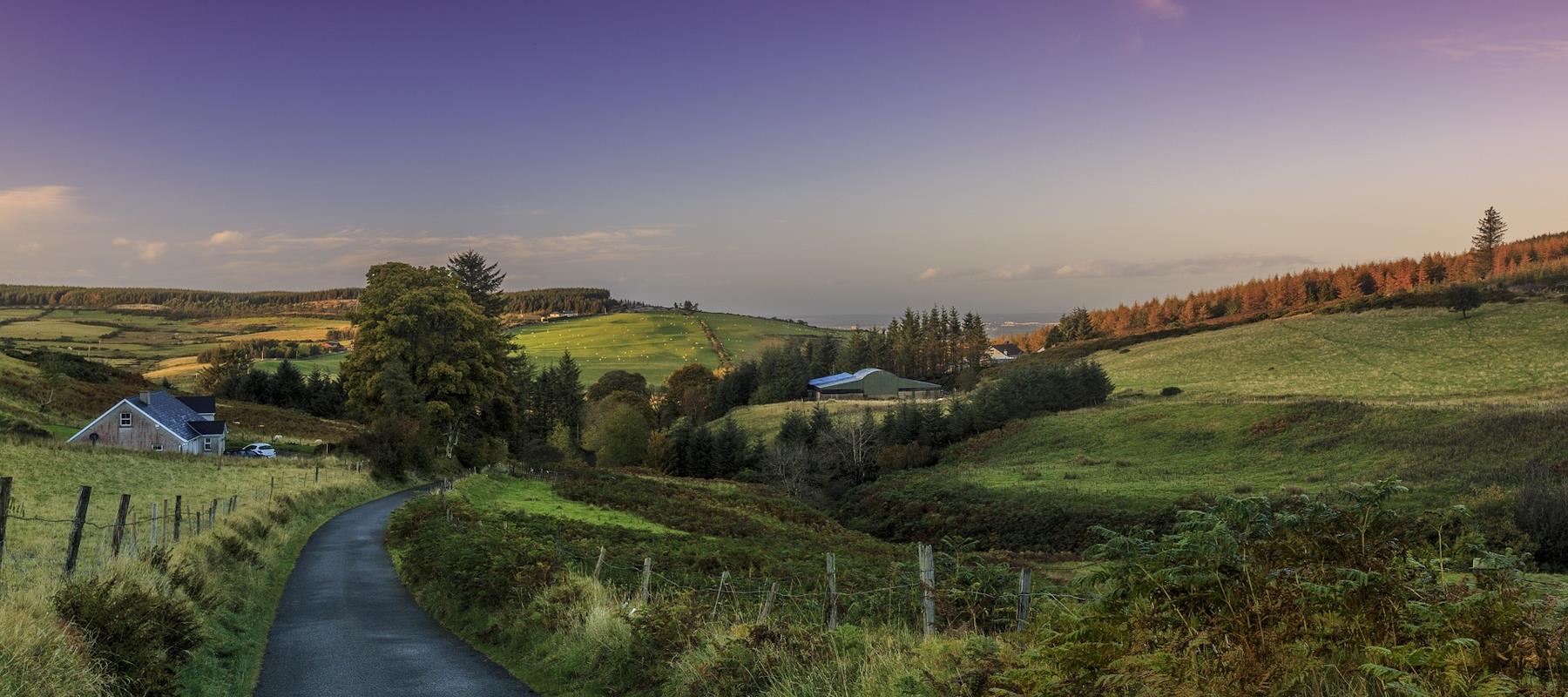
Ireland is divided into four provinces—Ulster (northern), Munster (southern), Leinster (eastern/southeastern), and Connacht (northwestern)—and 32 counties. Each region produces different raw materials, history, and distilling traditions. The provinces and individual counties thus shape the aroma and style, because climate, water, and local histories have direct influences on production.
Which Irish whiskey regions should you pay particular attention to when buying?
- County Cork: Known for several distilleries; often slightly peated and smoky notes – good if you like some body and character.
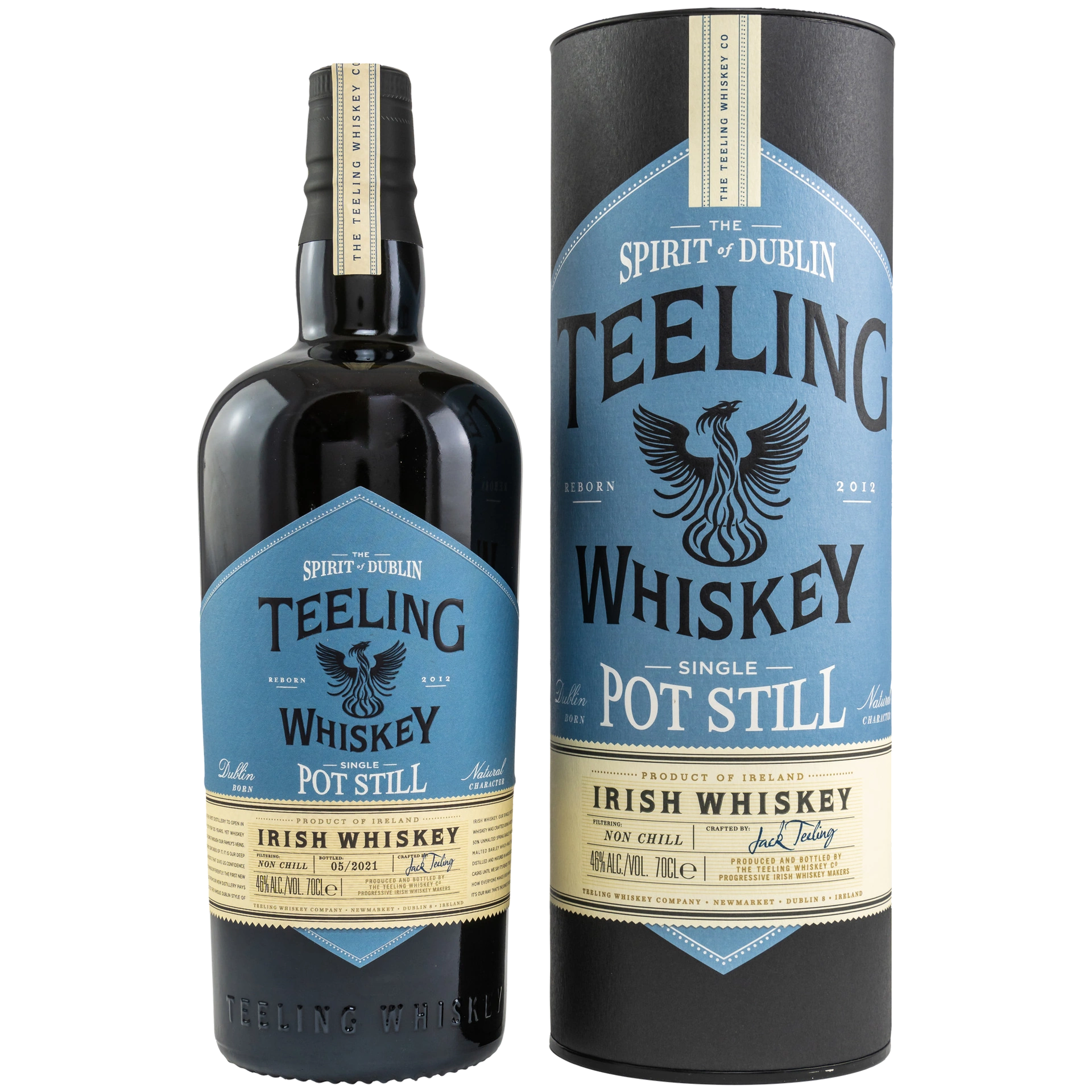
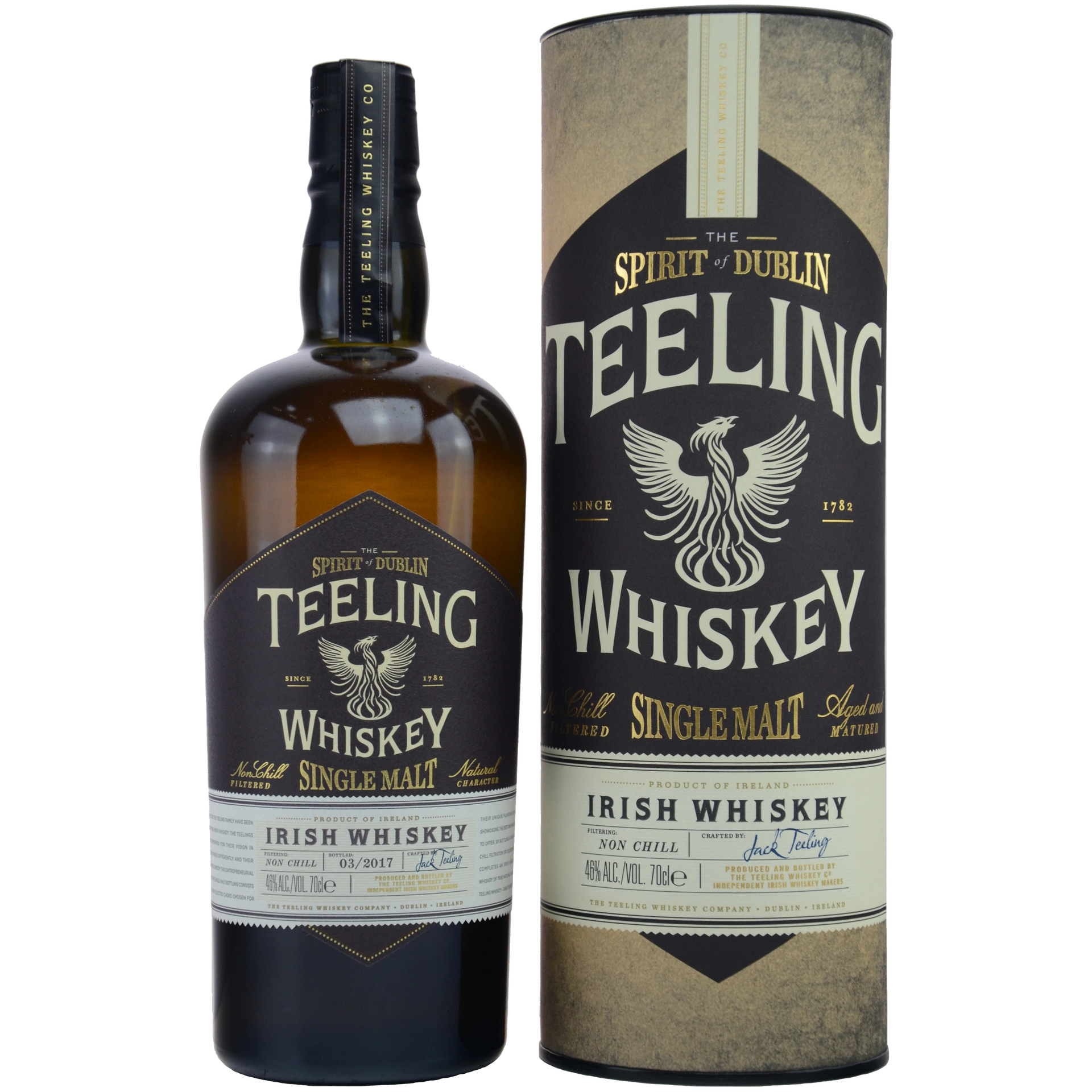
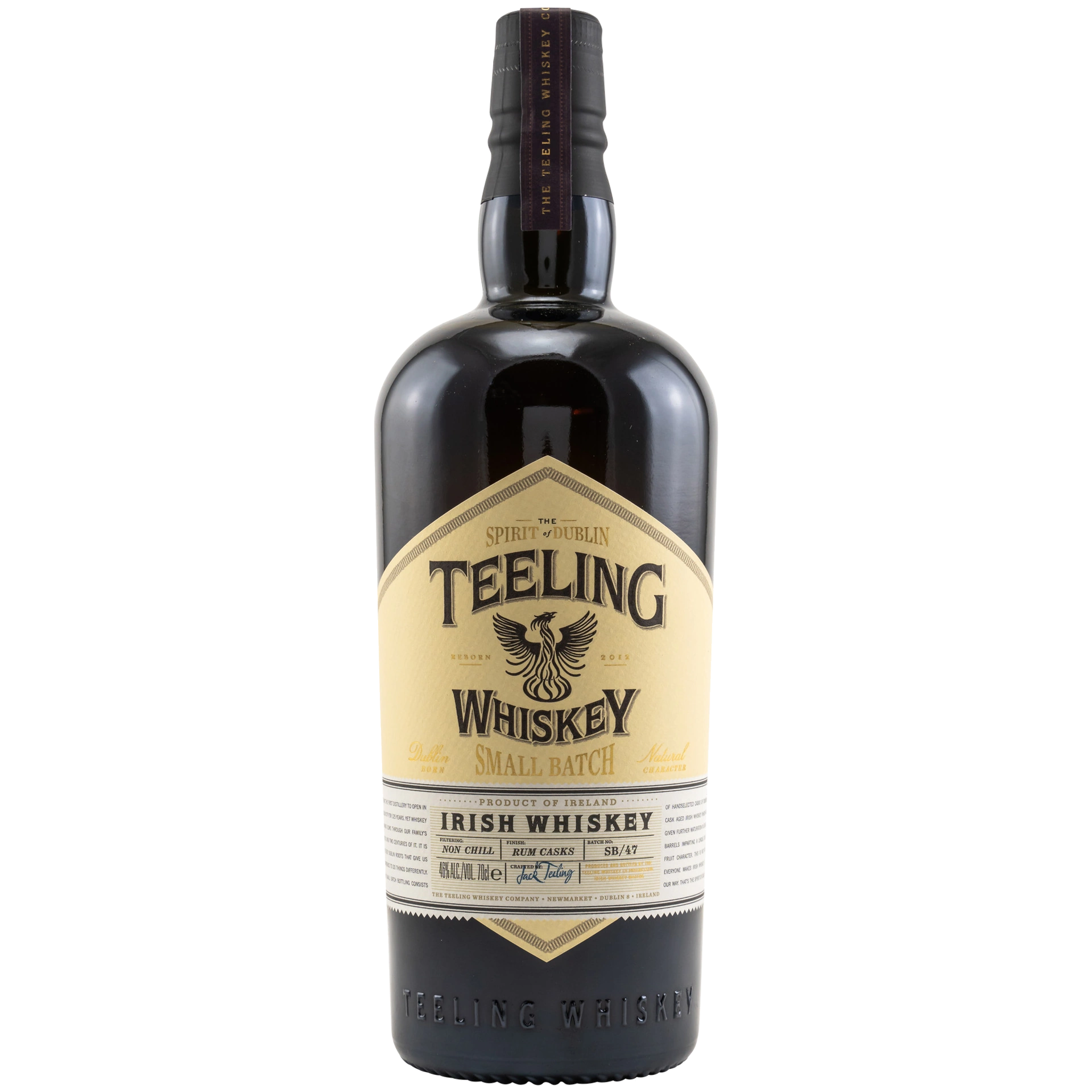
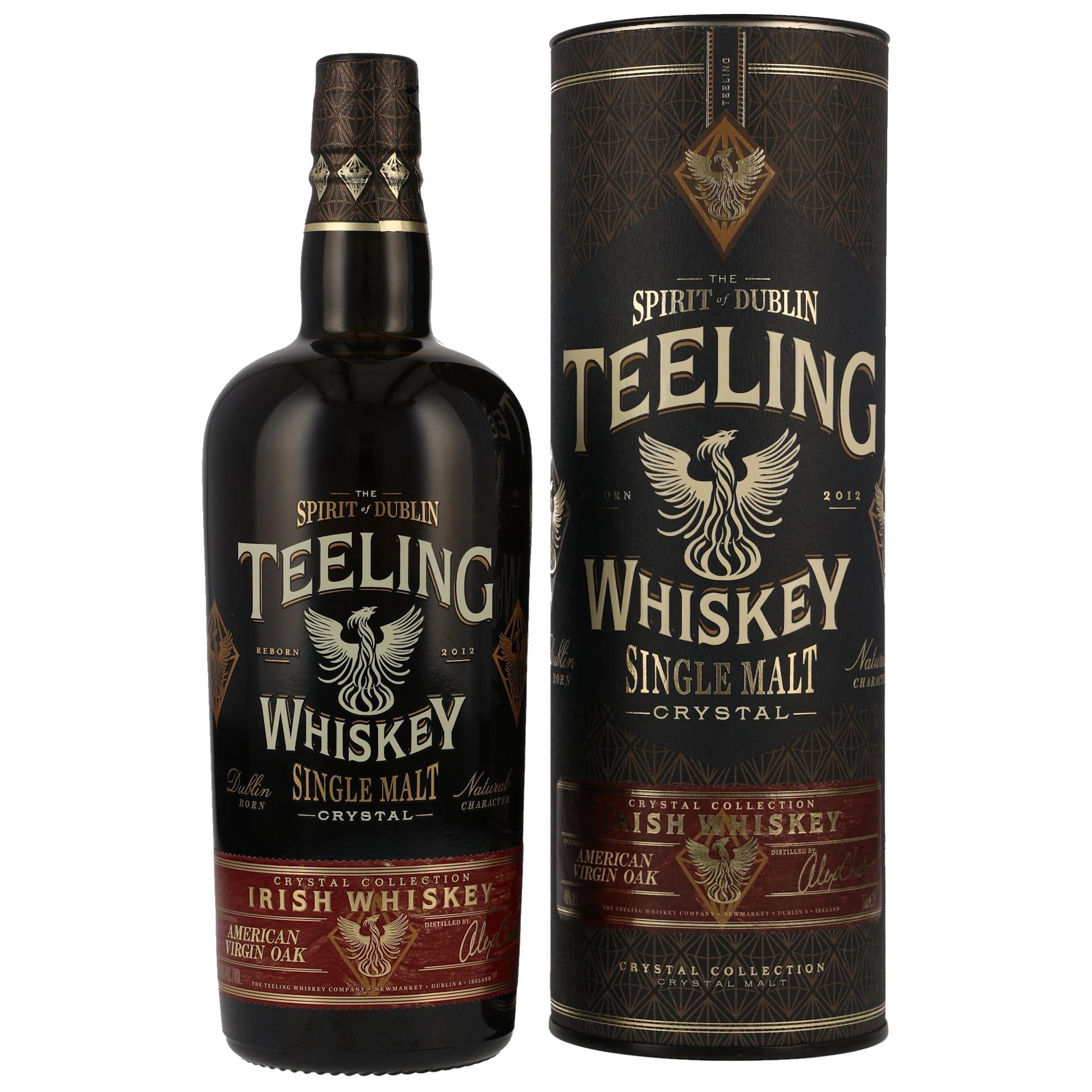
- County Dublin: Home to old, renowned distilleries; whiskeys here often show sweet and fruity tones – ideal for beginners and fans of elegant malts.
- Counties Donegal & Antrim (Northern Ireland): Northern distilleries often deliver bolder and sometimes smokier profiles (peat/heather) – exciting for lovers of robust drams.
- County Kilkenny: Specializes in Single Pot Still whiskeys with malty, spicy notes – distinctive and typically Irish.
-
County Limerick: Produces both Single Malts and Blends with a bold, spicy character – a good choice if you're looking for depth.
What aromas can you specifically expect?
Depending on the region and production method, you'll find: floral and fruity notes (apple, pear, citrus), malty sweetness, spices (caramel, vanilla), velvety honey notes, all the way to heather, smoke, and peat (especially in the North). Cask selection additionally brings dried fruits, chocolate, or tannic wine notes.
Which whiskey suits which occasion or taste?
- Light & fresh: Ideal for beginners and as an aperitif dram.
- Fruity & sweet: Pairs well with desserts or mild cheese.
- Spicy & robust: Perfect with hearty dishes, stews, or as a digestif.
-
Smoky/peaty: For special connoisseurs and pairings with smoked fish or dark chocolate.
How do you properly taste Irish whiskey to recognize its nuances?
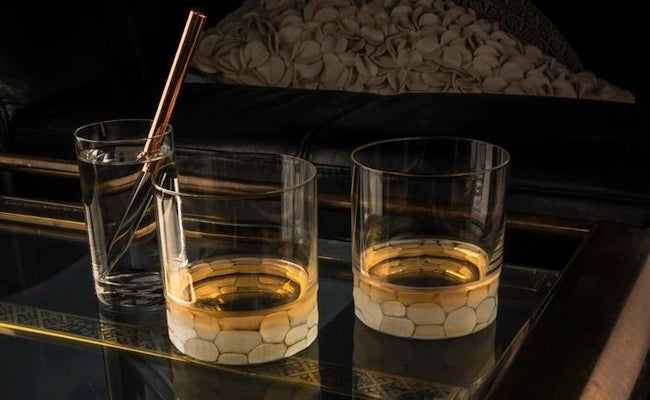
Use a tulip-shaped glass, smell first without swirling, then again after a brief swirl. Take small sips, let the whiskey rest on your tongue, and pay attention to the nose, palate, and finish. A drop of water can open up aromas—especially at higher proof.
What should you consider when buying?
Pay attention to the origin (county/region), cask details (ex-Bourbon, Sherry, Wine Finish), whether it's a Single Malt, Single Pot Still, or Blend, and age statements or Cask-Strength indications. For gluten-sensitive individuals: whiskey is made from grain, but usually contains no gluten residues after distillation; if unsure, check product-specific information.
How do you properly store whiskey at home—and how long does it last?
Store bottles upright, in the dark, and at a constant temperature. Unopened, it's virtually unlimited; once opened, it's best consumed within 1–3 years, as oxidation changes the flavor.
How do you find your personal favorite without much risk?
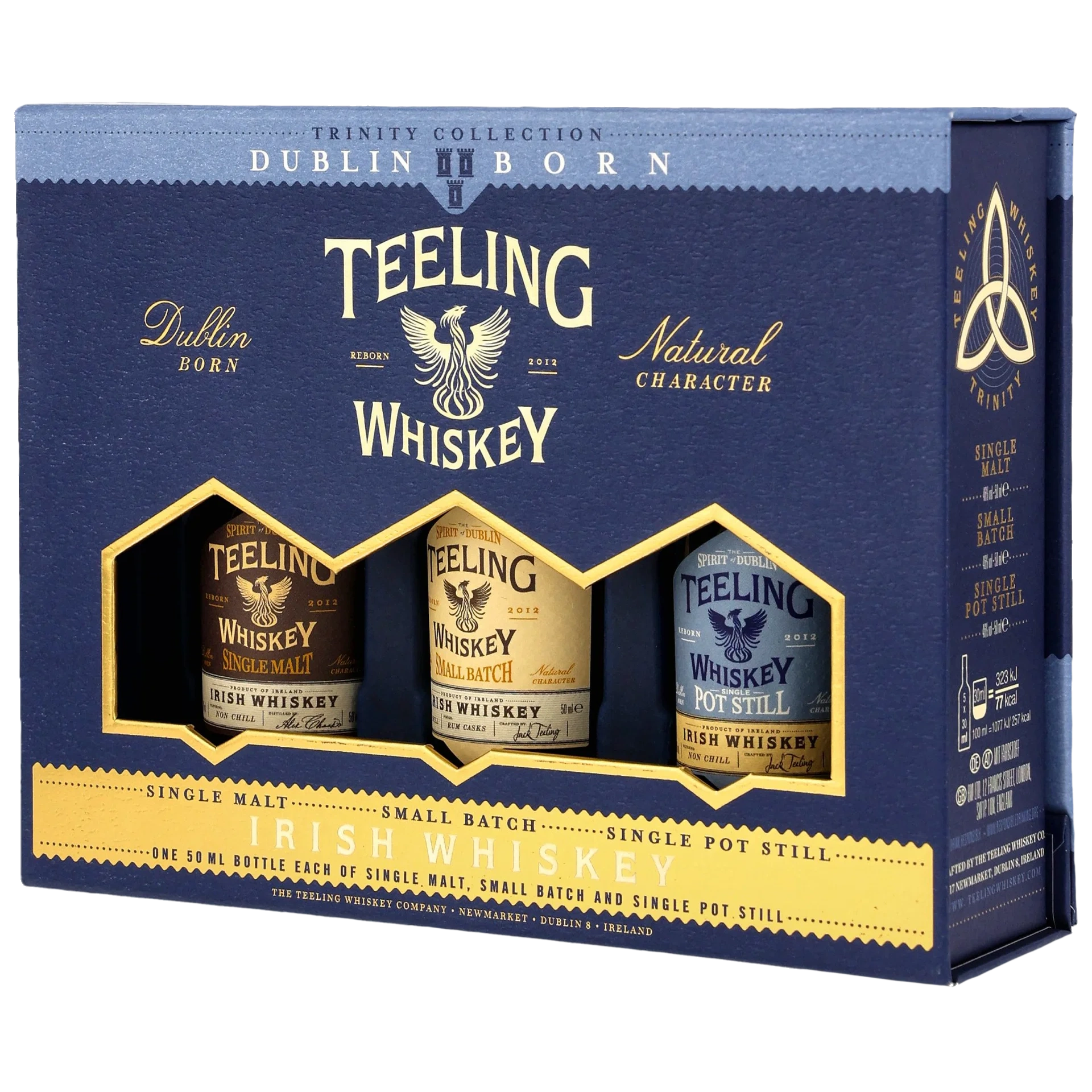
Start with sample tastings or miniature bottles from different regions (Dublin vs. Cork vs. Donegal). This way, you'll quickly discover which style you prefer—fruity-sweet, spicy-malty, or smoky-peaty—before investing in full bottles.
