


Buy Biondi-Santi wines (IT) from Tuscany online
Buy Biondi-Santi wines (IT) from Tuscany online

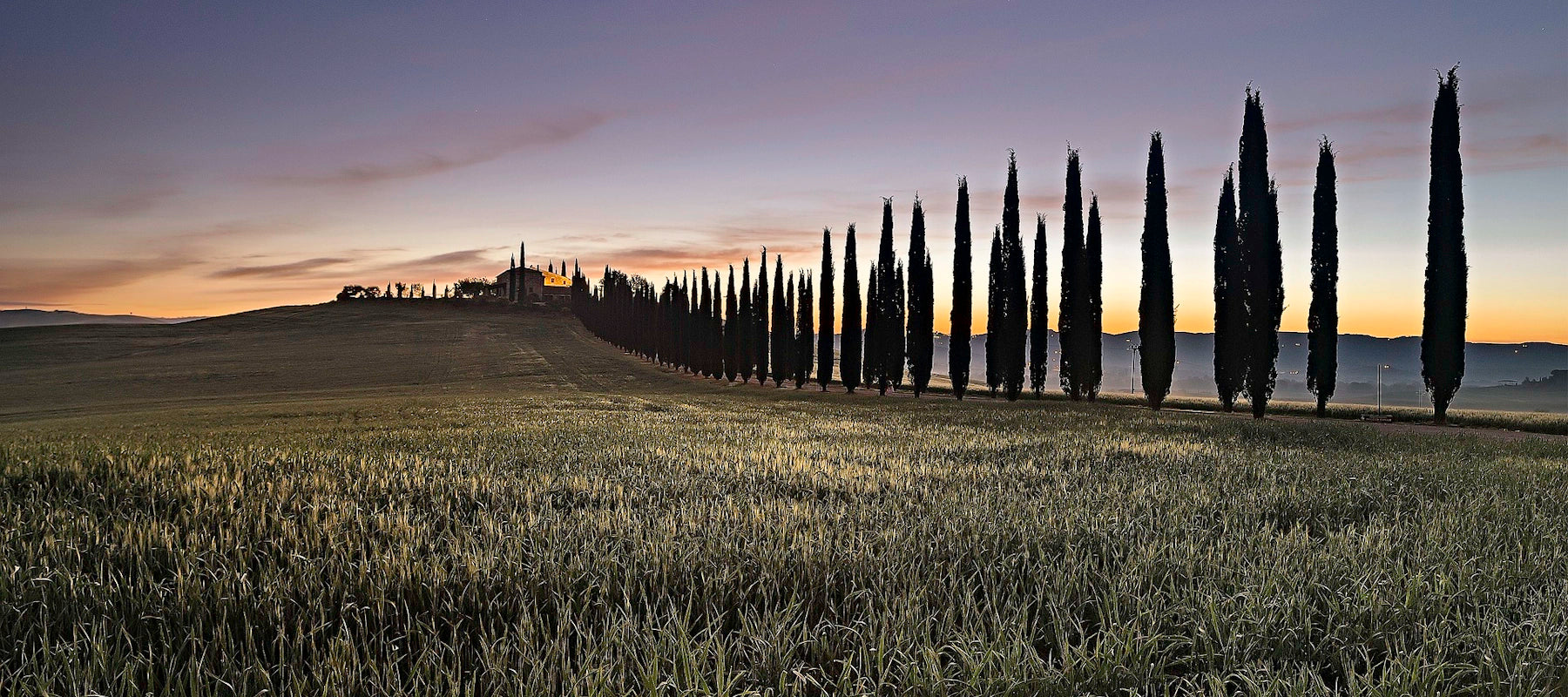
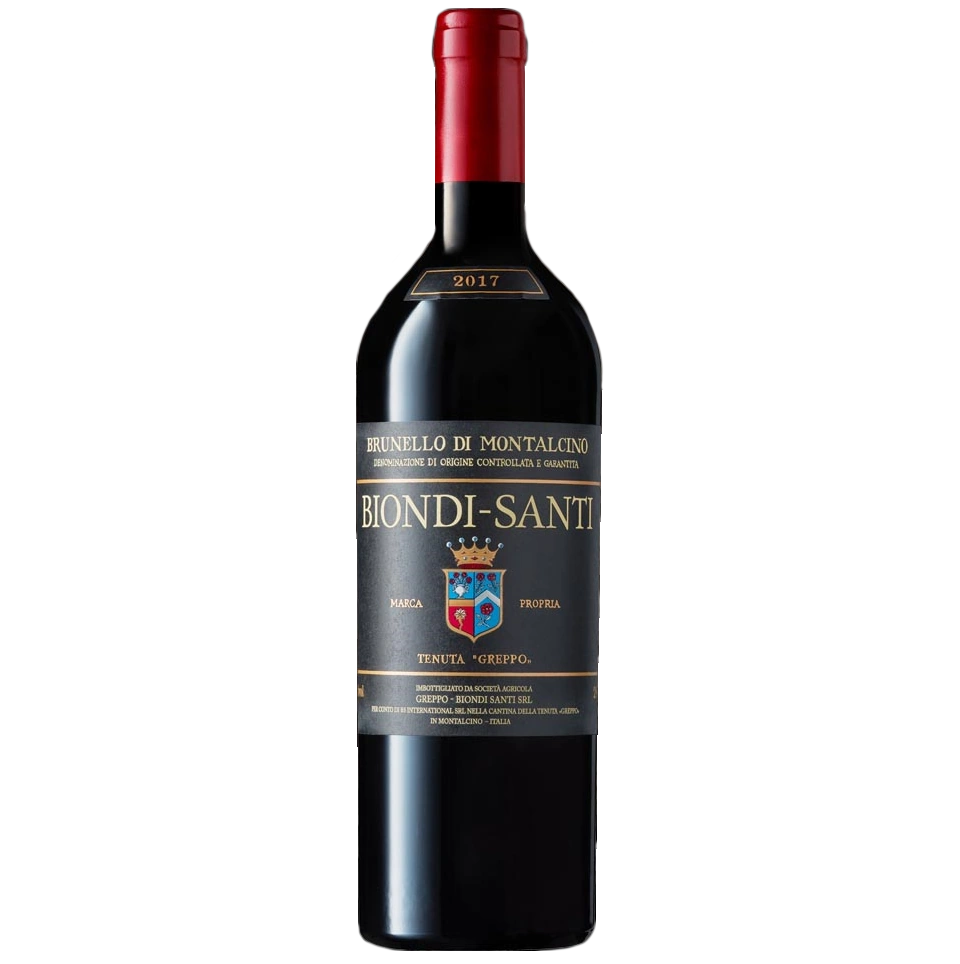
The roots of the renowned Biondi-Santi wines trace back to the mid-19th century, when Clemente Santi received an oenological award for a red wine produced in 1865. This wine was made entirely from the Sangiovese Grosso grape on his estate in Montalcino. It was an ideal wine for aging, featuring extended fermentation in oak barrels and advanced vinification techniques compared to its contemporaries. Later, in the late 19th century, his nephew Ferruccio Biondi Santi selected a special Sangiovese Grosso clone, which he cultivated at Tenuta il Greppo, and decided to vinify it as a single varietal. This led to the creation of the famous Brunello di Montalcino, officially produced for the first time in 1888 and now considered one of the most representative wines of the Italian wine world.
Nearly a century in advance, Biondi Santi set the trend for producing powerful red wines by reducing yields to obtain grapes with rich body, extract, and acidity. When Tancredi took over the company, he preserved the bottles of the historic collection and laid the foundation for the Brunello production regulations, developed in 1966. From 1970 onward, his son Franco, an agronomist and oenologist, continued the family tradition while simultaneously seeking improvements in quality. He continued mass selection to identify the best Sangiovese clones on the estate, which today comprises approximately half of the planted area at Tenuta il Greppo. Biondi-Santi is the only family in the world to have lent its name to a specific Sangiovese clone.
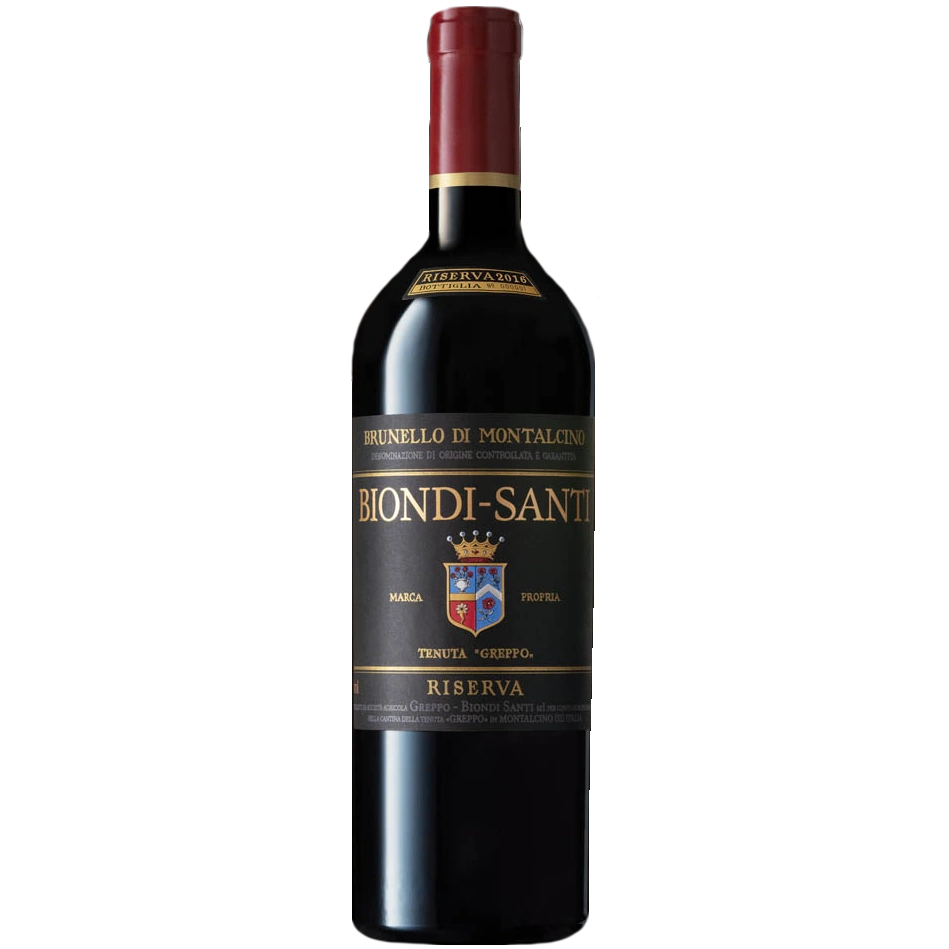
The Brunello di Montalcino Biondi-Santi Riserva is produced from a selection of Sangiovese Grosso grapes from the estate's oldest vineyards, and only in exceptional vintages—an event that has occurred only 40 times since 1888. The soils are diverse, consisting of marl-limestone mixed with sand and layers of schist-clay, with galestro rock being predominant. The vineyards are trained using the "cordone speronato" system, with chestnut wood stakes, and no herbicides are used, adhering to sustainable farming principles. The grapes are harvested by hand, and technology in the winery is kept to a minimum. Only a very limited amount of sulfur dioxide is used, and alcoholic fermentation takes place with indigenous yeasts. The wine matures for three years in large Slavonian oak barrels and then undergoes extended bottle aging.
The 2013 Riserva is the first vintage on the market to be available in four formats. For the first time in its history, Biondi-Santi is adding the 1.5-liter Magnum, the 3-liter Jeroboam, and the 6-liter Mathusalem to its traditional 750ml format. This is one of the first decisions Christopher Descours made since taking over Biondi-Santi in 2017, as annual bottle production has always been limited. These larger formats not only have a positive impact on the balance between acidity, tannins, and fruit, but also offer excellent protection for the wine, as the bottles are made of thicker glass, providing a barrier against sunlight, temperature fluctuations, and vibrations.
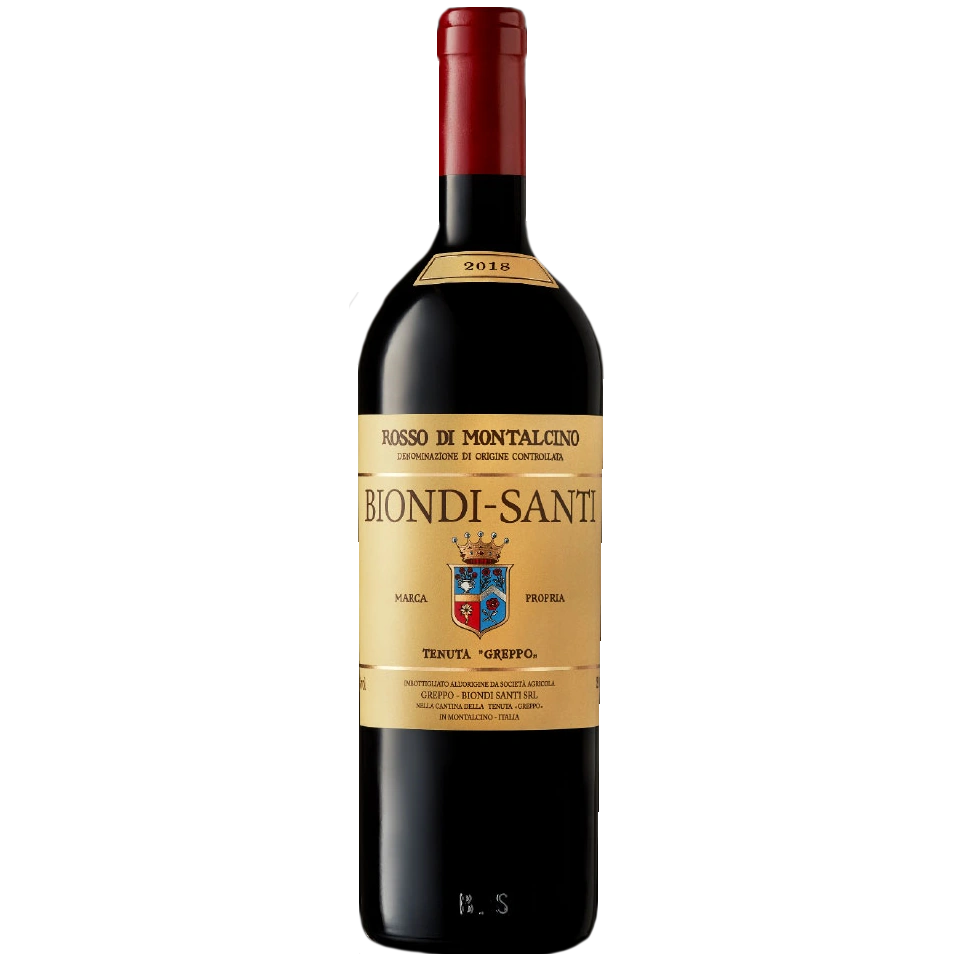
The 2018 vintage of Rosso di Montalcino was a challenging and rainy harvest, requiring rigorous selection at the winery. The wine was aged for 12 months in large Slavonian oak barrels. The result is an exceptionally interesting, delicate, refined, elegant, spicy, upright, and captivating wine. It displays a ruby-red color, while the nose offers fruity aromas of ripe plum, cherry, and currant, complemented by floral notes of rose and even jasmine, as well as hints of spice, licorice, cocoa, vanilla, and earthy, aromatic herbs. On the palate, the wine presents itself with youthful vibrancy, good tannins, excellent freshness and flavor, and a pleasant, fruity finish completes the tasting experience.
