

Popular Whiskey Regions for Whisk(e)y
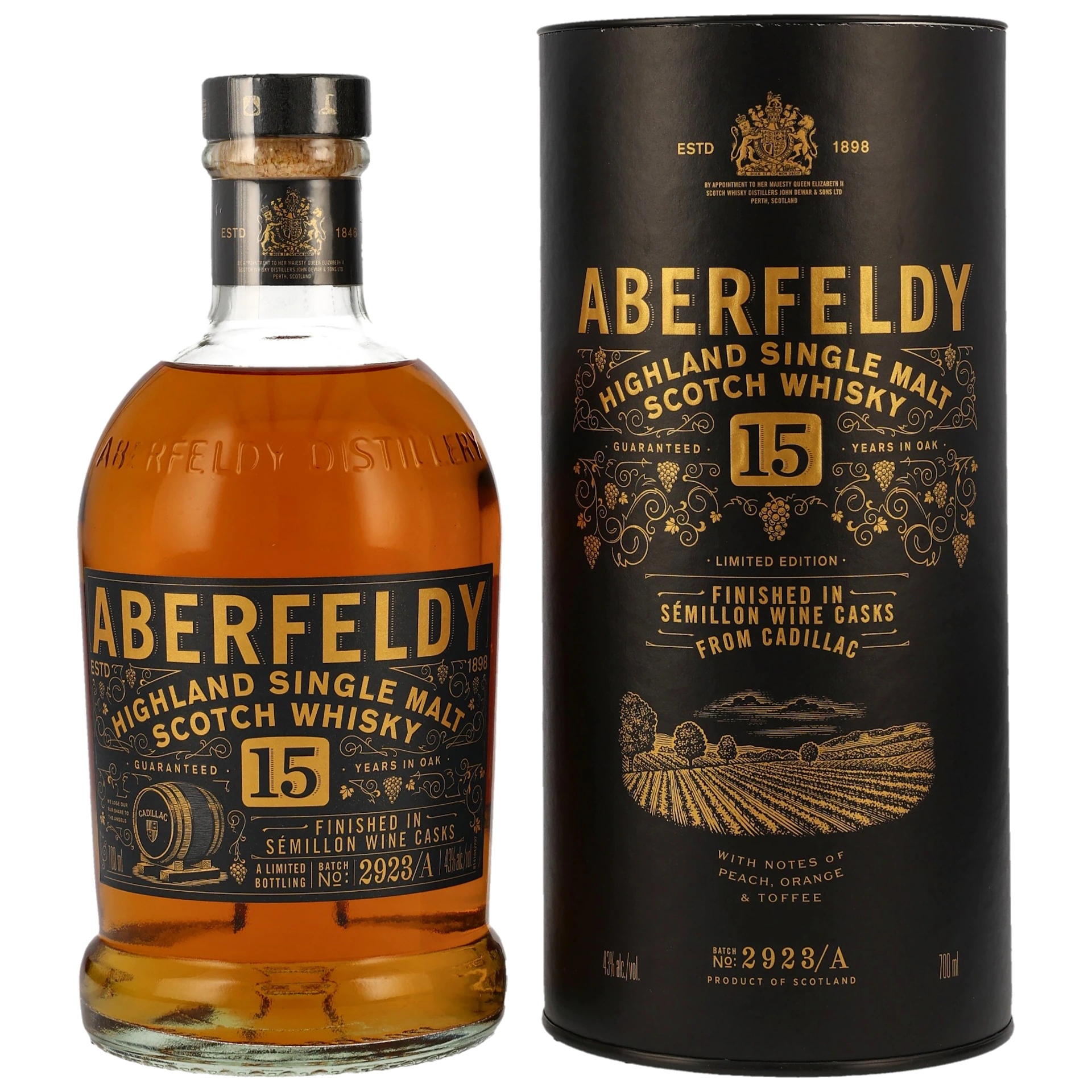
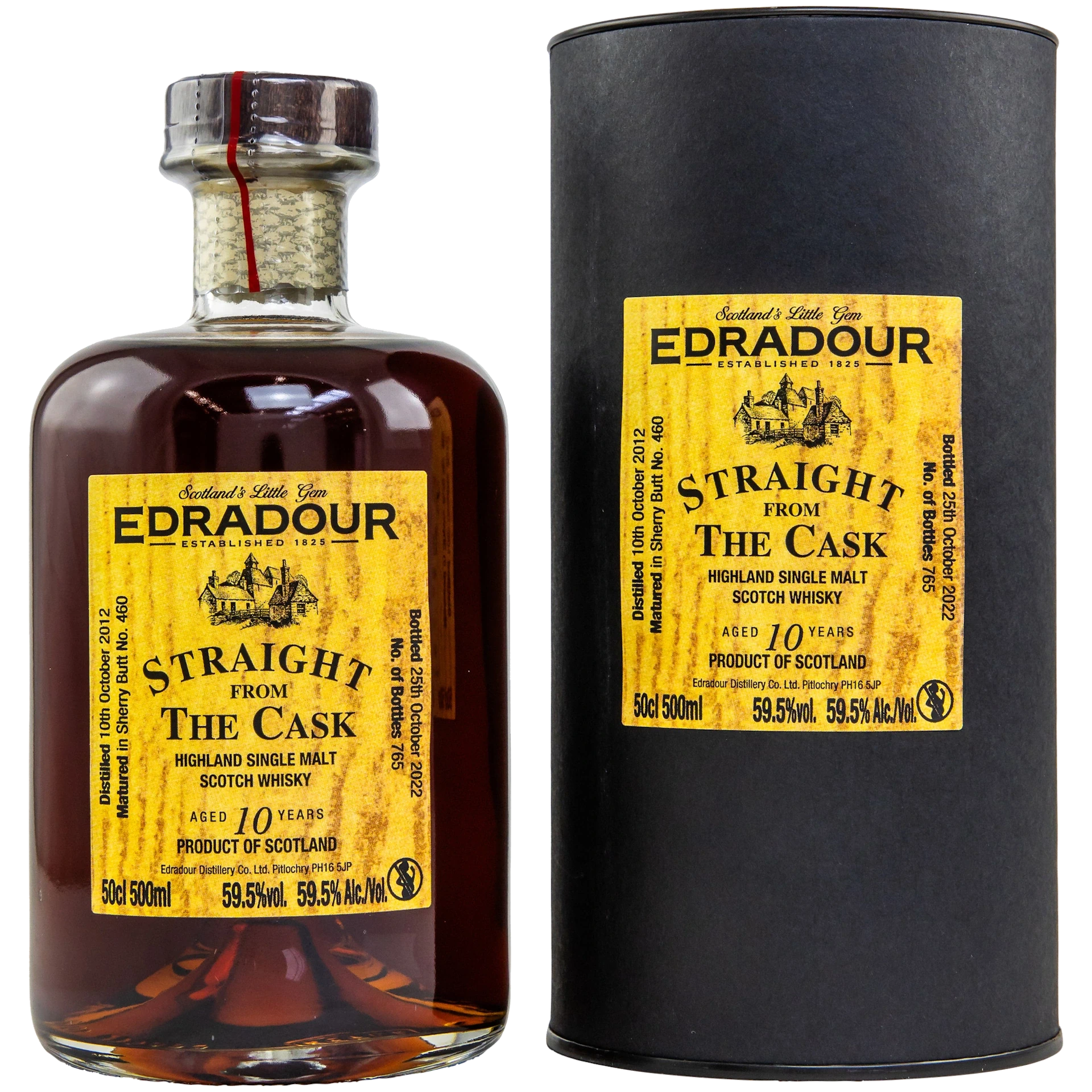
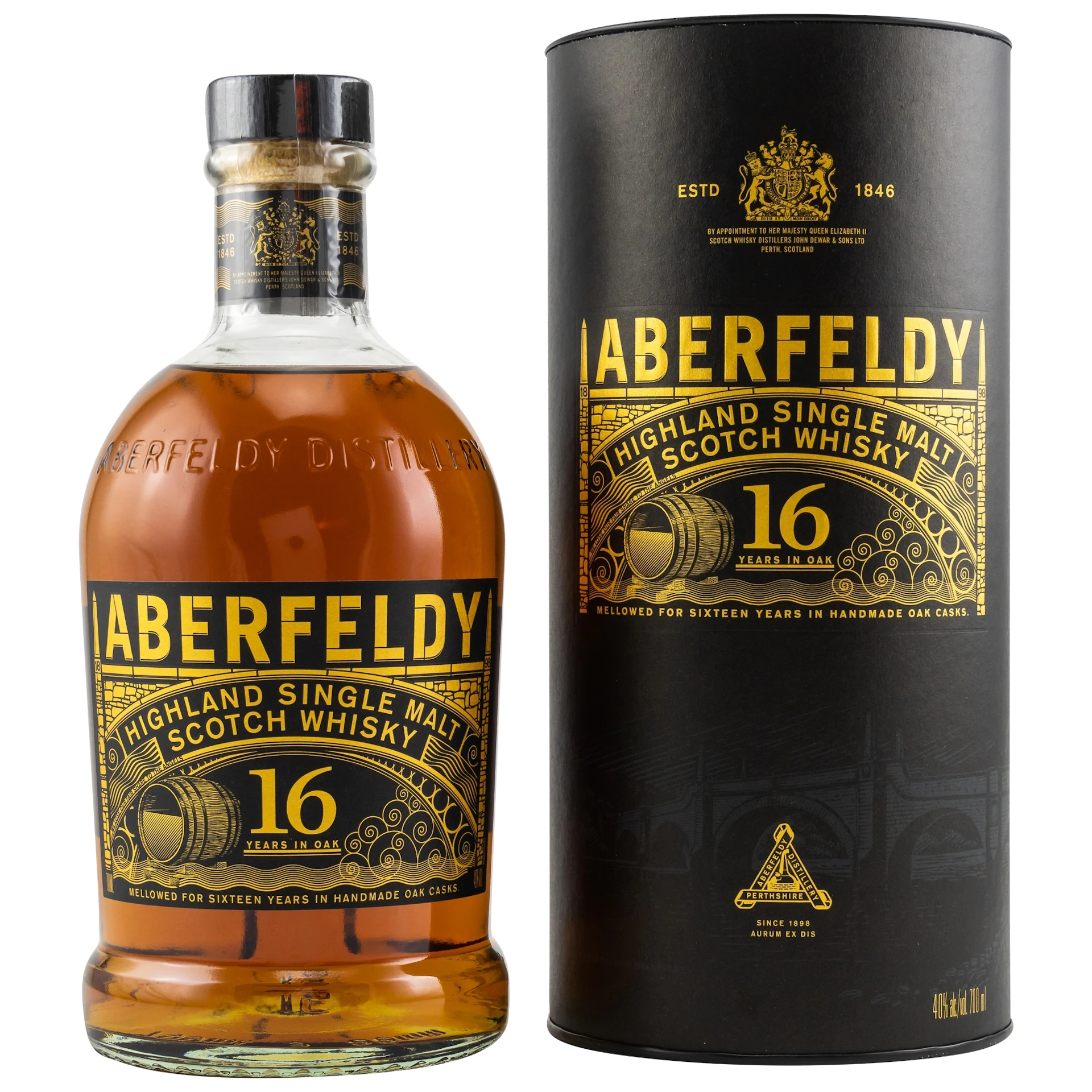
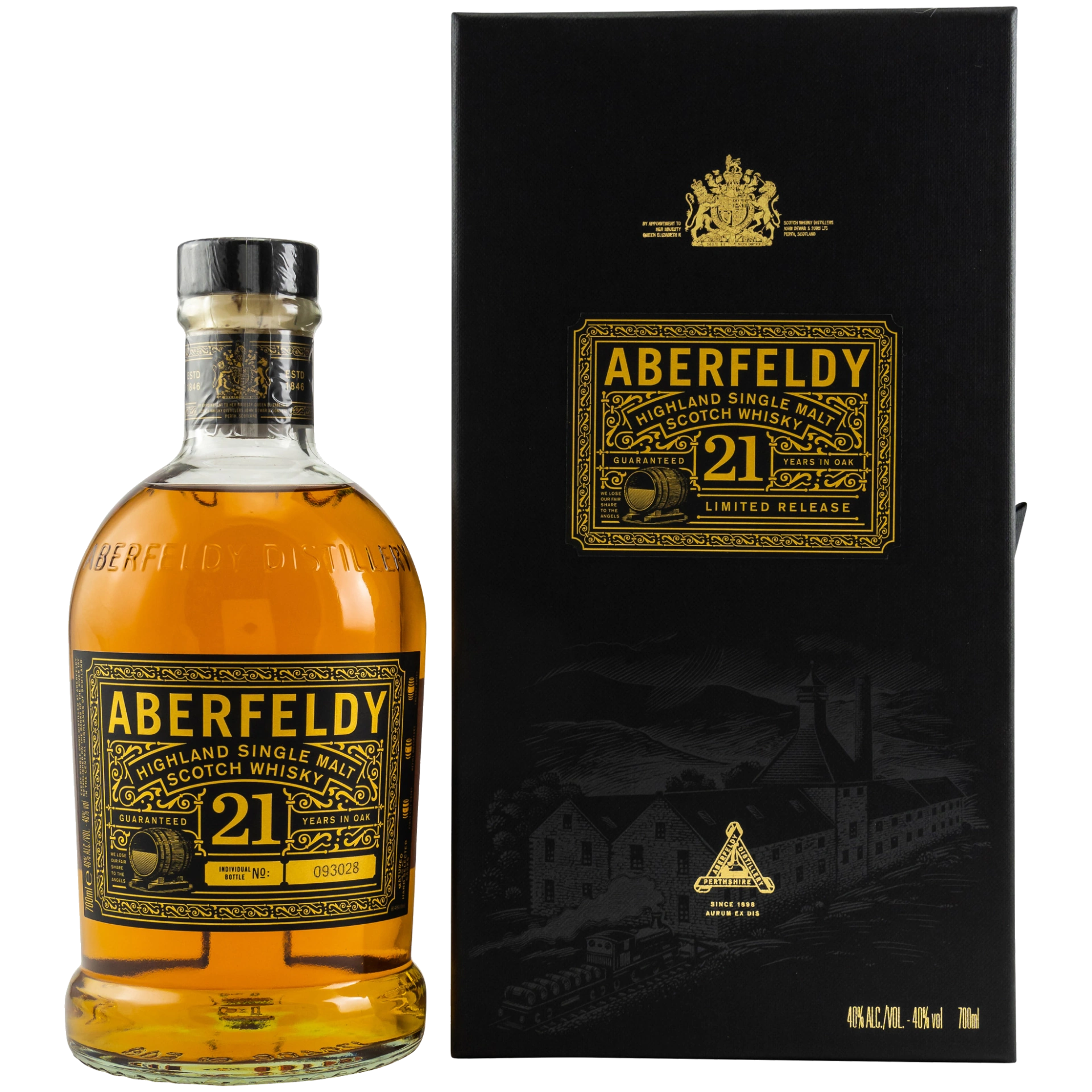

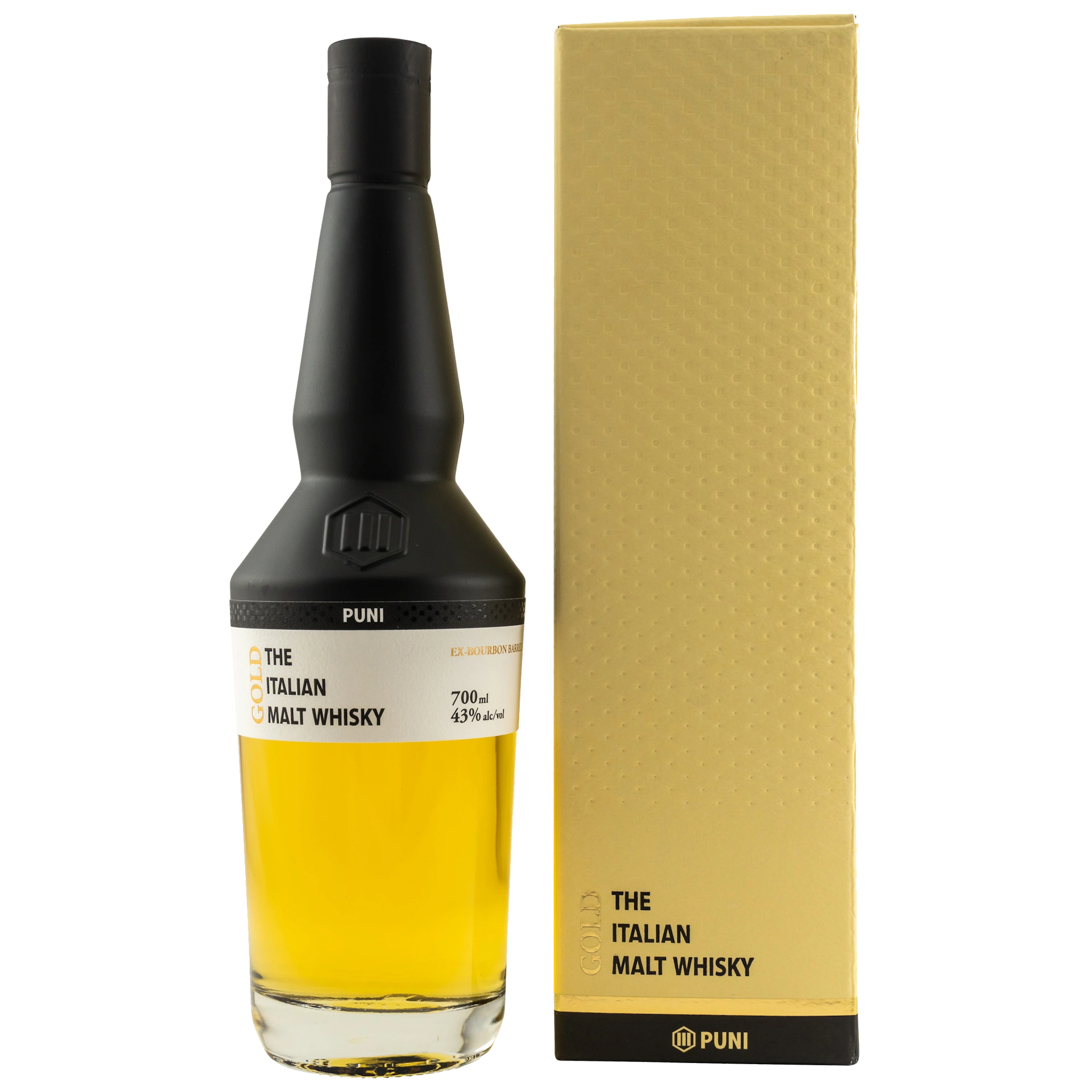
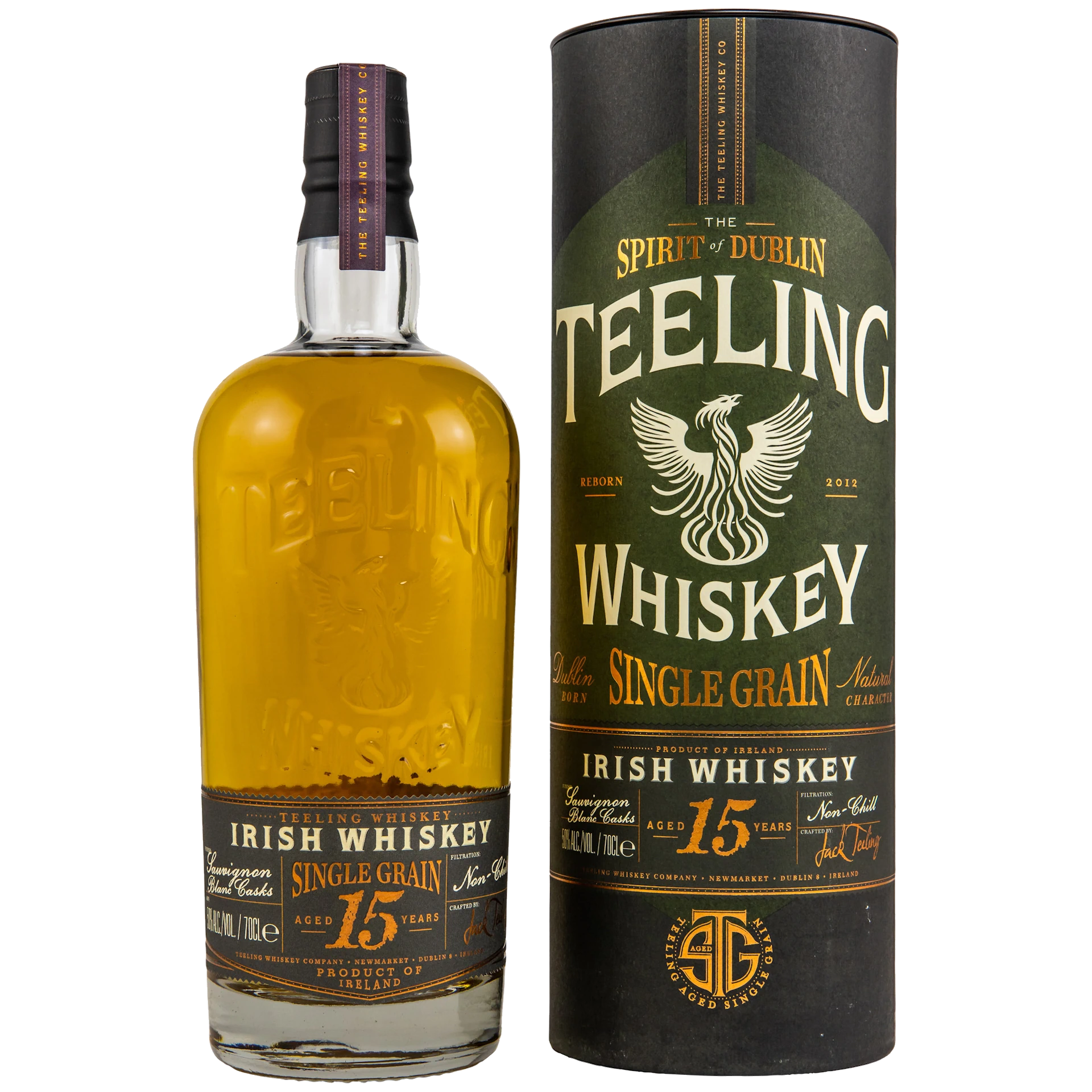
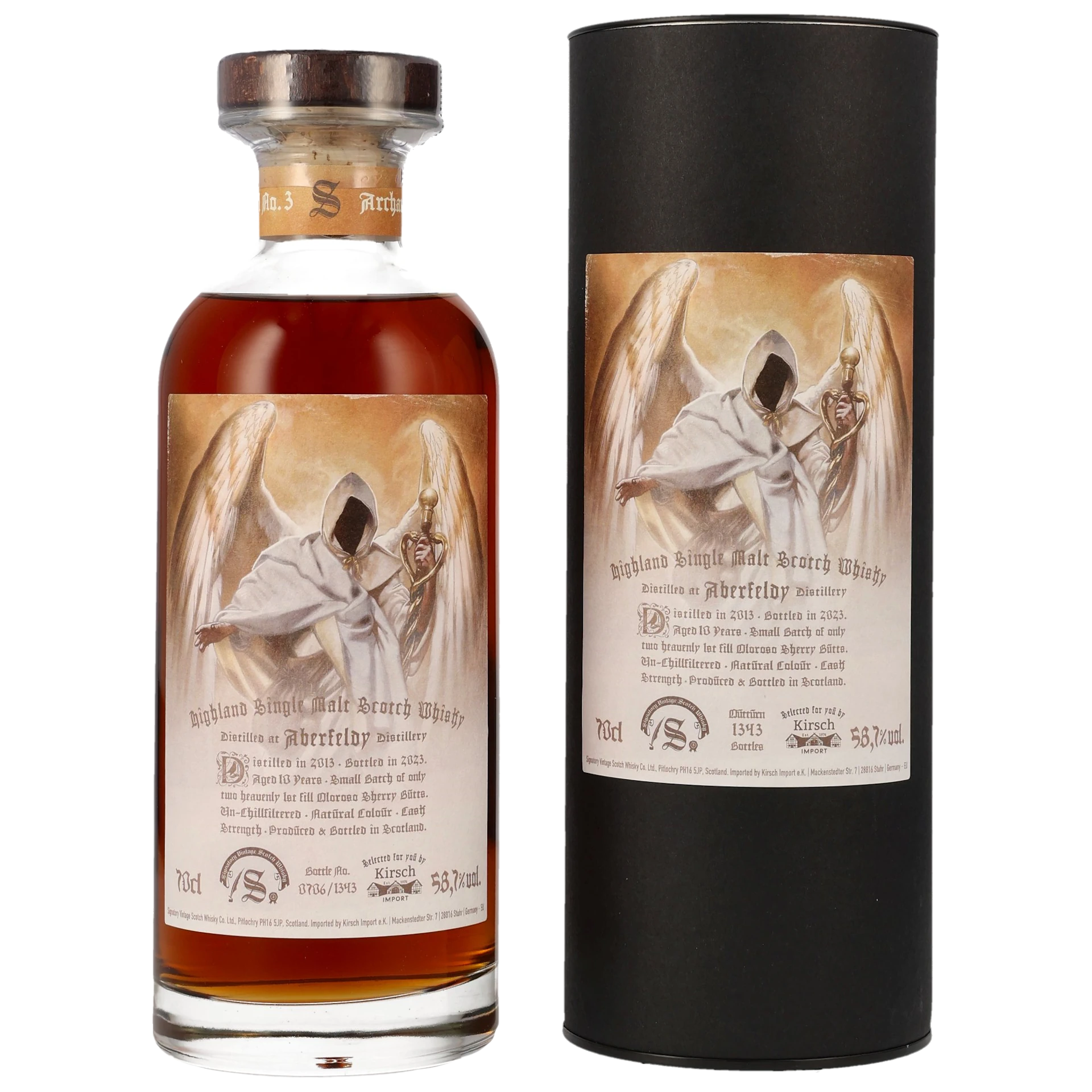
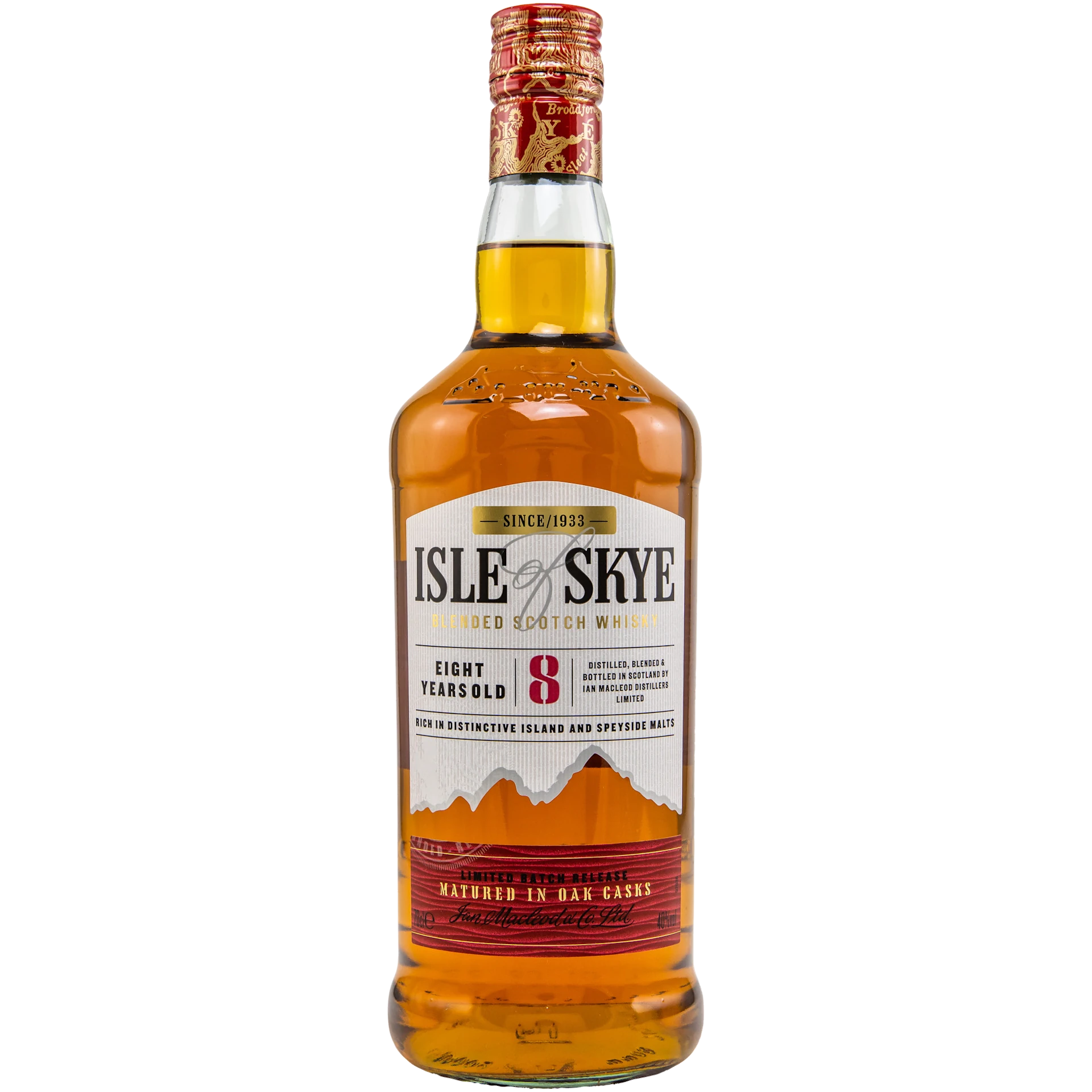
Popular Whiskey Regions for Whisk(e)y
What distinguishes whiskies from Great Britain, Scotland, and Italy for you as a connoisseur?
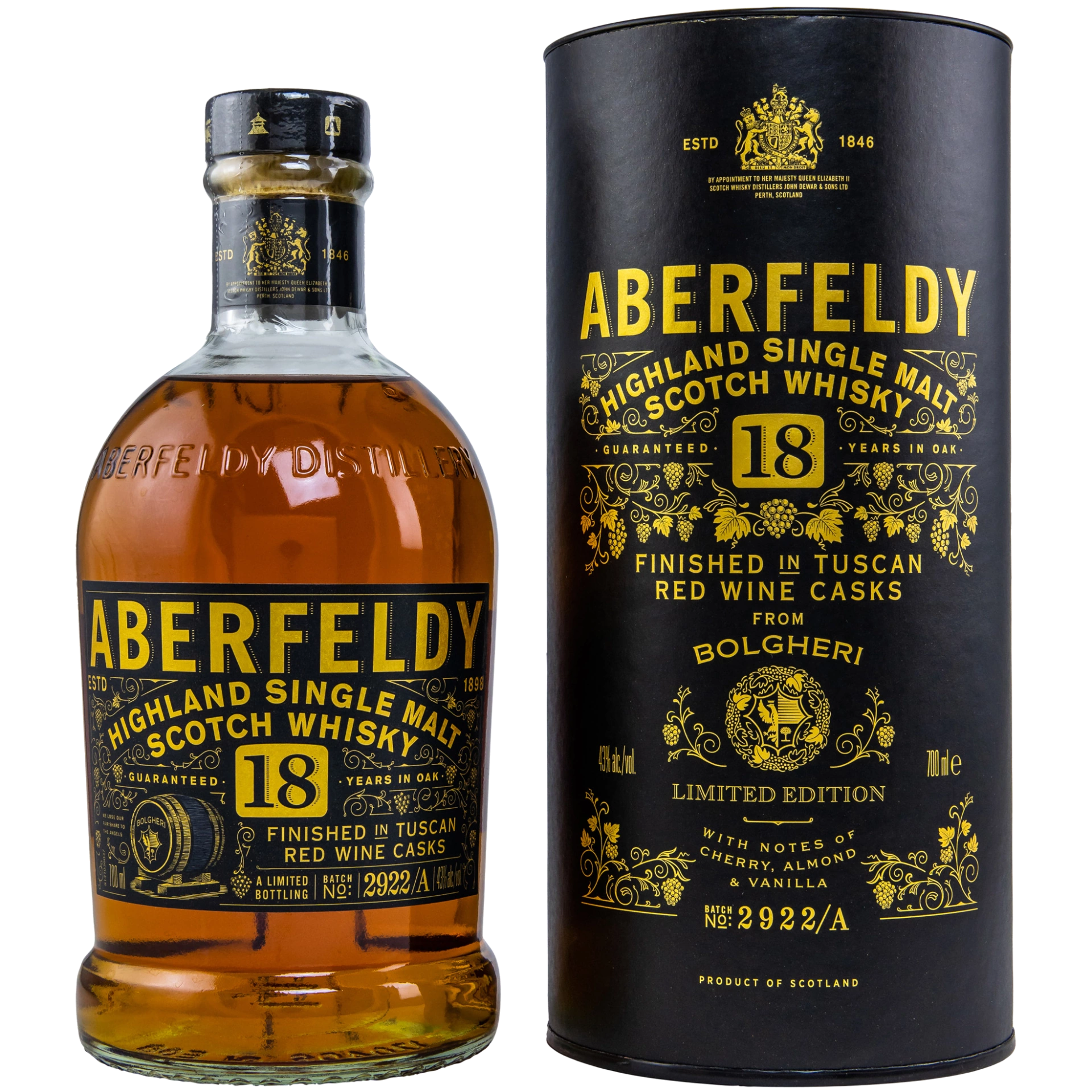
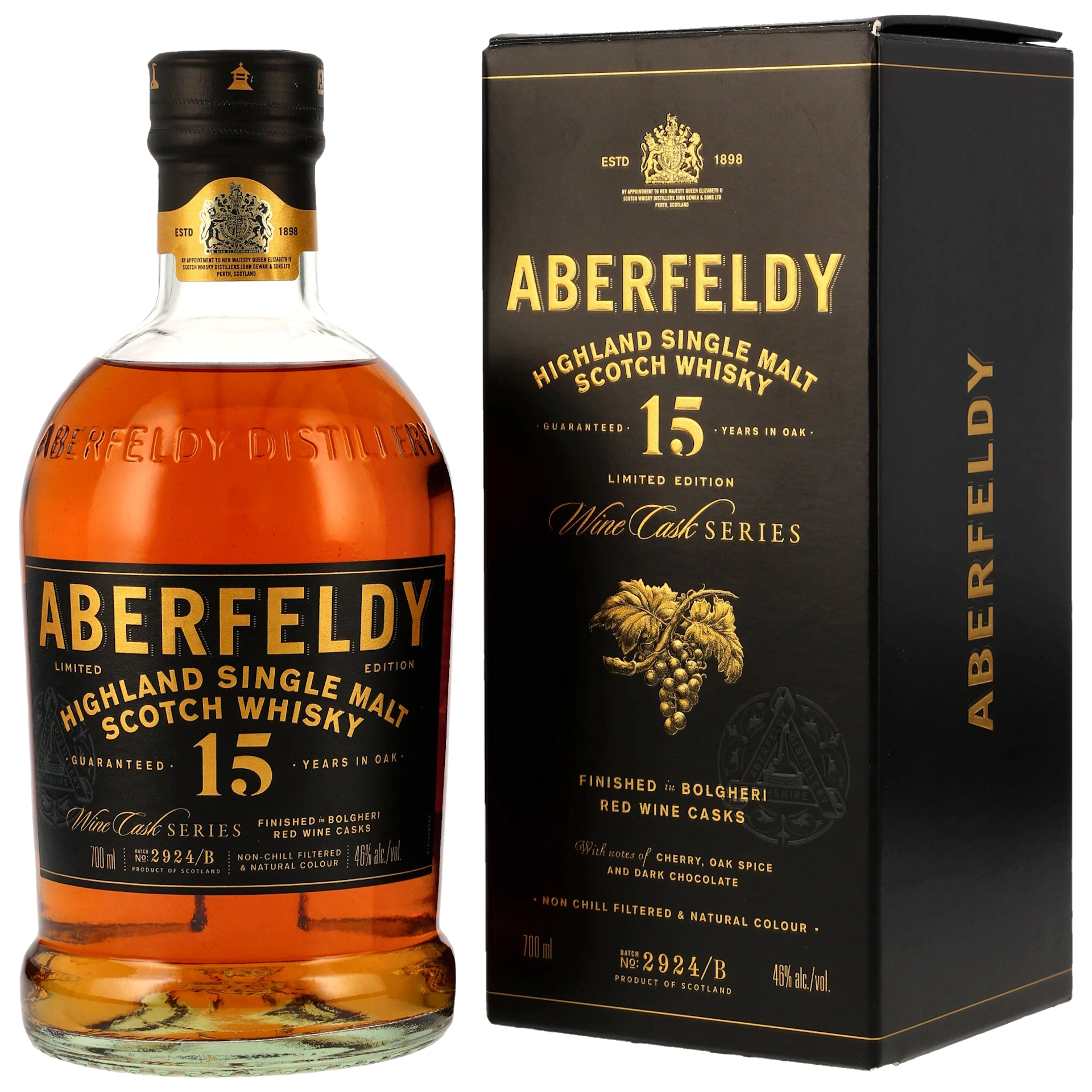
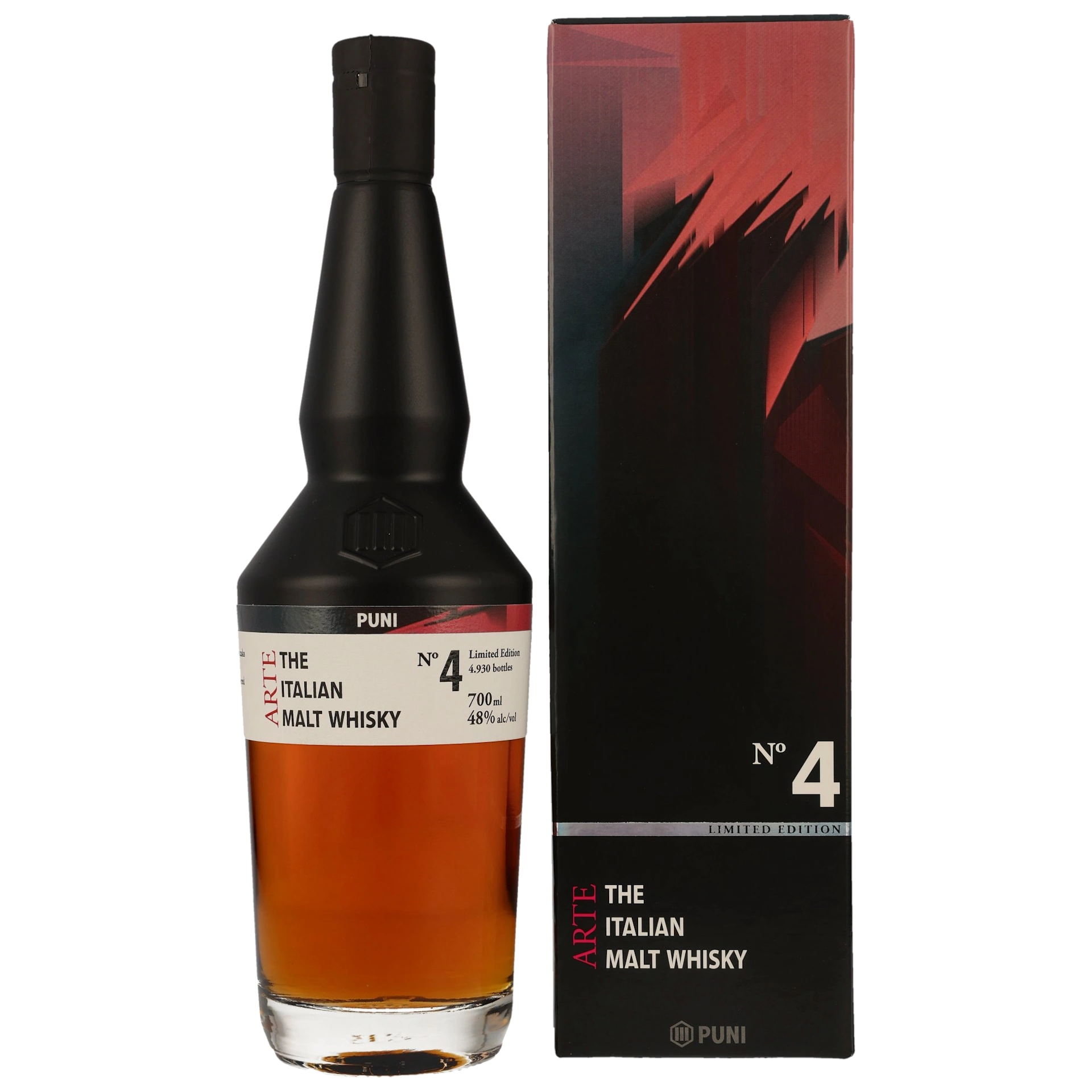
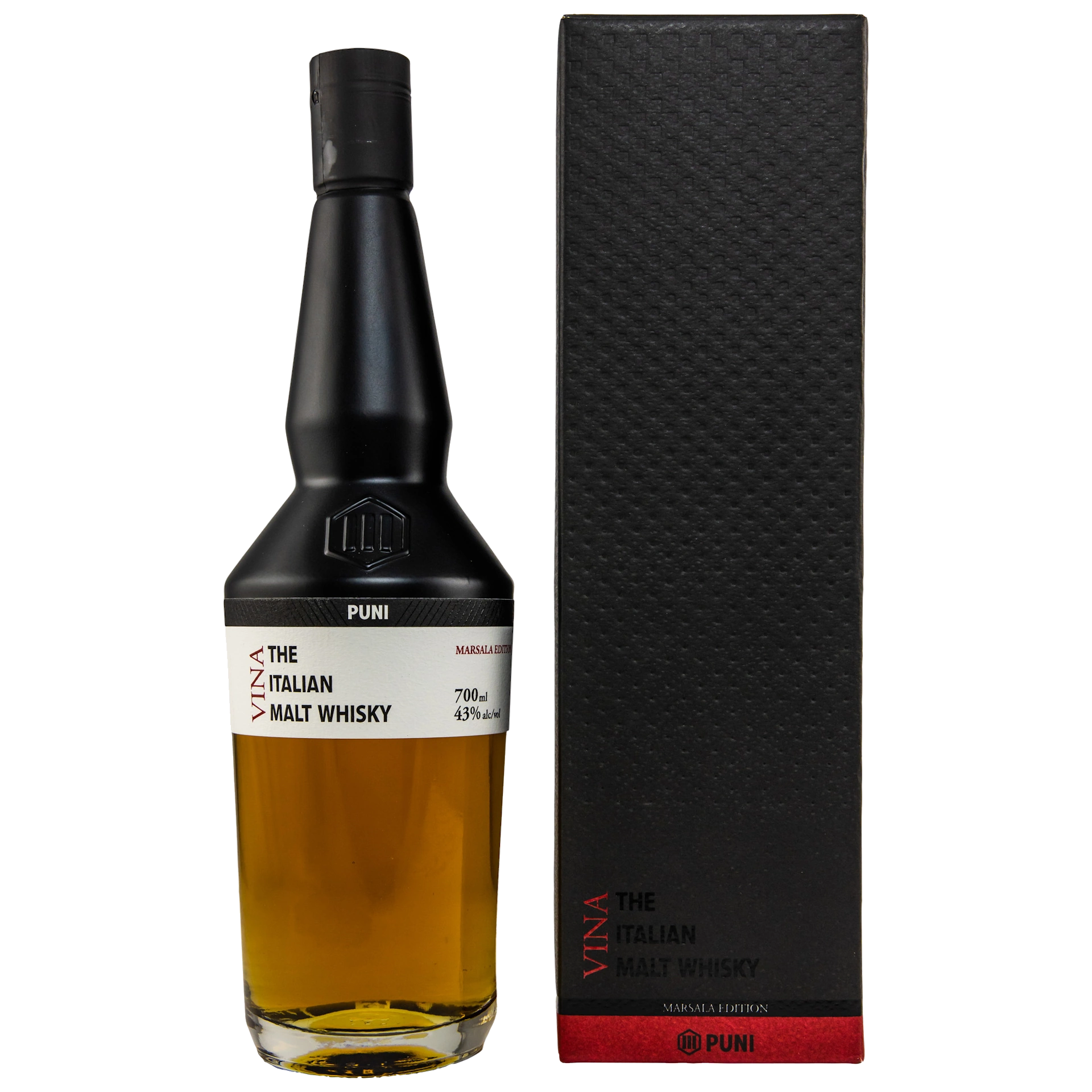
Do you want to discover whiskies that reflect origin, terroir, and craftsmanship? Scotland is the classic home of diverse styles (from peaty-smoky to fruity-elegant), England and Wales (Great Britain) complement the spectrum with exciting, often experimental bottlings and artisanal micro-distilleries, and Italy brings fresh impulses with Mediterranean aromas, unusual cask finishes, and modern design. For you, this means a wide range of aromas, stories, and drinking moments – from a smoky Islay dram to a fruity, vanilla-laden cask maturation from Italian wine barrels.
What different types of whisky are there?
The whisky world is very diverse, with different types of whisky. There are many different types of whisky from all over the world. Some of the best known, which vary depending on the region and production method, are:
- American Whiskey: This whiskey is produced in the USA and is divided into four main types: Bourbon Whiskey, Rye Whiskey, Tennessee Whiskey, and Straight Whiskey.
- Canadian Whisky: This whisky is produced in Canada and has a milder taste than other types of whisky.
- Indian Whisky: This whisky is produced in India and has its own character and taste, depending on the ingredients and processes used.
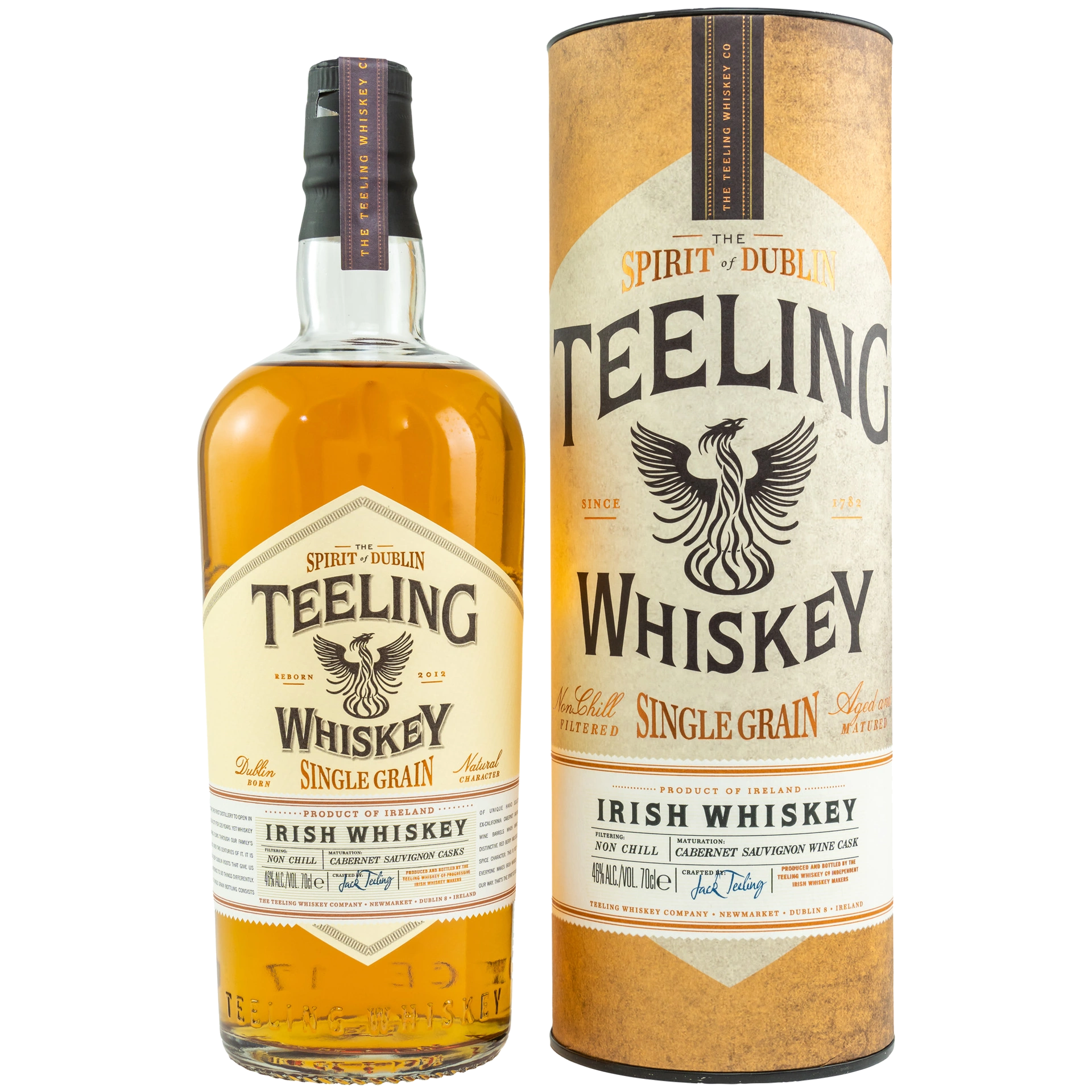
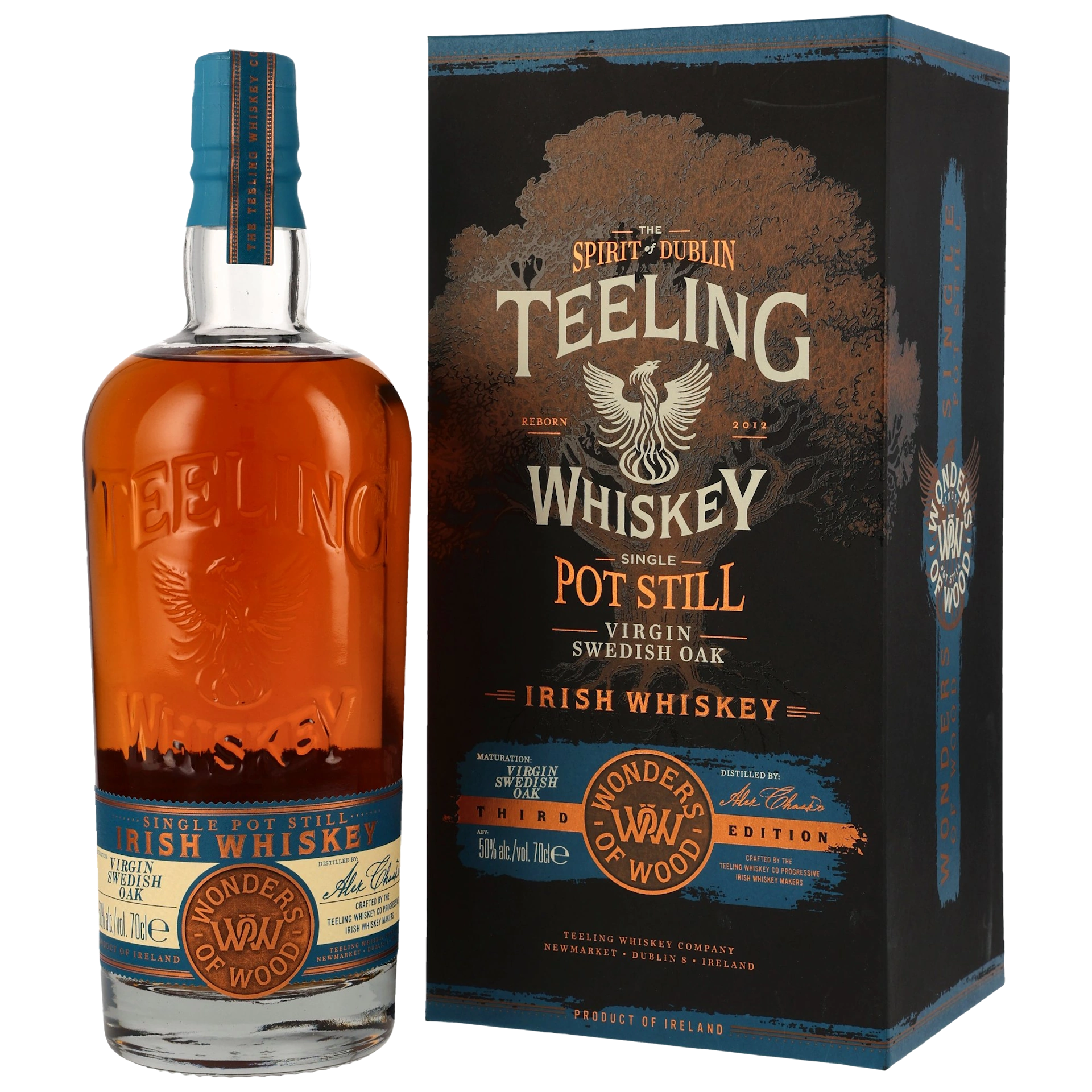
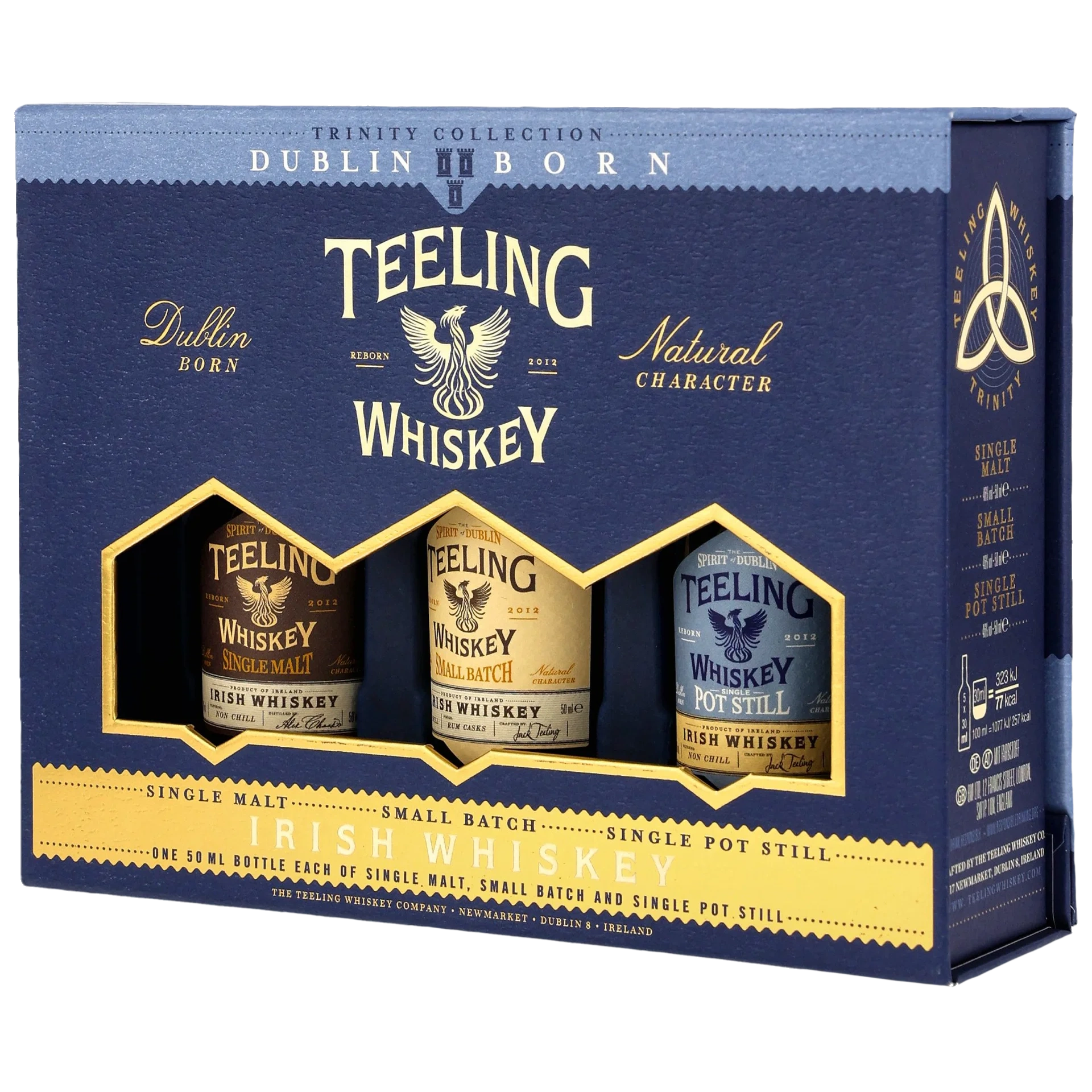
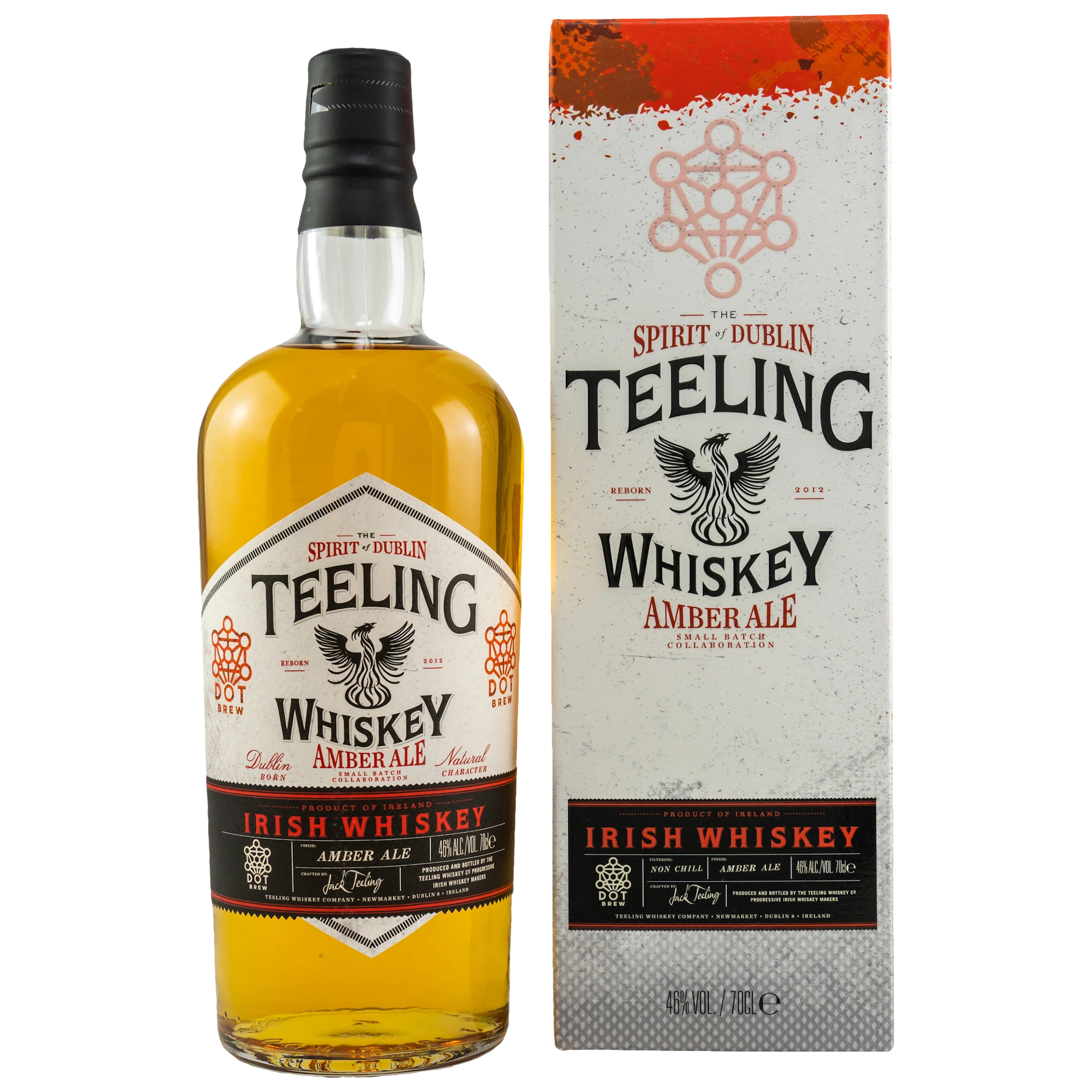
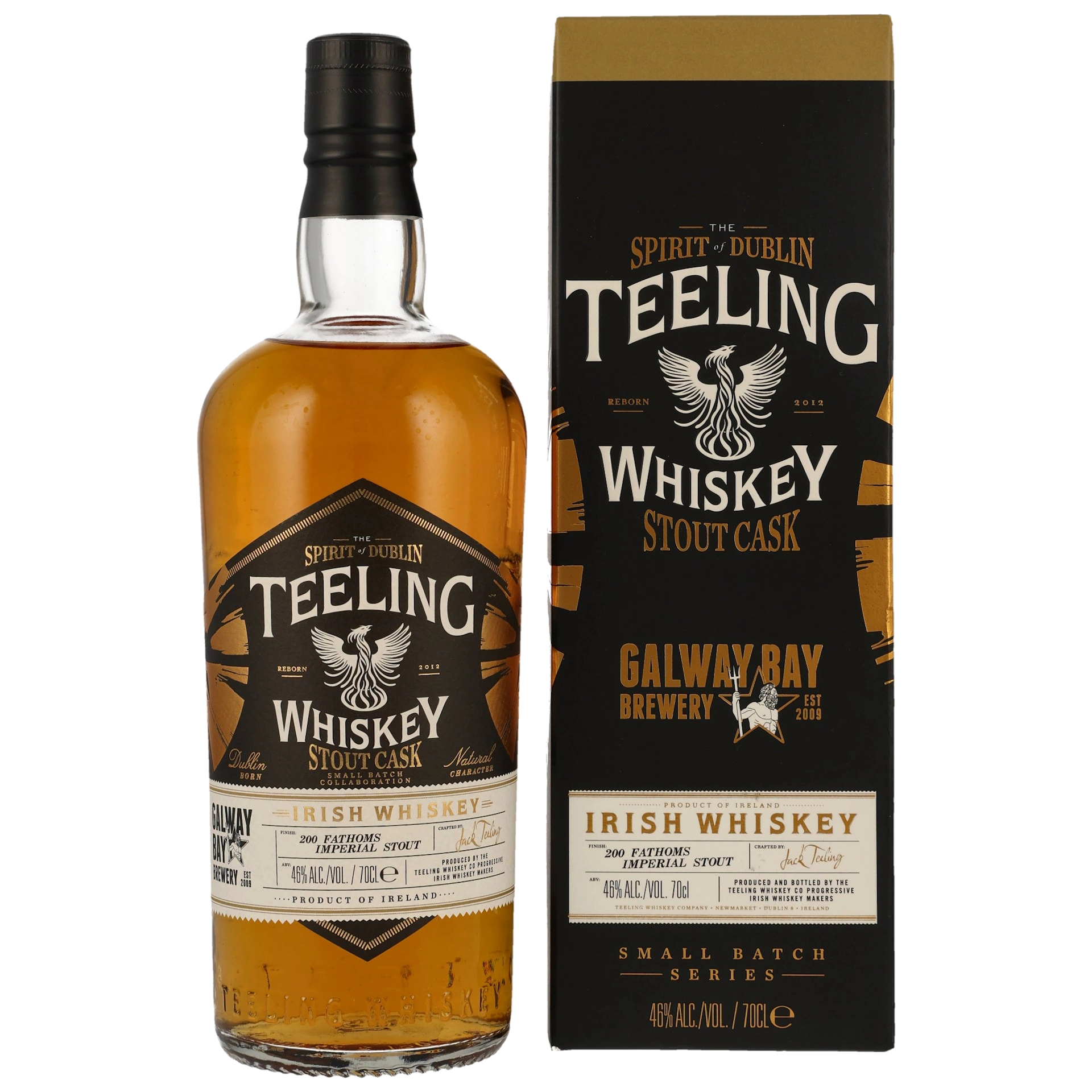
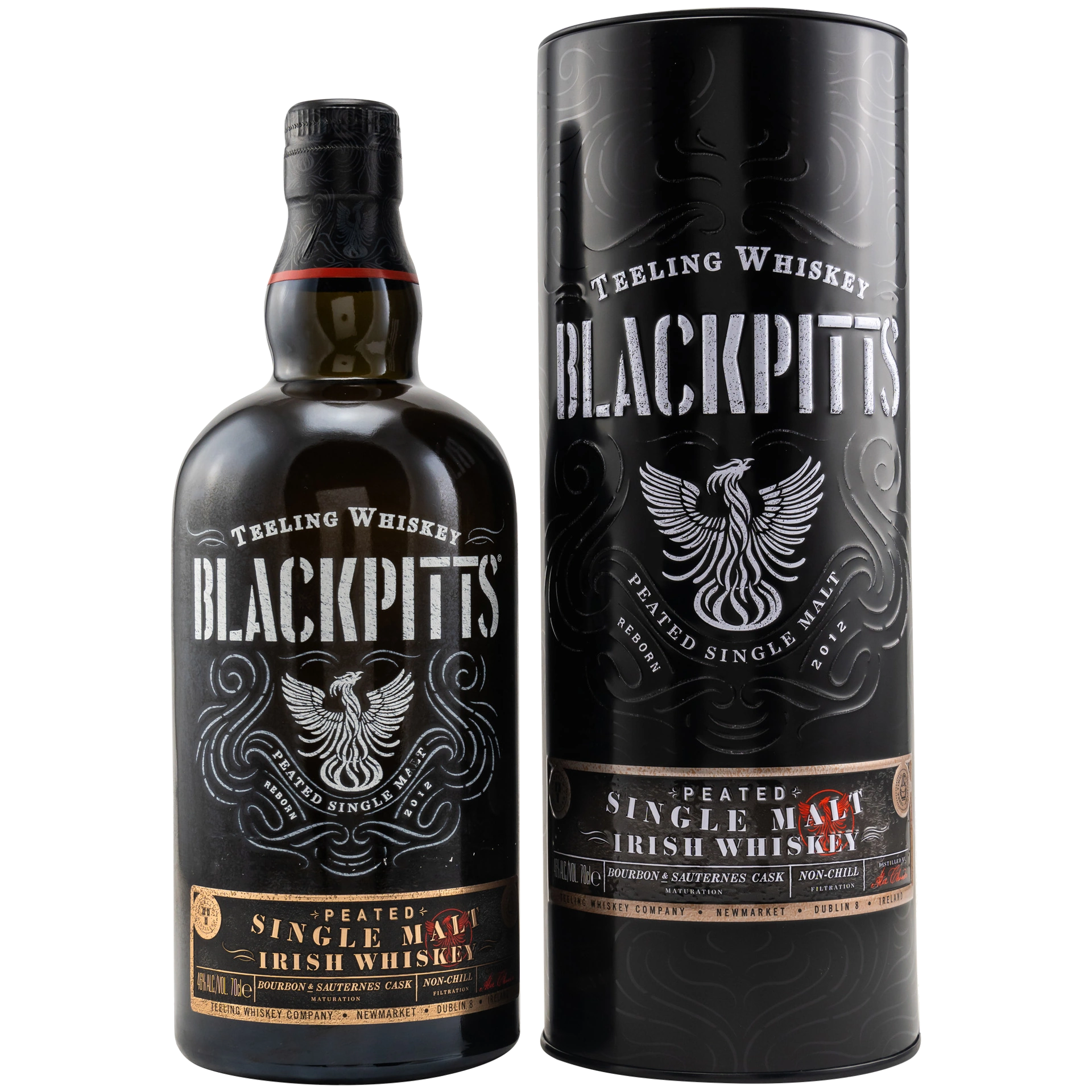
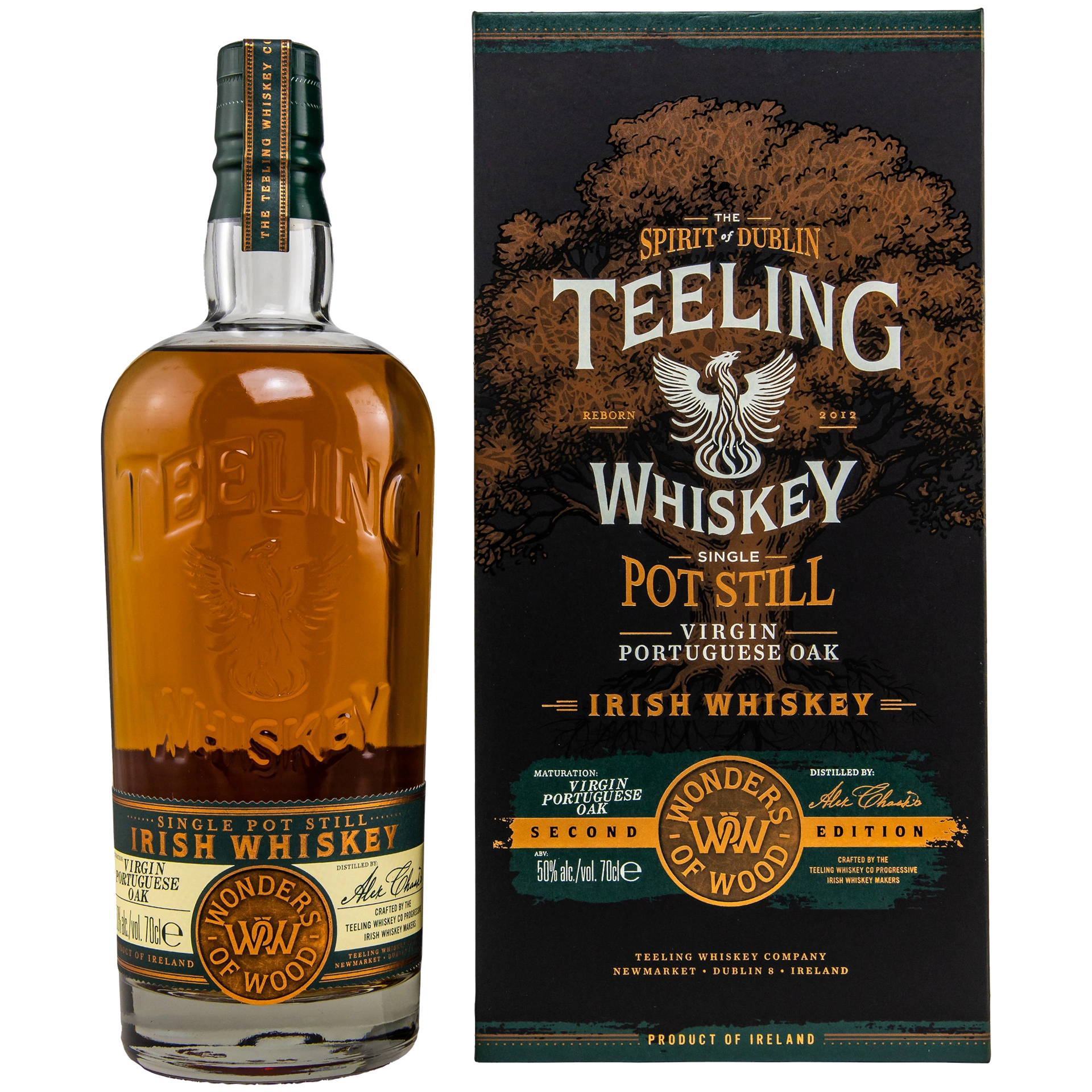
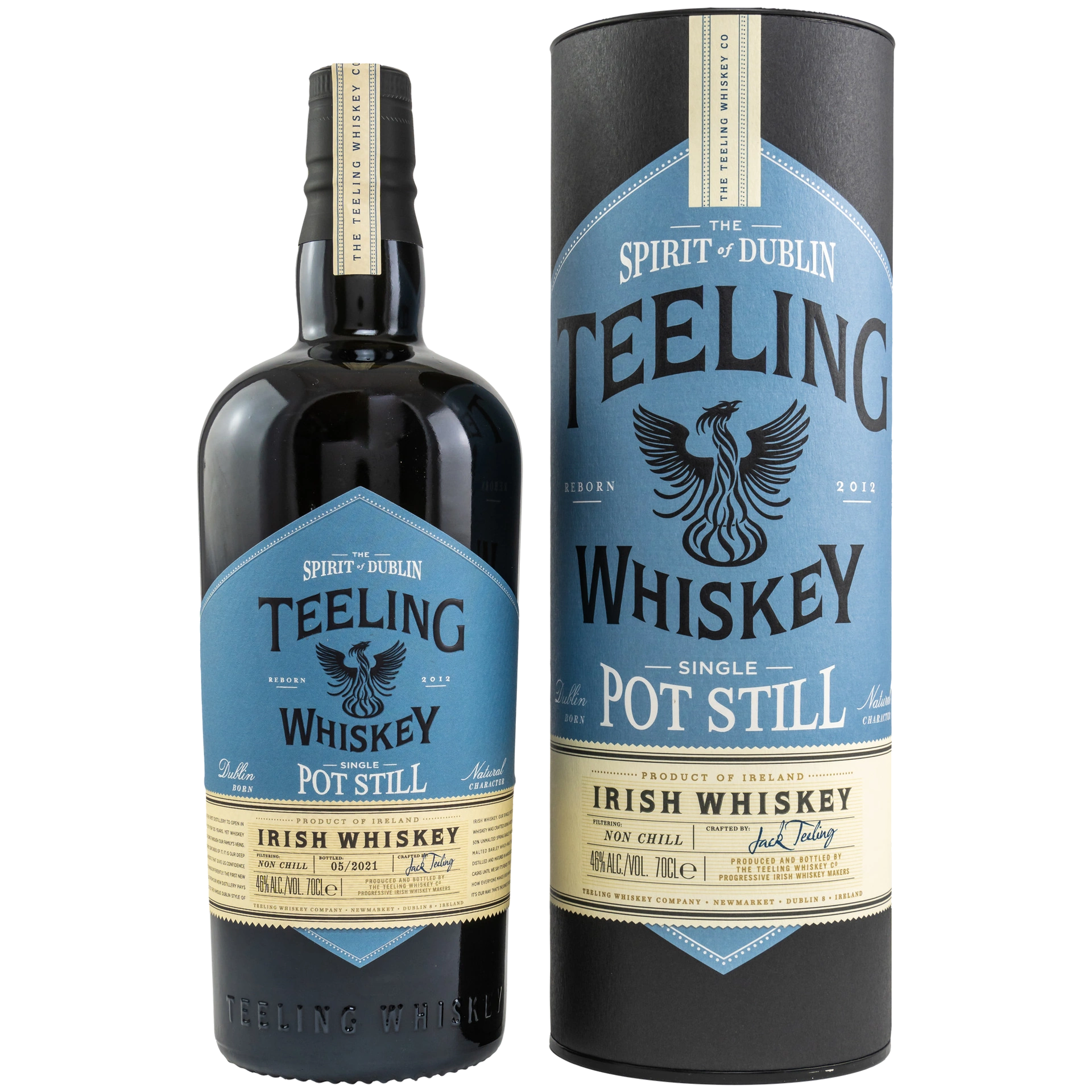
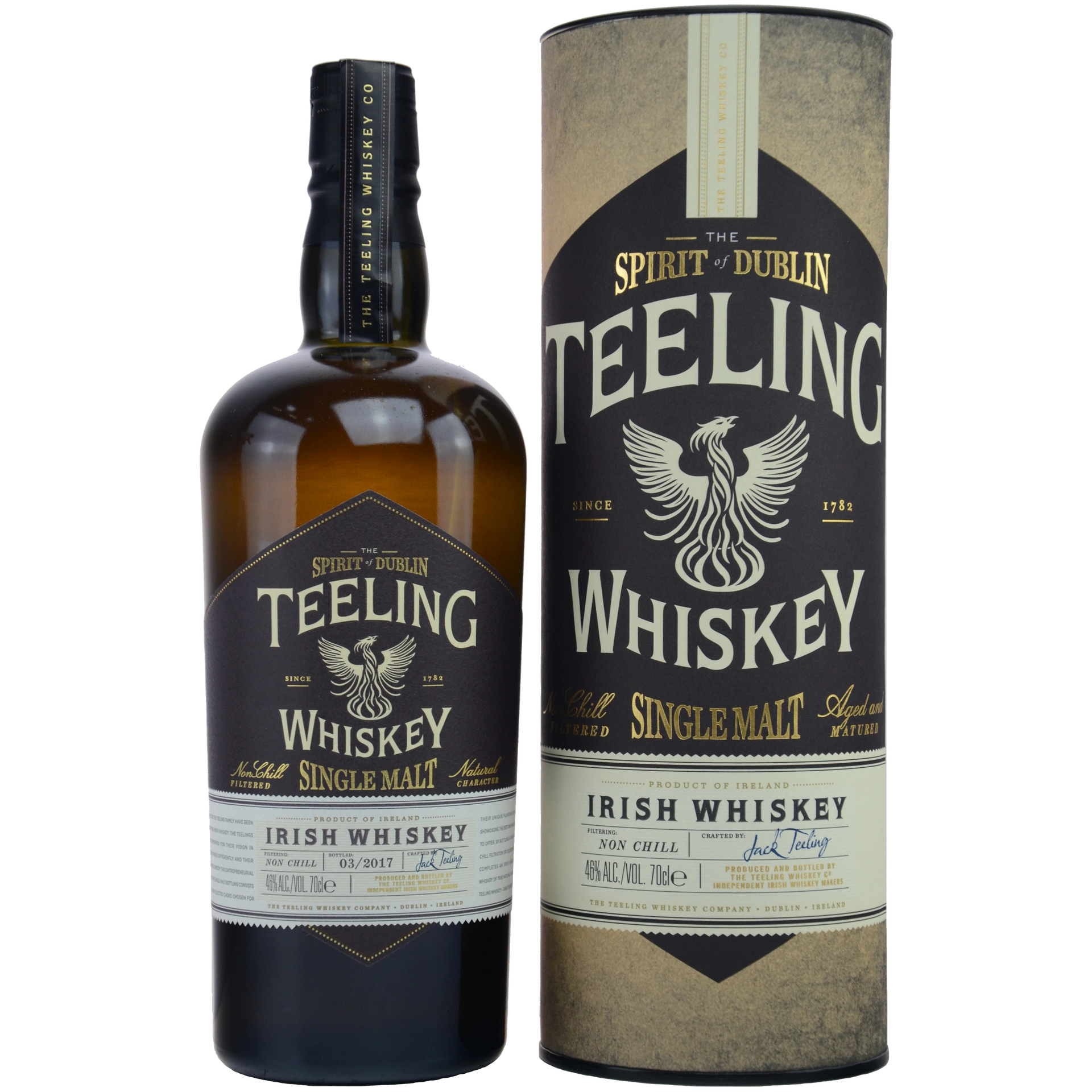
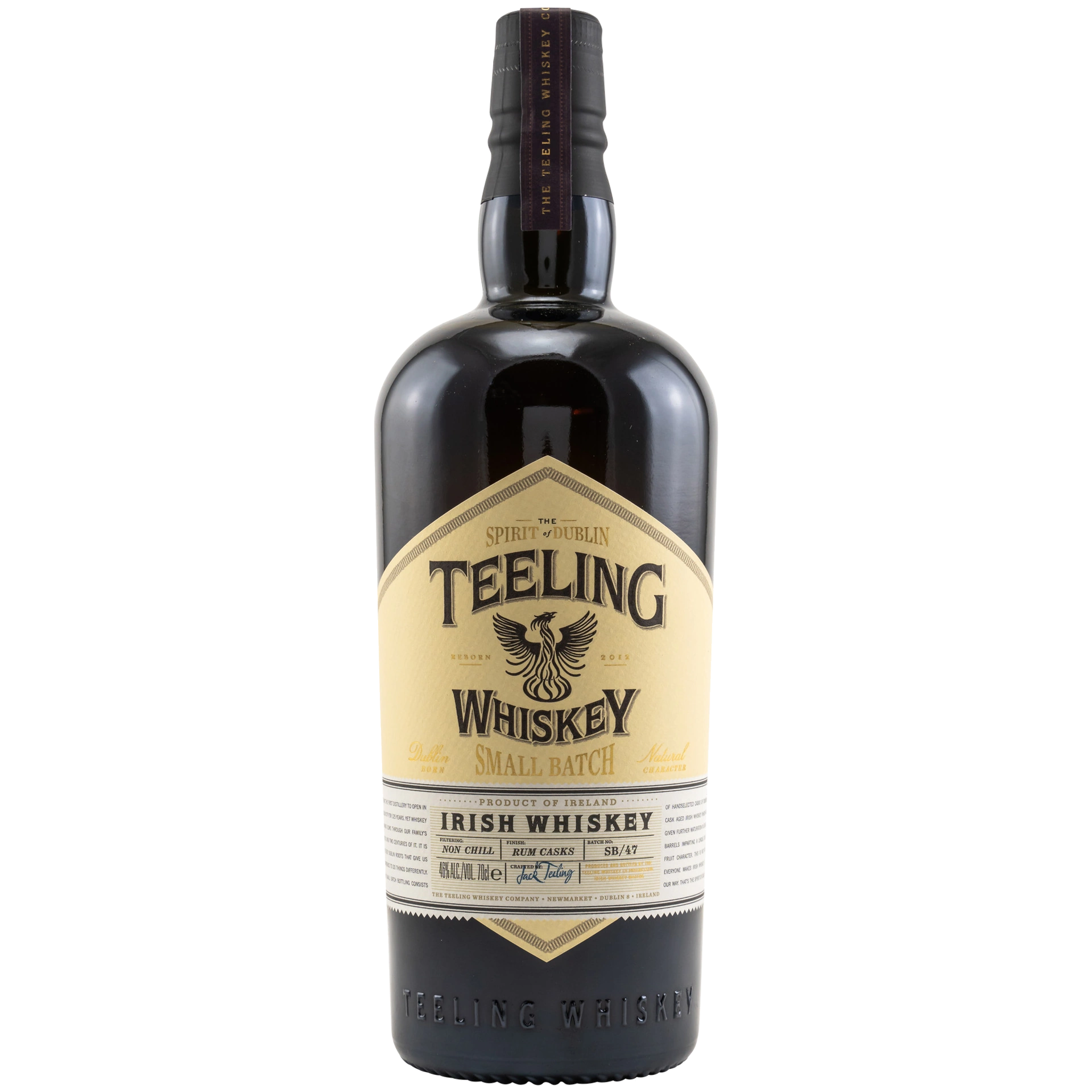
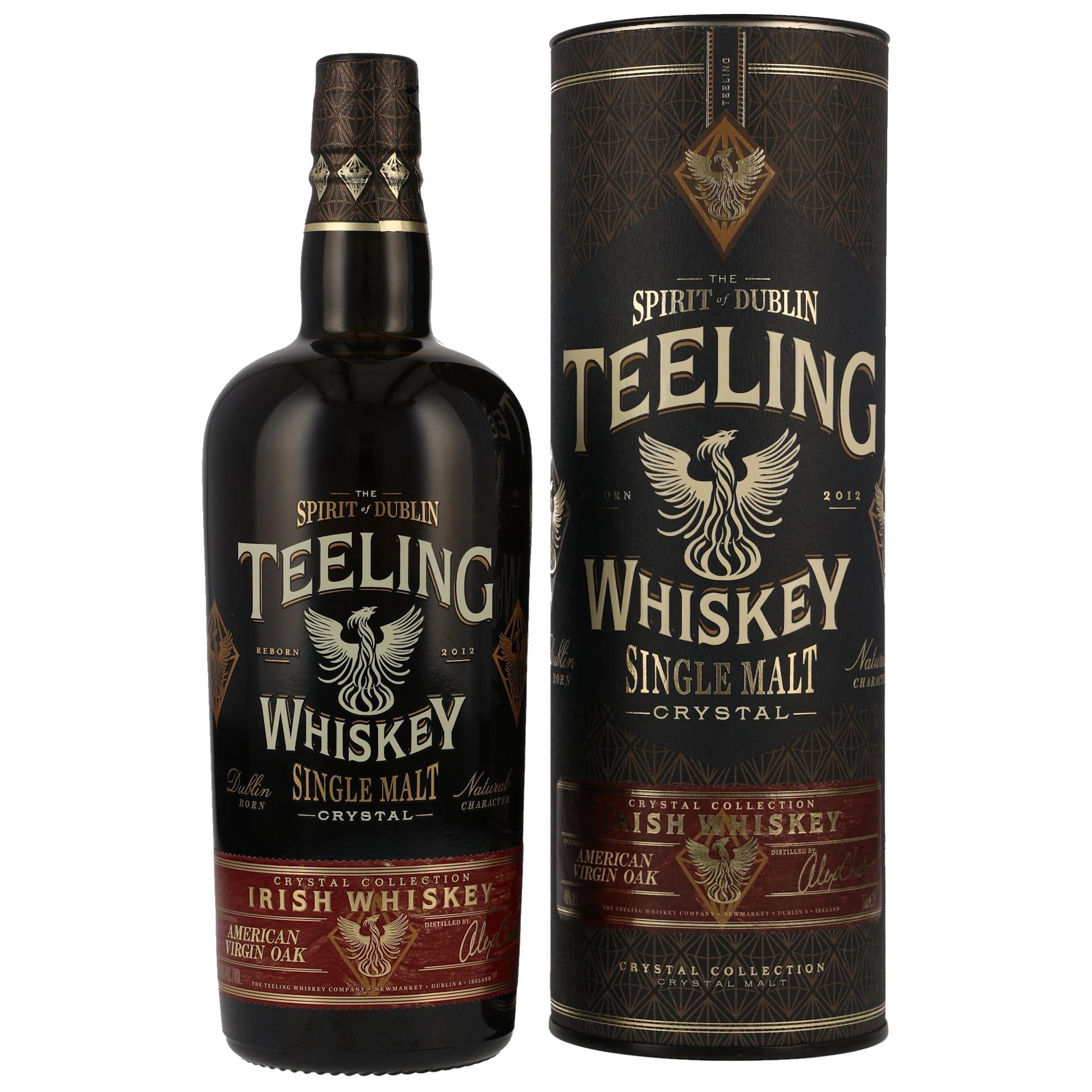
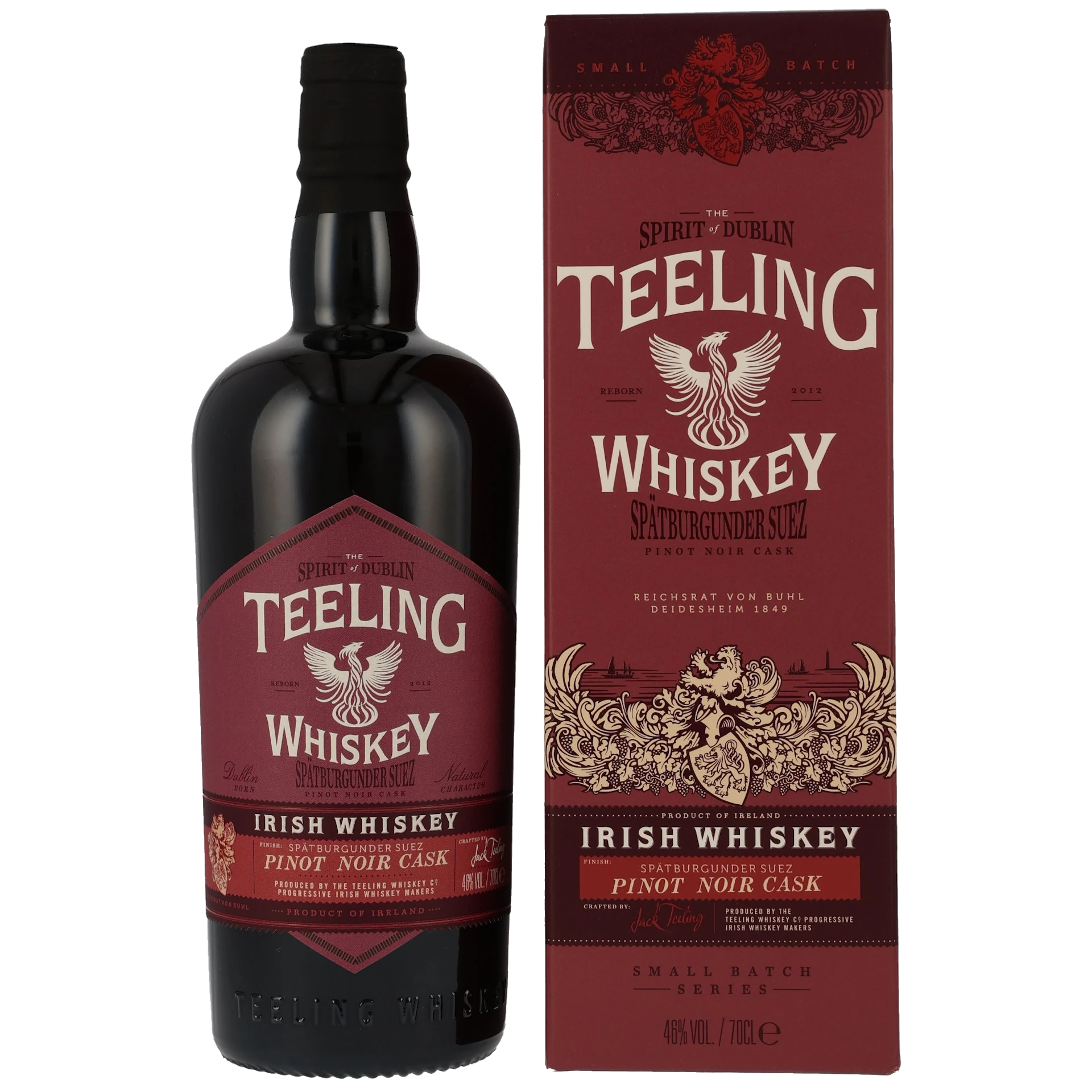
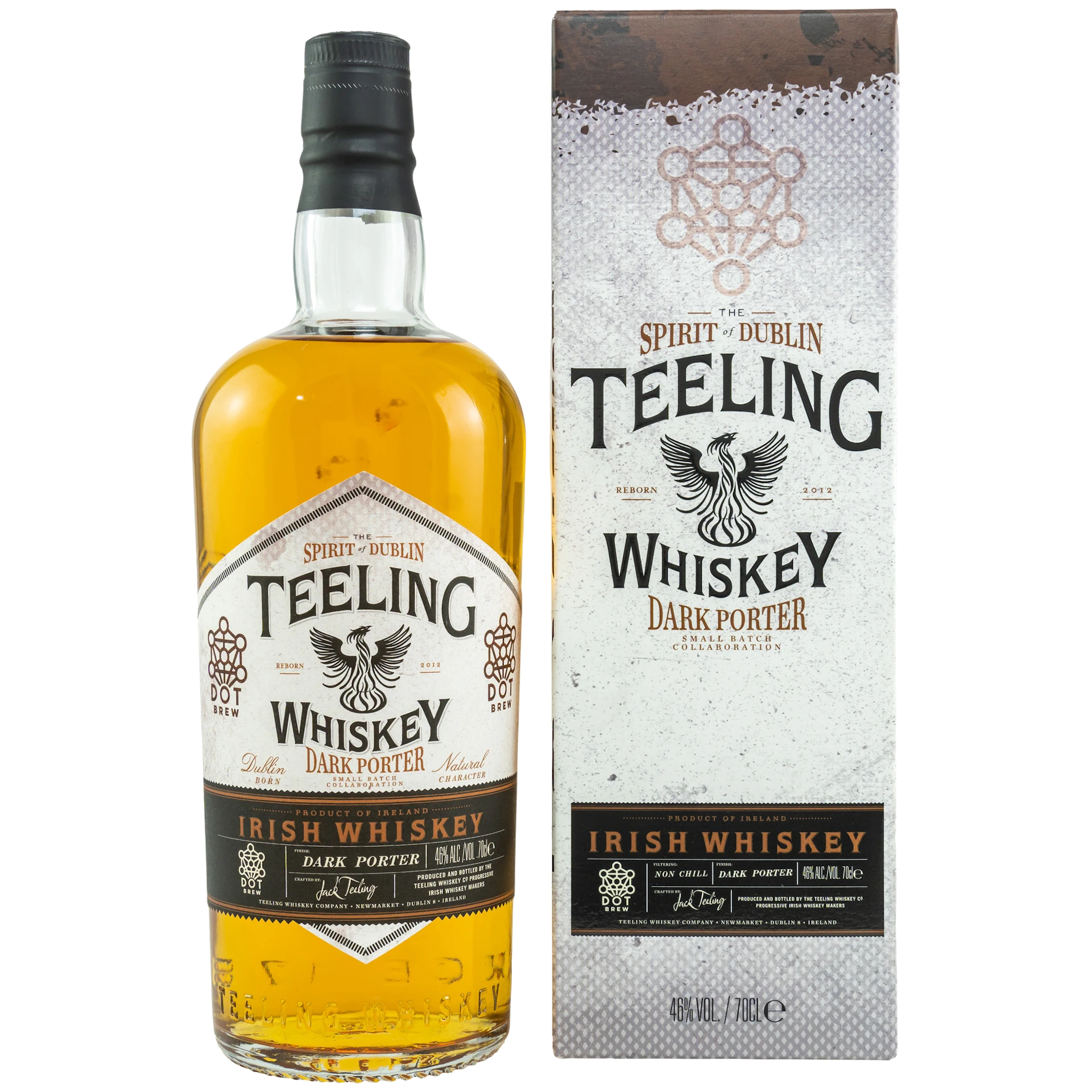
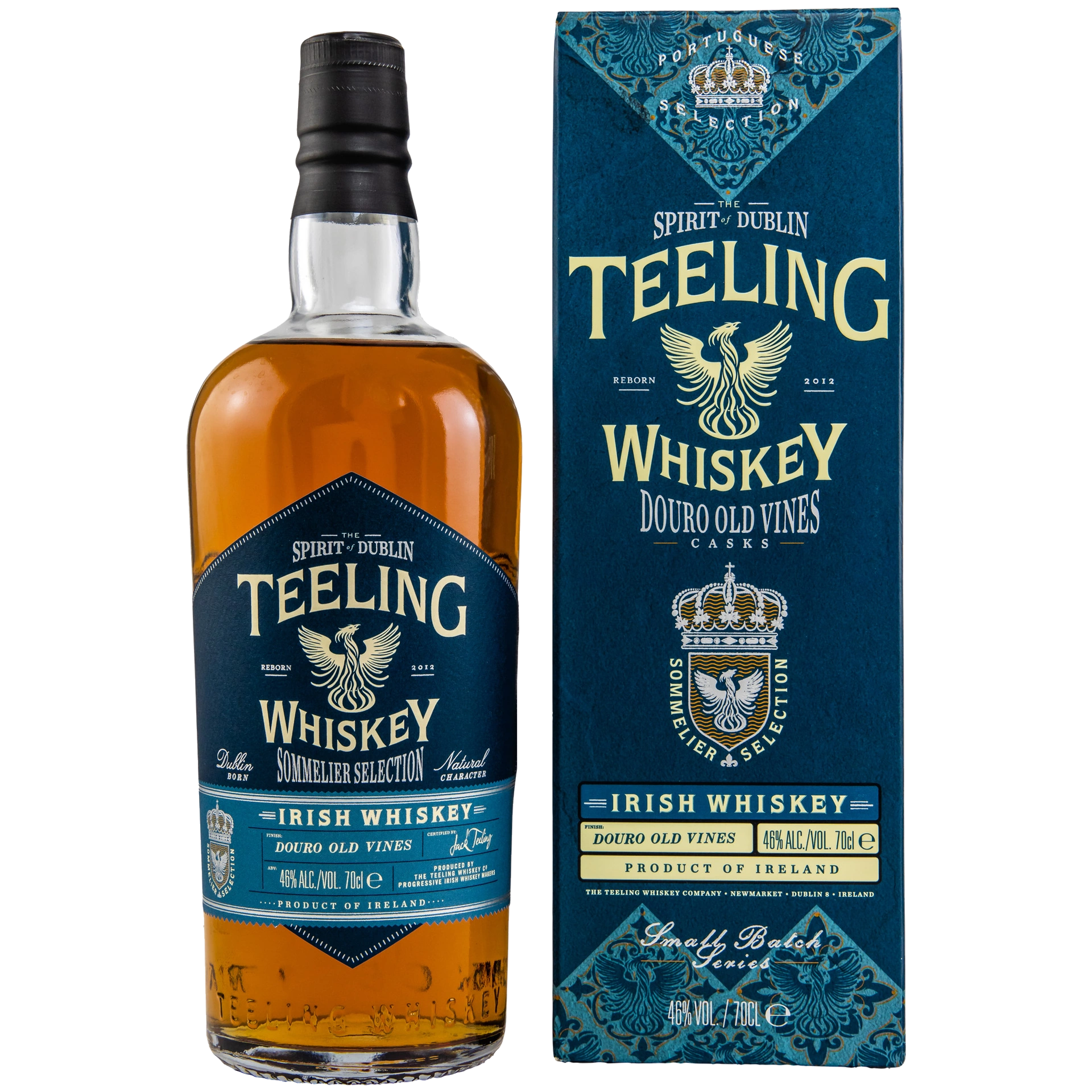
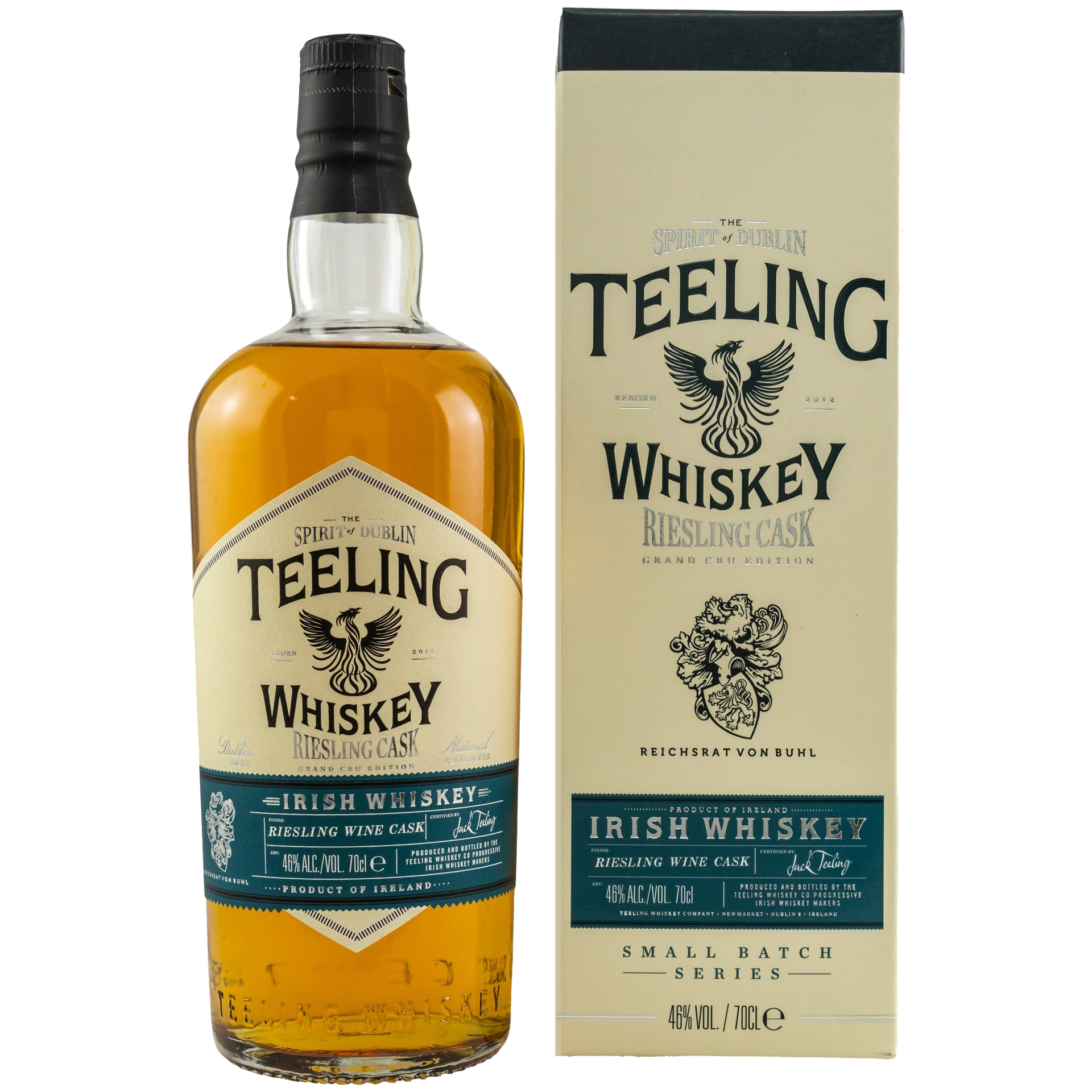
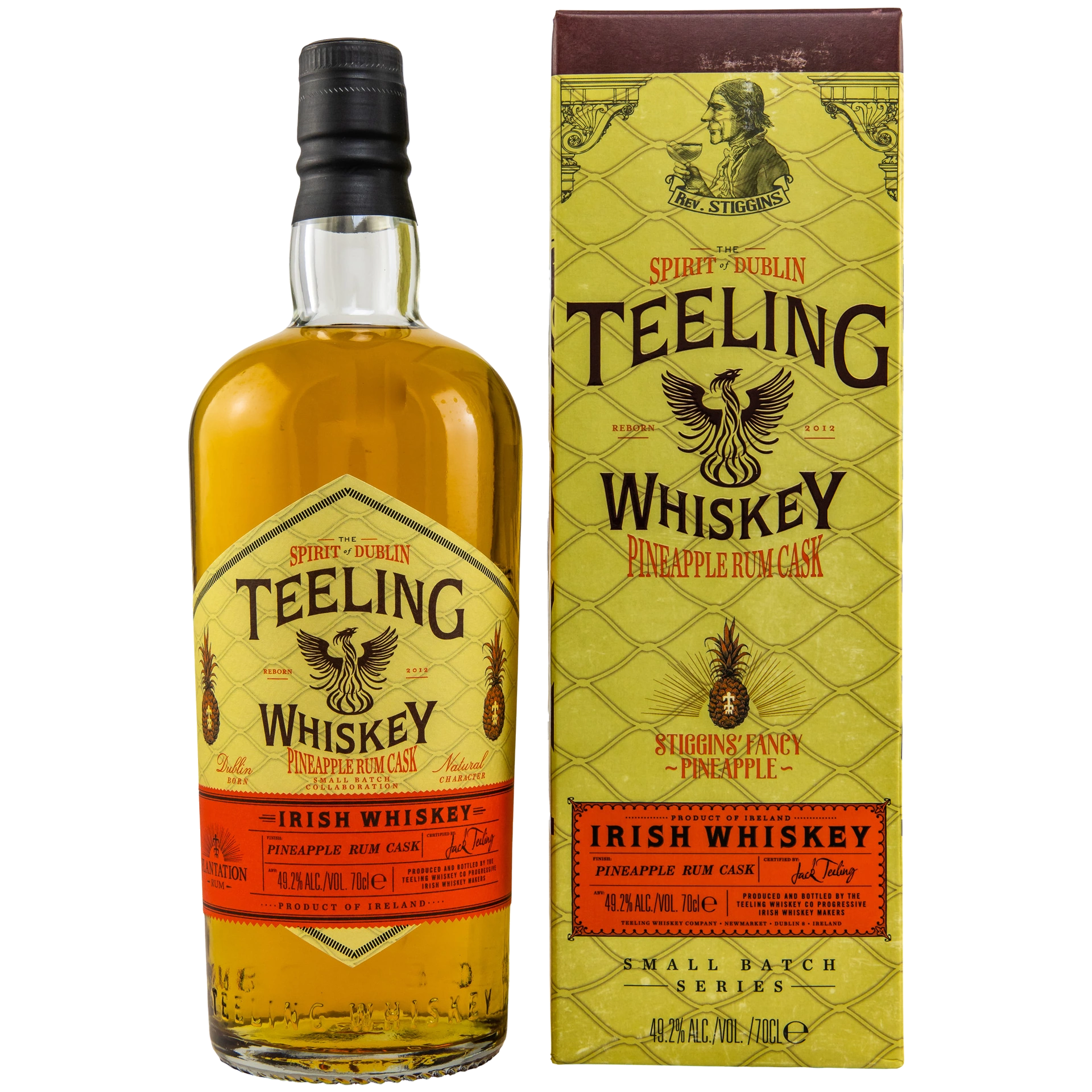
- Irish Whiskey: This whiskey is produced in Ireland and differs from Scotch whisky through the use of malted barley and a different type of distillation.
- Japanese Whisky: This whisky is produced in Japan and has gained popularity in recent years. It has similar characteristics to Scotch whisky, but with distinct nuances.
-
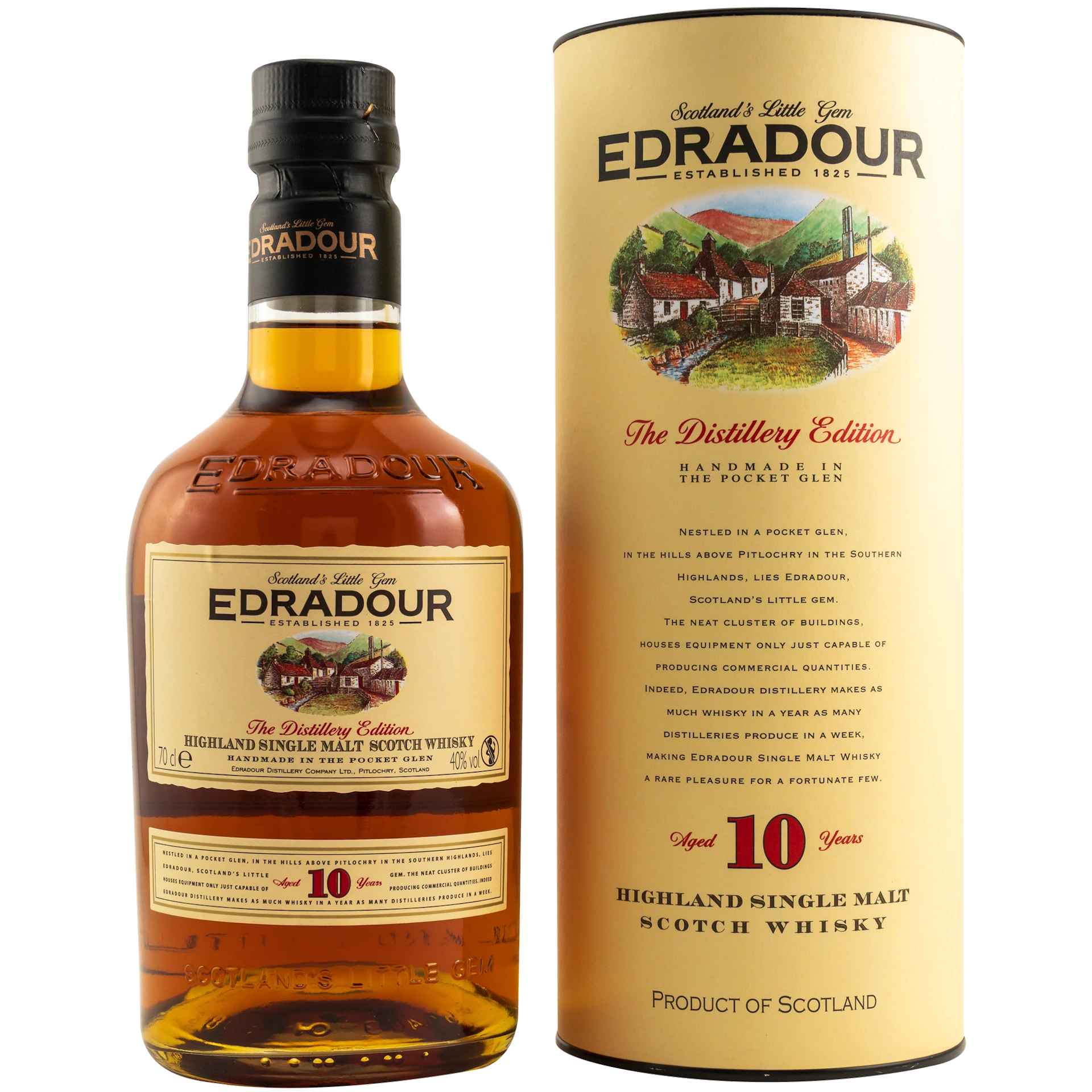
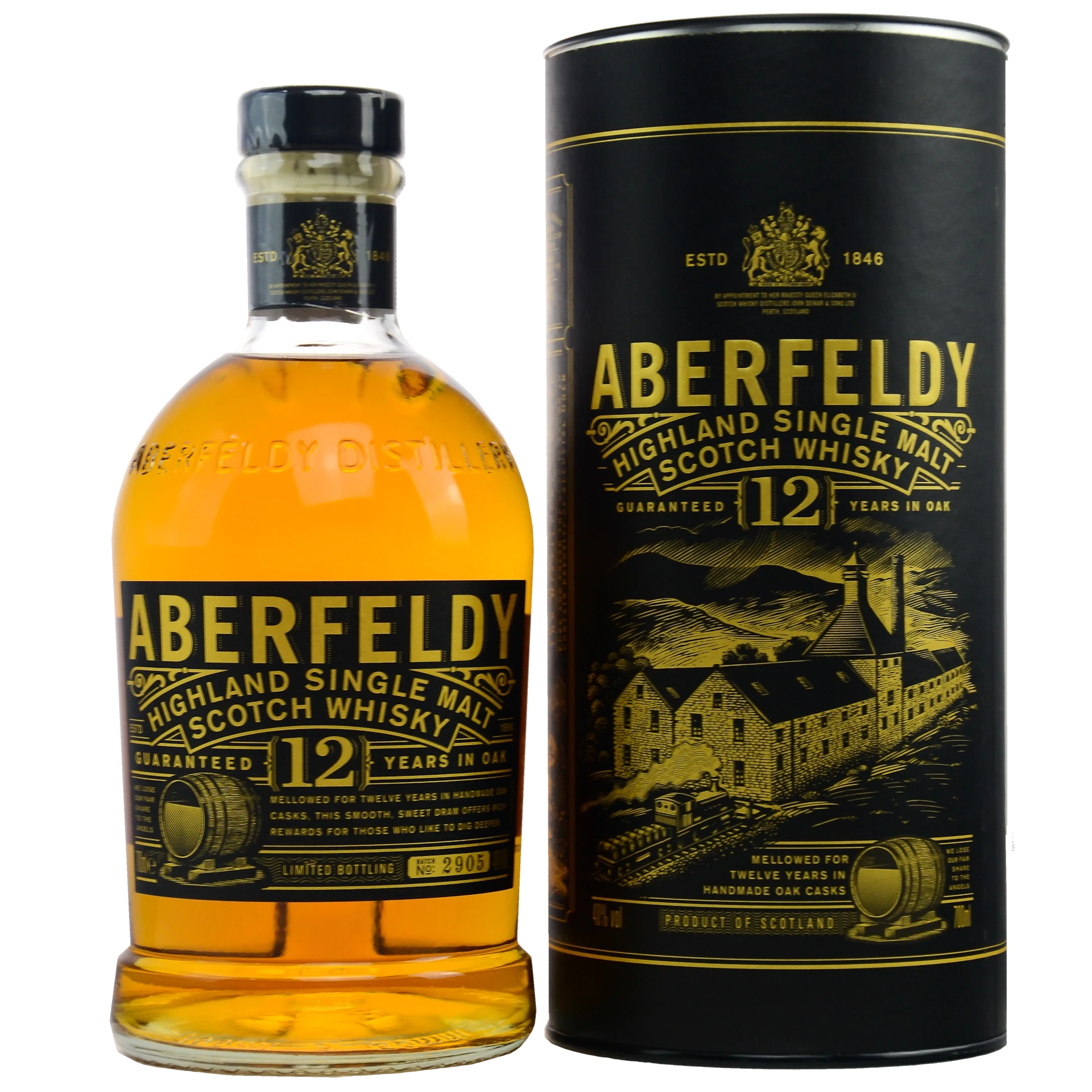
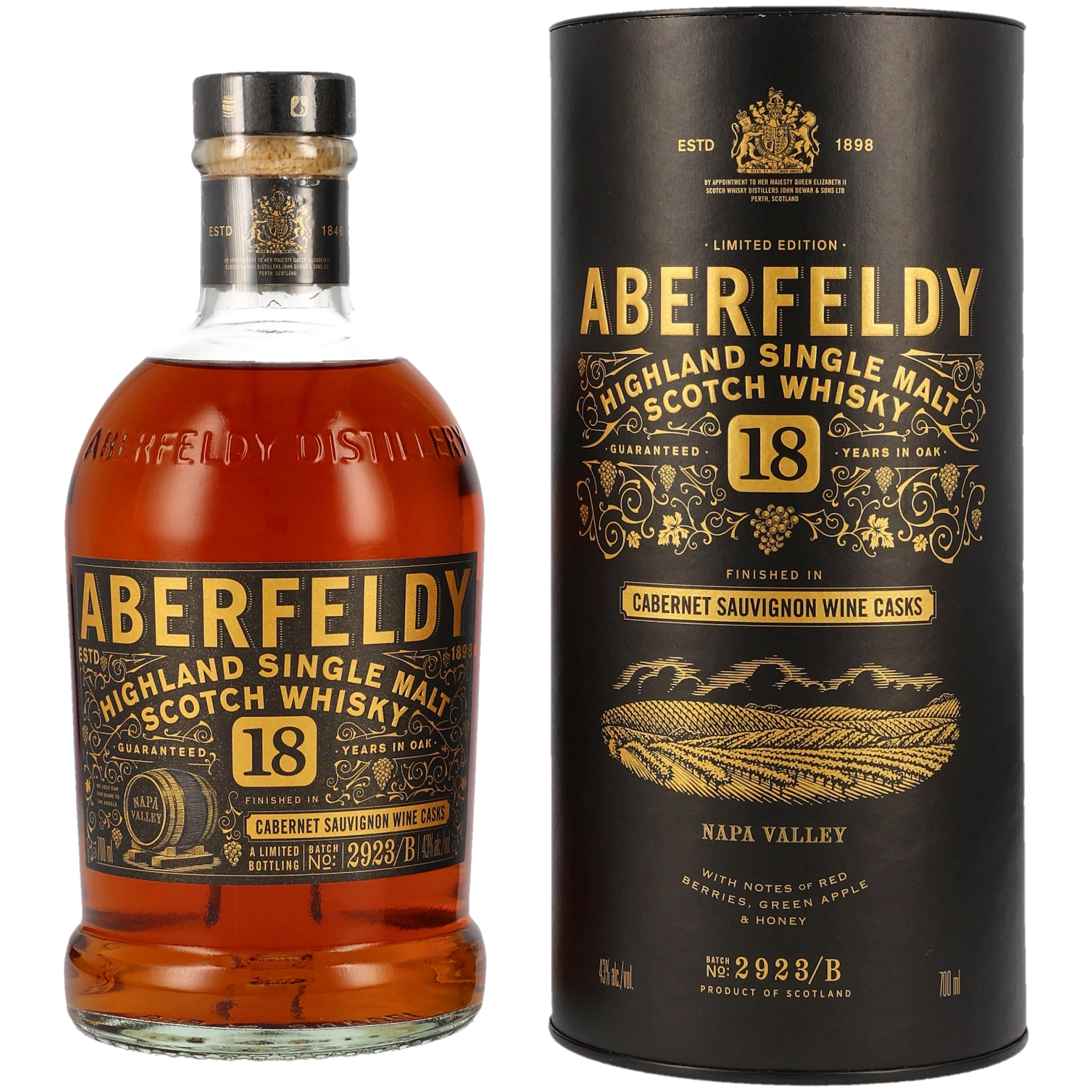
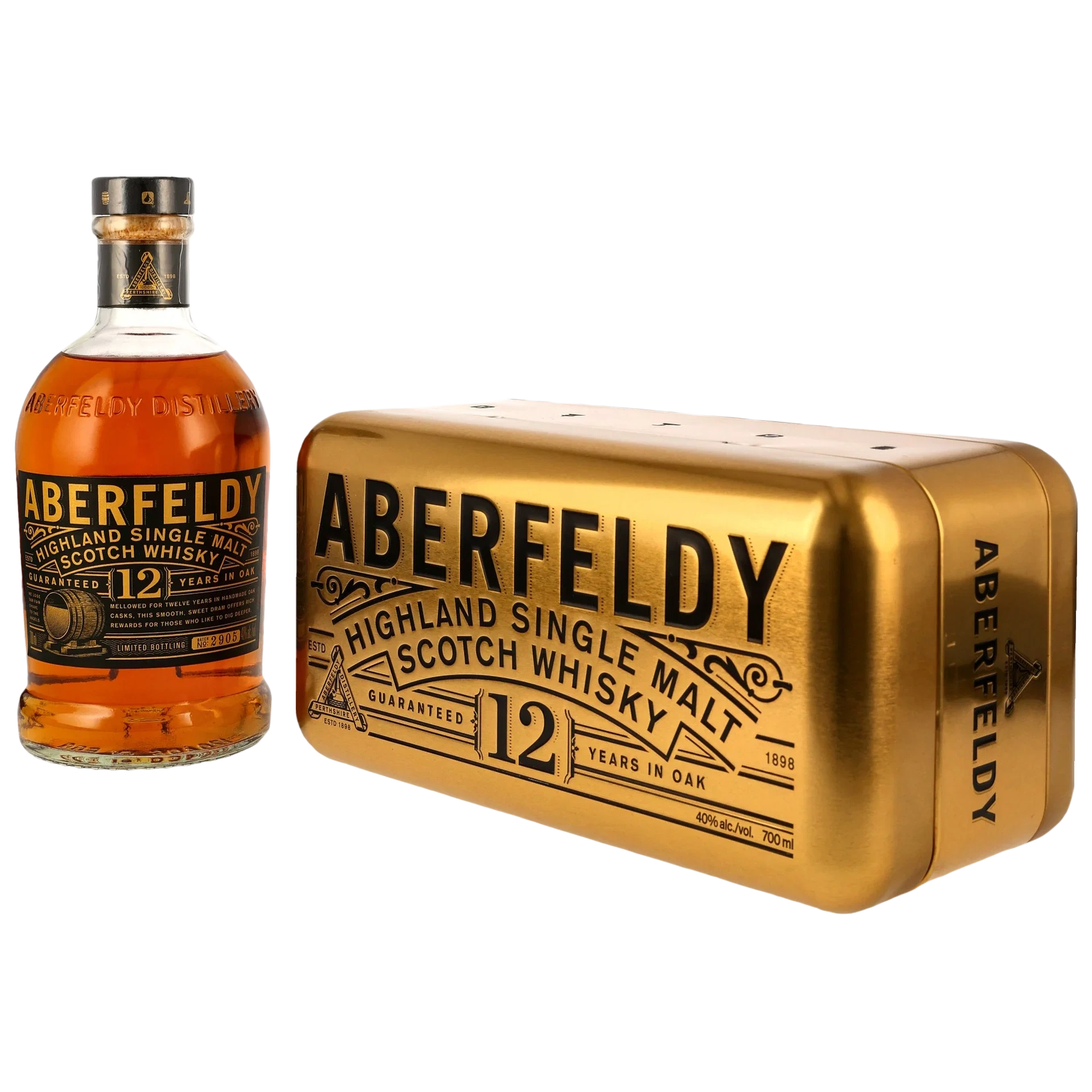
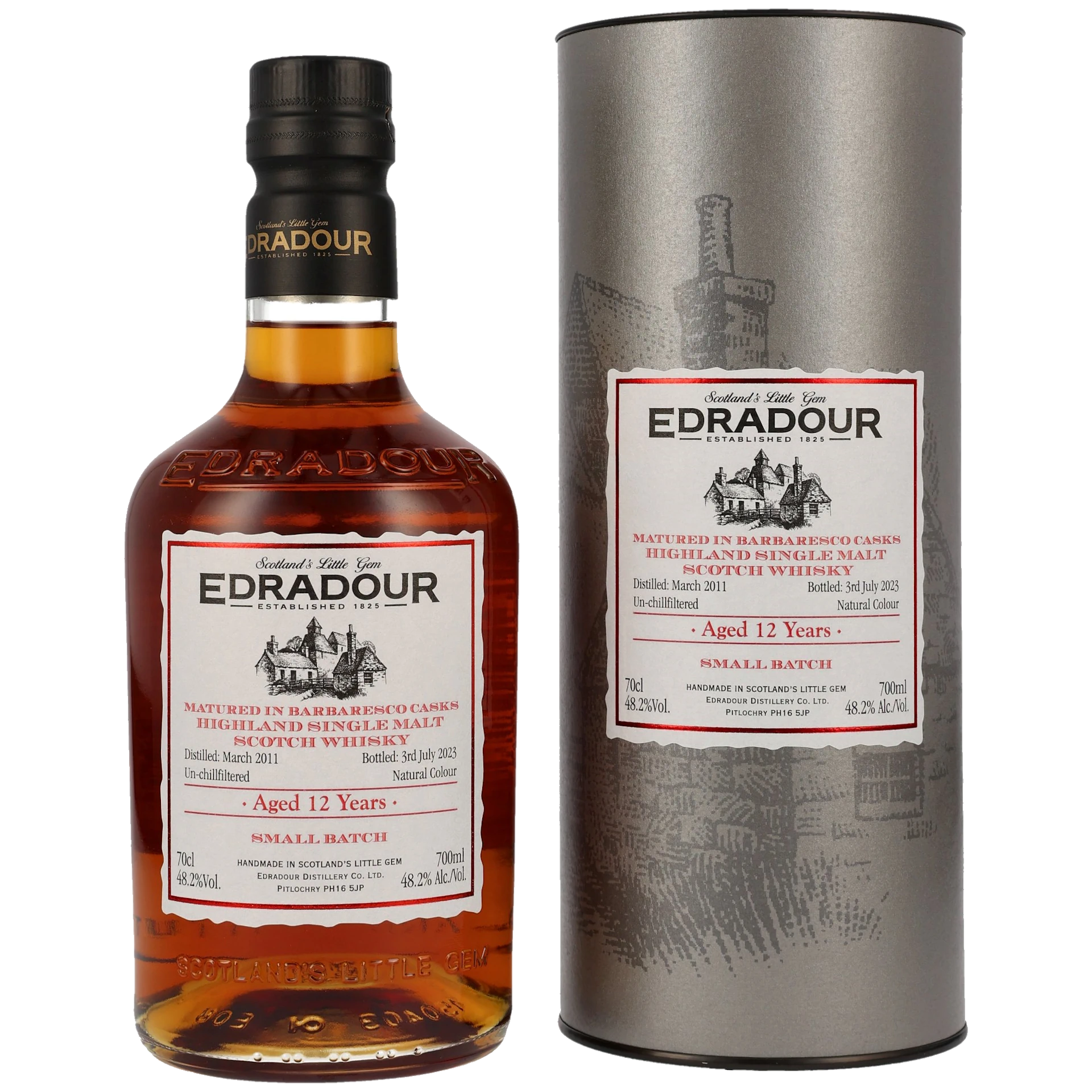
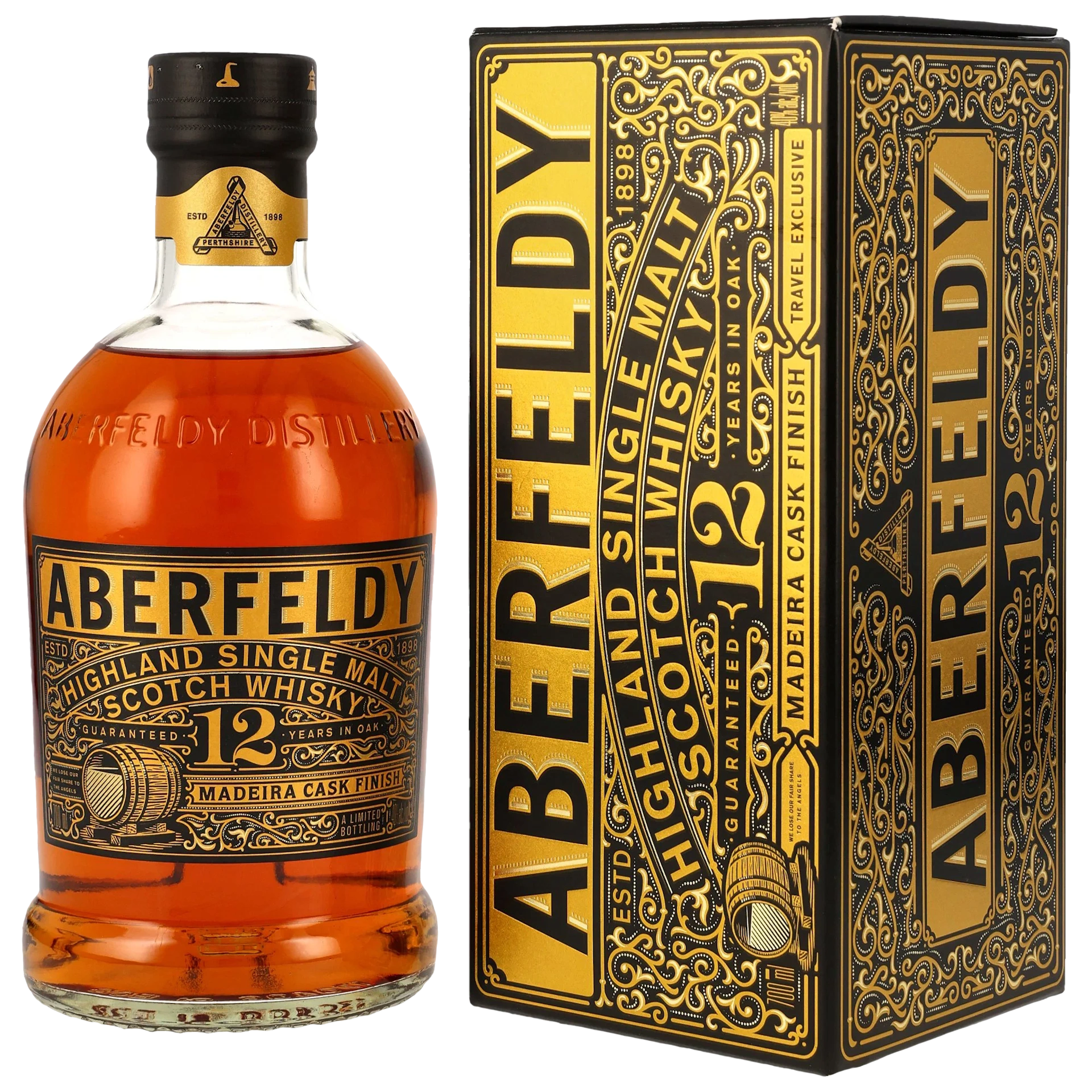
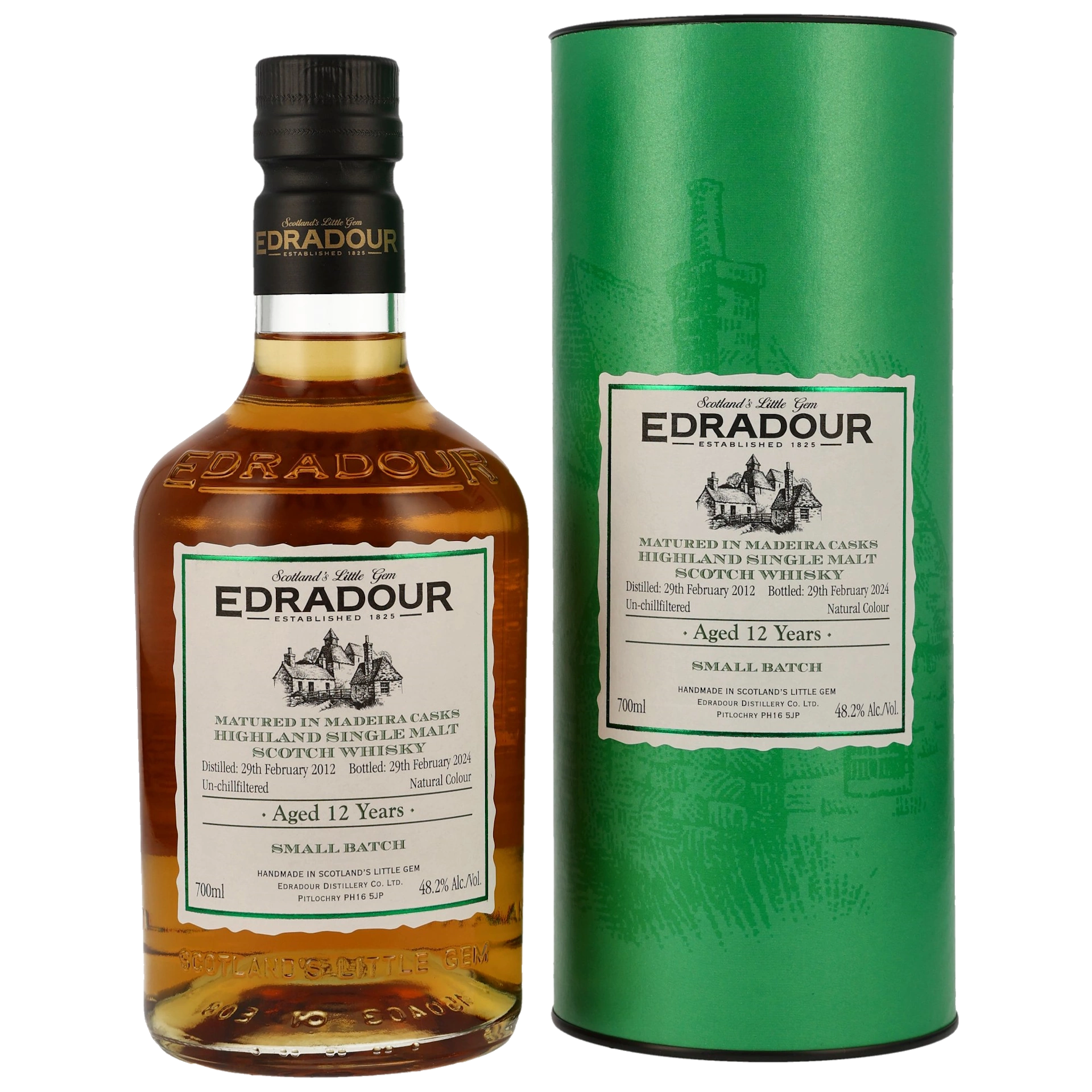
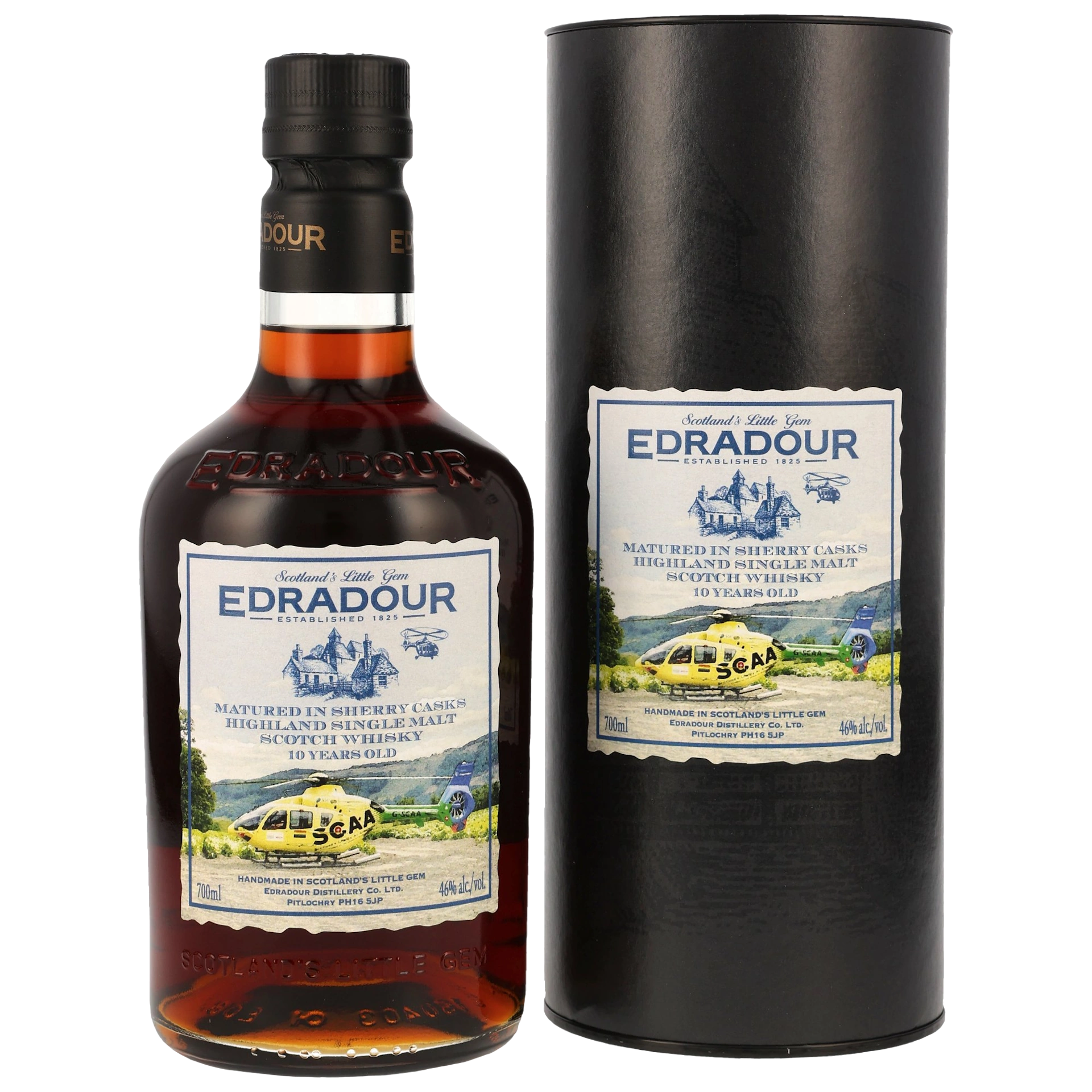
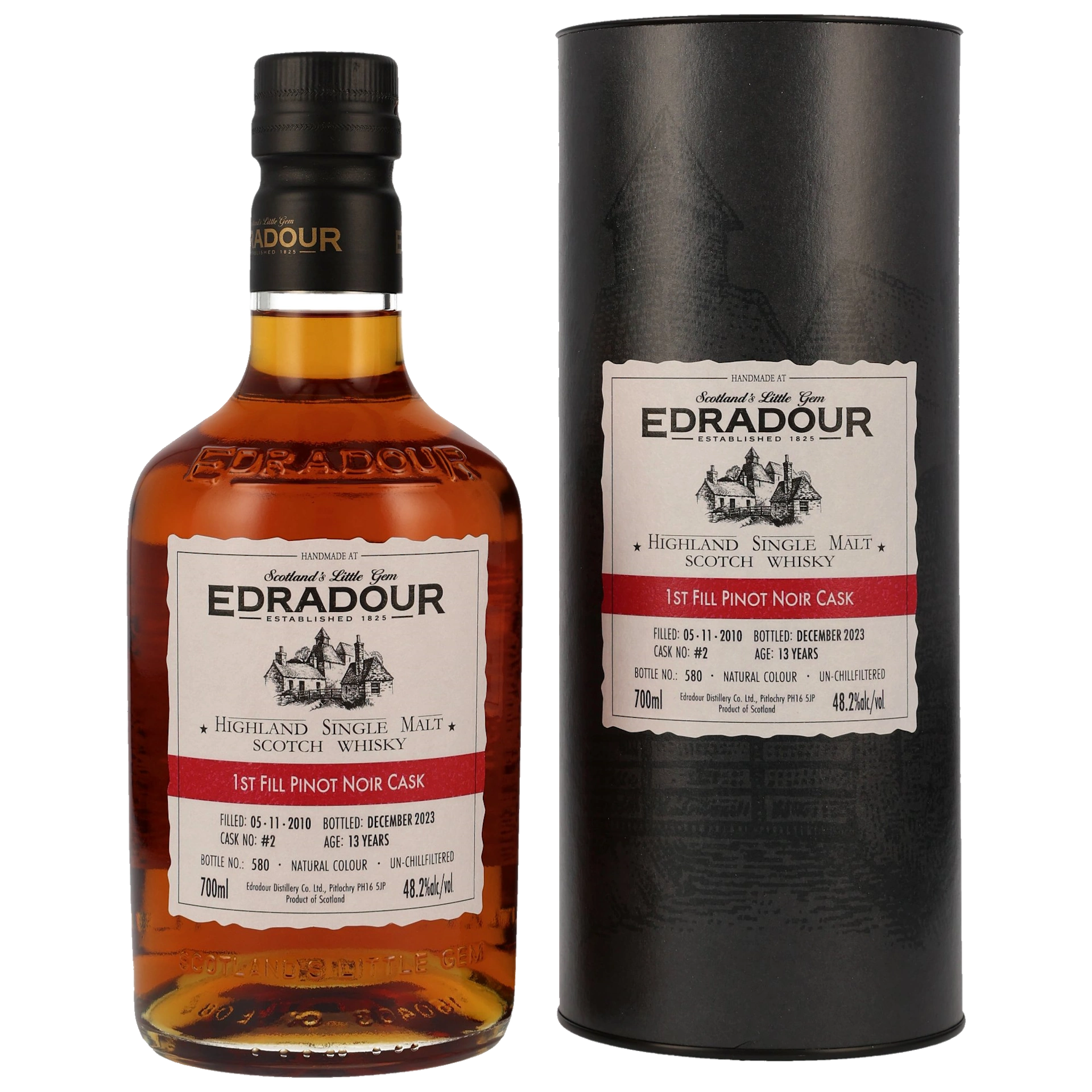
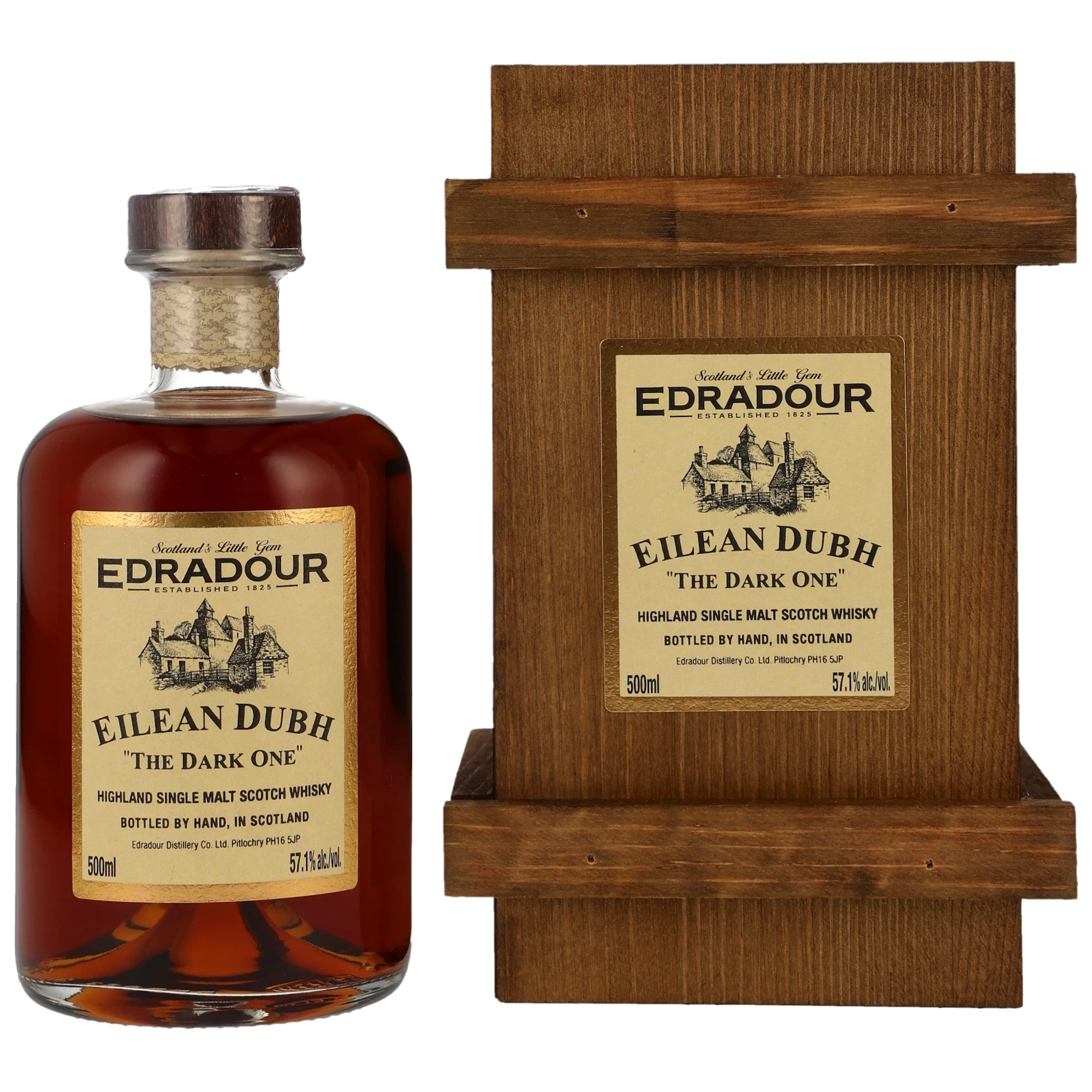
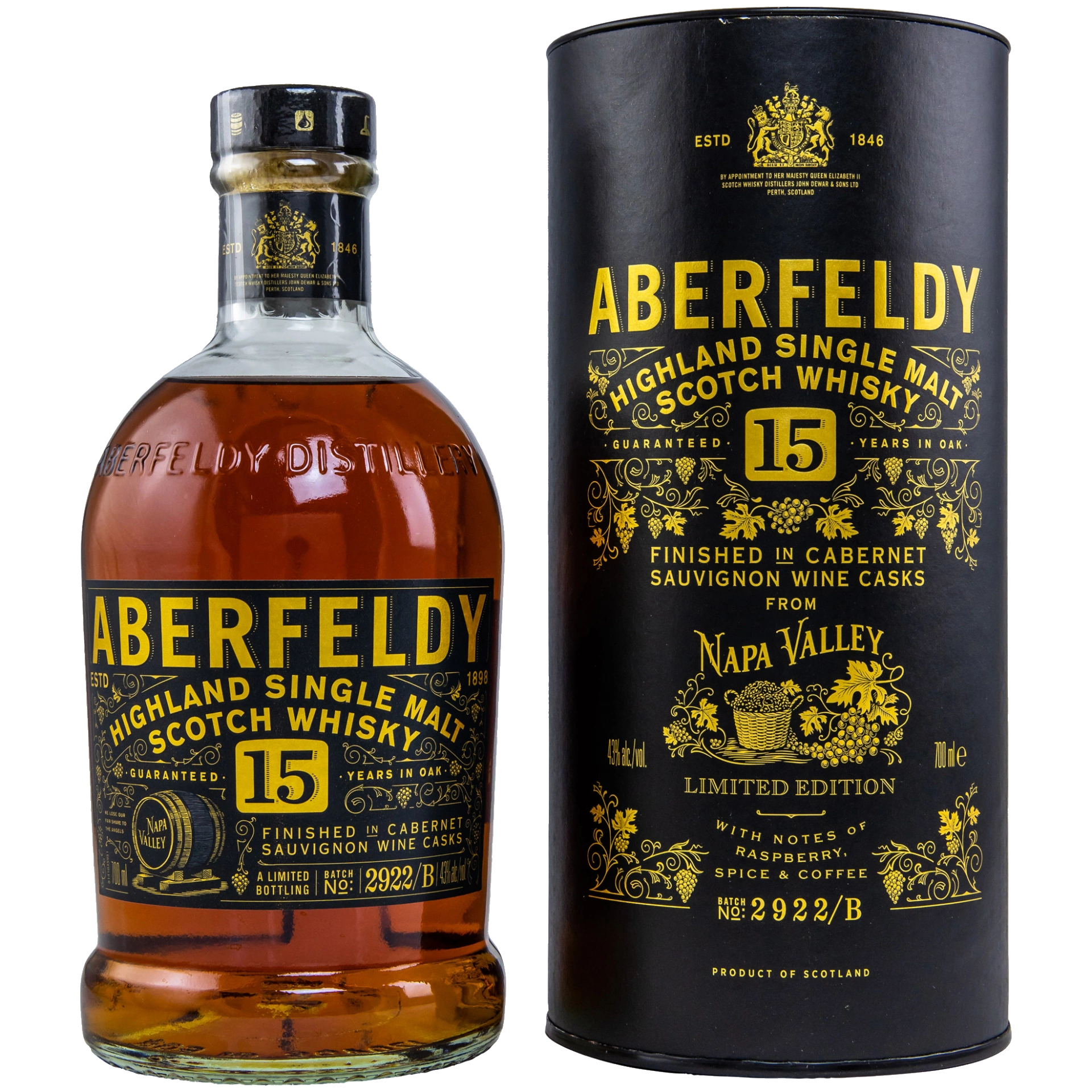
Scotch Whisky: This whisky is produced in Scotland and is divided into four main types: Single Malt Whisky, Single Grain Whisky, Blended Malt Whisky, and Blended Whisky.
How do Scotch Whiskies differ?
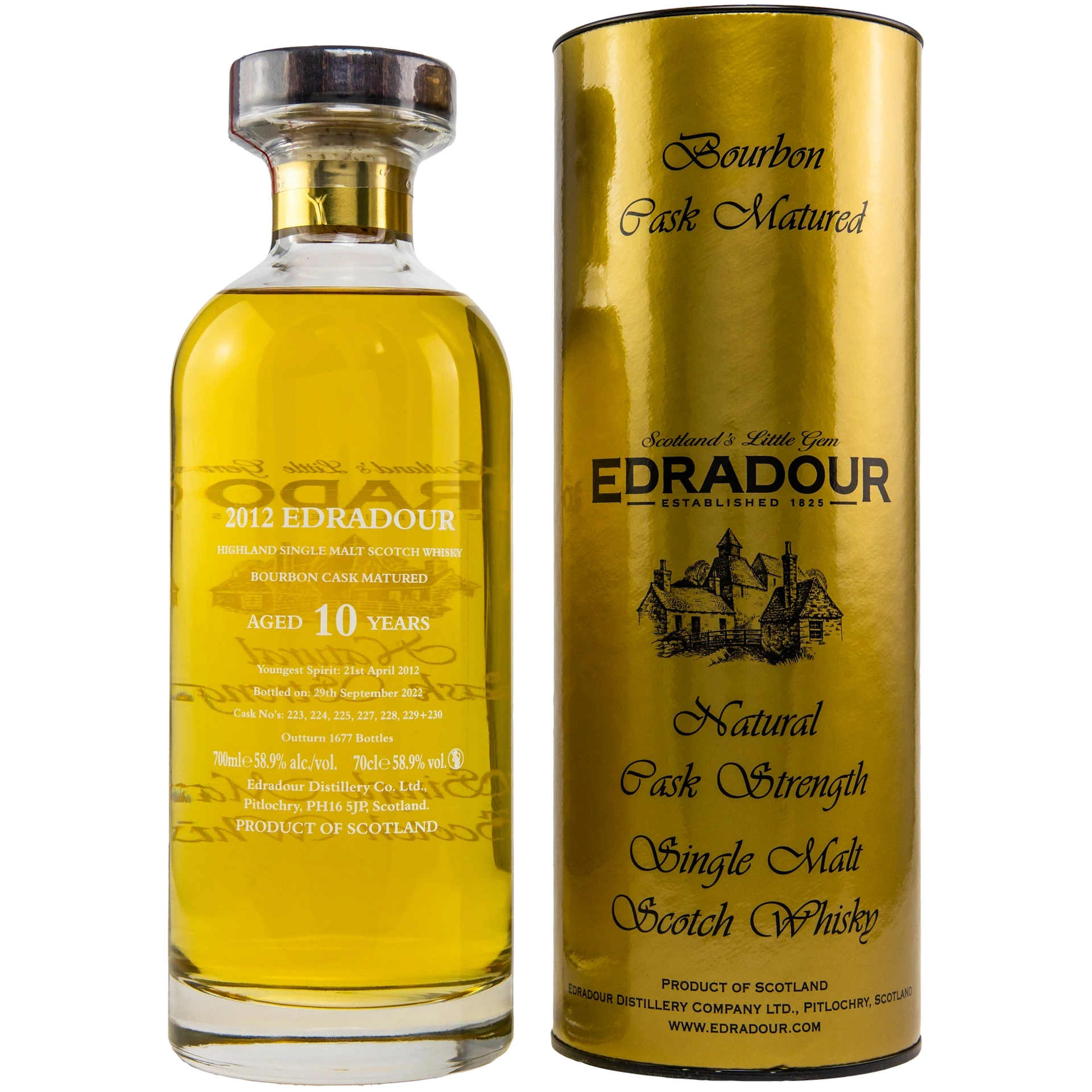
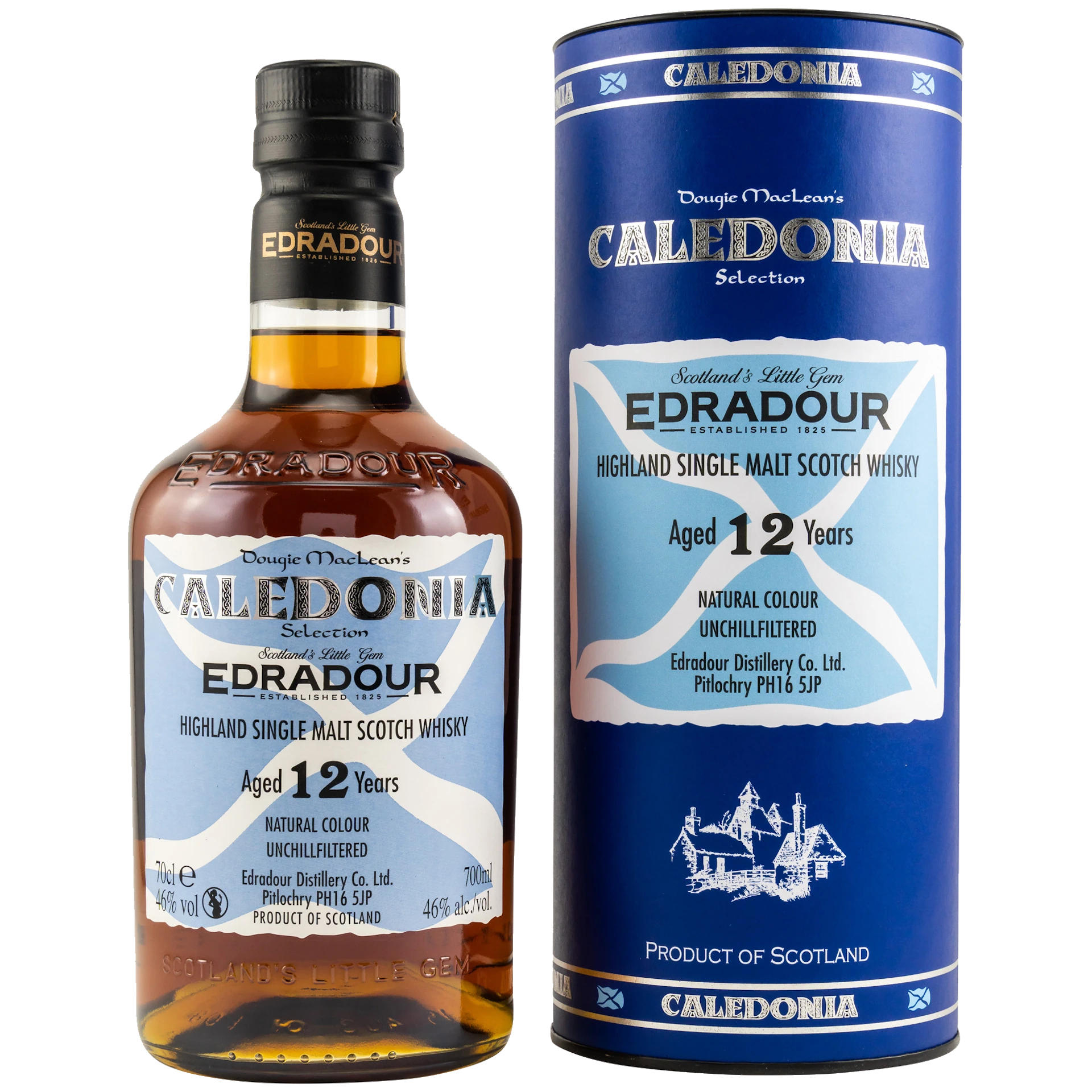
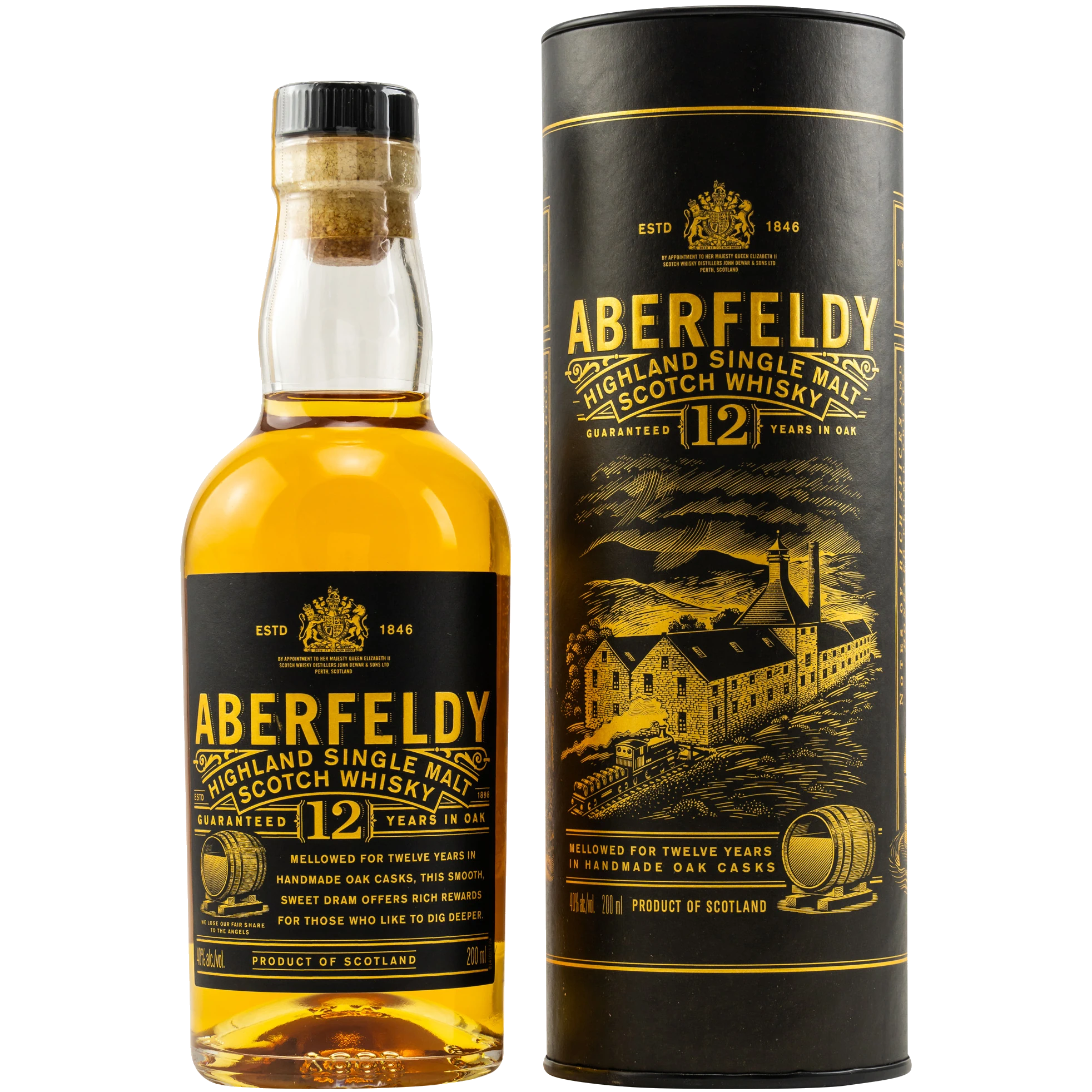
- Single Malt Whisky: This whisky is made from 100% malted barley and may only be distilled in Scotland. It is usually aged in oak barrels and typically has a strong, malty taste with notes of peat and smoke.
- Single Grain Whisky: This whisky is made from at least one grain (usually corn or wheat) and may only be distilled in Scotland. It is usually aged in oak barrels and typically has a milder taste than Single Malt Whisky.
- Blended Malt Whisky: This whisky is a blend of several Single Malt Whiskies and typically has a stronger taste than a single Single Malt Whisky.
-
Blended Whisky: This whisky is made from a combination of Single Malt Whiskies and Single Grain Whiskies.
How do American Whiskies differ?
- Bourbon Whiskey: This whiskey must be made from at least 51% malted corn and may be aged in new, charred oak barrels. It typically has a sweet taste with notes of caramel and vanilla.
- Rye Whiskey: This whiskey must be made from at least 51% rye and may be aged in new, charred oak barrels. It typically has a stronger, spicier taste with notes of pepper and cinnamon.
- Tennessee Whiskey: This whiskey must be produced like Bourbon, but it must also go through an additional step of charcoal filtration, the Lincoln County Process. It typically has similar characteristics to Bourbon, but can have a distinct character.
-
Straight Whiskey: This whiskey must be aged for at least 2 years in new, unused oak barrels. There are no requirements regarding the type of grain used, but it must not contain any additives such as colorants or flavorings; it must therefore be natural.
Which Scottish regions should you know – and what style can you expect there?
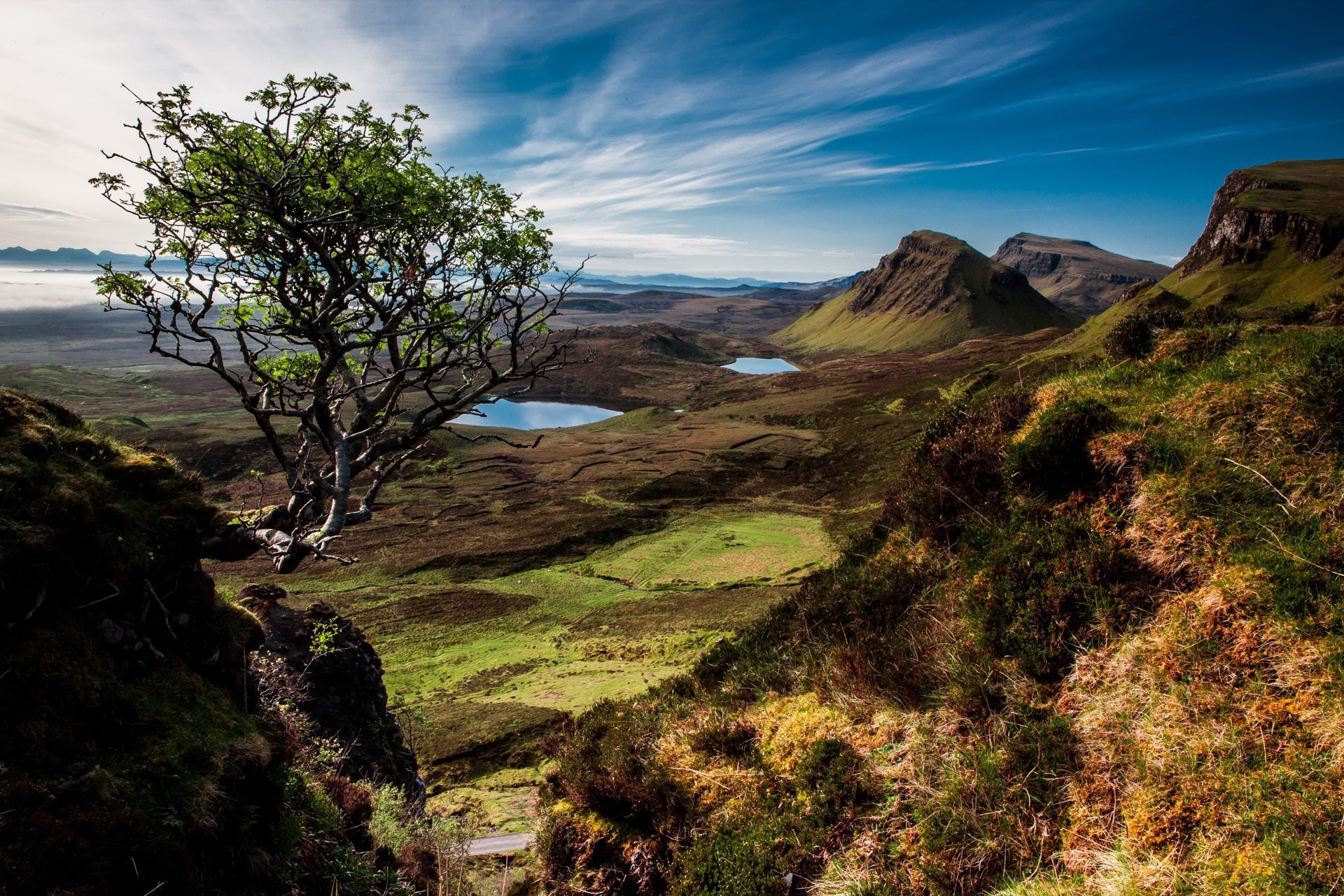
For you: Choose region by preferred aroma spectrum – peaty/smoky → Islay, fruity-elegant → Speyside, diverse → Highlands.
- Islay: Intense peatiness, sea salt, smoke, and iodine – ideal if you like strong, smoky aromas.
- Speyside: Fruity, malty, often sweet with notes of apple, pear, honey, and vanilla – beginner-friendly and often elegant.
- Highlands: Very variable – from spicy-dry to fruity to smoky; many complex Single Malts.
- Lowlands: Lighter, floral, and grassy whiskies – elegant and often popular as a gentle introduction.
- Campbeltown: Maritime, slightly salty with spicy and malty notes – historically significant region with a distinctive profile.
-
Islands (technically part of the Highlands for many listings): Sea salt, light smoky profile, maritime notes – very varied.
What makes whiskies from England and Wales interesting for your enjoyment?
English and Welsh distilleries are often younger, creative, and experimental: unusual cask maturations (e.g., port, sherry, or local wine casks), innovative mash bills, and modern production approaches characterize the offerings. Many bottlings are limited and tell current stories of craftmanship, locality, and new taste. For you, this means new discoveries, surprising finishes, and exciting collector's items.
Why are Italian whiskies a worthwhile addition to your collection?
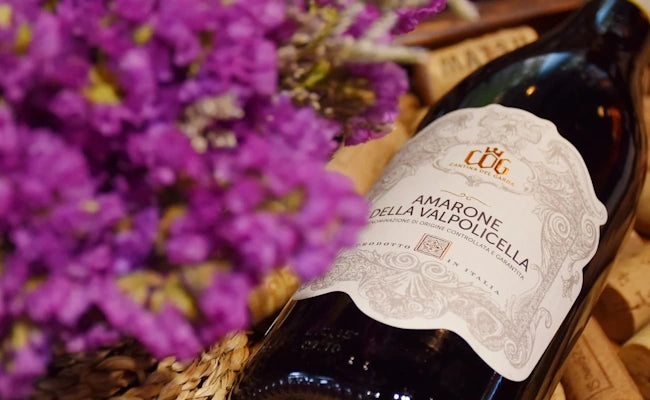
Italian distilleries combine traditional distillation art with Mediterranean influences: aging in wine, Barolo, or Amarone casks, experimenting with local grain varieties, and a strong focus on bottle design and storytelling. The result is often rich, fruit-driven, and spicy drams with an elegant, sometimes sweet-dry profile – perfect if you are looking for unconventional, harmonious whiskies.
How do you find the right whisky for your taste?
- Start with style preferences: do you like smoke, sweetness, fruitiness, or spices?
- Choose a region based on its profile: Islay = smoke, Speyside = fruit, Italian casks = wine notes.
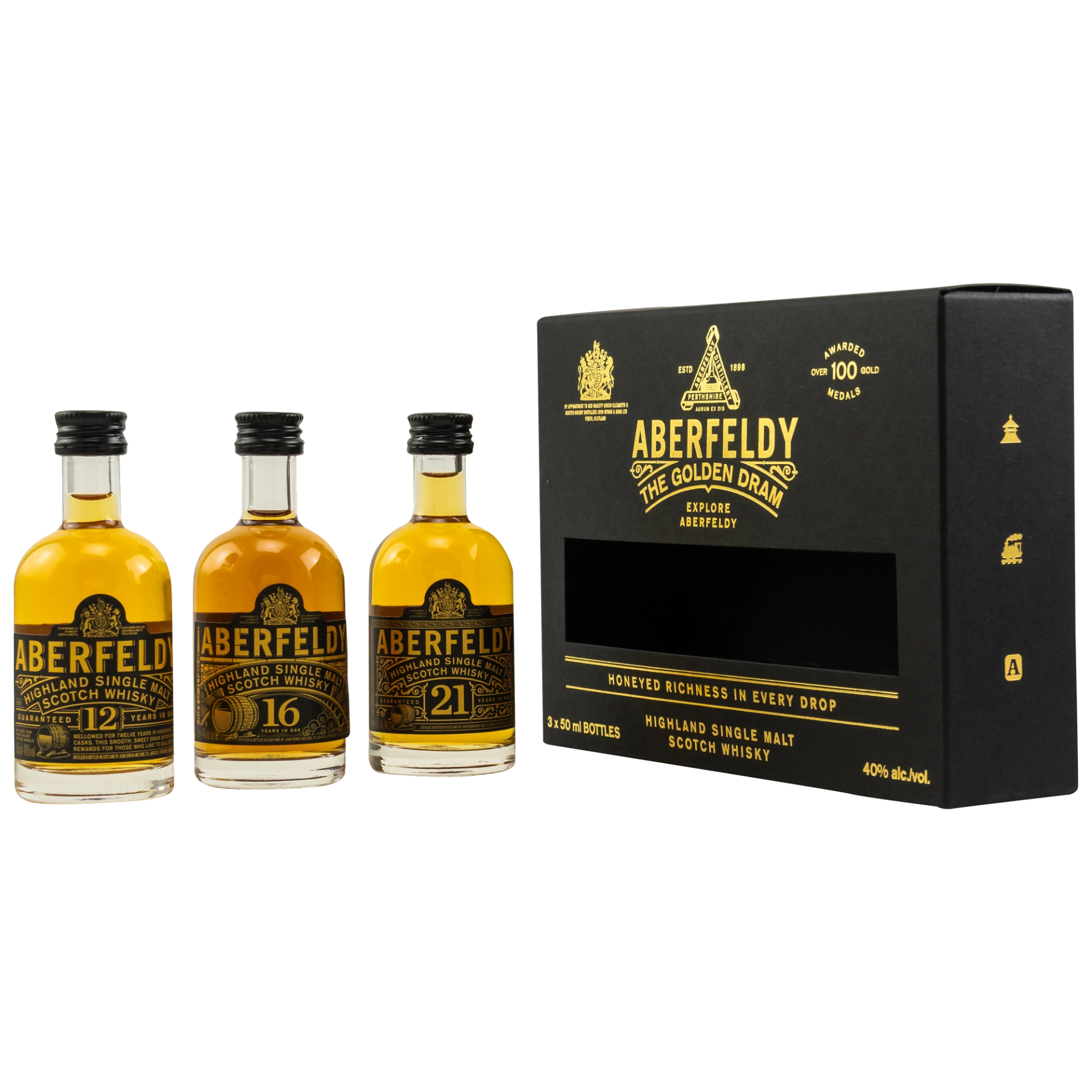
- Try small sample bottles or tastings before investing in full bottles.
- Pay attention to age statements, cask type (ex-Bourbon, Sherry, Wine), cask strength, and whether it's a Single Malt or a Blend.
This way, you save money and specifically find what brings you lasting joy.
What glass, drinking, and tasting tips will give you the best experience?
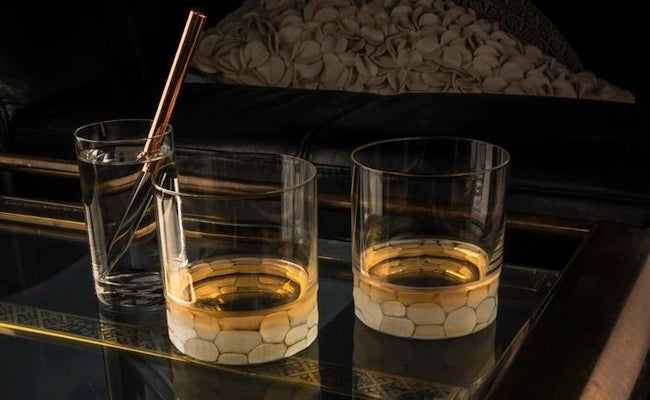
Use a tulip-shaped whisky glass to concentrate aromas. Swirl and let it breathe briefly, then taste in small sips. A drop of water opens up aromas, especially at cask strength. Note your impressions (nose, palate, finish). Compare two regions in a mini-vertical (e.g., Islay vs. Speyside) – this sharpens your senses.
How do you combine whisky with food – simple pairing ideas for home?
Deliberately try small combinations to find out which notes enhance each other.
- Peaty Islay whiskies: strong foods such as smoked salmon, blue cheese, or dark chocolate.
- Speyside & fruity malts: light desserts, fruit tarts, aged cheese, smoked poultry.
- Italian cask finishes: pasta with mushrooms, aged Parmigiano, dried fruits, amaro-like desserts.
-
English/Welsh bottlings: depending on the style, with stews, game, or grilled vegetables.
What should you look for when buying – quality, age & cask details explained?
Age is an indicator, but not solely decisive for taste. More important are the cask type (Sherry vs. Bourbon cask), cask size, finish (e.g., wine barriques), maturation period, and whether the whisky is chill-filtered or colored. Limited Editions and Cask Strengths offer more intense aromas but are often more expensive. Read tasting notes, but above all, listen to your own taste.
How do you store whisky correctly at home – and how long does it last?
Unopened, whisky remains virtually indefinitely stable if stored cool, dark, and upright. Opened bottles should be consumed within 1–3 years, especially half-empty bottles (oxidation reduces aromas). Avoid direct sunlight and strong temperature fluctuations.
How do you find value and gift recommendations for different budgets?
For gift sets, tastings, sample sets or packs with different regions are ideal, so recipients can discover new profiles.
- Entry-level (up to approx. €50): Look for highly rated Speyside Single Malts or gentle Highland Malts.
- Mid-range (€50–€150): Sherry-cask matured Speyside, selected Islay bottlings or interesting English craft whiskies.
-
Premium (€150+): Cask Strength, Vintage bottlings, Italian cask finishes or limited releases.
Should you consider tastings or whisky tours – how do you personally benefit from them?
Tastings sharpen your perception and allow you to compare regions directly. Whisky tours (e.g., Scotland or Italian distilleries) combine culture and taste – you understand production processes, terroir, and the stories behind the bottles. For you as a connoisseur, such experiences long-term enhance enjoyment and selection competence.
Final tip for your whisky discovery tour
Start with samples, note your impressions, and build your collection thematically (e.g., region, cask type). Be open to new experiences – English and Italian whiskies often surprise positively – and enjoy consciously: whisky is not just a drink, but a combination of craftsmanship, landscape, and history that you get to know better with every sip.