



Italy - Buy Italian Spirits Online

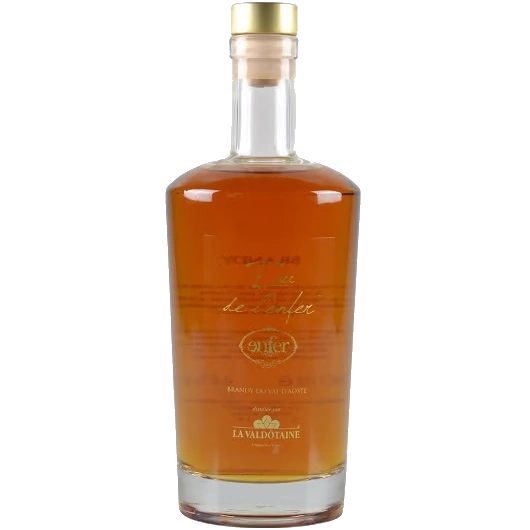
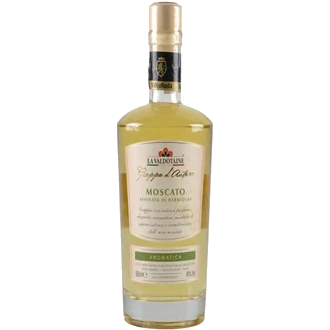
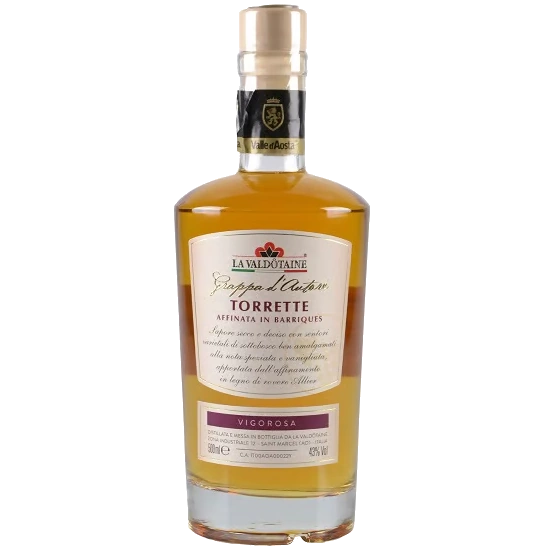
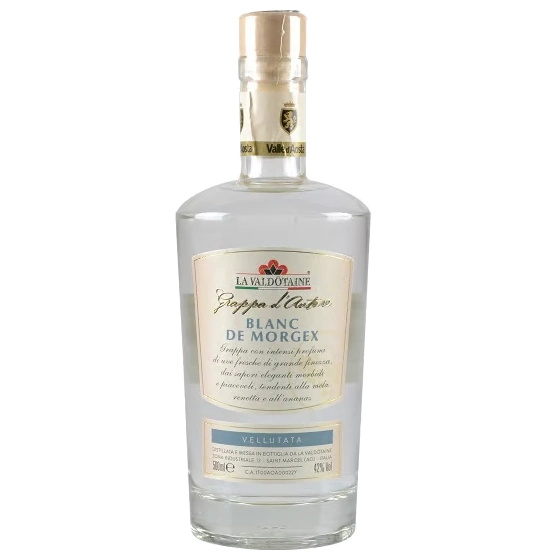
Italy - Buy Italian Spirits Online
Why should you get to know Italian spirits?
Italian spirits combine local raw materials, centuries-old artisanal traditions, and creative, modern distillation artistry. Whether you're looking for a clear, powerful grappa, an aromatic liqueur for dessert, a refreshing limoncino for summer, surprising Italian whiskies, or elegant gins with Mediterranean botanicals — here you'll find products that convey stories, regions, and flavors. For you, this means authentic aromas, diverse moments of pleasure, and often surprising combinations that no home bar should be without.
What typical Italian spirits are there?
Here's a compact overview of typical Italian spirits (with a brief description):
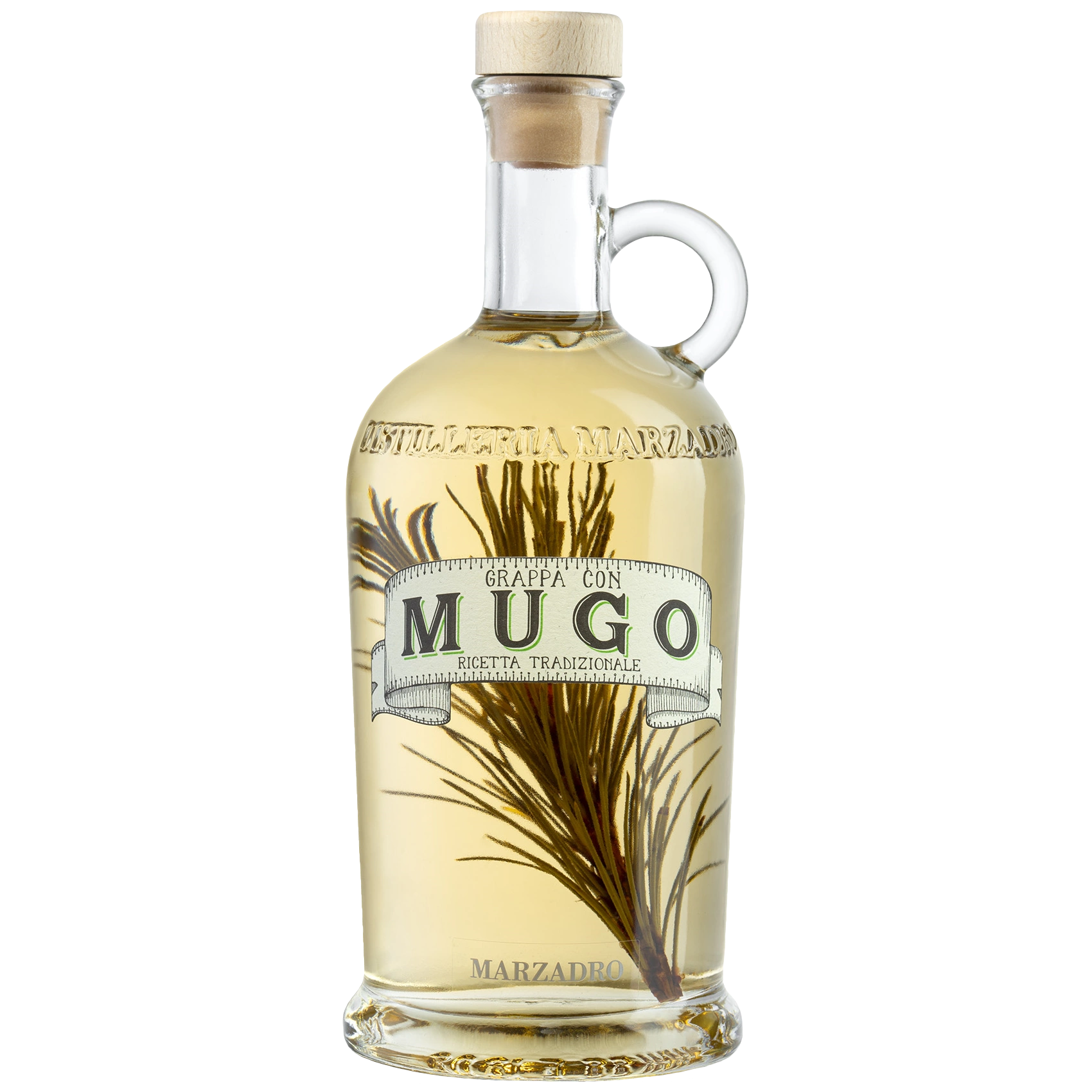
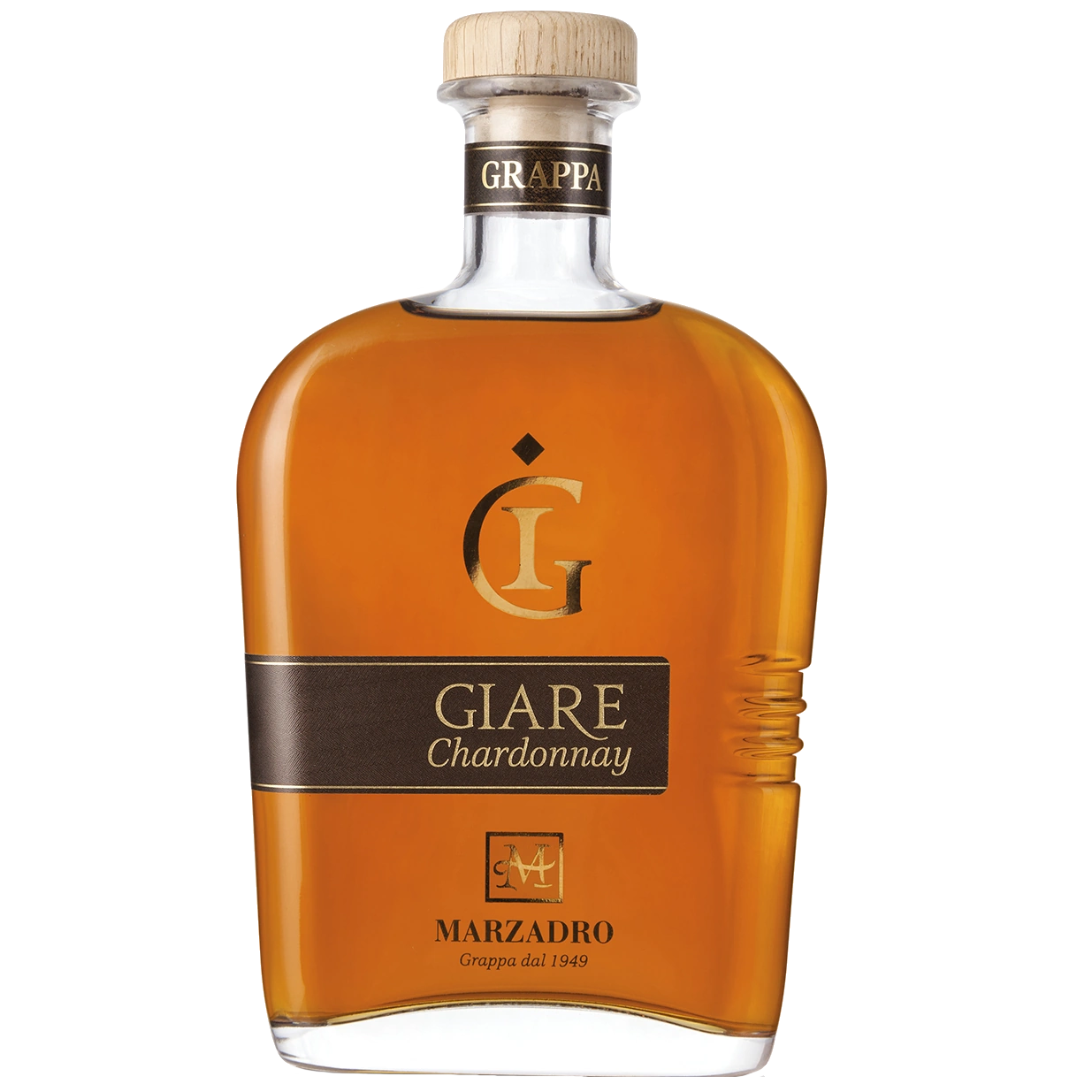
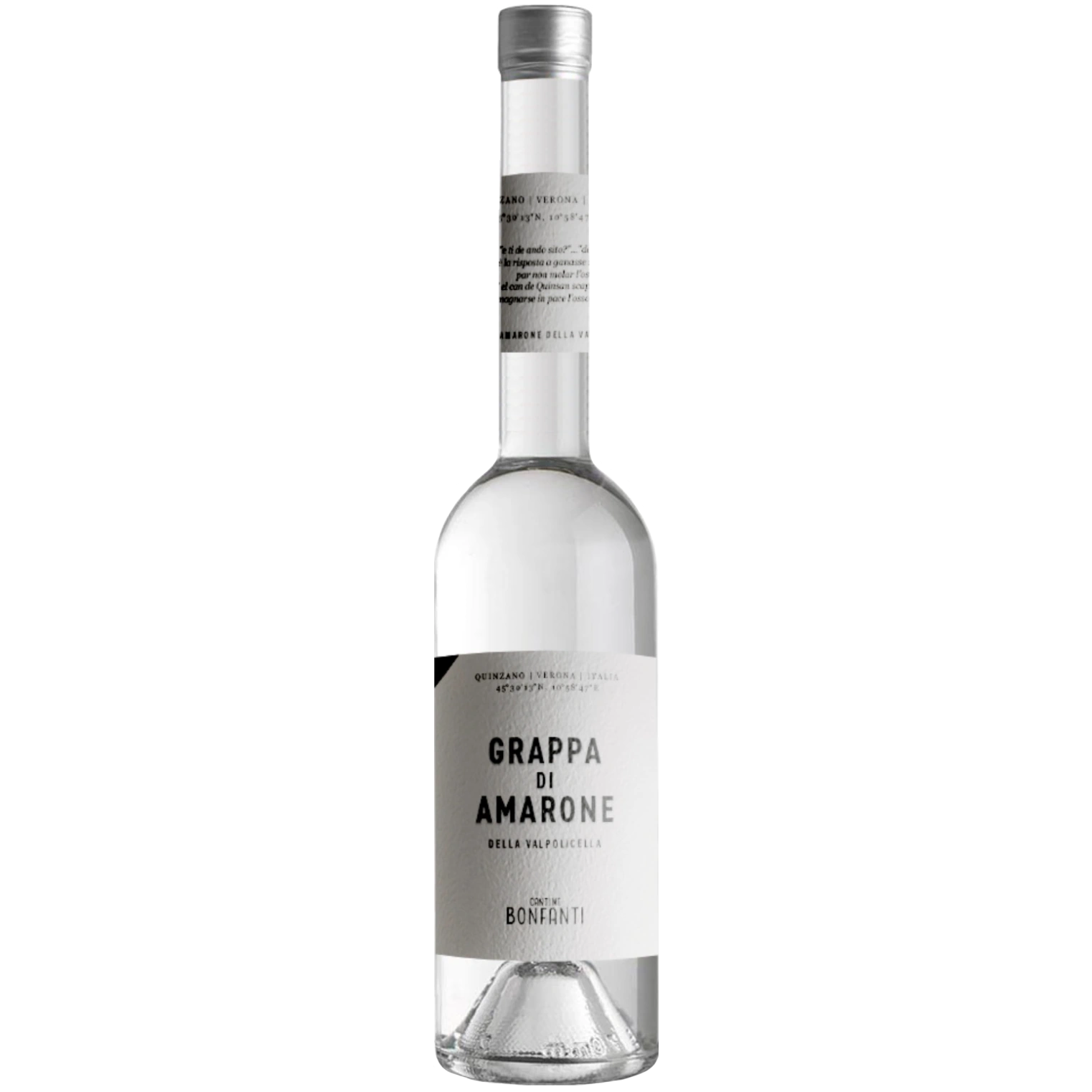
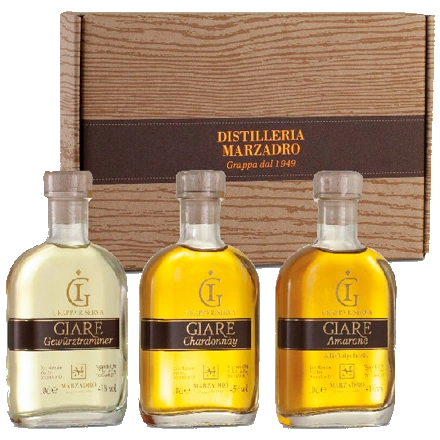
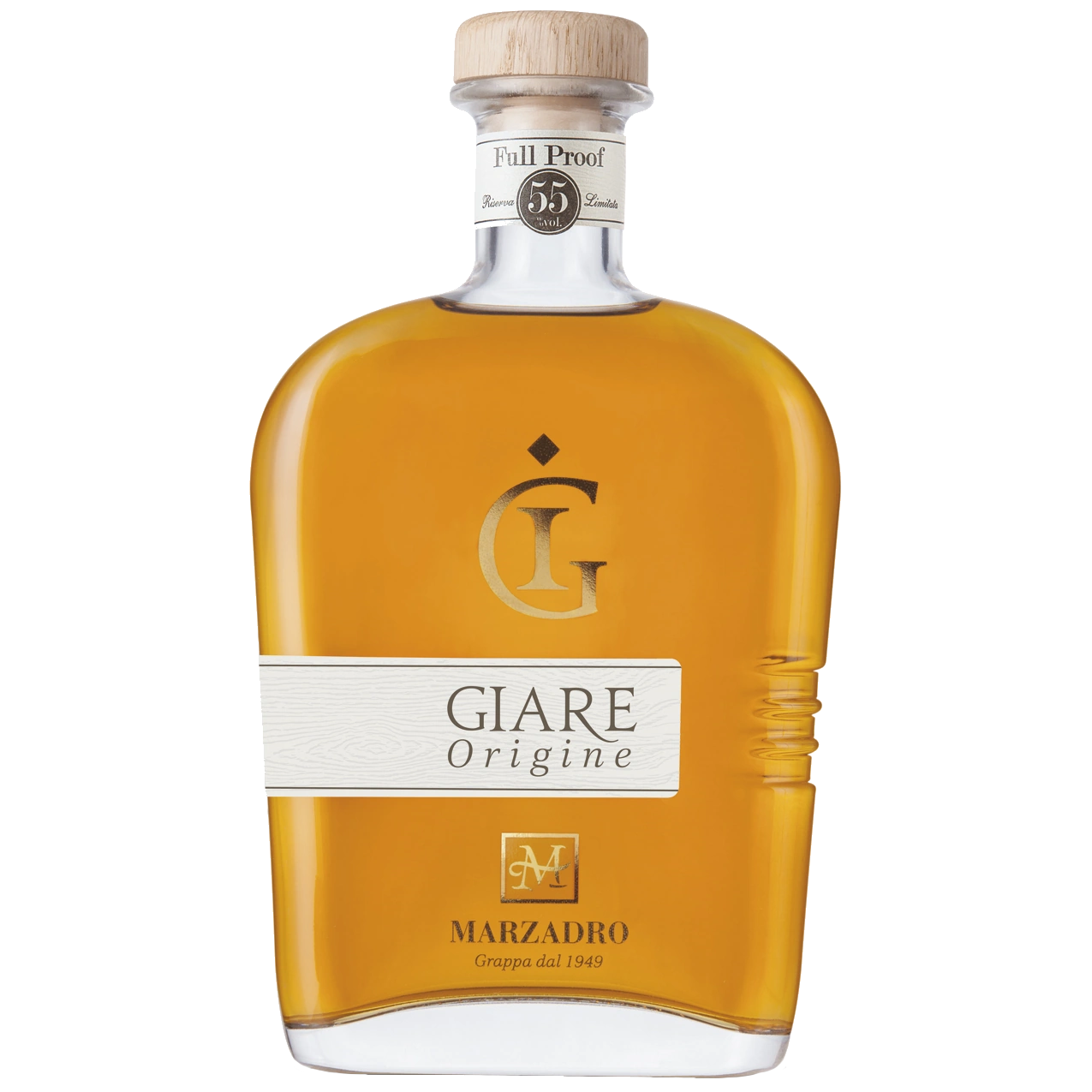
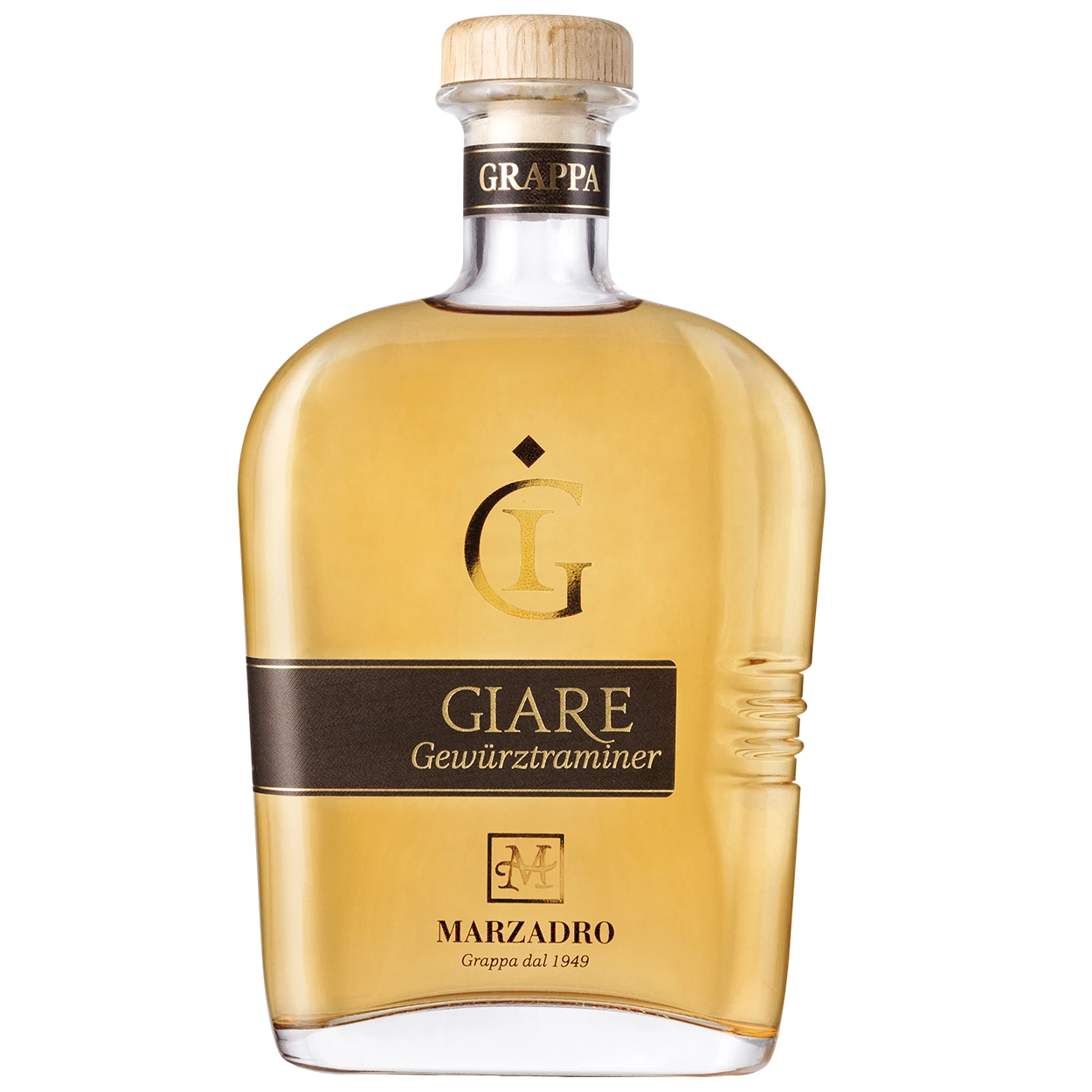
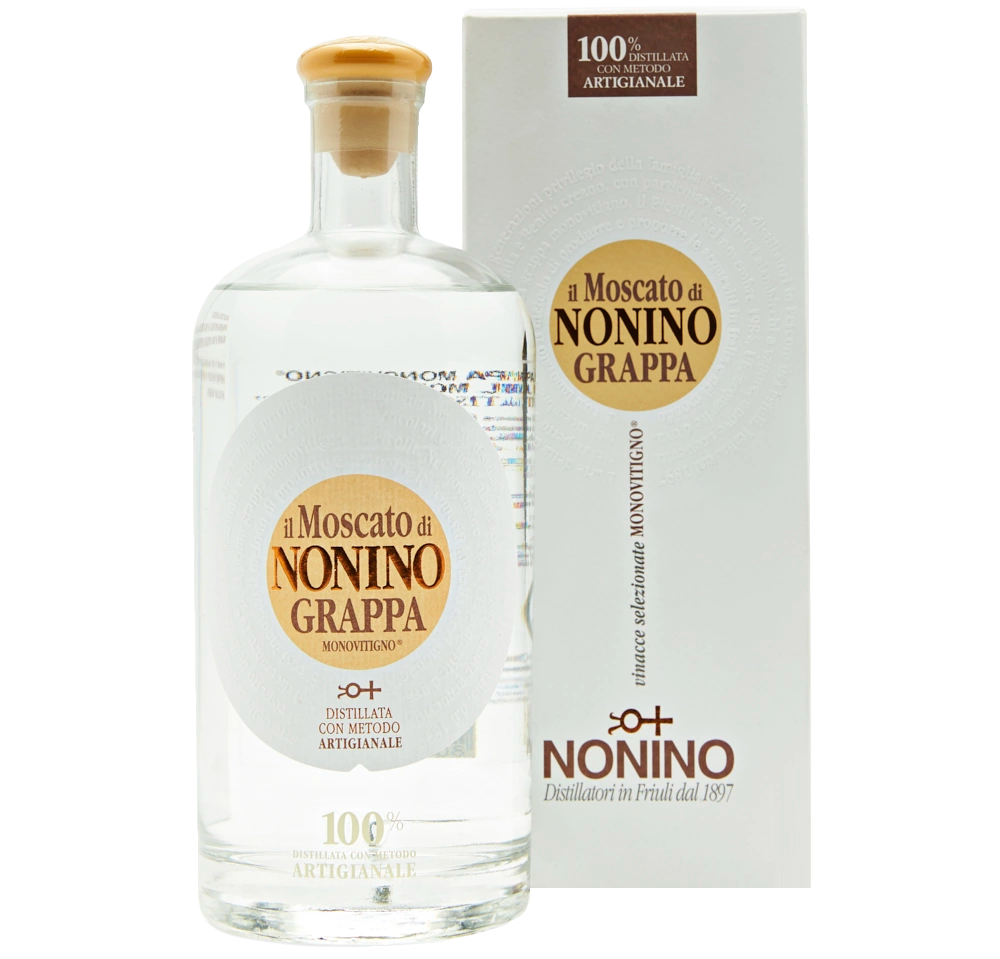
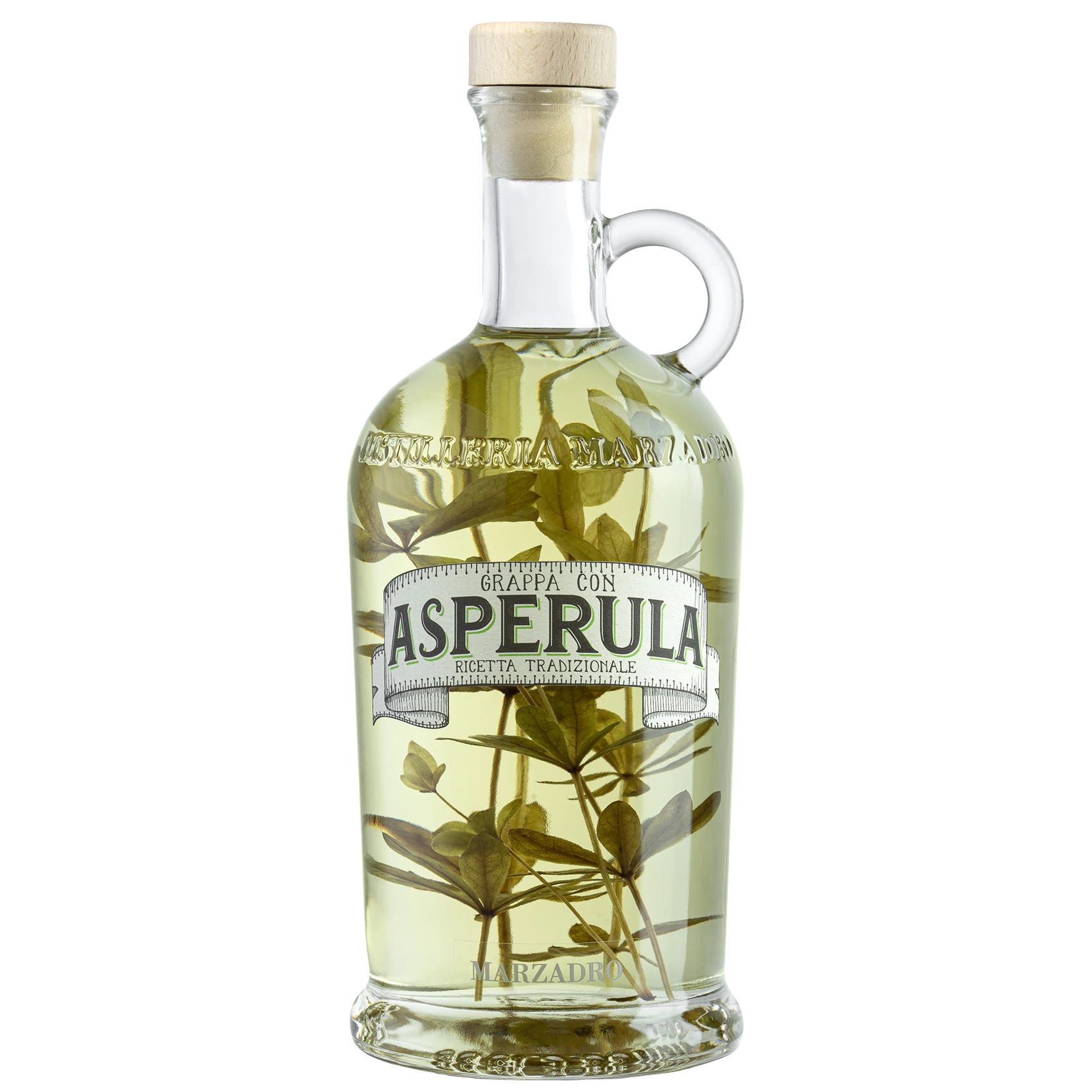
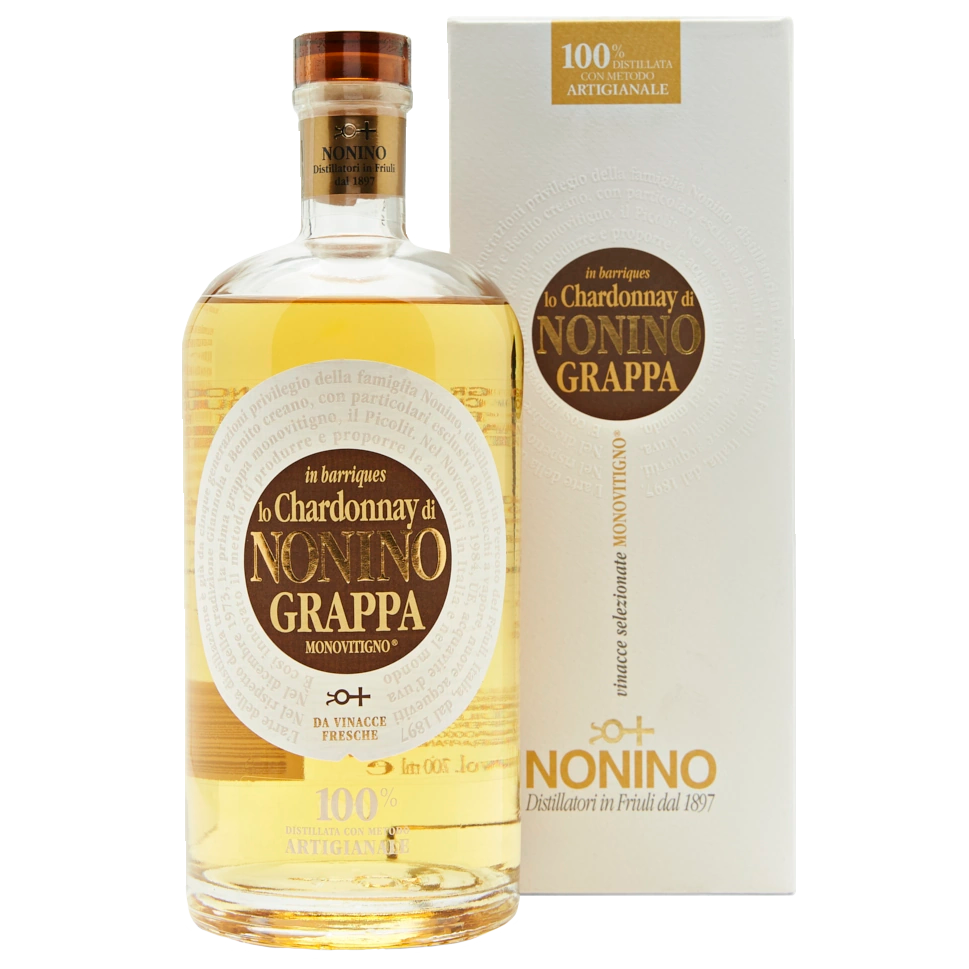
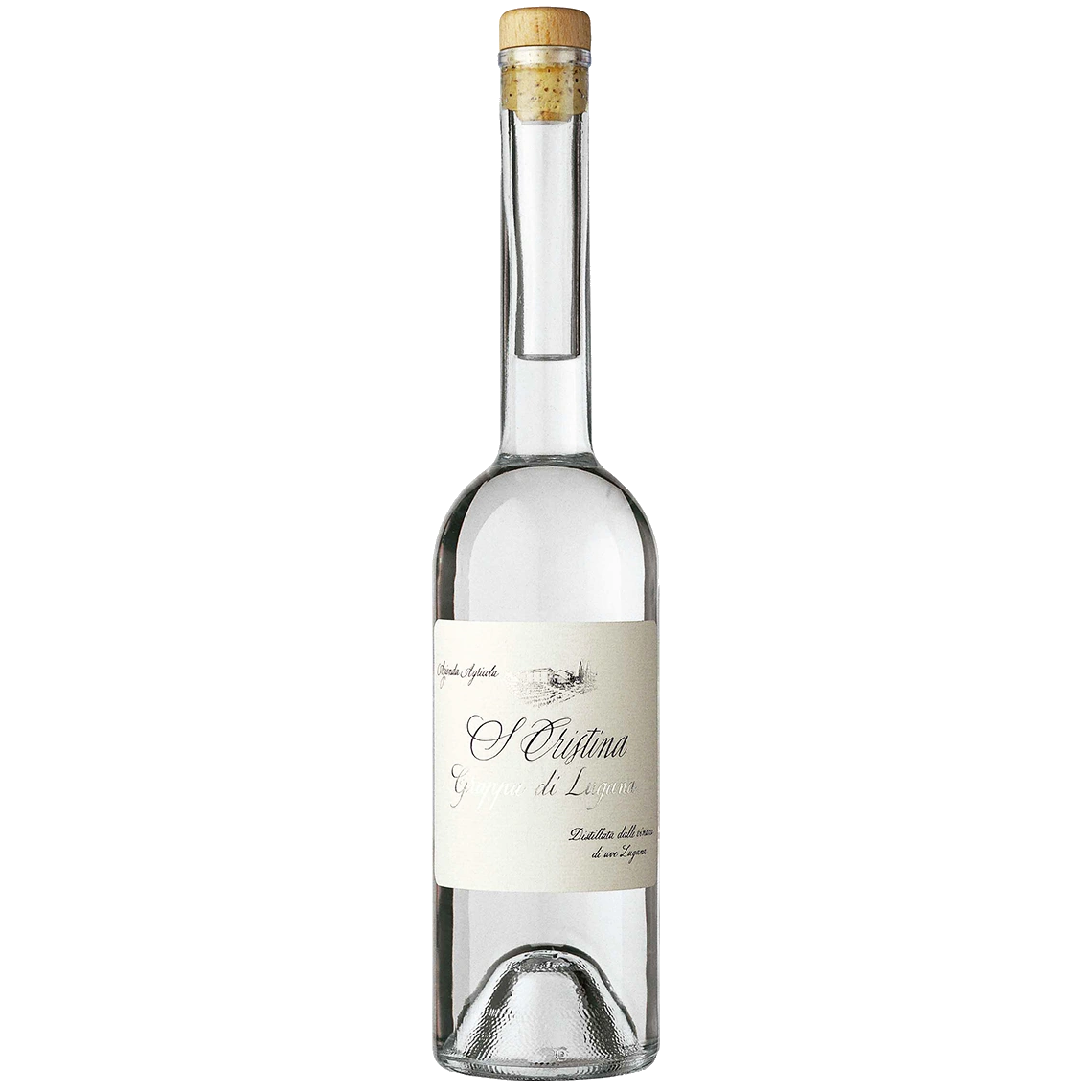
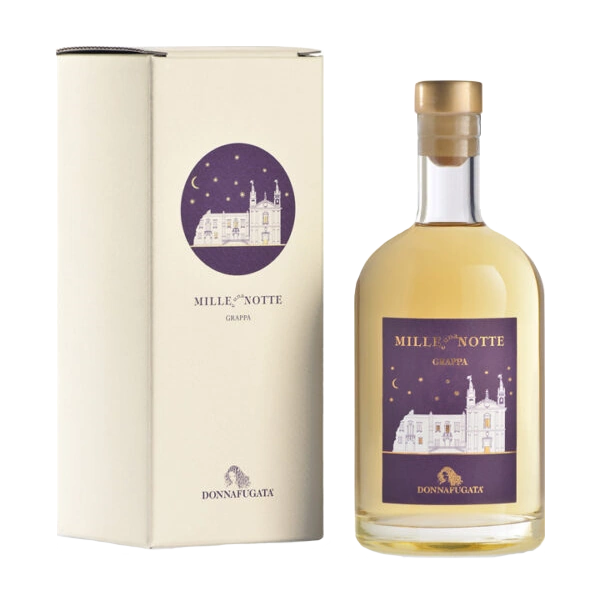
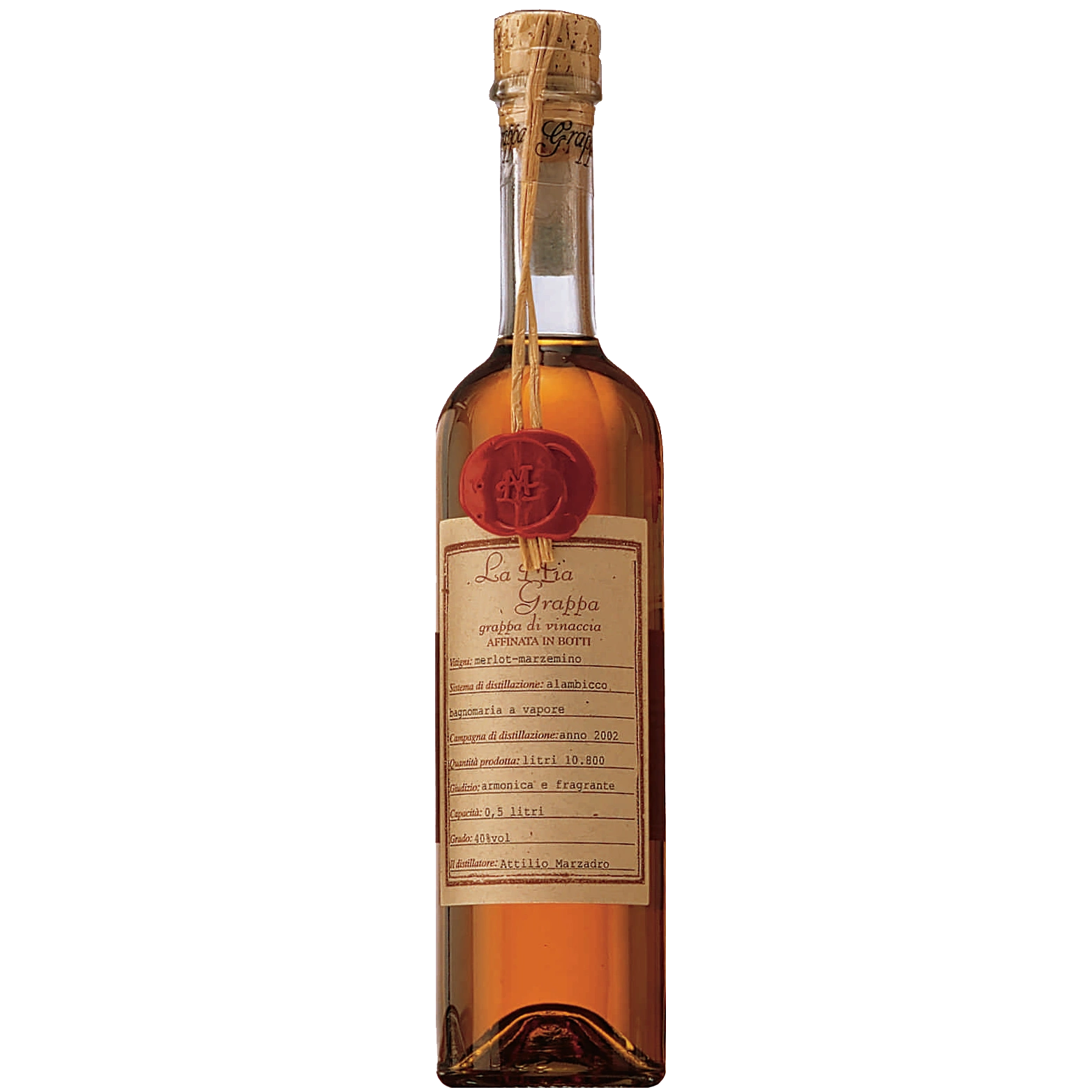
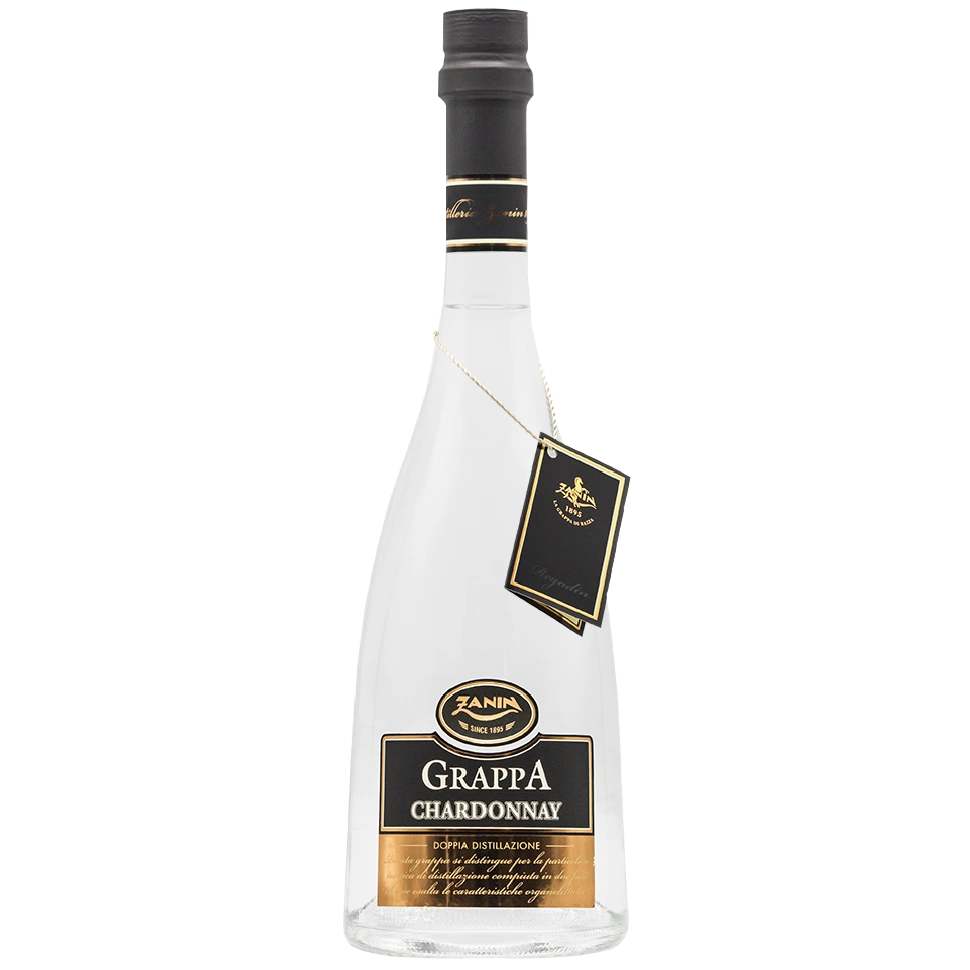
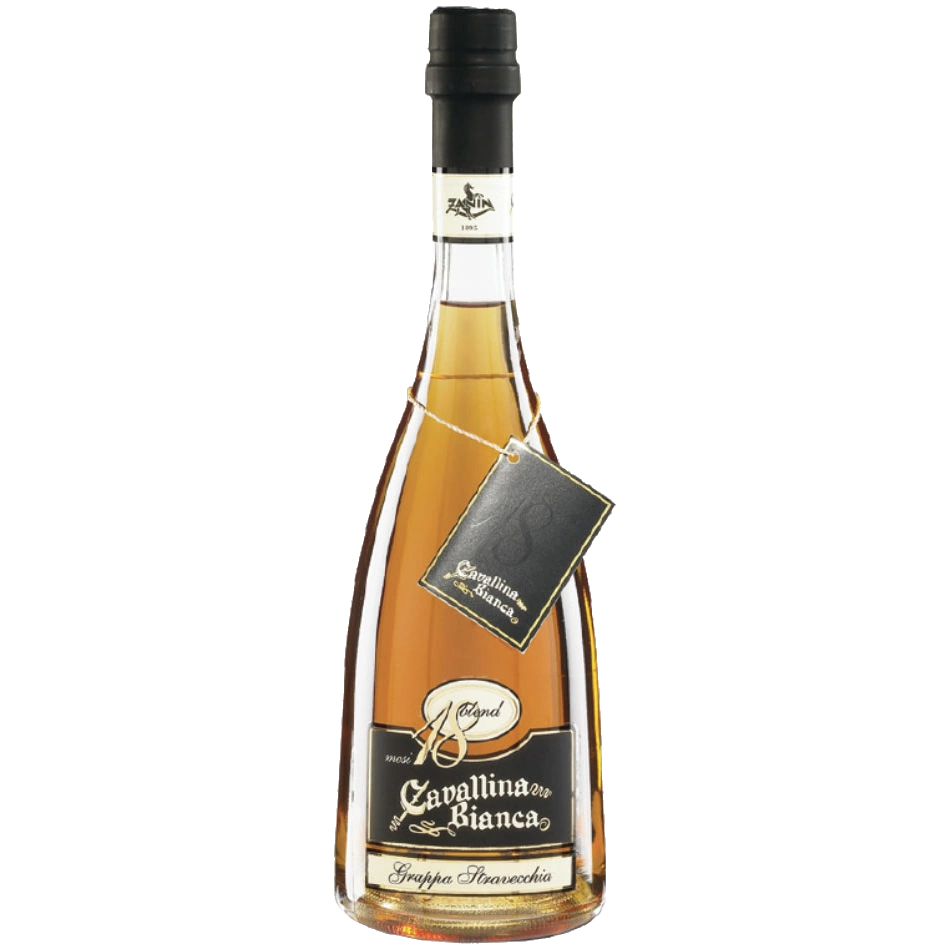
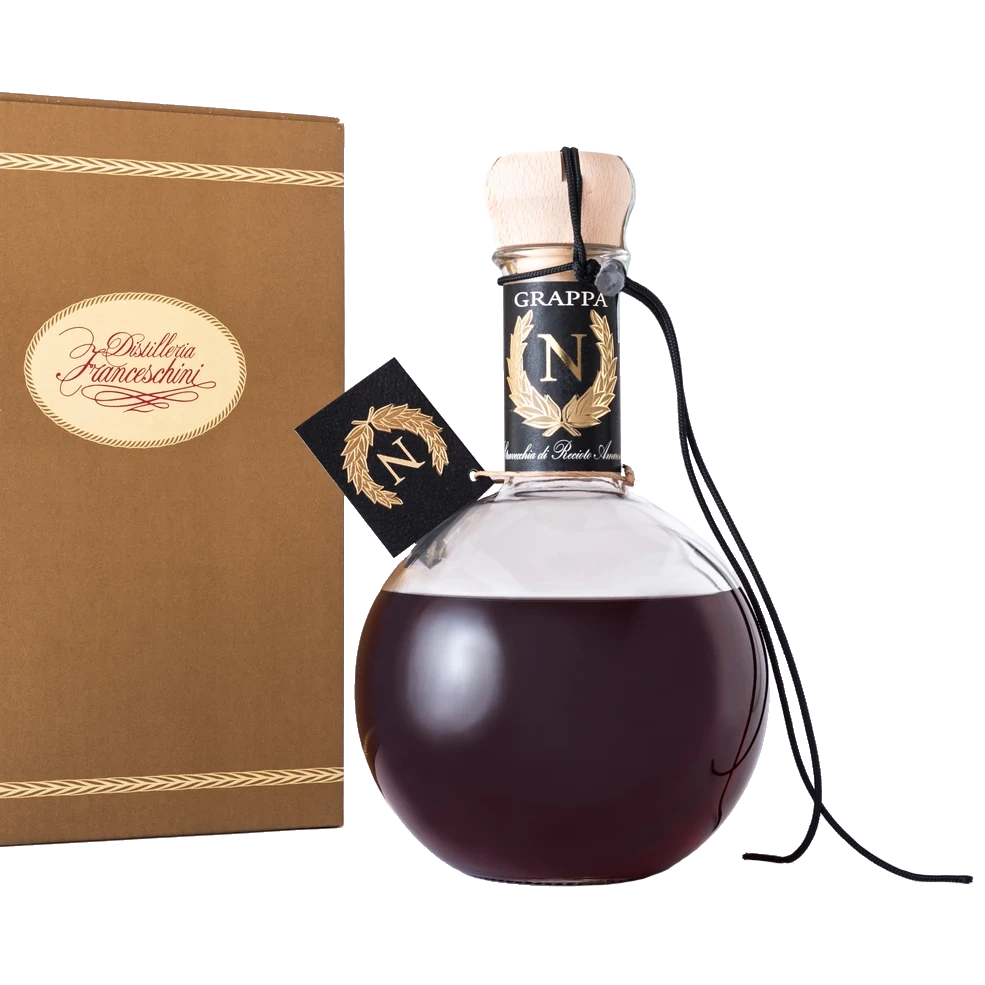
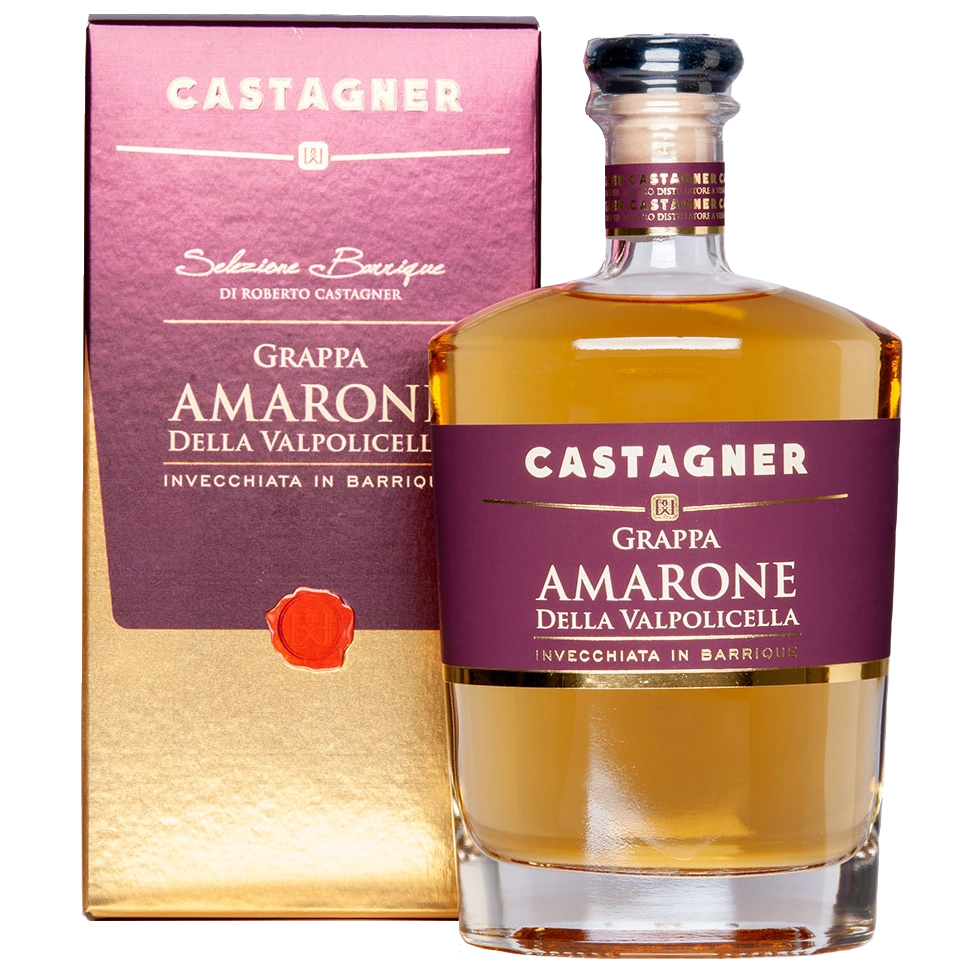
- Grappa: Pomace brandy from grape residues; from young and fresh to aged in wooden barrels.
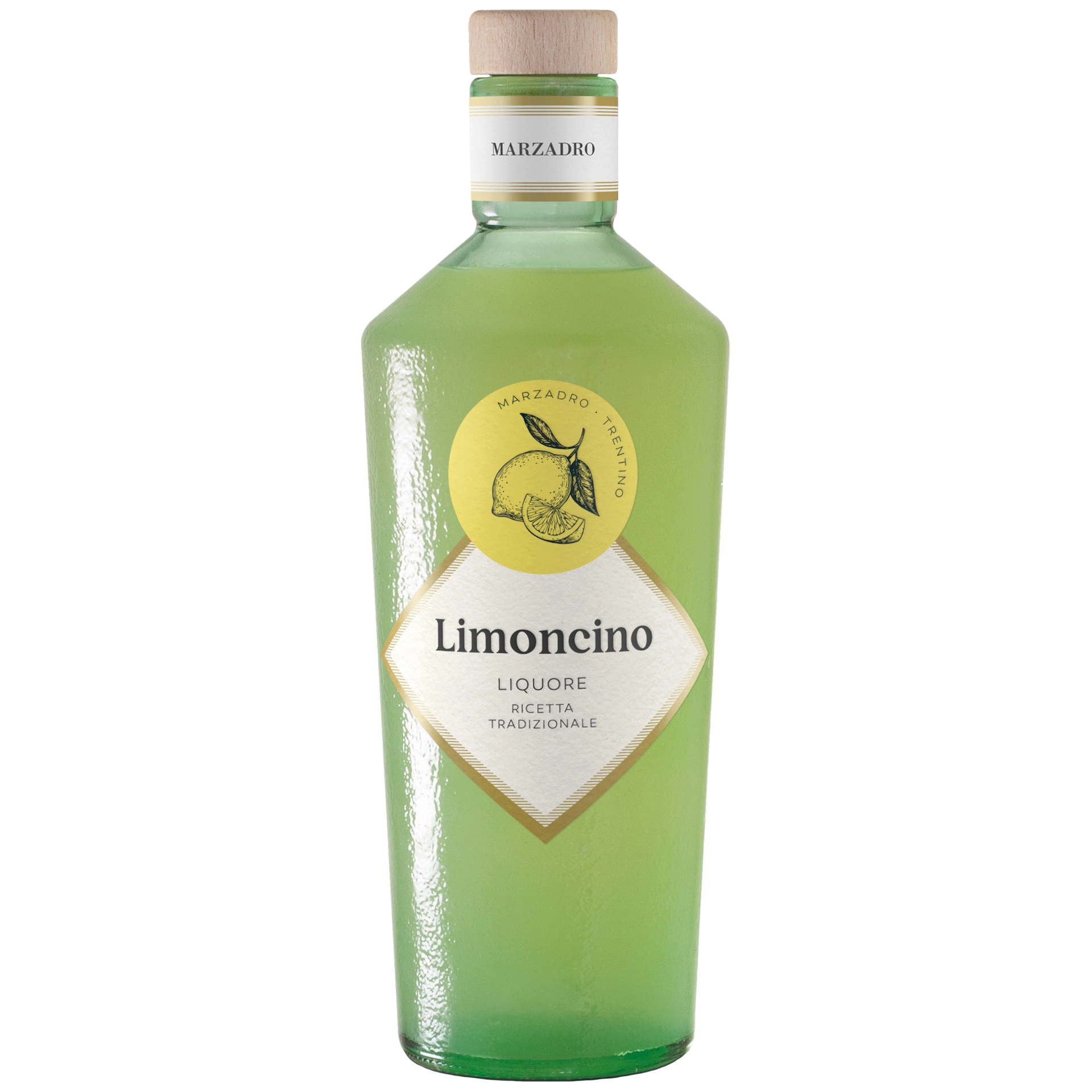
- Limoncello (Limoncino): Sweet lemon liqueur, typically from the Amalfi Coast/Sorrento (served chilled).
- Amaro: Herbal bitter in many variations (sweet-bitter), e.g., Amaro Montenegro, Averna, ideal as a digestif.
- Vermouth (Wermut): Aromatized wine infused with herbs; base for cocktails (e.g., Negroni).
- Sambuca: Anise-flavored liqueur, often served with coffee beans ("con la mosca").
- Nocino: Dark walnut liqueur, traditionally made from green walnuts.
- Amaretto: Almond liqueur with sweet-bitter marzipan notes (e.g., Disaronno).
- Mirto: Liqueur made from myrtle berries, typical of Sardinia/Italian islands.
- Fernet & Fernet‑Branca: Intense, very bitter herbal liqueur, very distinctive.
- Cynar: Artichoke-based bitter, somewhat milder than Fernet, good as an aperitivo.
- Strega: Herbal liqueur with complex spice and saffron notes.
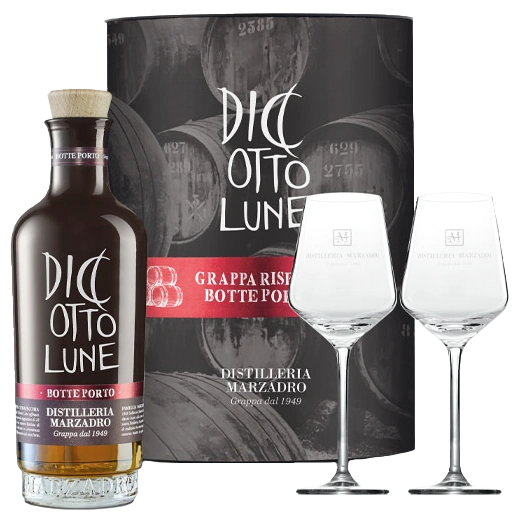
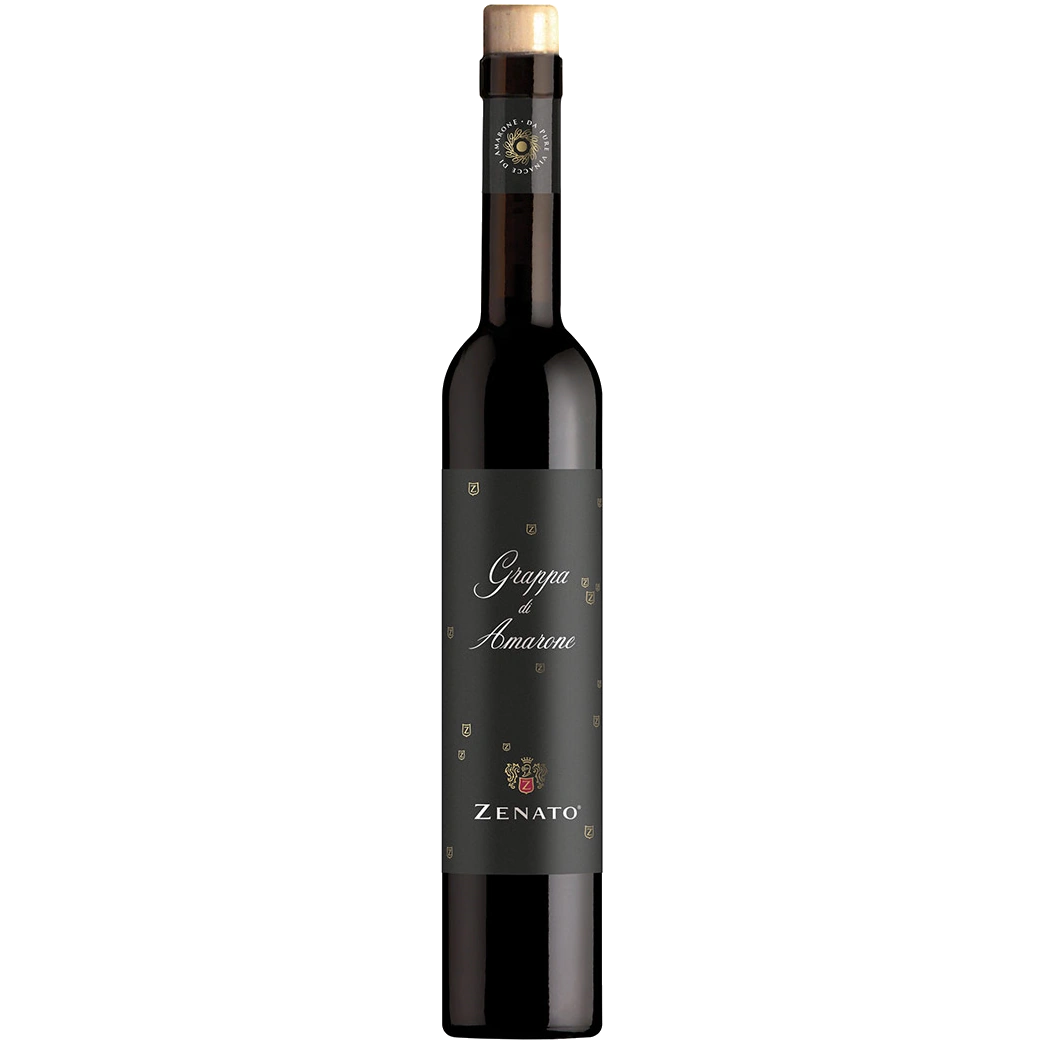
- Grappa‑Specialties: e.g., Grappa di Barolo, aged Riserva variants with a distinctive character.
-
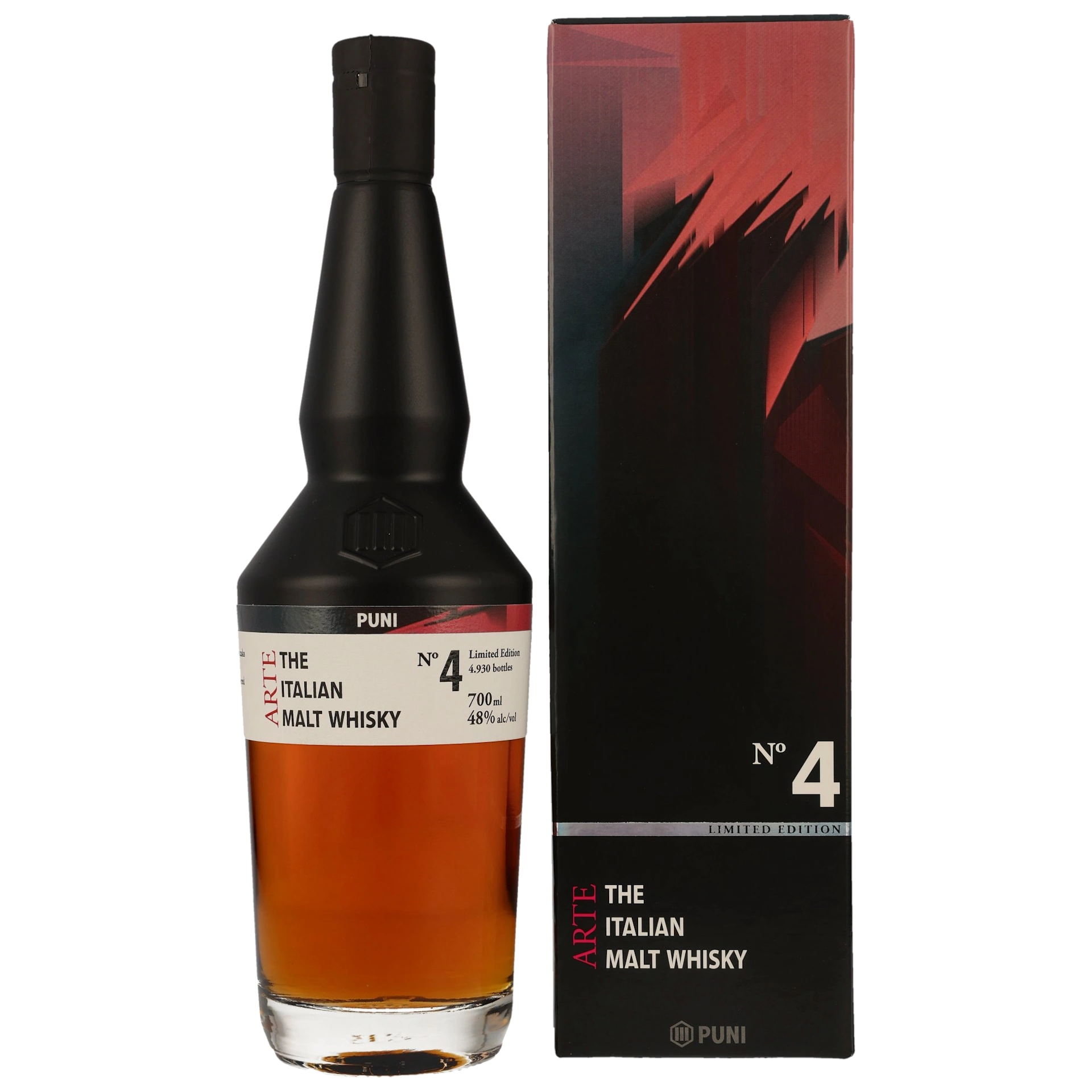
Italian Whisky & Gin: Young, growing category with regional cask finishes and Mediterranean botanicals (not traditional, but increasingly relevant).
What makes Grappa from Italy special — and how do you drink it correctly?
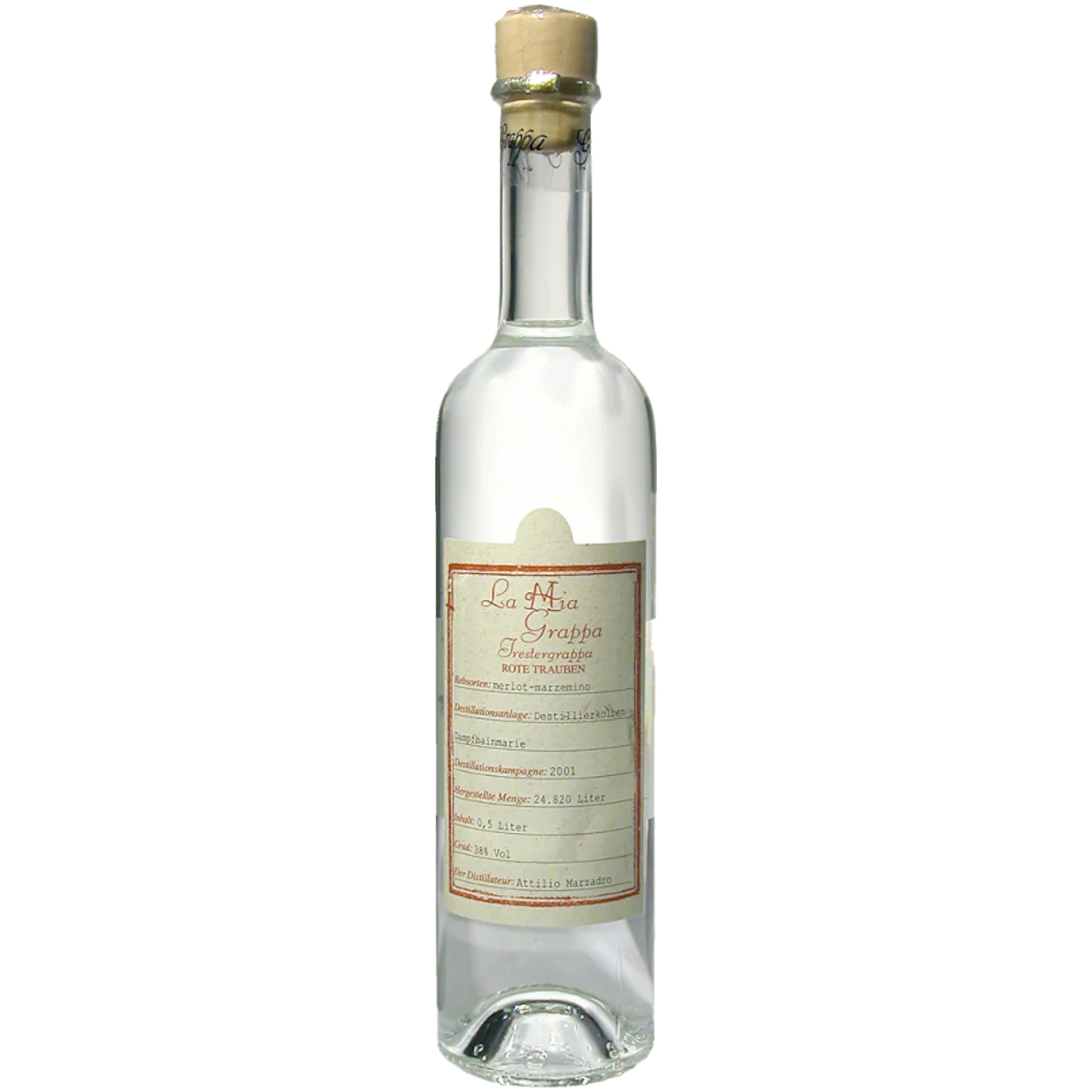
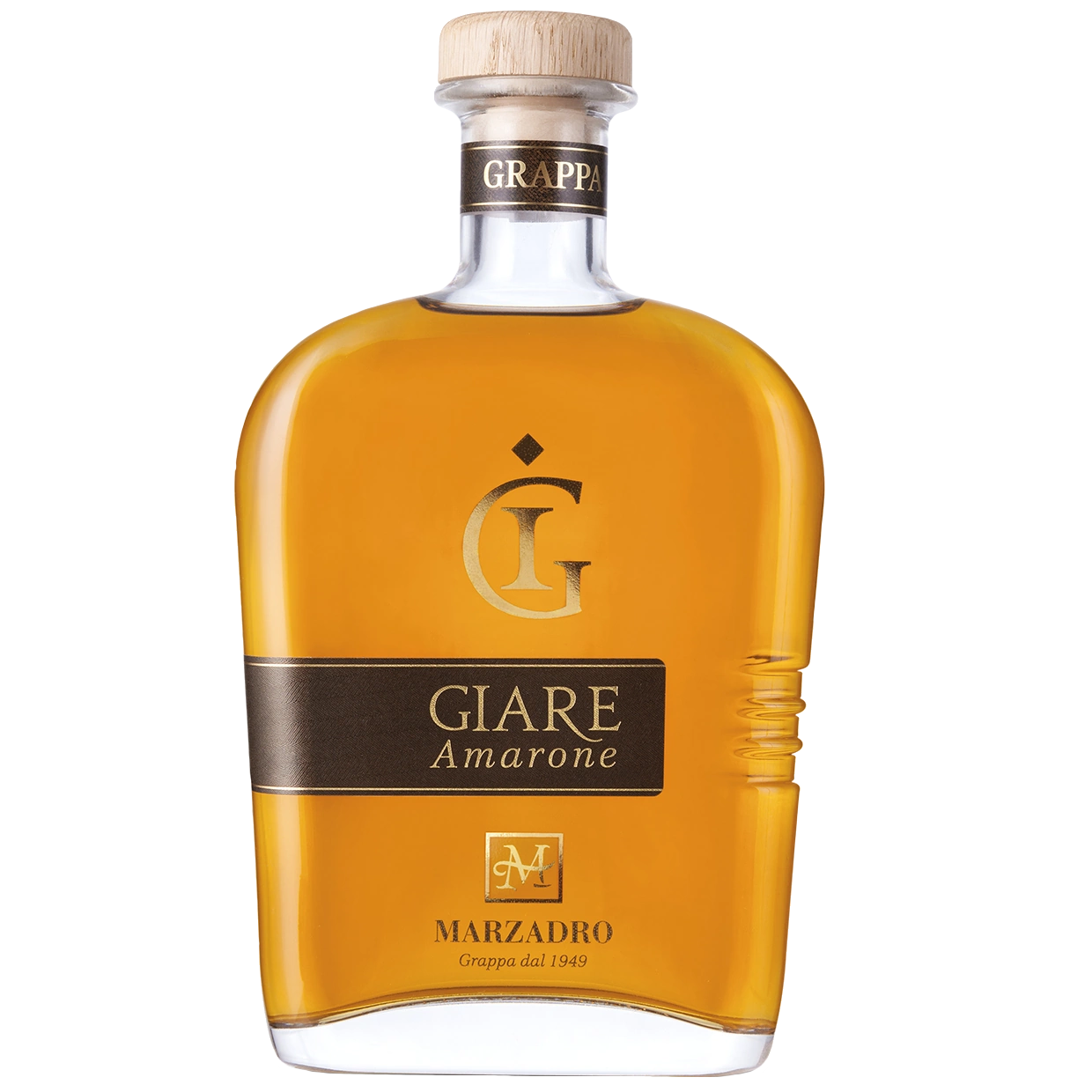
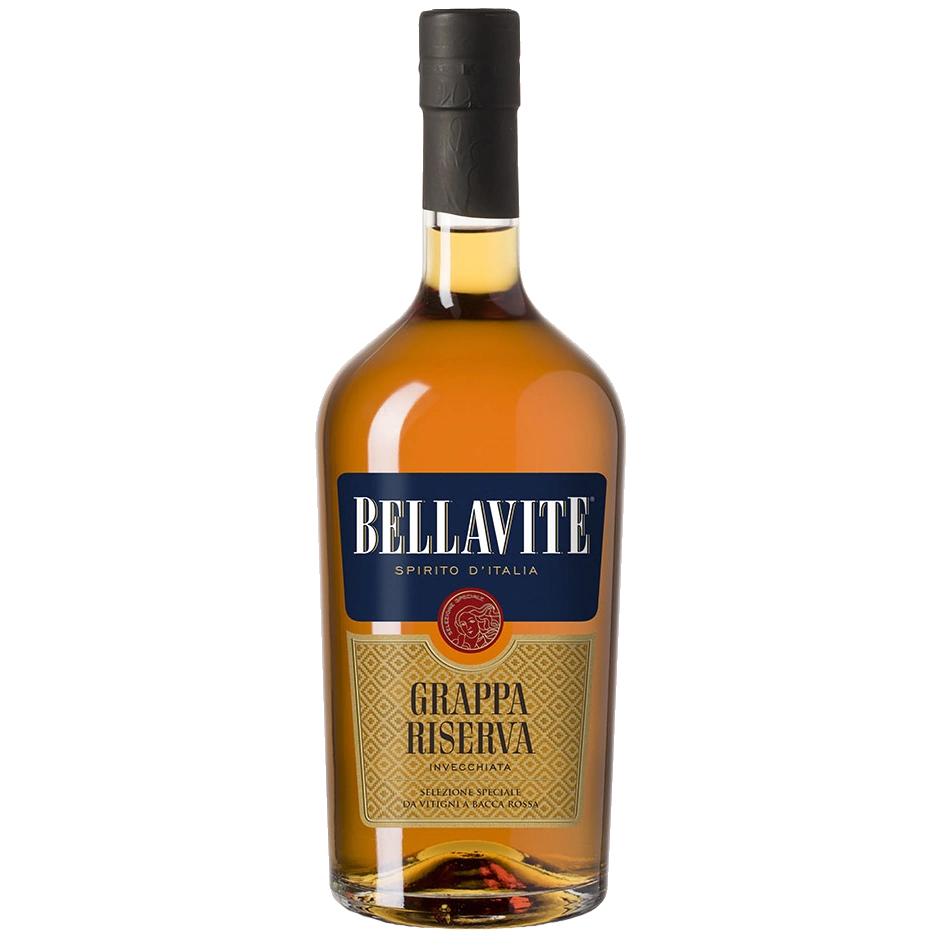
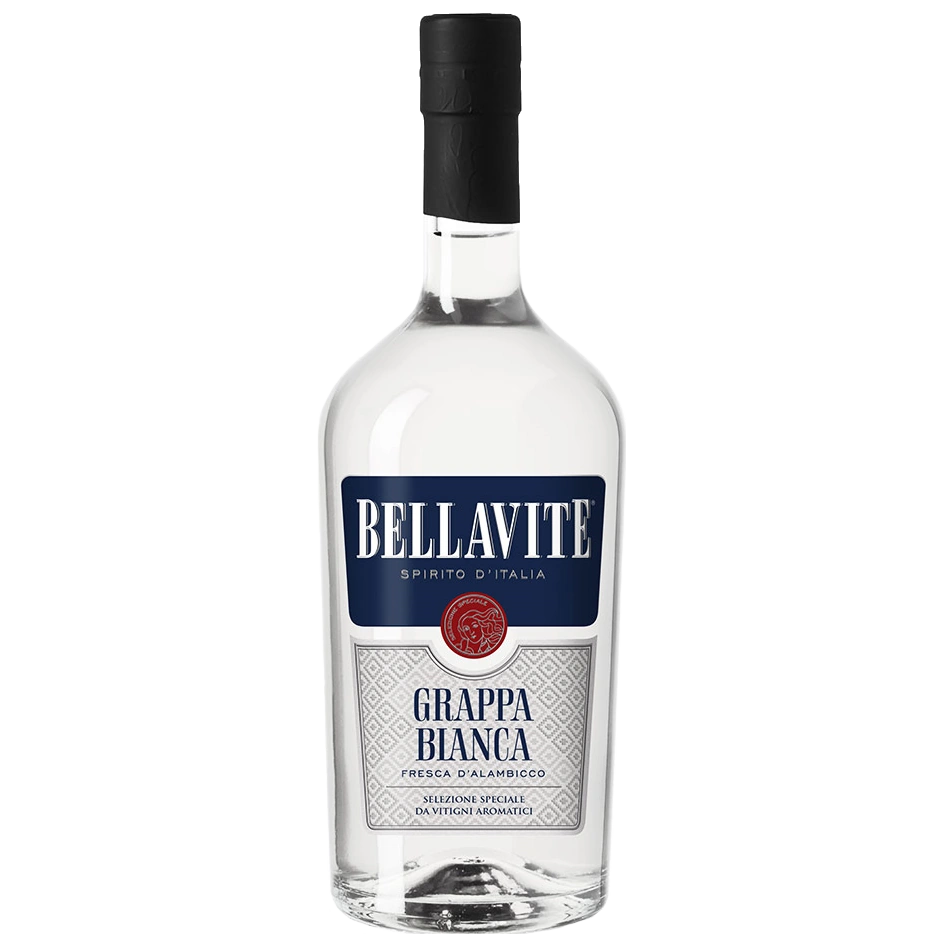
Grappa is the typical distillate made from pomace, the residues of winemaking. Italian Grappas range from young and fresh to aged, complex varieties in wooden barrels. Depending on the grape variety and production method, they offer fruity, floral, or spicy notes. Drink it neat, at room temperature in small nosing glasses, or enjoy aged varieties as a digestif after a rich meal. When buying, look for indications of origin (e.g., DOC/IGP), as they provide information about grape type and quality.
What benefit do Italian liqueurs offer for your everyday enjoyment?
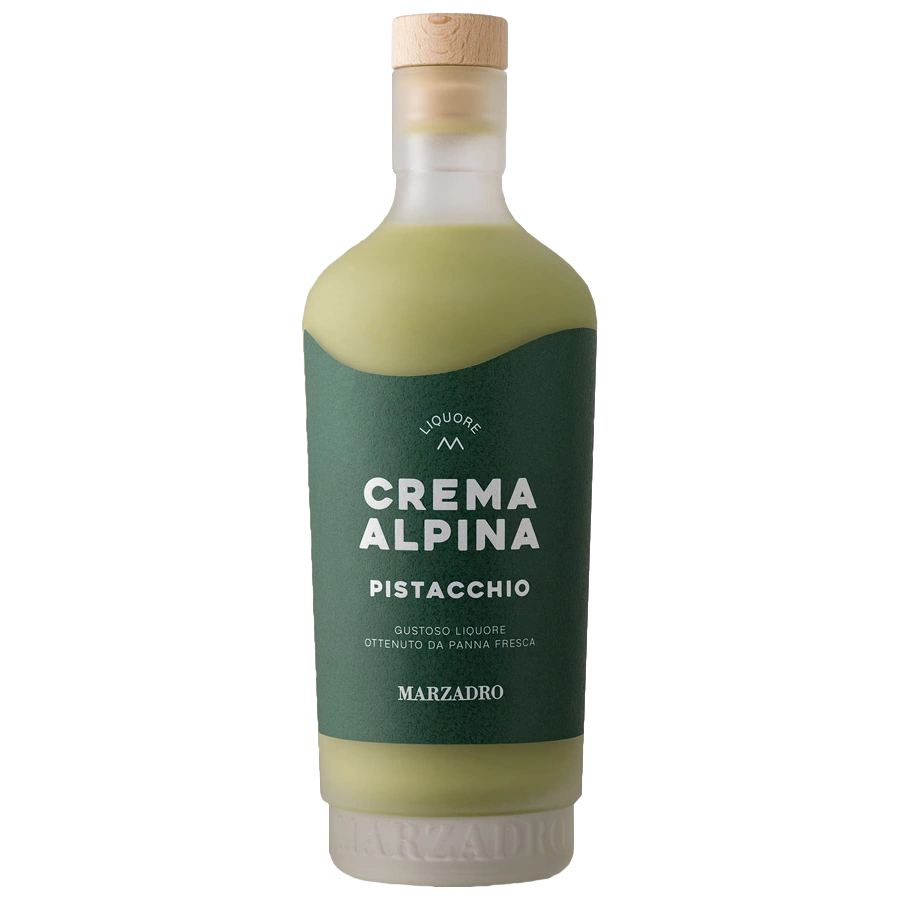
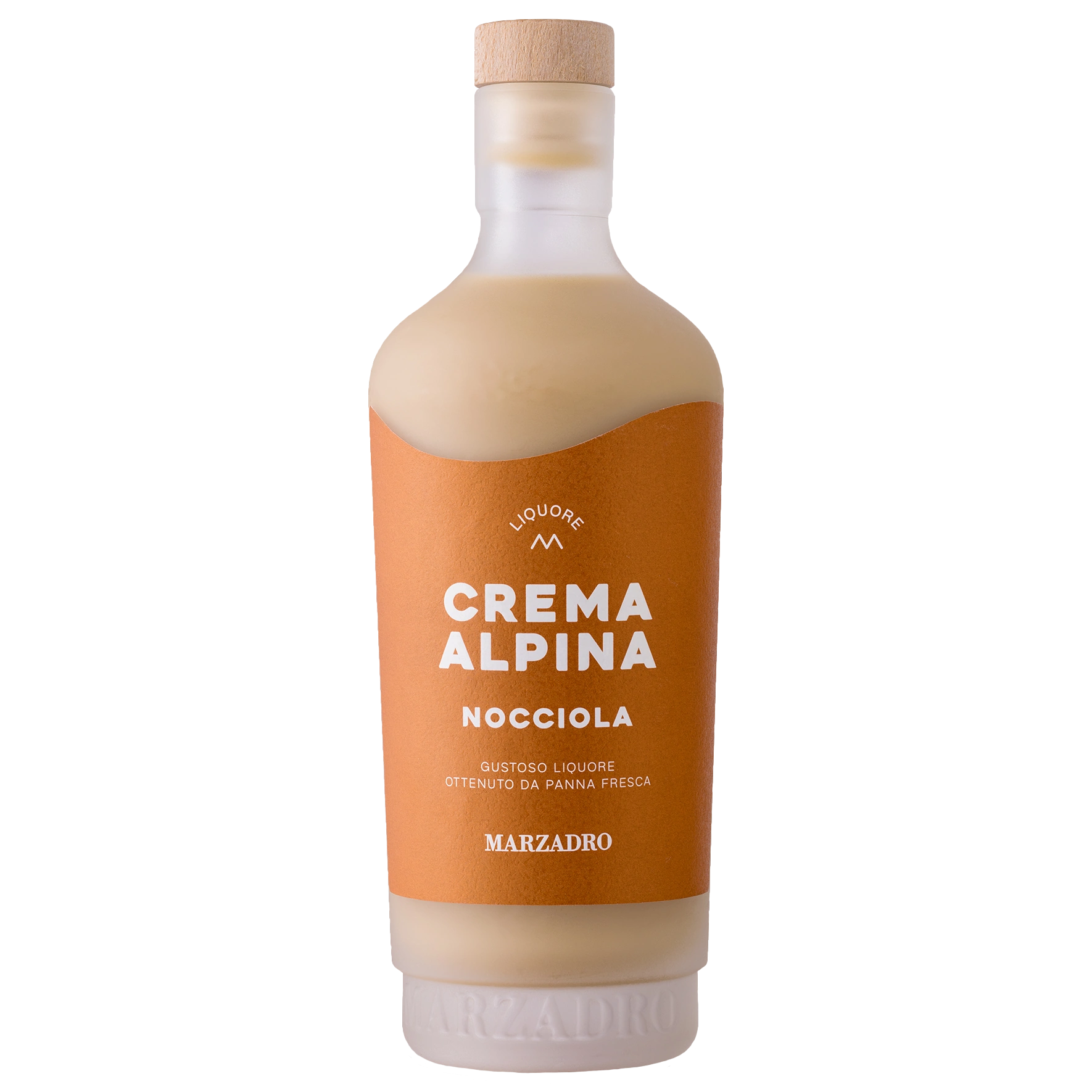
Italian liqueurs — from classic herbal liqueurs to fruit and cream liqueurs — are versatile: as a digestif, for enhancing desserts, as a cocktail ingredient, or as a gift. They are often based on traditional recipes with regional herbs, citrus notes, or nuts (e.g., Nocino). For you, this means: immediate enjoyment, easy use, and often an intense aroma where just a few drops are enough.
What is special about Limoncino (Limoncello) — and how do you use it?
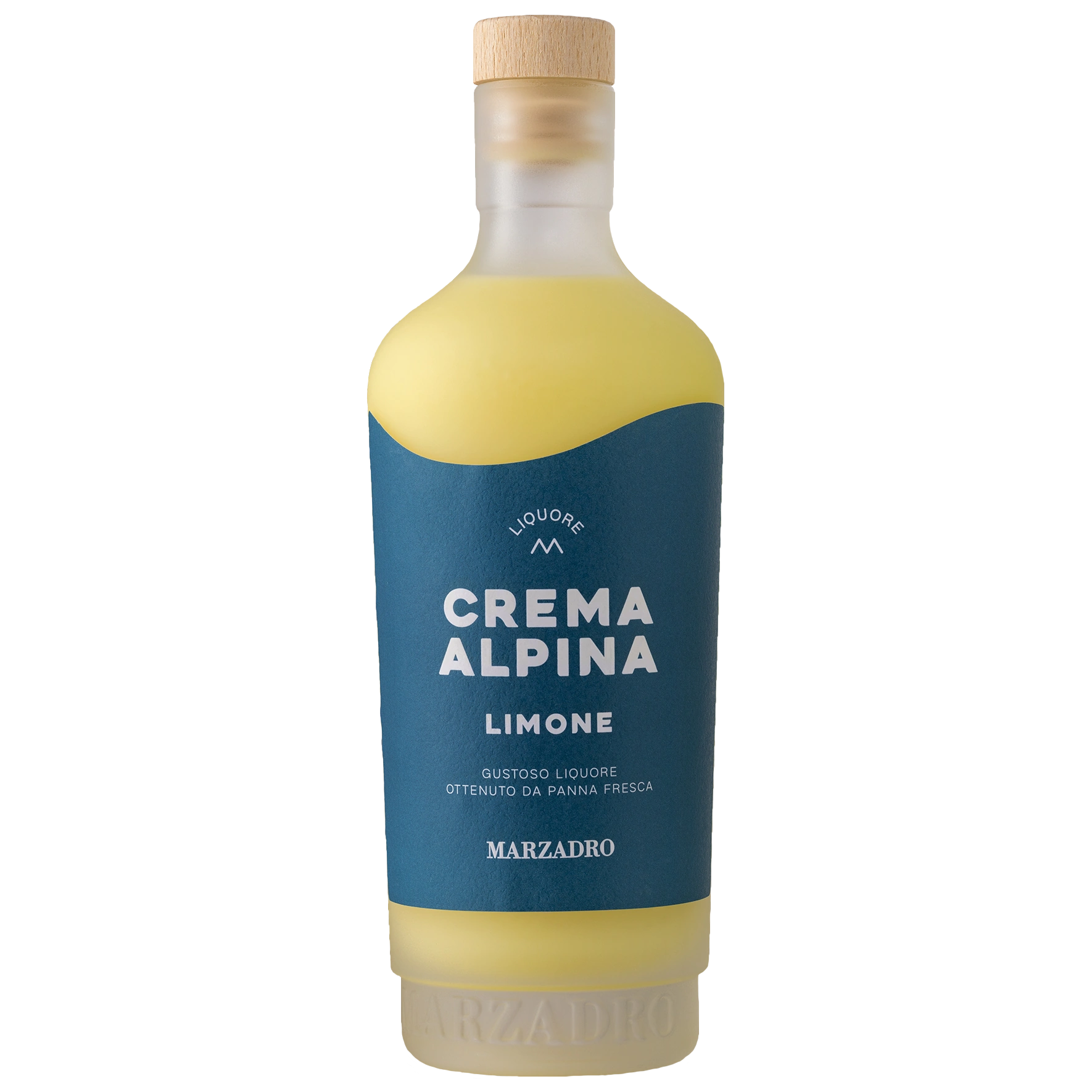
Limoncino is the sunny classic from Southern Italy: intensely lemony, sweet, and fresh. High-quality Limoncini exclusively use peels from IGP lemons (e.g., Sorrento lemons) and artisanal extraction, which leads to more elegant, less bitter aromas. Serve Limoncino well chilled as a digestif, use it in cocktails, desserts, or to flavor sorbets and cakes — a true all-rounder for summer and festive occasions.
What unique features do Italian whiskies offer for your taste?
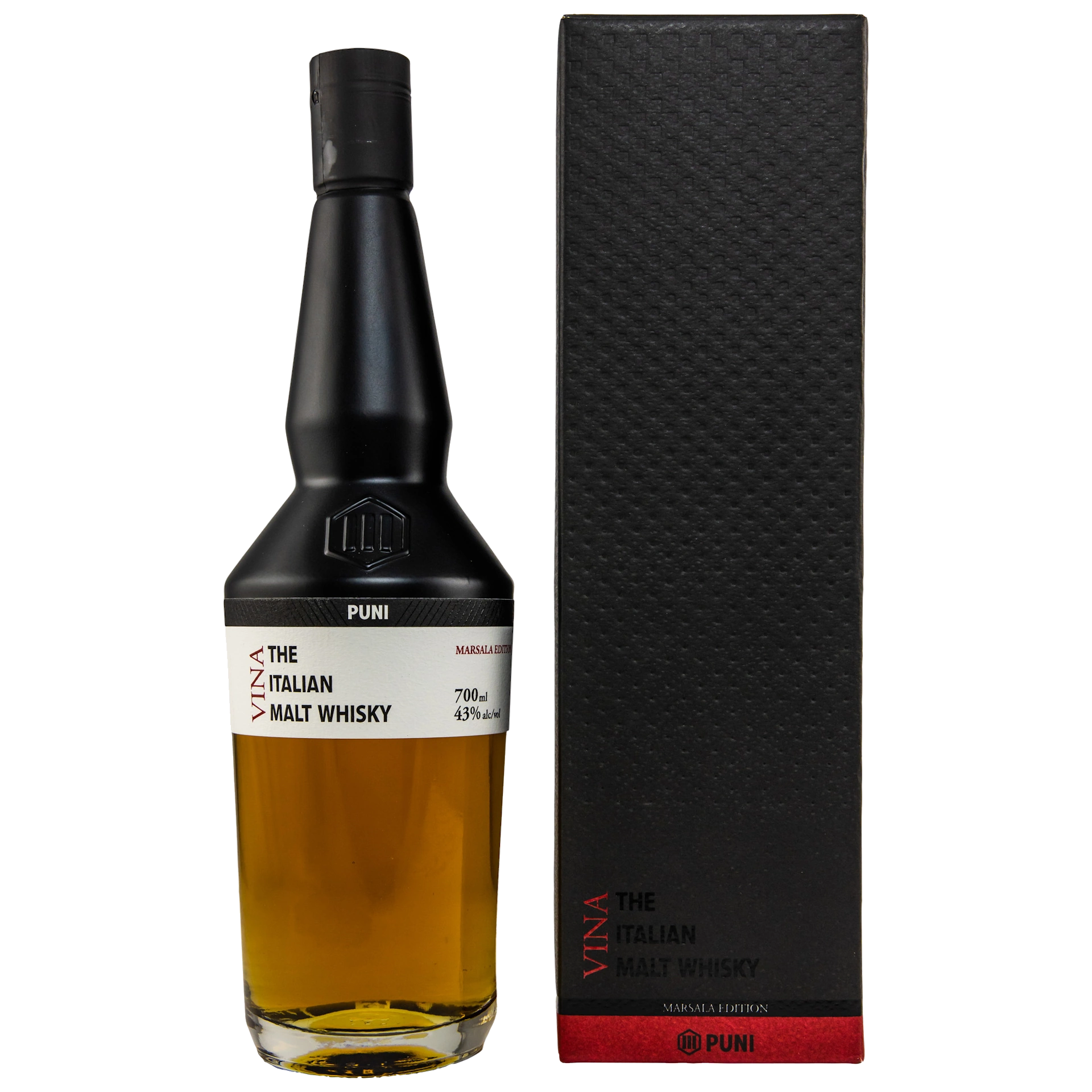
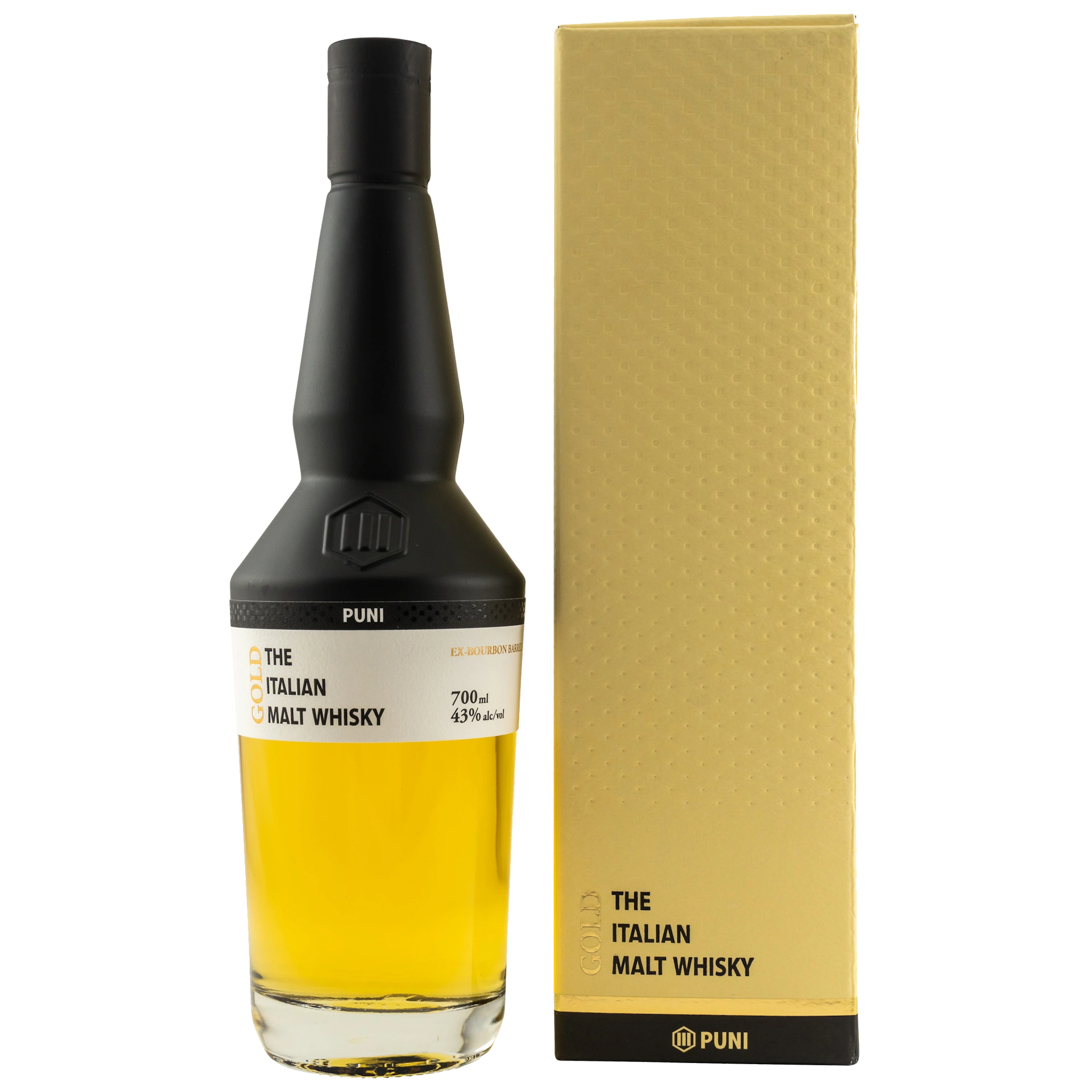
Italian whiskies are younger in tradition but exciting in their cask selection and character: local wine barrels (Barolo, Amarone) or Mediterranean wood types are often used, which results in fruity, tannic, and spicy notes. For you, this means whiskies with a Mediterranean finesse, which can be presented well in combination with regional dishes or as a unique discovery in your collection.
How do Italian gins differ — and what flavors can you expect?
Italian gins often incorporate Mediterranean botanicals: lemon peels, juniper combined with rosemary, thyme, basil, bergamot, or Ligurian citrus notes. The result is gins with a fresh, herbaceous, or citrusy signature — especially good for modern G&T creations or as a base for creative cocktails. Try them neat or with premium tonic and a suitable garnish (e.g., lemon twist, rosemary sprig).
How do you choose the right spirit for the occasion?
- Aperitif: Light, fresh liqueurs or an aromatic gin with tonic.
- Dinner accompaniment: Fine grappa (young or aged) or elegant Limoncino as a digestif.
- Gift: Premium grappa, artisanal limoncino, or a curated thematic set (e.g., gin + tonic + garnish).
- Discovery: Italian whiskies and limited cask finishes offer exciting new discoveries.
Choose by taste (fresh vs. spicy), occasion, and whether you prefer to drink neat or mix.
What do you look for when shopping — quality and origin explained?
Pay attention to declared origin (e.g., regional designations), ingredient information (real lemon peels, local herbs), production methods (Pot-Still, Column Still, barrel aging), and any awards. For Grappa and Limoncino, DOC/IGP indications are a quality feature. Read product descriptions for cask notes, age (for aged spirits), and recommended serving temperature.
How do you properly store Italian spirits at home?
Spirits like grappa, whisky, and gin remain practically indefinitely shelf-stable when unopened, if stored upright, in a dark place, and at a constant temperature. Once opened, it's worth consuming them within a few years — especially for half-empty bottles, the aroma intensity decreases due to oxidation. Liqueurs and limoncinos are best stored cool and dark, some in the refrigerator after opening.
How do you pair Italian spirits with food — simple pairing tips?
- Grappa: pairs with strong cheese, dark chocolate, or robust meat dishes as a digestif.
- Limoncino: ideal with lemon desserts, sorbets, or as a refreshing finish after fish dishes.
- Liqueurs: nut or herbal liqueurs complement desserts, coffee moments, or cocktails.
- Italian Whisky: wonderful with pasta with mushrooms, aged cheese, or stews.
- Gin: as an aperitif with seafood, light salads, or fine antipasti.
Try small combinations to discover which flavors harmonize for you.
