



Buy Chardonnay white wines online


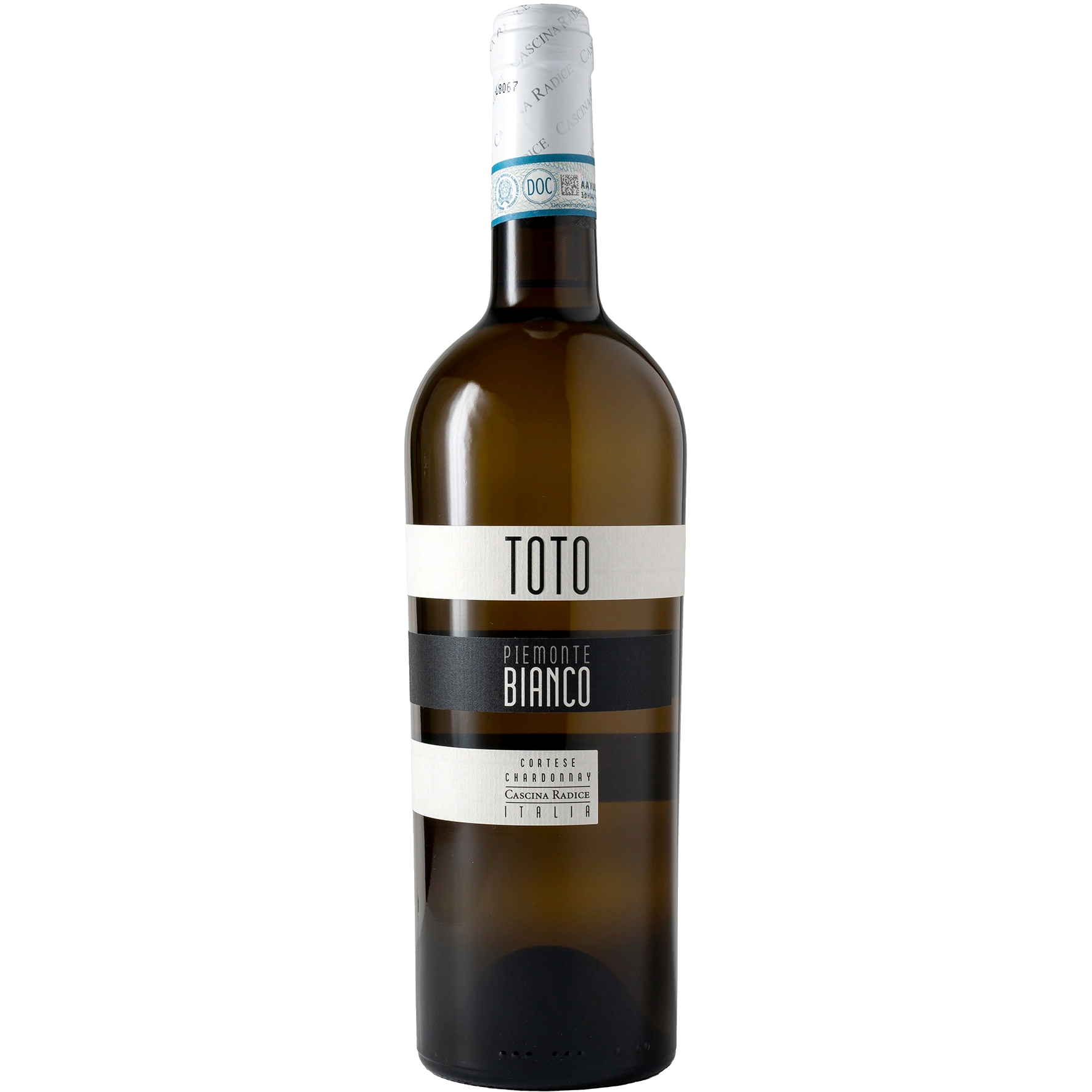
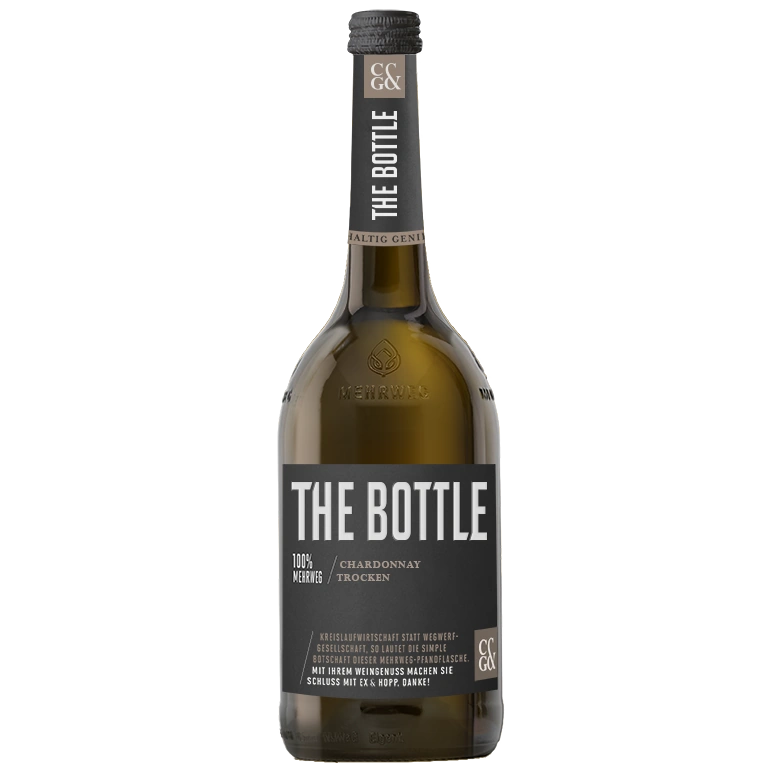
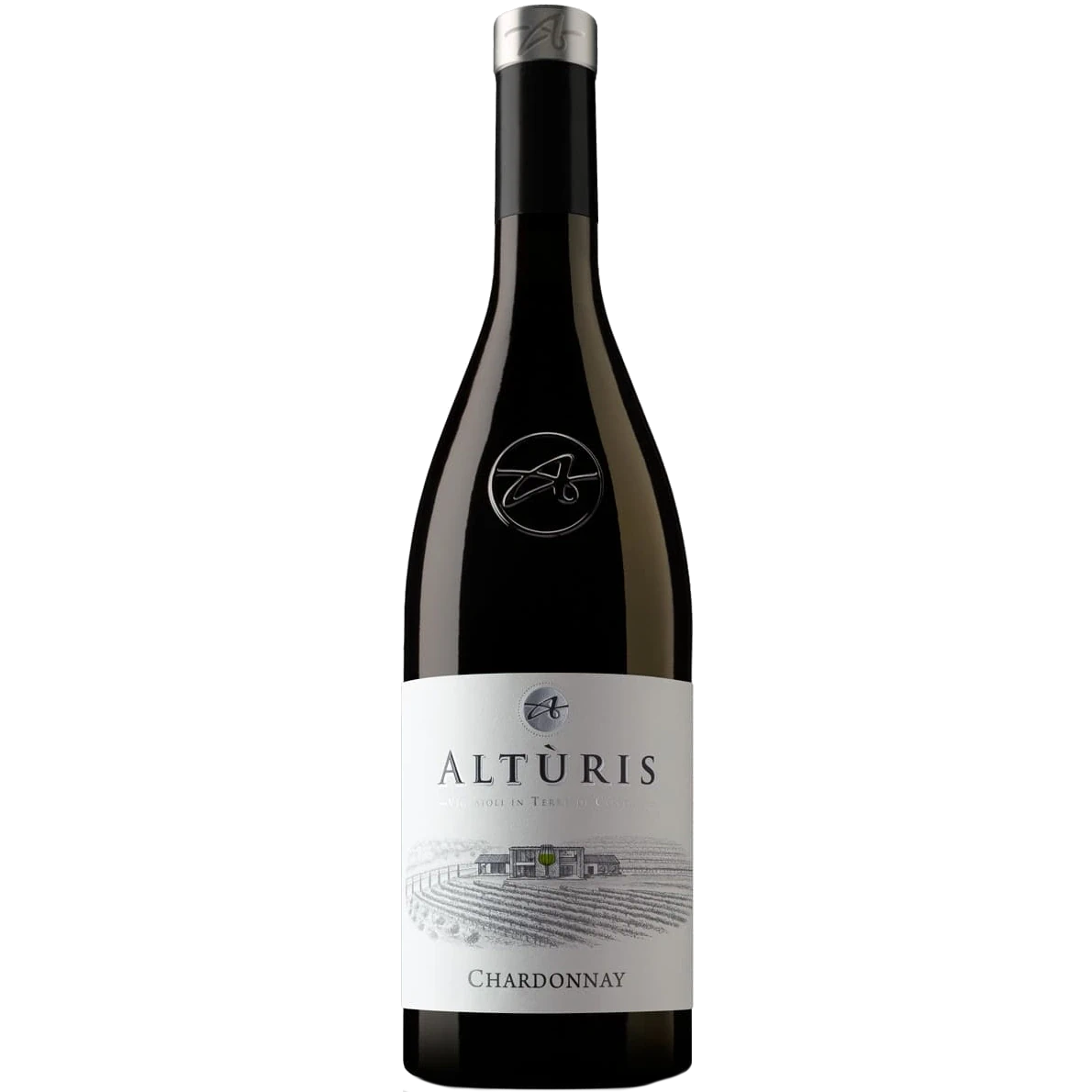


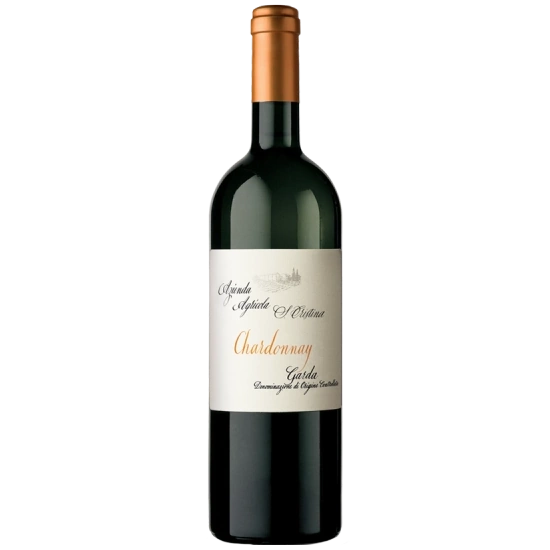
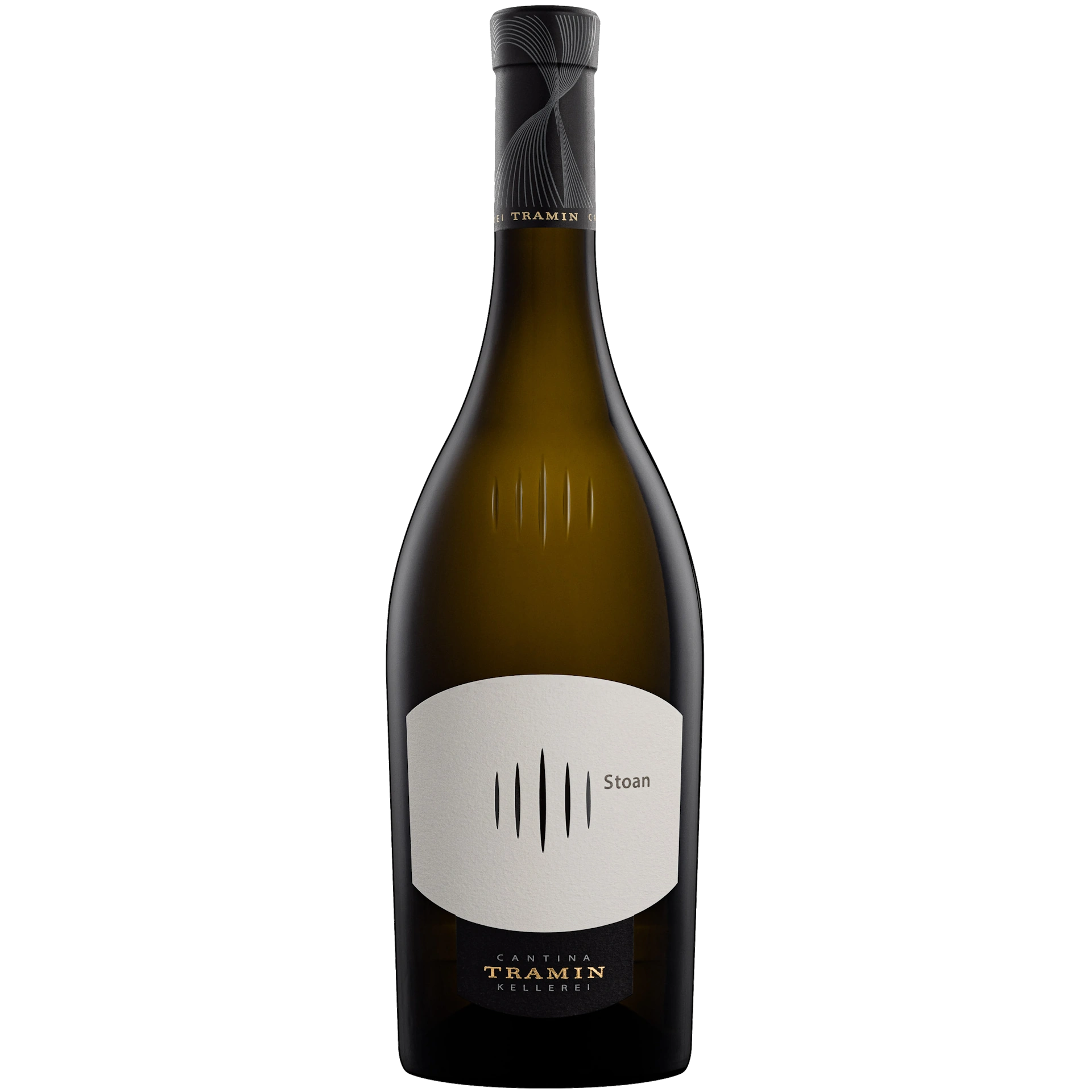
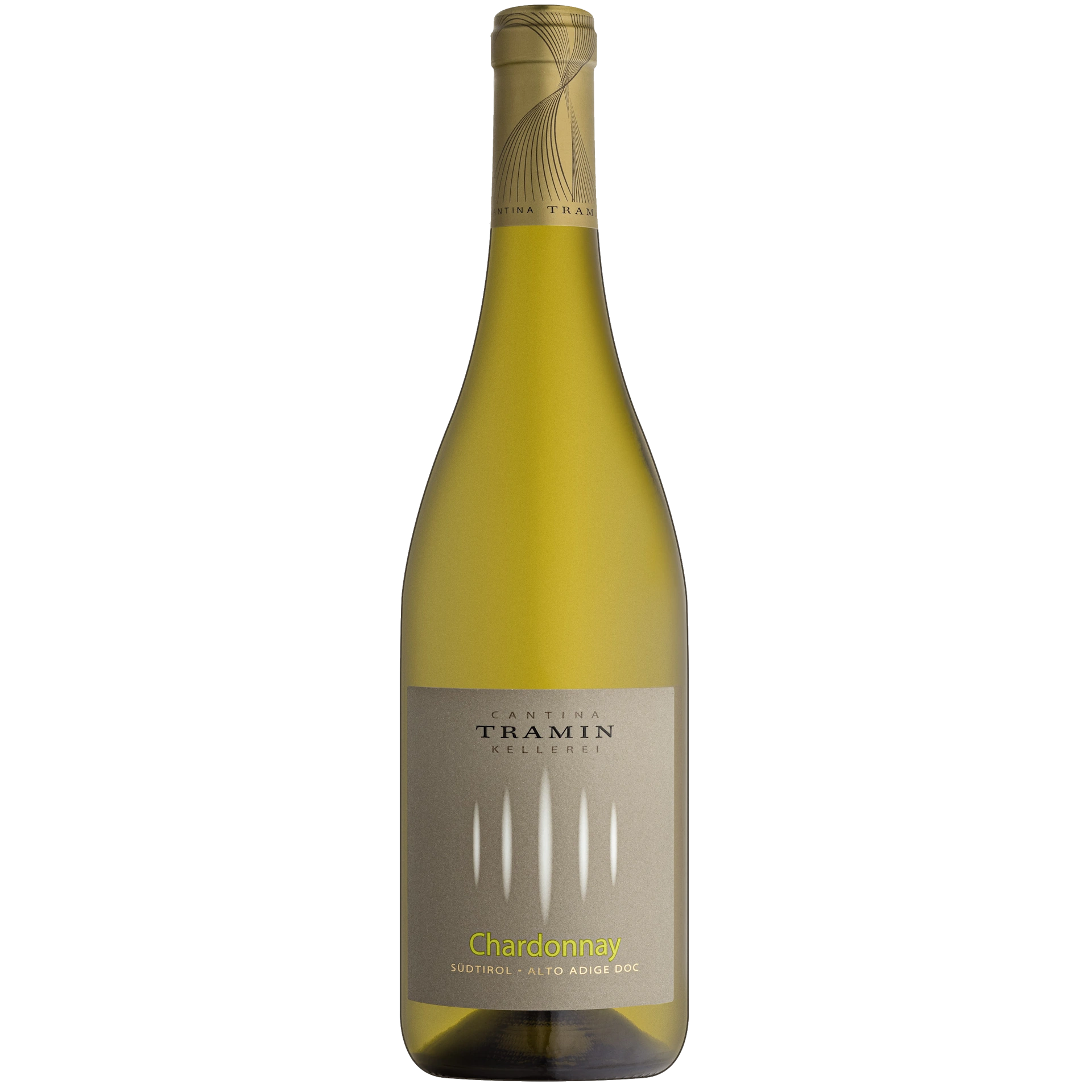
Buy Chardonnay white wines online
Chardonnay — Versatile, Global, and Adaptable
If you're looking for a white wine that can cover everything from fresh-fruity to creamy-buttery to complex-oaky, then Chardonnay is your grape. It suits uncomplicated everyday moments as well as festive meals and collections for wine storage. Discover how climate, soil, cellar techniques, and aging shape the character of this grape variety — and find exactly the Chardonnay that matches your taste and occasion.
What distinguishes Chardonnay?
Chardonnay is an extremely adaptable grape variety: it reacts strongly to terroir and cellar treatment and can therefore produce very different styles. In the glass, the spectrum ranges from green apple and citrus aromas to ripe pear, peach, and tropical notes, all the way to buttery, nutty, and vanilla tones with wood aging. Typically, it has medium to high acidity (depending on the climate), a multifaceted aromatic profile, and generally good aging potential — especially if the grapes were late-harvested or aged in wood.
What styles of Chardonnay can you find?
- Fresh-fruity: Cool climate zones (e.g., Chablis, cool Burgundy, German wine regions) deliver crisp, mineral Chardonnays with green apples, citrus, and fine minerality.
- Creamy-buttery: Malolactic fermentation and extended lees aging (Sur Lie) create a creamy texture, brioche notes, and butterscotch aromas — typical of some New World styles.
- Oak-aged & complex: Barrique aging brings vanilla, toast, cedar, and depth; combined with good acidity, it creates long-lasting, complex wines.
- Mineral & chalky: Soils like limestone, chalk, or flint impart a fine salinity and precision — ideal for food pairing and aging.
Which influences shape the style?
Climate: Cooler regions preserve acidity and freshness; warm sites yield more ripeness, body, and tropical aromas.
Soil: Limestone and chalk promote elegance and minerality; loamy, deep soils favor richness and round textures.
Cellar techniques: Malolactic fermentation, lees aging, bâtonnage (stirring the lees), and barrel aging determine mouthfeel and secondary aromas.
Harvest time: Early harvest results in more acidity and freshness; late harvest yields more extract and alcohol.
How do you pair Chardonnay with food?
Chardonnay is an excellent food companion because its style is so variable:
- Fresh, mineral Chardonnays: ideal with seafood, oysters, sushi, salads, and light fish dishes.
- Creamy, sur-lie wines: pair with pan-fried fish, chicken with cream sauces, pasta dishes, and rich seafood like lobster.
- Oak-aged, structured Chardonnays: perfect partners for roasted poultry, veal roasts, mushroom risotto, and aged hard cheeses.
Serving Temperature & Suggestions
Serve lighter Chardonnays at 8–10 °C, and fuller, oak-influenced wines at 10–12 °C. Larger white wine glasses with a slightly bulbous shape enhance aroma release and mouthfeel. Decanting is rarely necessary but can help open up tertiary aromas in very aged examples.
Storage & Aging Potential
Many simple Chardonnays are best enjoyed young; high-quality, oak-aged, or well-structured examples gain complexity over years. Good bottles from Burgundy or top New World sites can age for 8–20 years (or more) and develop tertiary aromas such as honey, nuts, and dried fruits. Store in a cool, dark, and constant environment (approx. 11–14 °C).
Why is investing in high-quality Chardonnay wines worthwhile?
Chardonnay offers exceptional value for money: you can find comparatively inexpensive, very drinkable wines or invest in long-lived, collectible bottles that show enormous depth with age. This variety is ideal if you're looking for stylistic diversity: sometimes fresh and lively, other times complex and elegant — depending on the occasion and food pairing.
Tips for Buying
- Pay attention to origin: Chablis vs. Côte de Beaune, Sonoma vs. Marlborough immediately indicate the style.
- Read aging notes: "aged in oak barrels," "sur lie," or "malolactic fermentation" provide information about mouthfeel and aromas.
- Compare tastings: Taste a cool, mineral Chardonnay alongside an oak-influenced example — this will help you learn your preference.
- Buy for occasions: Lighter bottles for aperitifs and seafood, structured wines for festive meals and gifts.
Sustainability & Production Trends
Many winemakers today focus on reduced yields, selective hand-harvesting, and natural cellar processes to emphasize varietal character and terroir. Organic and biodynamic practices are becoming more common, as is more gentle use of wood (half-new barriques, large barrels). If sustainability is important to you, look for corresponding labels and producer information.
Conclusion — Why explore Chardonnay?
Chardonnay is the perfect variety for explorers: it offers a wide range of styles, an excellent food-pairing spectrum, and the potential to age if you wish to collect. Whether fresh and mineral or complex and oak-influenced — with Chardonnay, you will always find a wine that accompanies and enriches your moment. Try different regions and cellar styles, and you'll realize: this grape variety has the right attire for every taste.