

Eisch & Zwiesel Decanting Carafes - Decanting Wine


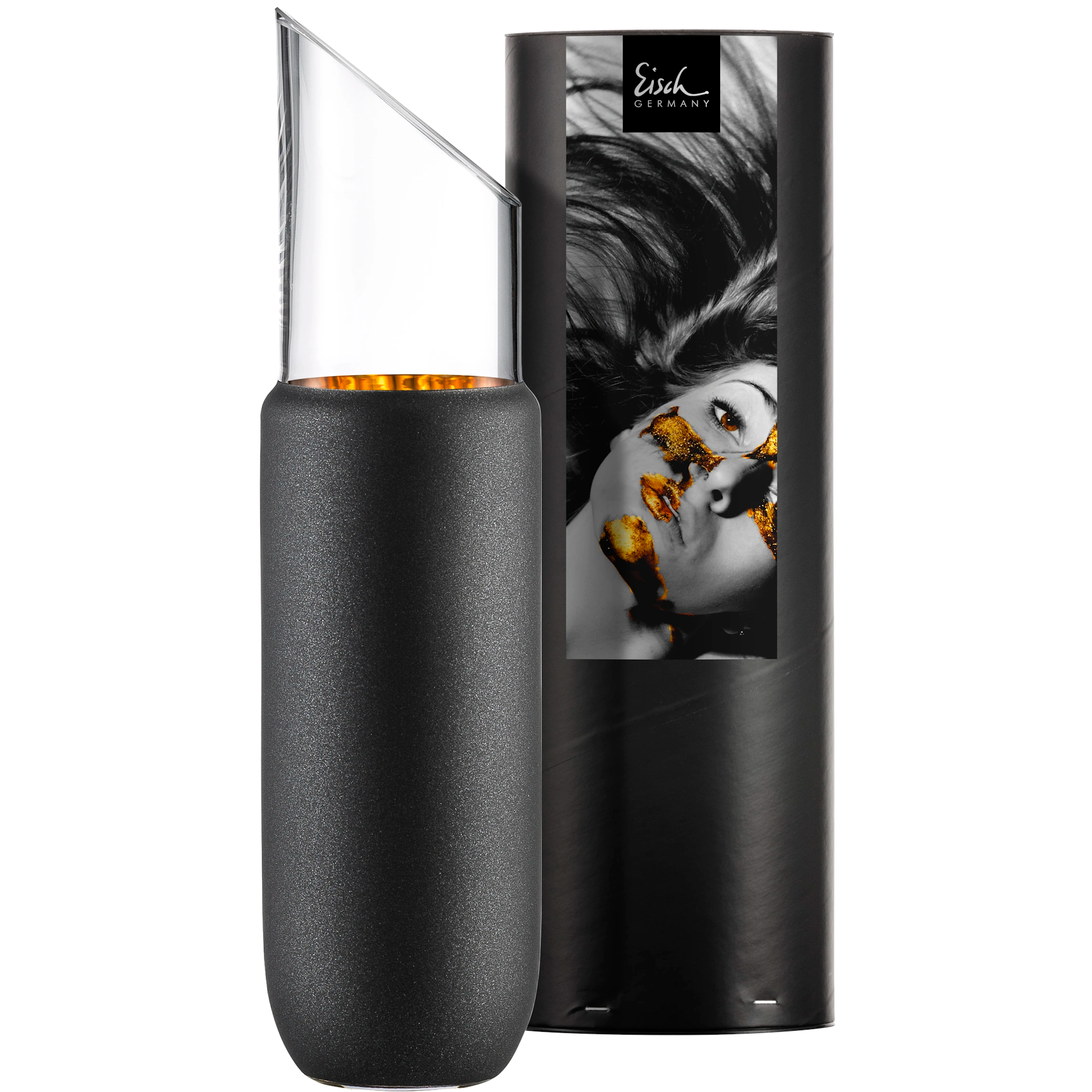
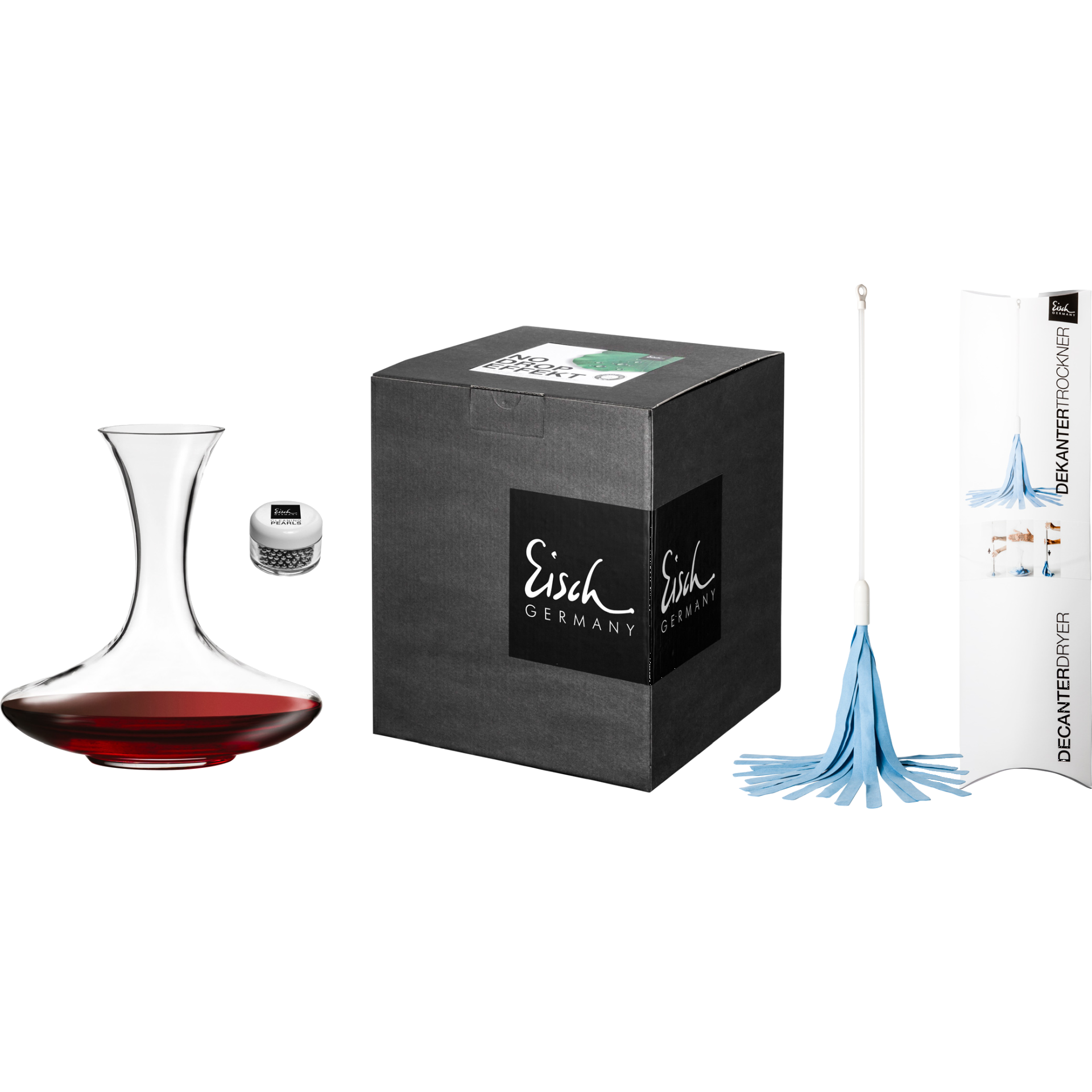

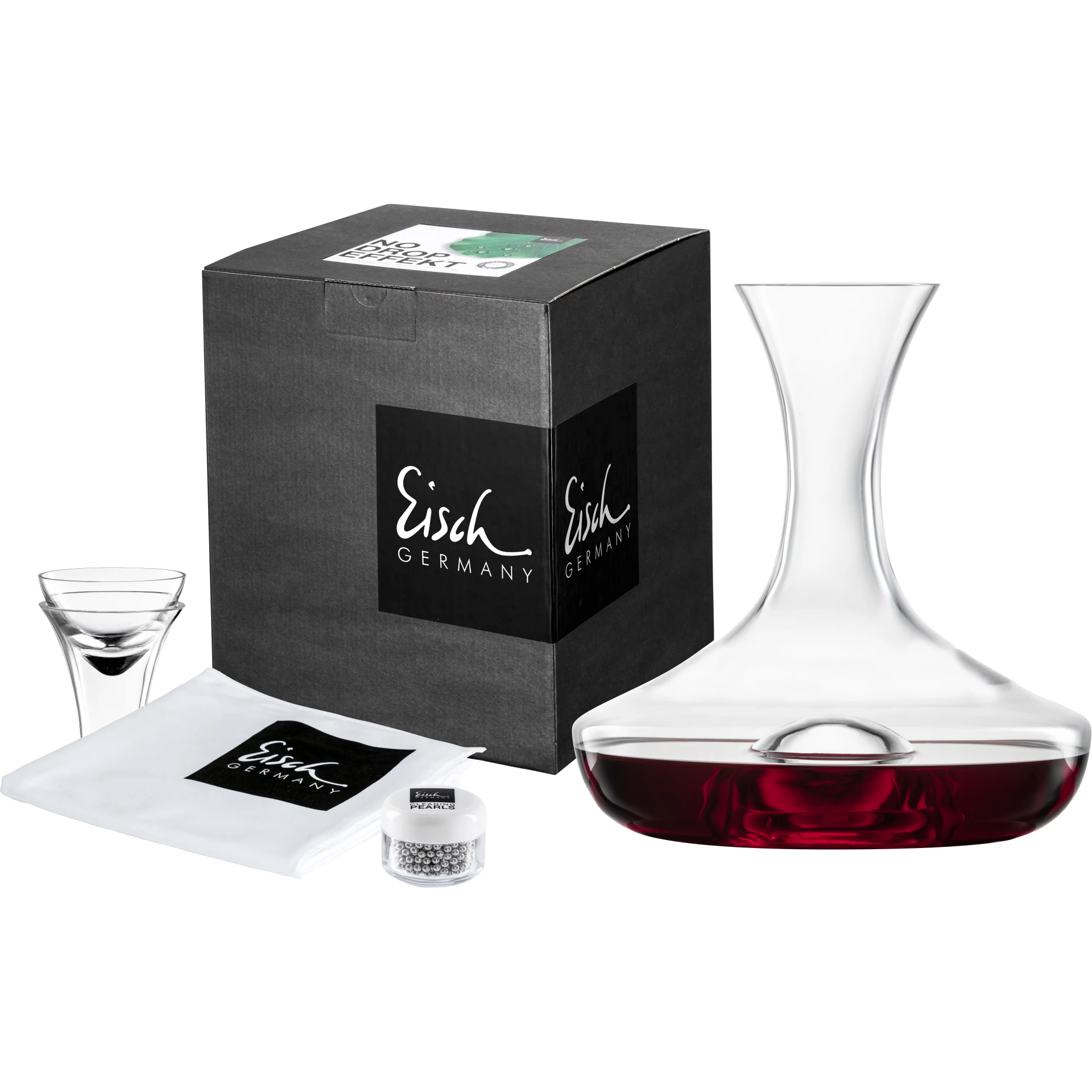


Eisch & Zwiesel Decanting Carafes - Decanting Wine
Decanters – Elegance and Function for the Perfect Wine Experience
Decanters are indispensable glassware for wine lovers and gourmets. They combine functionality, elegance, and tradition by not only separating wine from sediment but also optimally developing its aromas through oxygen exposure. Whether red wine, white wine, champagne, or whisky – choosing the right decanter significantly influences the taste experience. Here you will find a comprehensive overview of the variety of glass decanters, their special shapes and materials, and recommendations for stylish moments of enjoyment.
Crystal Glass Decanter for Red Wine
Crystal glass is considered the noblest material for high-quality wine decanters. A crystal glass decanter offers not only optical brilliance but also exceptional clarity and durability. The sparkle of the crystal perfectly showcases the wine, making serving a stylish experience. Red wines such as Bordeaux, Barolo, or Brunello develop particularly well in these decanters, as the glass structure ensures even oxygenation. Many crystal glass decanters are also dishwasher-safe, combining luxury with everyday practicality.
Hand-blown Glass Decanter
For true connoisseurs, a hand-blown decanter is a masterpiece of traditional glass art. Each decanter is unique, crafted by experienced glassblowers who create elegant shapes through precise handwork. The advantage is not just aesthetic: hand-blown decanters are particularly thin-walled, intensifying the wine experience as temperature and oxygen can affect the wine more quickly. Many premium brands use this technique to guarantee the highest quality for wine lovers.
Classic Wine Decanter with Wide Base and Slender Neck
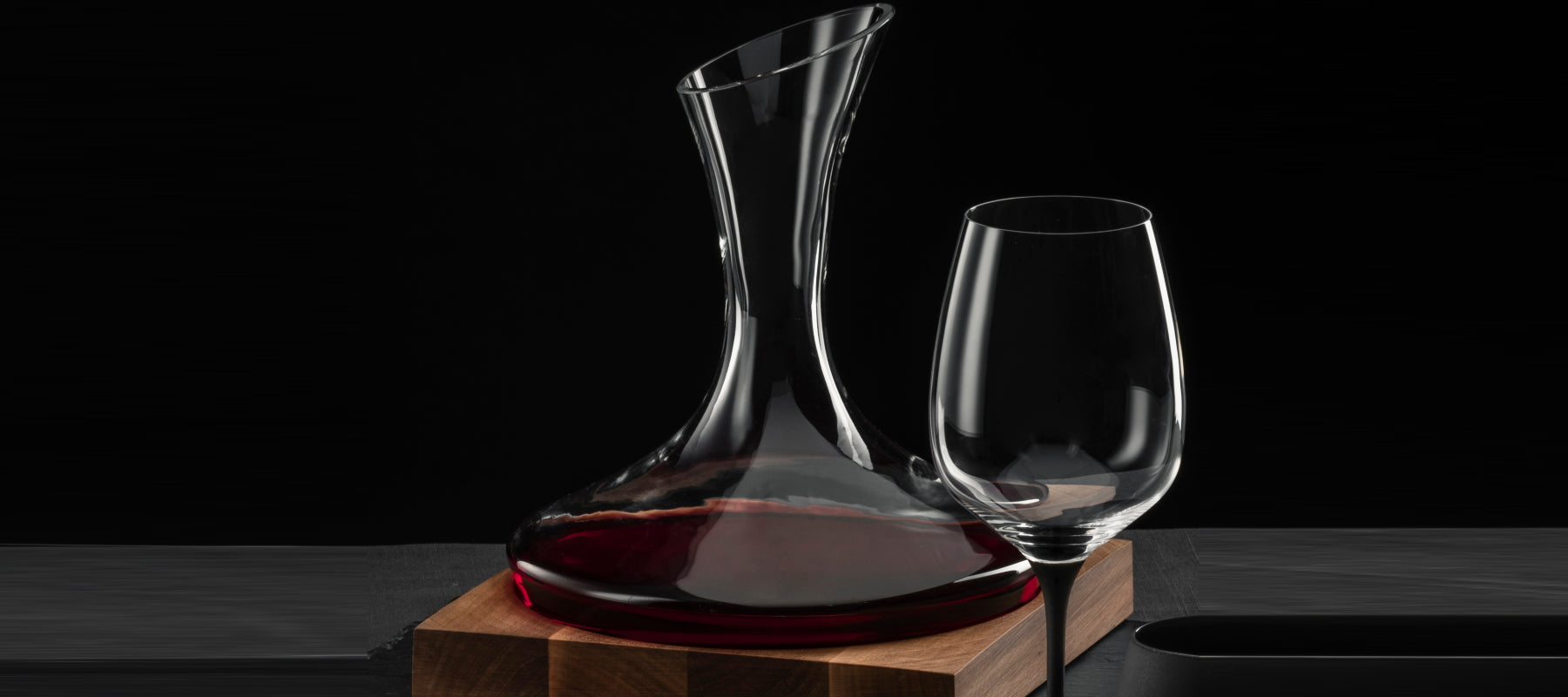
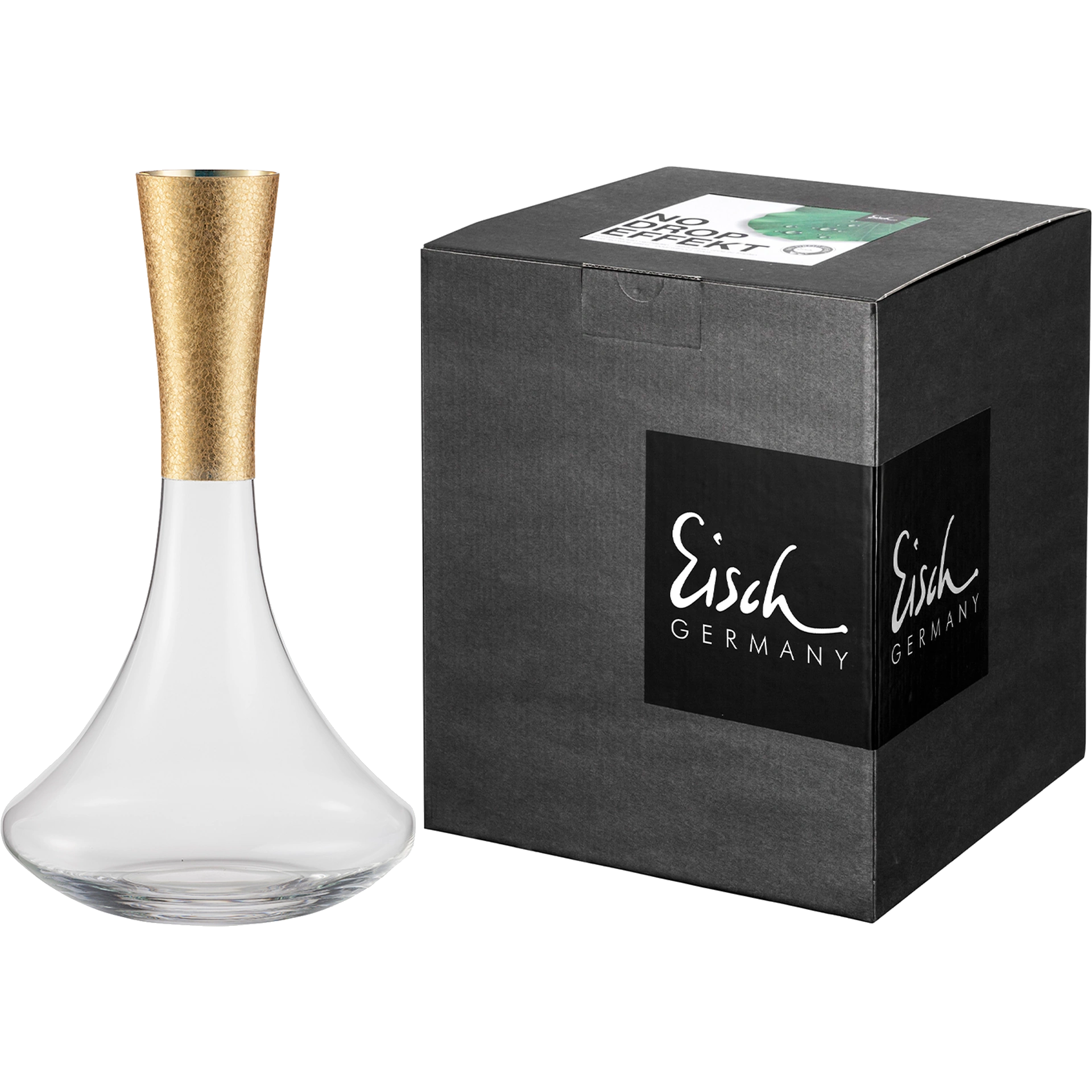
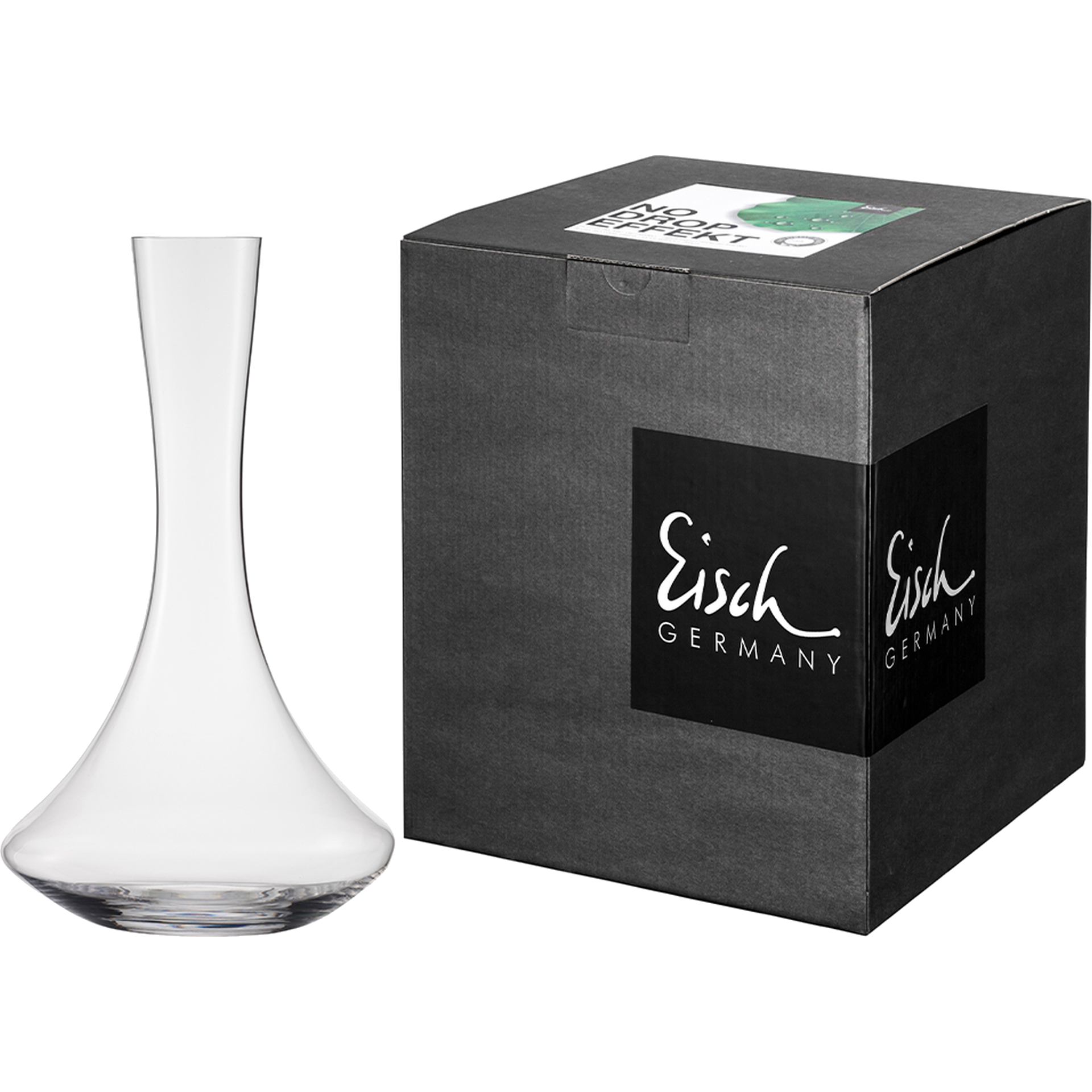
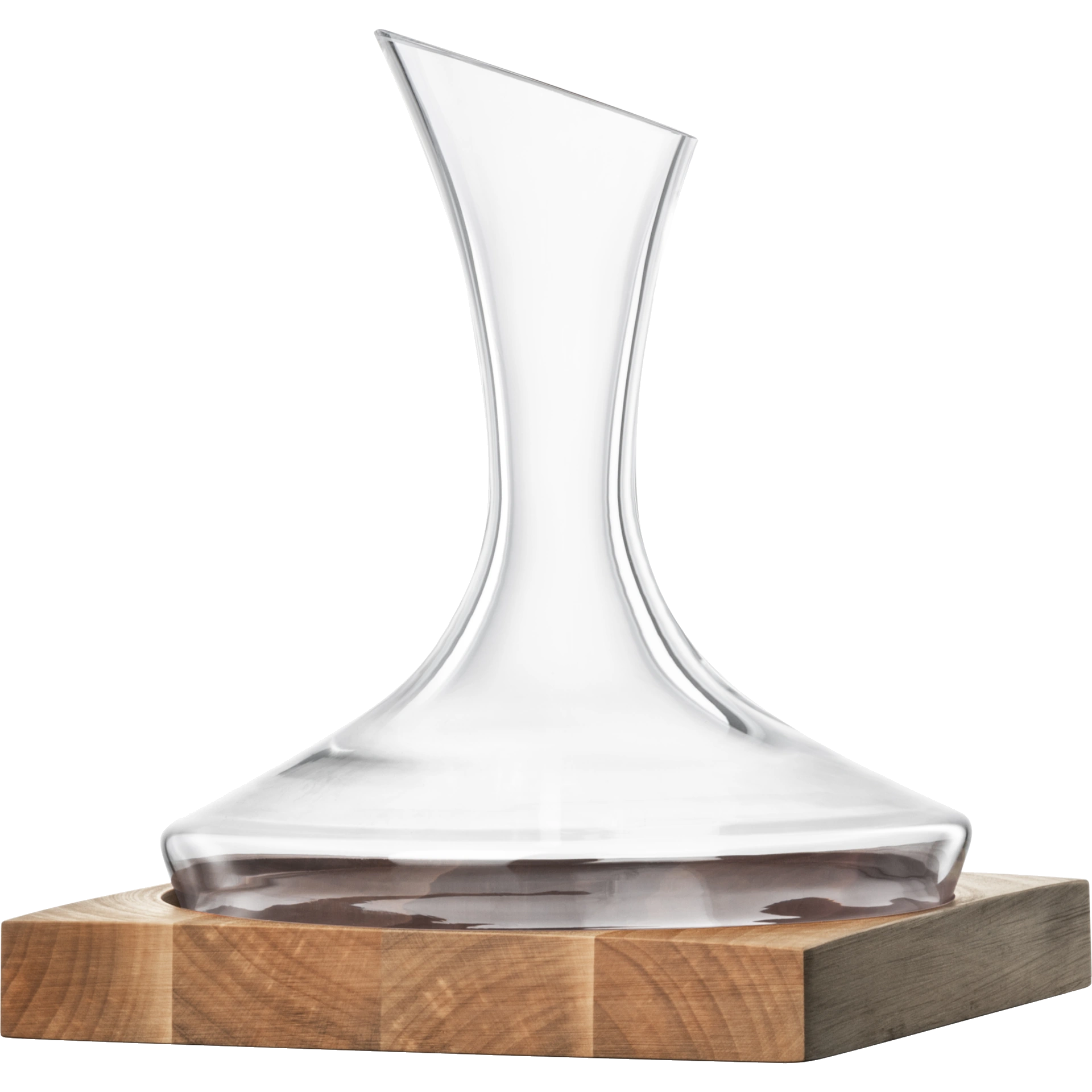
The classic shape of a decanter has been proven for centuries: a wide base that provides ample surface for air exposure, and a narrow neck that facilitates pouring. This decanter shape is ideal for robust red wines like Syrah or Cabernet Sauvignon, which develop their full aromatic complexity through extended breathing. The wide base ensures stability, while the elegant neck provides precision when pouring. These decanters are timeless, practical, and suitable for any occasion.
Bulbous Decanter for Intense Red Wines
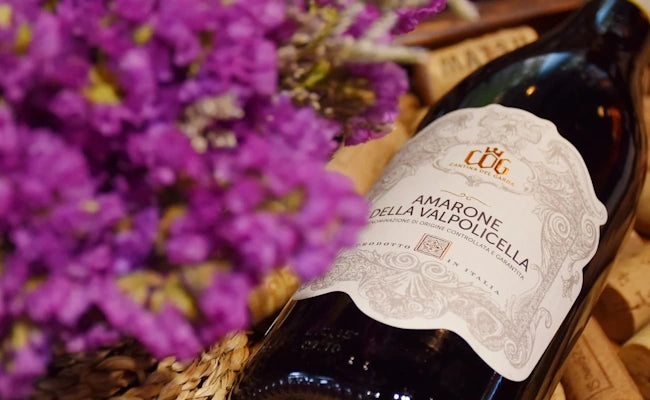
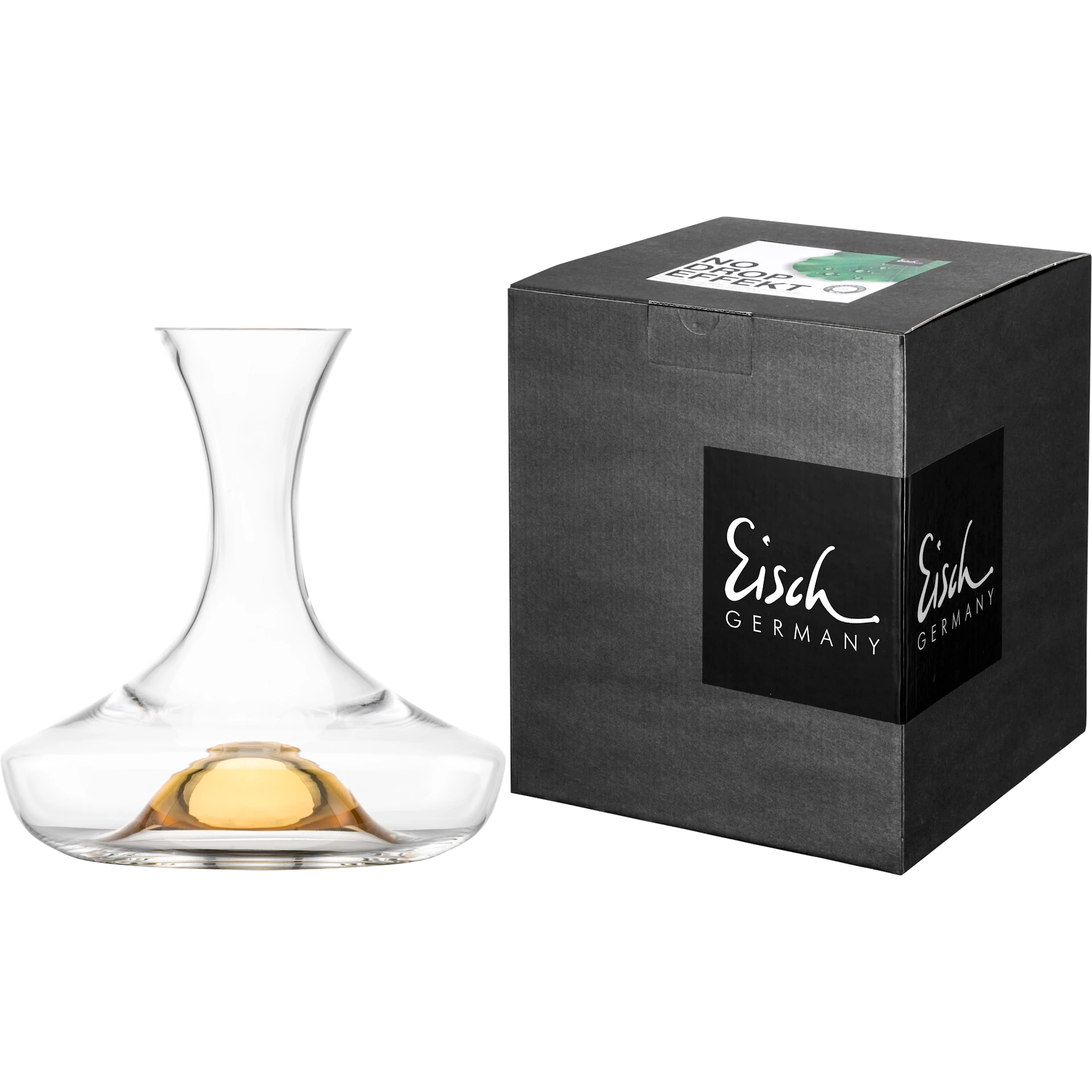
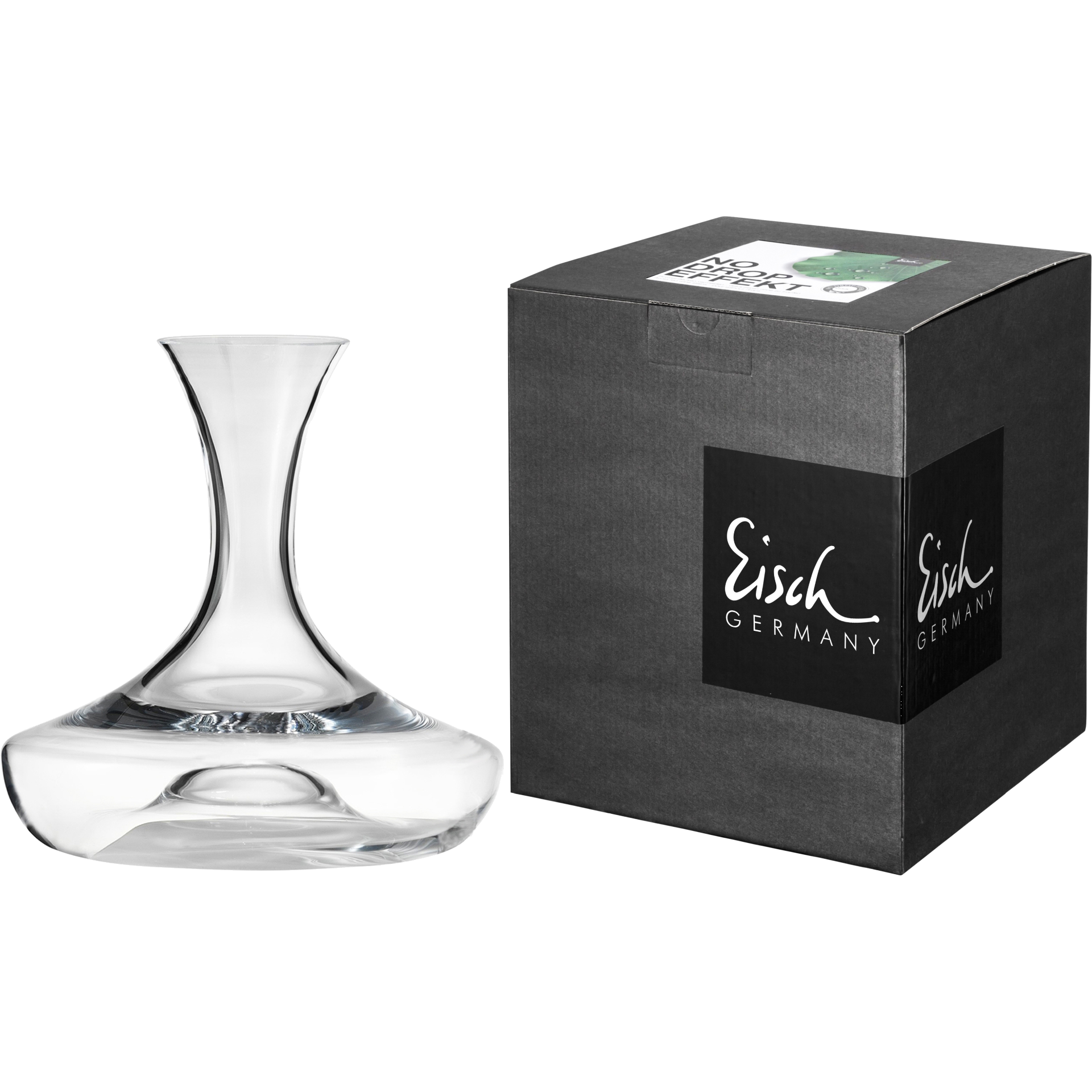
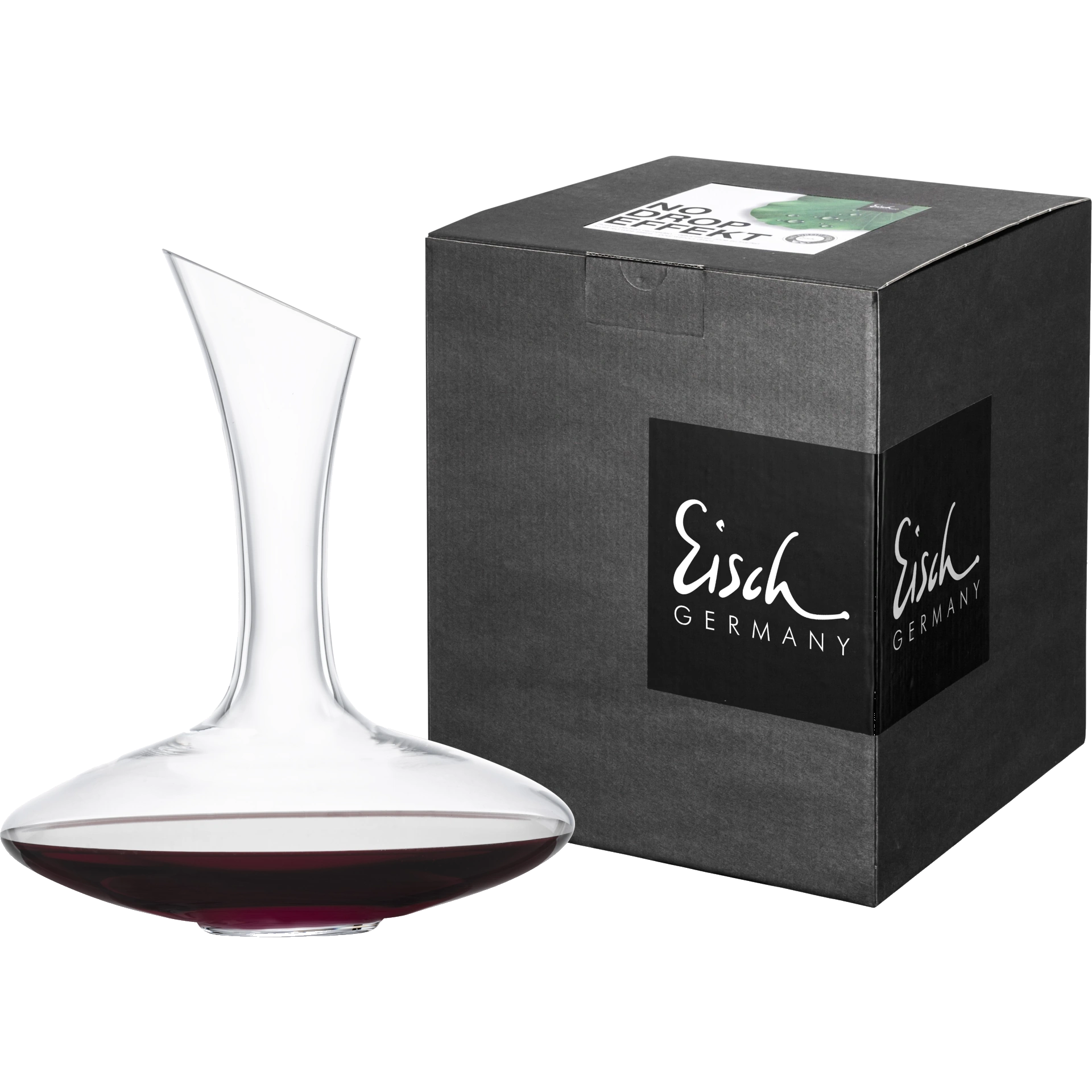
Some wines require a lot of oxygen to develop their depth and complexity. This is where the bulbous decanter comes in. Its extra-wide base maximizes the contact surface between wine and air. This allows powerful, mature wines such as Amarone, Rioja, or Chianti Classico to intensely develop their bouquet. At the same time, the round, voluminous shape ensures an appealing presentation on any set table.
Slender Wine Decanter for Light and Young Wines
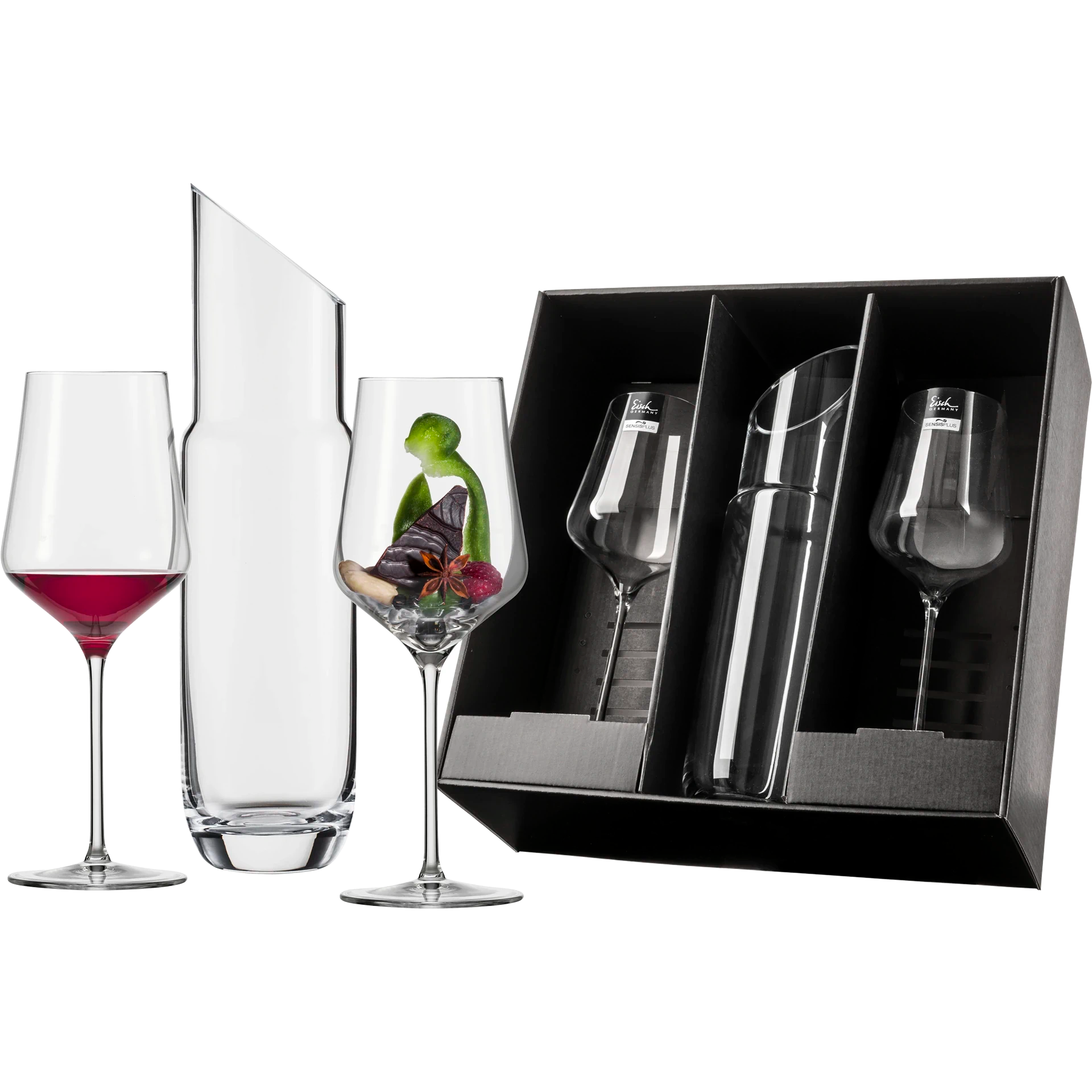
Not every wine needs a lot of air. For fresh, young wines like Pinot Noir, Gamay, or light white wines, a slender wine decanter with a narrower shape is suitable. This reduces oxygen exposure and preserves the fruity aromas and vibrant freshness. Especially for summer wines or young vintages, this decanter shape is the best choice, as it maintains the wine's characteristics without overpowering them.
Exclusive Decanting Duck or Decanting Swan Made of Glass
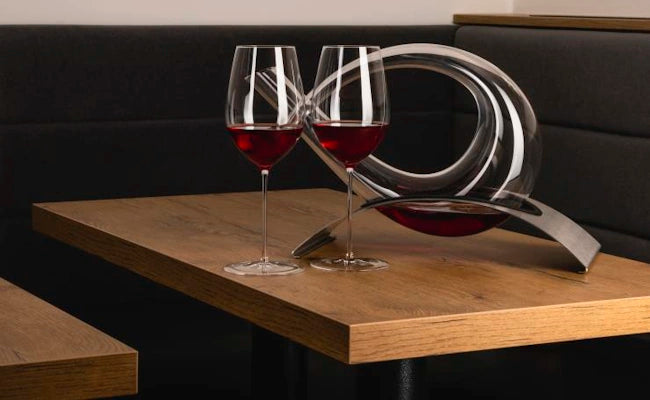
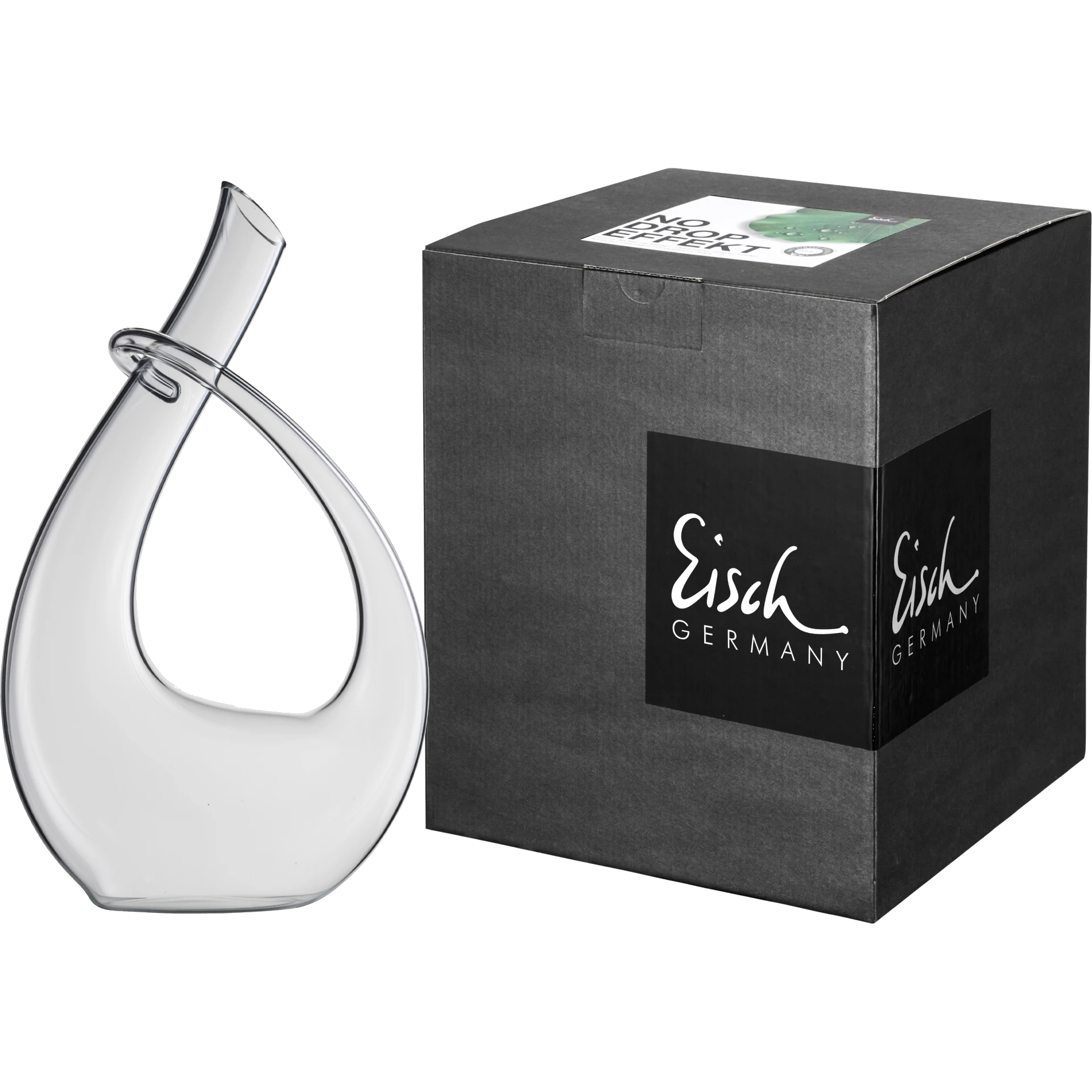
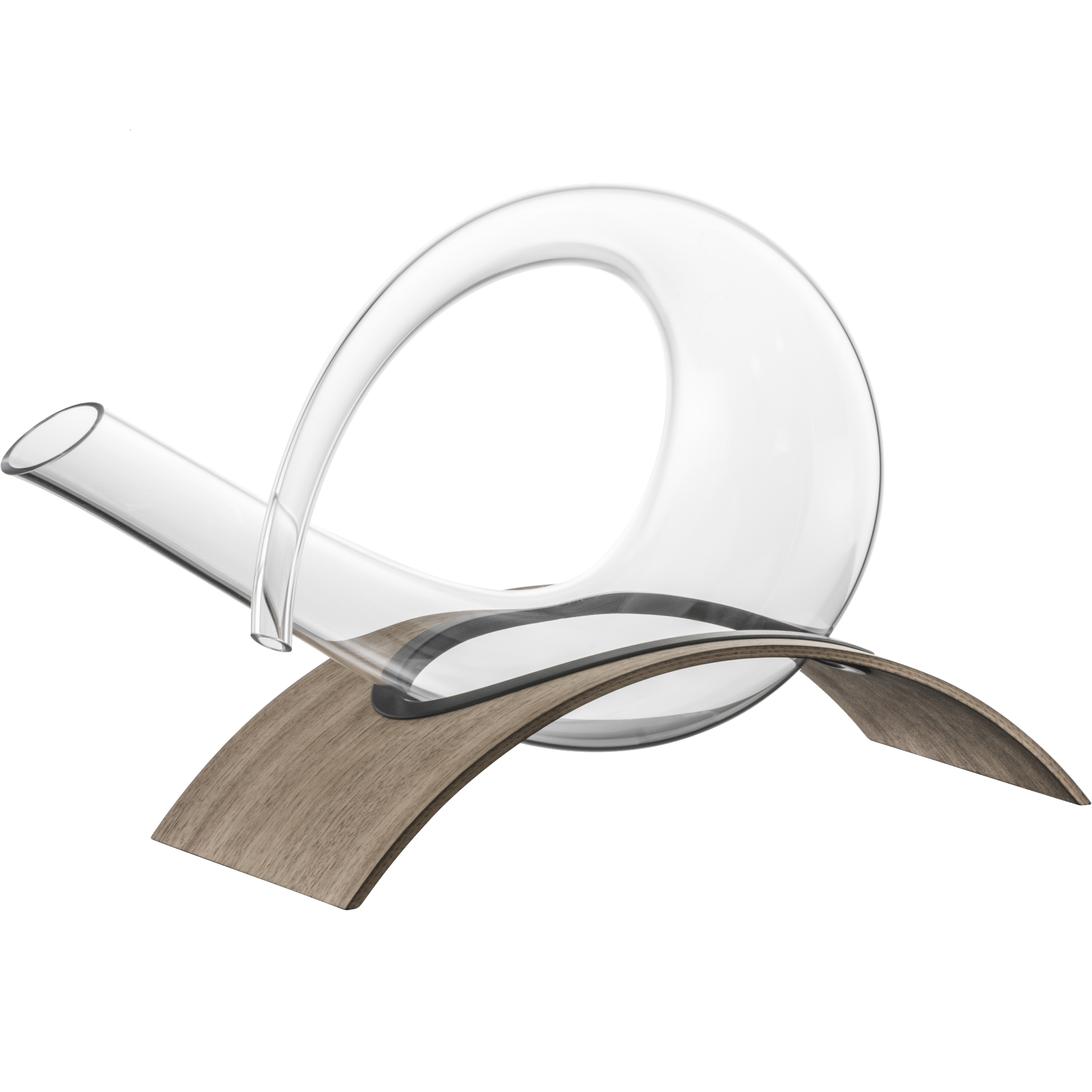
Particularly artistic shapes such as the decanting duck or decanting swan not only have practical use but also high decorative value. With their curved design, they resemble sculptures that visually enhance any dinner. Functionally, they are equally convincing: the long, narrow neck facilitates pouring, while the generous belly allows for optimal aeration. These decanters are popular among collectors and as gift ideas, as they combine art and craftsmanship.
Champagne Decanters and Carafes for Sparkling Wines
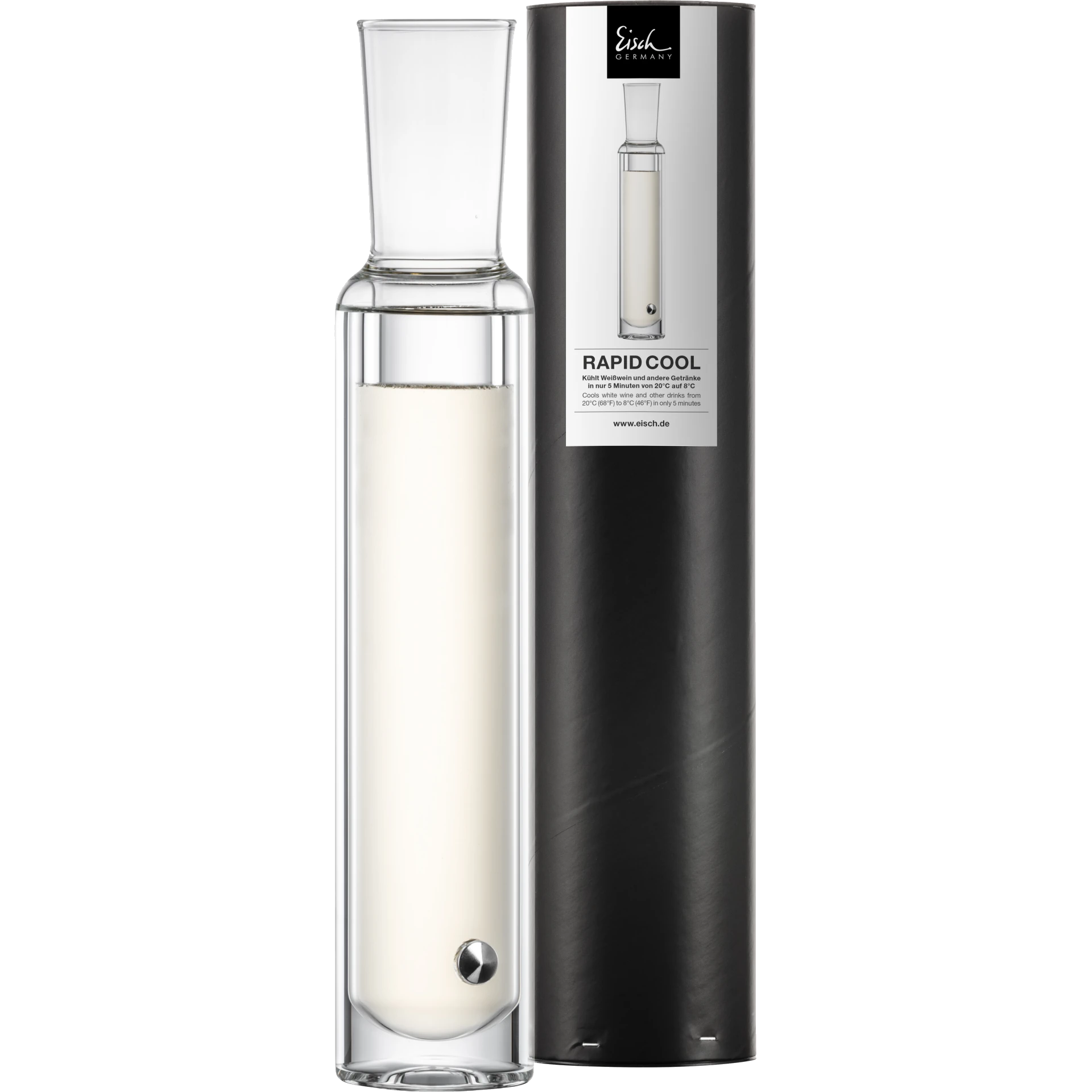
Sparkling wines also benefit from special champagne decanters. While decanting champagne was long frowned upon, modern glassware shows that the right decanter refines the perlage and enhances the aromas. The shape of these decanters is specifically designed not to let carbon dioxide escape completely, but to keep the effervescence in balance. Especially for aged champagne or noble cuvées, such a decanter is a highlight.
Whisky Decanters Made of Glass – Serving in Style
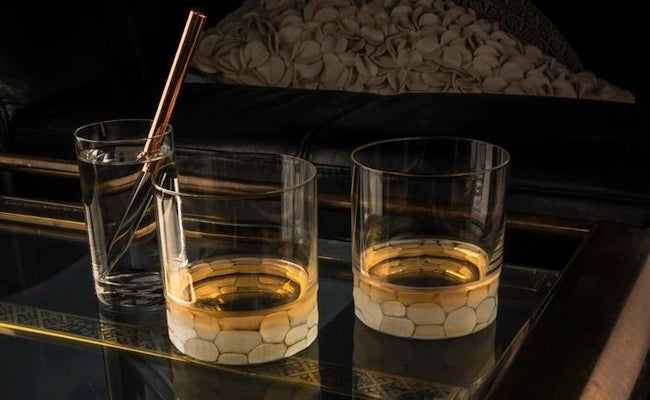
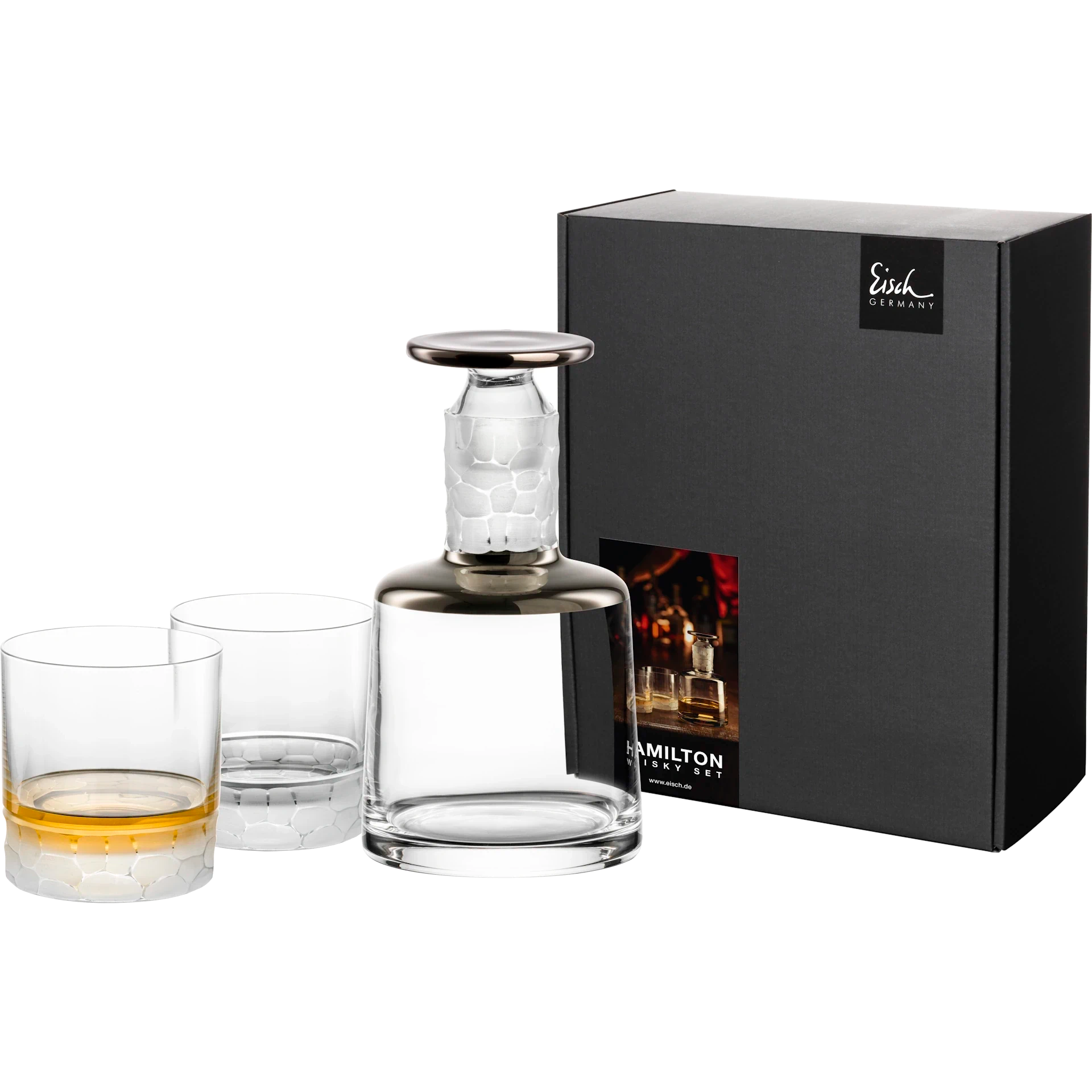
Not only wine but also noble spirits like whisky benefit from elegant glass vessels. A glass whisky decanter primarily serves for stylish storage and presentation. Especially in crystal glass decanters, the amber colors and reflections of the whisky come into their own. Many models are equipped with a matching glass stopper that protects the aroma. Whether single malt, bourbon, or blended whisky – in a decanter, it looks particularly noble and becomes an eye-catcher in any home bar.
Designer Decanters from Riedel, Eisch & Baccarat
Renowned manufacturers such as Riedel, Eisch, Baccarat, or Waterford have shaped the market for exclusive glassware for decades. Their designer decanters combine aesthetics and functionality at the highest level. Riedel is known for experimental shapes that scientifically optimize wine enjoyment. Eisch relies on "SensisPlus" technology, which intensifies aromas. Baccarat, in turn, stands for French crystal art that turns decanters into true collector's items. Such a decanter is not just a utilitarian object but also an expression of style and luxury.
Noble Glassware & Decanters as Gift Ideas for Wine Lovers
A decanter as a gift is an excellent choice for wine lovers, weddings, anniversaries, or special occasions. It combines usefulness with elegance and is often used for generations. In combination with noble glasses or a bottle of wine, it creates a present that expresses enjoyment and appreciation. Personalized decanters with engraving, which add an individual touch to the gift, are particularly popular.
Decanters as an Indispensable Accessory for Connoisseurs
Whether classic, bulbous, slender, or extravagant – glass decanters are far more than practical tools. They are an expression of lifestyle, craftsmanship, and wine culture. They improve the taste of the wine, ensure appealing serving, and create a special experience for hosts and guests. Anyone who wants to experience the full enjoyment of their wine cannot do without a high-quality decanter.
Why Decanters Are Important — The Main Reasons
- Remove sediment (sediment separation): With older, mature red wines (e.g., aged Bordeaux, Barolo, Nebbiolo), sediment forms. Carefully pouring into a decanter separates wine and sediment — ensuring clear color and clean taste.
- Air supply / Aeration: Many wines, especially young, tannin-rich red wines, open up through contact with oxygen: fruit aromas become more accessible, bitter notes soften, the structure appears softer. A decanter offers a large surface for efficient aeration.
- Temperature equalization: When pouring, wine warms slightly (e.g., a too-cool red wine) or cools moderately (e.g., slightly too-warm white wines), which can improve the drinking experience.
- Optics & Presentation: A beautiful decanter enhances the experience — the wine looks more attractive, pouring becomes a ritual. This is especially important for celebrations, tastings, or gift occasions.
- Special cases (white wine, sparkling wine, spirits): Some aged white Burgundies or champagnes also benefit briefly from some air. For whisky/spirits, special decanters allow for style, aroma preservation, and presentation.
When Should You Decant? Specific Recommendations
-
Old/mature red wines (≥ 8–10 years, depending on grape variety): Carefully decant before pouring to separate sediments. Do not swirl too vigorously — otherwise, too much aroma will evaporate.
- Young, tannin-rich red wines (e.g., Cabernet, Syrah, young Barolo): Decanting can be useful 30–120 minutes to several hours before serving. For very powerful wines, 3–6 hours (depending on the wine) can also apply.
- Wines of medium freshness / light red wines: Brief decanting (15–30 min.) can bring fruit and freshness, but is optional.
- White wines & aged, complex white wines: Decant briefly (10–30 min.) only if the wine appears closed or has a lot of mature aroma.
- Champagne & sparkling wines: Decant rarely — if at all, very carefully, so as not to lose the perlage. Special champagne decanters are available for aged bottles.
- Spirits: Decanters are primarily presentation and storage objects; prolonged "decanting" as with wine is not necessary. If you let whisky "breathe," a few minutes are sufficient.
Which Decanter Shape for Which Purpose? Selection Aid
-
Wide base / bulbous: Maximum aeration
→ ideal for very closed or very old red wines that need a lot of air. -
Slender, tall body: Smaller surface area
→ ideal for young, light wines to preserve aromas. -
Classic slender with wide base: All-rounder
→ good mix of aeration and elegant presentation. - Special shapes (duck/swan, post horn): Mostly decorative, useful for small quantities, but do not provide scientifically better decanting results.
- Crystal vs. glass: Crystal brings optical brilliance; glass is easier to care for. Both work equally well for aroma development.
Decanting Times — Practical Guidelines (for orientation only)
- Light white wine / fresh rosé: 0–15 min. (mostly not necessary)
- Aged white wine / complex white Burgundy: 10–30 min.
- Light to medium-bodied red wine: 15–45 min.
- Young, tannin-rich red wine: 30–180 min. (depending on structure)
- Very powerful, very young red wines: 2–6 hours (taste as needed)
- Very old, mature red wines: Briefly & carefully — the goal is sediment separation; excessive aeration can destroy delicate aromas.
Note: Every wine reacts differently — it's best to taste in between.
Step-by-Step: Correct Decanting (Sediment Separation)
- Stand the bottle upright: At least 12–24 hours before serving, preferably 24–48 hours.
- Lighting: Hold a candle or lamp under the bottle neck to make sediment visible.
- Slow pouring: Pour calmly and evenly into the decanter.
- Stop at sediment: As soon as dark particles reach the neck, stop — sediment remains in the bottle.
- Do not shake: Avoid shaking or vigorous stirring; otherwise, sediment will redistribute.
- Time & Tasting: For young wines, taste after 30–60 minutes to find optimal aeration.
Care & Cleaning of a Decanter — Dos & Don’ts
- Prefer hand washing: Many high-quality decanters are pressure-sensitive; hand washing with lukewarm water and mild dish soap is gentle.
- No hot temperature changes: No very hot water after cold — glass can crack.
- Bottle brush & rice grains: For narrow necks/cleaning hard-to-reach areas, use small brushes or a mixture of water + rice/baking soda for shaking. More stylish are cleaning pearls.
- Vinegar/baking soda for deposits: White wine vinegar + lukewarm water or baking soda helps against wine stains; rinse well.
- Drying: Air dry upright or polish with a lint-free cloth. Crystal glass is best polished with a microfiber cloth.
- Storage: Dust-free, upright, in a safe place. No heavy load on delicate glass.
Practical Tips & Avoiding Common Mistakes
- Not automatically longer = better: Decanting too long can destroy volatile aromas in older, fine wines.
- Decanting / Storing: Wine remains fresh in a decanter (open) for a limited time; if you want to store wine longer, the bottle with cork/stopper is better.
- Caution with "soft" older wines: Very old Burgundies/Barolos are often delicate — less aeration is wiser here.
- Observe temperature: Decanting slightly changes the temperature — adjust the serving temperature beforehand if necessary (red: 16–18°C, light red 14–16°C; white 8–12°C).
- Aerator vs. decanter: Aerators (on the bottle neck) provide instant air and are practical; decanters offer gradual, more even aeration and better presentation.
Gift & Service Information
- Decanter + glasses as a set: Perfect gift for wine lovers — pay attention to suitable glass shape (e.g., Bordeaux glass for robust reds).
- Personalization: Engraving with name, date, or logo makes decanters very personal gifts.
- Suitable packaging: Delicate glass should be securely packed (padding, compartment packaging), especially when shipping.
Summary: When is Which Decanter Worthwhile?
- Remove sediment → wide neck + careful pouring.
- "Open" wine (young/tannin-rich) → bulbous, wide decanter (30–180 min.).
- Preserve freshness (light wines) → slender decanter (briefly or not at all).
- Champagne & special → special champagne decanters; whisky → crystal decanter for presentation/storage.