


Scotland - Buy Scottish Spirits Online



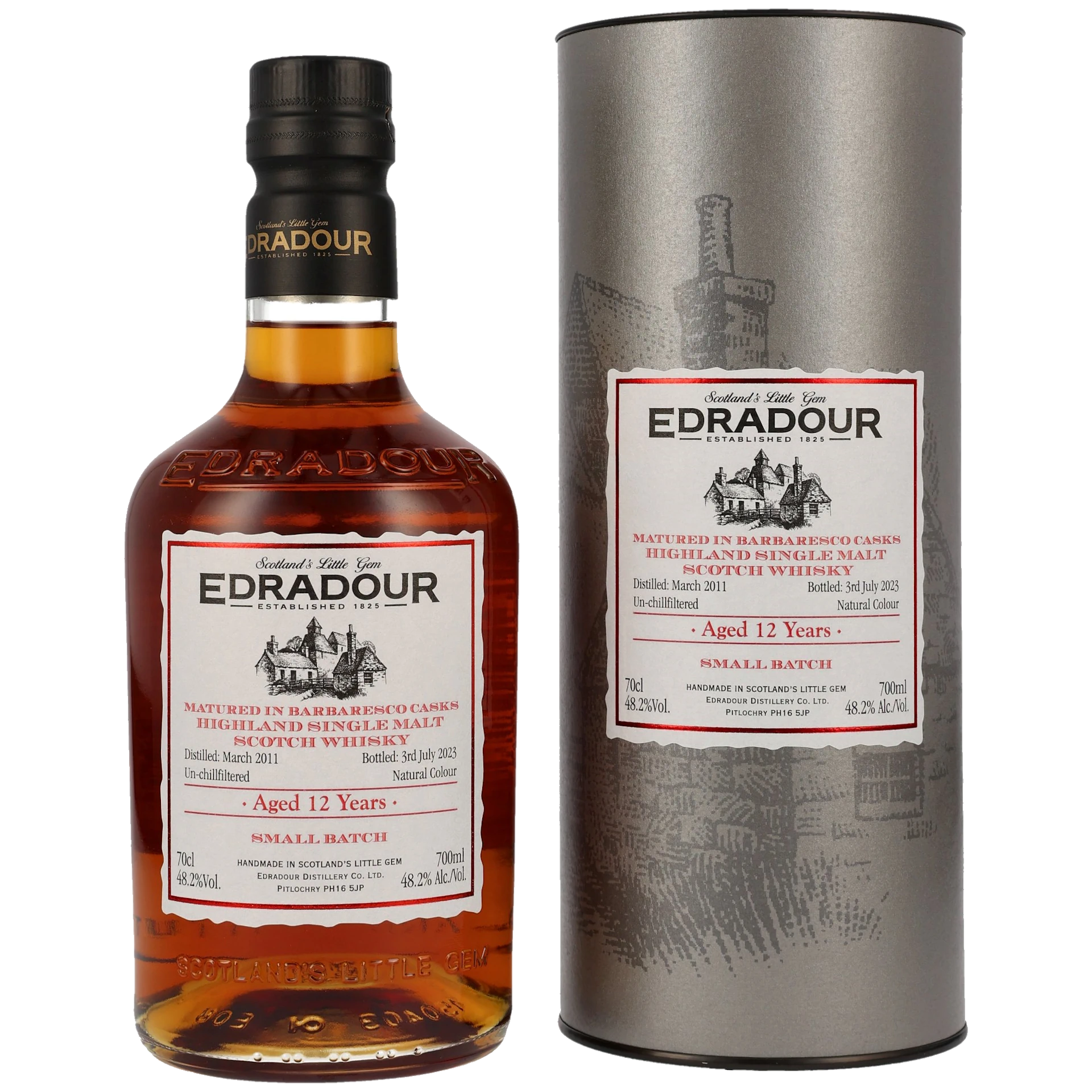
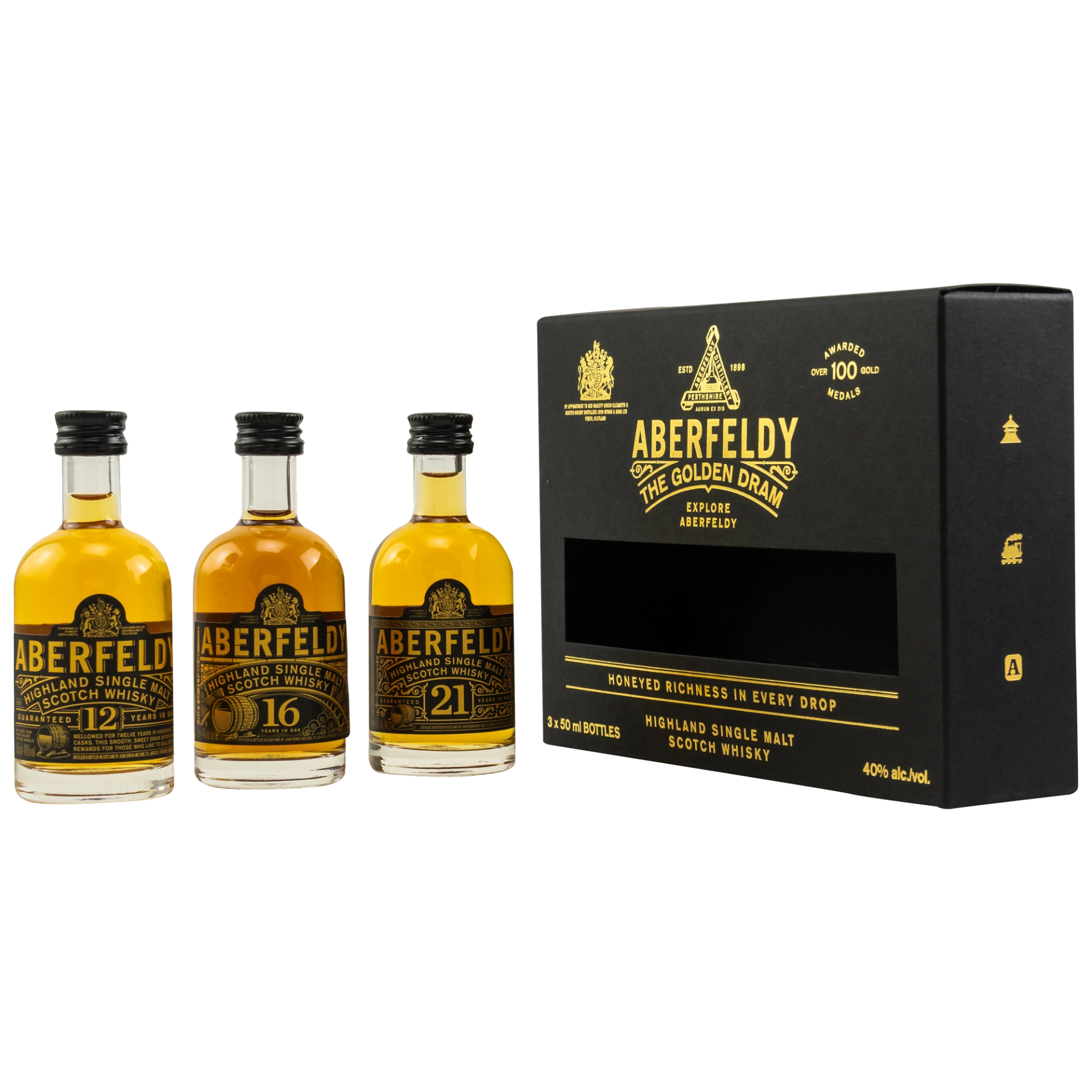

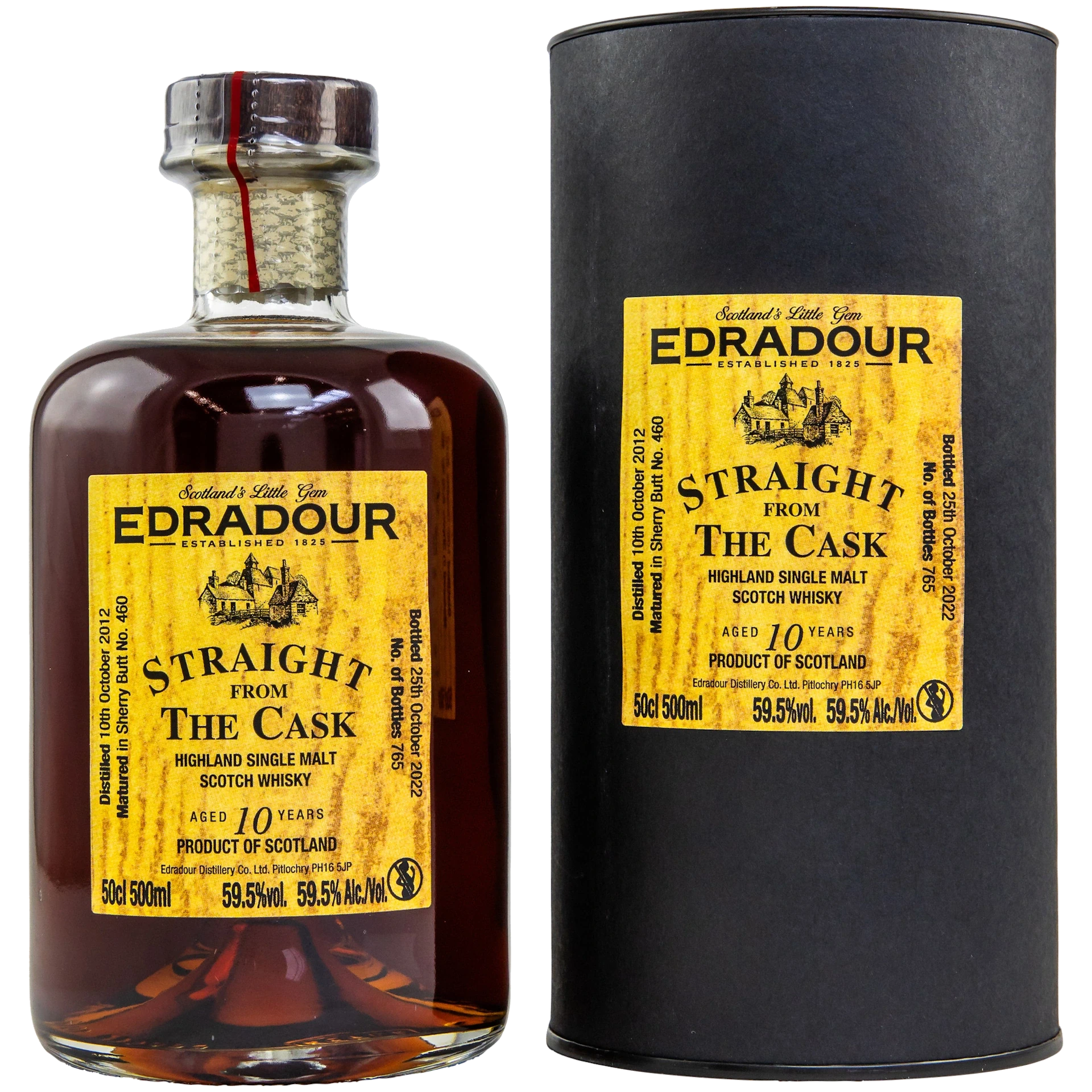

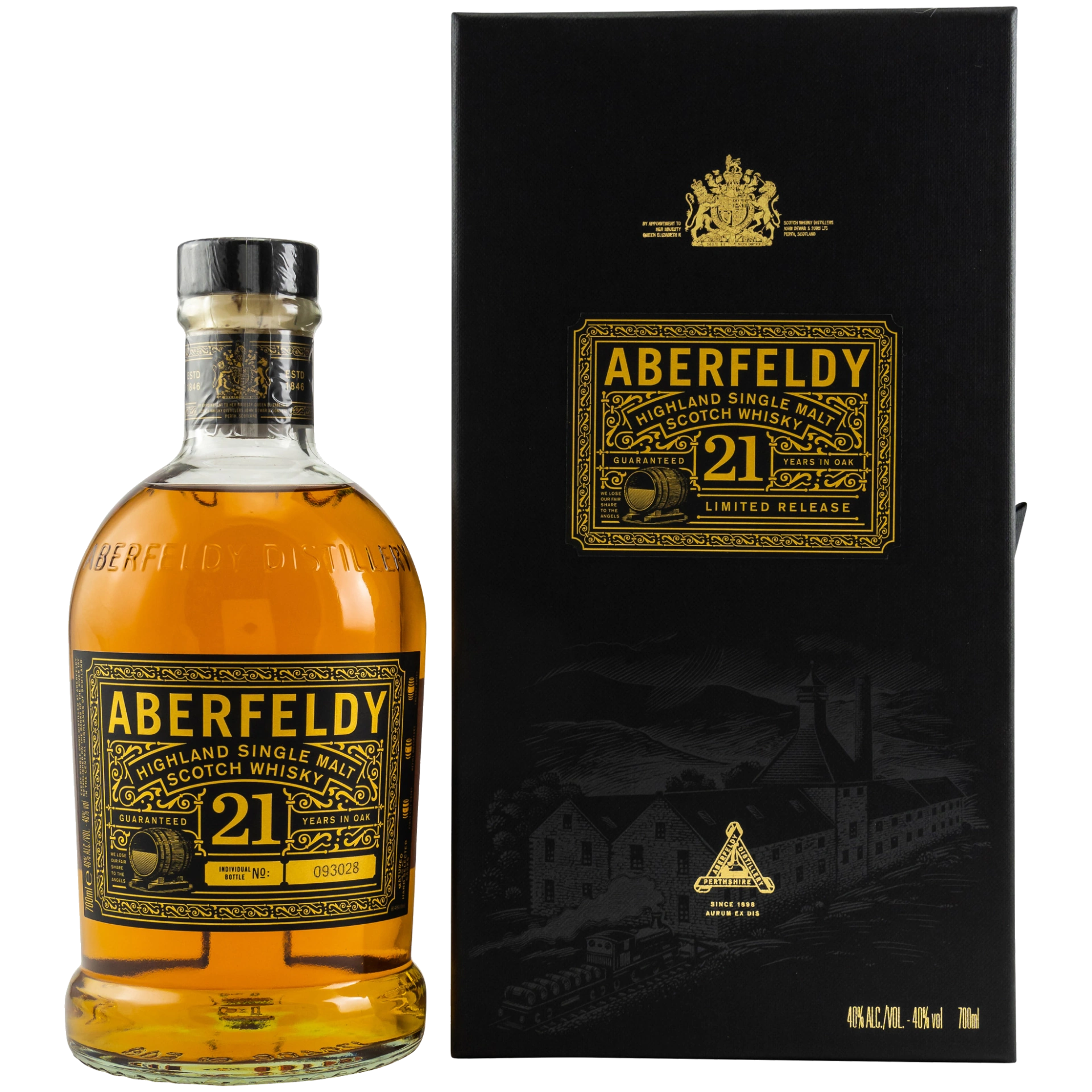


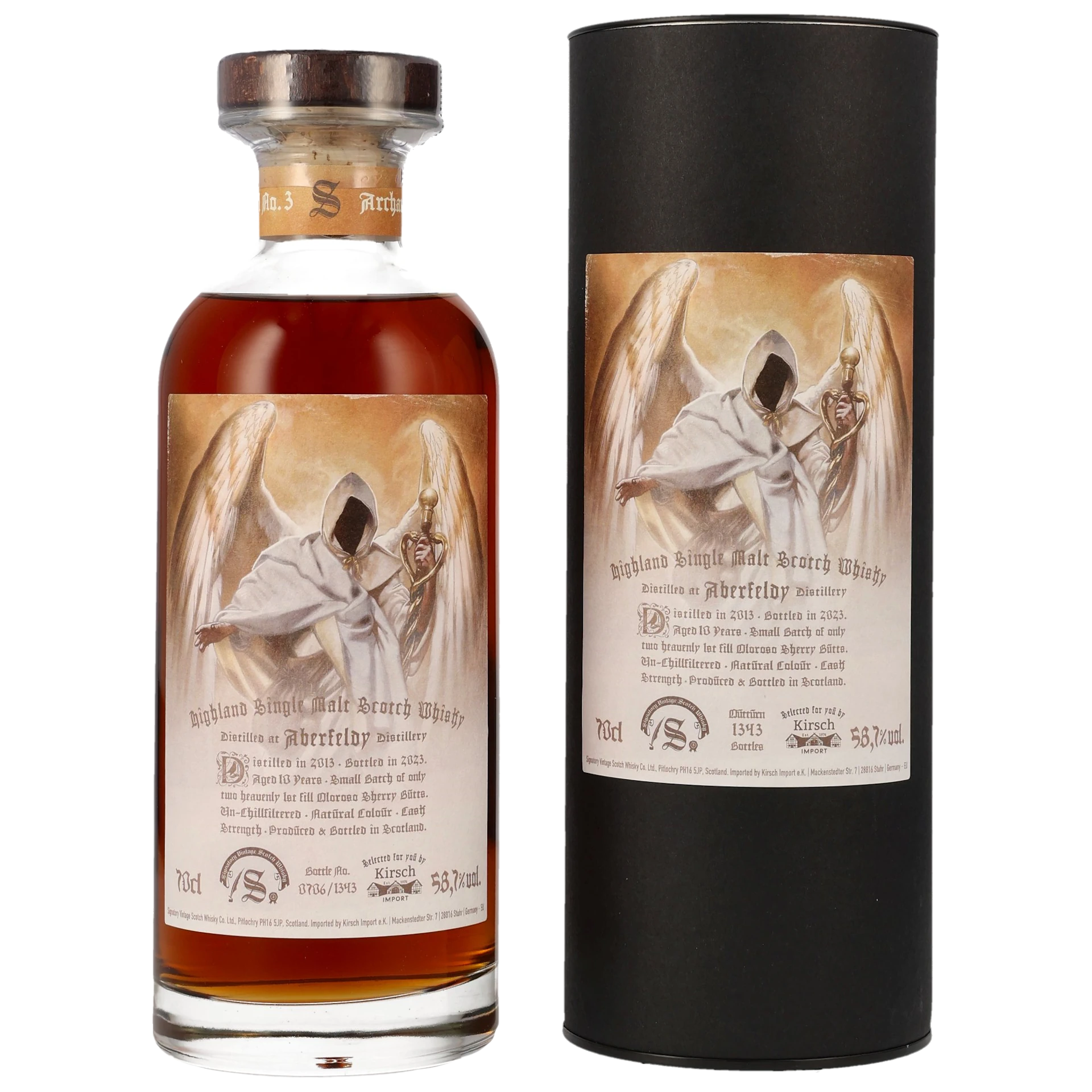
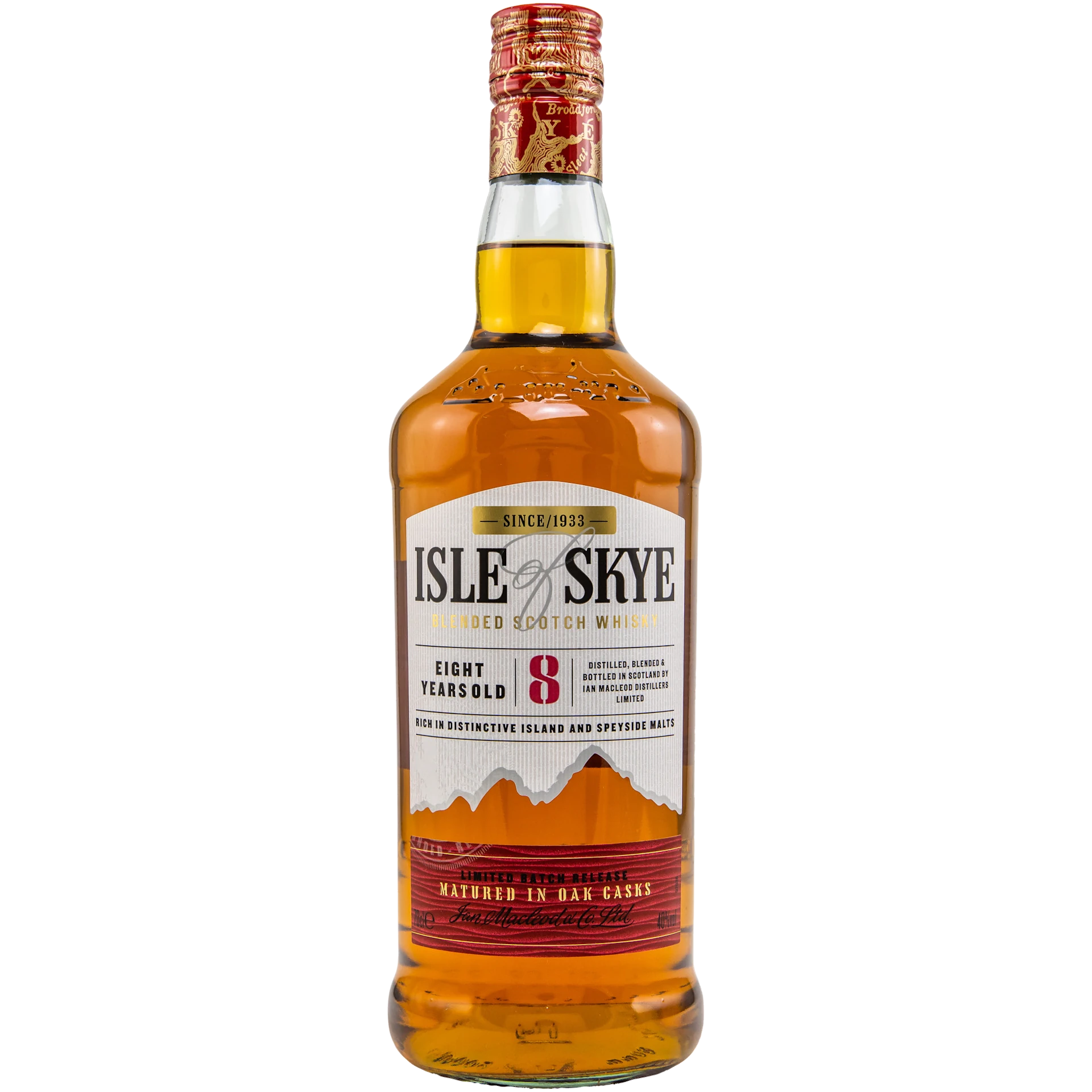

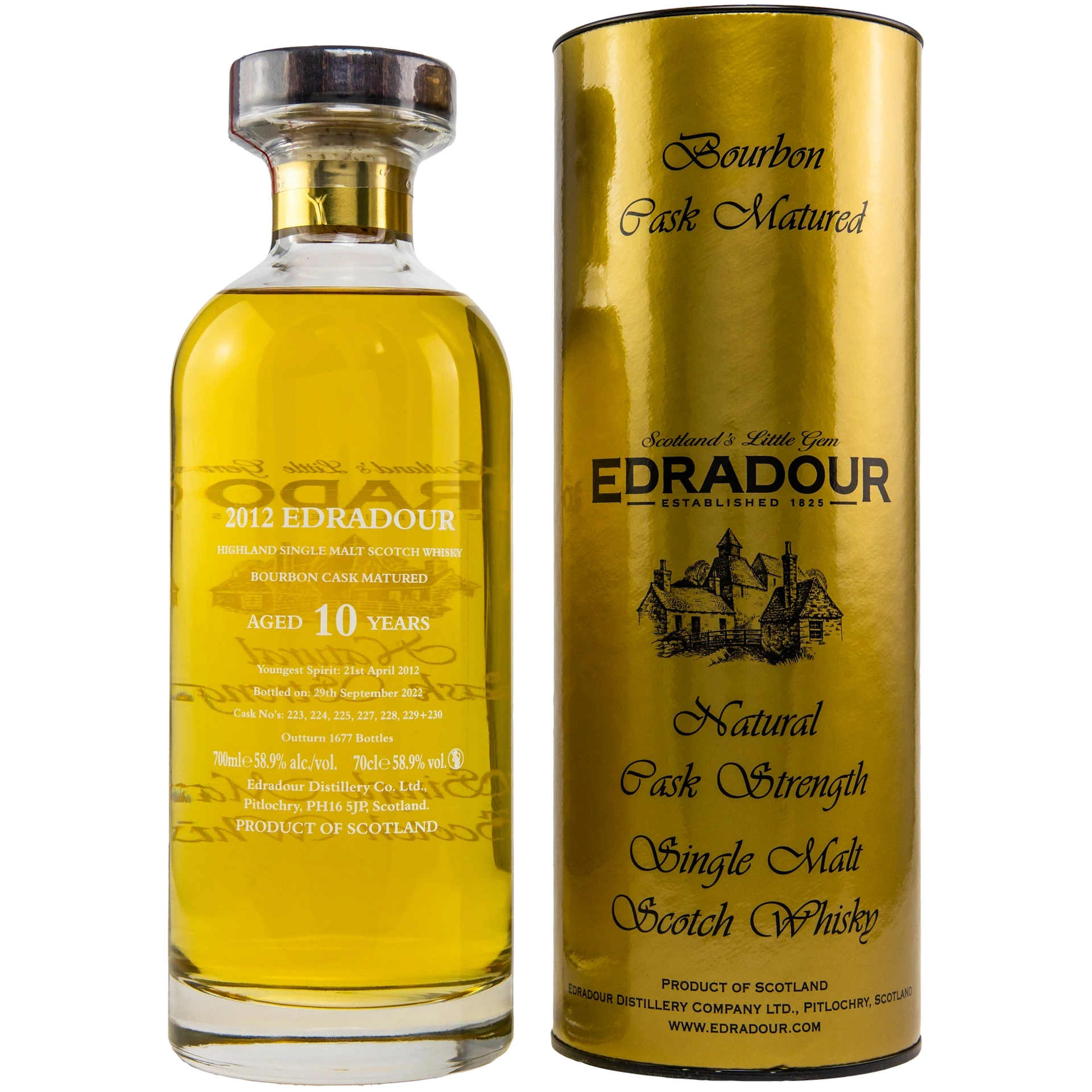
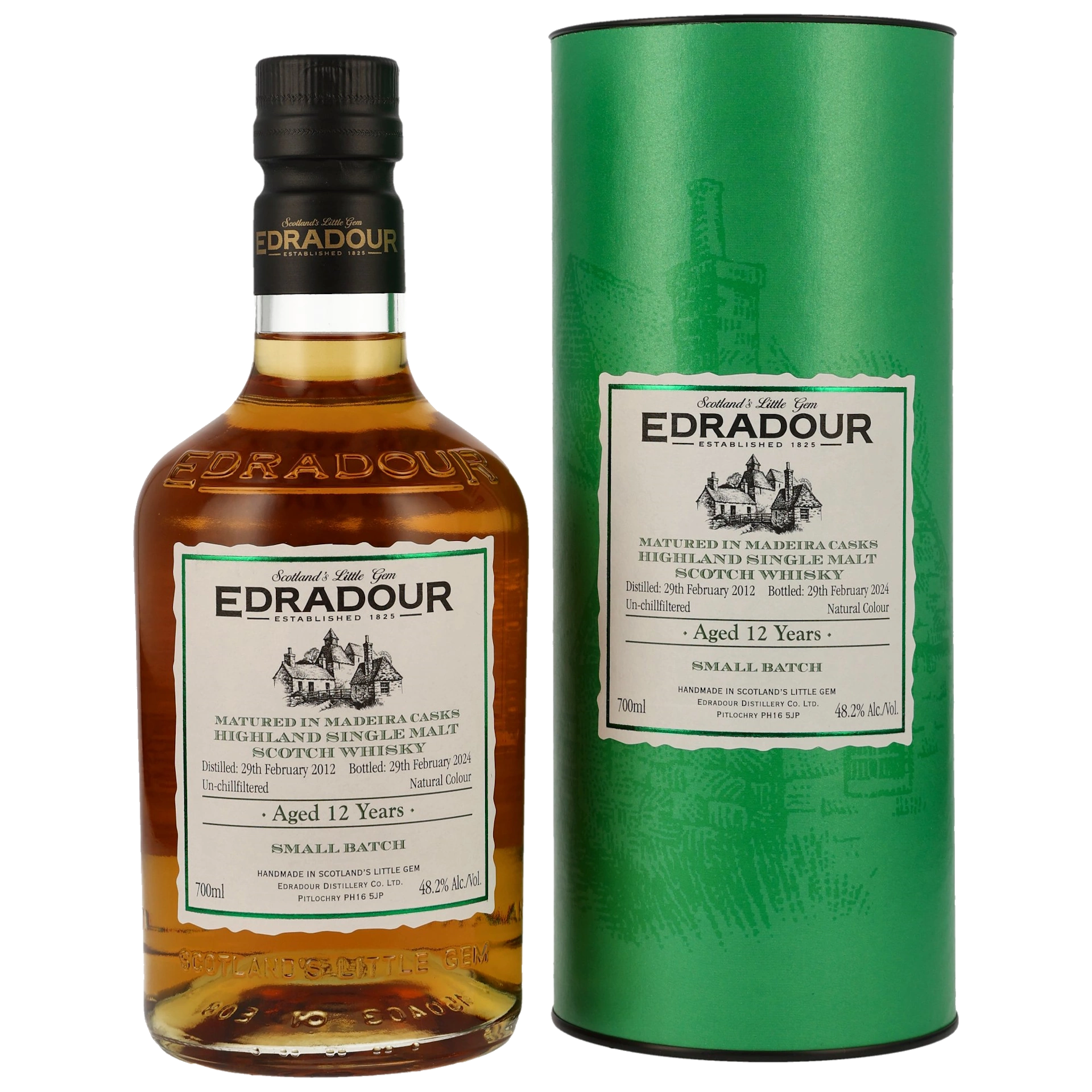

Scotland - Buy Scottish Spirits Online
Why Scottish whiskies are a must-have for you
Are you looking for character and variety in your glass? Scotland is the heartland of whisky — here you'll find an enormous range of styles, from smooth, fruity single malts to smoky, peaty dram-crackers. Each bottle tells a story of landscape, water source, grain, and cask maturation. For you, this means: real stories, artisanal quality, and whiskies perfect for exploring, collecting, or simply enjoying.
Which regional styles should you know – and what can you expect in terms of taste?
Scotland is divided into typical regions, each with its own character:
- Islay: intense, peaty, smoky, often with maritime notes — ideal if you like strong, distinctive flavors.
- Speyside: fruity, malty, often sweet with notes of apple, pear, honey, and vanilla — very approachable and popular.
- Highlands: broadly diversified — from spicy and elegant to lightly smoky; plenty of room for discovery.
- Lowlands: lighter, floral, and grassy — gentle introductory drams.
-
Campbeltown & Islands: maritime, spicy, sometimes smoky — niche profiles with lots of personality.
Choose a region based on your preference for smoke, fruit, spice, or maritime notes.
How do production factors influence the taste you get in your glass?
Water source, malt, yeast, still shape, and cask aging all shape each single malt. Bronze or copper stills impart different distillation characteristics; ex-bourbon casks bring vanilla and caramel, sherry casks deliver dried fruit and spices, while wine finishes can contribute fruity depth and tannins. The interplay of these elements determines whether you get a soft, sweet, or robust, smoky dram.
How to properly taste Scottish whisky — simple steps for at home?
Take a tulip-shaped glass, smell lightly at first, then more intensely after a brief swirl. Taste in small sips, let the whisky linger on your tongue, and pay attention to the nose, palate, and finish. A few drops of water often open up new notes — especially with cask-strength bottlings. Note down your impressions: this way you'll quickly develop your personal taste spectrum.
Which whiskies pair with which foods — simple pairing ideas?
- Islay & Smoky Drams: Smoked salmon, aged blue cheese, dark chocolate.
- Speyside & Fruity Malts: Fruity desserts, apple pie, mild cheese.
- Highlands: Game dishes, stews, mushroom risotto.
-
Lowlands: Light appetizers, seafood, salads with nutty notes.
Experiment with small bites to discover which combination appeals to your senses the most.
What do age statements, cask types, and cask strength mean for your purchasing decision?
The age statement indicates the minimum years of maturation, but taste depends more heavily on cask selection and maturation conditions. Cask strength bottlings are undiluted and more intense — ideal if you want to experience pure aromas; try them cautiously at first or with water. Pay attention to cask descriptions (sherry, bourbon, wine finish) — they reveal a lot about the aroma profile.
How to store whisky correctly at home — and how long does it last?
Store bottles upright, in a dark place, and at a constant temperature. Unopened, whisky remains virtually indefinitely stable. Opened bottles should be consumed within 1–3 years, especially if little liquid remains, as oxidation changes aromas.
How can you effectively gift or collect Scottish whisky?
For beginners, mild Speyside malts are suitable; for connoisseurs, sherry-cask aged or limited cask releases are worthwhile. Sample sets and miniatures are perfect gift options, as they allow for tasting. Collectors look for release numbers, vintage bottlings, and cask-strength editions — this increases long-term value and experience.
What drinking culture & etiquette will help you enjoy it?
Enjoy whisky mindfully and without haste. A nosing glass, time to smell, and small sips enhance the enjoyment. Avoid overly cool temperatures so that aromas can develop — some whiskies benefit from a drop of water or a brief moment in the glass before drinking.
Into which regions is the home of Scotch whisky divided?
The Scottish home of Scotch Whisky is officially divided into 5 regions according to the Scotch Whisky Association (SWA): Campbeltown, Highlands, Islay, Lowlands, and Speyside. A map with the location of the distilleries can also be found at the SWA.
Scotch Whisky is a very complex drink, and the region in which it is made has a great influence on its taste and aromas. Here are some of the most important regional characteristics of Scotch Whisky:
-
Campbeltown: This small coastal town in Scotland was formerly a center of whisky production. Whiskies from Campbeltown typically have a salty and peaty note, which comes from the proximity to the sea and the peat used in the region. Campbeltown whiskies are diverse and full of flavor. Notes of salt, smoke, fruit, vanilla, and toffee blend in whiskies with a robust and rich character.

-
Highlands: The Highlands are the largest whisky region in Scotland, and whiskies from this region have a great variety of aromas and taste nuances. They can range from floral and fruity to malty and peaty. This region, which also includes the islands, has a great variety of flavors and characters. From lighter whiskies to salty coastal malts, the Highlands offer a Scotch for every palate.

-
Islay: The island off the coast of Scotland, and whiskies from this region have a very smoky and peaty taste, which comes from the use of peat from the region. Islay is a magical island where the majority of the population is involved in whisky production. Famous for fiery, heavily peated whiskies.

-
Lowlands: The Lowlands are the southernmost whisky region of Scotland, and whiskies from this region generally have a mild and sweet taste, which comes from the use of malted barley. Soft and smooth malts are characteristic of this region, offering a gentle, elegant palate reminiscent of grass, honeysuckle, cream, ginger, toffee, toast, and cinnamon. The whiskies often have a lighter character and are perfect as an aperitif.

-
Speyside: This region in the northeast of Scotland is known for its single malt whiskies. Whiskies from Speyside generally have a sweet and fruity taste, which comes from the use of malted barley and long maturation in oak casks. The most densely populated whisky region in the world, famous for fertile valleys and, of course, the River Spey. Speyside whiskies are known for being sparing with peat and full of fruit. Apple, pear, honey, vanilla, and spices all play a role in the expressions from this region, which commonly mature in sherry casks.
