

All Single Mal Whisky








All Single Mal Whisky
What is a single malt whisky and why should you try it?
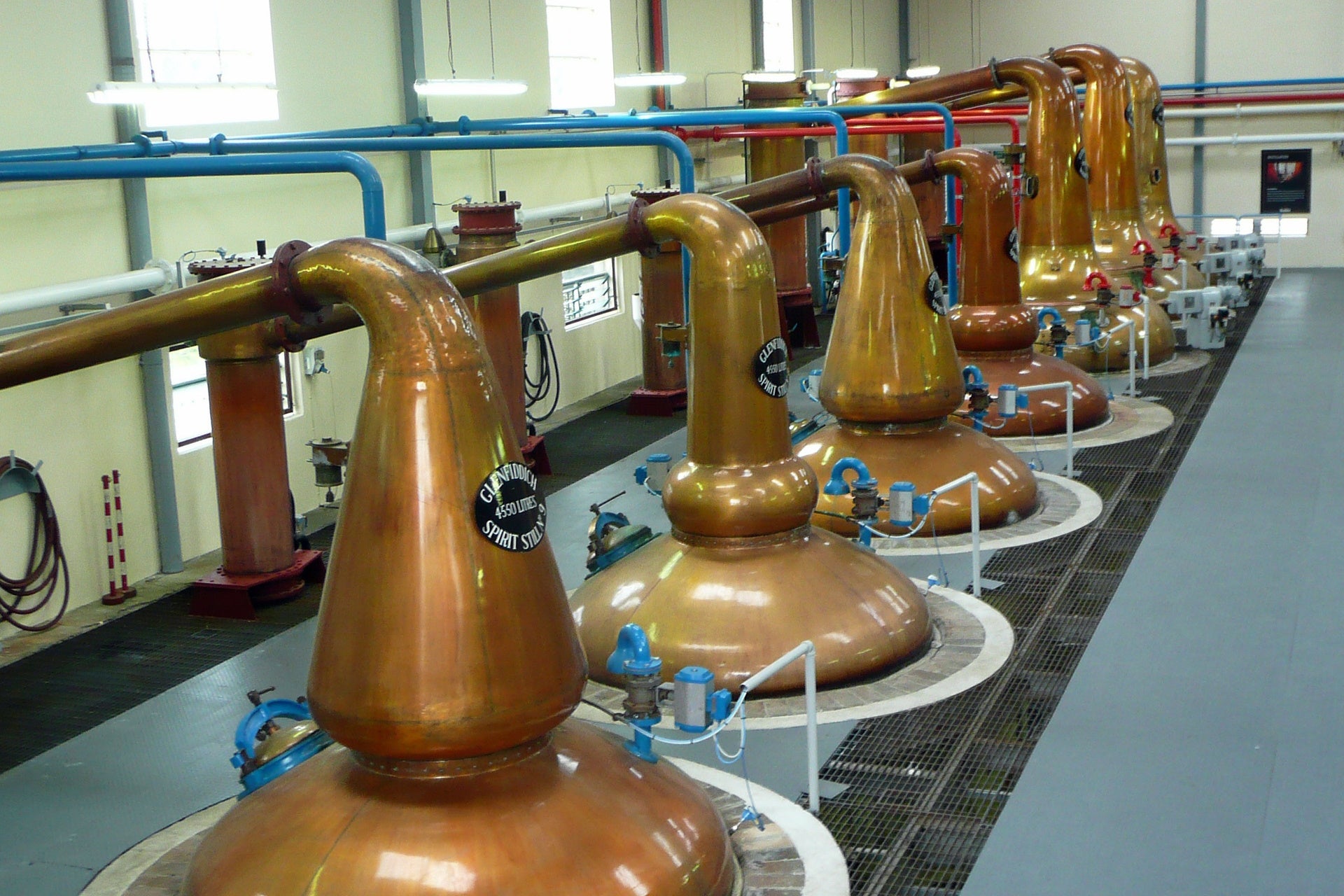
A single malt is whisky made from malted barley at a single distillery. It is characterized by great aromatic depth, a clear stylistic identity, and often by handcrafted production details. If you appreciate the taste, origin, and character of a whisky, a single malt is the perfect choice: you're not just drinking a beverage, but a story of raw materials, distillation, and cask maturation.
What differences can you expect between Scottish single malts and those from Great Britain?
Scotland is the classic home of single malts, with profiles that vary greatly by region – from peaty, maritime drams to fruity-elegant malts. English and Welsh single malts tend to be younger on the market, more experimental in cask selection, and often innovative in their stylistic identity. If you're looking for traditional, deeply rooted flavors, choose Scottish bottlings; if you like surprises and new cask finishes, it's worth taking a look at British distilleries.
Which Scottish regions should you know – and what aromas await you there?
- Islay: Intense, peaty, smoky, with salty and iodine notes – for fans of powerful drams.
- Speyside: Fruity, malty, often sweet with apple, pear, honey, and vanilla – a very accessible style.
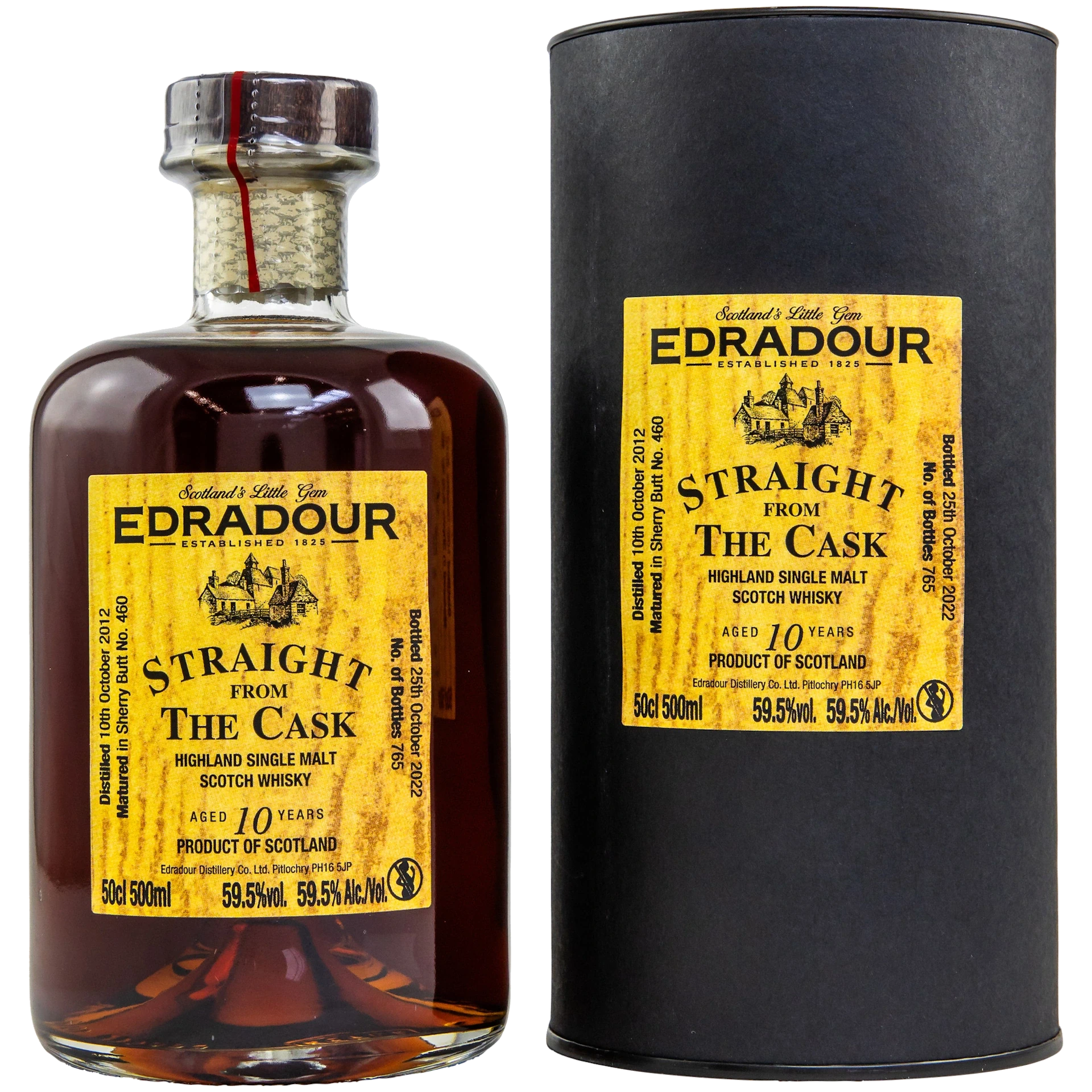
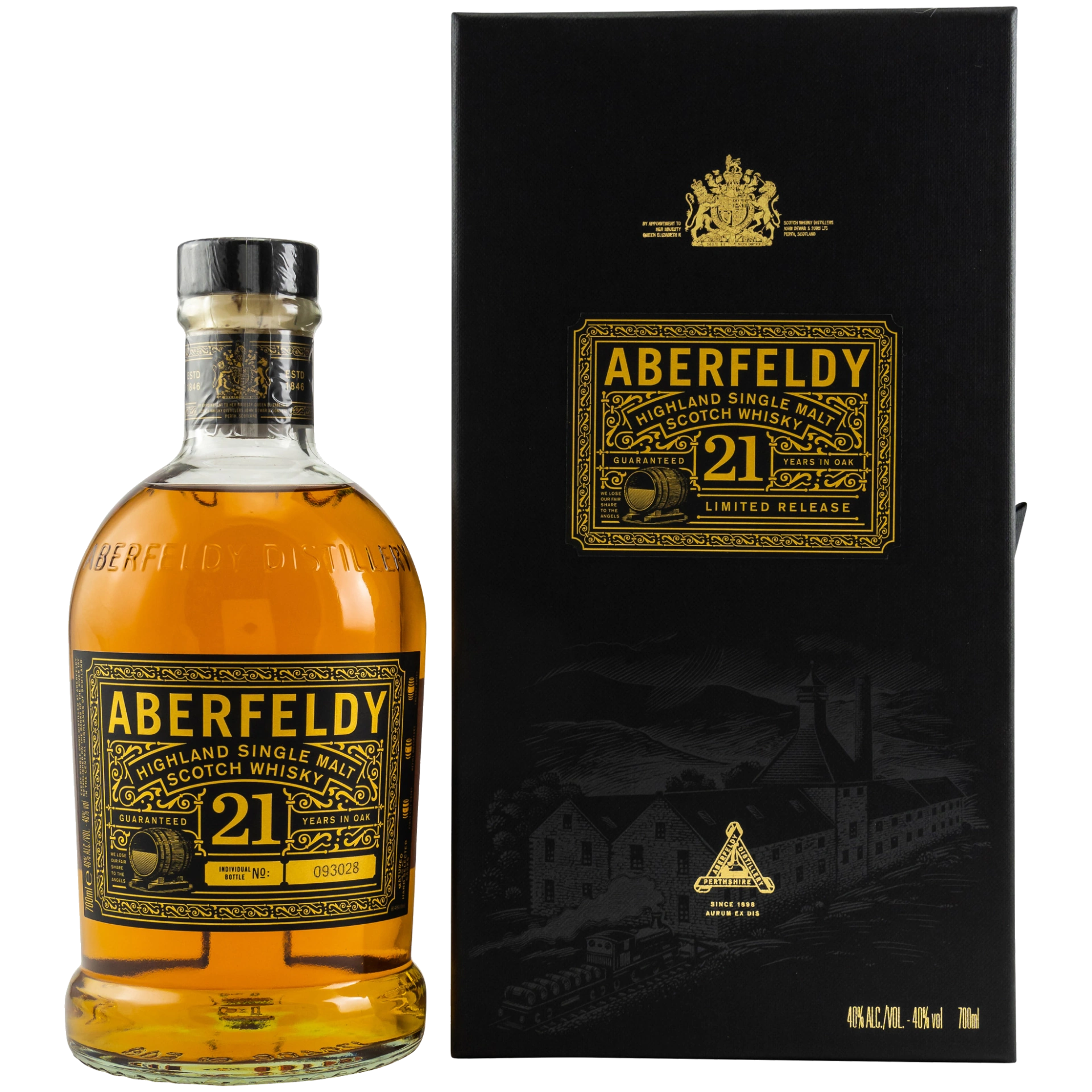
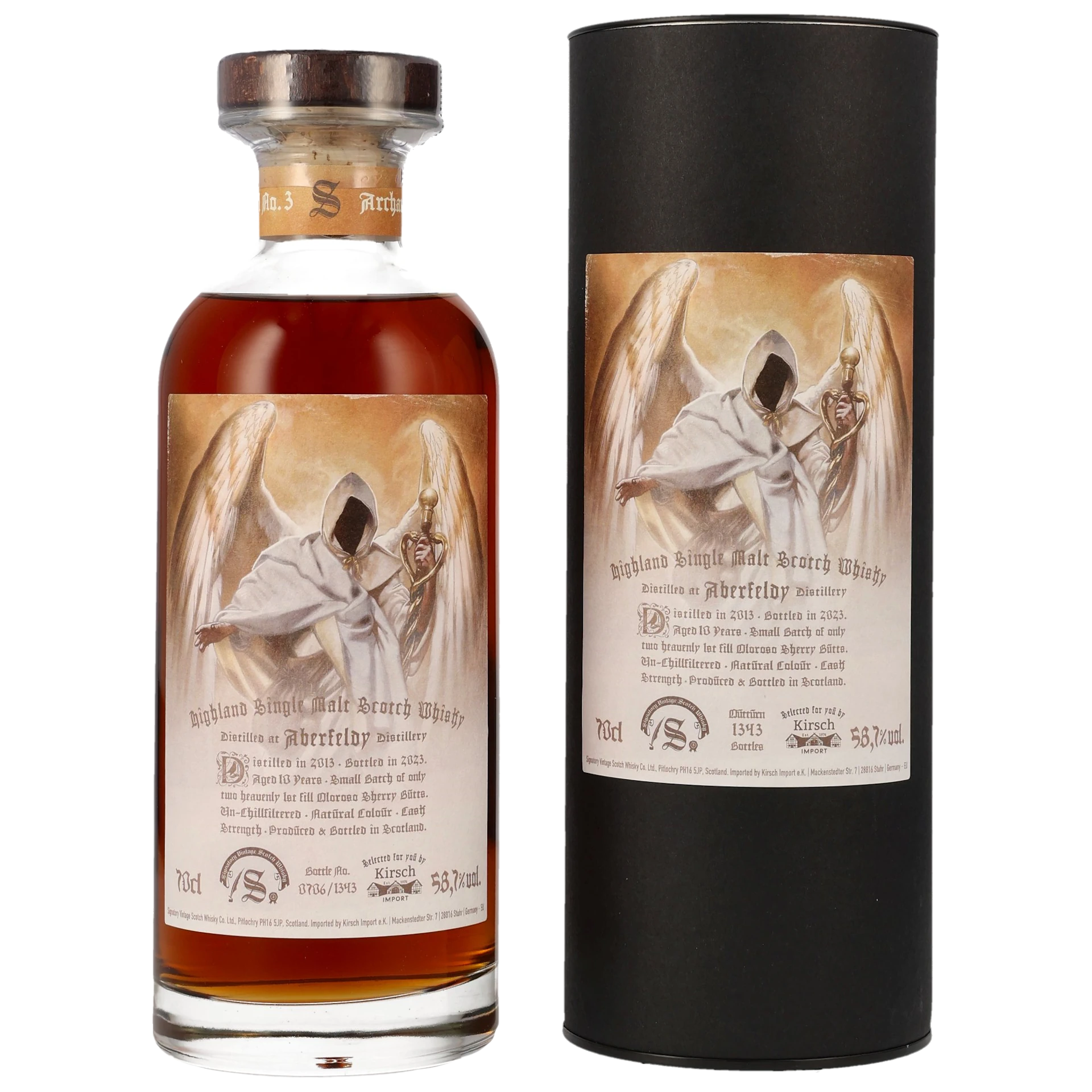
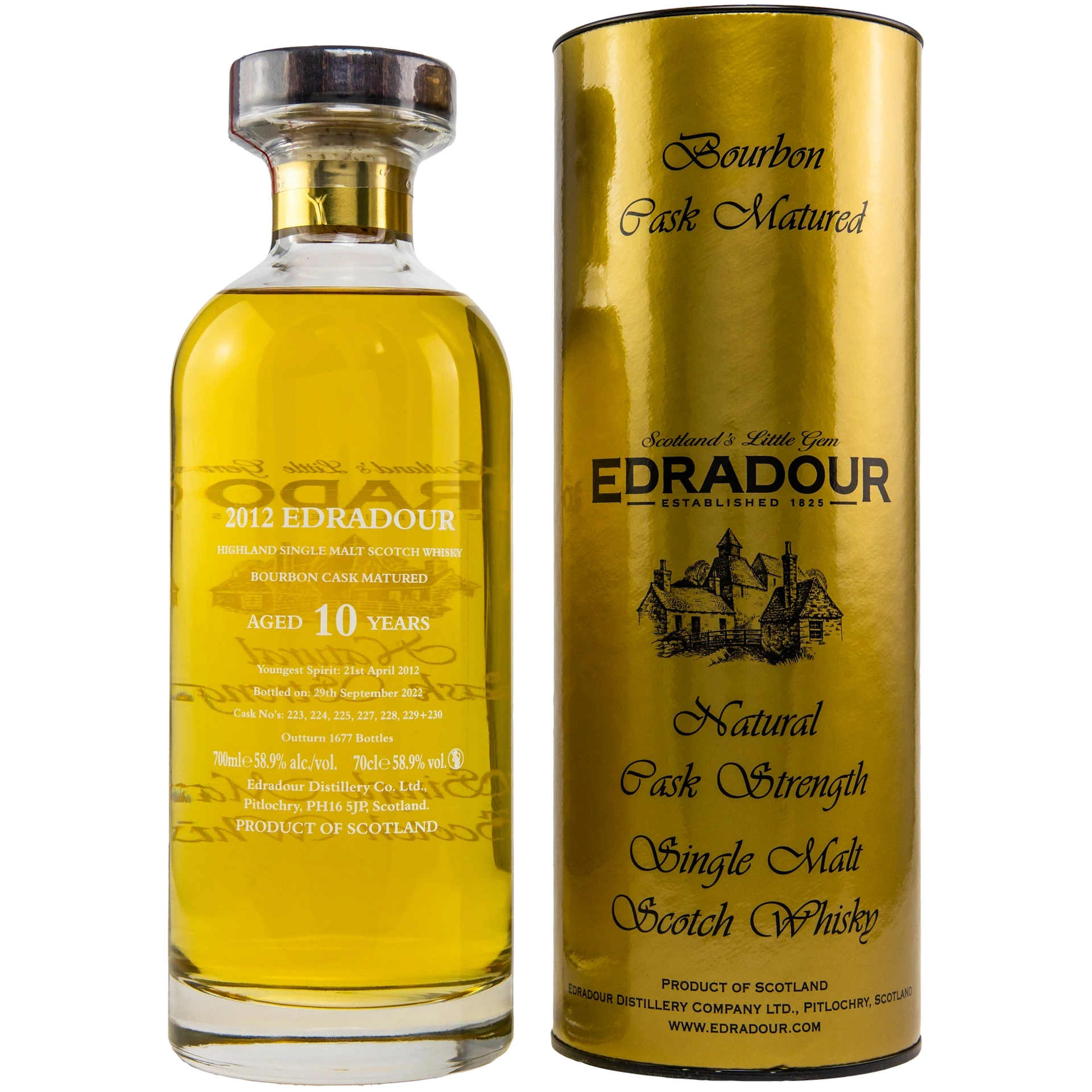
- Highlands: Versatile – from spicy and dry to fruity and complex; ideal if you like variety.
- Lowlands: Lighter, floral, grassy aromas – gentle and often elegant.
-
Campbeltown & Islands: Maritime, spicy, sometimes smoky – strong niche profiles.
Choose a region based on your preference for smoke, fruit, spice, or maritime notes.
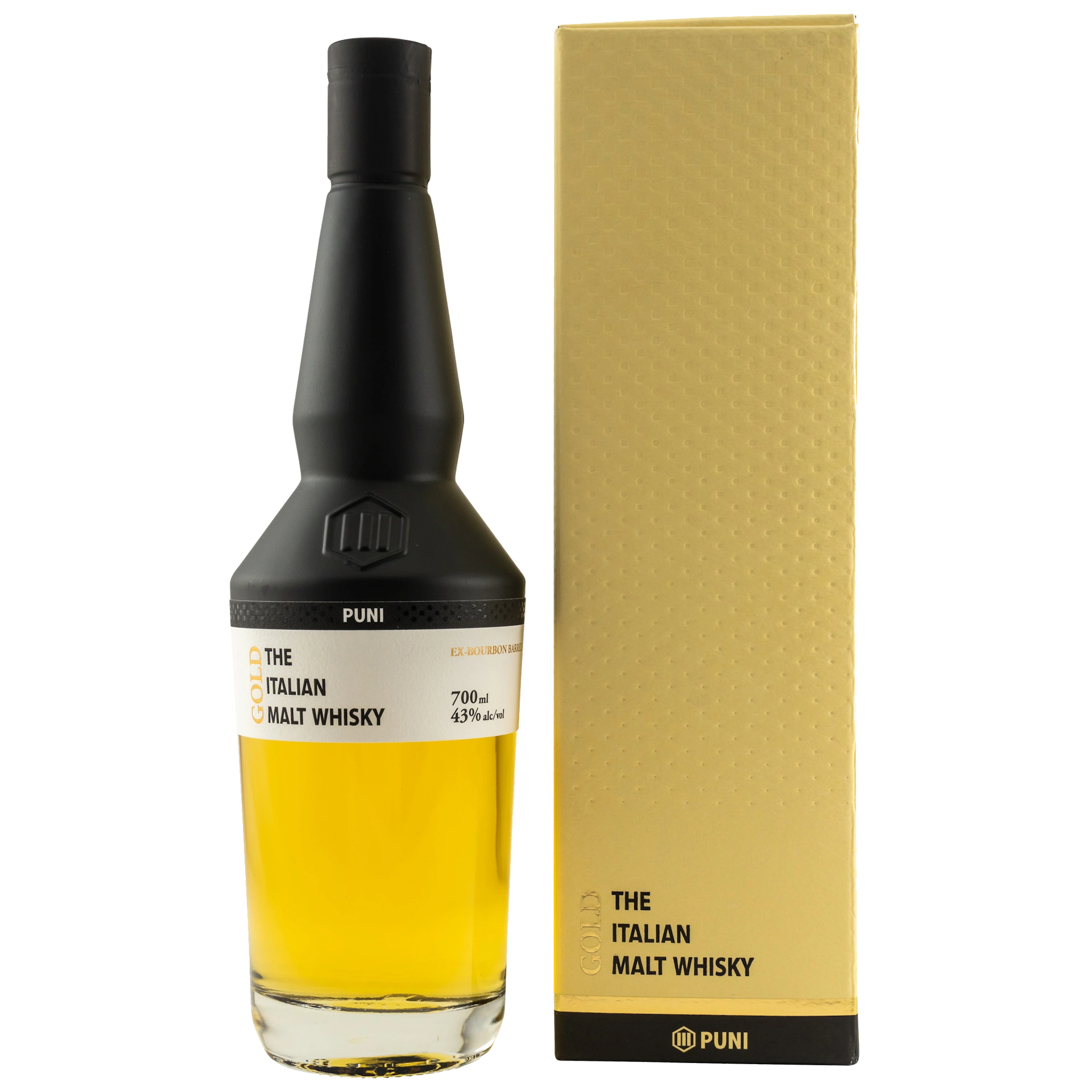
What makes Italian single malts particularly interesting for your enjoyment?
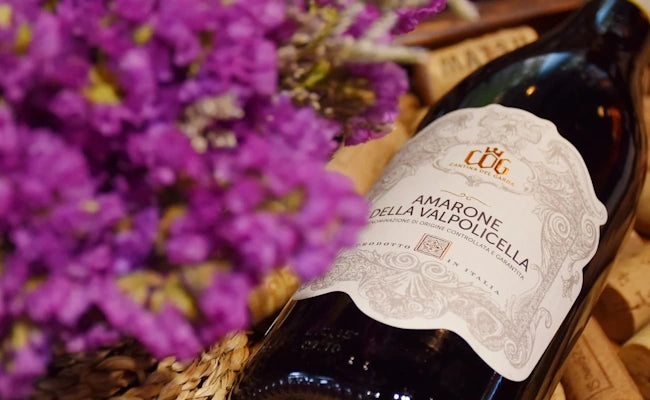
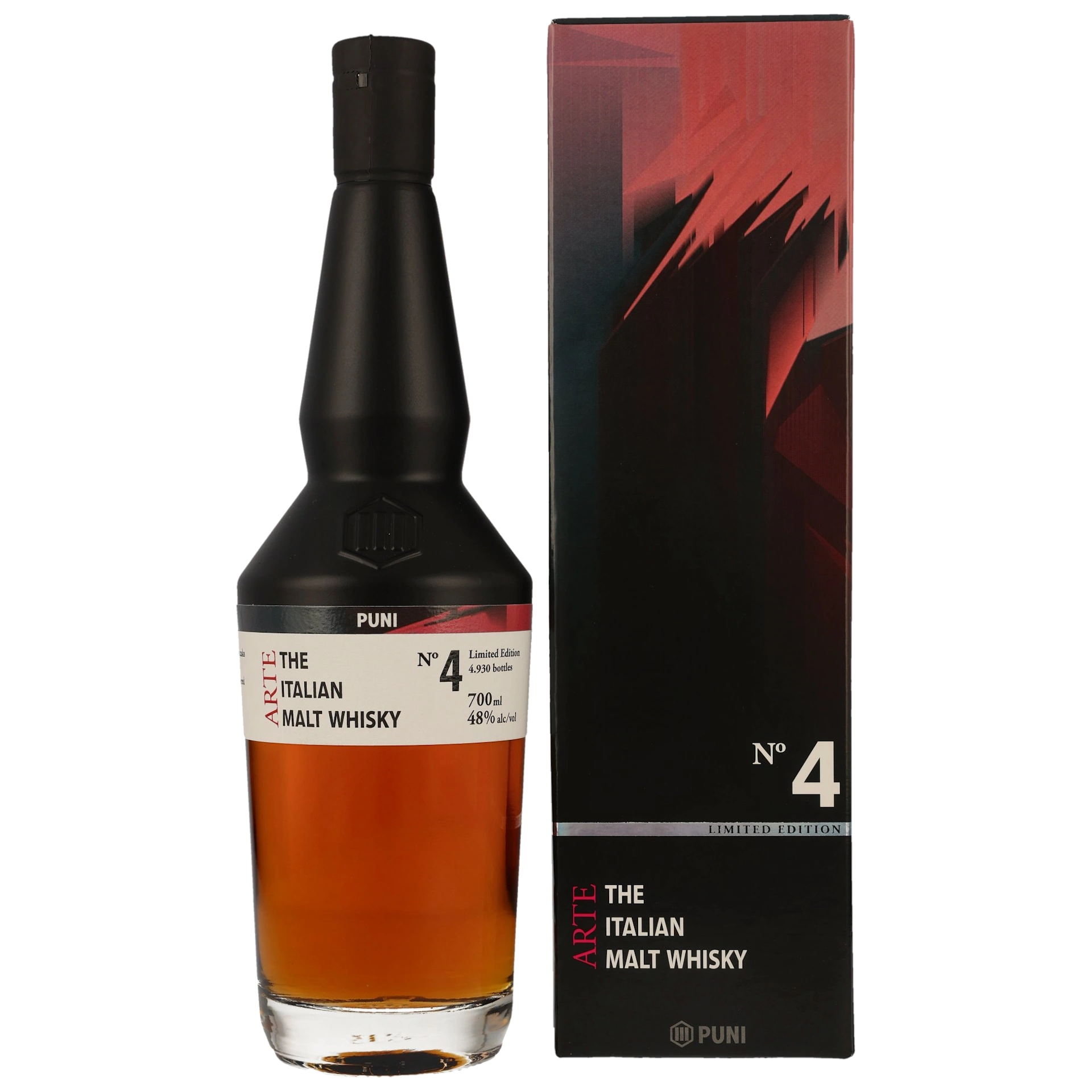
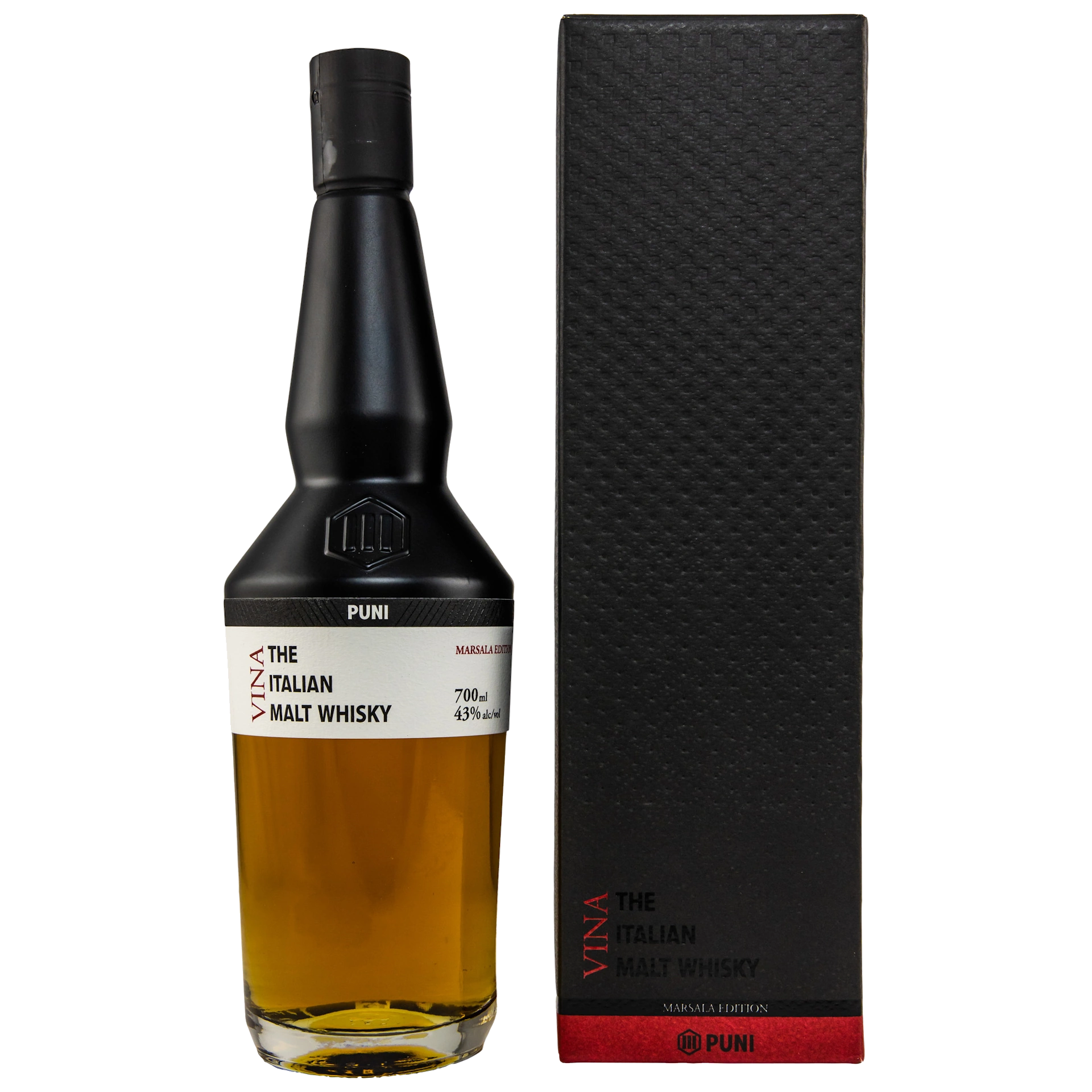
Italian distilleries bring Mediterranean influences to the glass: frequent maturation in wine, Barolo, or Amarone casks, pronounced fruit notes, and often an elegant, spicy balance. If you like cask notes such as dried fruits, tannin notes, or grape variety-specific nuances, you will find Italian single malts to be an exciting addition to classic Scottish profiles.
How do you find the single malt that suits your taste?
- Define what you like: Smoke/peat, fruit/sweetness, spice, or a maritime note?
- Taste by region: A comparison of Islay vs. Speyside quickly reveals preferences.
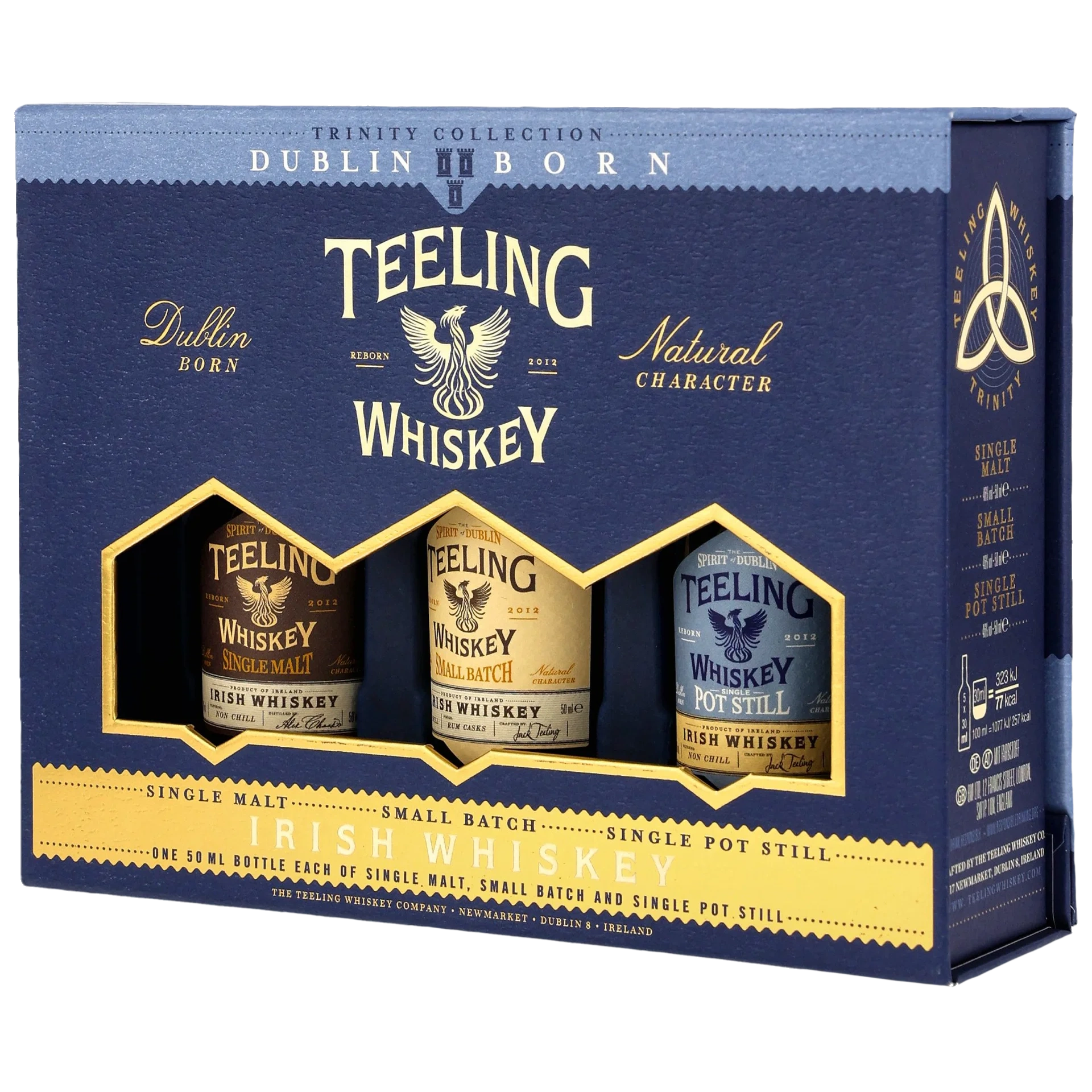
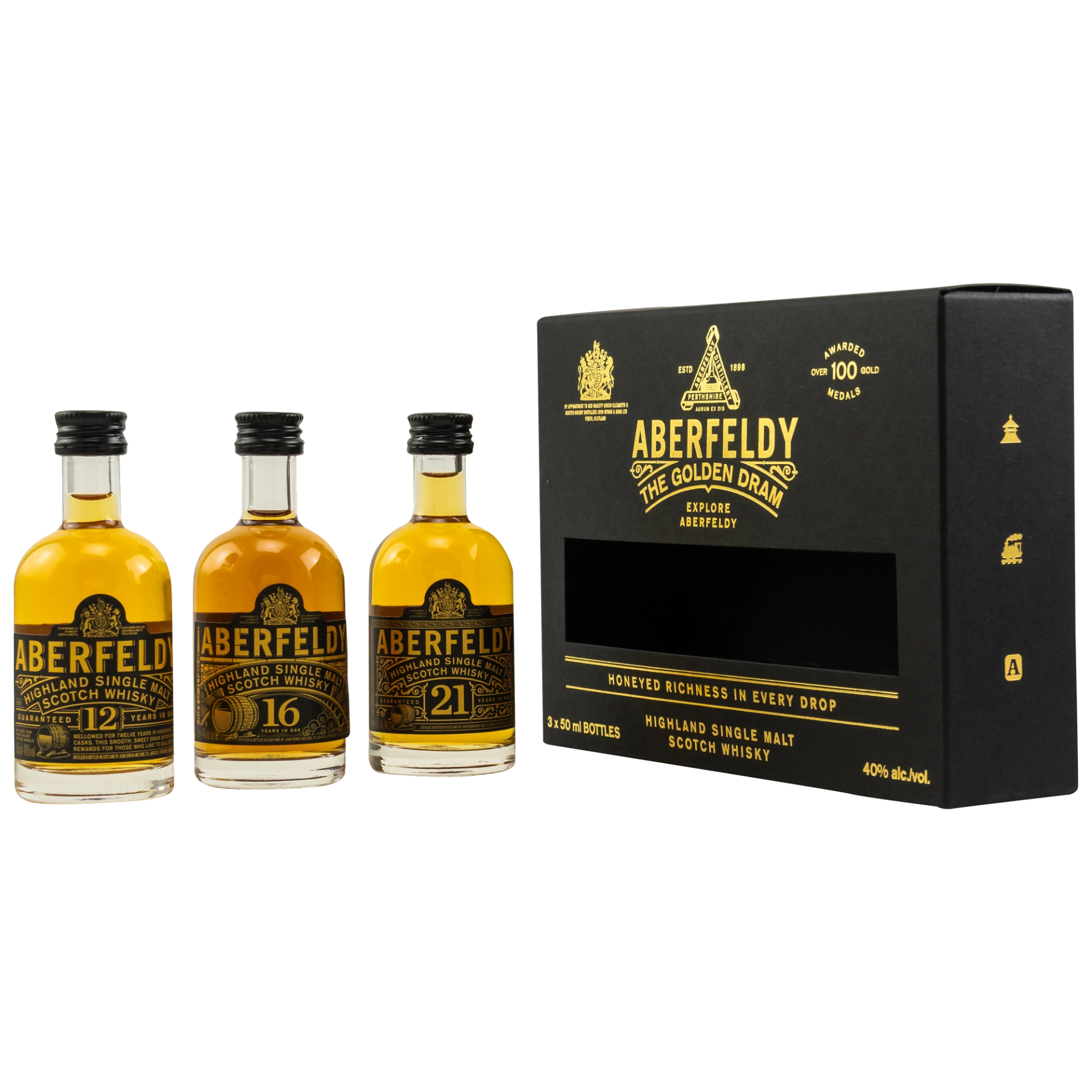
- Use samples/miniature bottles or tastings before investing in full bottles.
- Pay attention to cask type (ex-Bourbon, Sherry, wine), age, cask strength, and whether the whisky is chill-filtered – all of these strongly shape the character.
How to properly taste single malt – simple steps for at home?
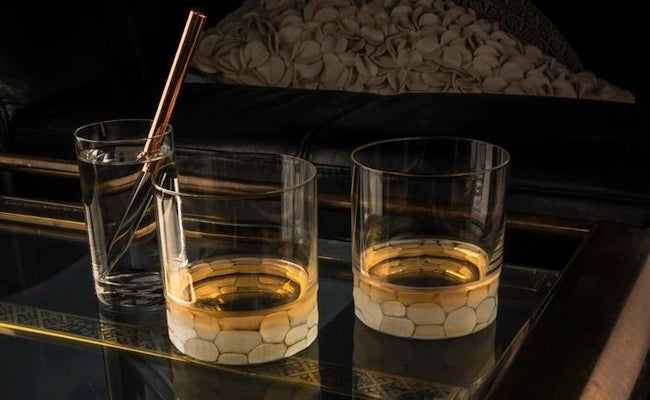
Take a tulip-shaped glass, sniff briefly without strong swirling, then take small sips. Let the whisky work on your tongue: perceive sweetness, acidity, bitterness, and spices. A few drops of water can open up aromas – especially at cask strength. Note down your impressions (nose, palate, finish), and you'll quickly develop a feel for nuances.
What foods pair well with different single malt styles?
Combine small bites deliberately to compare aromas – often a counter-component highlights certain notes.
- Peaty/Islay: Smoked salmon, strong cheeses, dark chocolate.
- Speyside: Fruity desserts, aged cheese, stewed fruits.
- Highlands: Game dishes, stews, mushroom risotto.
- Italian Cask Finishes: Pasta with mushrooms, aged Parmesan, dried fruits.
What should you look for when buying single malt?
Consider the region, cask type, age, and bottling details (cask strength vs. standard). Read tasting notes, but rely on your own samples. For collectors, limited releases or vintage bottlings are worthwhile; for everyday enjoyment, well-rated standard bottlings often offer the best value for money.
How to store whisky correctly at home – and how long does it last?
Unopened, whisky remains virtually indefinitely; store bottles upright, in a dark place, and at a constant temperature. Once opened, you should consume bottles within 1–3 years, especially if there is only a small amount left – oxidation changes aromas over time.