


Gragnano Pasta Series "Tricolore" - Buy Three-Color Italian Pasta

Gragnano Pasta Series "Tricolore" - Buy Three-Color Italian Pasta
What makes La Fabbrica della Pasta di Gragnano's Tricolore Pasta so special?
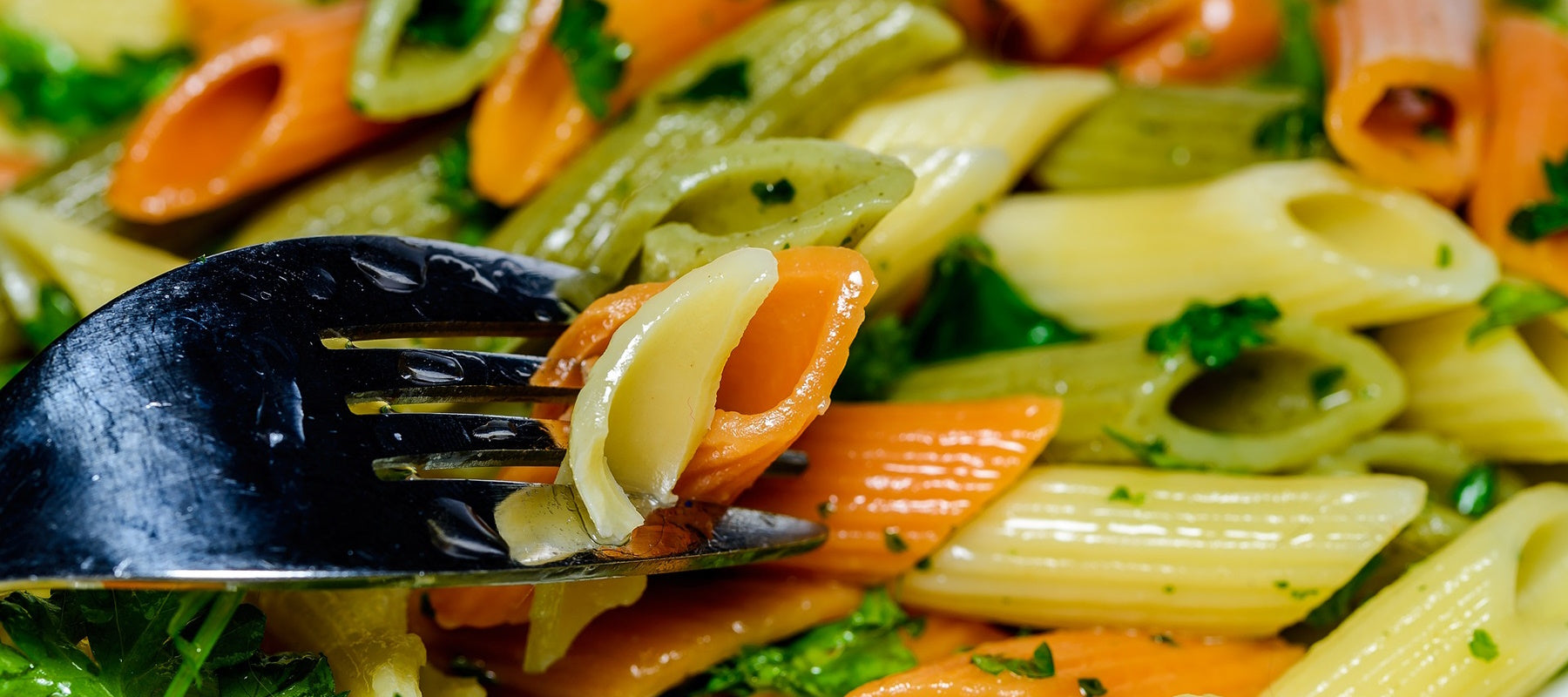
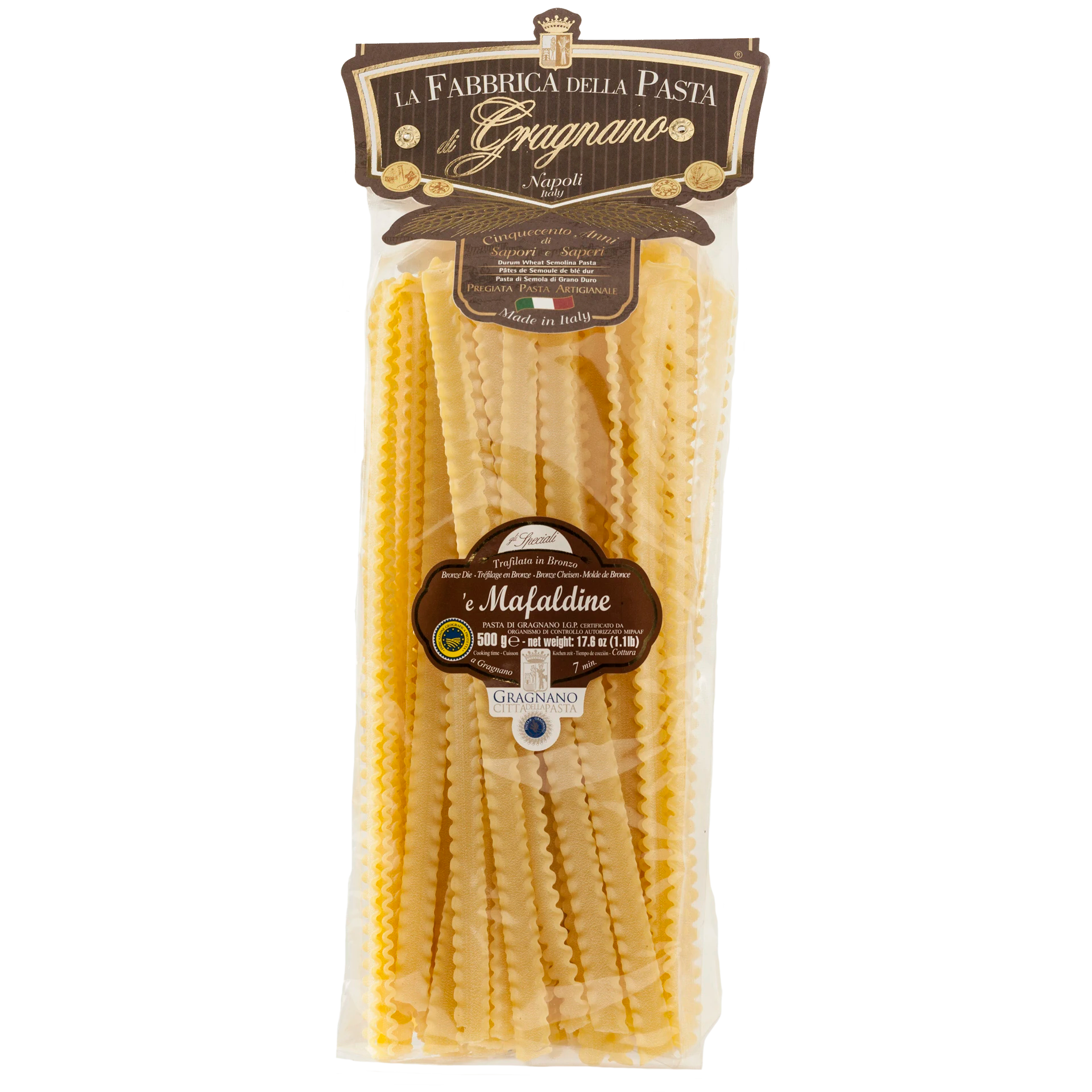
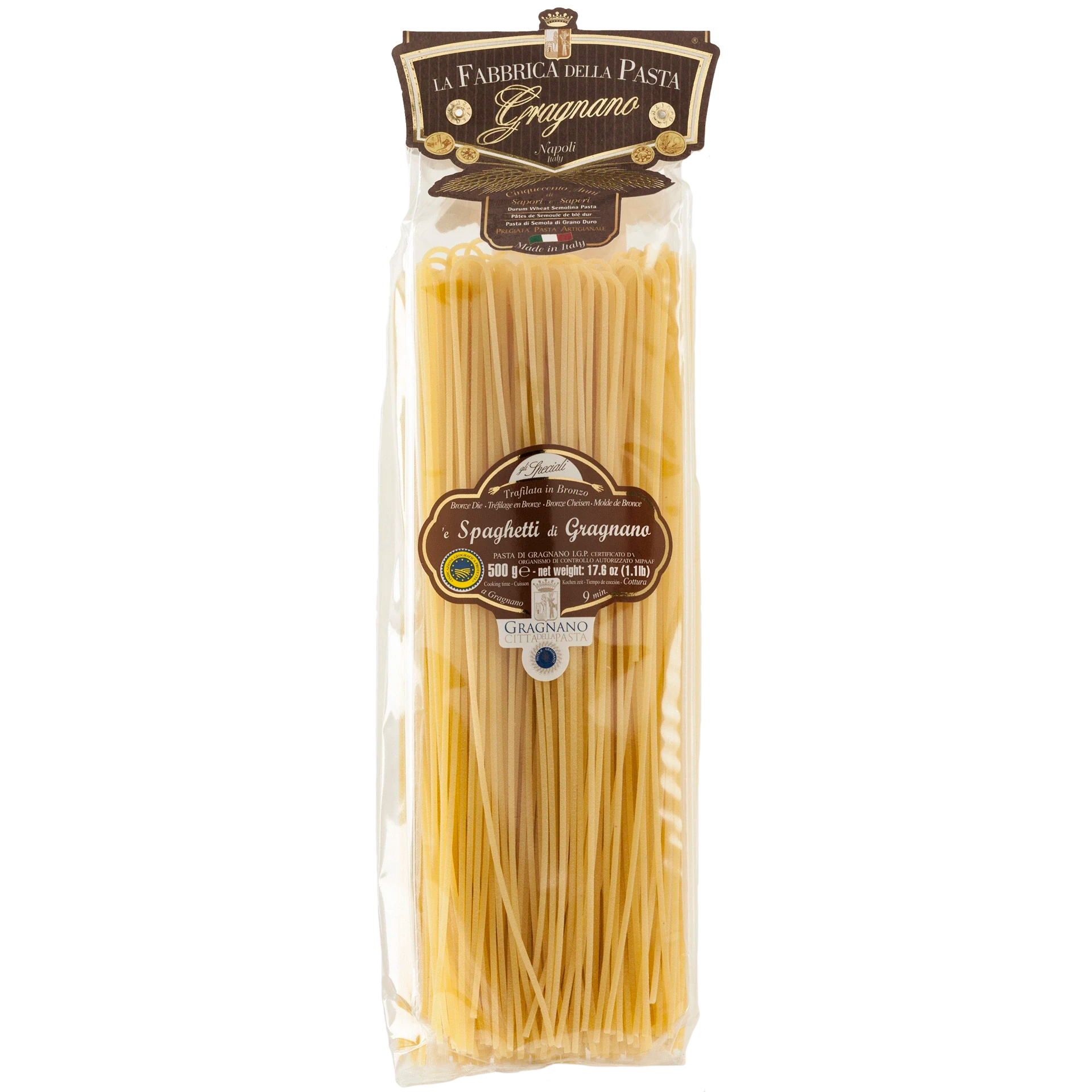
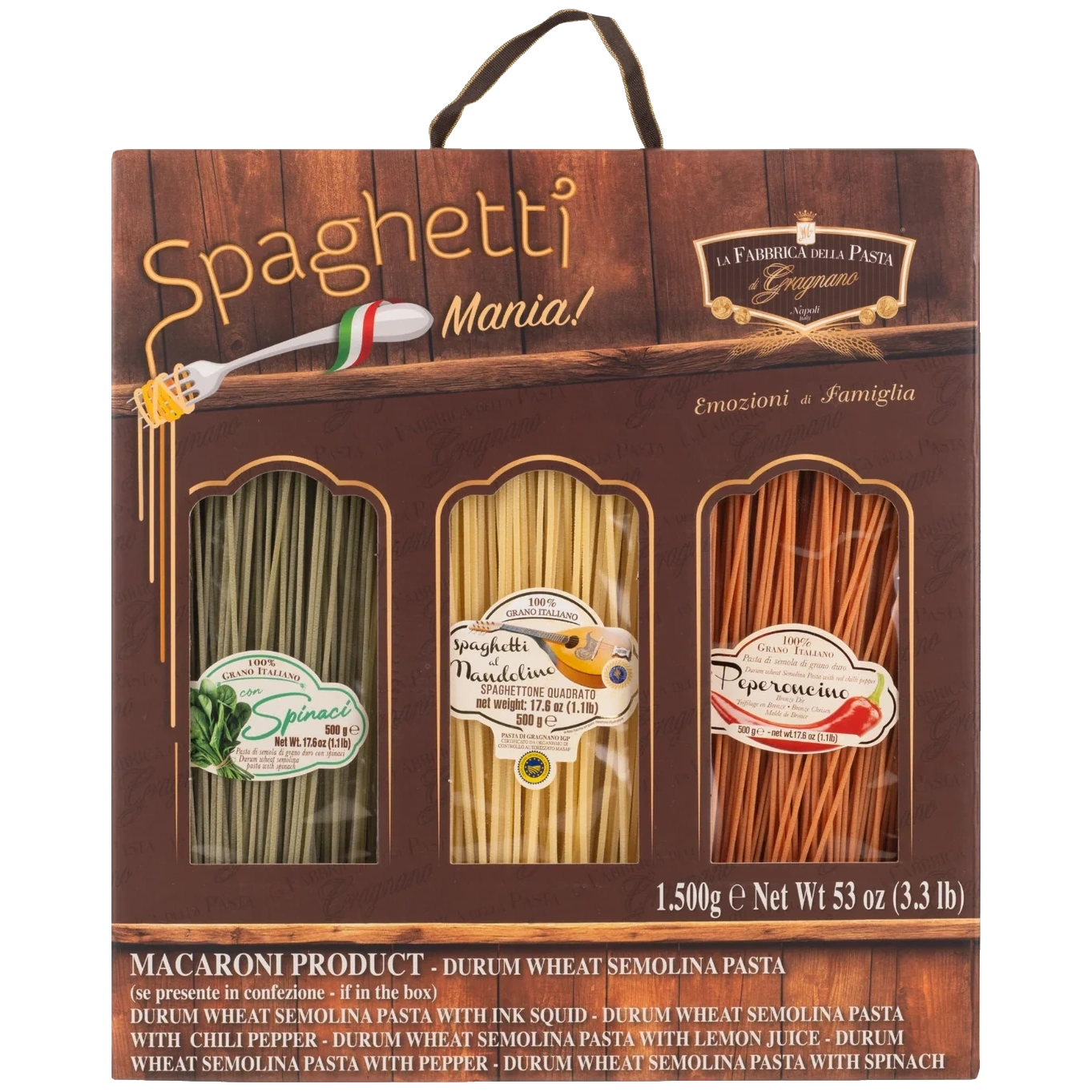
Are you looking for pasta that immediately catches the eye on the plate and delights the palate? La Fabbrica della Pasta di Gragnano's Tricolore Pasta combines Italian craftsmanship with natural coloring and fine aroma. Each color is created by real ingredients — beetroot for the warm red hue, dried spinach for the rich green, and chili powder or sweet paprika for the golden-orange spectrum — not by artificial dyes. Produced in Gragnano, with bronze extrusion and gentle drying, this pasta offers visual appeal, good sauce adhesion, and a texture that remains al dente when cooked.
What ingredients make up Tricolore Pasta and how do they influence the taste?
The base is high-quality durum wheat semolina, refined with powdered natural ingredients: beetroot powder brings earthy, slightly sweet notes; dried spinach provides a fresh, slightly grassy note; chili powder or sweet paprika offer either a mild spiciness or a smoky-sweet seasoning. The flavors are subtly integrated into the dough — the result is a pasta that provides meaningful taste components in addition to color, without dominant foreign flavors. Thus, Tricolore Pasta complements your sauces instead of competing with them.
Which shapes and applications are best suited for multi-colored pasta?
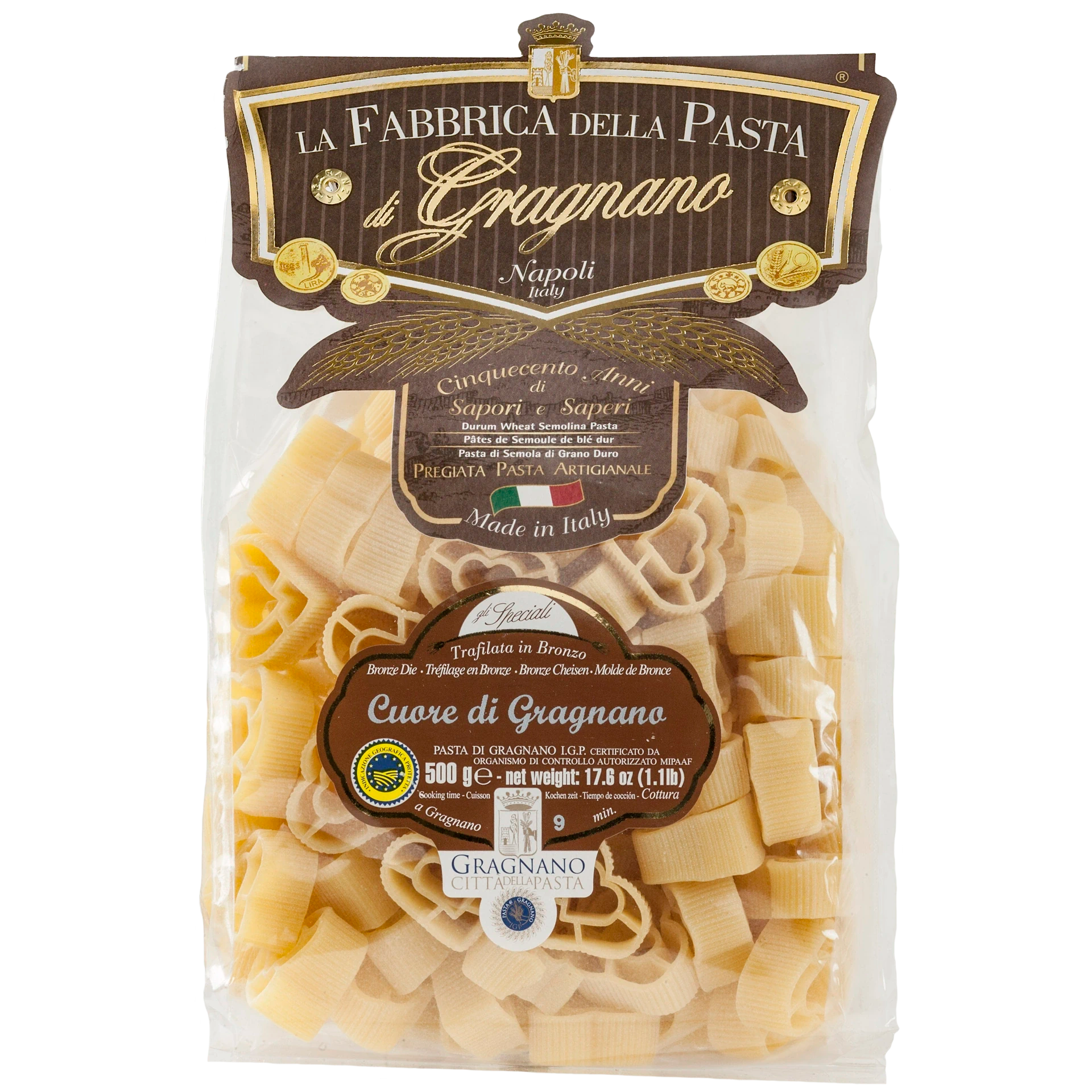
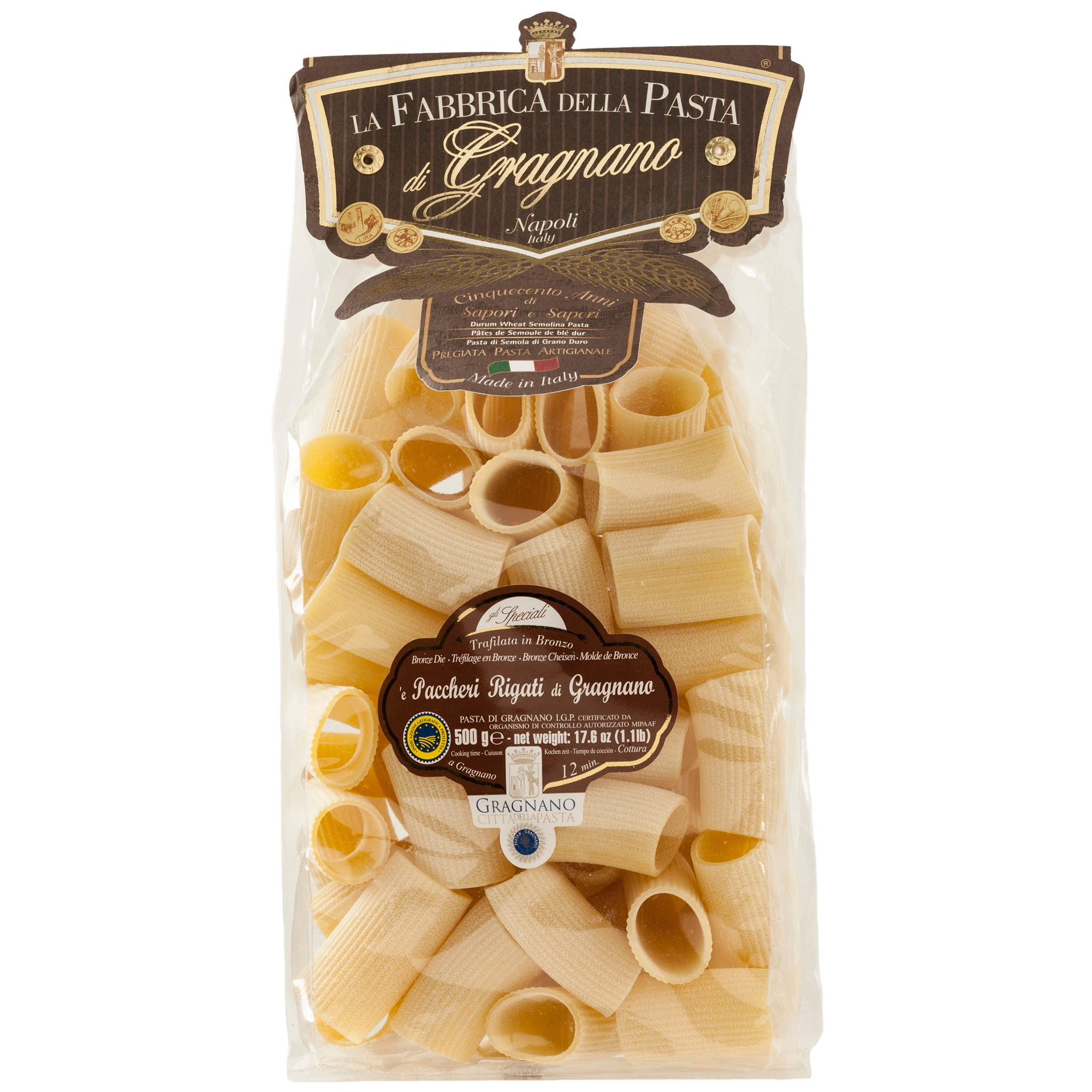
Tricolore often comes in classic shapes like fusilli, linguine, or farfalle — spirals and ridges emphasize the colors particularly effectively. The pasta is excellent for colorful pasta salads, light oil and lemon dressings, vegetable ragouts, and simple, fresh ingredients where the colors can shine. Tricolore Pasta also makes a strong impression as a showpiece at buffets or as a decorative element at celebrations. For baked dishes or gratins, shapes with good sauce adhesion like fusilli or penne are recommended.
How do you best cook and serve Tricolore Pasta to preserve its color and aroma?
Cook the pasta in plenty of lightly salted water — the colors may fade slightly in heavily salted broth. Pay close attention to the recommended cooking time to achieve an al dente texture; taste towards the end. Save some pasta water to thicken sauces creamy and gently distribute the flavors. Serve Tricolore dishes fresh and warm; for pasta salads, quickly cool the pasta with cold water and then marinate it with oil, vinegar, or lemon juice to keep the colors vibrant. Garnishes like fresh herbs, shaved Parmesan, or toasted pine nuts enhance the appearance and taste.
Which sauces and combinations complement the flavors of beetroot, spinach, and paprika/chili?
Because the pasta already brings flavor notes, light to medium-bodied combinations work best: a simple garlic-olive oil dressing, lemon-olive oil emulsions, roasted vegetables, goat cheese or ricotta, and mild tomato sauces. With variants containing chili powder, you can be bolder with spicier sauces; with sweet paprika, smoky aromas (e.g., grilled vegetables) harmonize particularly well. In pasta salads, fresh herbs, citrus notes, and crisp vegetables are perfect partners.
Who is Tricolore Pasta suitable for — everyday use, events, or as a gift?
Tricolore Pasta is ideal for anyone who values aesthetics and taste in cooking: creative home cooks, hosts, caterers, and gift shoppers. It brings color into everyday life but is equally suitable for special occasions and as an attractive component of gift sets (e.g., combined with excellent olive oil, a matching sauce, or a terracotta plate). Customers looking for a special product with a story appreciate its origin, natural ingredients, and the artisanal production from Gragnano.
Why is it worth investing in multi-colored pasta from Gragnano?
You're not just buying a pretty product, but a piece of culinary craftsmanship: regional production, bronze extrusion, and gentle drying ensure better texture and sauce adhesion. The natural ingredients for the colors give the pasta a meaningful flavor note and a strong visual story that is easy to market — whether as a premium product in a shop or as a highlight in gift boxes. Quality pays off: less overworking when seasoning, more convincing presentation, and a recognition value that delights buyers.