



Buy Cabernet Sauvignon Red Wines Online

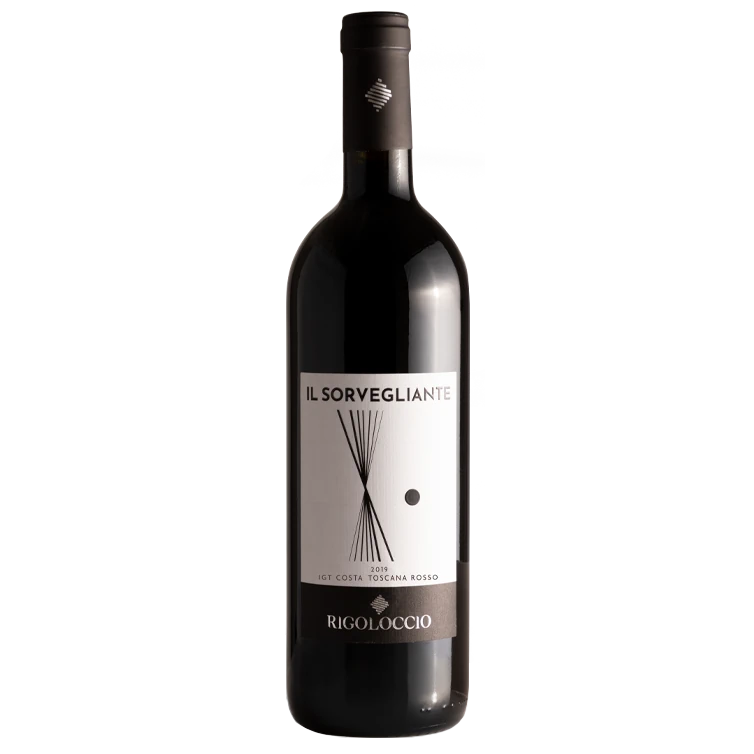
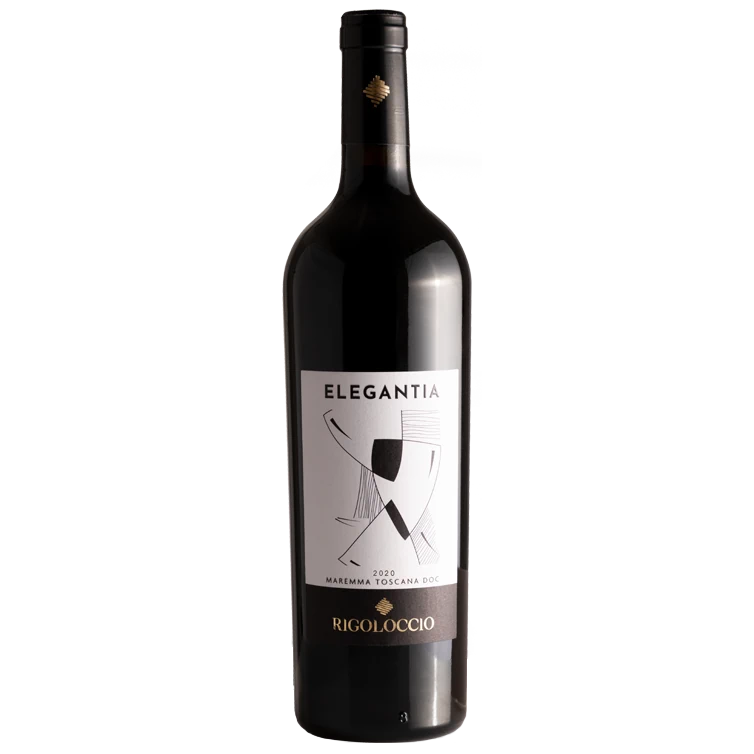
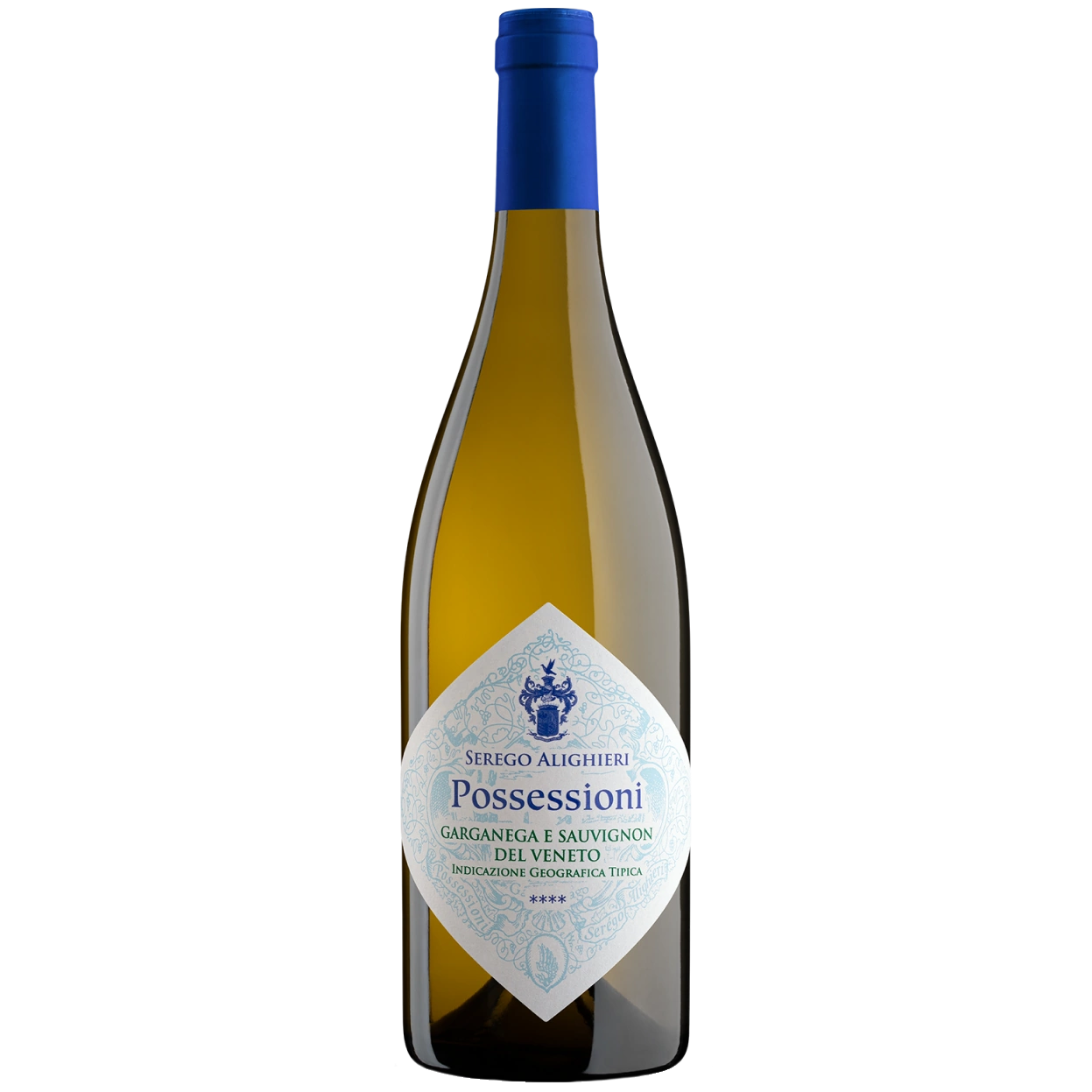
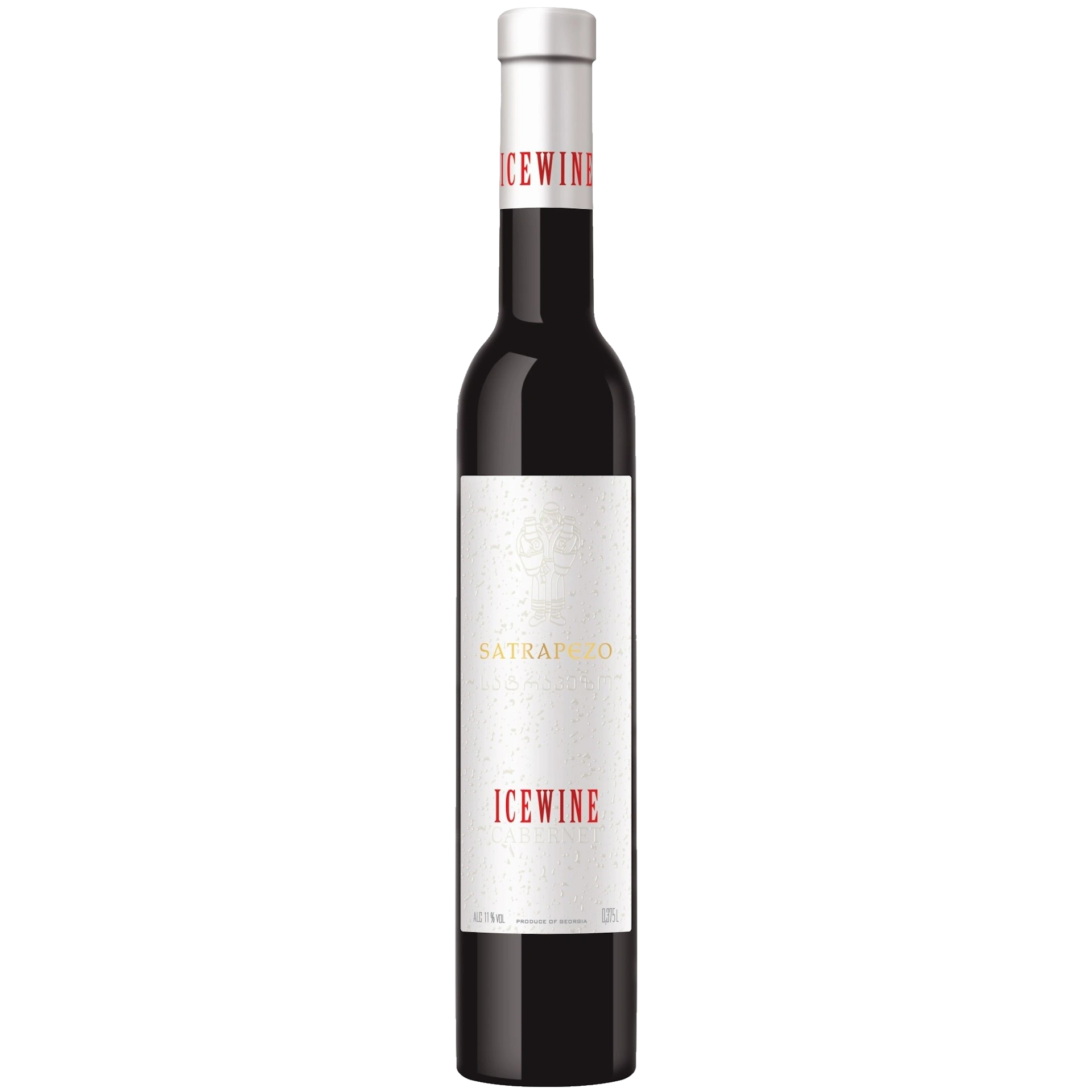
Buy Cabernet Sauvignon Red Wines Online
Cabernet Sauvignon — powerful, distinctive and popular
Whether from Germany's steep slopes or Italy's sunny regions: Cabernet Sauvignon offers a reliable combination of dark fruit, spicy aromas and well-structured tannins. If you are looking for wines that combine concentration, aging potential and clear structure — whether as a varietal expression or in blends — then Cabernet Sauvignon is a grape variety you should discover.
Origin & Character — what defines Cabernet Sauvignon?
Cabernet Sauvignon originated as a natural cross between Cabernet Franc and Sauvignon Blanc in Bordeaux. Typical characteristics include deep dark aromas of blackcurrant, cassis, blackberry, as well as notes of green pepper, tobacco, cedar, black pepper, and often a mineral undertone. The grape variety brings distinctive but fine-grained tannins, a solid acidic backbone, and high aging potential — ideal for aging in wood and longer bottle maturation.
- Cabernet in Germany — cool character with precision In Germany, Cabernet Sauvignon shows a unique, often more elegant side: In warmer sites (e.g., Rheinhessen, Pfalz, Baden, Saale-Unstrut), the grape ripens sufficiently but more often develops a finer fruit expression and a lively acidity than in hotter countries. German Cabernets are usually slightly lower in alcohol, possess clear fruit and fine, delicate tannins. Winemakers focus on targeted yield reduction, longer ripening on the vine, and moderate use of wood to preserve freshness and typicity. In blends (e.g., with Merlot, Dornfelder, or Pinot Noir components), Cabernet adds structure and aging potential.
-
Cabernet in Italy — powerful, sun-drenched and regionally adapted Italian Cabernets ripen in very diverse climates: in Northern Italy (Piedmont, Veneto, Tuscany), they display elegant freshness and structure; in warmer regions (Tuscany, Sicily, Puglia), they often show warmer, riper fruit and more extract. In Tuscany, Cabernet Sauvignon is frequently a component of renowned blends (e.g., "Super Tuscans") and is combined with Sangiovese or Merlot to achieve depth, structure, and international appeal. Italian aging styles range from clearly fruity, medium-bodied wines to opulent, long-aged bottles with intense barrique toast.
Terroir & Vineyard Management — what matters most?
Cabernet prefers well-drained soils — gravel, scree, calcareous loam, and well-aerated slopes promote optimal ripeness. Pruning, canopy management, and yield control are crucial: excessively high yields lead to thin, unbalanced wines. Exposure (south- to southwest-facing slopes) and cool nights promote aromatics and acid balance. In cooler German sites, the choice of the right location determines quality; in Italy, winemakers use hillside and high-altitude vineyards to preserve freshness despite the warmth.
Vinification & Aging — how does cellar style influence the wine?
Cabernet Sauvignon is very sensitive to aging:
- Stainless steel tank: emphasizes primary fruit, freshness, and drinkability.
- Barrique/New wood: imparts vanilla, cedar, and roasted notes, rounds tannins, and increases complexity.
- Long maceration & controlled fermentation temperatures: extract color and tannin without bitter aromas.
-
Blends: Cabernet complements Merlot, Cabernet Franc, local varieties, or German grape varieties to create a balance between fruit, acidity, and tannin.
For maximum aging potential, focus on moderate extraction, targeted wood use, and slow maturation.
Aroma Profile & Style Variants — what will you find in the glass? Depending on origin and aging, profiles range from fresh cassis fruit and green notes to rich blackberry, tobacco, coffee notes, and balsamic spice. German variants tend to be more delicate and acidic; Italian ones are often denser, higher in alcohol, and more wood-influenced. When young, many Cabernets are closed and benefit from decanting; when aged, they show complex tertiary notes such as leather, graphite, and dried herbs.
Food Pairing — which dishes harmonize with Cabernet? Cabernet Sauvignon pairs excellently with grilled or braised beef, lamb, game, aged hard cheese, intense tomato and herb dishes, and BBQ with smoky aromas. In combination with spicy sauces, dark chocolate, or mushroom dishes, it reveals its full range.
Serving Tips & Storage — how to get the best out of it
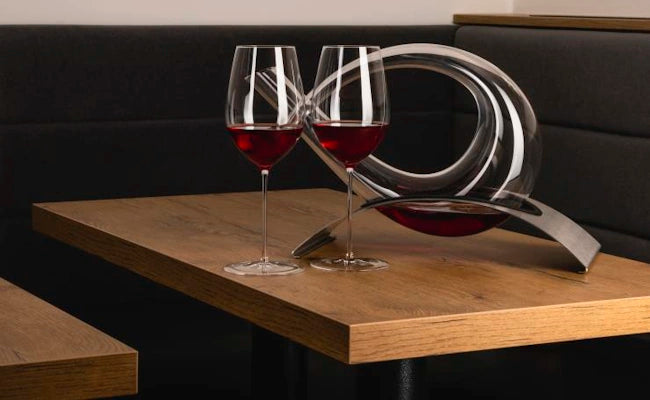
Serving temperature 16–18 °C; more powerful, aged wines benefit from decanting (30–90 minutes). Large Bordeaux glasses with a wide bowl support aroma release and mouthfeel. For storage: cool, dark, consistent (approx. 12–14 °C), and lying down for cork closures; high-quality Cabernets can age 8–20 years (or longer).
Buying & Tasting Tips — what should you look for?
- Origin: Compare German terroirs (Rheinhessen, Pfalz, Baden) with Italian regions (Tuscany, Piedmont, Veneto).
- Aging: Label information on barrique, barrel aging, and blends provides clues about the style.
- Alcohol & Balance: Pay attention to the interplay of alcohol, acidity, and tannin — this ensures drinkability.
- Vintage: In cooler years, German Cabernets benefit from sunny periods; in Italy, warm vintages yield more extract, cool years more tension.
- Blends vs. varietal: Blends can offer more balance, while varietal Cabernets showcase the grape's pure expression.
Who is Cabernet Sauvignon for?
As a connoisseur, host, or collector, Cabernet is worthwhile if you appreciate expression, aging potential, and powerful aromas. German Cabernets often offer fine elegance and drinkability; Italian interpretations bring Mediterranean fullness and spice. Both countries deliver exciting, distinct variants — ideal for collecting, gifting, or accompanying intense meals.
Conclusion — why discover Cabernet?
Cabernet Sauvignon is a versatile, reliable variety that tells its own stories in Germany and Italy: from delicate precision to sun-drenched power. Try different regions, vintages, and aging styles, combine varietal bottles with blends, and experience how Cabernet reveals new facets in every glass — powerful, long-lasting, and always full of character.