



Buy Liqueur from Italian distilleries
Buy Liqueur from Italian distilleries
What makes Italian liqueurs so special for you?
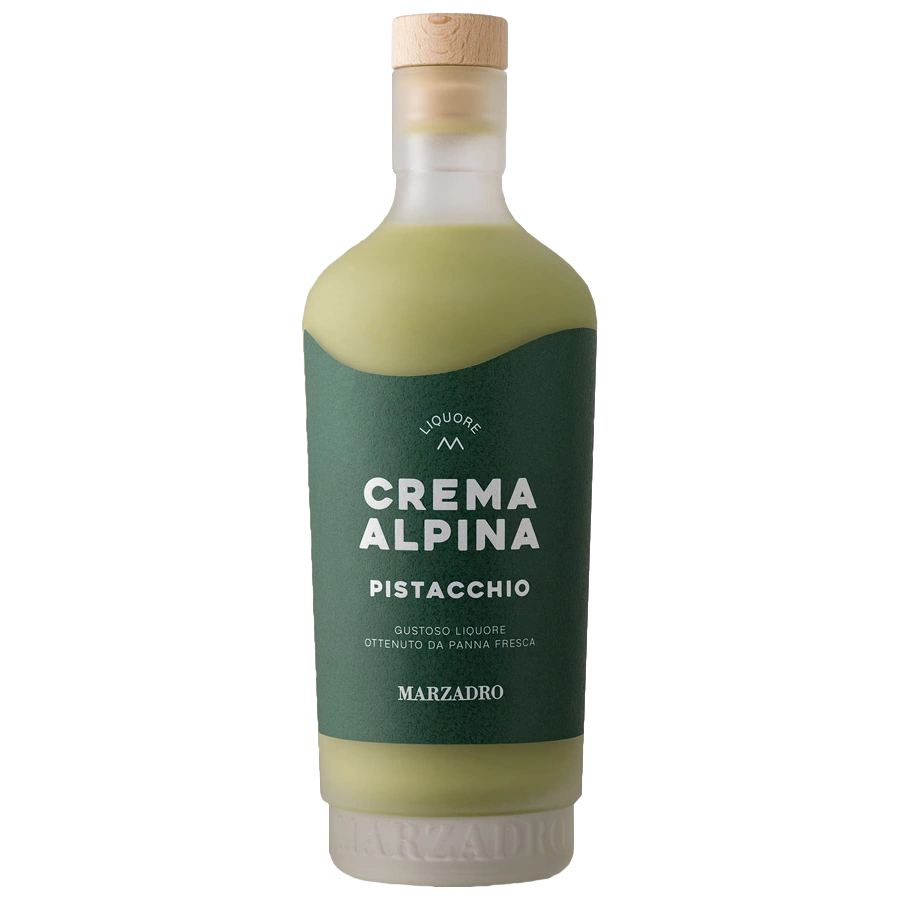
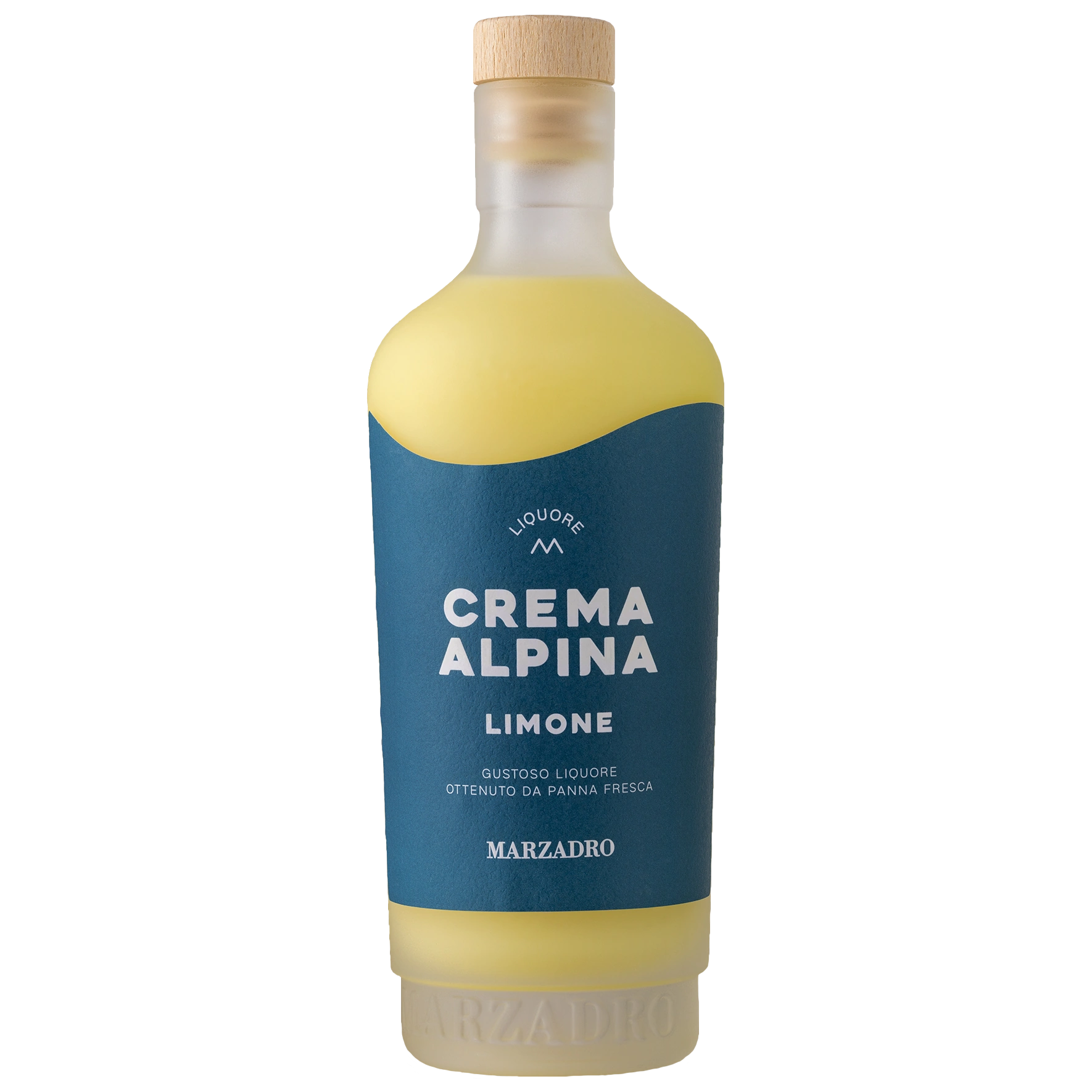
Italian liqueurs combine local ingredients, traditional recipes, and intense flavors. Whether it's a fresh Limoncino made from Sorrento lemons, a creamy pistachio liqueur with an intense nutty taste, or a smooth hazelnut liqueur – you get products that deliver pure enjoyment, elevate desserts, and refine cocktails. Producers often rely on real ingredients instead of artificial flavors, and you can taste the difference immediately.
What's the difference between Limoncino and lemon liqueur — and when do you choose which?
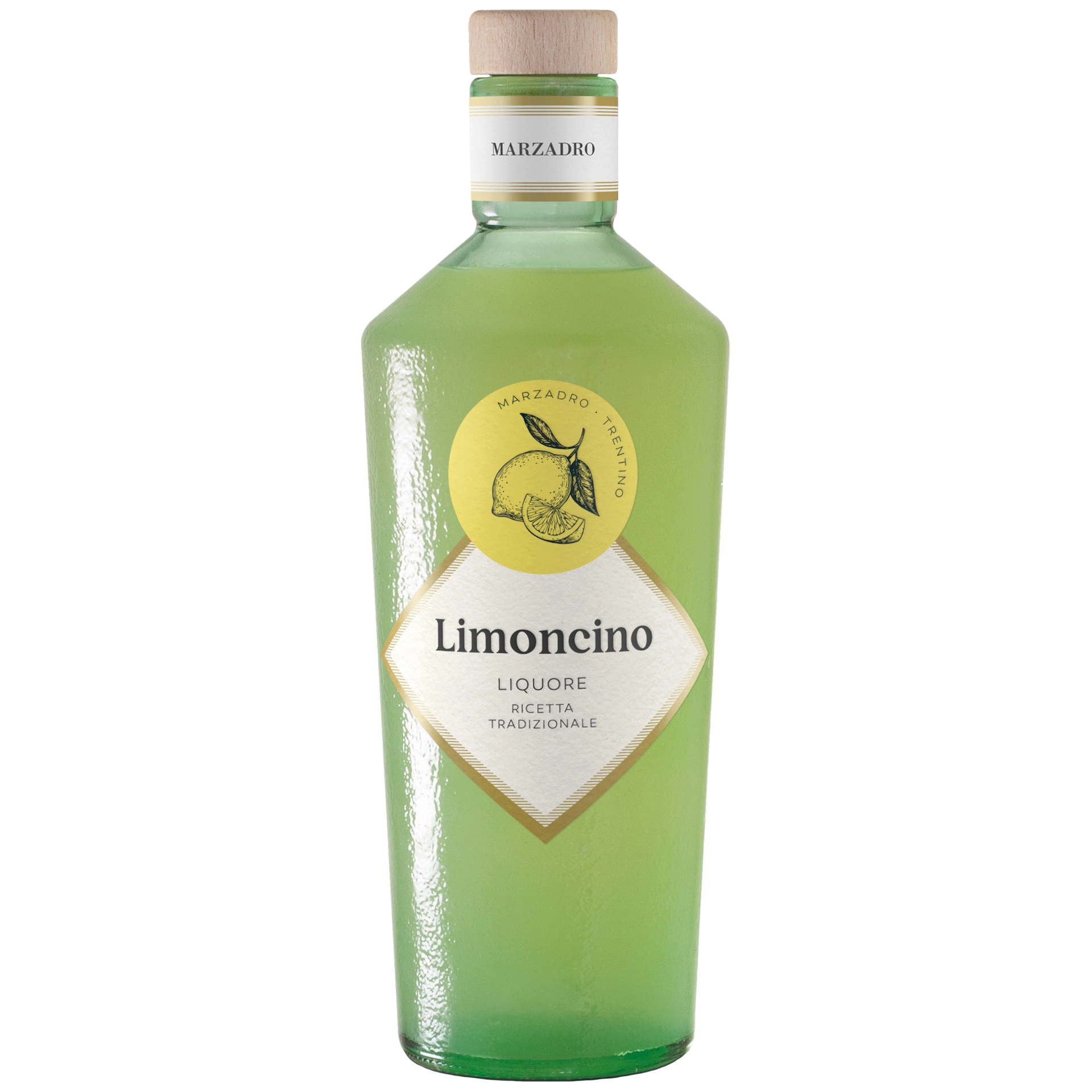
Limoncino (Limoncello) is the classic, usually clear-yellow lemon liqueur from Southern Italian tradition, often intense, fresh, and quite sweet – ideal served ice-cold as a digestif. Lemon liqueurs in general can vary: some are more elegant, less sweet, and with a finer lemon aroma. Choose Limoncino if you're looking for the typical, robust summer taste; choose a finer lemon liqueur if you prefer a milder finish or for cocktail use.
What distinguishes pistachio and hazelnut liqueurs — how do they really taste?
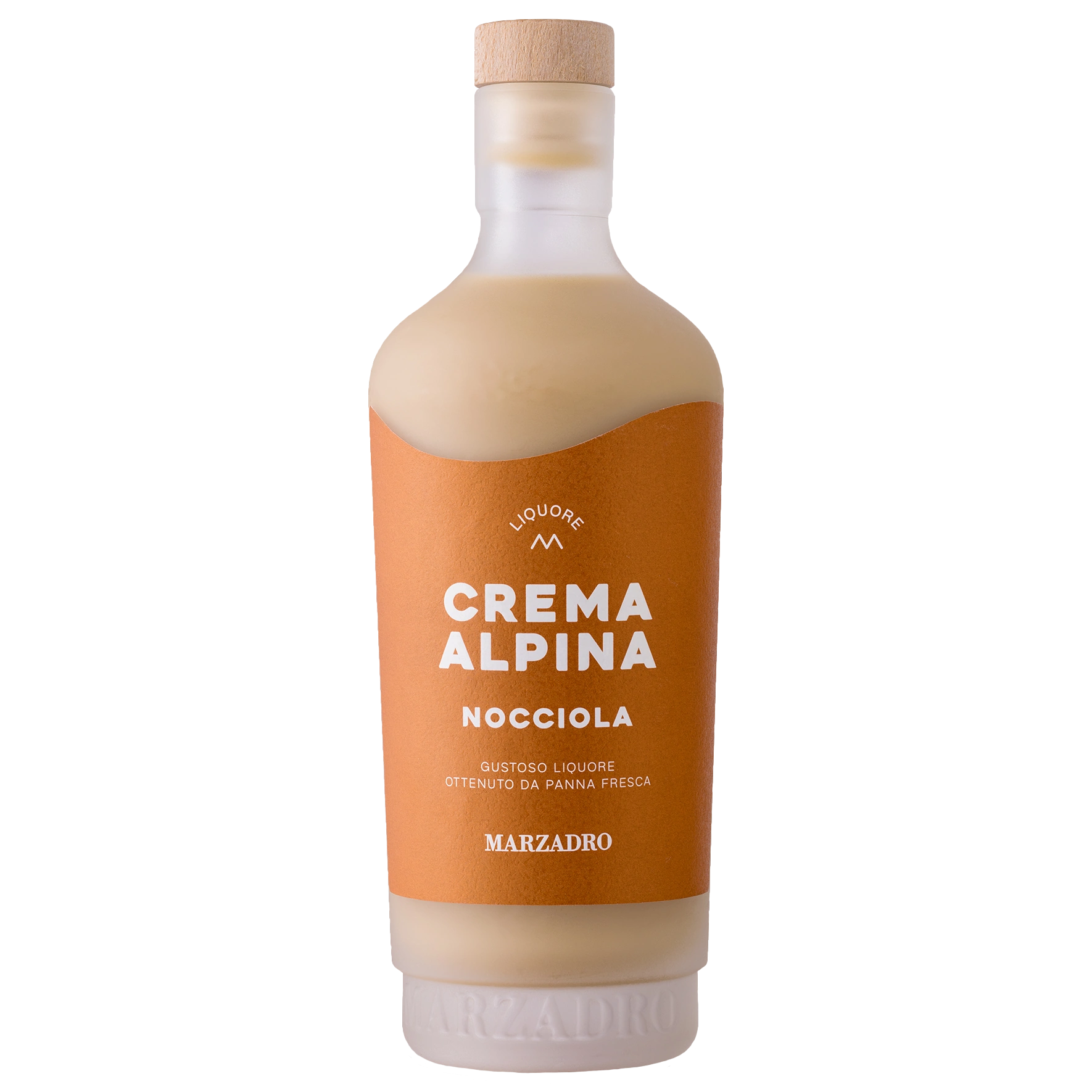
Pistachio liqueur offers an intense, slightly buttery, green-nutty aroma with floral undertones; high-quality versions use real pistachio extracts or macerations. Hazelnut liqueur (e.g., Nocciolato style) provides warm, roasted-caramel notes, often with a creamy texture. Both are suitable neat, on the rocks, or as a flavoring in coffee and dessert variations. Pay attention to natural ingredients: with real nut liqueurs, the nutty aroma is deep and long-lasting, not just sweet.
How do you properly serve liqueurs so that their taste and aromas come into their own?
- Limoncino/Lemon Liqueur: Serve very well chilled, ideally in small, narrow glasses as a digestif.
- Pistachio & Hazelnut: Slightly chilled or at room temperature in nosing glasses, neat or with ice; creamy varieties also as a dessert accompaniment.
- Cocktails: Use small amounts as flavor boosters (0.5–2 cl) in martinis, espresso cocktails, or dessert drinks.
- Food Pairing: Lemon liqueurs with sorbets, scones, or Prosecco; nut liqueurs with chocolate, tiramisu, coffee, or panettone.
Which cocktails and mix ideas work particularly well with these liqueurs?
- Limoncino Spritz: Limoncino + Prosecco + Soda, lemon zest.
- Pistachio Espresso Martini: Espresso + Vodka + Pistachio Liqueur (small amount) + Coffee Liqueur.
- Hazelnut Old Fashioned: Whiskey + small splash of Hazelnut Liqueur + Sugar + Bitters.
- Dessert Float: Vanilla Ice Cream + Hazelnut/Pistachio Liqueur + toasted nuts on top.
Small doses of liqueur are often enough to add depth without overly sweetening drinks.
How do you use liqueurs in the kitchen — simple recipes and tricks?
- Baking: Liqueurs in creams, glazes, or doughs add aroma (e.g., hazelnut tiramisu, pistachio panna cotta).
- Desserts: A few drops over ice cream, panna cotta, or fruit salad intensify flavor.
- Sauces: Lemon liqueur is suitable for reduction with butter for fresh dessert sauces.
- Coffee: A shot of nut liqueur in espresso or latte gives a restaurant feel at home.
How do you recognize high-quality liqueurs when buying?
Look for: clear ingredient declarations (real fruit peels, nuts instead of flavors), origin (e.g., IGP lemon), alcohol and sugar content, color without artificial additives, and transparent production information (maceration, duration, filtration). Natural products often have more intense, complex aromas and a less sweet aftertaste.
How do you store liqueurs correctly to keep them fresh for a long time?
Store unopened in a dark, cool place. After opening: refrigerate Limoncino and clear liqueurs; creamy nut liqueurs should also be refrigerated and consumed within a few months. Seal bottles airtight to prevent oxidation; store them upright.
What gift ideas and sets are worthwhile with liqueurs?
Combine liqueur with matching accessories: small nosing glasses, recipe cards, mini Prosecco, or fine chocolates. Themed sets (e.g., "Italian Dessert Indulgence" with Limoncino + Pistachio Liqueur + recipe) are particularly popular as stylish gifts.
Are there any dietary or allergy notices you should be aware of?
Nut liqueurs contain hazelnut or pistachio — not suitable for nut allergies. Pay attention to the declaration of milk components in creamy varieties. For fruit liqueurs, check ingredients for citrus allergies. Be aware of alcohol content, especially for children or sensitive individuals.
How do you choose the right liqueur for your needs — practical buying guide?
- For light, refreshing drinks/summer → Limoncino.
- For desserts, coffee, and winter flavors → Hazelnut Liqueur.
- For creative cocktails and special flavor depths → Pistachio Liqueur.
- For versatile cooking & mixology → fine lemon liqueur with moderate sweetness.
Start with small bottles if you're new, or a tasting set with 2-3 varieties.
Final tip for maximum enjoyment
Don't just try liqueurs neat, but combine them specifically with food, ice cream, or in cocktails. Small experiments (a drop in dessert, a mini shot in coffee) quickly show which variety will become your favorite. When buying, pay attention to natural ingredients and origin information – this way you get the most out of every glass.