

Buy Corvina, Rondinella & Molinara Red Wines from Veneto


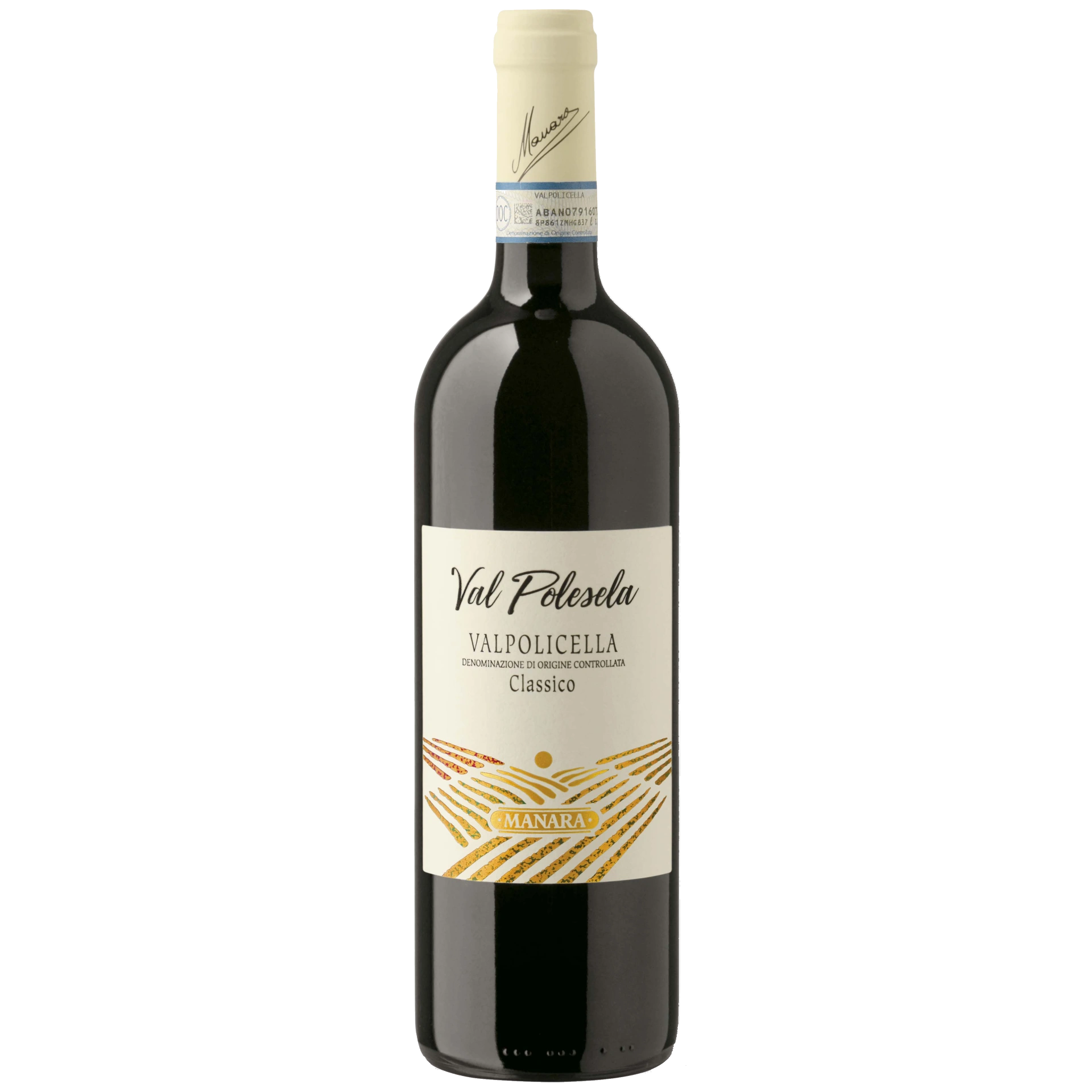
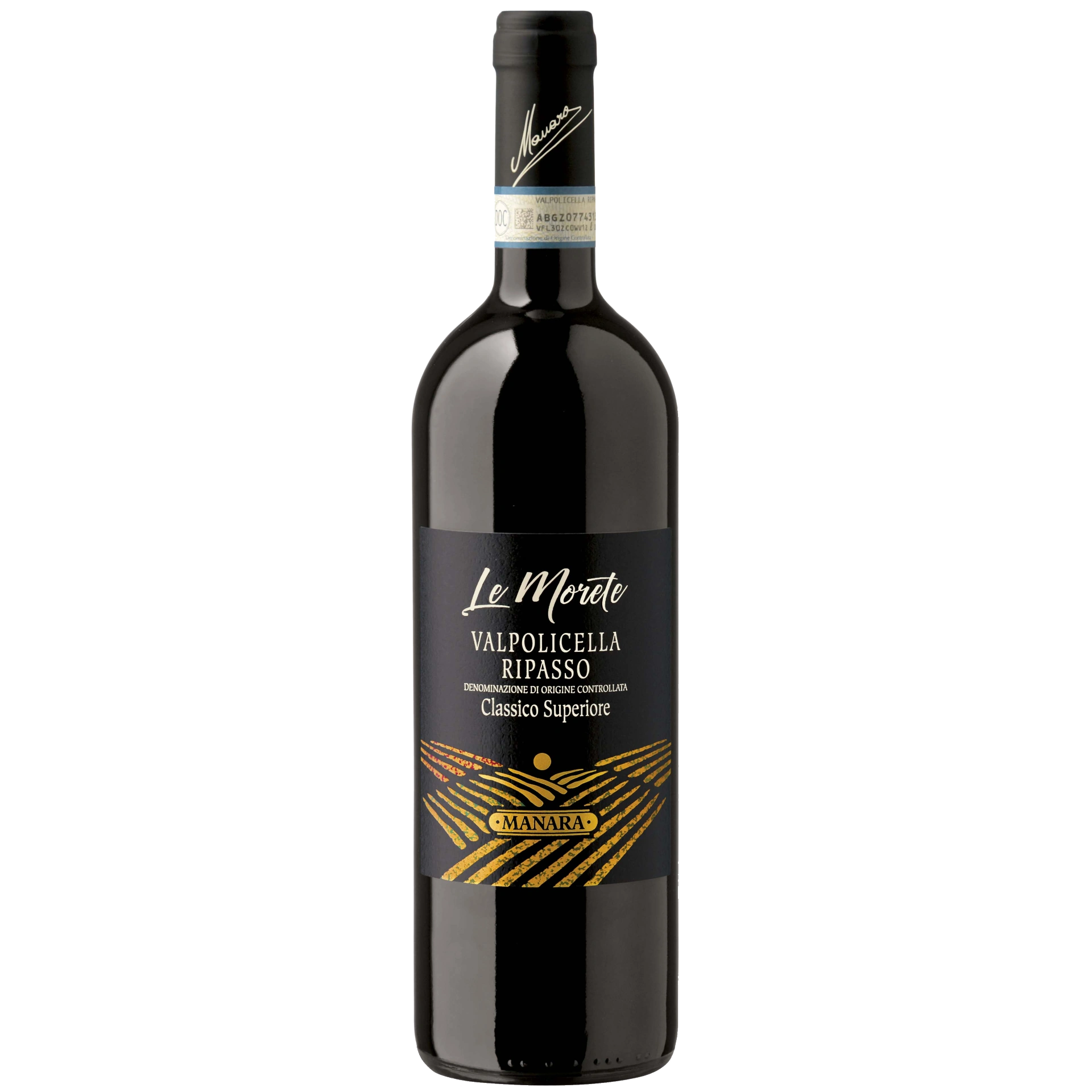
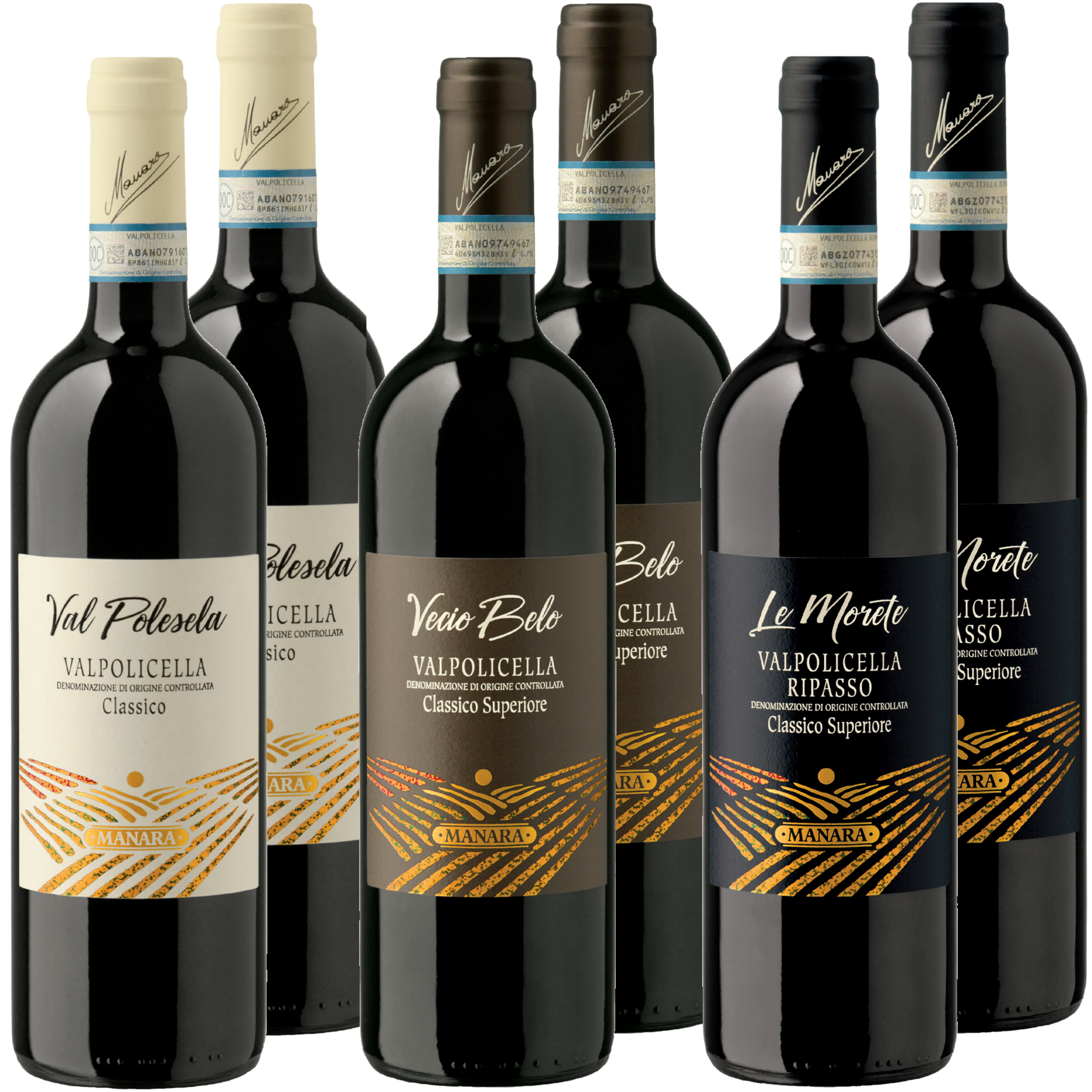
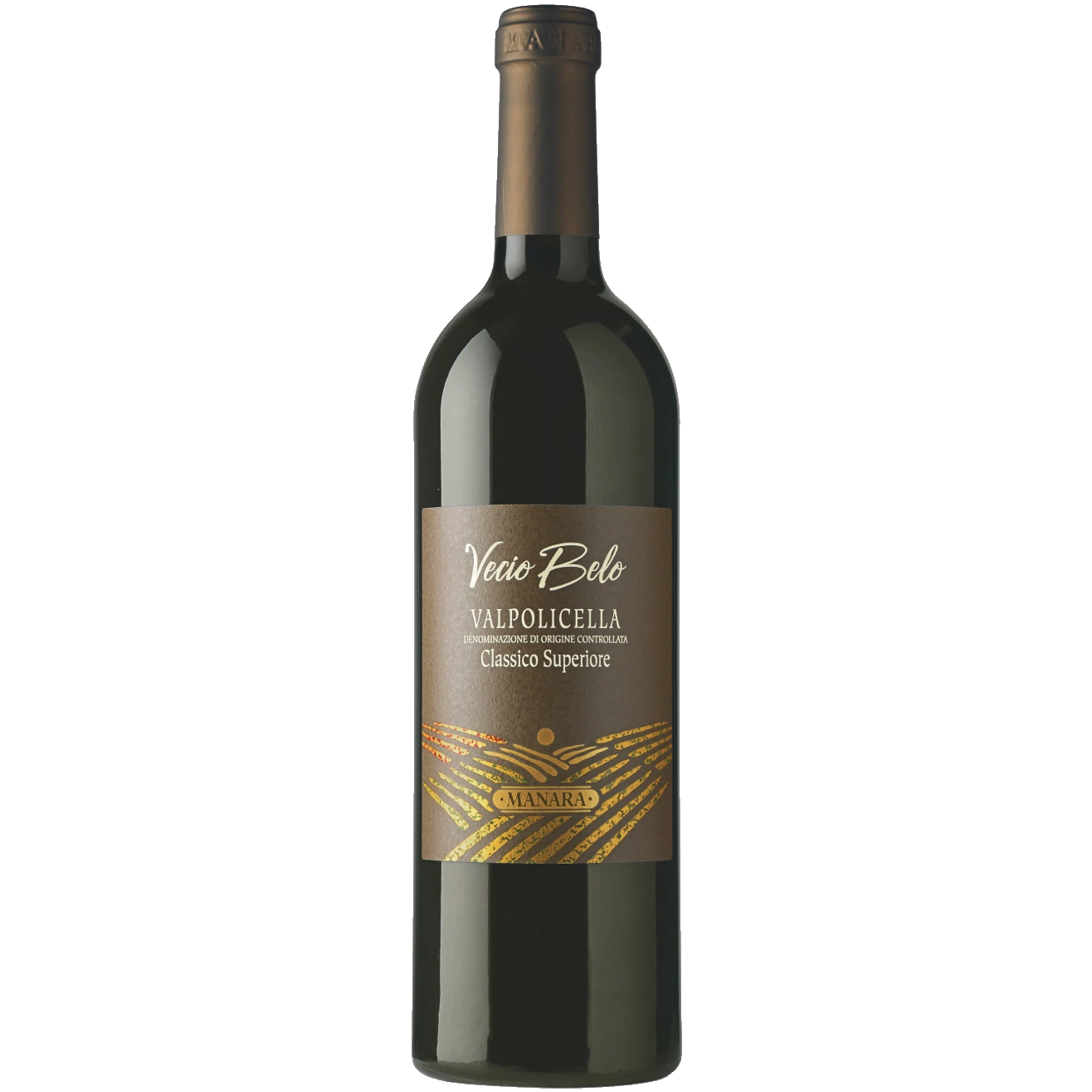

Buy Corvina, Rondinella & Molinara Red Wines from Veneto
Corvina, Rondinella & Molinara — The Heart of Venetian Blends
Elegant, versatile, and full of character. If you love wines from the Veneto wine region, you'll encounter these three grape varieties almost everywhere: Corvina stands for fruit, elegance, and firm acidity; Rondinella brings juiciness and reliability; Molinara contributes balance with its fine acidity and subtle floral notes. Together, they form the backbone of classic Valpolicella, Ripasso, and Amarone wines — blends that cater to every style, from light and fresh to opulent and aged. Discover how these varieties, individually and in combination, can enrich your wine rack.
- Corvina — Core and Flavor Provider Corvina is the key variety for structure and fruit: cherry, red fruit aromas (sour cherry, cherry, red berries), floral accents, and a finely spicy, sometimes slightly licorice-like note characterize its profile. Corvina provides balanced acidity and moderate tannins — ideal for the elegant foundation of Valpolicella and as a base for the more intense Amarone. In warm locations, it develops concentration and ripe fruit; in cooler areas, it shows freshness and transparency. Its ability to respond well to Appassimento (grape drying) makes it particularly valuable for high-quality, dried-grape wines.
- Rondinella — The Reliable Supporter Rondinella is robust, high-yielding, and brings juiciness, bright fruit (raspberry, cranberry), and soft tannins to the blends. Often underestimated, Rondinella ensures balance, fullness, and aromatic lightness — important qualities when wines need to be more approachable and enjoyable to drink. In combination with Corvina, it rounds out the mouthfeel and improves the drinkability of younger wines without overpowering their character.
- Molinara — The Piquant Finesse Molinara delivers fresh, floral notes and noticeable acidity — it acts like a natural freshness booster in traditional blends. Historically present in larger proportions, Molinara is now often used subtly to add vibrancy, aromatic freshness, and a delicate floral elegance. Especially in lighter Valpolicella styles and as a component in Ripasso assemblages, it can improve the balance between fruit and acidity.
How do the three grape varieties complement each other in the blend?
The strength of these blends lies in their complementary interaction: Corvina provides fruit and structure, Rondinella fullness and juiciness, Molinara freshness and acidity. The ratio shifts depending on the desired style: for fresh, everyday Valpolicella wines, Corvina and Rondinella usually dominate with a smaller proportion of Molinara; for robust Ripasso and Amarone wines, Corvina is often emphasized more, and the grapes are passed over Amarone pomace before or after fermentation to increase intensity and tannin.
Stylistics & Vinification — from light to opulent
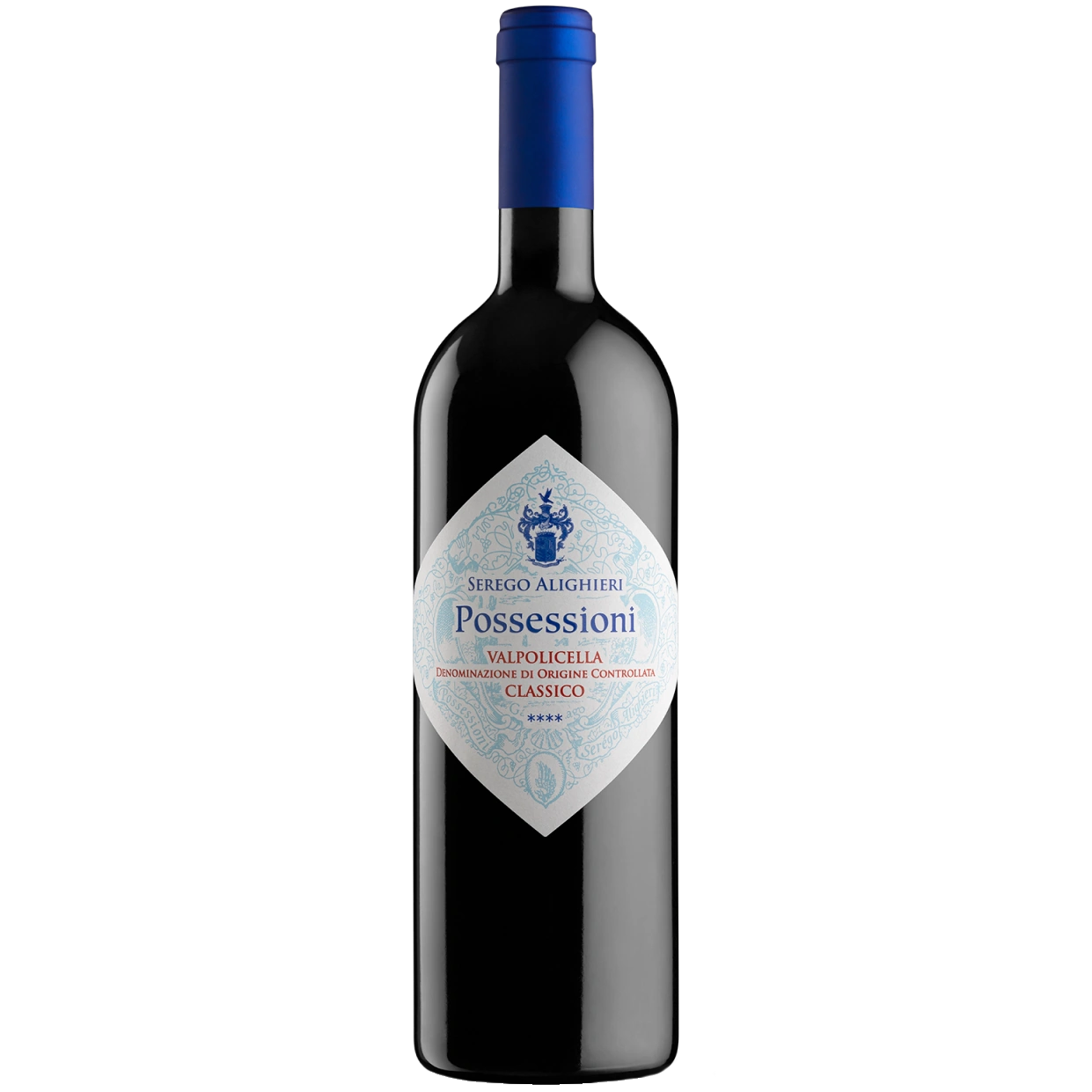
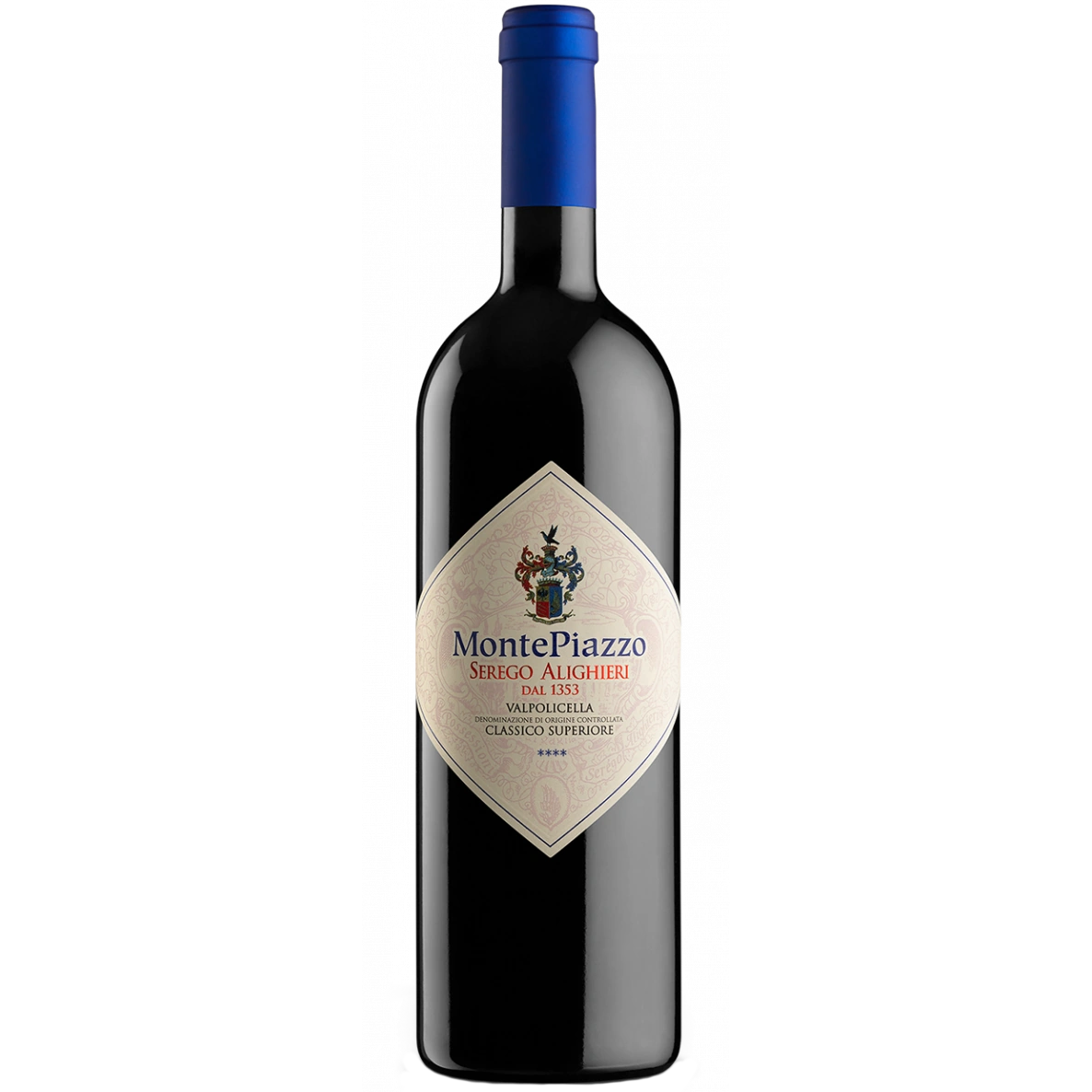
- Valpolicella Classico: Light, fruity, lively — ideal everyday wines with beautiful acidity.
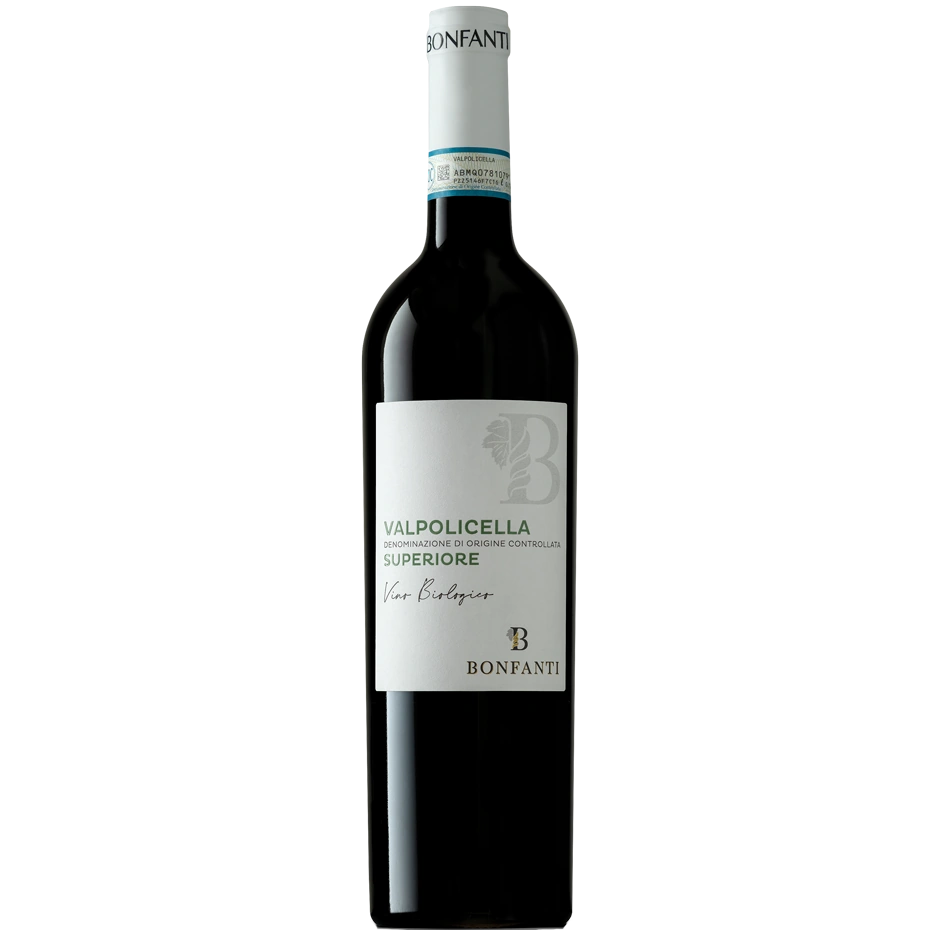
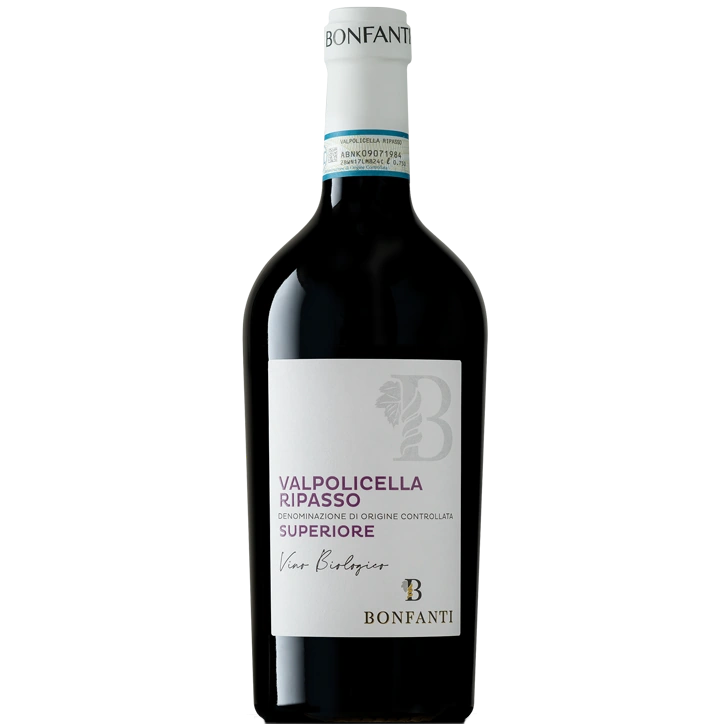
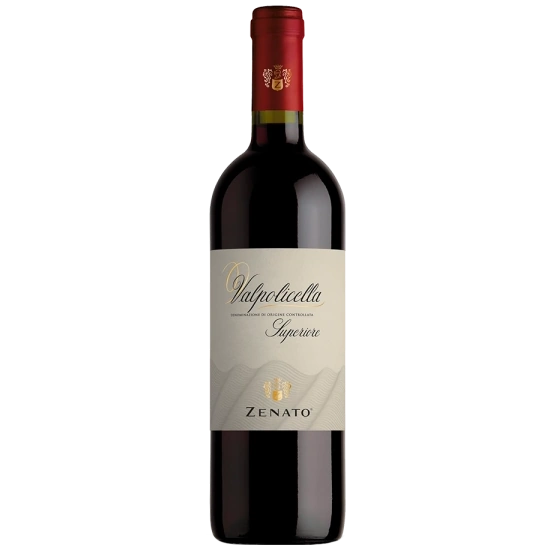
- Valpolicella Superiore & Ripasso: More body through longer aging or Ripasso technique (enrichment on Amarone pomace) — more intense, complex, spicier.
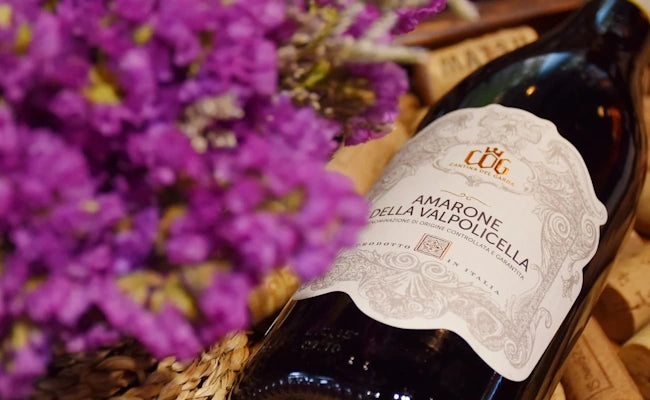
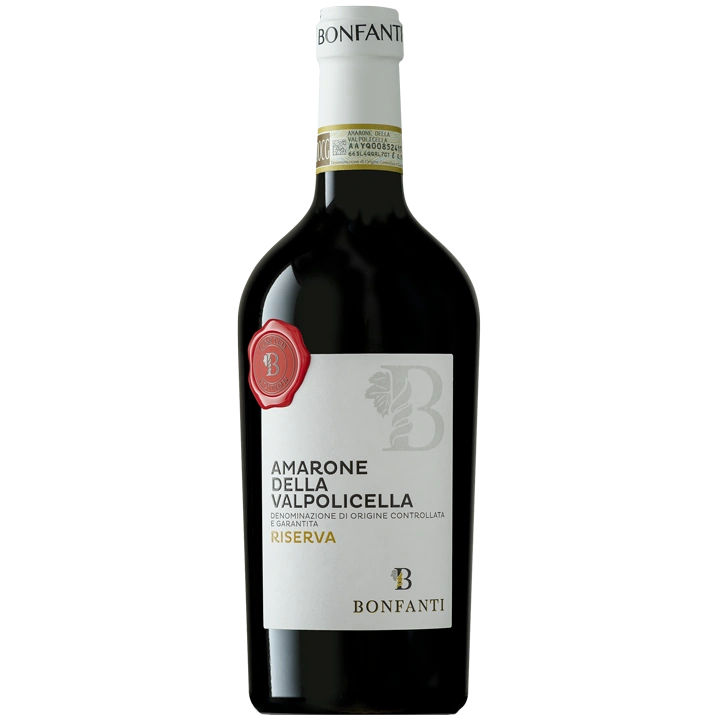
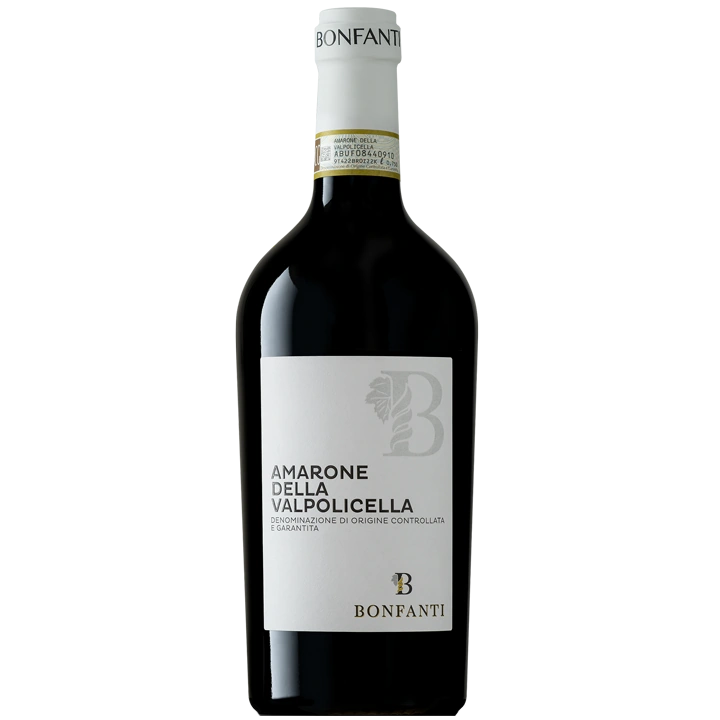
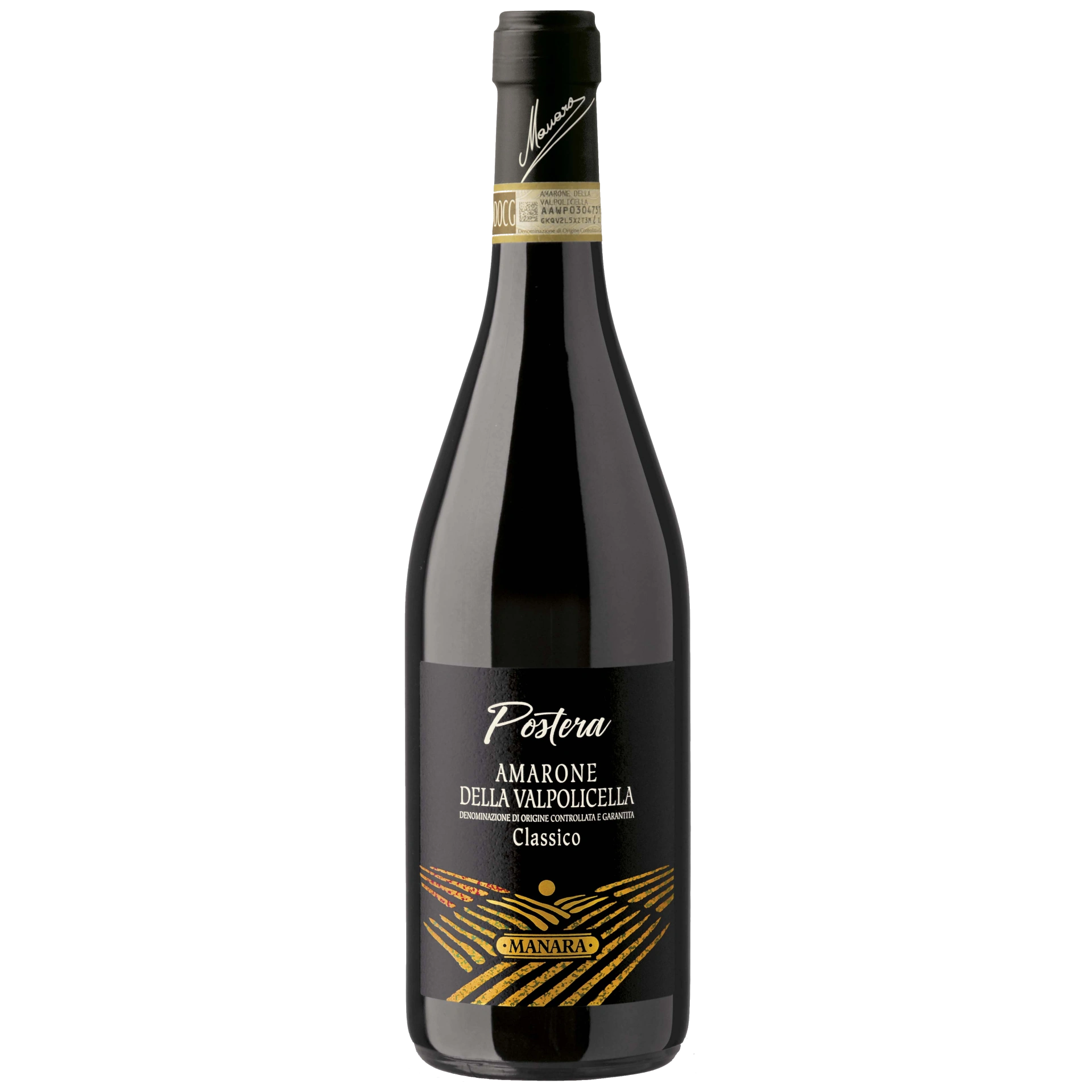
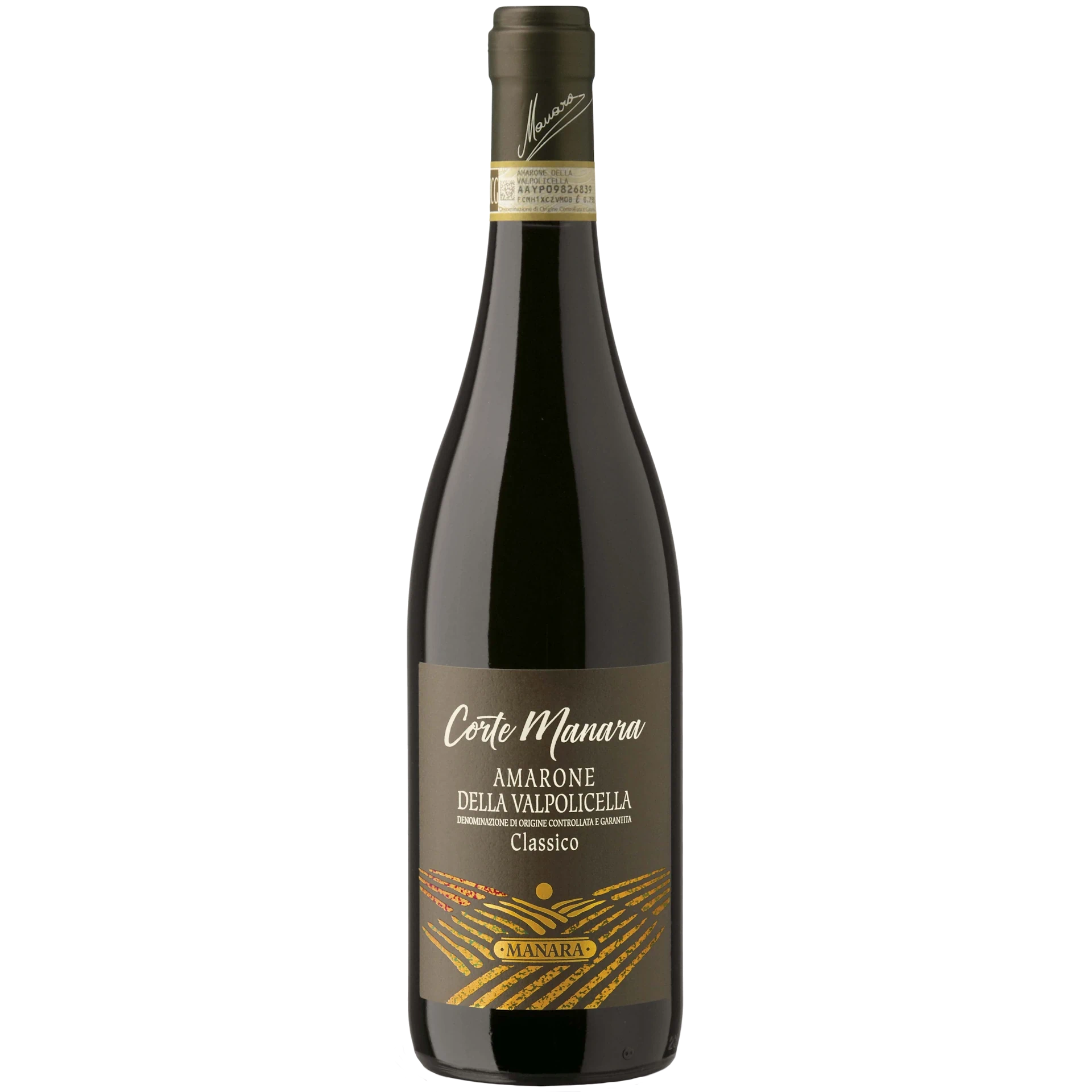
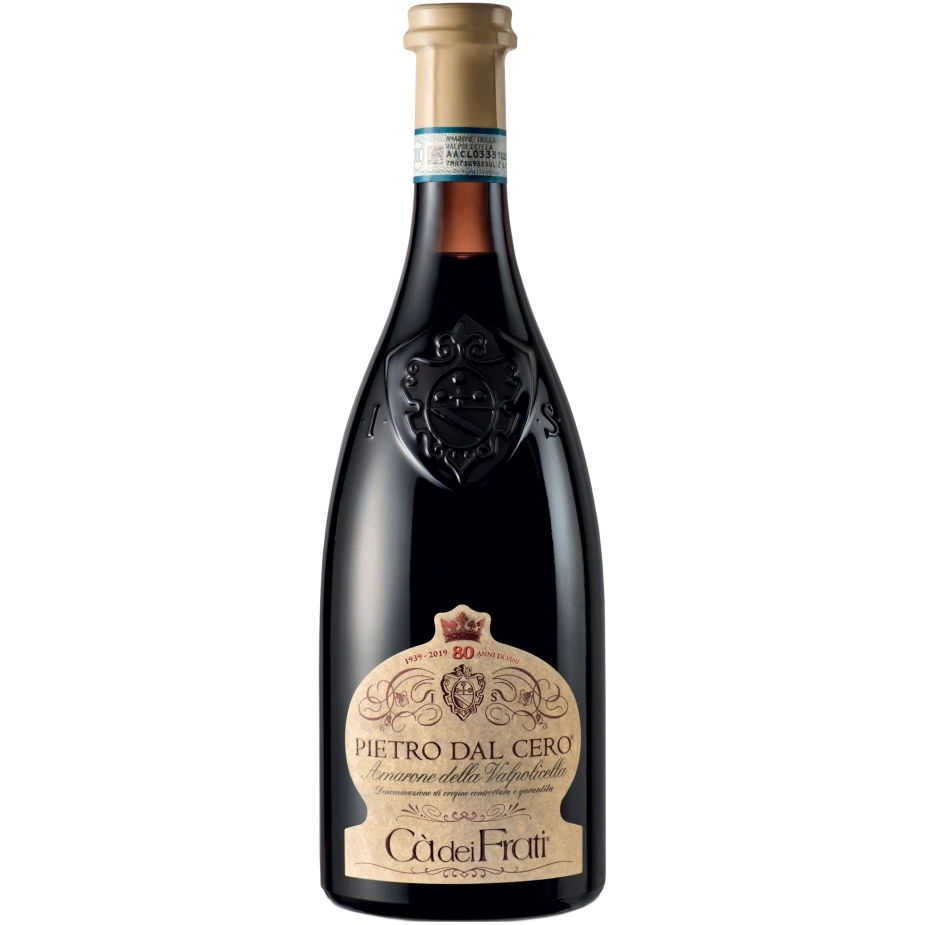
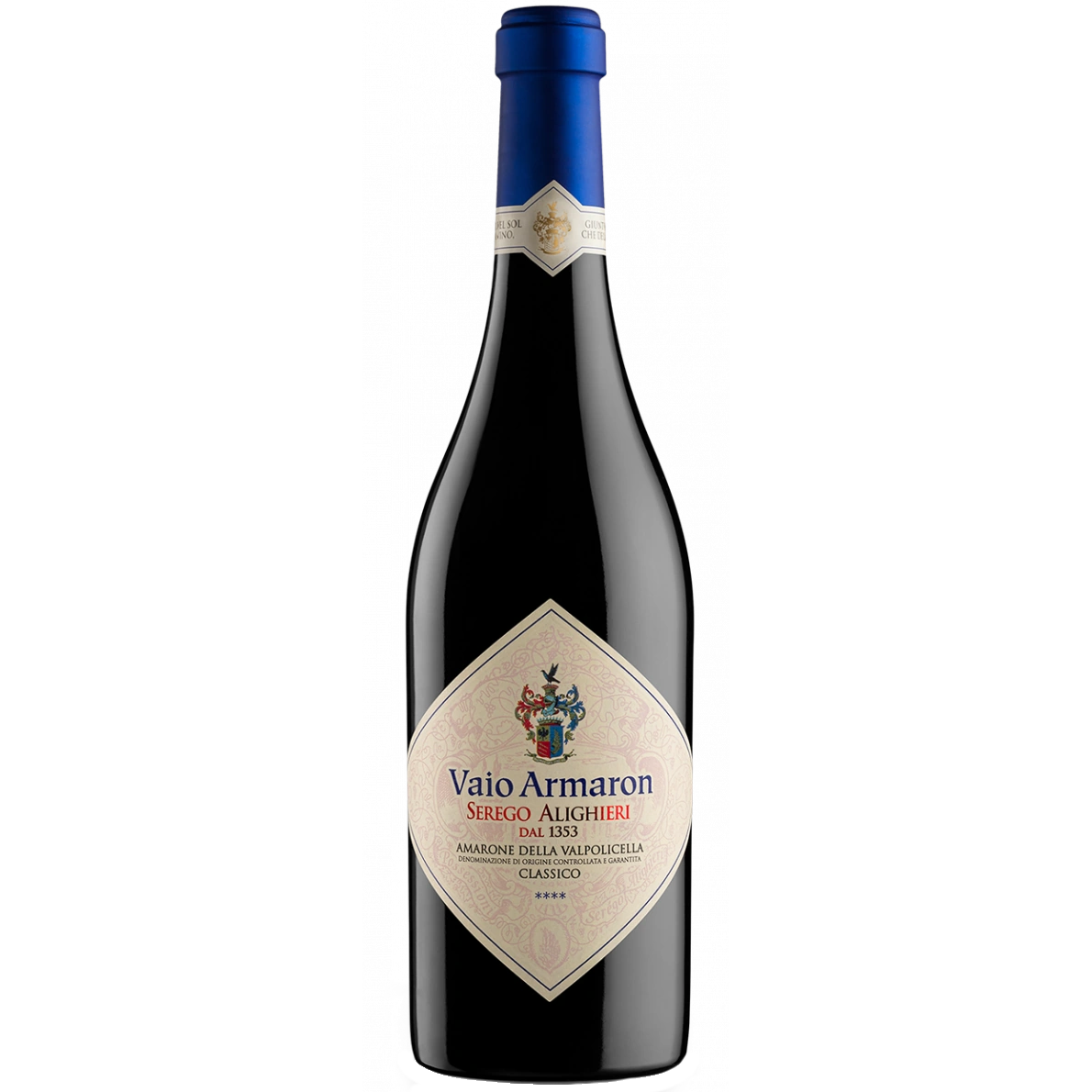
- Amarone della Valpolicella: Appassimento technique (grape drying) leads to extremely concentrated, high-alcohol, and age-worthy wines with intense fruit, cocoa, and spice notes.
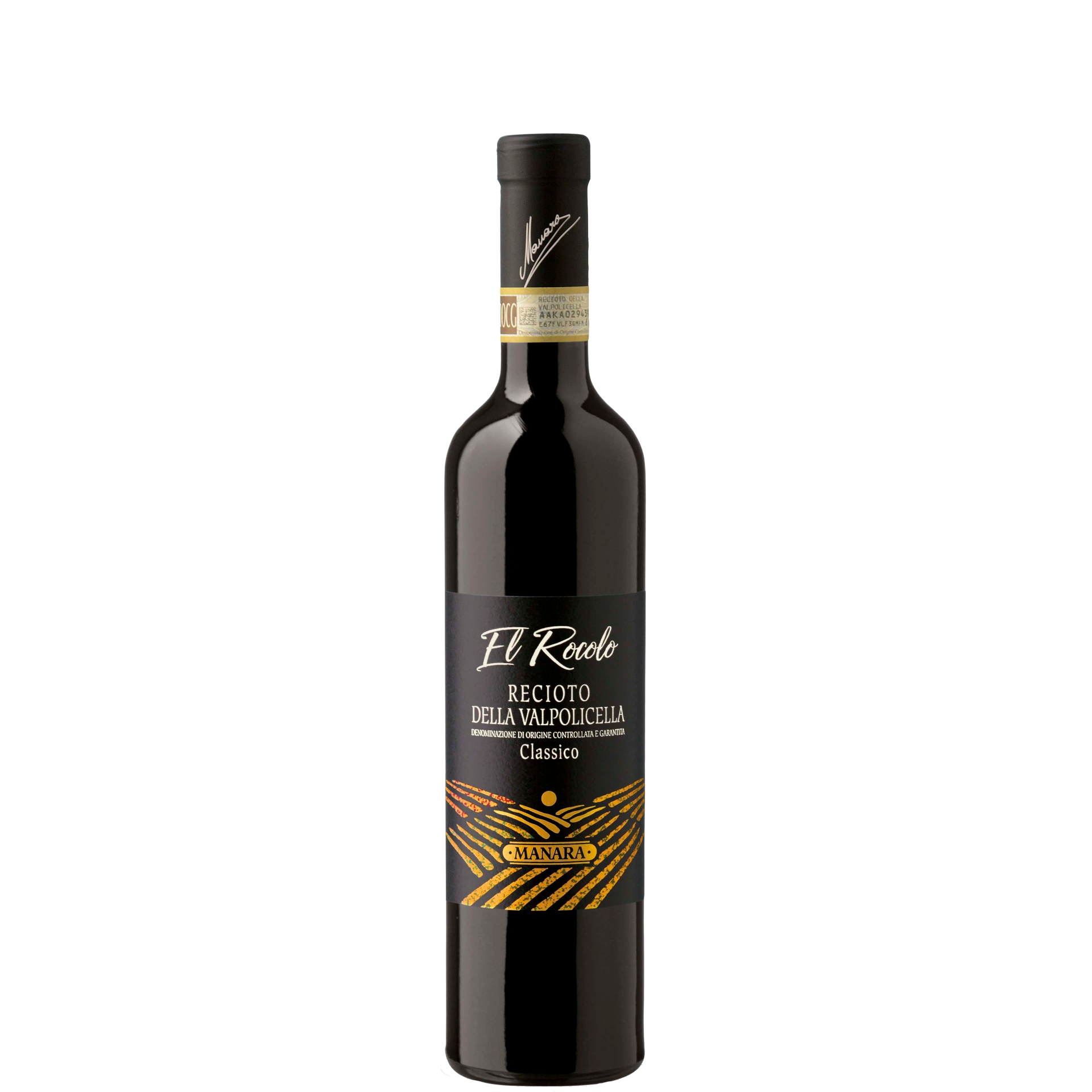
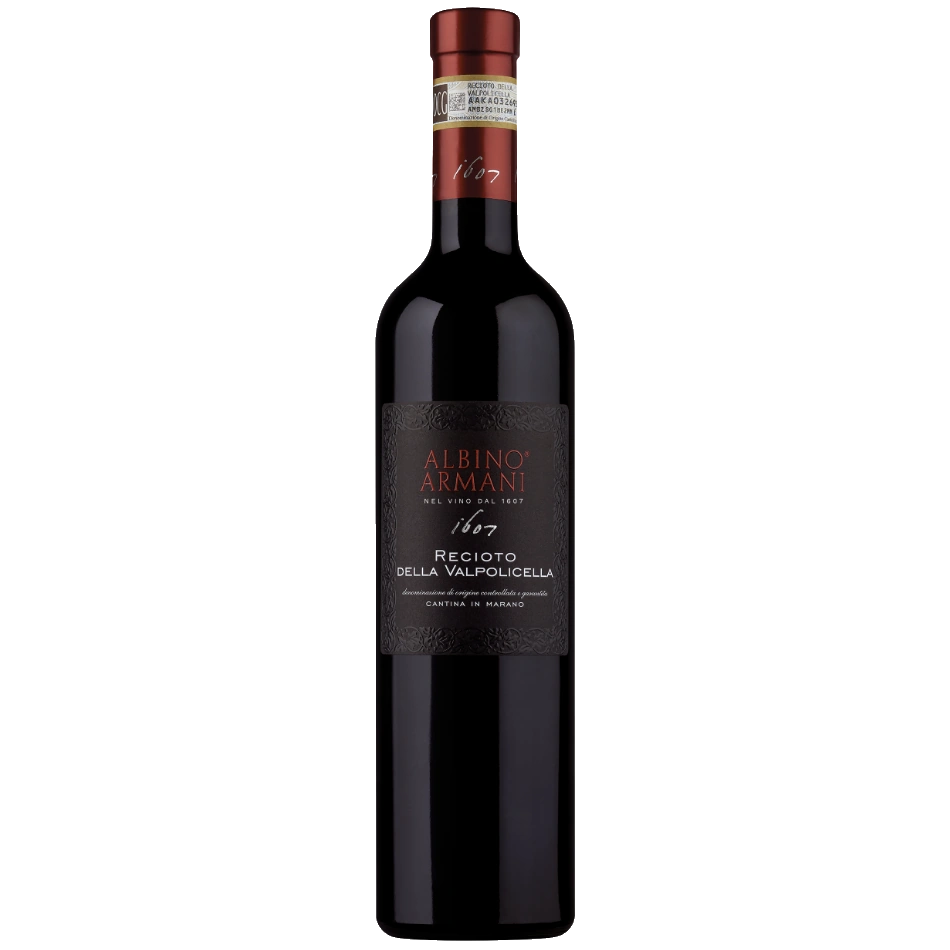
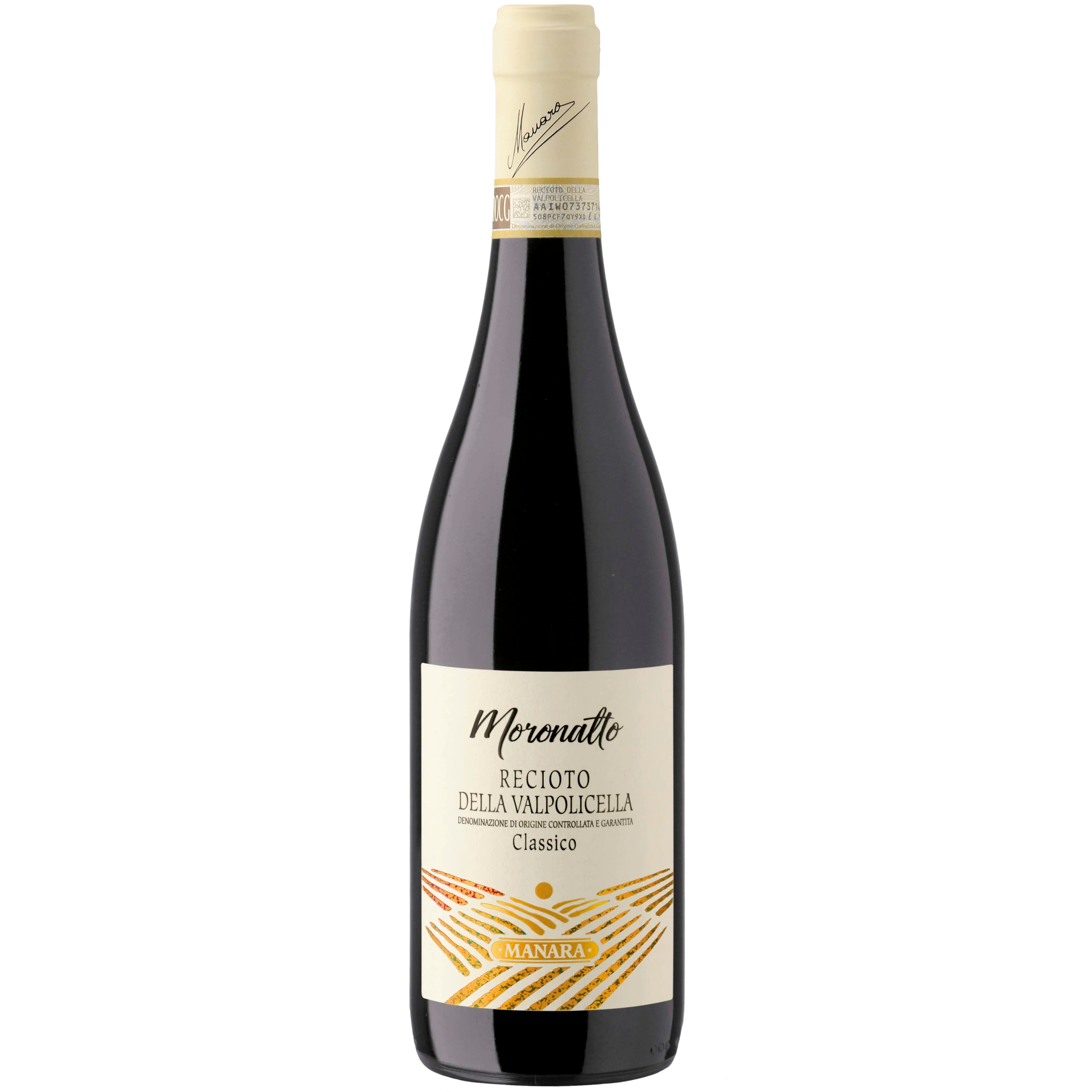
- Recioto: Sweeter Appassimento styles as a dessert wine variant.
Each technique utilizes the characteristics of the three varieties: Corvina for color and structure, Rondinella for softening and fullness, Molinara for the necessary freshness.
Terroir & Origin — Why Veneto is so special
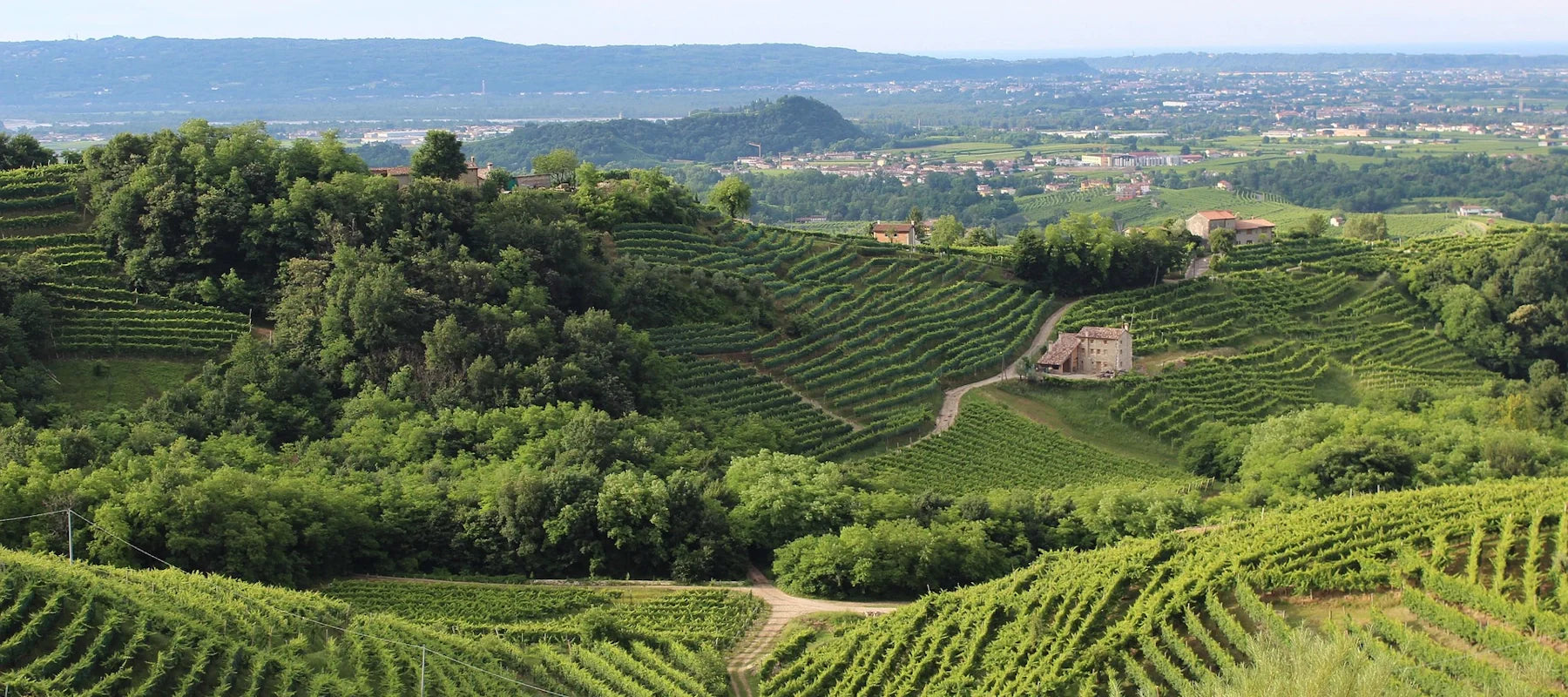
Veneto offers a mosaic of limestone, clay, and loam soils, altitudes, and climatic influences (proximity to the Adriatic, mountain winds), which together create finely differentiated expressions. The classic Tenute of the Valpolicella hills (e.g., Valpolicella Classico, Fumane, Negrar) produce grapes with an optimal balance between ripeness and acidity — a key to the quality of Ripasso and Amarone.
Food-Pairing — Which dishes harmonize best?
- Light Valpolicella: Pasta, pizza, antipasti, grilled vegetables.
- Ripasso: Mushroom risotto, roasts, braised beef, aged Pecorino.
- Amarone: Game, slow-cooked stews, strong cheeses, chocolate desserts.
The combination of fruit, acidity, and tannin makes these wines versatile — from everyday meals to festive dinners.
Aging Potential & Serving Suggestions
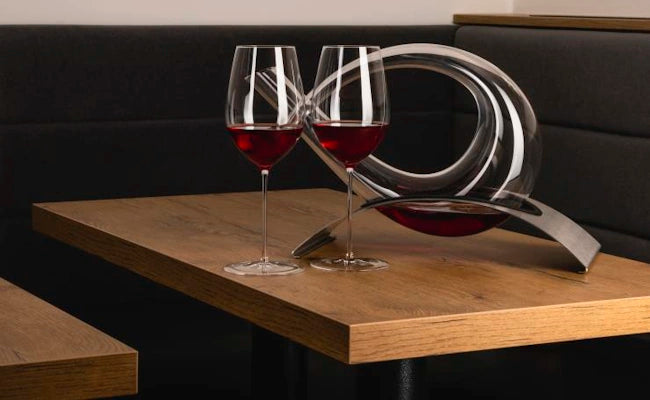
Simple Valpolicella can be drunk young; Ripasso ages for several years and then shows complexity; Amarone develops over decades. Serve light Valpolicella at 14–16 °C, more robust Ripasso and Amarone at 16–18 °C. Decanting is recommended, especially for young, concentrated Amarone-style wines, to open up the aromas.
Buying and Tasting Tips
- Pay attention to the appellation (Valpolicella Classico, Ripasso, Amarone) for style and aging potential.
- Read the production details: Appassimento technique, oak barrel aging, and blend composition provide information about intensity.
- For beginners: Try a Valpolicella Classico; if you're looking for depth, choose Ripasso; for special occasions, Amarone.
- Compare producers: Family wineries often offer traditional styles, while modern producers experiment with cold maceration, longer aging, or selective hand harvesting.
Why you should discover these grape varieties
Corvina, Rondinella, and Molinara represent the versatility of Venetian wine culture – from light drinking pleasure to monumentally aged specialties. They offer moments of enjoyment for every occasion: uncomplicated everyday companions, complex meal companions, or impressive, age-worthy rarities. Try the different styles and discover how these three grape varieties reinvent themselves in every glass.