
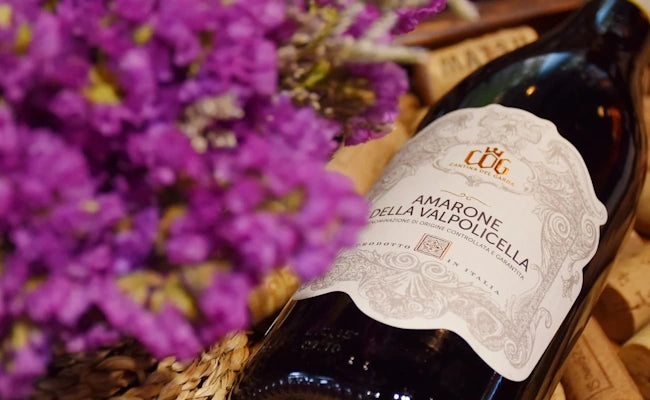



Buy Italian Merlot Red Wines
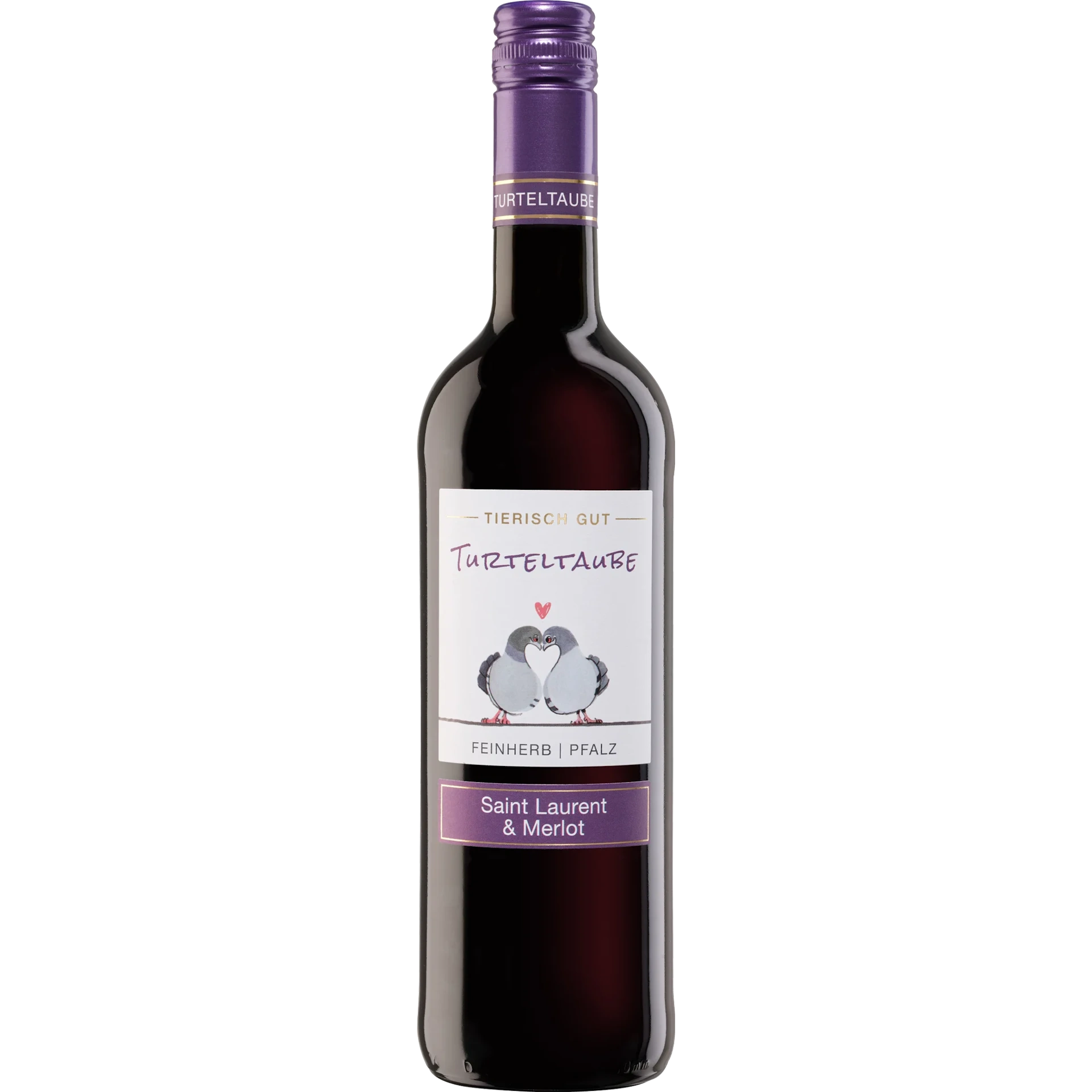
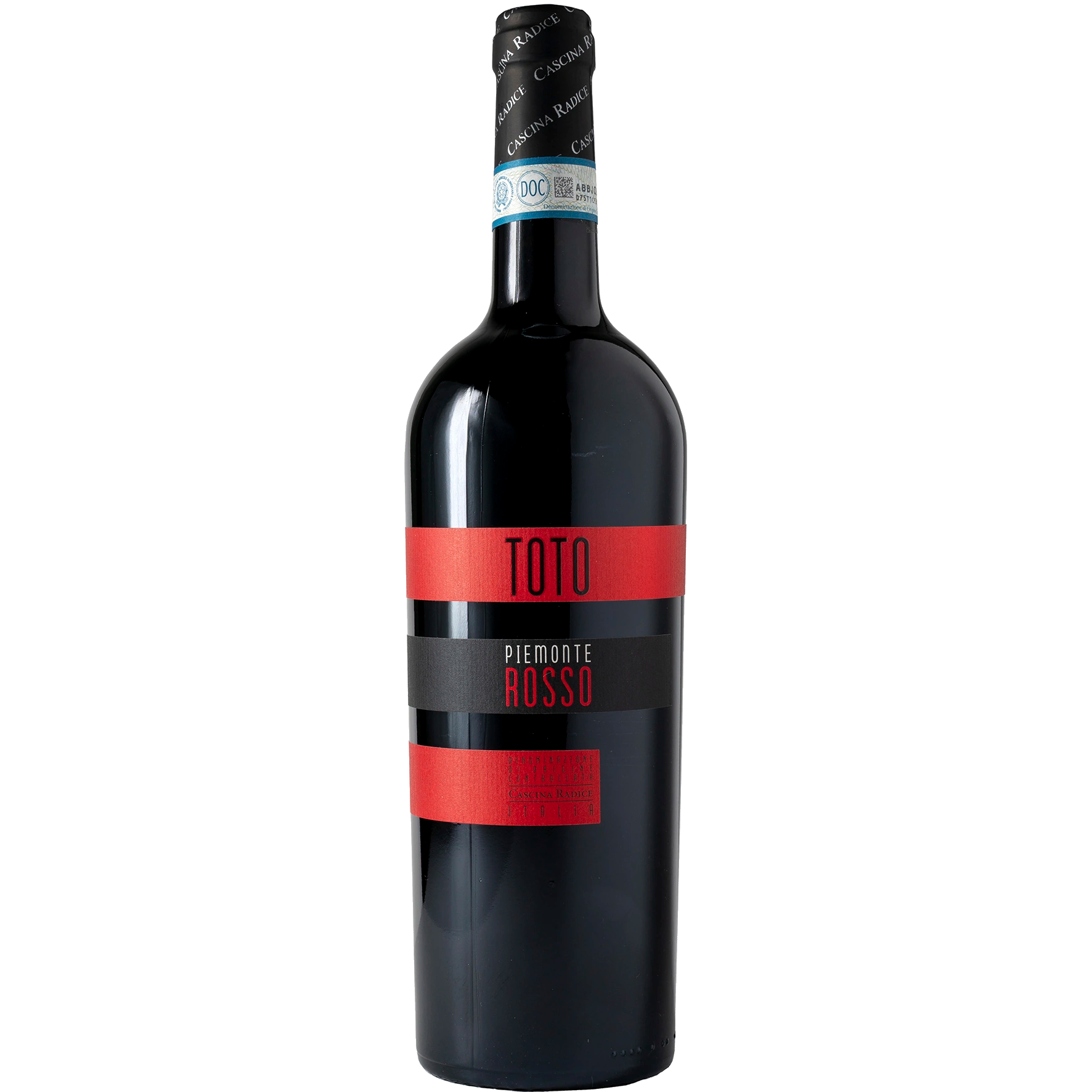
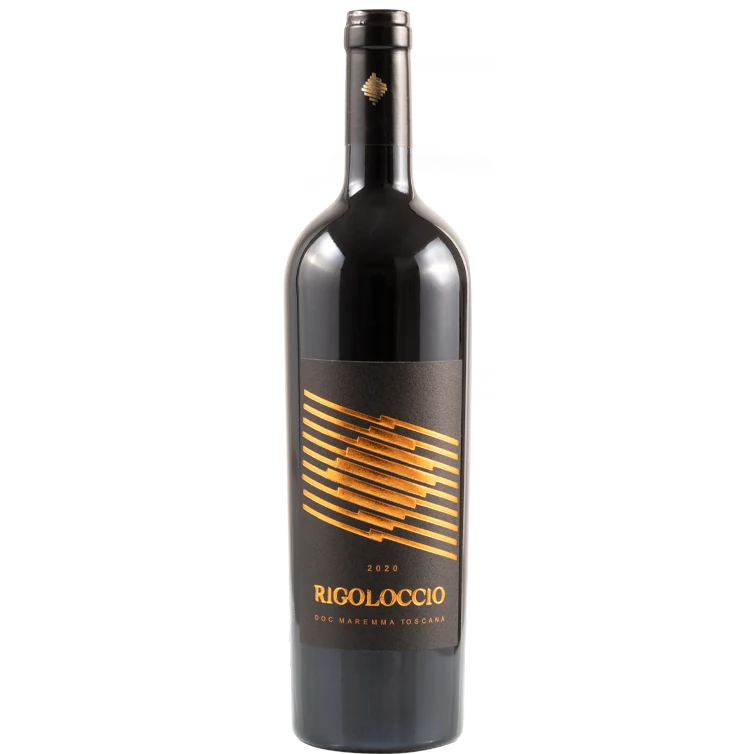
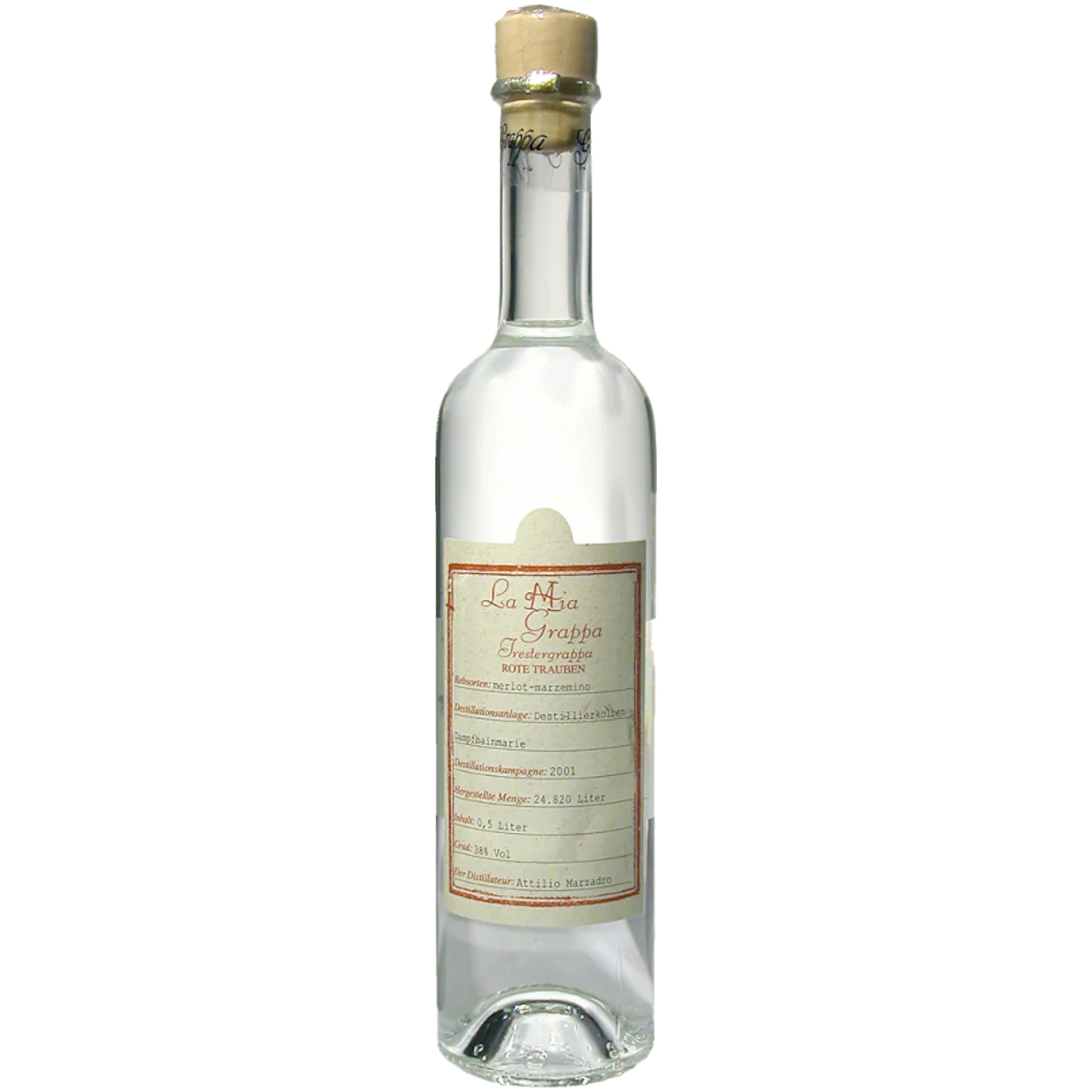
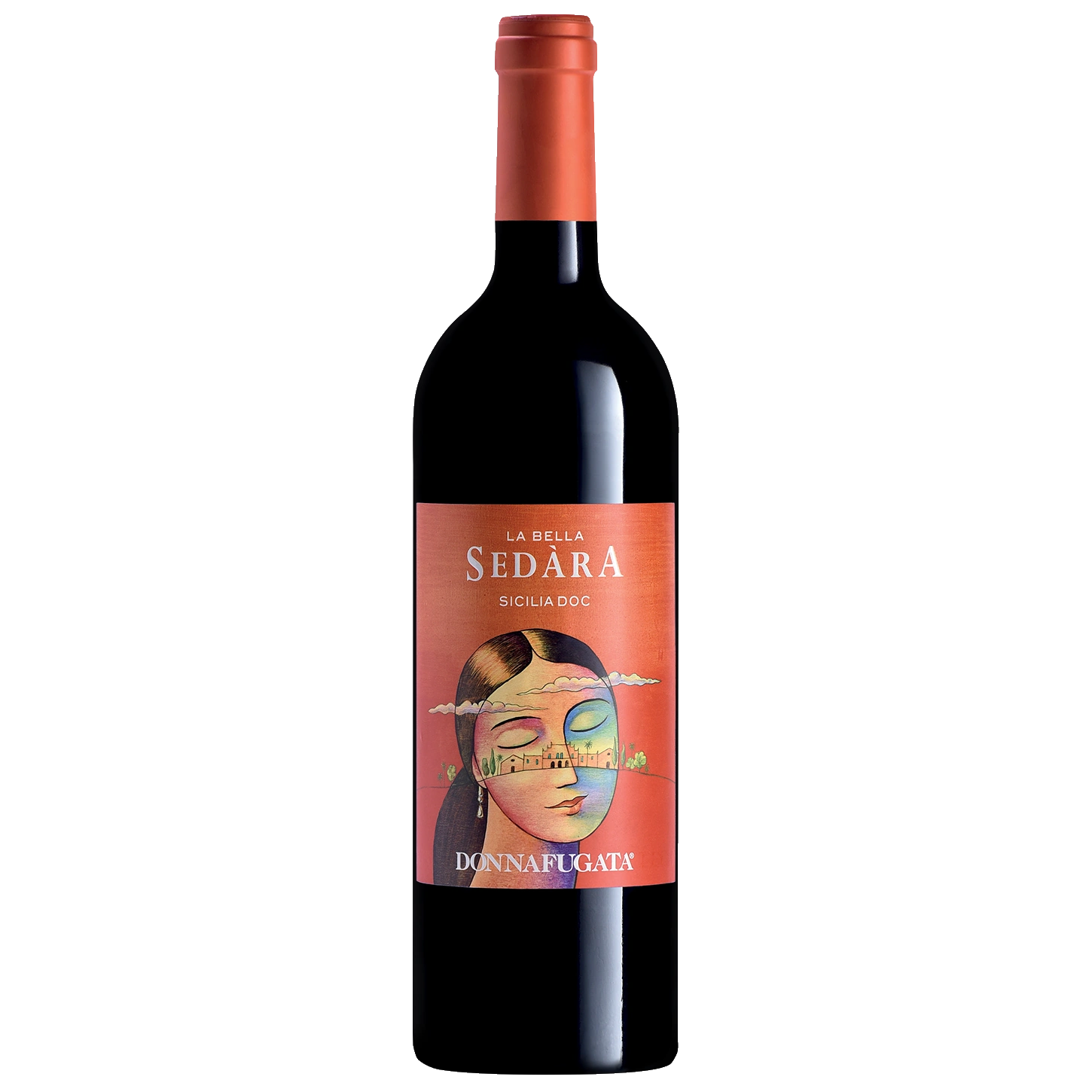
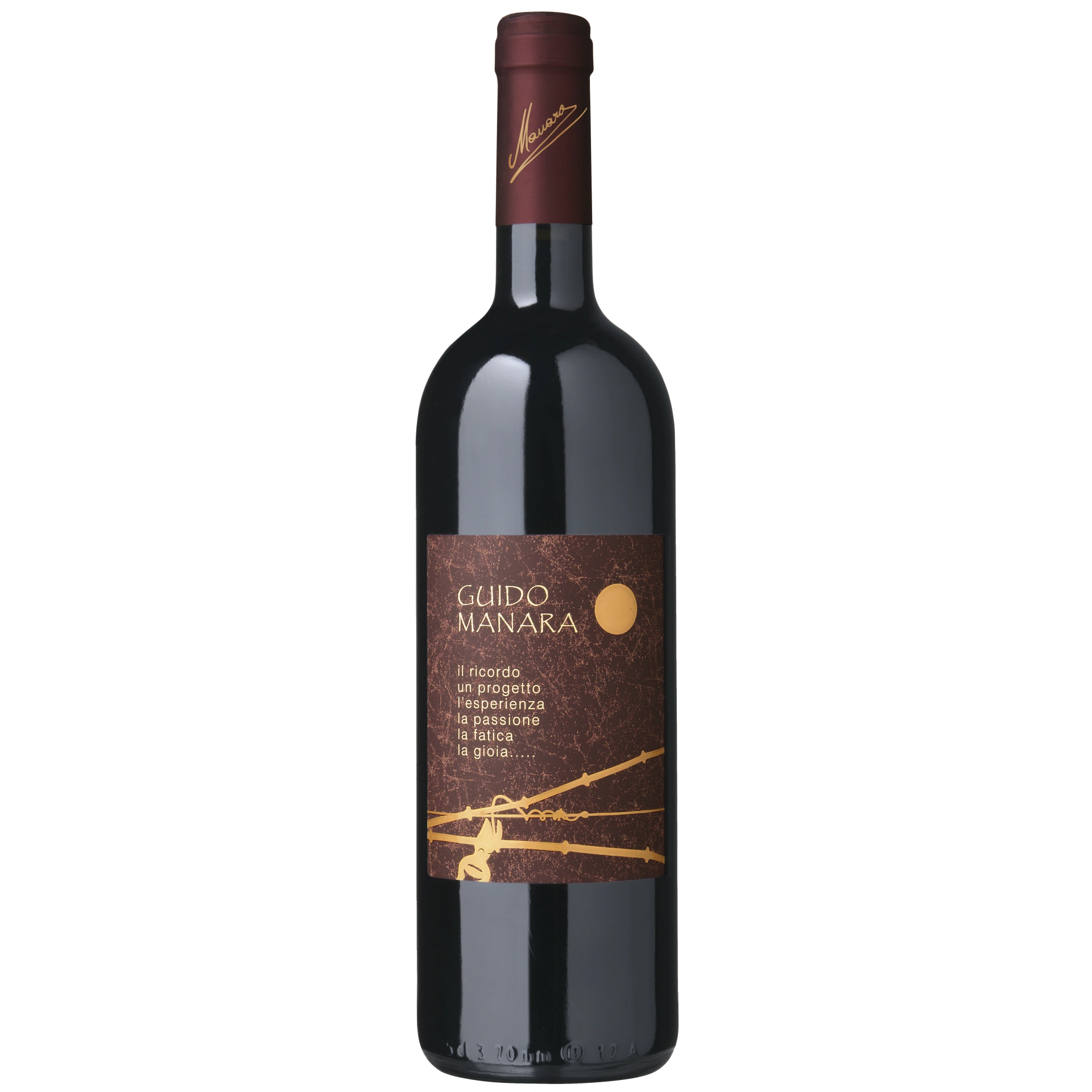
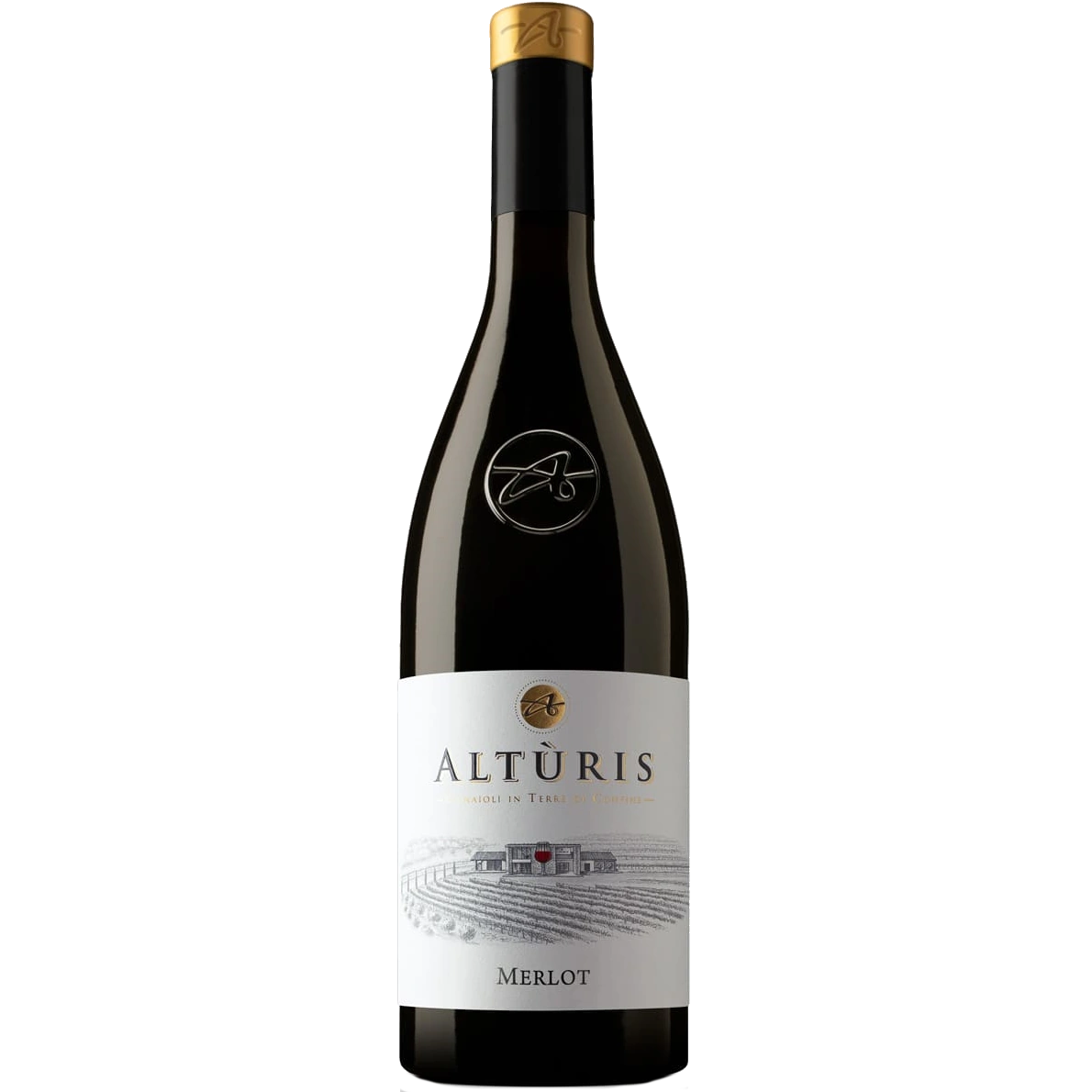
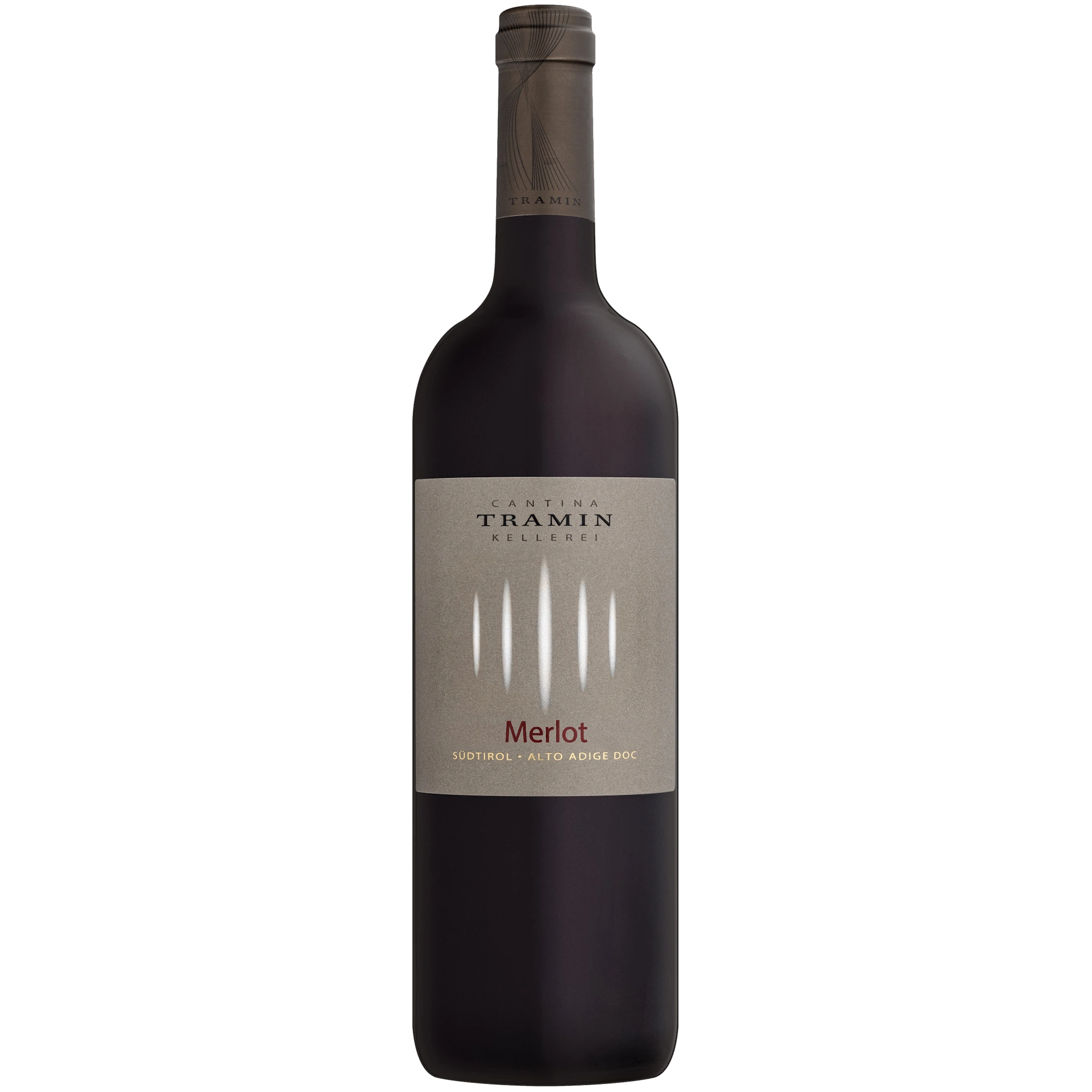
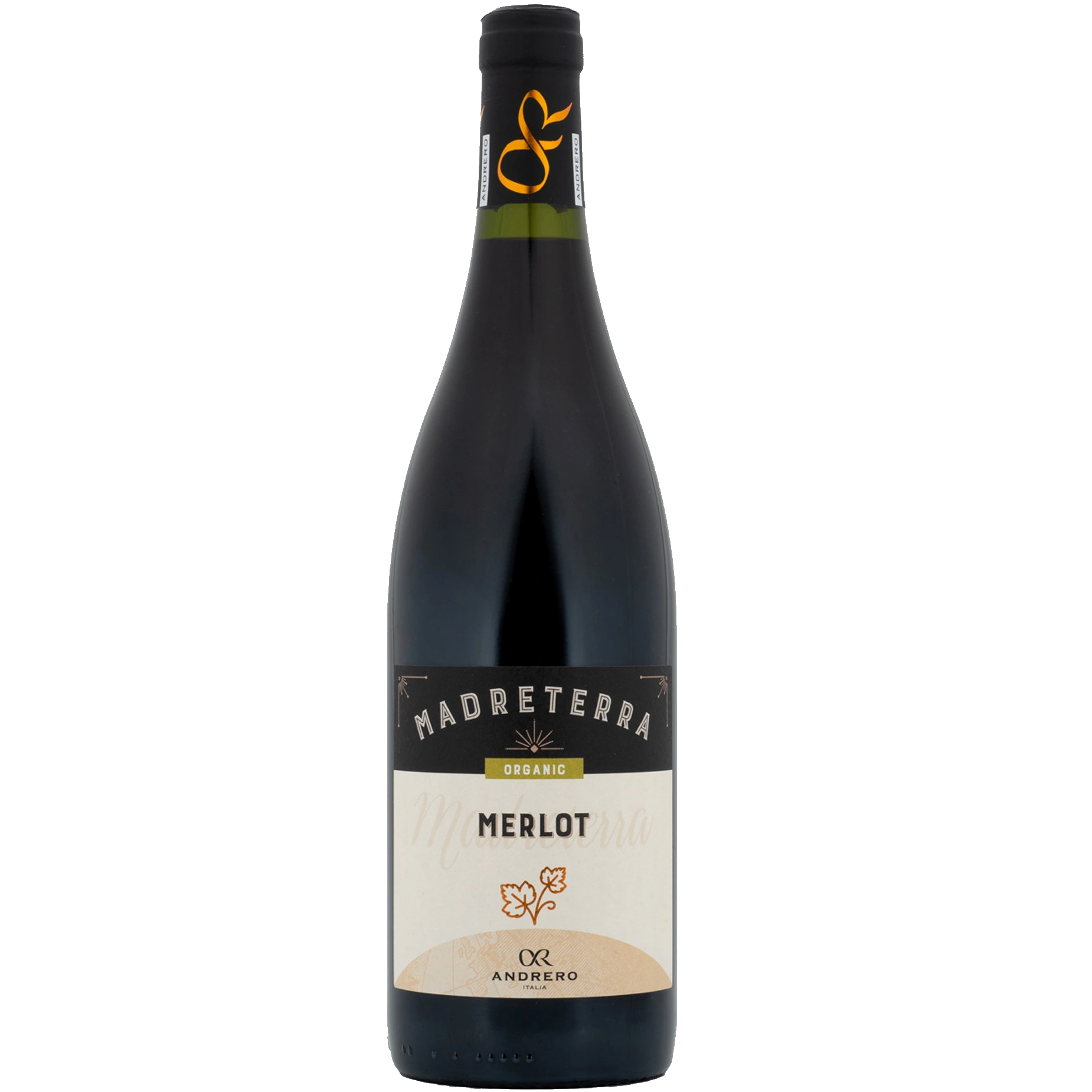
Buy Italian Merlot Red Wines
Merlot — velvety, approachable, and versatile
In Italy, Merlot displays its full spectrum: from fruity-soft everyday wines to concentrated, oak-aged prestige cuvées. If you are looking for a red wine that offers immediate drinking pleasure, yet possesses enough structure for length and aging potential, then Merlot is exactly the varietal you should discover. In combination with indigenous varieties or as a single-varietal expression, Merlot brings velvety tannins, round fruit, and a pleasant fullness to your glass — perfect for social evenings, sophisticated dining, or collecting special vintages.
Origin & Role in Italy — why is Merlot so popular here?
Merlot originally comes from Bordeaux but has adapted excellently in many Italian regions. In Italy, Merlot is used both as a main grape in single-varietal wines and as an important blending partner (e.g., in “Super Tuscans”). Regions such as Veneto, Friuli, Tuscany, Umbria, and Piedmont produce different style variations: cooler sites yield elegant, acid-driven Merlots, while warmer sites produce more powerful, richer expressions. Italian winemakers appreciate Merlot for its reliability, early drinkability, and flexibility in the cellar.
Aroma Profile & Style Variations — what will you find in your glass?
Merlot typically offers aromas of plum, black cherry, blackberry, and ripe red fruits, complemented by notes of pine, tobacco, chocolate, and occasionally herbs. Stylistically, the spectrum ranges from light, pure fruit styles to medium, balanced labels, to full-bodied, barrique-influenced wines with vanilla, toast, and spice notes. Single-varietal Merlots are often more accessible earlier than Cabernet-dominated wines, while barrique aging and low yields add depth and aging potential.
Terroir & Cultivation — where does Merlot thrive particularly well in Italy?
Merlot prefers well-drained soils but can shine on various subsoils — from limestone hillsides to sandy or clayey parcels. High altitudes and cool nights are advantageous as they preserve freshness and acidity. In Veneto and Friuli, very fresh, aromatic Merlots are produced; in Tuscany and Umbria, you often find spicier, more structured interpretations, especially when Merlot is part of a Sangiovese-based cuvée.
Vinification & Aging — how do cellar techniques and wood shape the style?
The cellar determines the fine nuances: cool fermentations in stainless steel tanks emphasize fresh fruit and drinkability; longer maceration times and oak barrel aging (barrique or large wooden barrels) bring tannin rounding, complexity, and tertiary aromas. Winemakers often use Merlot for blends with Sangiovese, Cabernet, or international varieties to optimize the balance between acidity, fruit, and structure. Gentle extraction is important to avoid bitter tannins and preserve the velvety texture.
Food Pairing — which dishes pair particularly well with Merlot?
Merlot is an exceptionally versatile food companion: pasta with tomato sauces, grilled poultry, lamb, veal, mushroom risottos, aged cheeses, and braised dishes harmonize excellently. Its soft tannins and fruity sweetness make Merlot particularly suitable for dishes with light to medium fat content and savory, Mediterranean seasoning.
Serving Tips & Storage — how to best enjoy Merlot
Serve Merlot at about 16–18 °C; lighter versions preferably a little cooler, fuller, aged wines slightly warmer. Many Merlots are very appealing when young; high-quality, oak-aged examples benefit from 5–10 years of bottle aging or short decanting before serving. Storage should be cool, dark, and consistent (ideal temperature range approx. 12–14 °C).
Buying & Tasting Tips — what should you look for?
- Choose a region: Veneto/Friuli for fresh, aromatic Merlots; Tuscany/Umbria for structured, often barrique-influenced expressions.
- Check aging: Stainless steel tank = fresh style; barrique = more depth and spice.
- Yield and selection: Lower yields and selective hand harvesting usually lead to more concentrated, long-lived wines.
- Single-varietal vs. Cuvée: Single-varietal Merlots show varietal character more clearly; as part of cuvées, Merlot brings balance and silkiness.
-
Consider vintage: Warm vintages yield round, ripe fruit; cooler vintages offer more freshness and acid balance.
Why you should include Merlot in your wine collection?
Merlot is a varietal that offers a lot to both beginners and experienced wine lovers: uncomplicated drinking pleasure, versatile food pairings, and the potential for elegant, age-worthy wines. In Italy, Merlot shows a special diversity — regionally characterized, artisanally crafted, and often with excellent value for money. Whether as a daily companion, as part of a high-quality cuvée, or as a gift: Merlot is a safe choice for enjoyable moments.
Merlot in its Italian expression offers you a charming balance of silkiness, fruit, and structure. Try different regions and aging styles, pair glass by glass with suitable dishes, and discover how versatile and enriching this varietal can be for your wine enjoyment.