

Wines from Chianti - Italian wine region of Tuscany
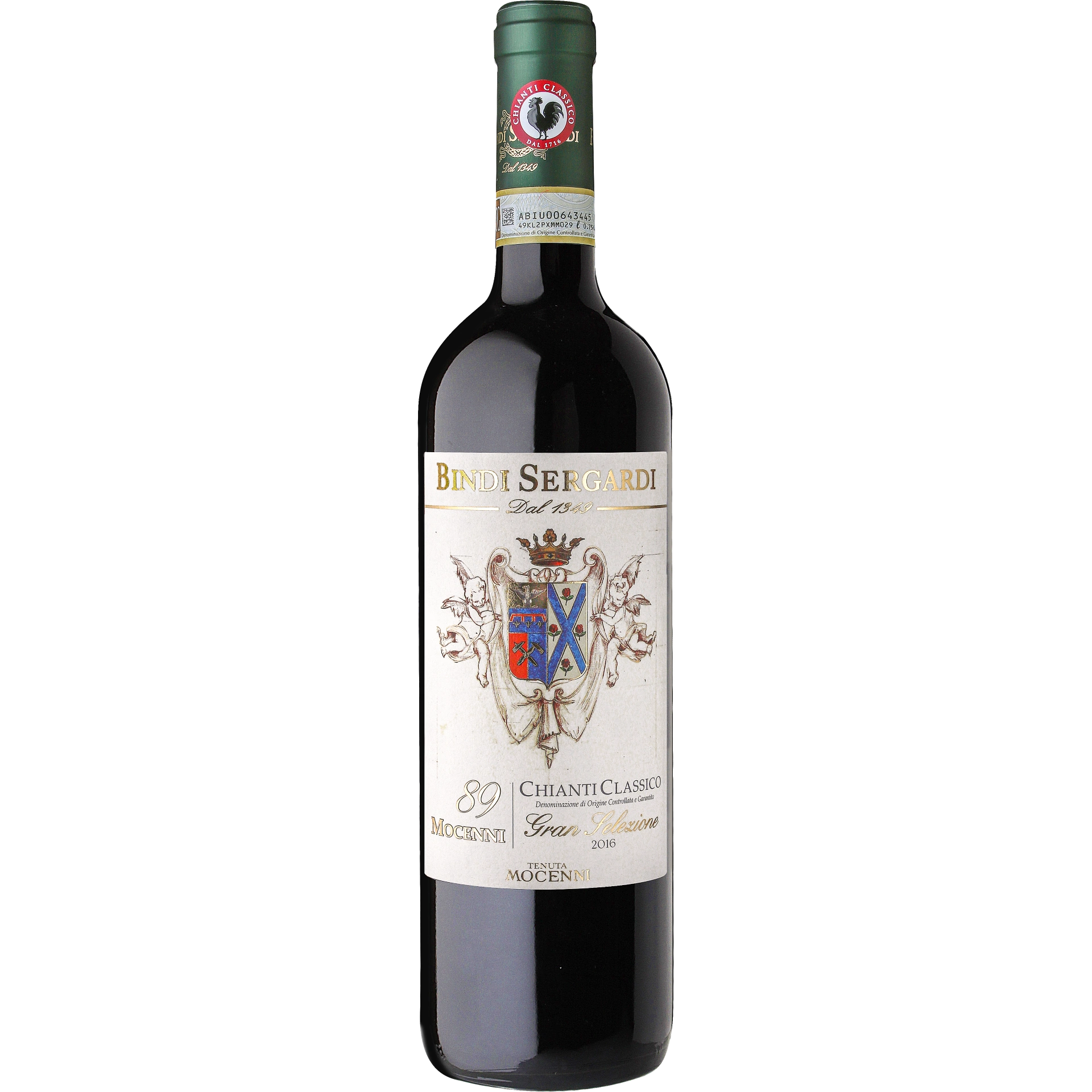
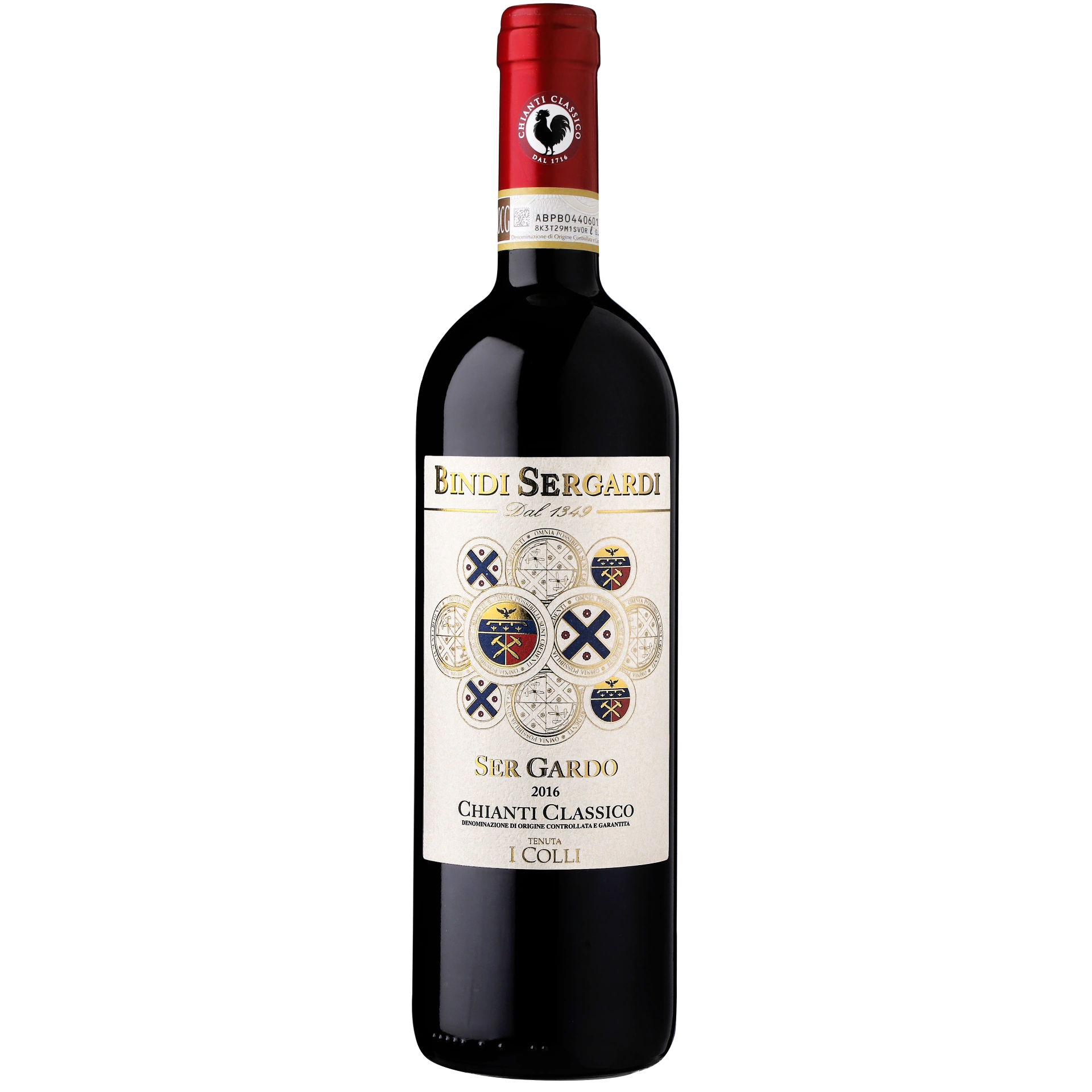
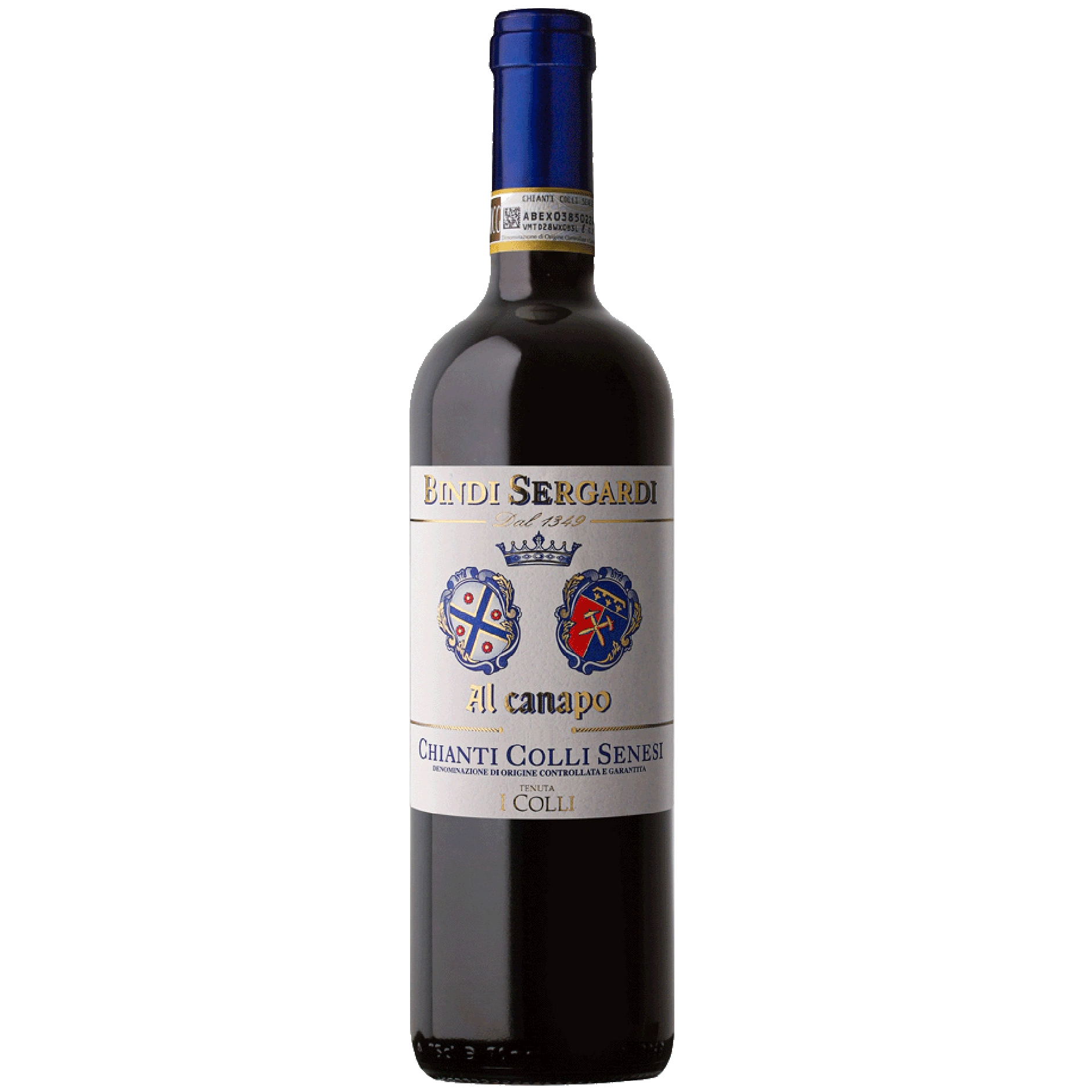
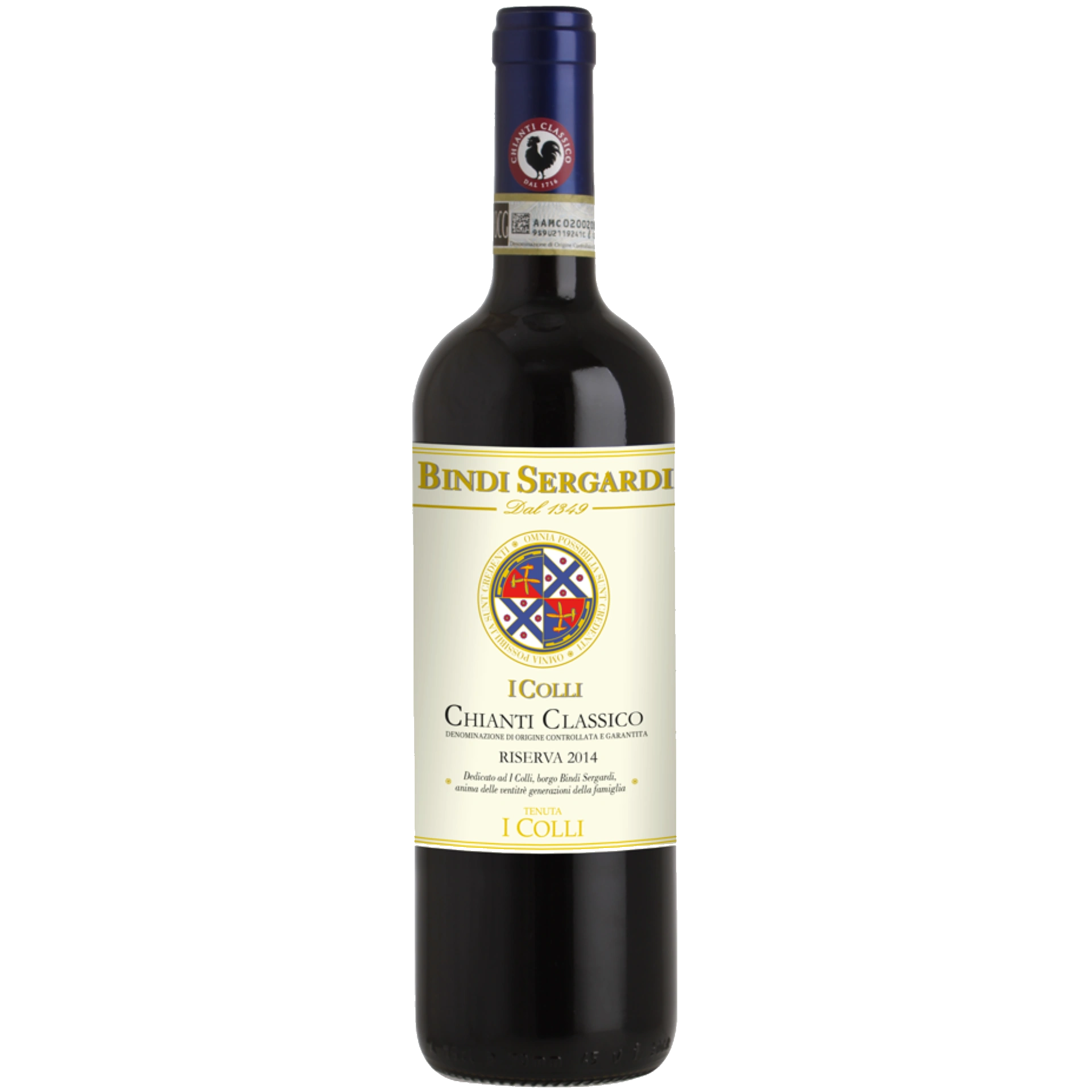
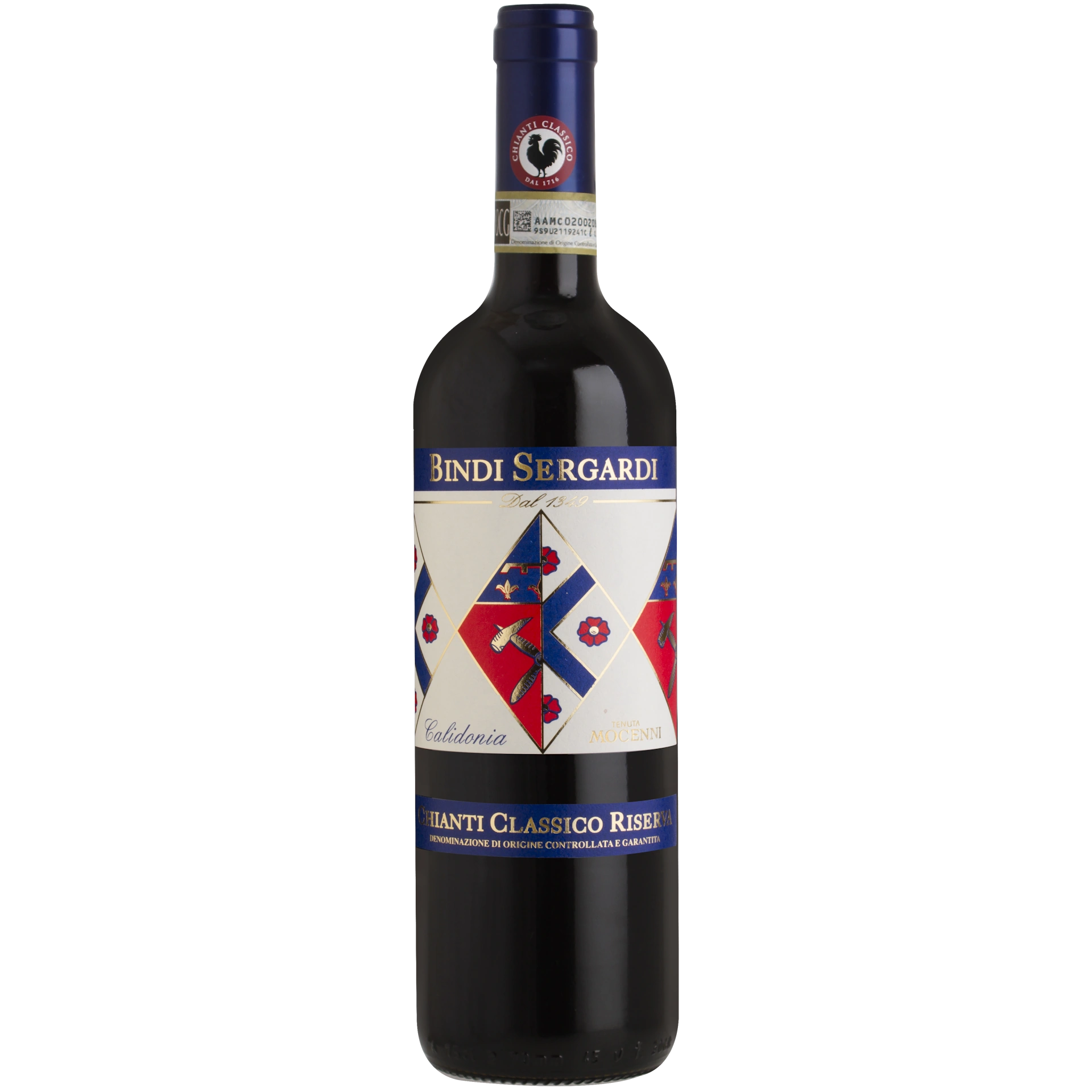
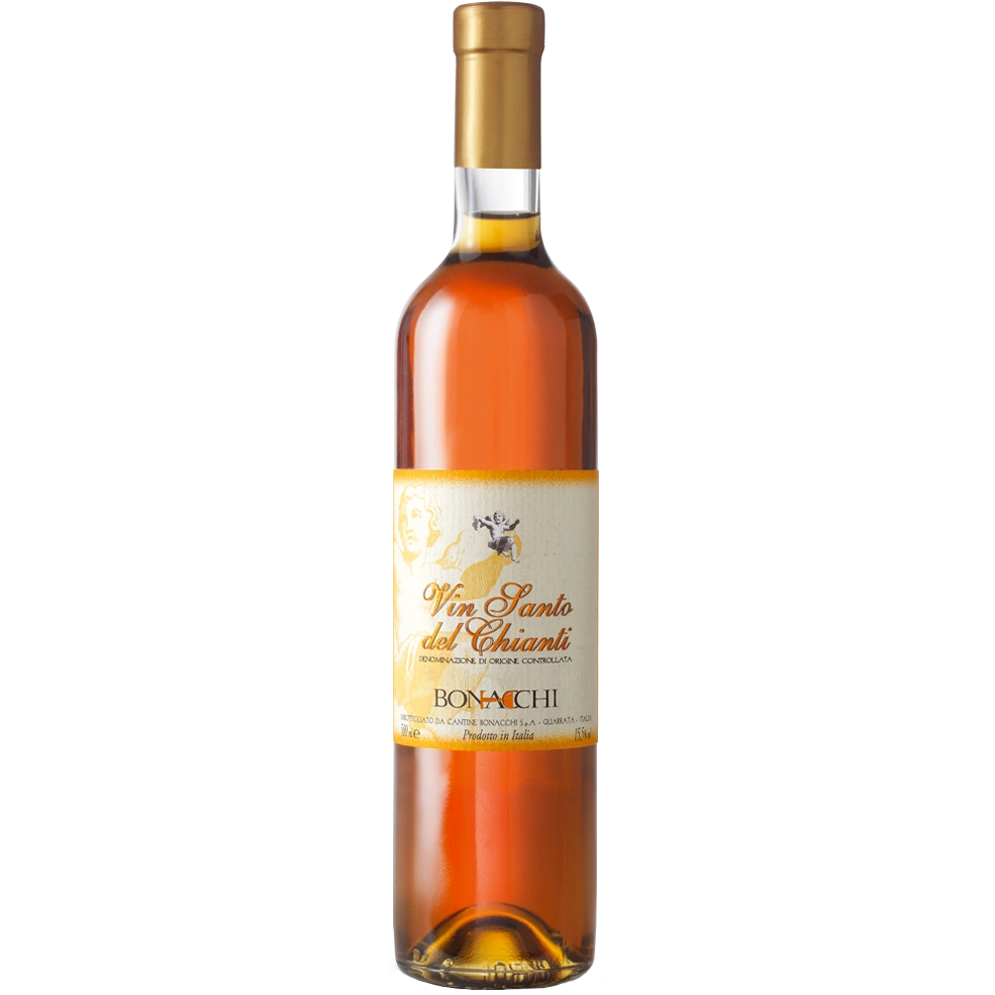
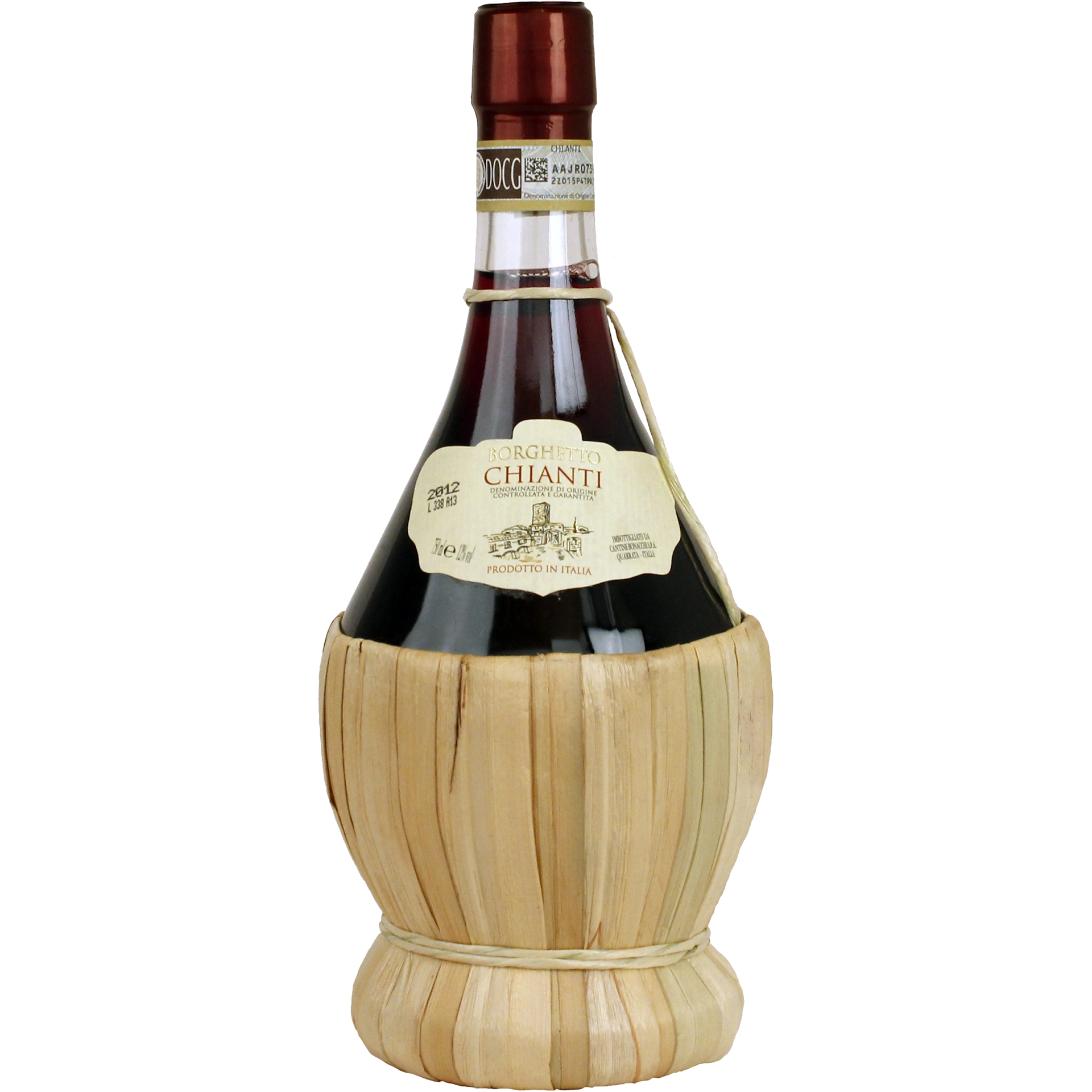
Wines from Chianti - Italian wine region of Tuscany
Chianti is a wine primarily made from the red grape varieties Sangiovese, Canaiolo, and Colorino in the Tuscany wine region in Italy. To produce a Chianti, the grapes are first harvested, then destemmed and crushed. After that, the berries are fermented, and the wine subsequently matures in oak barrels before being bottled. Some Chianti wines must also contain a specific amount of other grape varieties and have a certain maturation period to receive official Chianti certification.
Chianti is a wine region in Tuscany, Italy. It is known for its red wines, which are mostly made from the Sangiovese grape variety. According to DOCG (Denominazione di Origine Controllata e Garantita) guidelines, Chianti wines must contain at least 80% Sangiovese, but other grape varieties such as Canaiolo, Merlot, and Cabernet Sauvignon can also be added.
What is the difference between Chianti Classico & Chianti Classico Riserva?
Chianti Classico Riserva is a special subcategory within Chianti Classico, made only from the best grapes and matured for a longer period:
- Chianti Classico Riserva: Matures for at least 24 months in barrels and 3 months in the bottle before being released to the market.
- Chianti Classico: Matures for only 12 months in barrels and 3 months in the bottle.
Chianti Classico Riserva therefore often has more depth and complexity in taste and is considered higher quality than the "simple" Chianti Classico.
What foods pair best with Chianti Classico & Chianti Classico Riserva?
Chianti Classico has a lighter and fresher taste, while Chianti Classico Riserva has a more complex and robust flavor. Both pair well with typical Tuscan dishes such as pasta with ragu, roast lamb, or wild boar. Chianti Classico is often chosen as an accompaniment to lighter meals such as appetizers and poultry, while Chianti Classico Riserva is often served with aged cheeses and larger meat dishes.
Characteristics of Chianti Wines
The five most interesting characteristics of Chianti wines from Tuscany are:
- Aromas: Chianti displays a wide range of aromas from red fruits (cherry, sour cherry, raspberry) to floral notes (violet) to spicy and earthy nuances (dried herbs, tobacco, leather) – intensity and complexity vary greatly depending on the subzone and aging process.
- Fruitiness: The fruit is usually clear and acidic (fresh cherry, red berries), appearing vibrant in young Chiantis and concentrated, jammy, and aged in Riserva or warm vintages.
- Structure: Characteristic is a present acidity with fine-grained to medium-bodied tannins and a moderate body; Riserva aging and oak maturation bring more fullness, tannin structure, and length.
- Aging Potential: Simple Chiantis are drinkable in the short term (2–5 years), well-made Classico/Riserva/Gran Selezione can age for 8–20+ years and then develop complex tertiary aromas (leather, tobacco, forest floor).
-
Production Method: Sangiovese-dominated grape material, controlled fermentation, and depending on the style, variations such as longer maceration times, selective harvesting, aging in tonneau or large barrels – these decisions control fruit concentration, tannin extraction, and oak influence.
FAQ - Chianti (Classico)
Here are relevant questions with concise answers specifically about Amarone della Valpolicella:
- Which grape variety dominates? Primarily Sangiovese (often with small proportions of Canaiolo, Colorino, or international varieties).
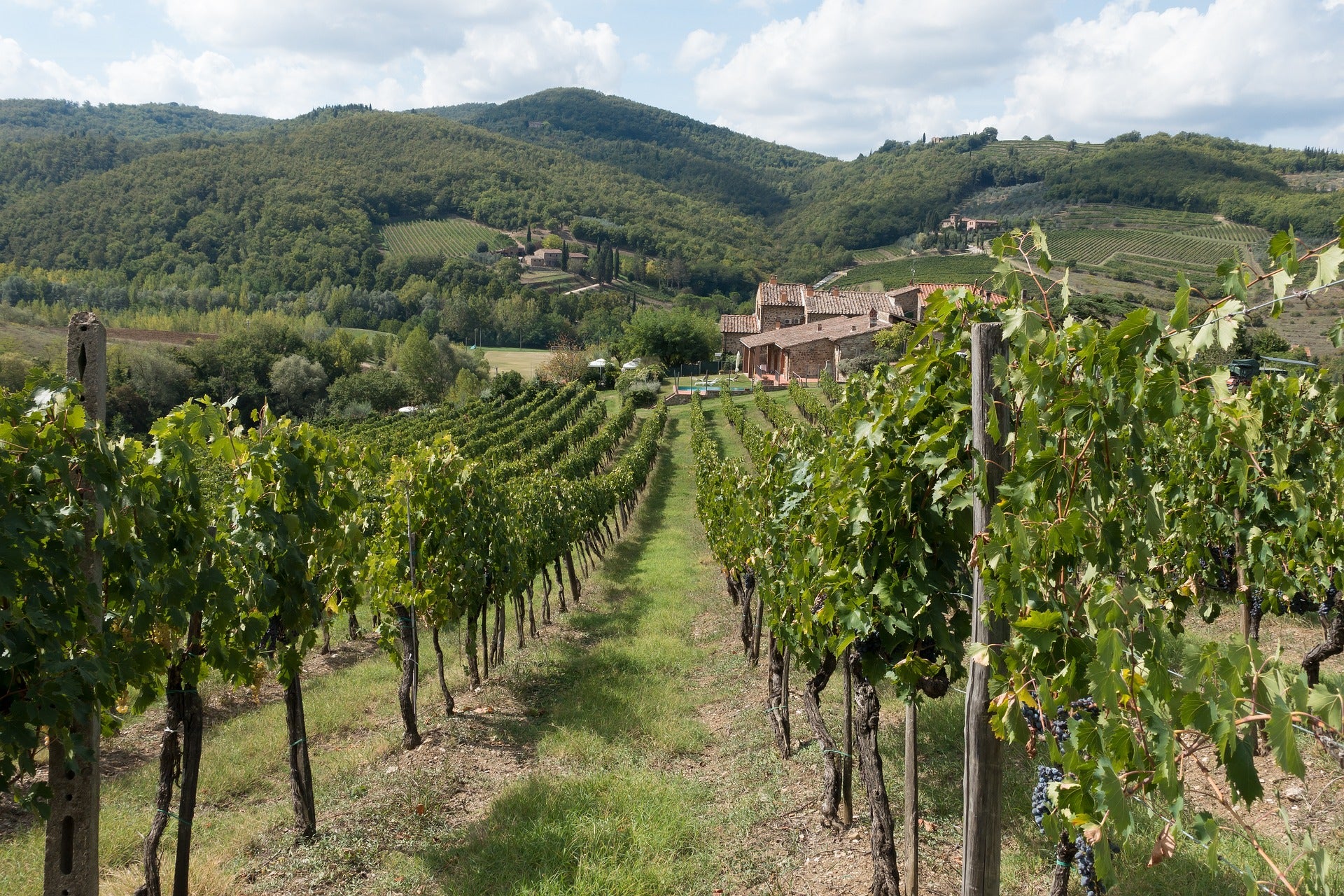
- From which region does Chianti originate? Tuscany; important subzones: Chianti Classico (between Florence and Siena), Chianti Rufina, Colli Senesi etc.
- What classifications are there? Chianti DOCG, Chianti Classico DOCG, Riserva (longer aging), Gran Selezione (highest classification within Classico).
- How does Chianti typically taste? Fresh to medium-bodied, red fruits (cherry), floral notes, lively acidity, fine herbal and spicy tones; more or less oak depending on the aging style.
- Does Chianti taste rather dry or sweet? Mostly dry.
- How strong/tannic is it? Mostly medium-bodied with noticeable acidity and medium tannins; older or Riserva aging can be firmer.
- What foods pair best with Chianti? Classics: tomato dishes, pasta with meat sauce, pizza, roasted/braised poultry, stews, Pecorino; very versatile for everyday use.
- How long can it be stored? Simple Chiantis: 2–5 years; Classico/Riserva/Gran Selezione: 5–15+ years depending on quality and vintage.
- What should I look for when buying? Subzone (Classico?), DOCG label, vintage, producer/reputation, Riserva/Gran Selezione for more structure; check price-performance.
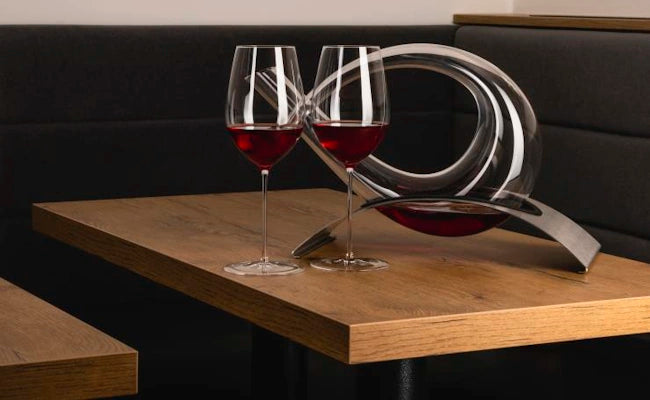
- Should Chianti wines be decanted? Young wines benefit from short decanting (30–60 min), older wines should be decanted carefully due to sediment.