

Spirits from Scotland, Ireland, Italy & Georgia




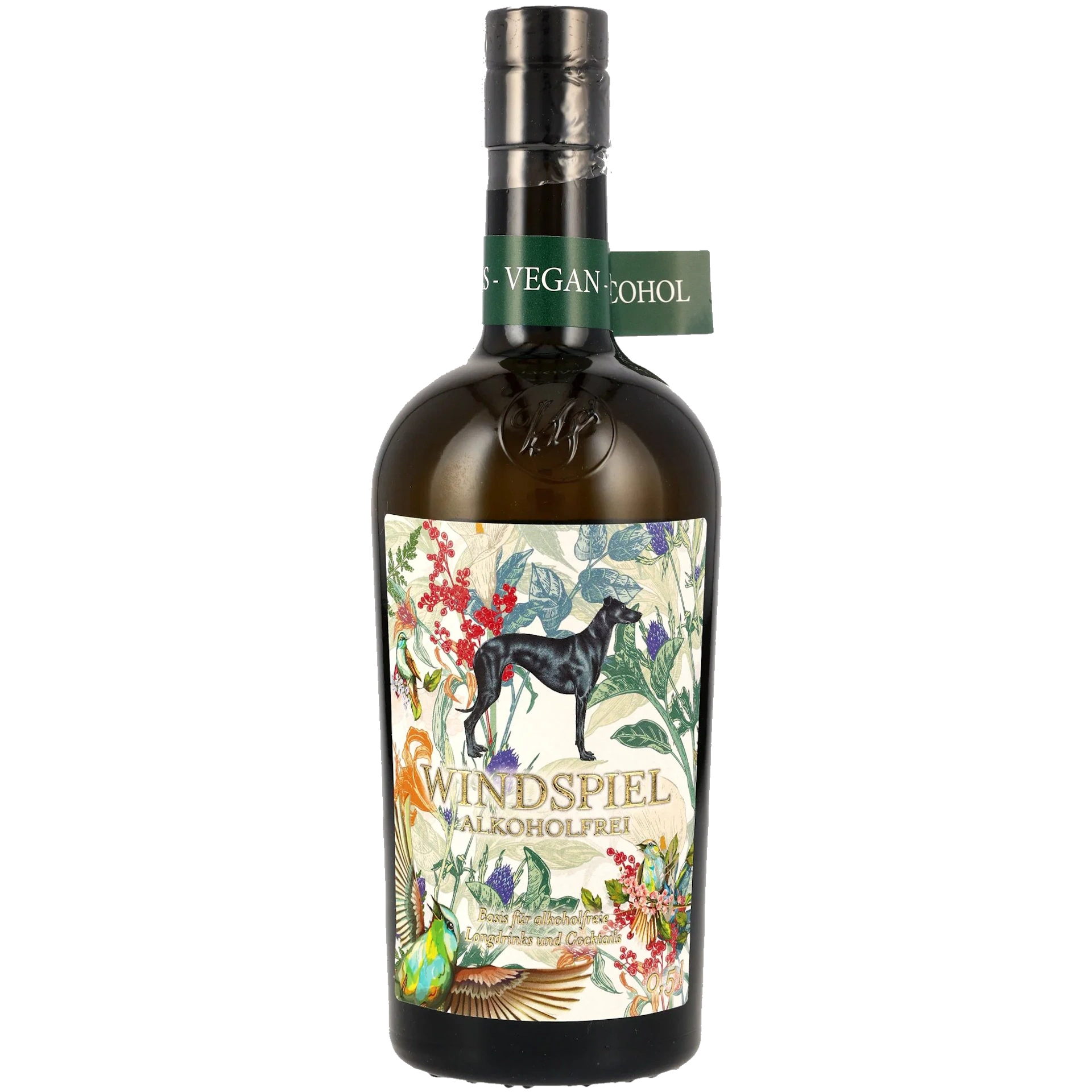
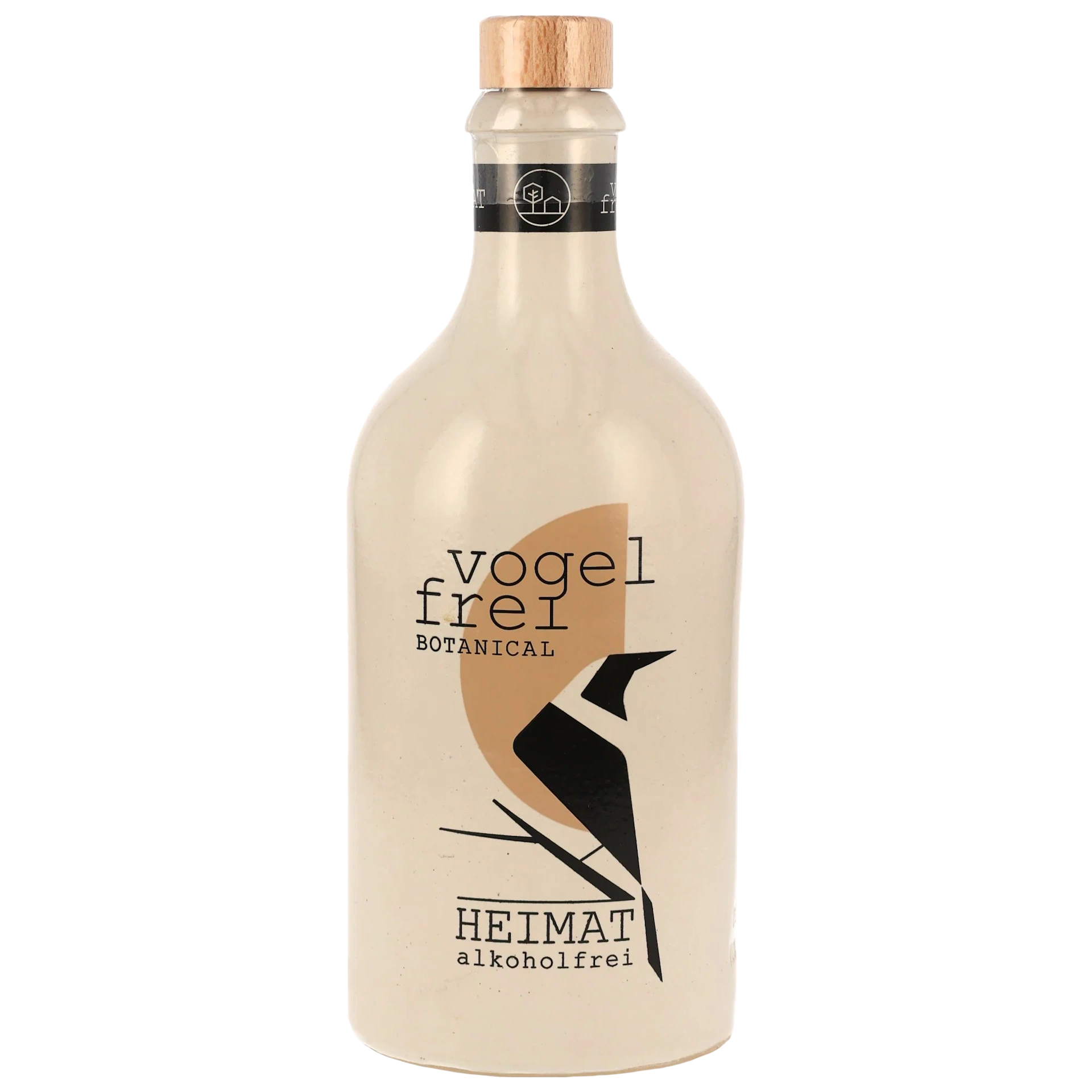

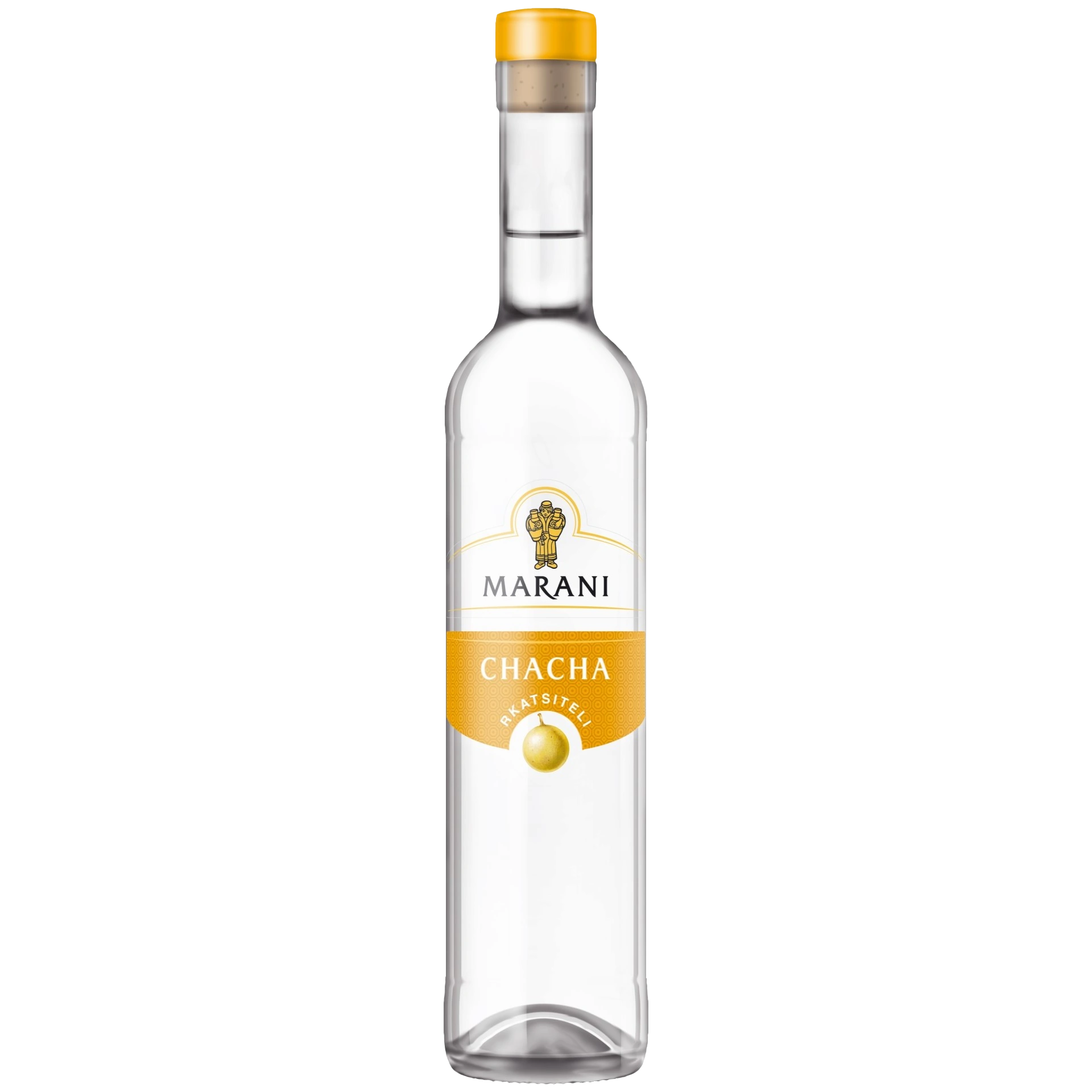
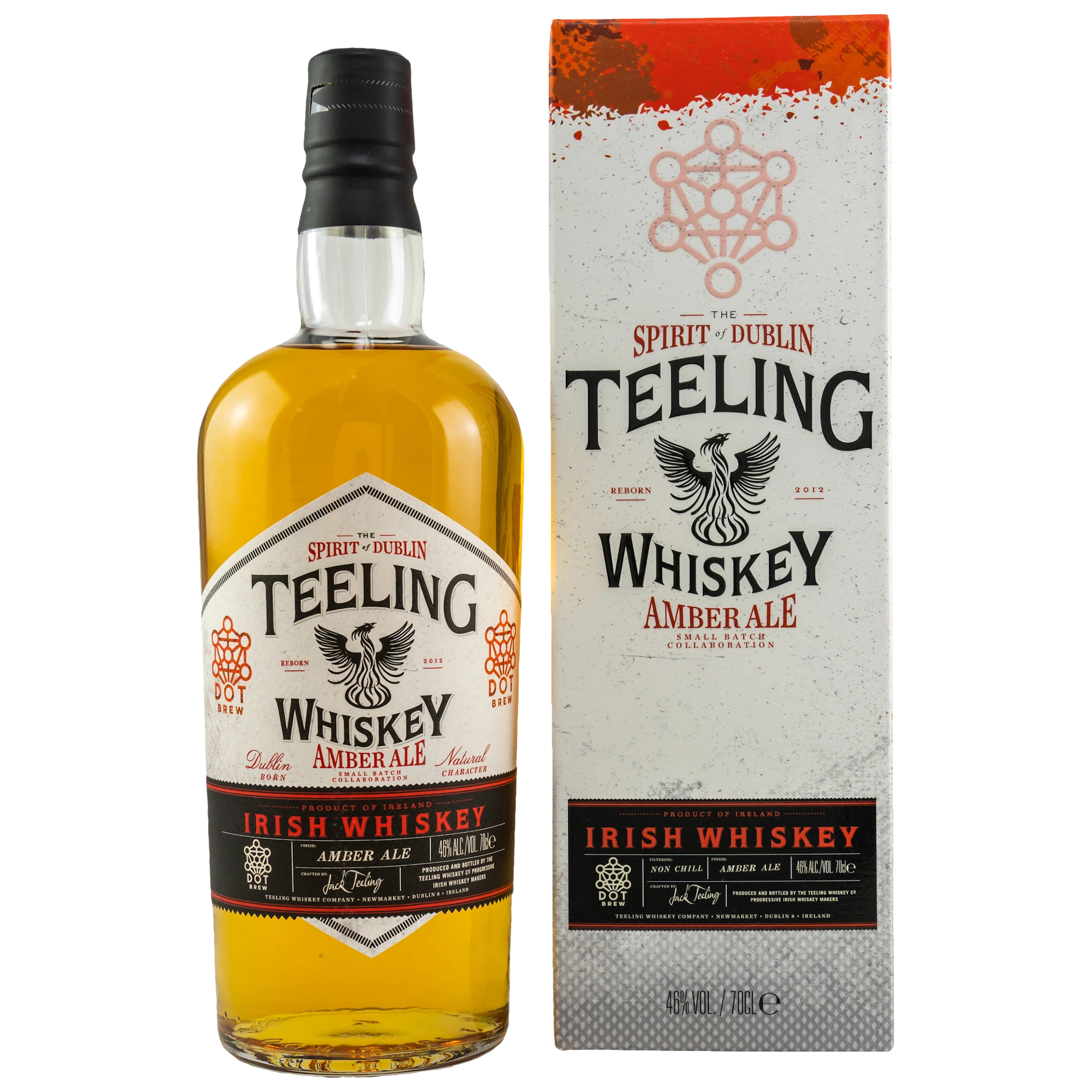





Spirits from Scotland, Ireland, Italy & Georgia
What spirits can you find here and what makes each of them special?
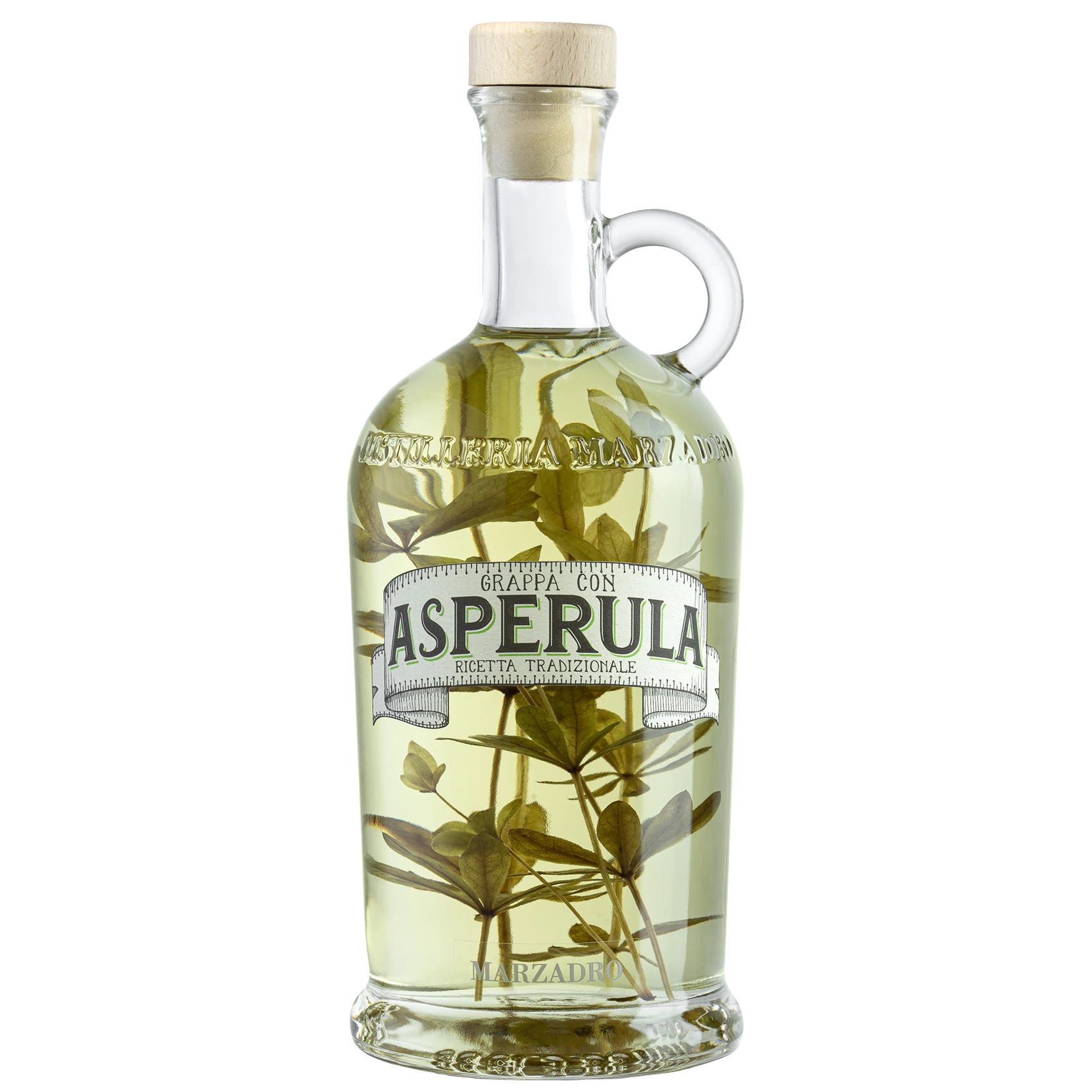
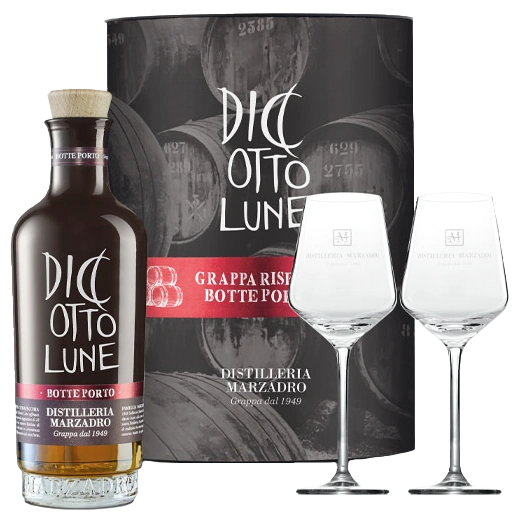
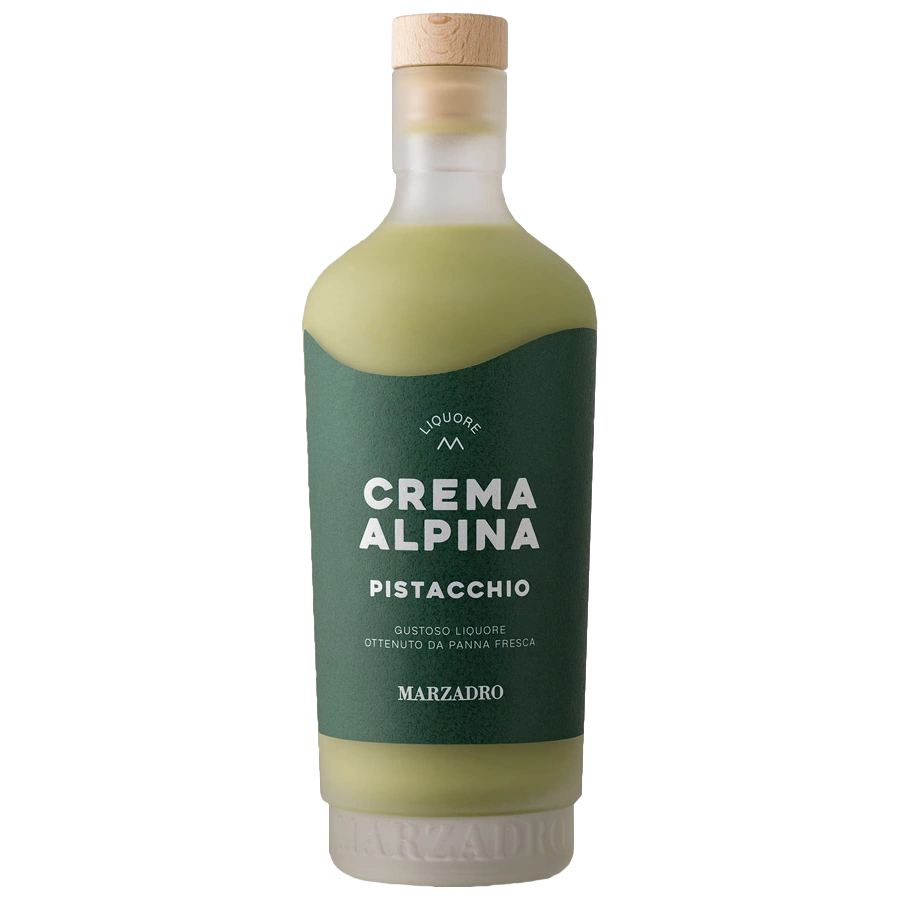
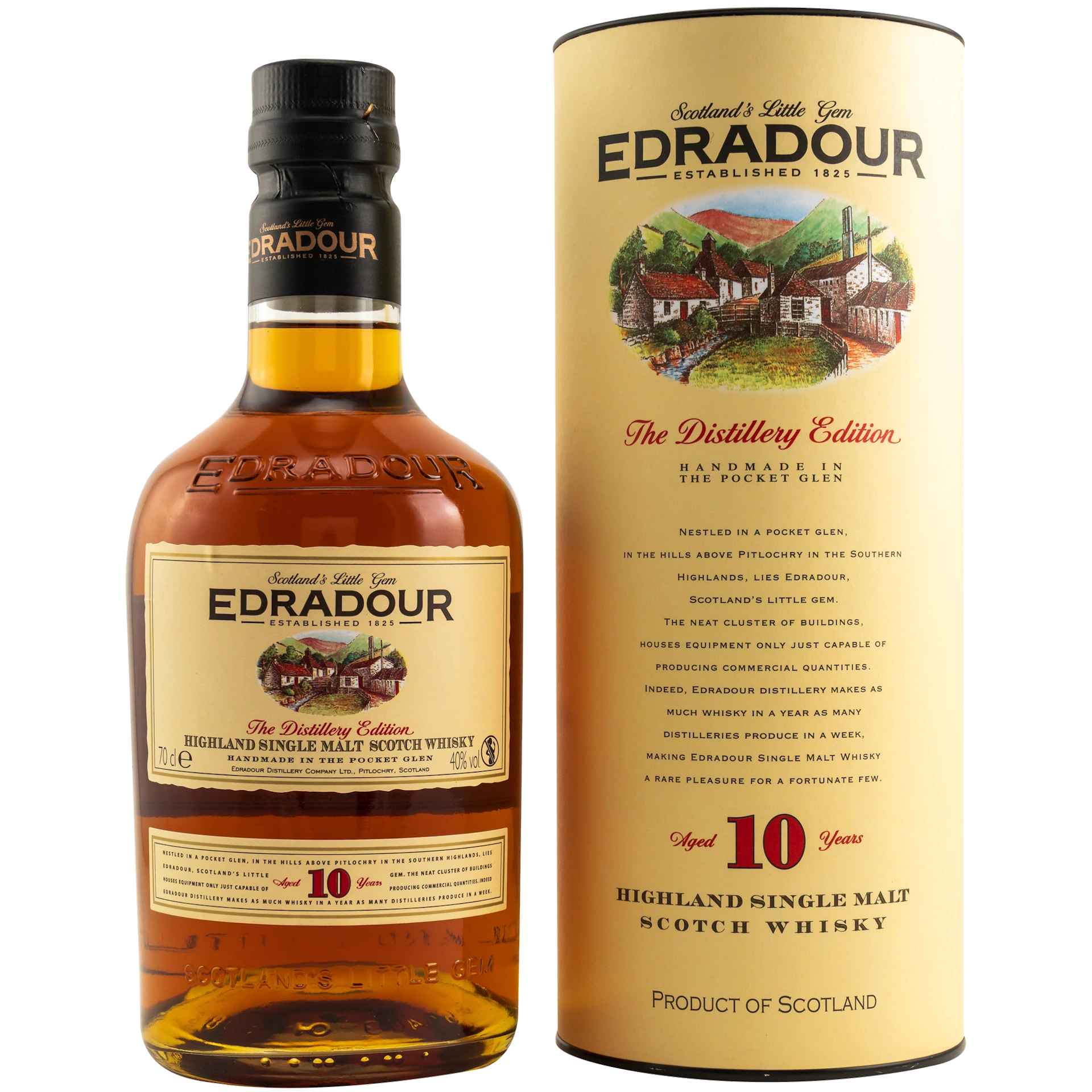
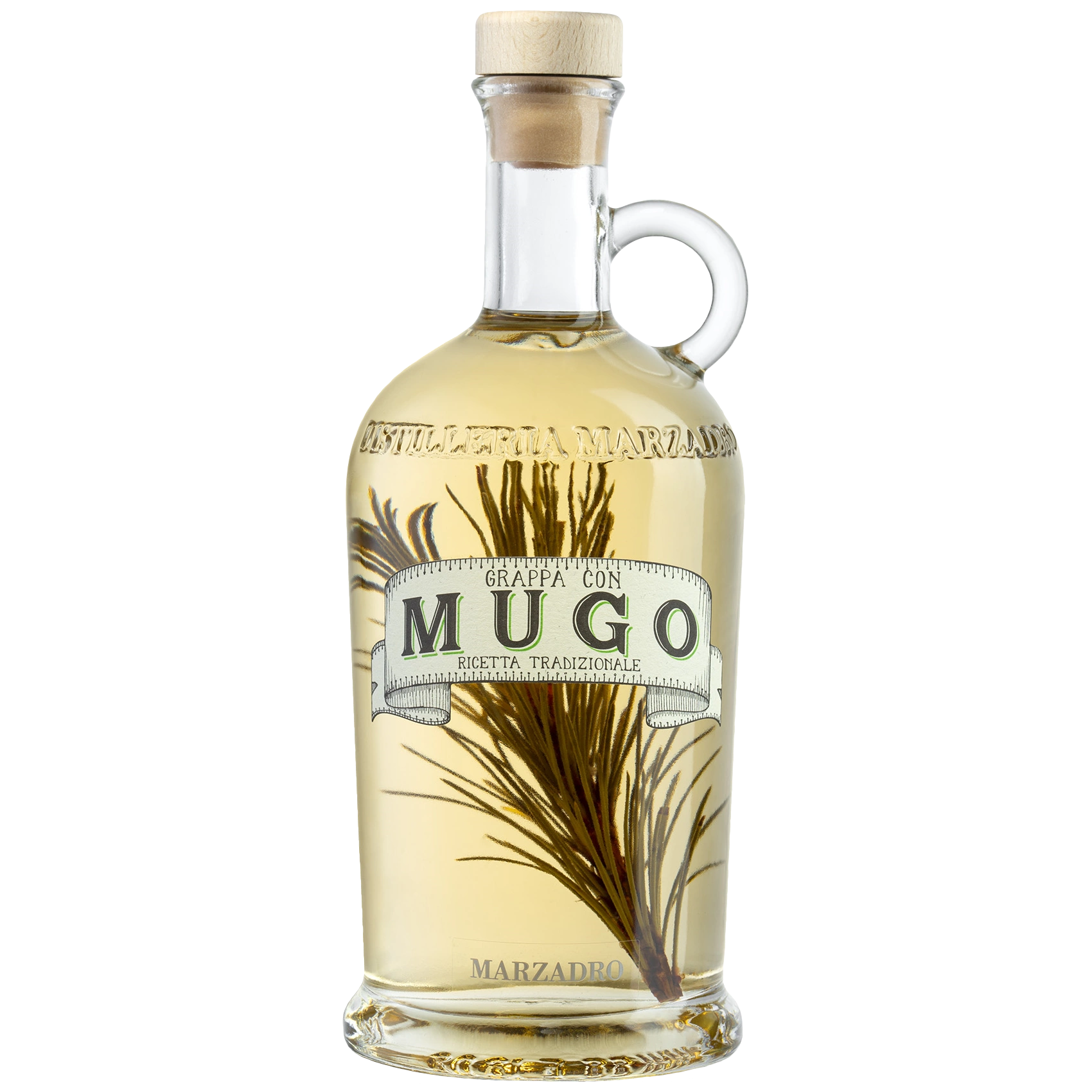
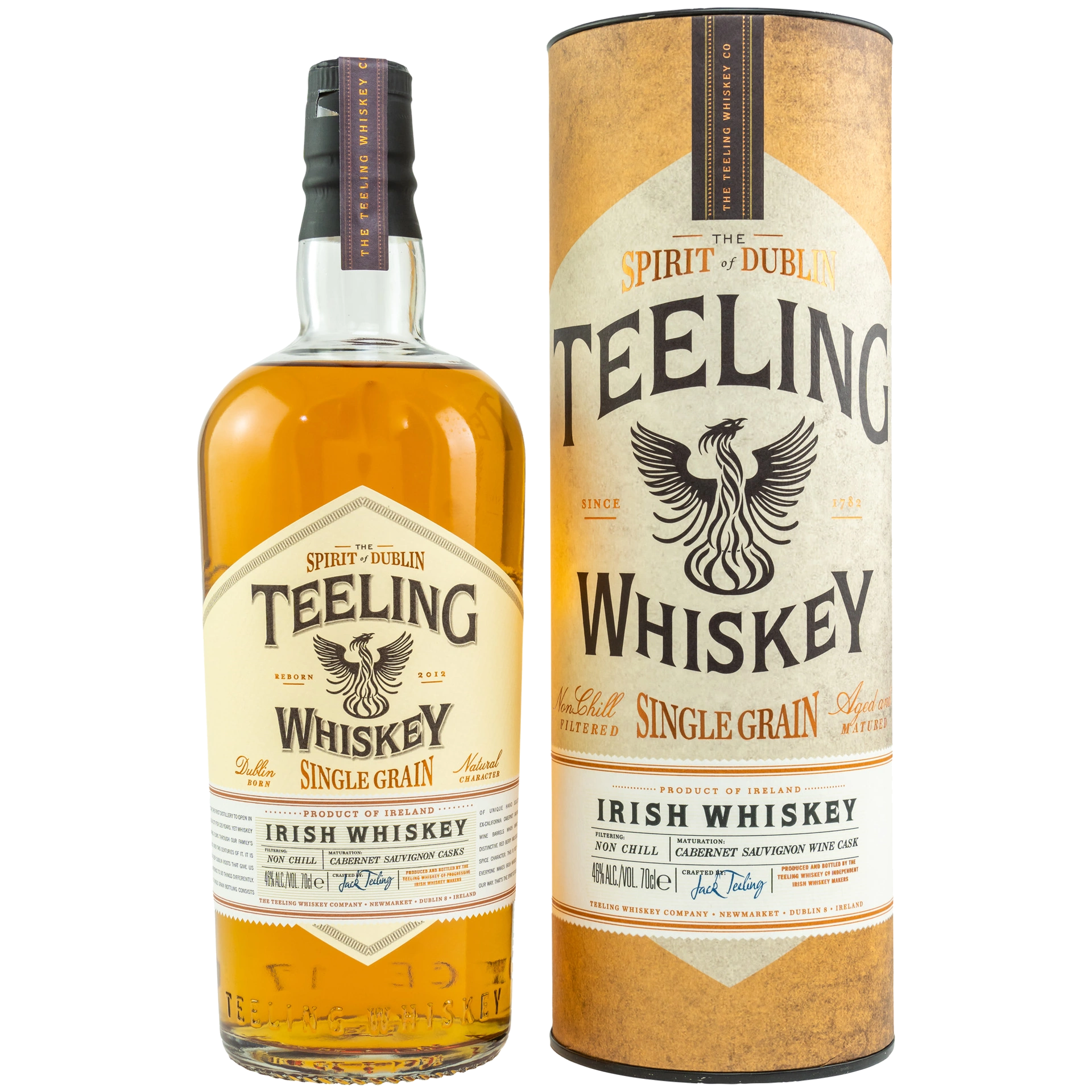
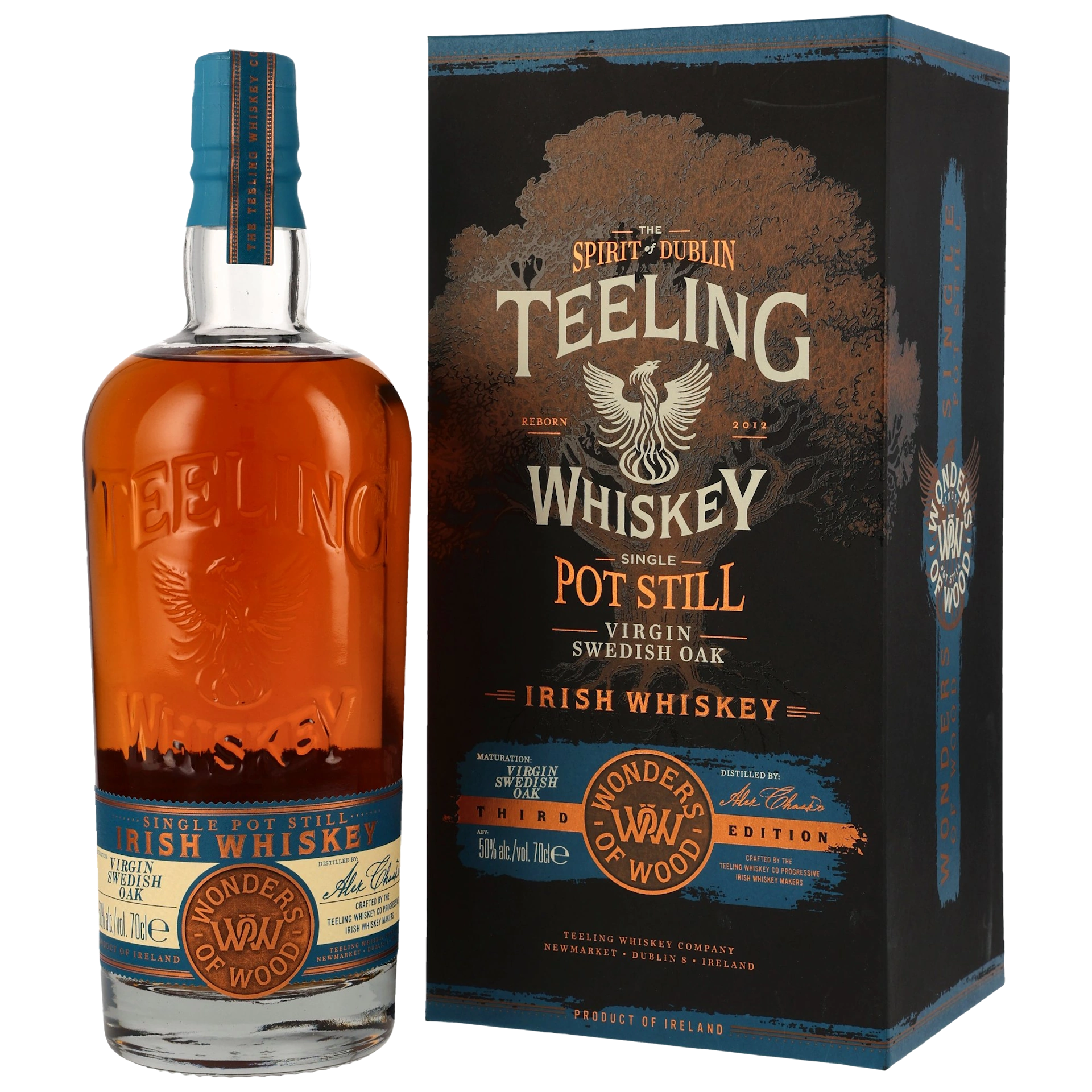
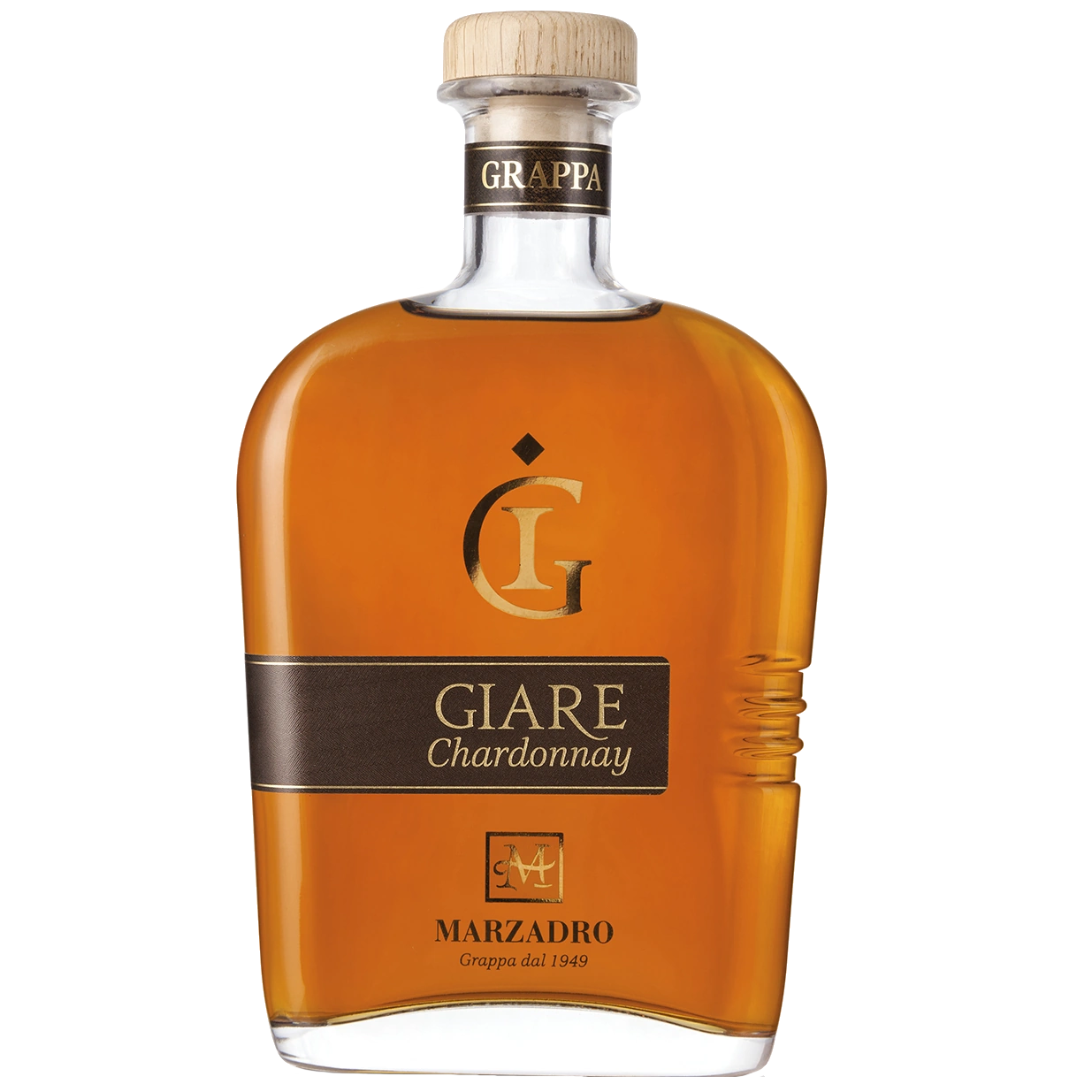
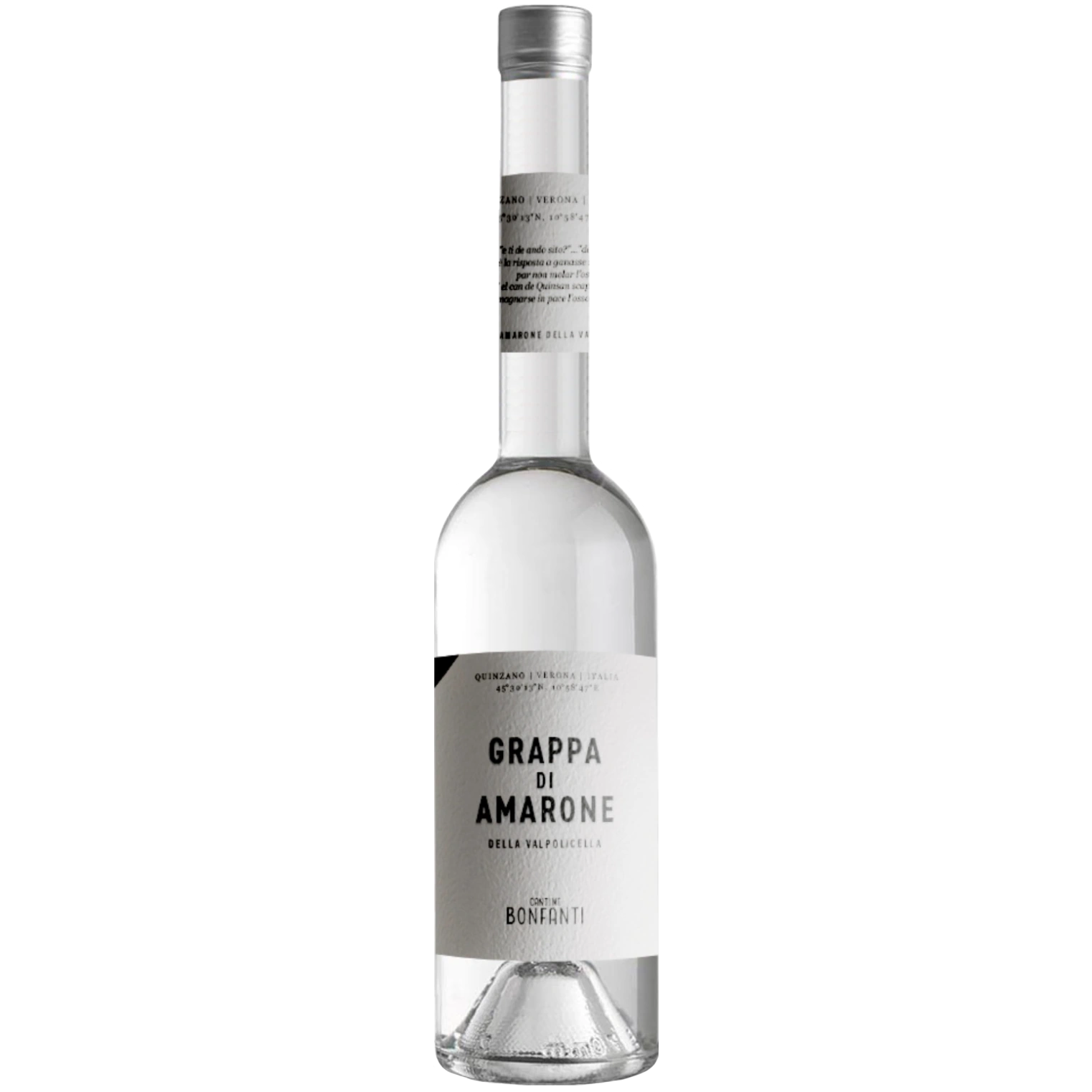
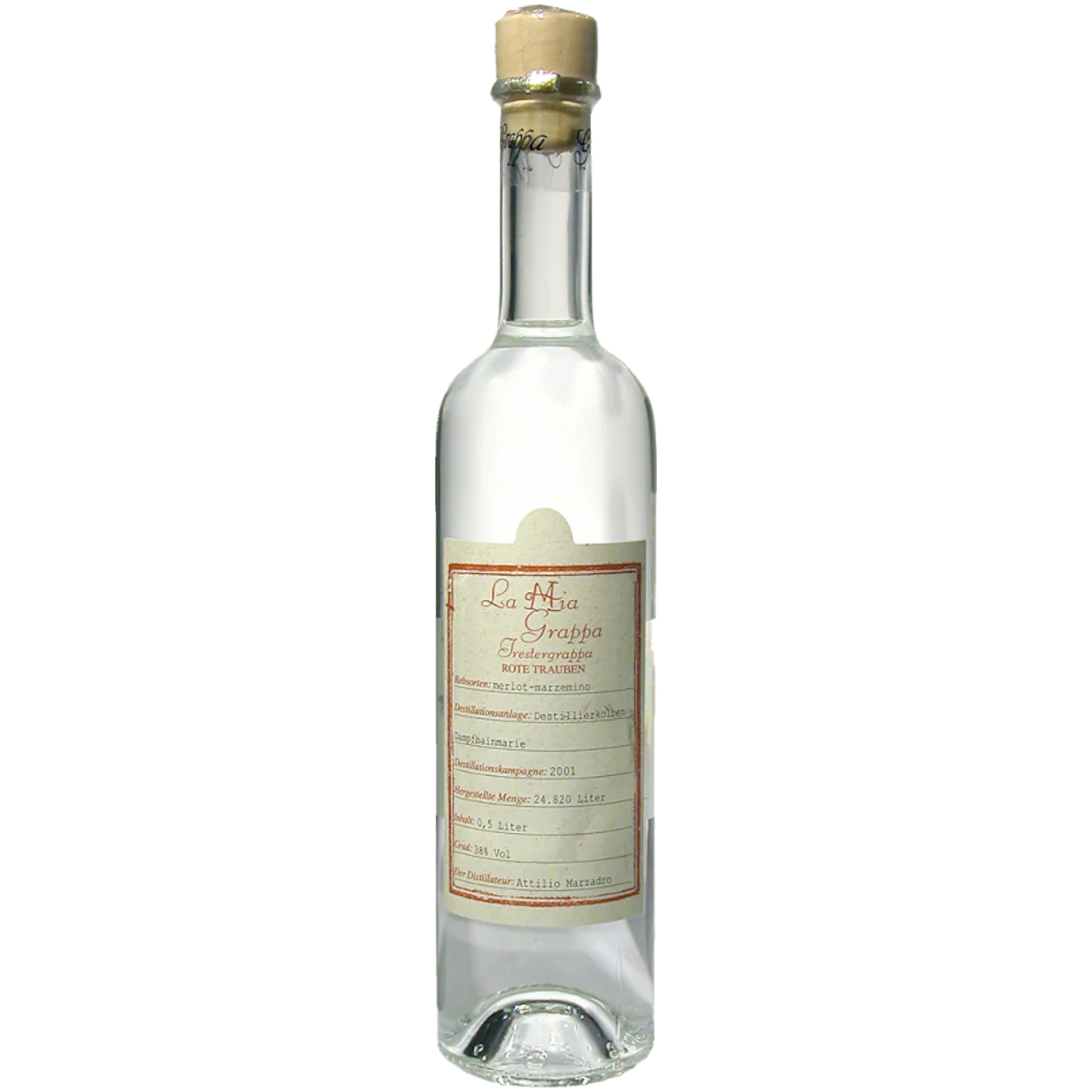
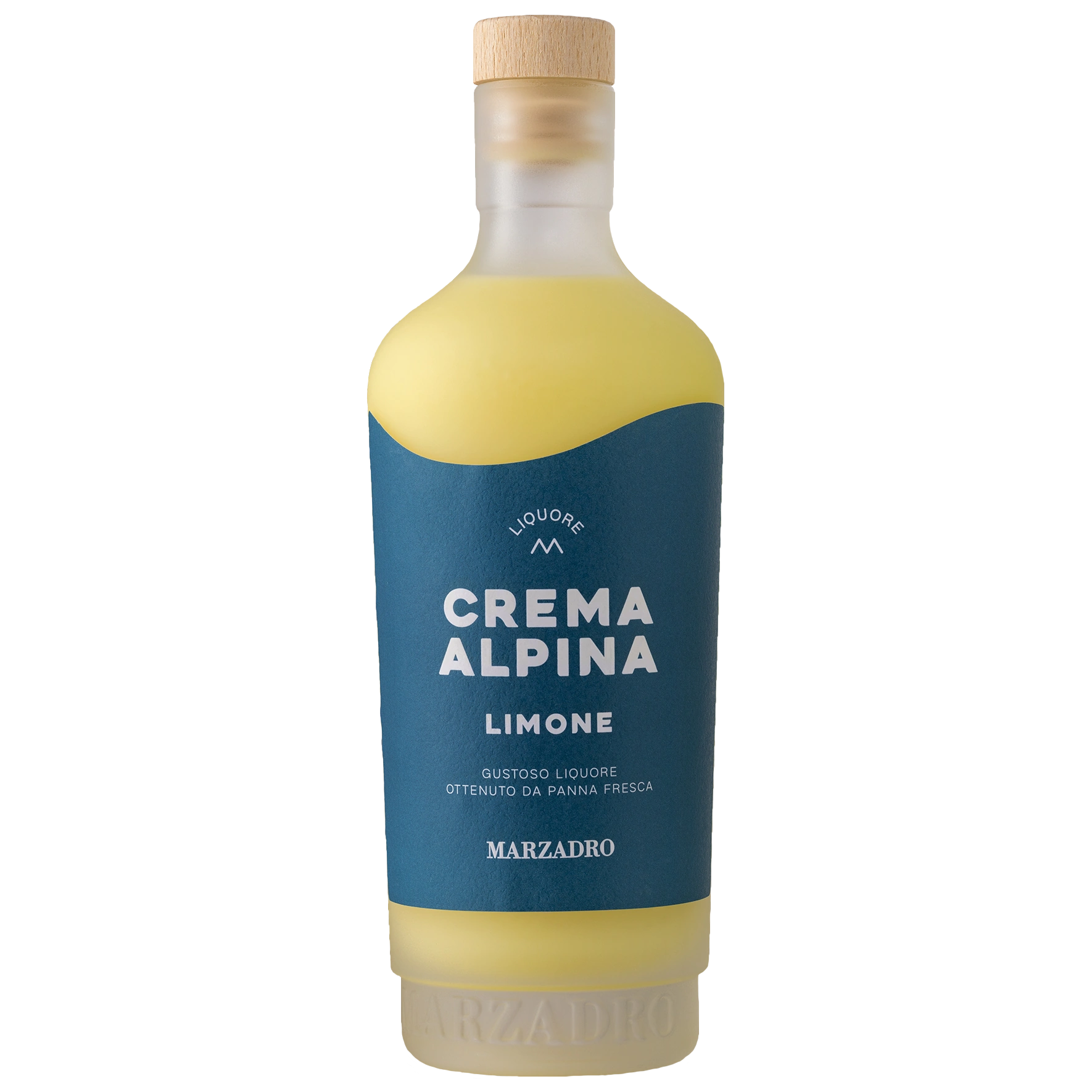
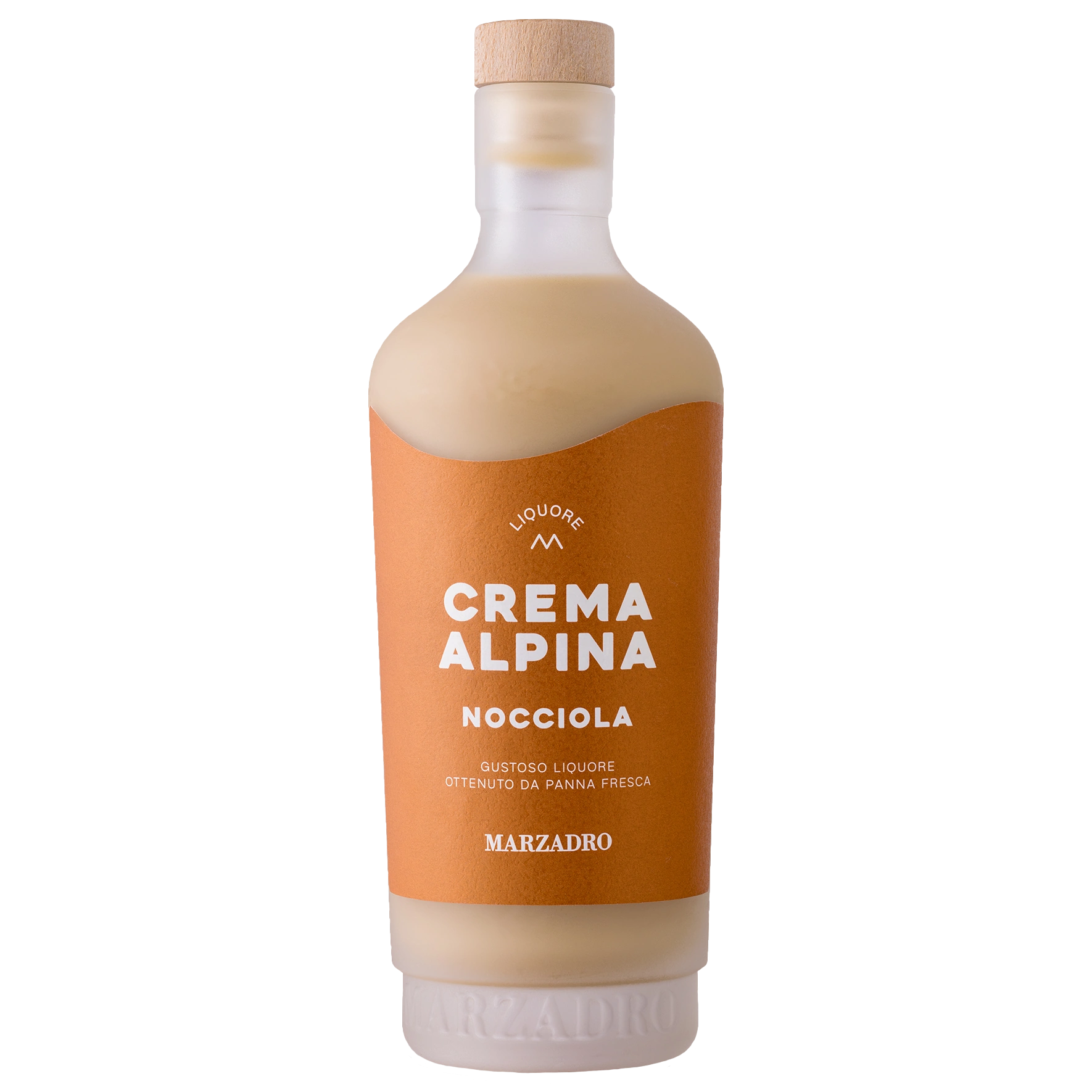
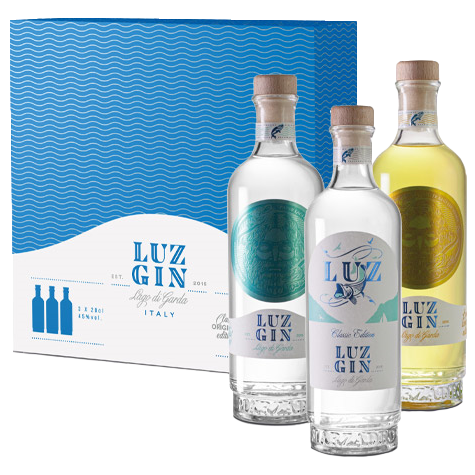
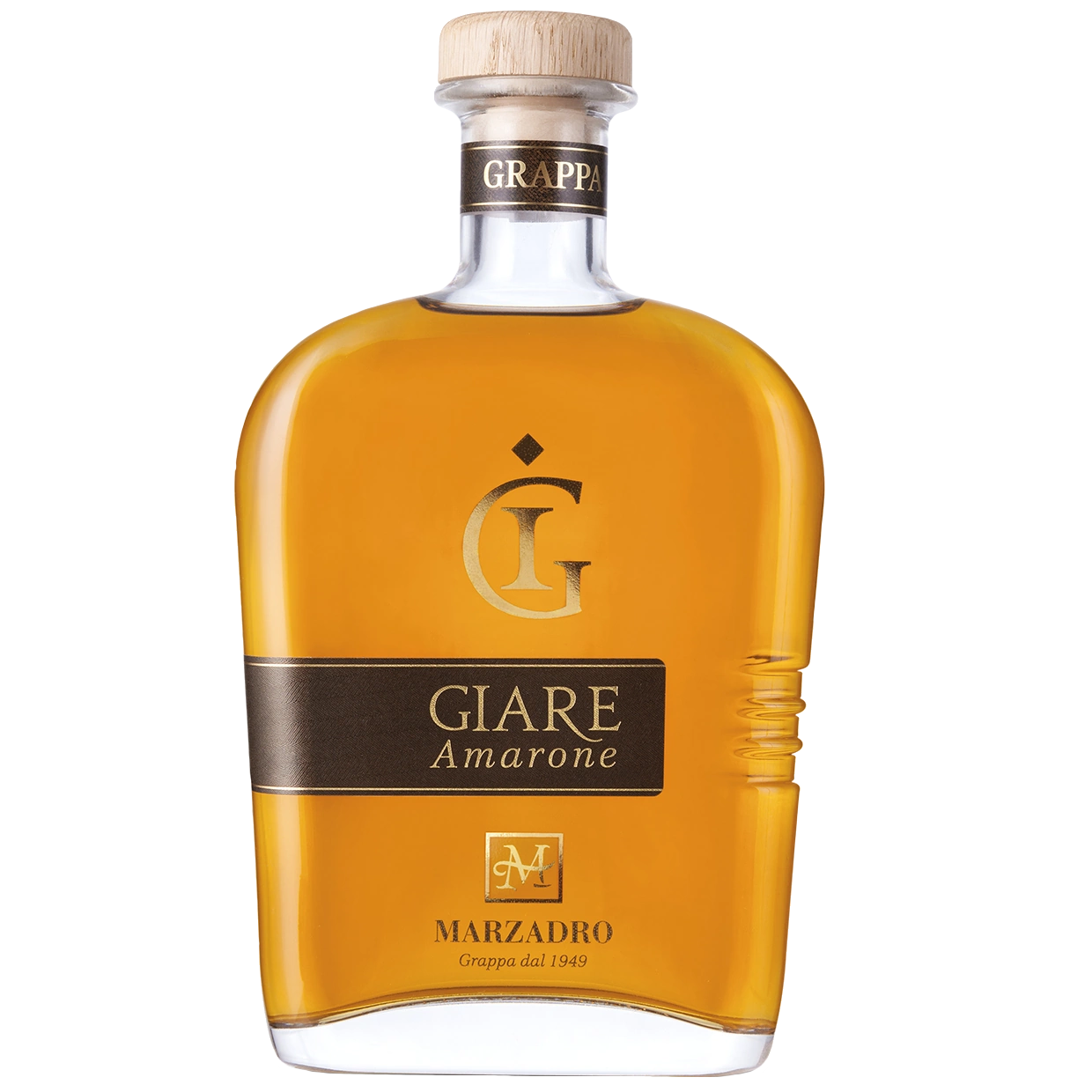
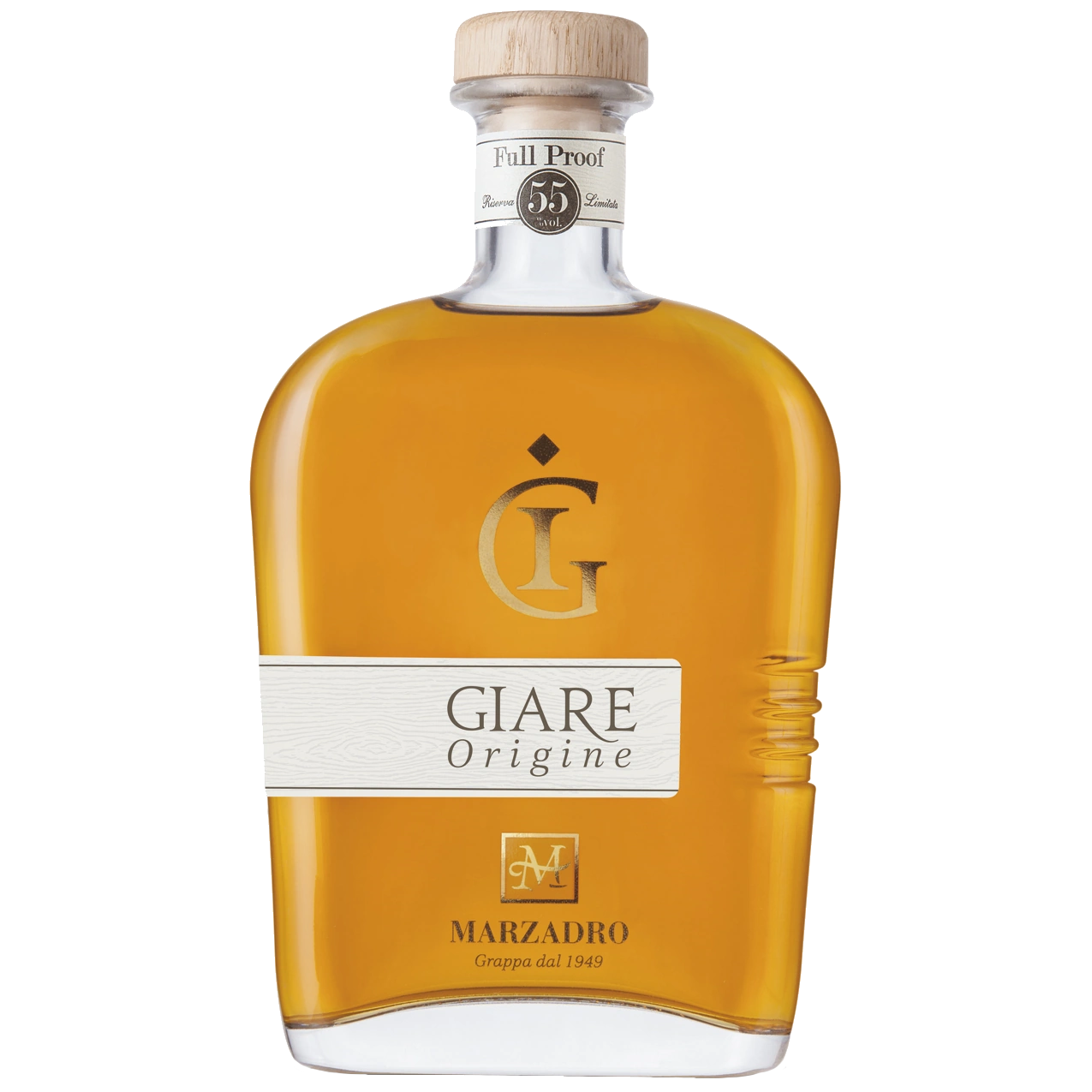
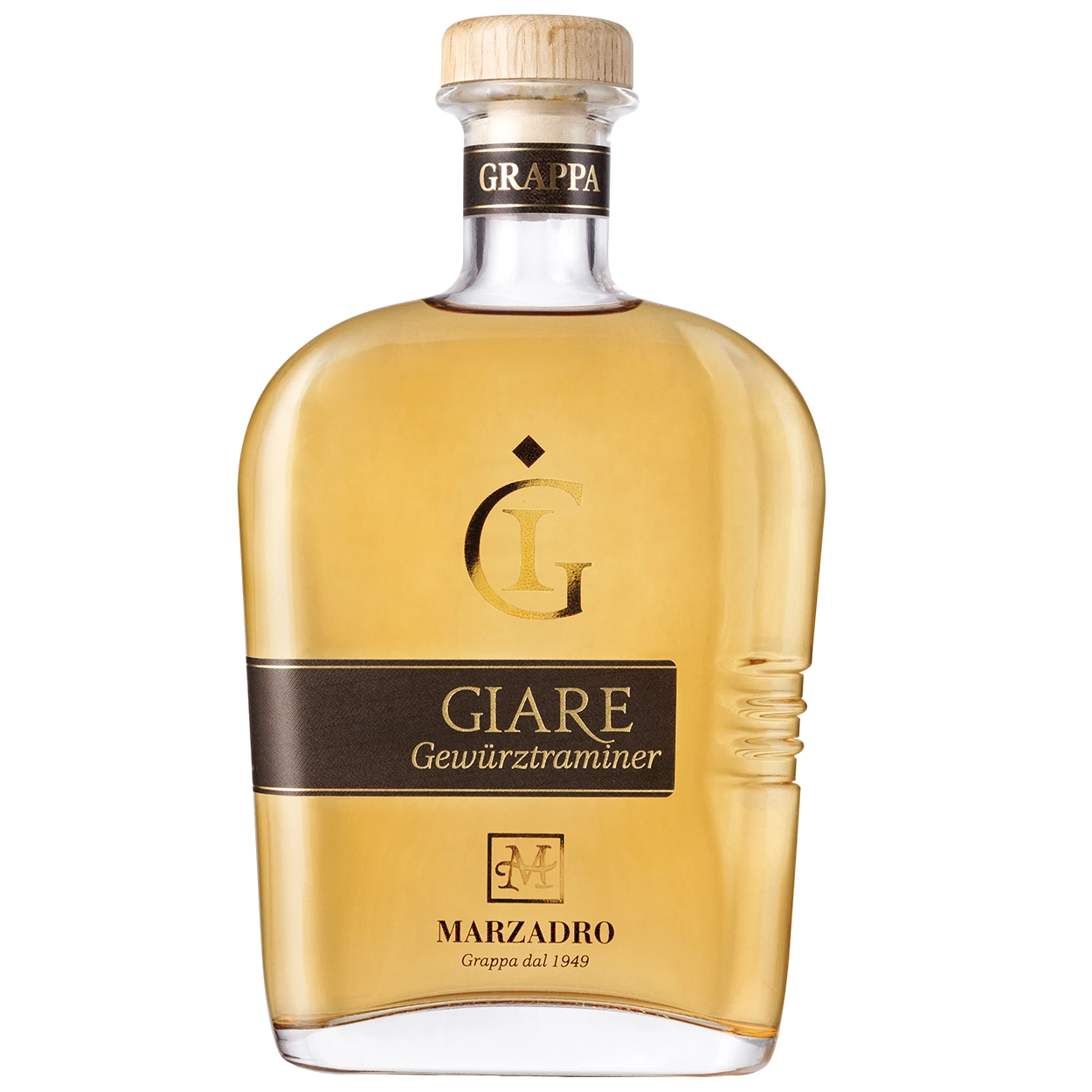
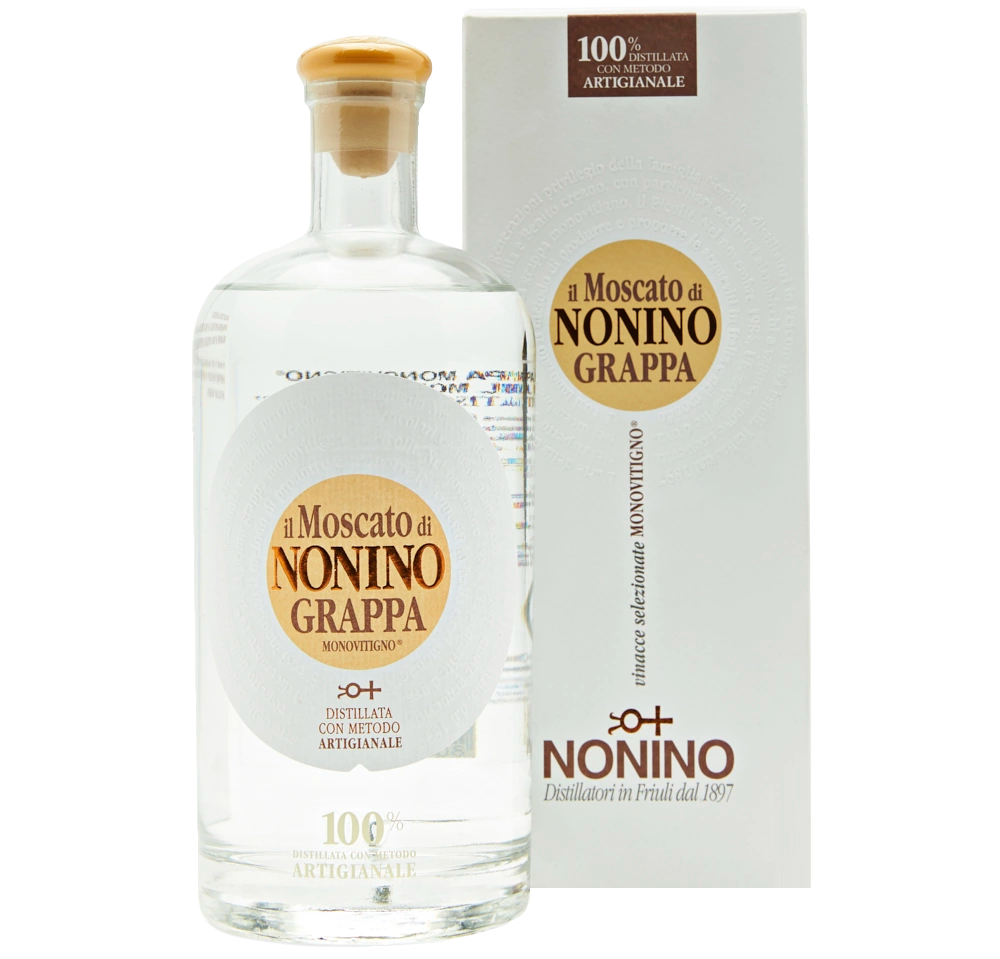
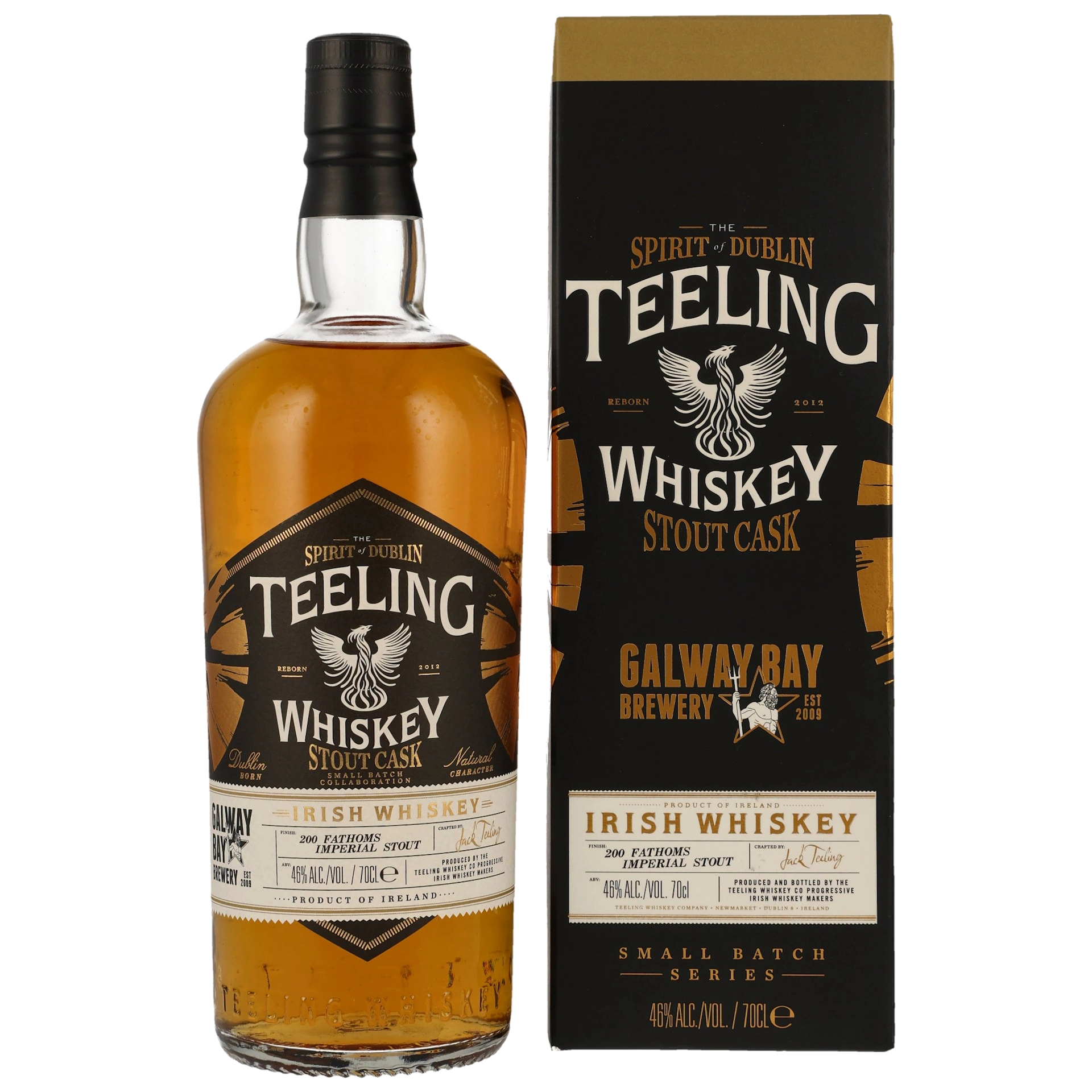
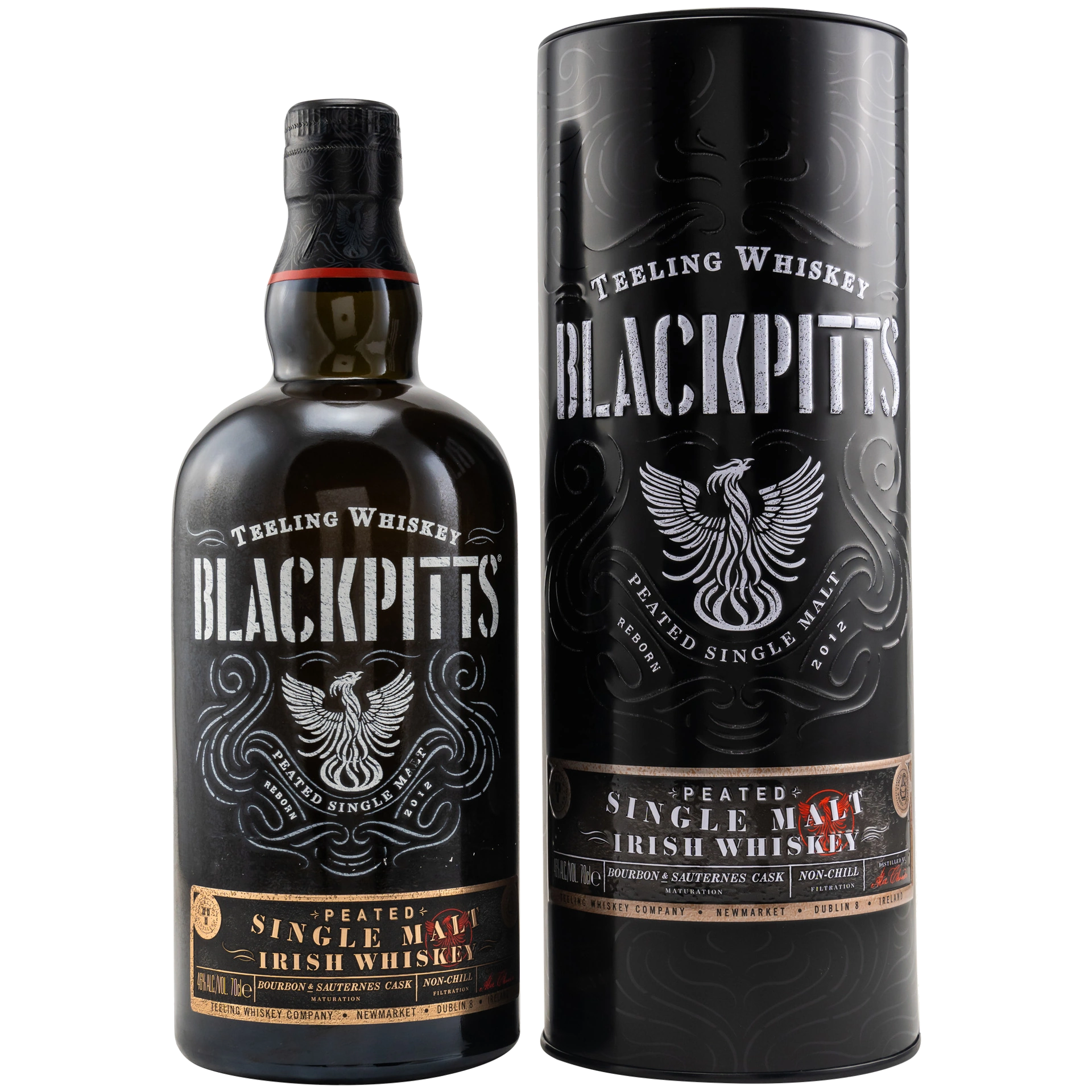
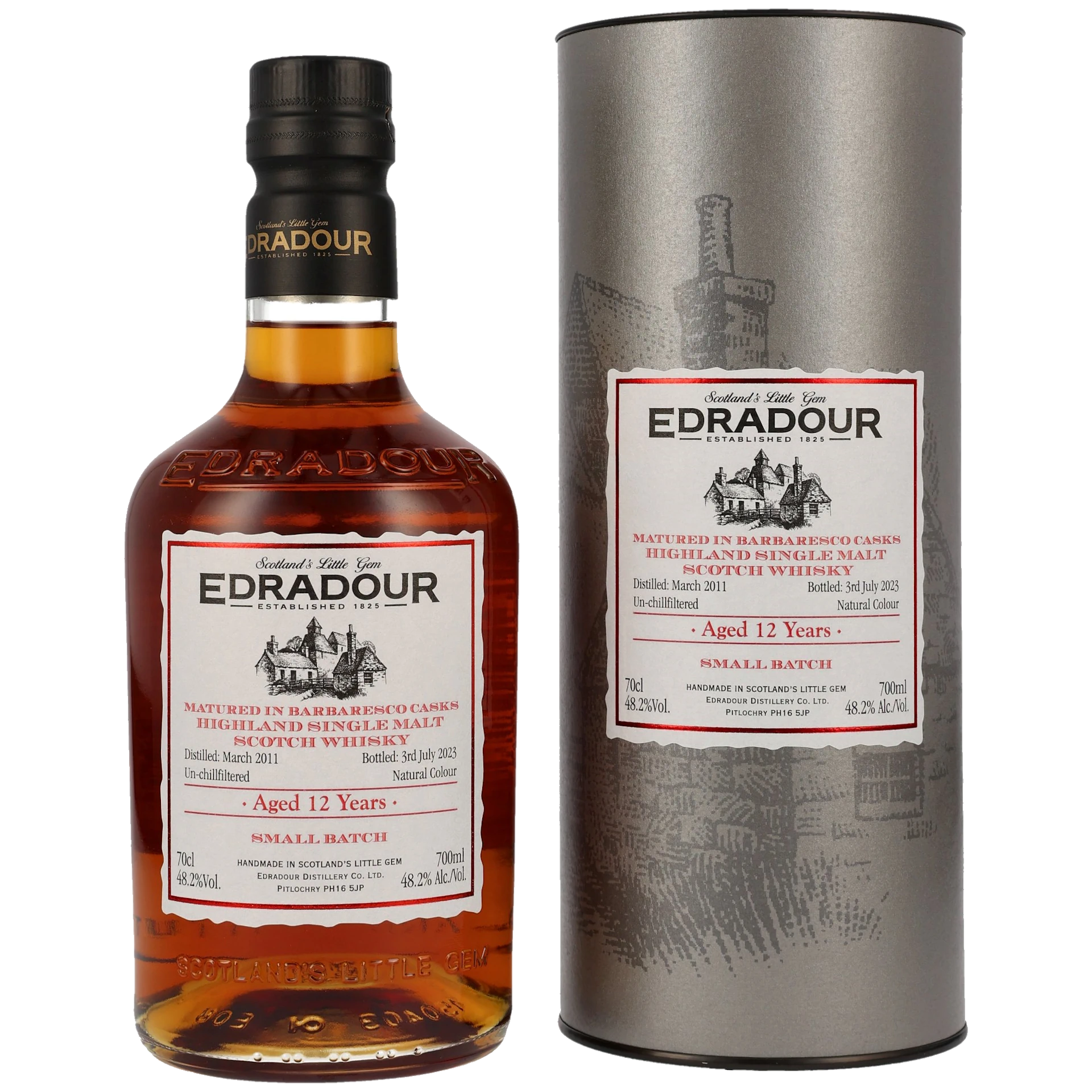
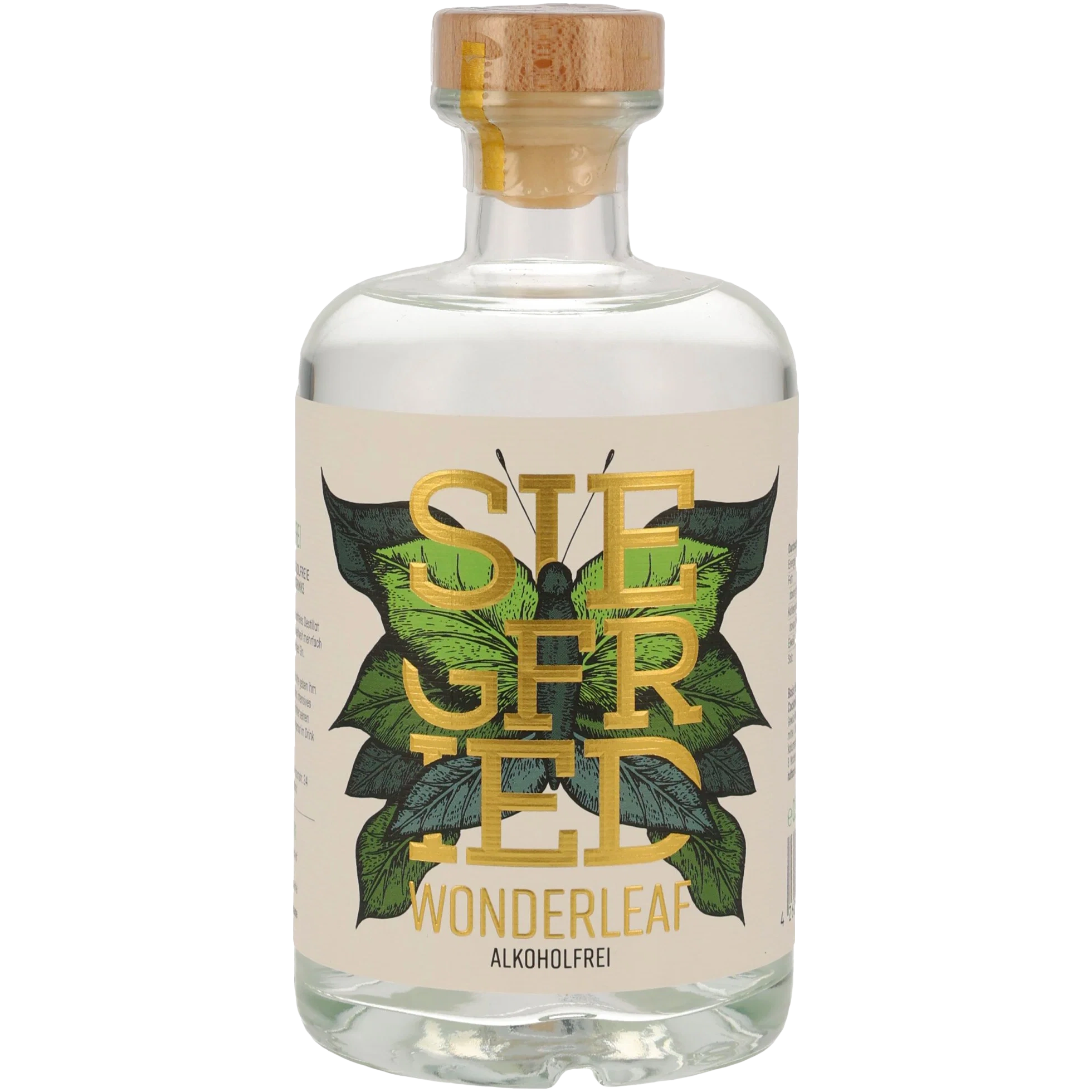
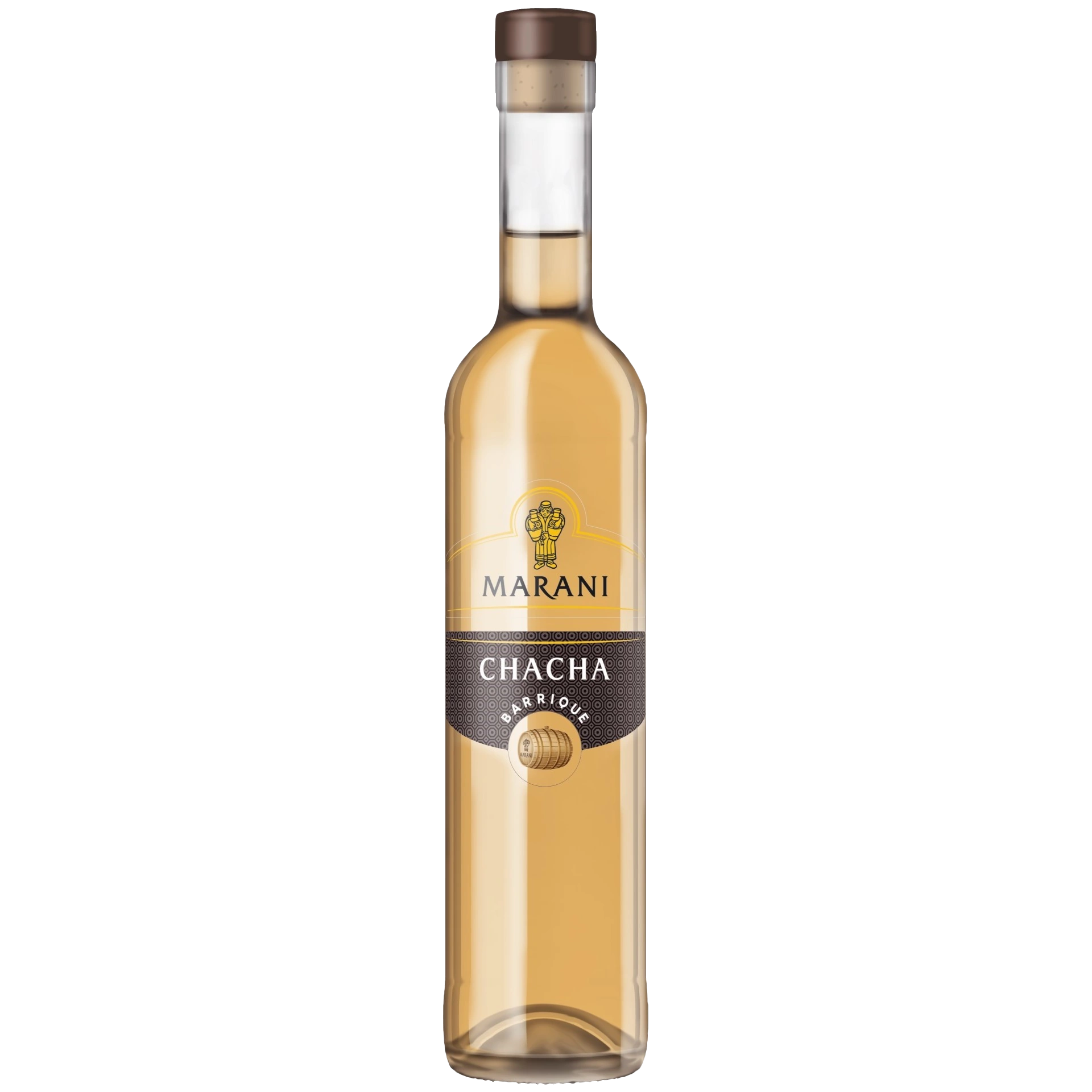
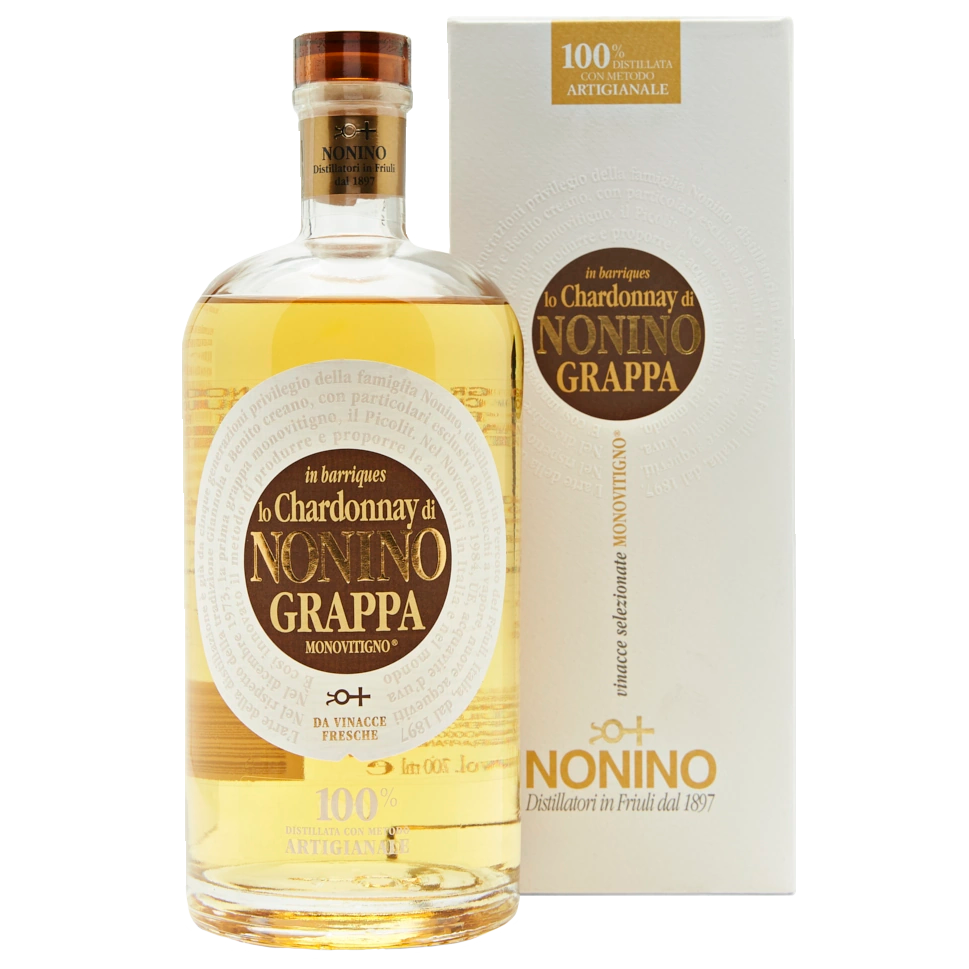
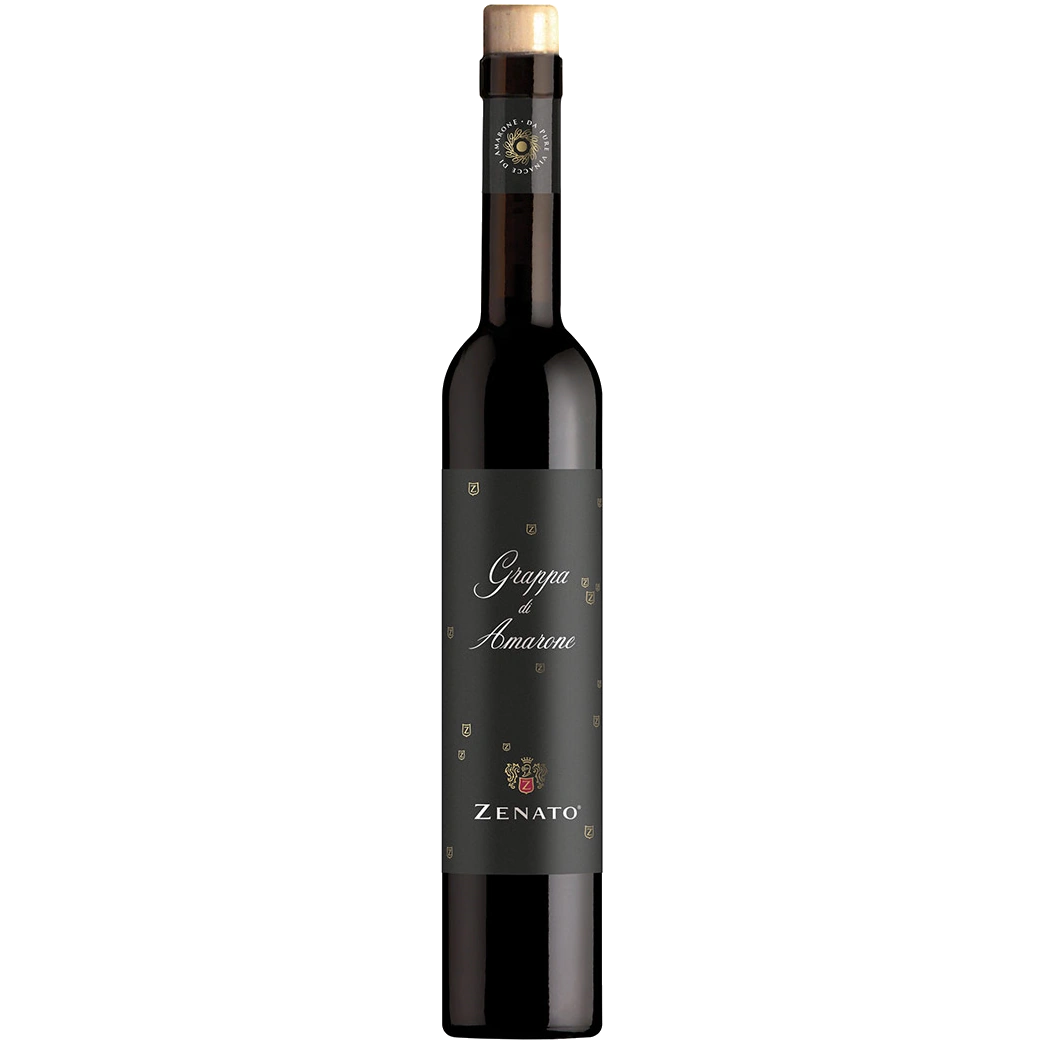
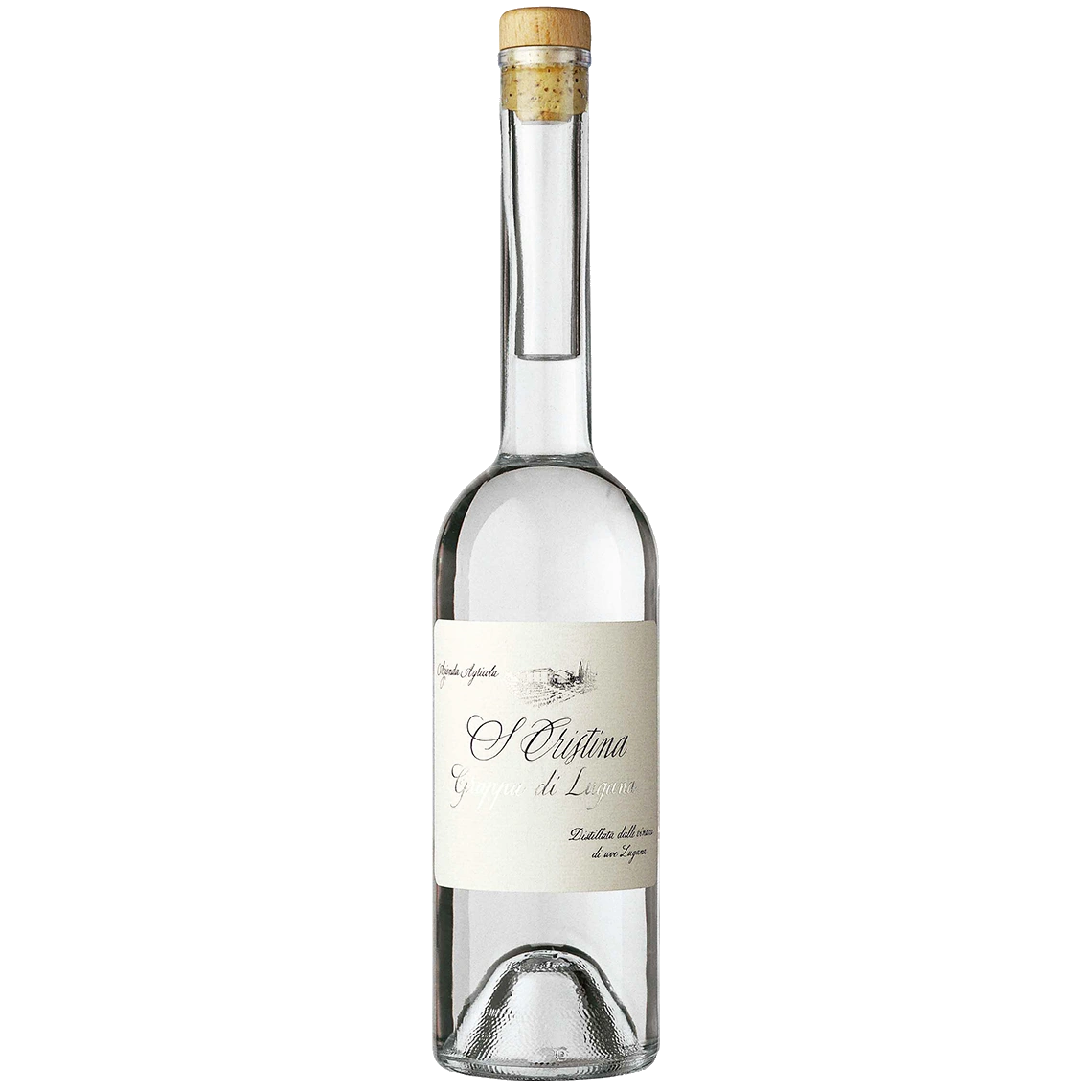
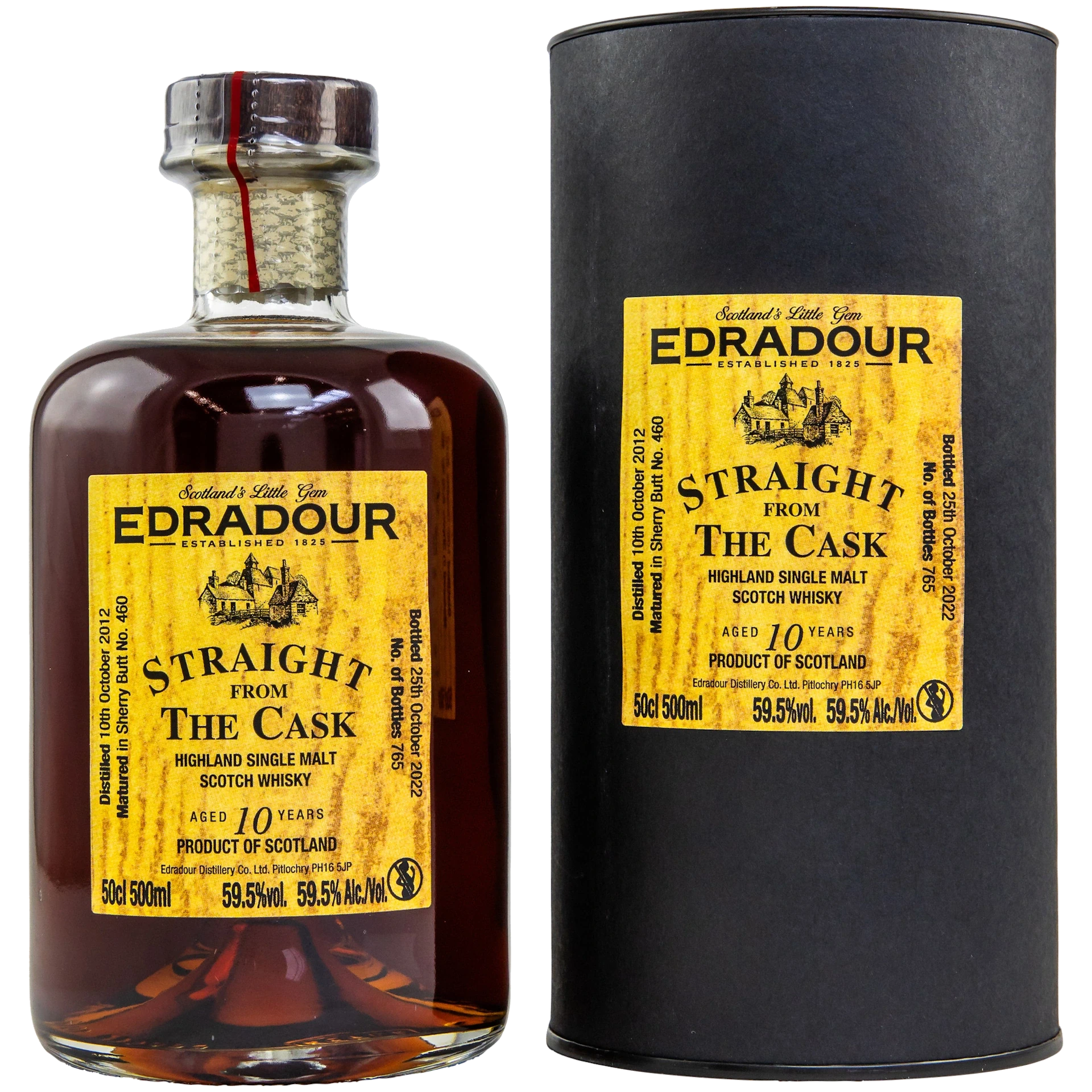
Here you’ll find a wide selection: whisky/whiskey (Scottish, Irish, British, Italian), artisanal gins, aromatic liqueurs, Georgian Chacha, velvety brandies, and characterful grappas. Each category tells its own story: whiskys and whiskeys bring grain, cask, and region to the glass; gin impresses with botanicals; liqueurs offer concentrated flavors; Chacha and Grappa are regional pomace/grape distillates with intense character; brandy usually matures in wood, developing depth and sweetness.
How do you find the right spirit for your taste?
First, ask yourself: do you like smoky and strong, fruity and mild, or fresh and herbaceous? For smoke and peat, look to Islay whiskies or smoky whiskeys; for fruitiness, to Speyside, Irish malts, or aged brandies; for clear, botanical freshness, to gin; for sweet, aromatic moments, to liqueurs and limoncello; for typical regional depth, to grappa or chacha. Try small samples or tastings to find your personal style.
How to properly enjoy spirits – serving temperature and glass selection?
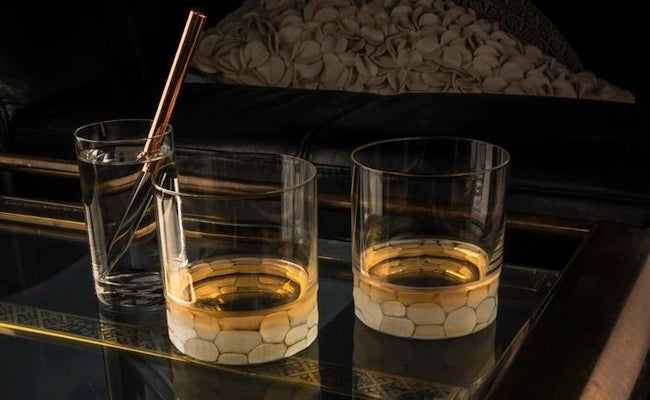
Use a tulip-shaped glass for whisky/brandy to concentrate aromas; liqueurs and grappa in small nosing glasses. Serving temperature: whisky/brandy slightly below room temperature, gin in a cool glass with tonic, liqueur and limoncello well chilled, grappa and chacha neat and slightly tempered depending on the style. A drop of water can open up aromas in strong bottlings – approach slowly.
Which simple serving suggestions and pairings work best?
- Smoky whiskies: smoked fish, dark chocolate, aged cheese.
- Fruity malts & brandies: desserts, dried fruits, nuts, aged cheese.
- Gin: seafood, light antipasti, fresh salads.
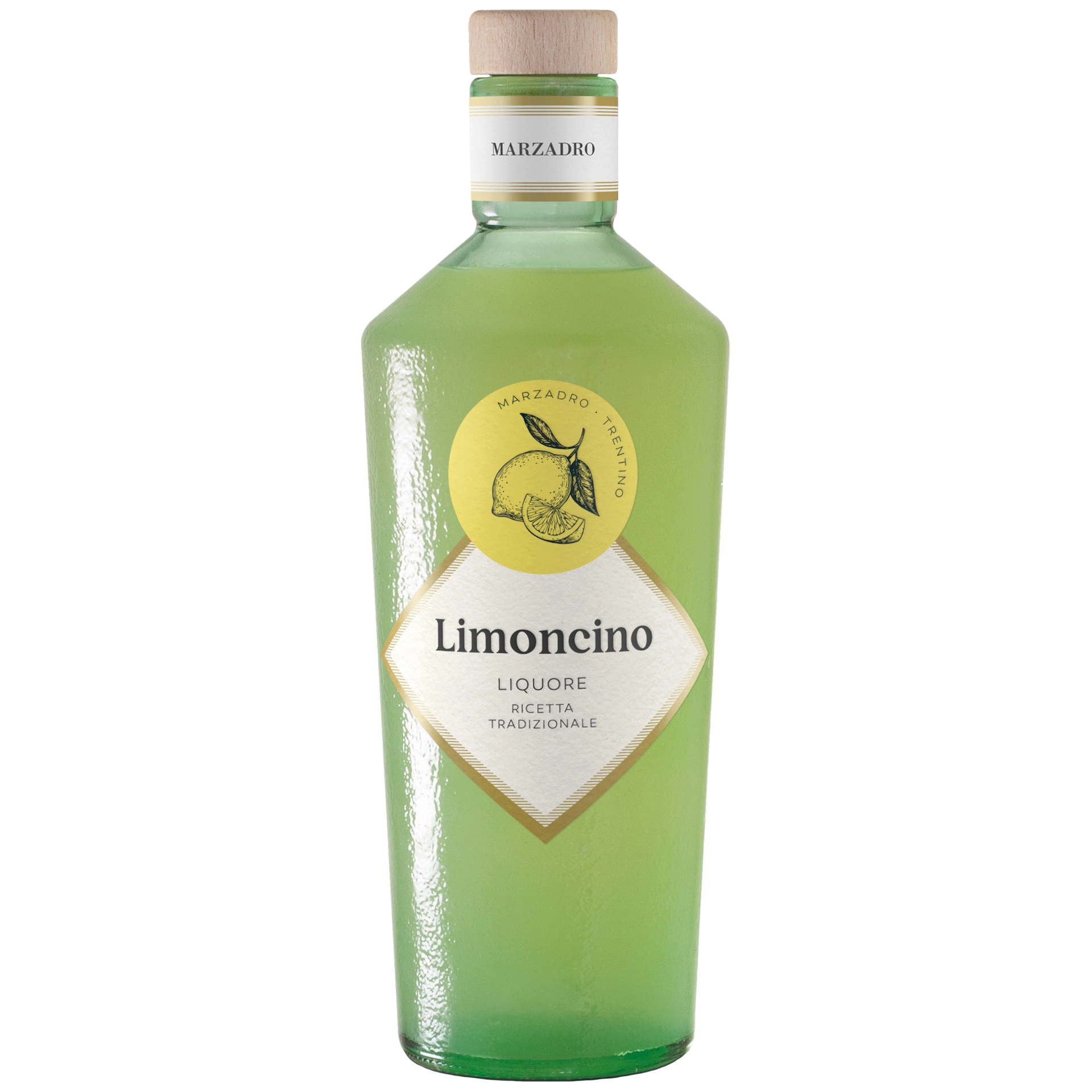
- Liqueurs (Amaro, Limoncello, Amaretto): desserts, coffee, cocktails, or as a digestif.
- Grappa & Chacha: neat as a digestif, with rich dessert or strong cheese.
Small bites alongside the drink help discover nuances.
How do you use spirits for mixing and which cocktails are beginner-friendly?
Beginner cocktails that almost always work: Gin & Tonic (with fresh zest), Old Fashioned (Whisky/Brandy, sugar, bitters), Negroni (Gin, Vermouth, bitters), Espresso Martini (coffee liqueur + vodka), Limoncello Spritz (Limoncello + Prosecco + soda). Chacha or Grappa can be used in creative drinks as a fruity, strong accent – try regional recipes or simple highballs.
What should you look for when buying – quality, origin & cask information?
Pay attention to origin, cask type (Bourbon, Sherry, Wine), age or series designation, bottling strength (Cask Strength), and whether it is chill-filtered or colored. For liqueurs, the ingredient list matters (real fruits, natural extracts). For Grappa and Chacha, the grape variety, distillation process, and possibly cask aging are crucial for style and price.
How do you store spirits correctly at home and how long do they last?
Store bottles upright, in a dark place, and at a constant temperature. Unopened spirits have an almost unlimited shelf life. After opening, light and oxygen shorten the optimal enjoyment time – try to consume open bottles within 1–3 years, especially half-empty bottles.
Which gift ideas and sets are particularly suitable?
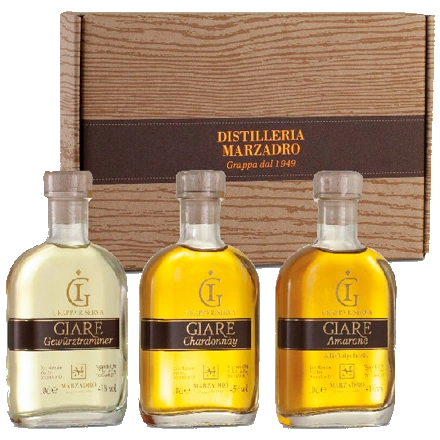
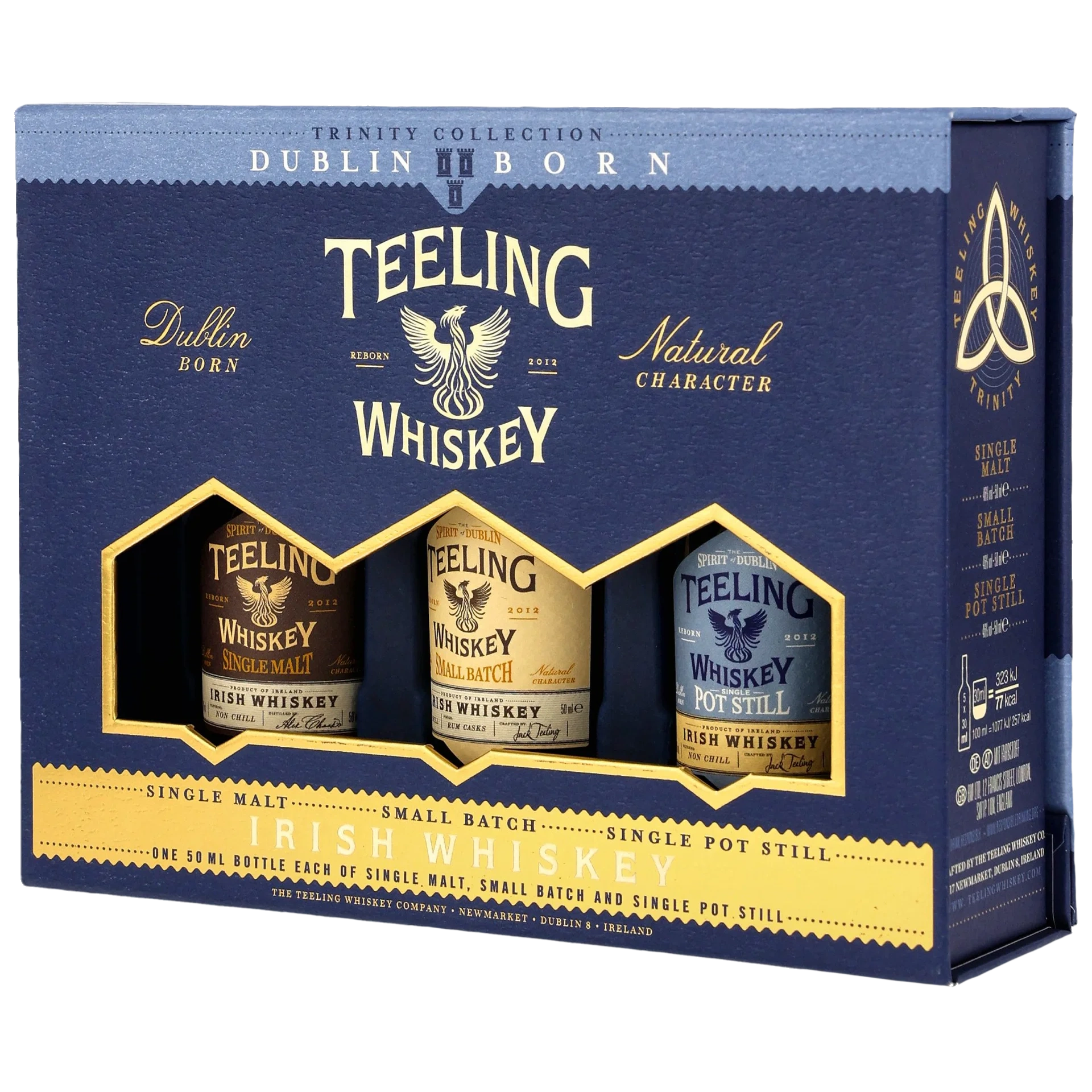
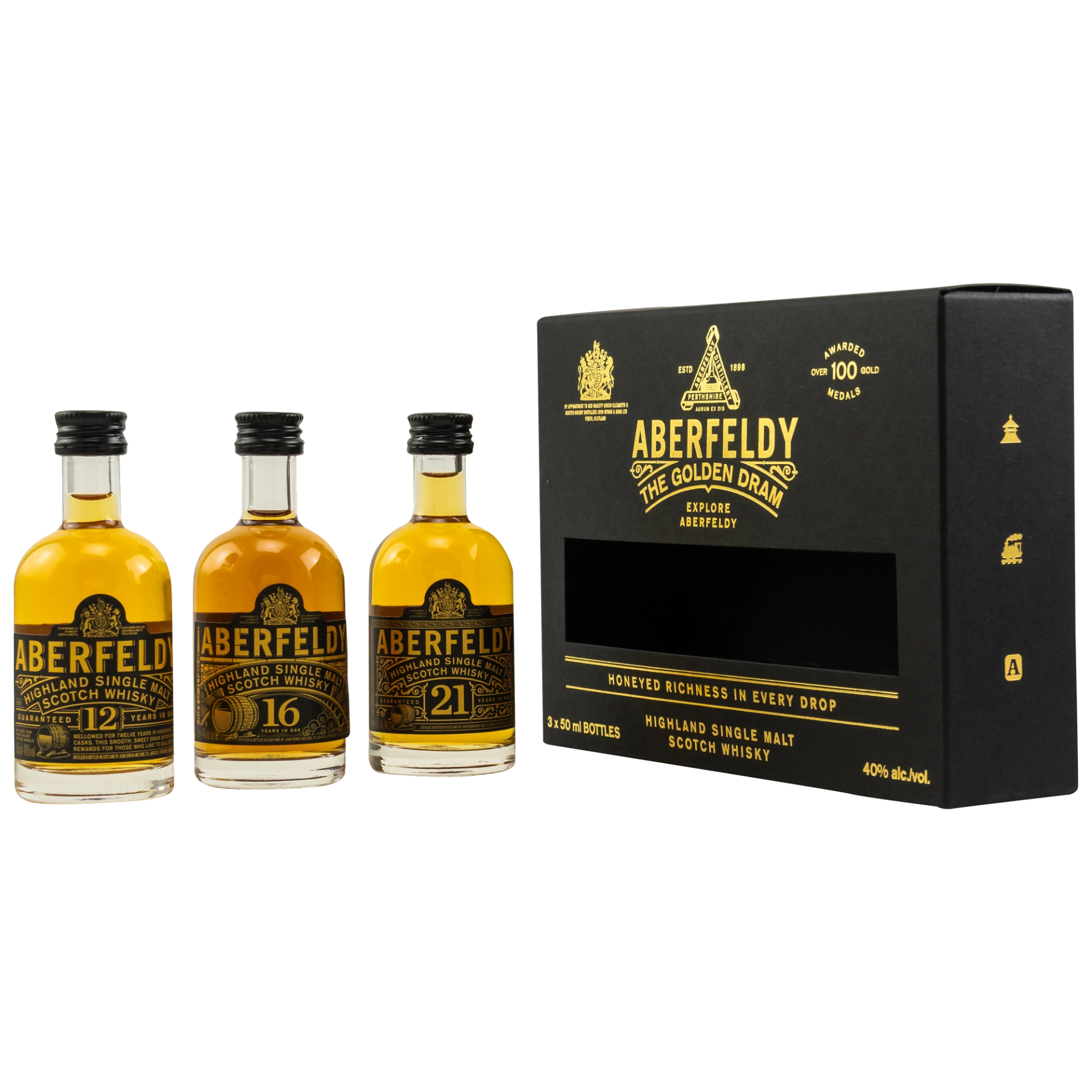
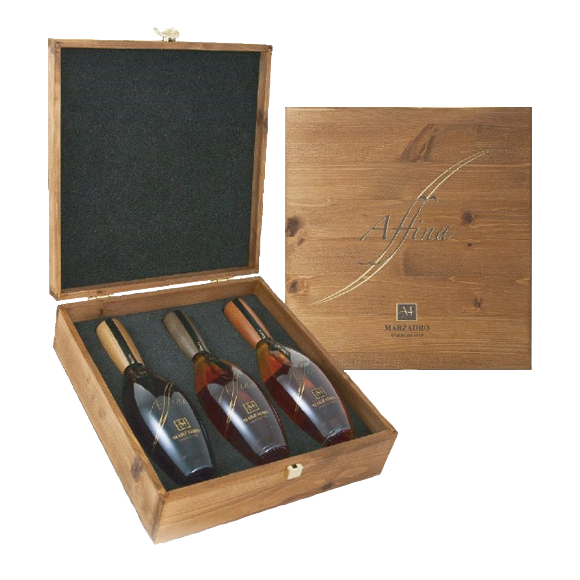
Combine spirits with matching glasses, small olive oil or spice samples, recipe cards, or regional specialties (chocolate, nuts). Tasting sets with miniatures or themed sets (e.g., "Italian Digestifs" or "Islay Tasting") are popular and low-risk gifts.
What are sustainable and quality-enhancing purchase criteria?
Look for local raw materials, reused casks, transparent production methods, and small manufactories – this strengthens authenticity. Limited cask bottlings, information on cask history, and traditional distillation methods are signs of high craftsmanship.
How do you care for your new spirit selection in everyday life – practical tips?
Jot down tasting notes (nose, palate, finish).
- Keep paste or liqueur combinations with recipe cards handy.
- Use leftover bottles for cocktails or to refine desserts.
- Share samples with friends – tasting evenings sharpen the senses and are fun.
Final tip for your journey of discovery
Be curious, try across regions, and combine neat tastings with small pairings. Use sample sizes to identify new favorites, and gradually build a home bar that suits your taste moments – whether it's a cozy evening, dinner with friends, or a gift for connoisseurs.