


Red wines from Italy - Wine imports from Italian winemakers
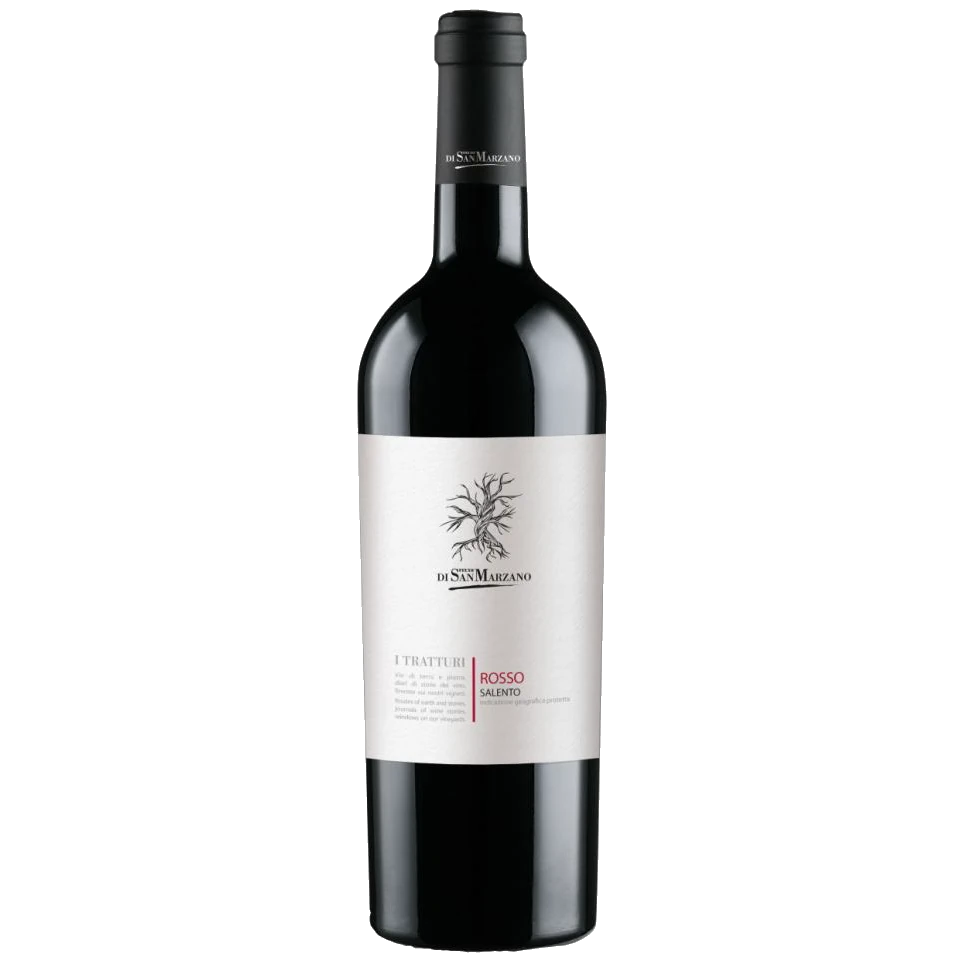
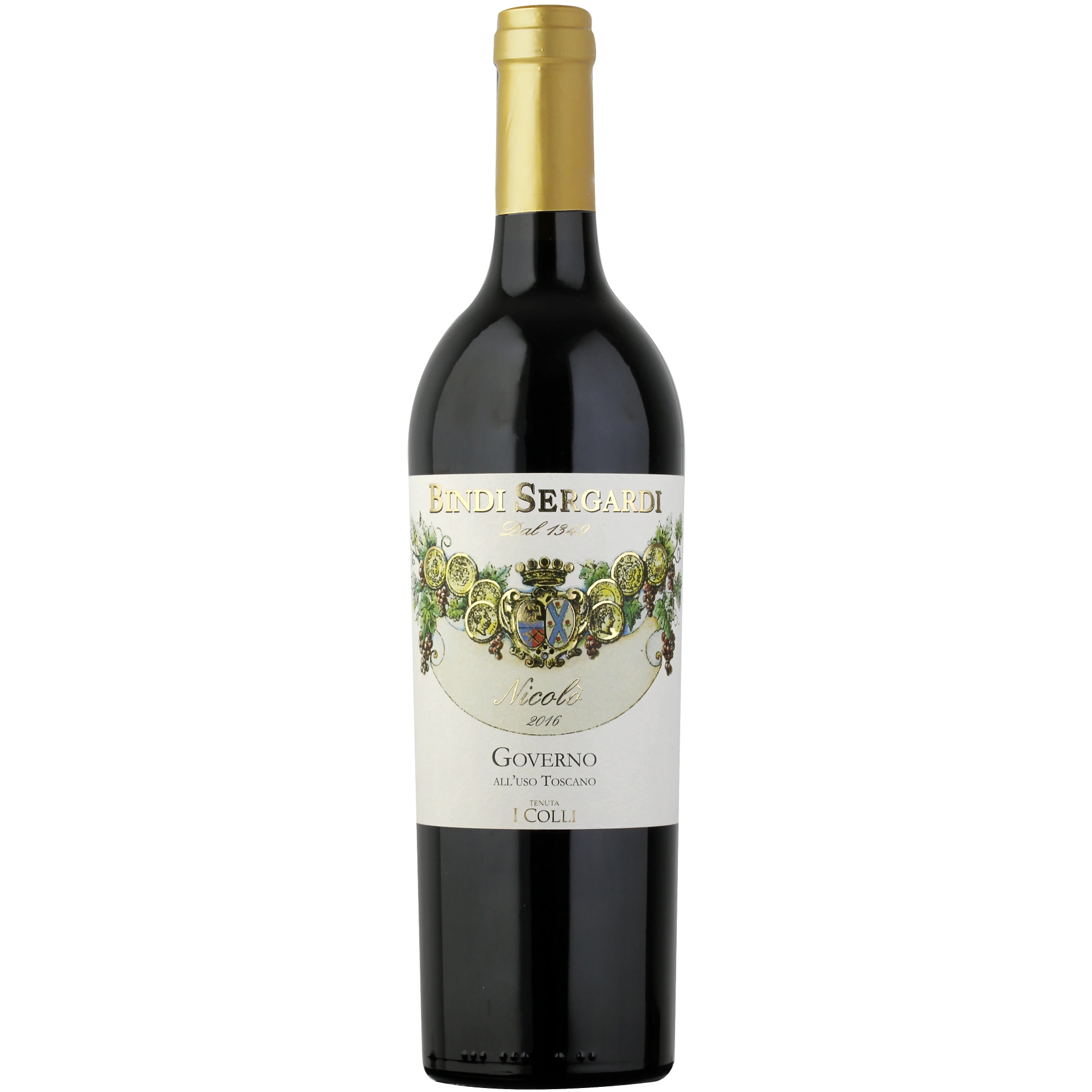
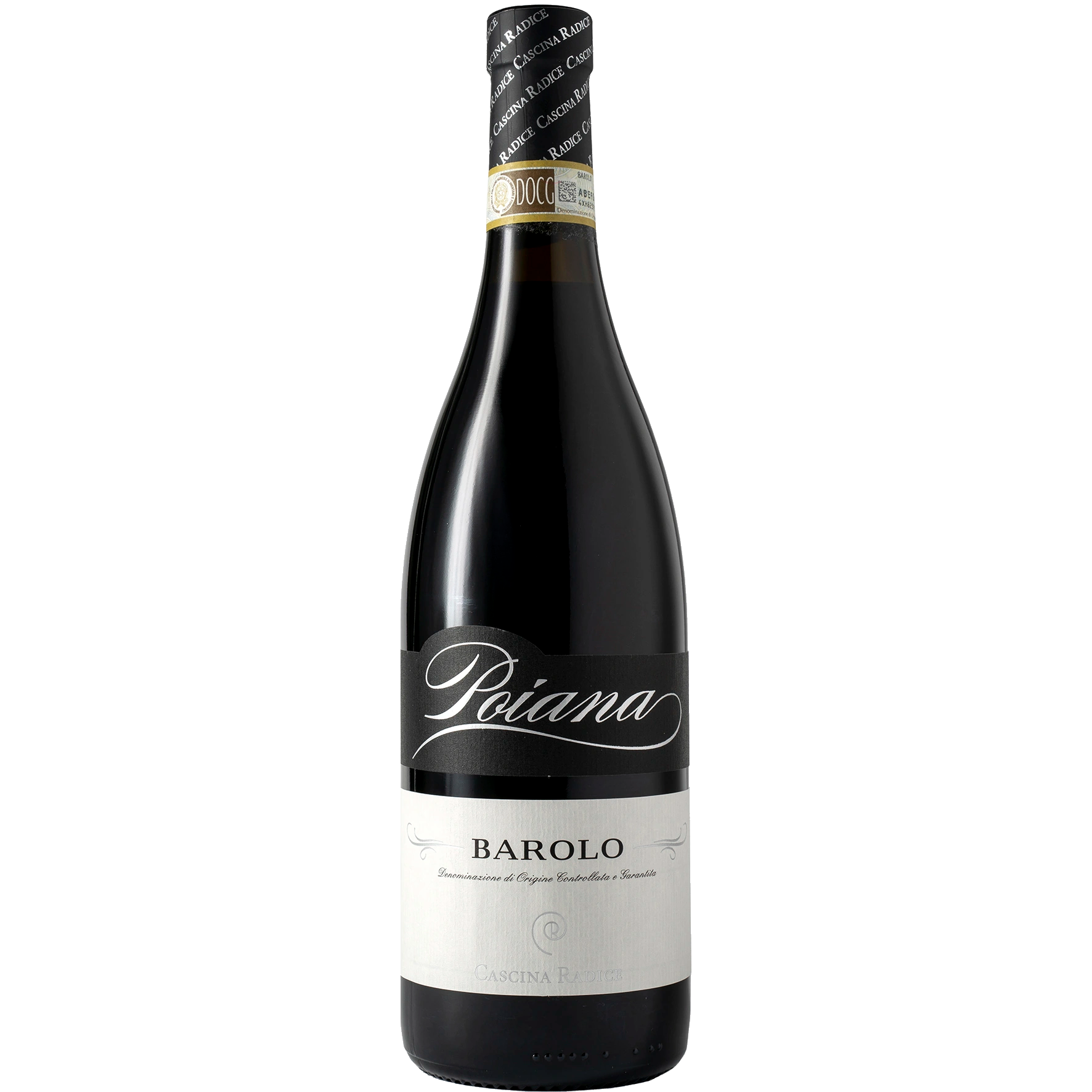
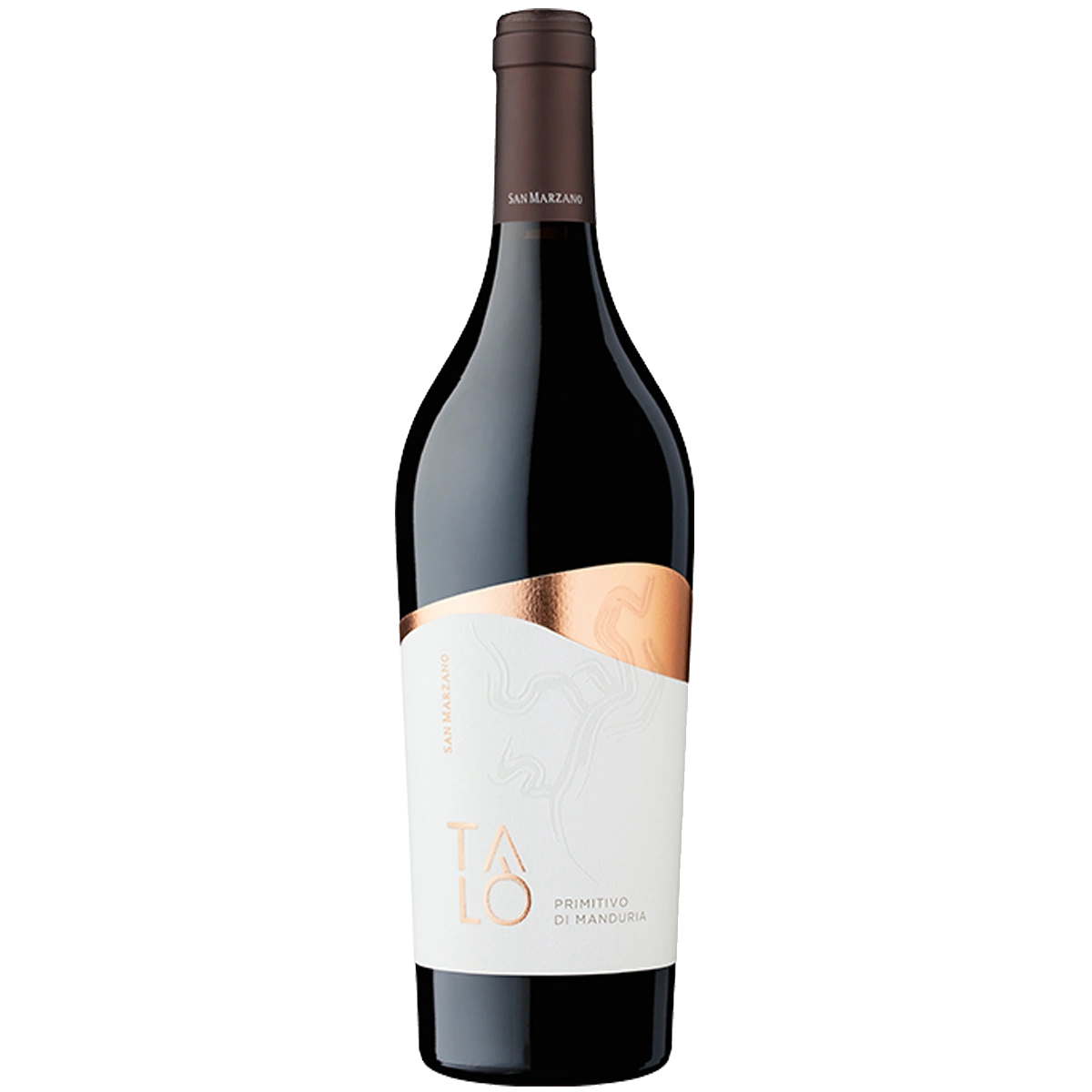
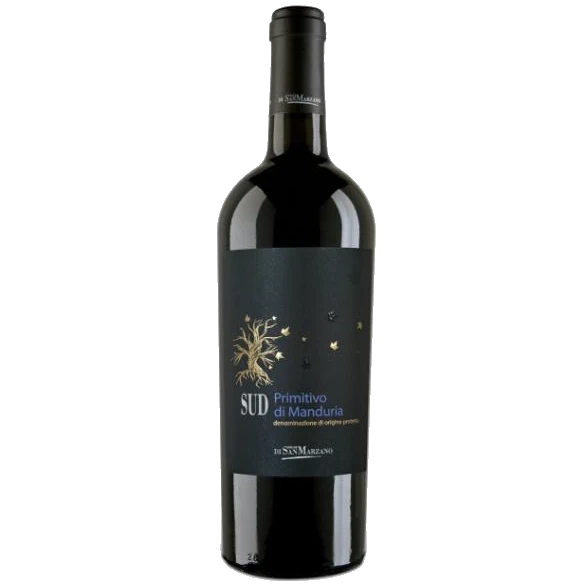
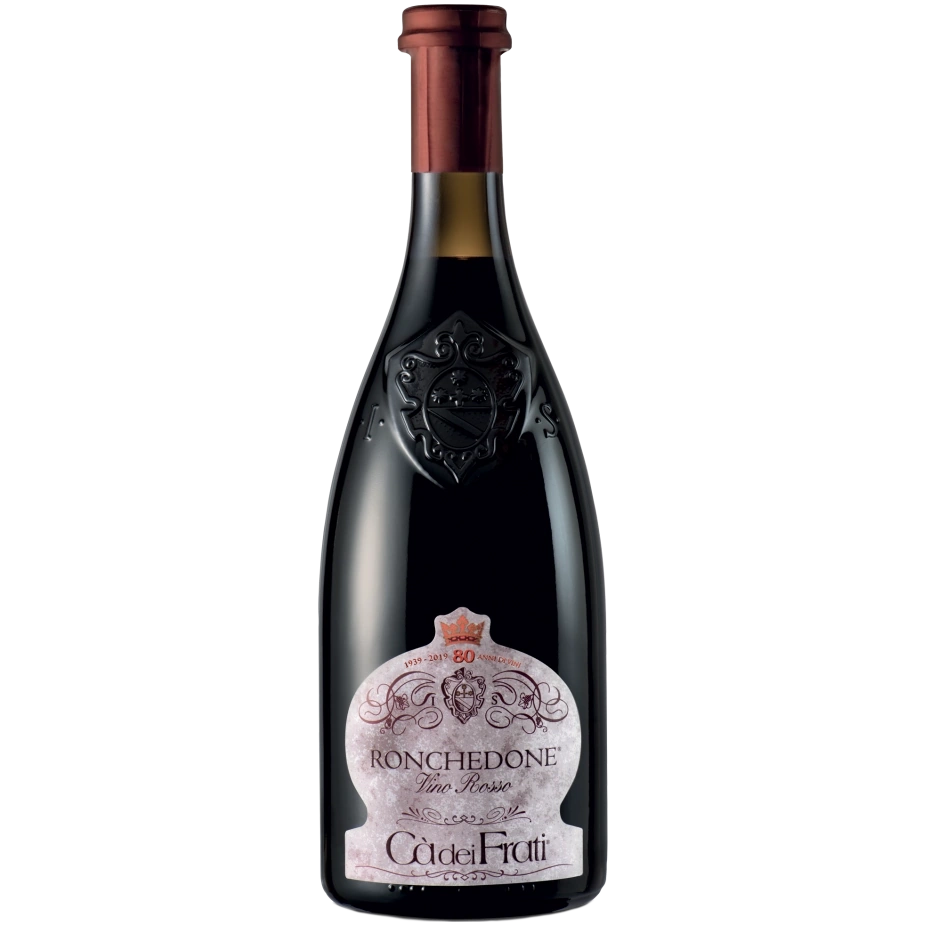
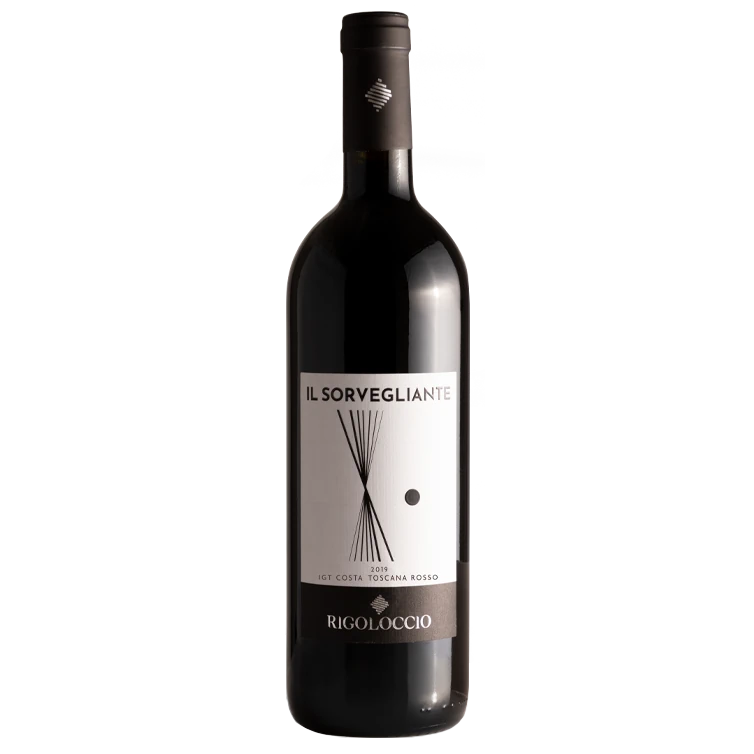
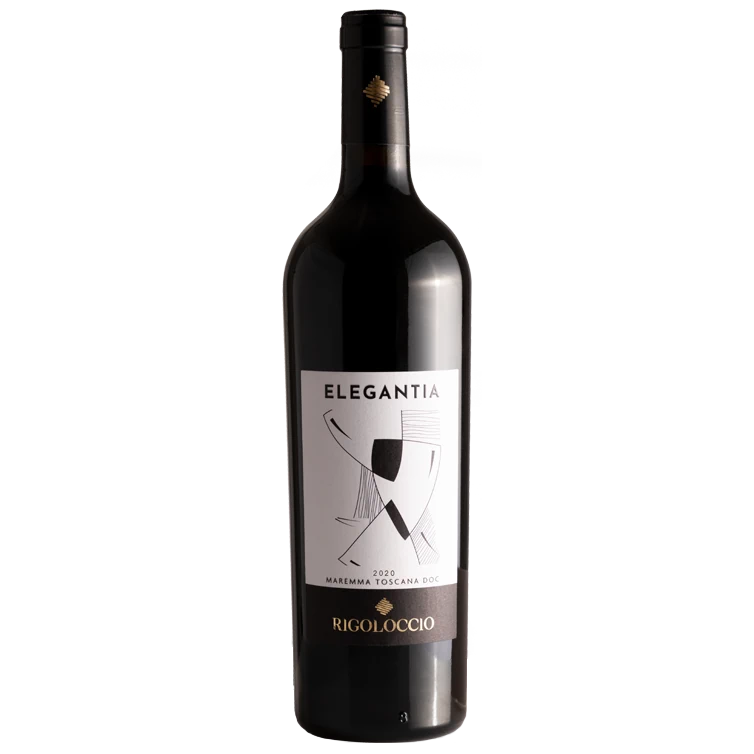


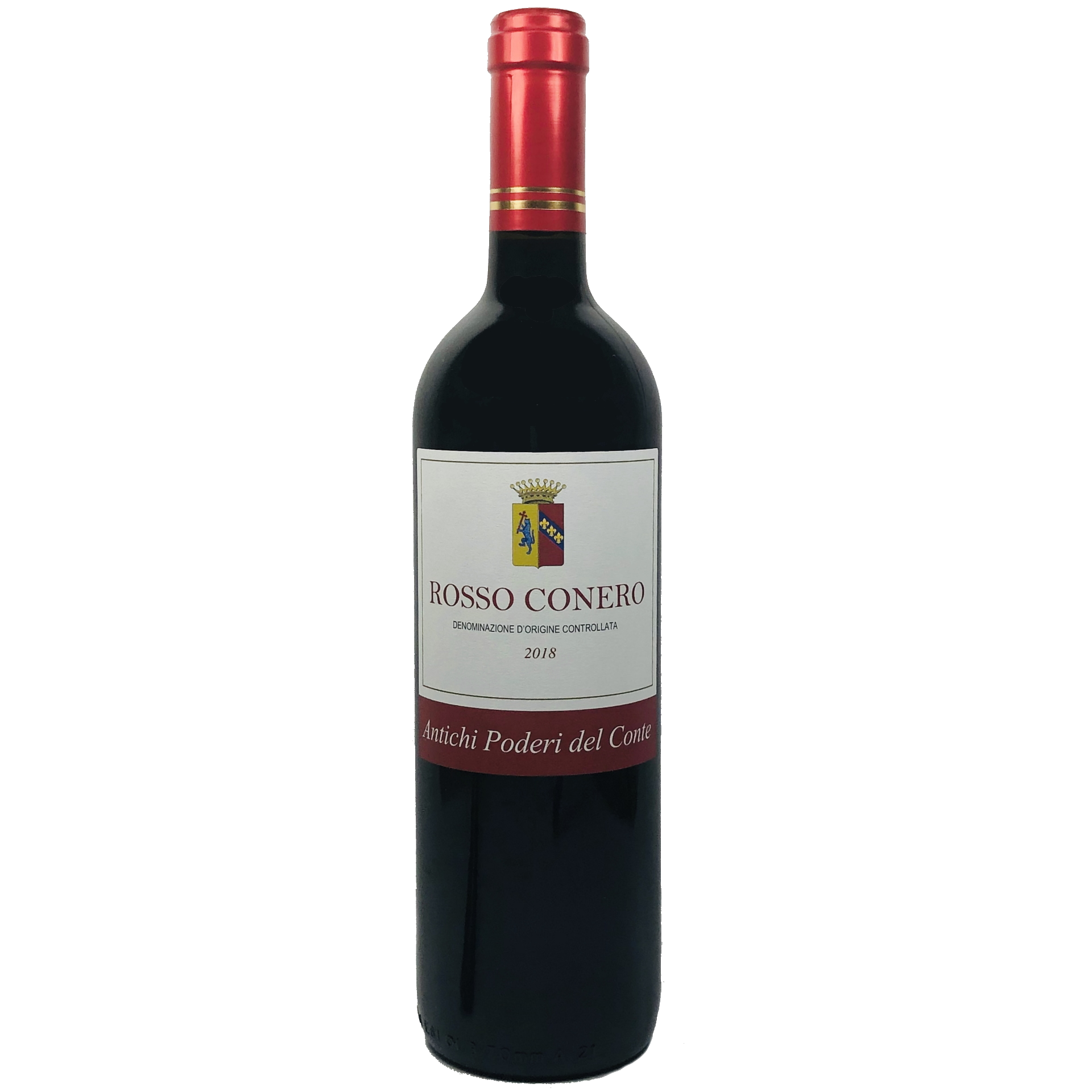
Red wines from Italy - Wine imports from Italian winemakers
Red wines – diversity, origin, enjoyment
Discover hand-picked red wines from Italy, Germany, France, and around the world – from fruity and approachable to complex and age-worthy. Here you'll find in-depth knowledge, clear recommendations, and the perfect wines for every occasion.
Buy Italian red wines online – a fine selection from all regions
Italy is considered a treasure trove of red wine: from the Alps to the tip of the boot, the climate, soils, and traditional winemaking methods shape the character of the wines. Whether elegant Sangiovese from Tuscany, powerful Nebbiolo from Piedmont, or sun-drenched Primitivo from Apulia – the diversity allows you to precisely match your style. When buying online, you benefit from transparency (grape variety, vintage, vinification), reviews, and a wider selection than in brick-and-mortar stores.
- Quickly compare: vintage, aging (stainless steel/barrique), residual sugar, alcohol, food pairing.
- Quality levels: IGT/IGP, DOC/DOP, DOCG – depending on the origin profile and regulations.
- Storage & Shipping: Temperature-controlled delivery, information on drinking maturity and decanting recommendation.
Robust red wines from Apulia – discover Primitivo, Negroamaro & more
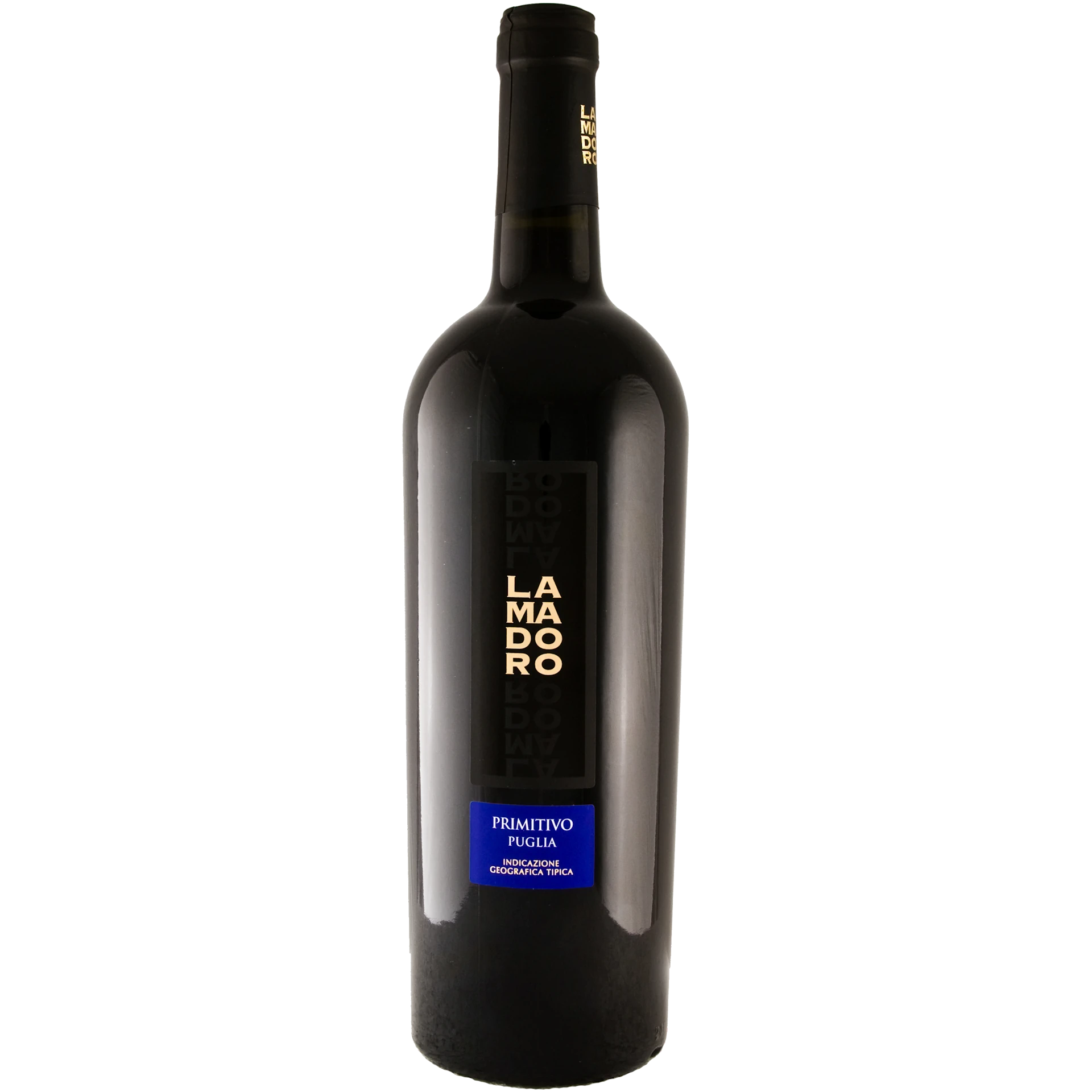
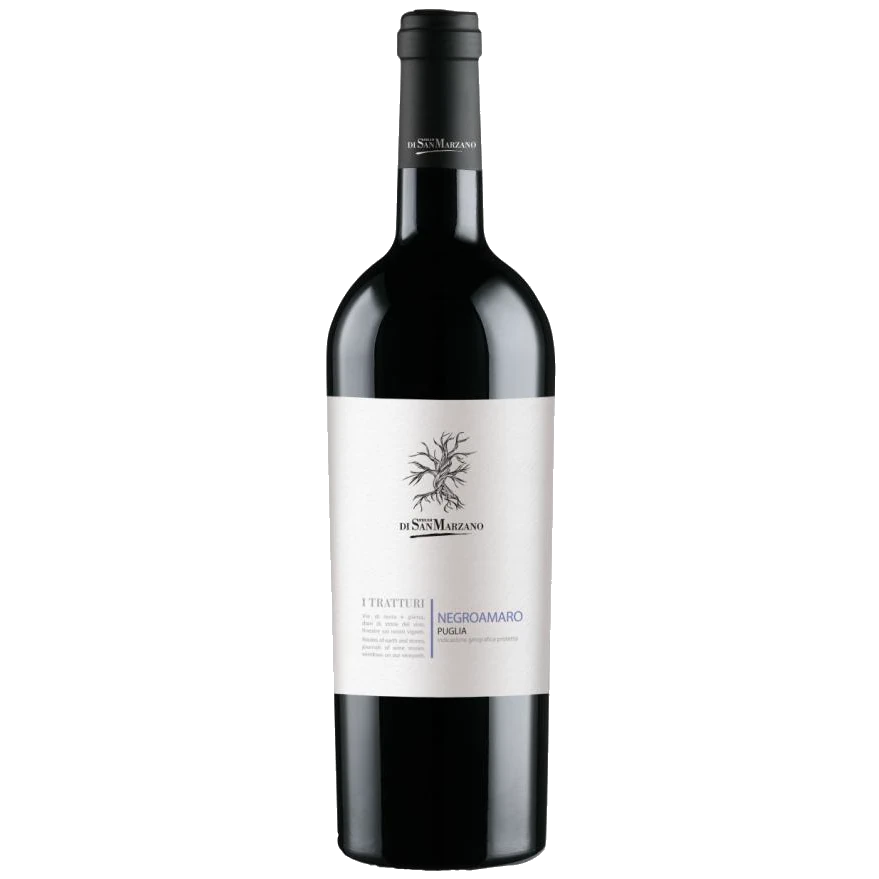
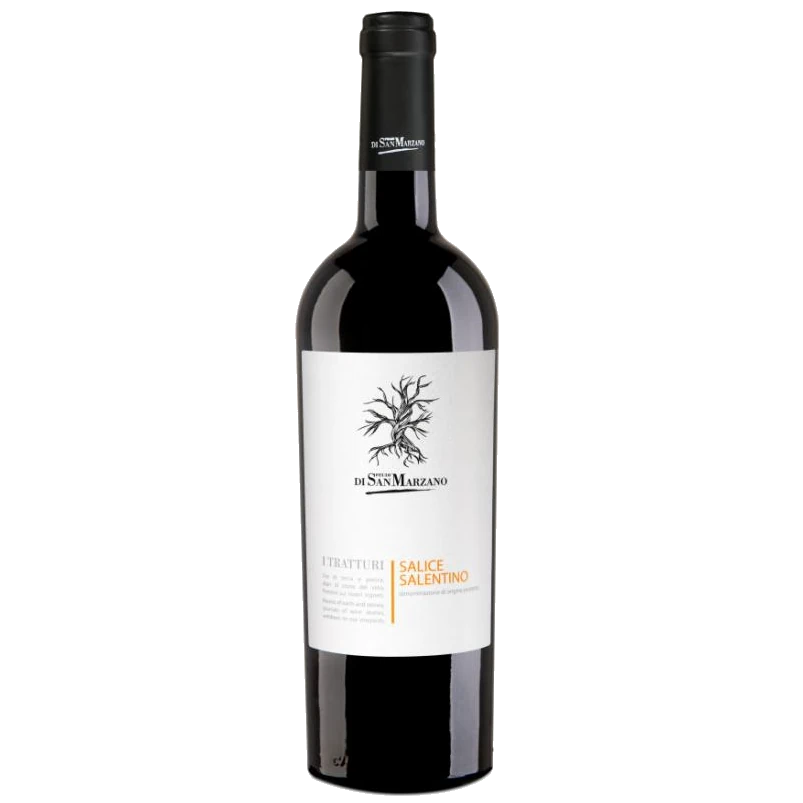
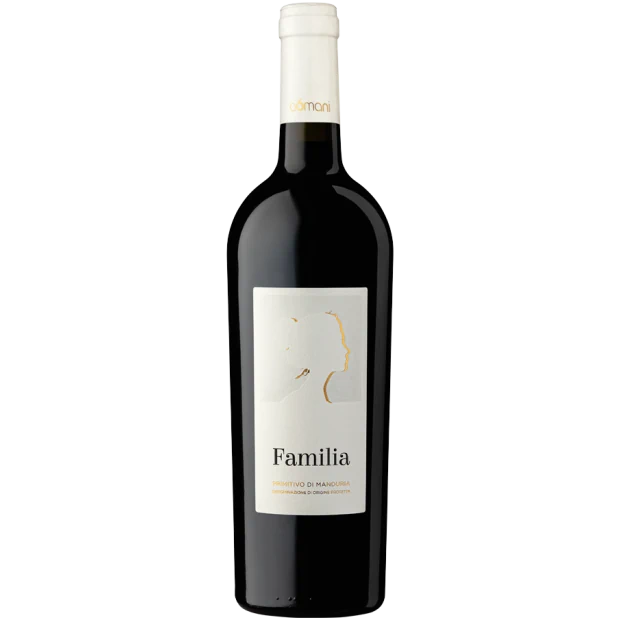
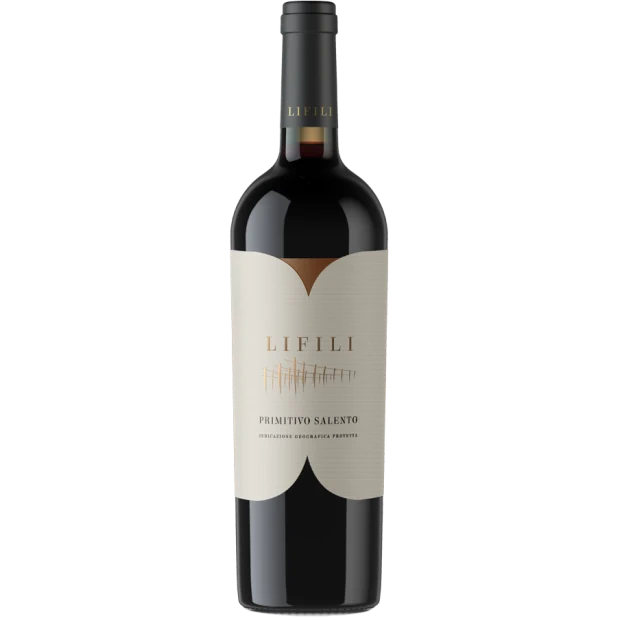
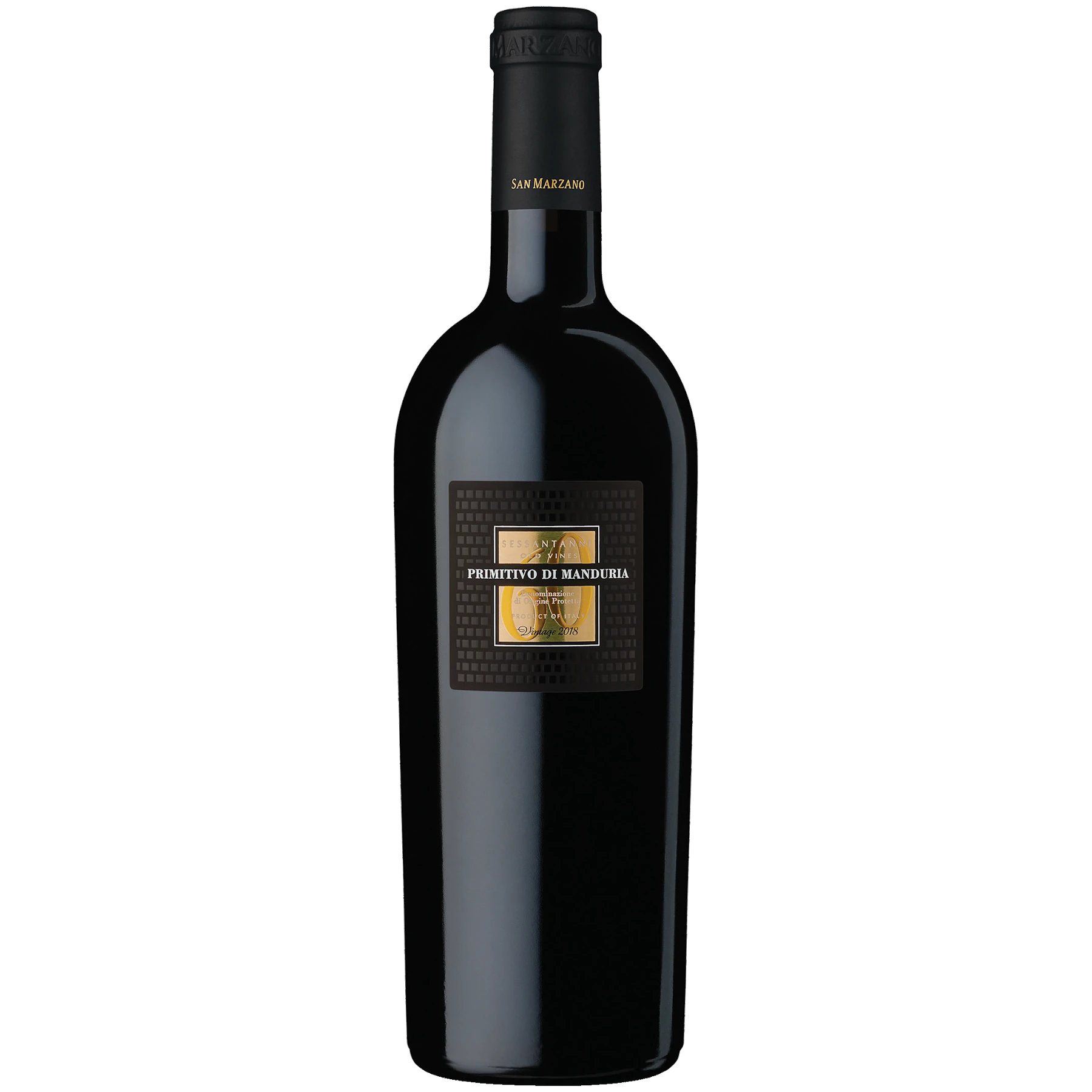
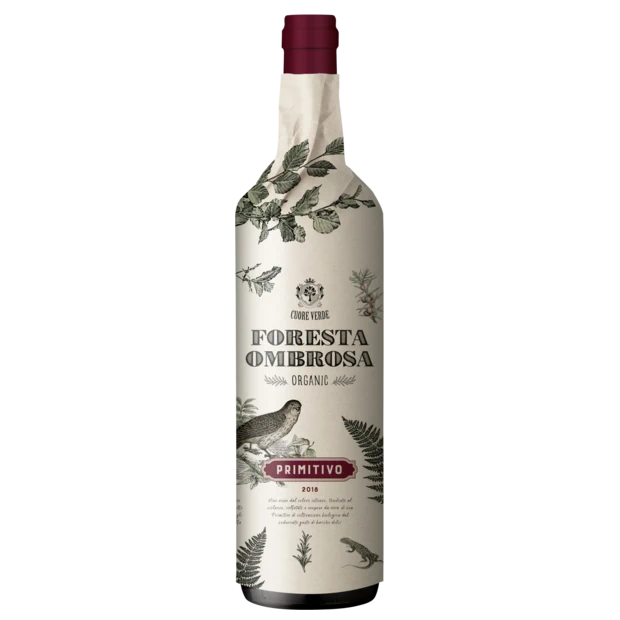
Puglia is known for its sun-drenched, aromatic red wines with juicy fruit and soft tannins. Primitivo delivers intense berry and plum aromas, often with hints of chocolate and spice. Negroamaro displays dark cherry, herbal spice, and a robust, Mediterranean character. The profile is rounded out by Nero di Troia and Syrah. Ideal with grilled dishes, pasta with ragù, wood-fired pizza, and aged hard cheeses.
Tip: For even more depth, choose Primitivo with barrique aging or a Riserva – more structure, longer finish.
High-quality DOCG red wines from Italy – pure enjoyment
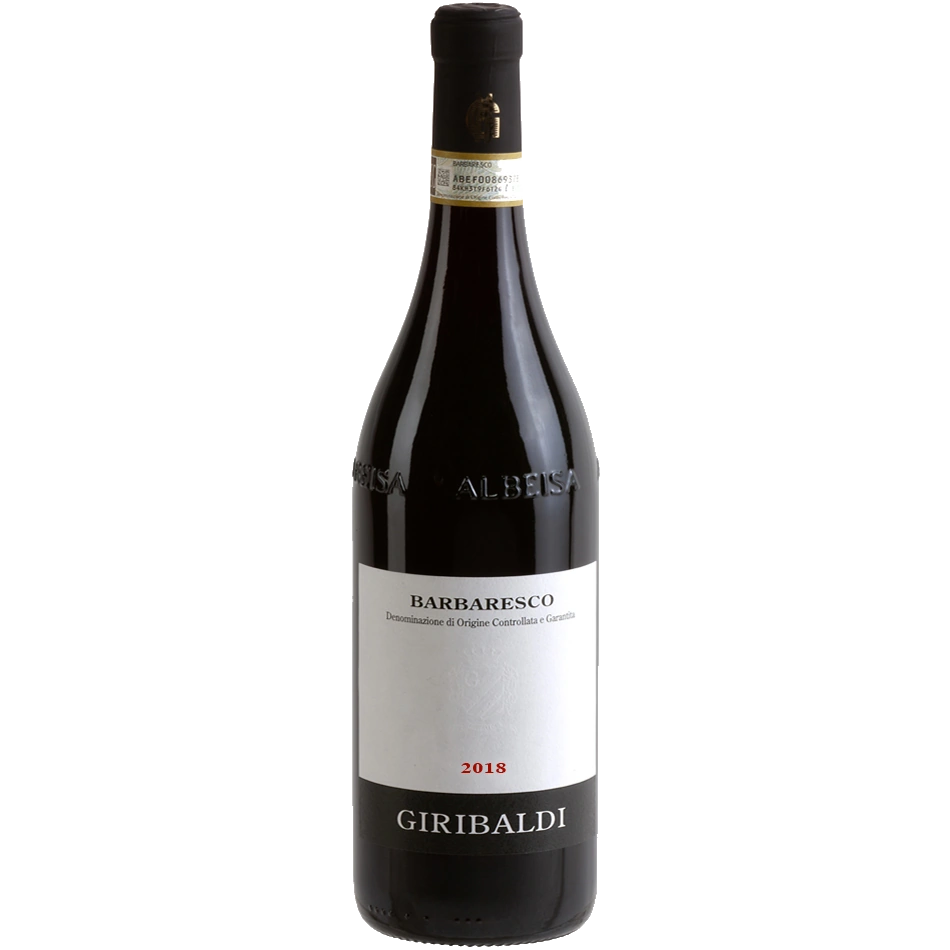
DOCG signifies strictly controlled quality. Iconic wines include Barolo and Barbaresco (Nebbiolo), Brunello di Montalcino (Sangiovese Grosso), Vino Nobile di Montepulciano (Sangiovese/Prugnolo Gentile), as well as selected Tuscan and northern Italian appellations. These wines combine origin, craftsmanship, and aging potential.
- Style: From ethereal elegance (Nebbiolo) to warm, spicy density (Sangiovese with oak).
- Food pairing: Truffles, game, roast beef, mature hard and blue cheeses.
- Maturity: Patience pays off – many DOCG red wines develop complexity over the years.
Red wines for every occasion – from everyday wine to top vintage
The right bottle depends on the occasion. For weekdays, fruity, uncomplicated blends with moderate alcohol are ideal. For Sunday roast, something more structured is welcome. For special evenings: mature vintages or limited-edition single-vineyard wines.
- After-work: Young Sangiovese, Barbera, Merlot – served chilled (14–16 °C) for more freshness.
- Celebration & Menu: Barolo/Brunello, Syrah from top vineyards, Riserva & single vineyard wines.
- Gift ideas: vintage wines (birth/anniversary year), magnum bottles, wooden boxes.
Fruity and full-bodied red wines – an overview of the most popular varieties
The range extends from light & juicy to dense & creamy:
- Sangiovese: Cherry, red berries, fine acidity – versatile with pasta & pizza.
- Nebbiolo: Roses, tar, red fruits, pronounced tannins – ideal for braised dishes.
- Primitivo: Plum, blackberry, chocolate – soft, full-bodied, crowd-pleaser.
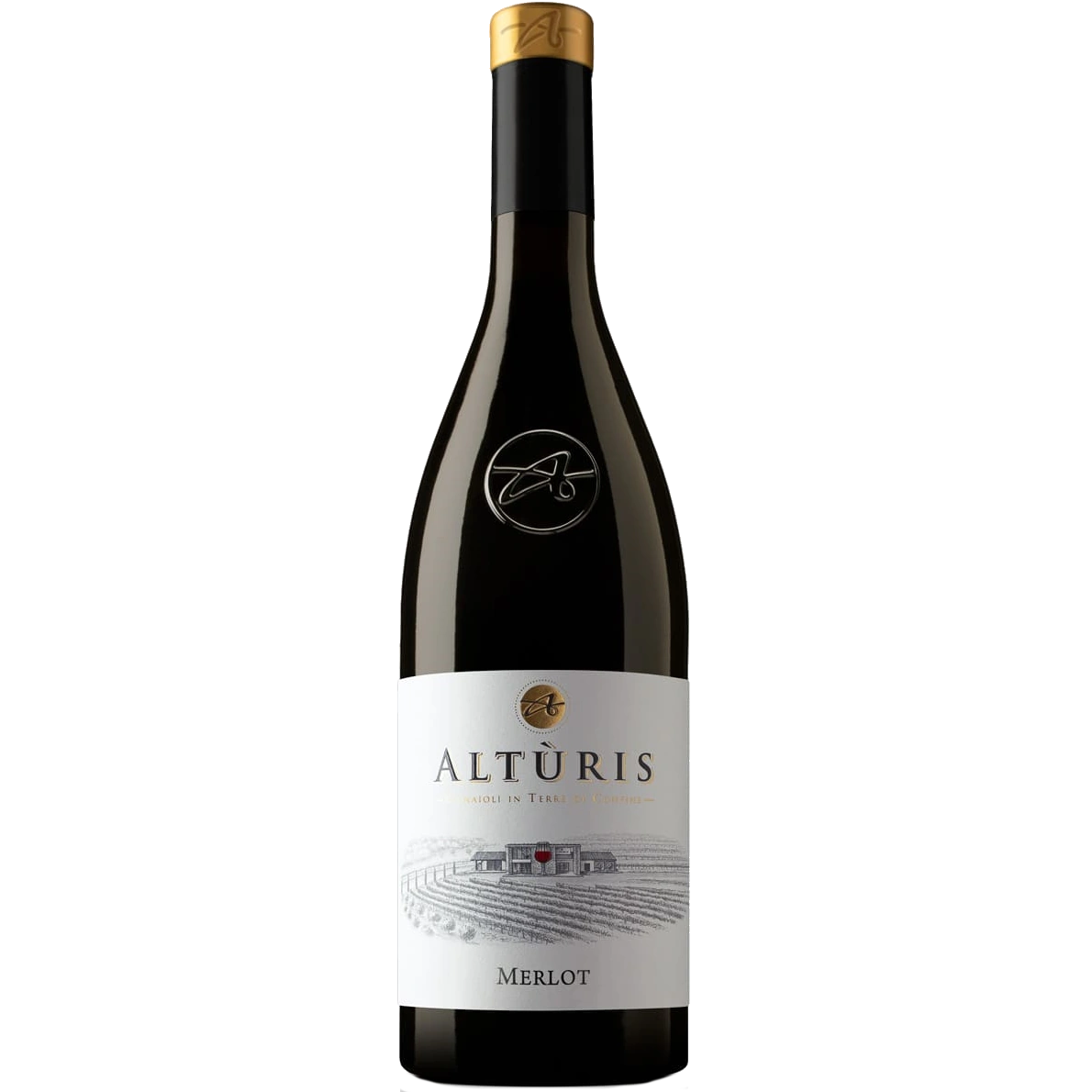
- Merlot: Cassis, plum, soft tannins – approachable, also as a blending partner.
- Syrah/Shiraz: Pepper, dark fruits, cocoa – strong, spicy, age-worthy.
- Pinot Noir/Spätburgunder: Raspberry, cherry, subtle tannins – elegant, serve chilled.
Red wines from indigenous grape varieties – where tradition meets quality
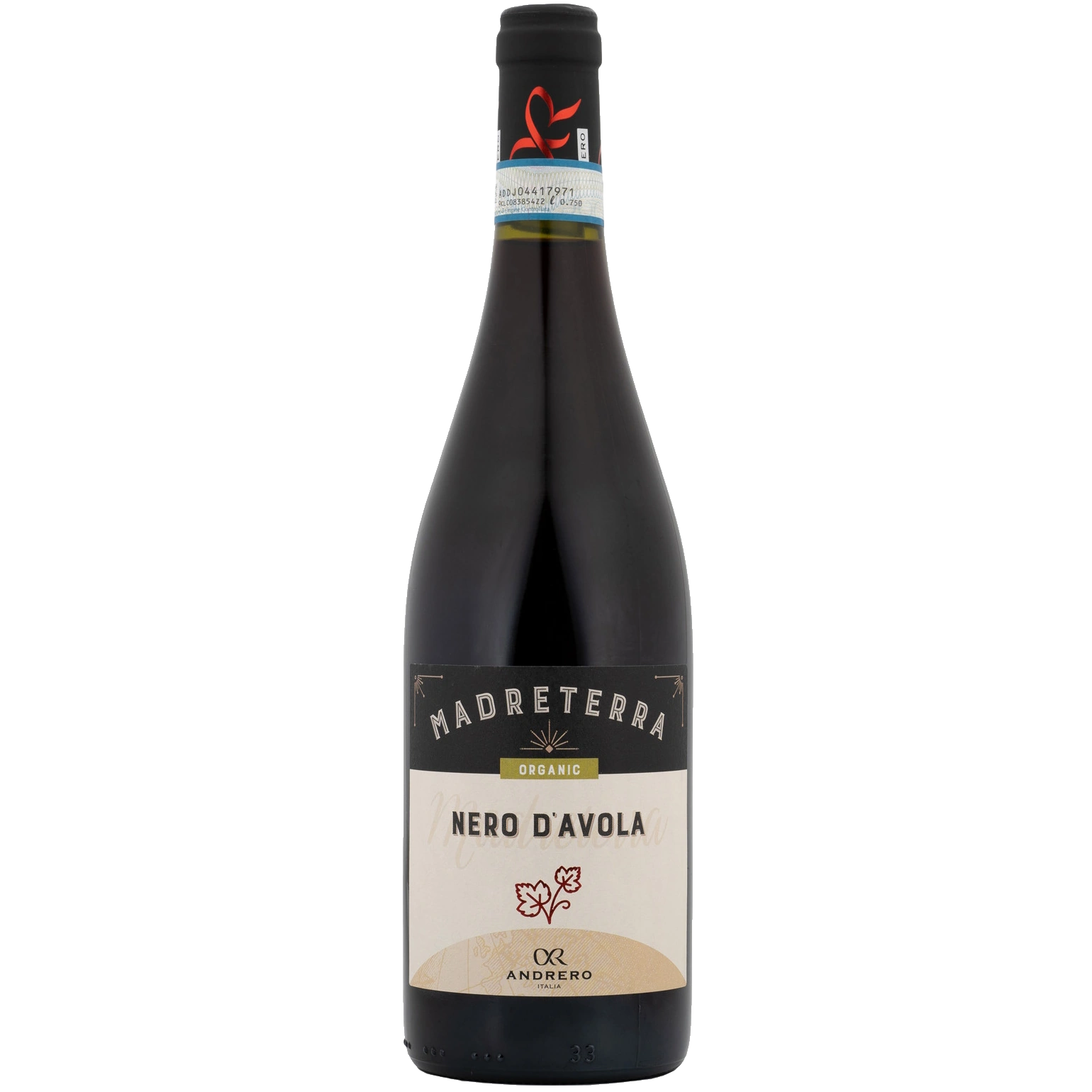
Indigenous grape varieties uniquely reflect their origin. In Italy, these include Sangiovese and Nebbiolo, as well as Aglianico (Basilicata/Campania: structure & spice), Nero d'Avola (Sicily: ripe fruit, Mediterranean herbs), and Lagrein (South Tyrol: dark berries, velvety texture). Such wines are perfect ambassadors for the terroir and culinary combinations of their regions.
Pro tip: Native grape varieties often score highly with a strong price-to-quality ratio – ideal for discovery.
A comparison of red wines from Apulia – Primitivo, Syrah and Nero di Troia
Within Apulia, grape varieties show clear stylistic differences:
- Primitivo: Dense, warm fruit, delicate sweetness, low perceptible acidity – very approachable.
- Syrah: Spicy, peppery, with dark berry fruit – often more structured than Primitivo.
- Nero di Troia: Stronger tannins, red fruits, floral notes – very good aging potential.
Pairing: Primitivo with BBQ & burgers, Syrah with lamb & braised meat, Nero di Troia with aged cheese & ragù.
Perfect red wines to pair with food – food pairing tips for connoisseurs
Good combinations emphasize similarities or create appealing contrasts. Basic rules: Fat and tannins go well together, acidity loves salt, and sweetness balances spiciness.
- Pasta & Pizza: Sangiovese/Chianti or Barbera – fresh fruit and acidity.
- Beef/Grill: Syrah, Cabernet Cuvée, robust Primitivo – strength to roasted aromas.
- Game & Mushrooms: Nebbiolo/Barolo, Lagrein – earthy, complex aromas.
- Cheese: Blue cheeses and hard cheeses like tannins and spice (Brunello, Syrah).
- Spicy & Asian: A touch of residual sugar (sweet/semi-dry) softens the spiciness.
Serving temperature: 14–16 °C for light red wines, 16–18 °C for full-bodied red wines. If served too warm, the alcohol will have a more dominant effect.
Dry red wines from Italy – classics with character
Dry generally means up to 4 g/l residual sugar (or more if the acidity is high). Dry Italian red wines exhibit clarity, structure, and food pairing potential. Examples:
- Chianti Classico: predominantly Sangiovese, red cherry, herbs, lively acidity.
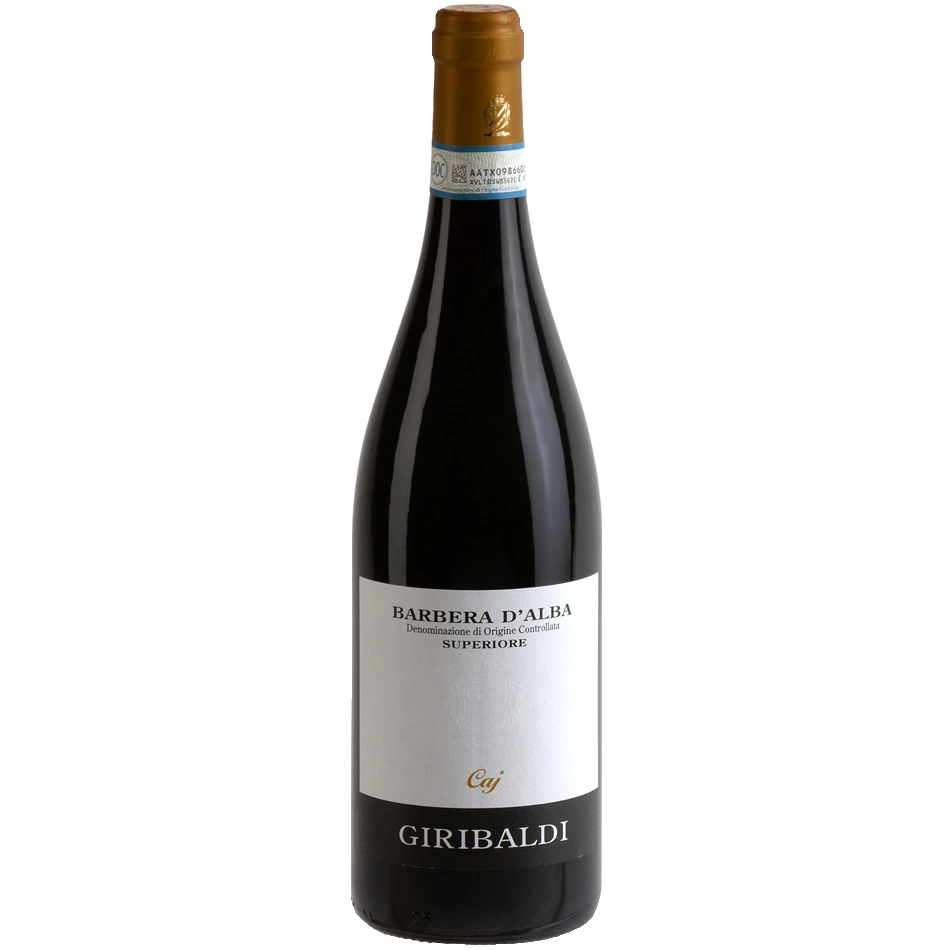
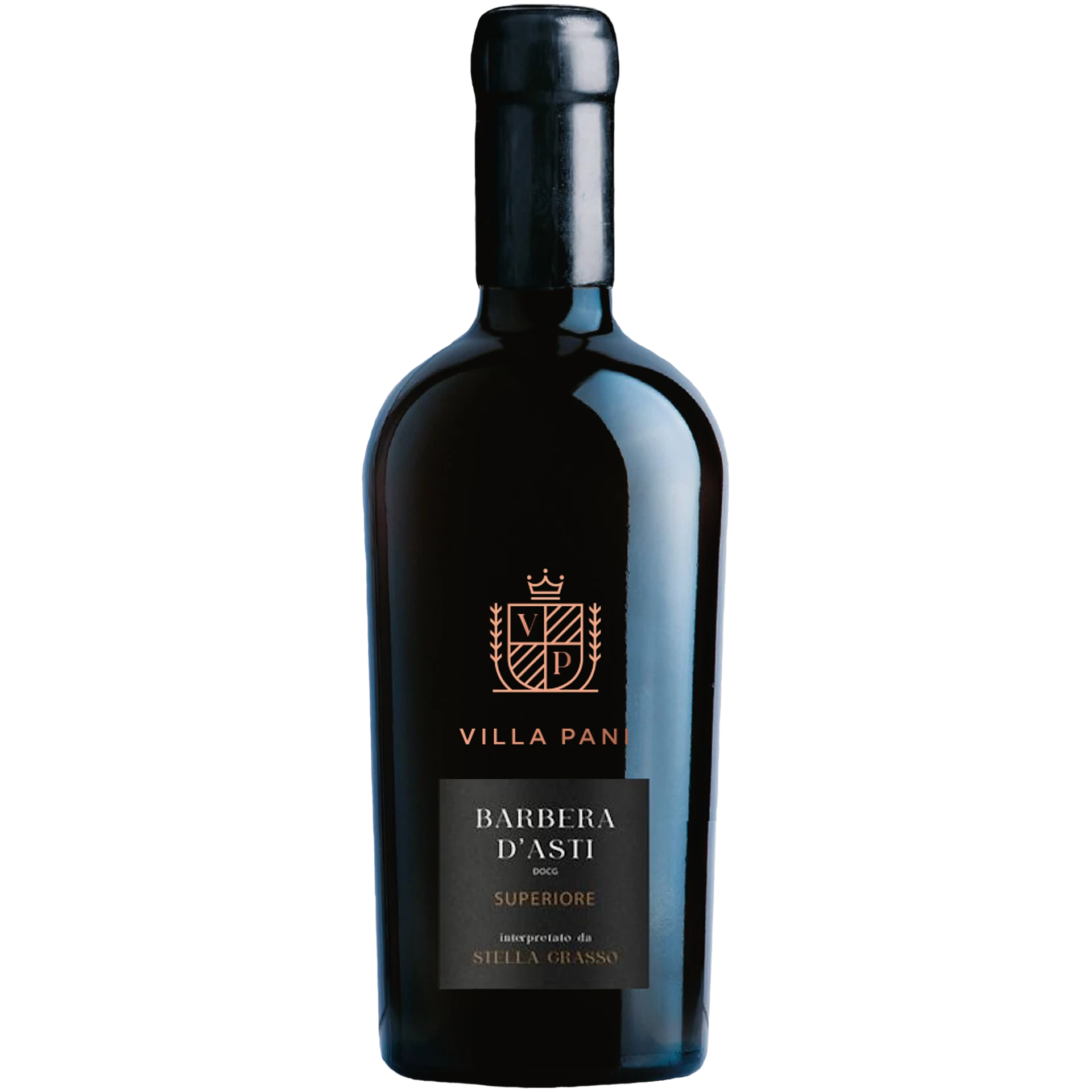
- Barbera d'Asti/d'Alba: Juicy acidity, dark cherry, low tannins – versatile at the table.
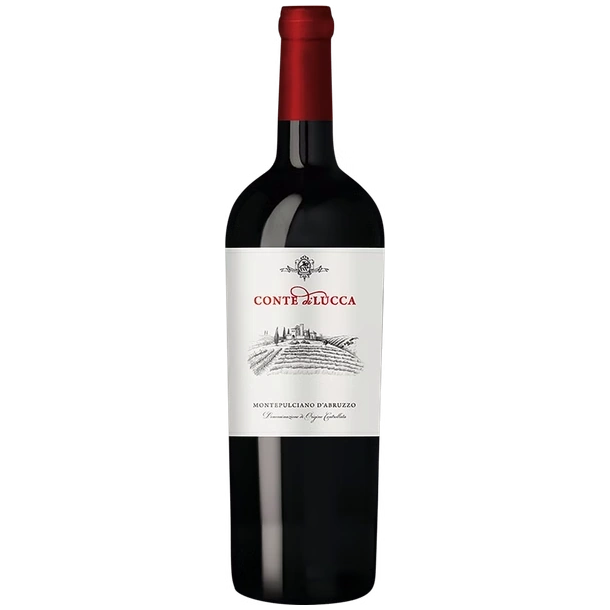
- Montepulciano d'Abruzzo: Dark fruit, fine spice, good value for money.
- Nero d'Avola & Aglianico: Characterful, Mediterranean, goes well with hearty dishes.
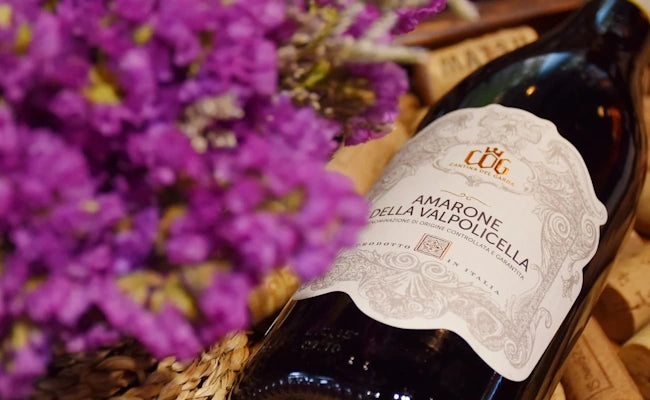
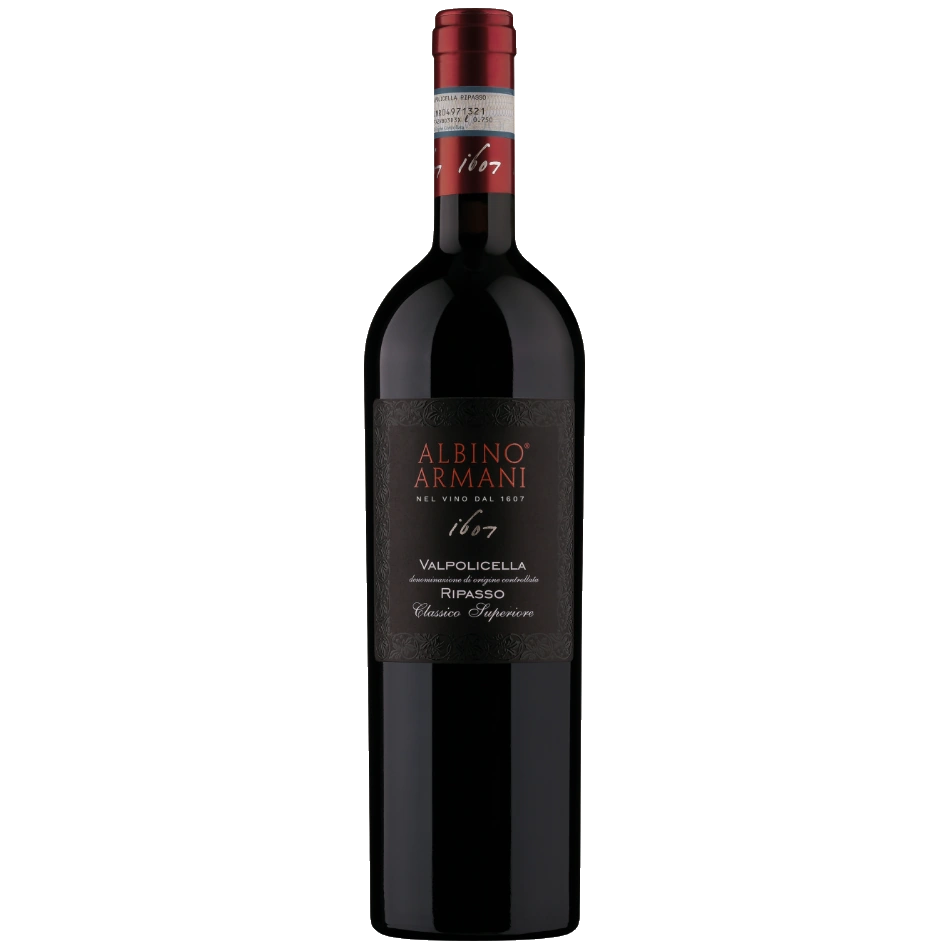
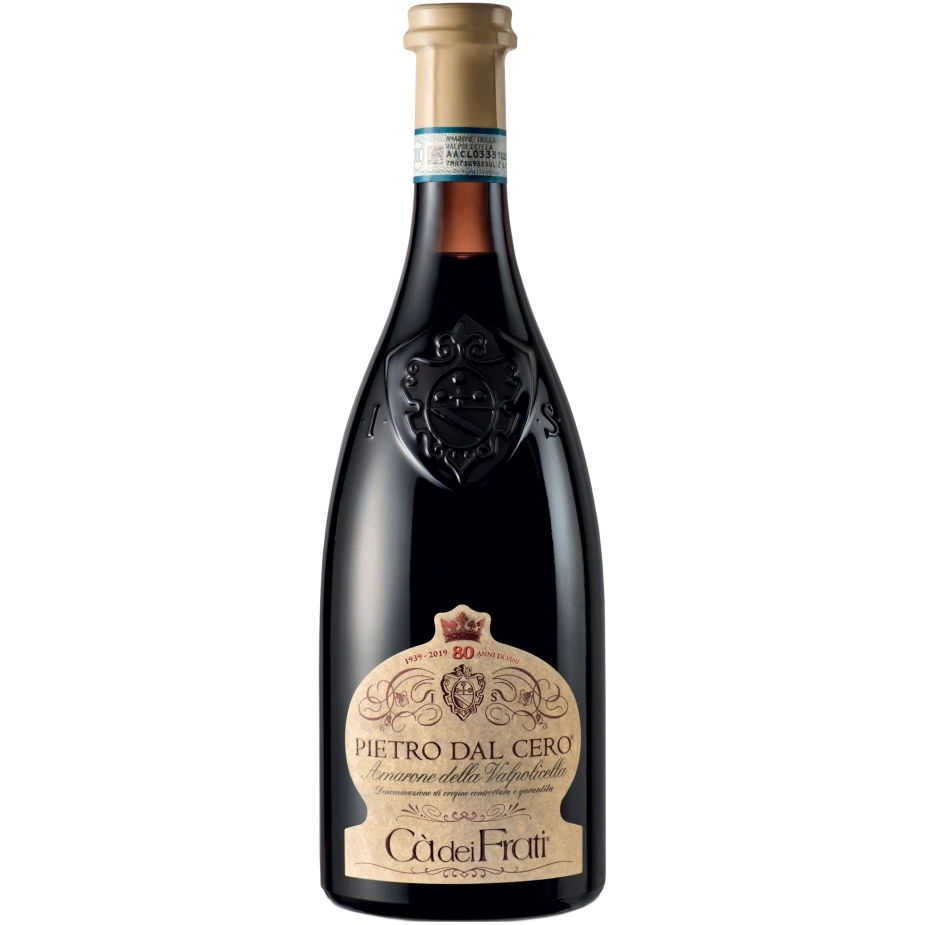
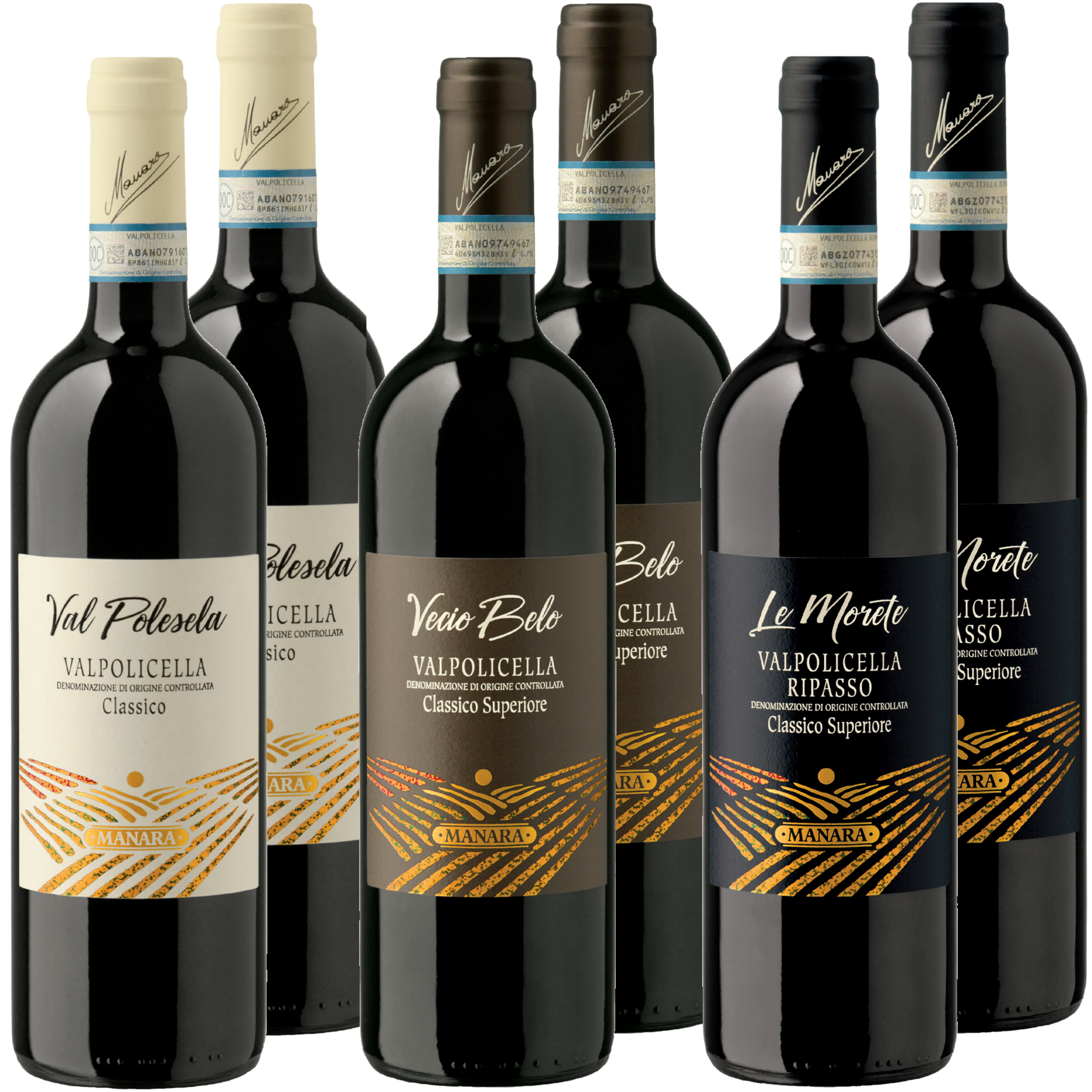
Note: “Amarone” is dry to semi-dry, but appears opulent due to its concentration; “Ripasso” offers a medium-bodied bridge between Valpolicella and Amarone.
Red wines directly from the winery – hand-picked and carefully selected
Direct relationships with winemakers ensure transparency, authenticity, and fair prices. You benefit from vintage information, limited bottlings, and honest style descriptions – from natural, cement-aged wines to meticulously crafted barrique masterpieces. Short supply chains often mean fresher wines and better storage management.
- Advantages: Curated selection, consistent quality, traceable origin.
- Discover: single vineyards, old vines, spontaneous fermentation, long maceration times – individual and full of character.
Red wine knowledge in a nutshell: Buying & service tips
- Vintage: Warm = ripe & well-rounded; cool = fresh & spicy. Style preference decides.
- Aging: Stainless steel = fruit & clarity; wood/barrique = structure, spice, vanilla/toast notes.
- Drinking maturity: Many everyday wines can be enjoyed immediately; top wines benefit from 3–10+ years.
- Decanting: Decant young, tannic wines and older wines with sediment in good time.
- Storage: 12–14 °C, dark, vibration-free, slightly elevated humidity; store lying down if using cork.
Frequently Asked Questions (FAQ) about red wines
Are sweet red wines inferior? No. Style and quality are independent. A wine that is off-dry or sweet – if vinified correctly – can be a harmonious style, especially when paired with dessert, blue cheese, or spicy food.
Why does the same red wine taste different year after year? Weather, harvest time, yield, vinification, and cellar decisions all shape the vintage. The origin profile remains the same, but the nuances vary.
Which red wine goes well with light summer dishes? Young Sangiovese, Bardolino or chilled Pinot Noir (14–15 °C) – juicy, fresh, not too oaky.
Conclusion: Whether you 're buying Italian red wines online , love robust Apulian wines, are looking for DOCG classics , or want to discover indigenous wines – with the right information, you can reliably find the red wine that suits your taste and your occasion.
| Origin | Wine type | Main grape varieties | Cultivation area |
|---|---|---|---|
| Etna DOC | Red | Nerello Mascalese, Nerello Cappuccio | Mount Etna (Catania, northern and eastern slopes) |
| Etna DOC | White | Carricante, Catarratto, Minnella | Mount Etna (Catania, especially Milo, Bianco Superiore) |
| Cerasuolo di Vittoria DOCG | Red | Nero d'Avola, Frappato | Ragusa, Caltanissetta, Siracusa |
| Marsala DOC | Red / White / Sweet | Grillo, Catarratto, Inzolia, Nero d'Avola | Trapani |
| Sicilia DOC | Red / White / Pink | Nero d'Avola, Frappato, Nerello Mascalese, Grillo, Catarratto, Inzolia | The entire island of Sicily |
| Eloro DOC | Red / Rosé | Nero d'Avola, Frappato | Southeast Sicily (Siracus, Noto) |
| Menfi DOC | Red / White / Pink | Nero d'Avola, Syrah, Merlot, Chardonnay, Catarratto | Western Sicily (Agrigento, Trapani) |
| Monreale DOC | Red / White | Nero d'Avola, Syrah, Chardonnay | Western Sicily (Palermo) |
| Cerasuolo DOC | Rose | Frappato, Nero d'Avola | Southeast Sicily (Ragusa) |
| Vittoria IGT | Red / White / Pink | Nero d'Avola, Frappato, Inzolia | Southern Sicily (Ragusa, Caltanissetta) |
| Terre Siciliane IGT | Red / White / Pink | Nero d'Avola, Syrah, Merlot, Chardonnay, Catarratto, Inzolia | The entire island of Sicily |