


Pasta di Gragnano
Gragnano, a small town near Naples in Italy, has a long tradition of pasta making. It is renowned for producing some of the best pasta in Italy and worldwide. The region's perfect climate, particularly the humidity and the winds coming off the nearby sea, is said to contribute to the exceptional quality of Gragnano's pasta.
The high quality of pasta from Gragnano is also due to the use of bronze dies, which give the pasta a rough, porous surface that helps sauces adhere better and absorb aroma and flavor more effectively.
Furthermore, Gragnano has a long history of pasta production, and over the years the producers there have developed unique techniques and recipes that allow them to produce pasta of the highest quality.
Because of all these factors, Gragnano is now known for producing some of the best pasta products in Italy and worldwide.
What are the ingredients of pasta from Gragnano?
Pasta from Gragnano is traditionally made from durum wheat semolina and water. The use of durum wheat semolina, instead of soft wheat flour, is an important factor in the quality of Gragnano pasta, as durum wheat semolina has a higher protein content and therefore results in a better consistency and texture.
To make the pasta, durum wheat semolina is first mixed with water and then pressed into bronze dies to achieve the desired shape. The use of bronze dies gives the pasta its rough, porous surface, which helps the sauce adhere better.
The pasta is then hung on special racks to dry. This process usually takes several days to ensure the pasta is completely dry before packaging.
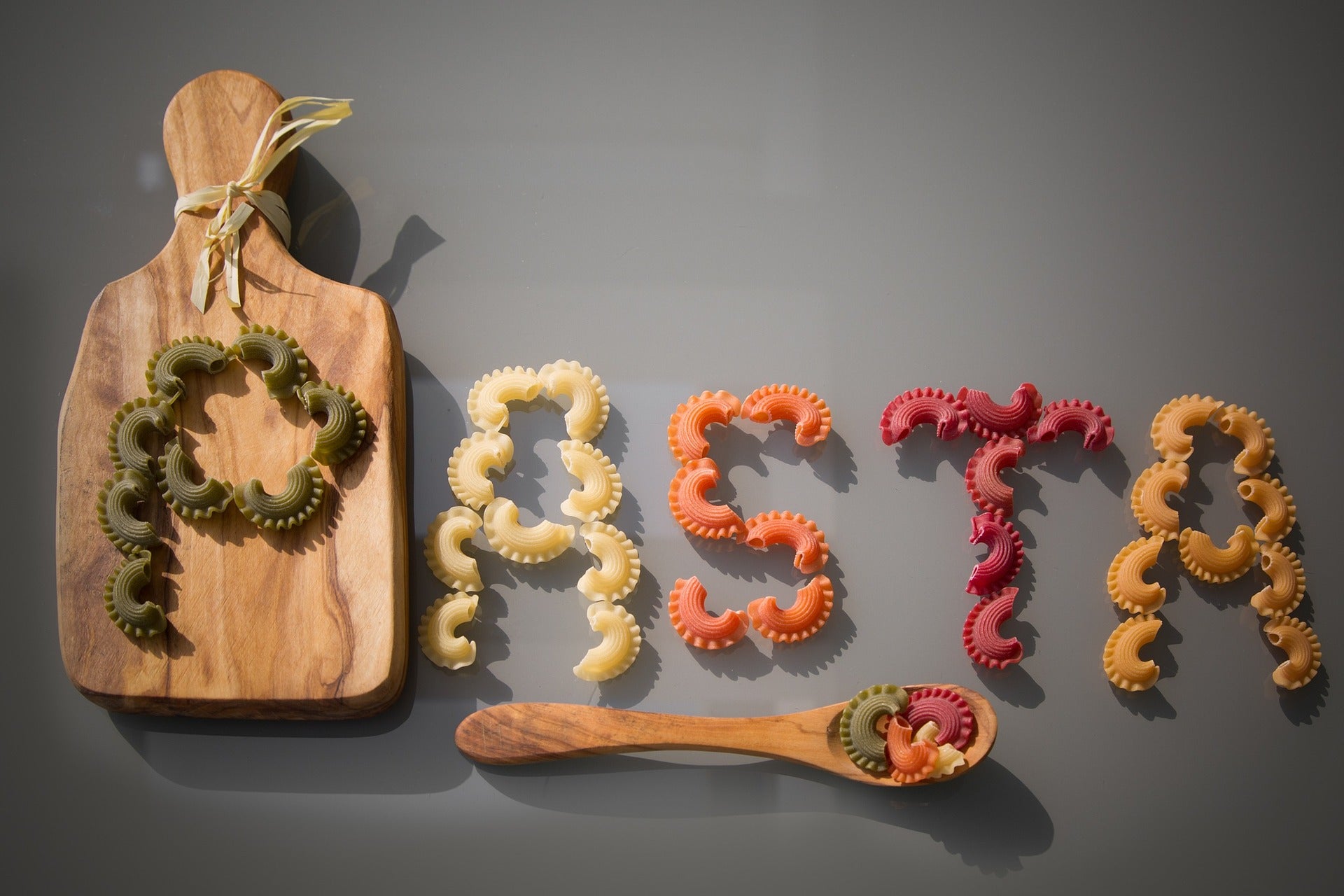
There is a wide variety of pasta shapes originating from Gragnano, including spaghetti, penne, fusilli, rigatoni, and many more. Most of these shapes are produced in different sizes and thicknesses to suit various dishes.
Does slow drying affect the taste of the pasta?
The slow drying process of Gragnano pasta does indeed influence its taste and quality. During the drying process, the pasta slowly loses moisture, resulting in a denser and firmer texture.
This slow drying process at low temperatures ensures that the pasta retains its natural aromas and nutrients, improving its taste and quality. In contrast, rapid drying at high temperatures can cause the pasta to lose its natural aromas and have a poorer consistency and texture.
The slow drying process at low temperatures also helps to preserve the porous surface of Gragnano pasta, which allows the sauce to adhere better and the pasta to absorb the aroma and flavor more effectively. Therefore, the slow drying of Gragnano pasta contributes significantly to its distinctive taste and quality.

How many types of pasta originate from Gragnano?
Gragnano boasts a particularly wide variety of pasta types. The town has a long tradition of pasta production, and many family businesses have developed their own unique recipes and techniques over the years.
Some of the best-known pasta shapes from Gragnano are spaghetti, penne, fusilli, linguine, bucatini , rigatoni, and maccheroni. In addition, there are a variety of specialty pasta shapes such as calamarata (shaped like squid), scialatielli (flat, ribbon-like pasta), and mafaldine (ribbon-shaped pasta with wavy edges).
In total, there are more than 140 different types of pasta originating from Gragnano, many of which are handmade. Each type of pasta has its own unique shape and texture, making it suitable for different types of sauces and dishes.
The variety of pasta from Gragnano reflects the long tradition and passion for pasta making in the region. Over the years, producers have developed various recipes and techniques to ensure that each type of pasta is of the highest quality and offers a distinctive taste experience.

How old is La Fabbrica della Pasta di Gragnano?
La Fabbrica della pasta di Gragnano has a long tradition of pasta production. Founded in 1789, it is one of the oldest pasta producers in Gragnano, a town near Naples considered a stronghold of Italian pasta production.
La Fabbrica della pasta di Gragnano has continually refined its techniques and recipes over the years to ensure its pasta is of the highest quality. They use only premium durum wheat semolina and produce their pasta using traditional methods, including extrusion through bronze dies and slow drying at low temperatures.
The pasta from La Fabbrica della pasta di Gragnano is known for its unique texture and flavor. It has a rough, porous surface that helps the sauce cling better, allowing it to absorb the aroma and taste of the sauce more effectively. This texture is achieved by extruding the pasta through bronze dies, giving it its characteristic shape and texture.
Overall, La Fabbrica della pasta di Gragnano is an important part of the long tradition of pasta making in Gragnano. They have earned an excellent reputation by relying on traditional methods and high-quality ingredients to produce pasta of the highest quality.
How large is the patented "Caccavella"?
The " Caccavella " is another patented "world's largest pasta" from Gragnano. Unlike the "più grande del mondo," the "Caccavella" is a concave pasta, resembling the shell of a mussel.
The "Caccavella" pasta has a diameter of approximately 10 cm. What makes this pasta special is its shape, which allows it to collect a rich sauce in its concave form, thus better absorbing the aroma and flavor of the sauce.
The "Caccavella" is made from the same high-quality durum wheat semolina as other pasta from Gragnano and is processed in traditional ways, including pressing through bronze dies and slow drying at low temperatures.
This large pasta exemplifies the creativity and innovation found in pasta production in Gragnano. While it may not be as large as the Guinness World Record pasta, its unique shape and size make it a remarkable and impressive creation.


Written by Wolfgang Angeli


Leave a comment
This site is protected by hCaptcha and the hCaptcha Privacy Policy and Terms of Service apply.