


Barolo & Barbaresco - siblings from Piedmont
This time you'll learn more about the Piedmont wine region in northern Italy. To give you an idea of where Barolo, Barbaresco, and Barbera come from in northern Italy, I'll give you a brief introduction to their geographical location.
If you look at the Italian "boot" on the map, you'll find the city of Turin in the northwest. Piedmont stretches around it, reaching almost to the Mediterranean Sea in the south and to France in the west. About 80 kilometers south, in the province of Cuneo, lies the city of Alba, in my opinion the world capital of white truffles.
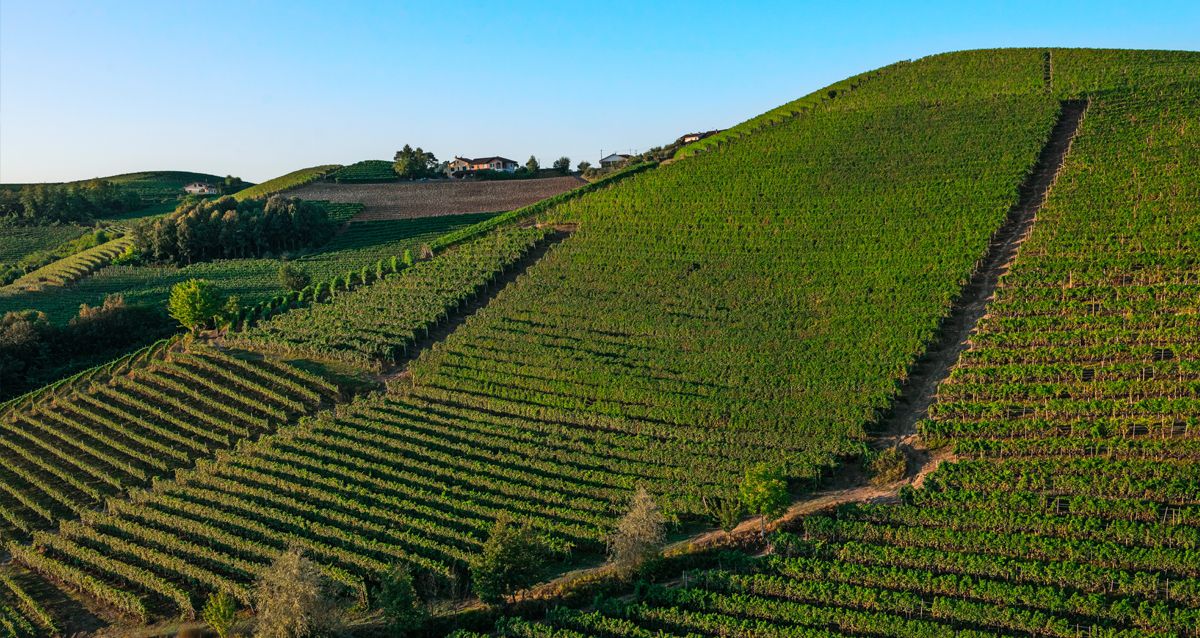
Image: The vineyards of the Luigi Giordano winery in Piedmont
Near Alba, the heart of the Langhe, the most important wine-growing region in northern France, lie the arguably most important wine-producing towns of Barolo and Barbaresco. The Barolo zone encompasses the towns of Castiglione Fallette, Cerasco, Diano d'Alba, La Morra, Roddi, and Verduno. The Barbaresco zone includes Barbaresco, Neive, San Rocco d'Elivio, and Treiso. Barolo and Barbaresco wines may only be produced from Nebbiolo grapes grown in these zones. Harvested locally by the producers and farms (Aziendas Agricola), the grapes are vinified according to the respective DOCG guidelines of each zone and then bottled.
This pair of distinguished red wines, Barolo and Barbaresco, share many similarities. The soil composition, geographical orientation, and slope of the hills are very similar. The Barolo region lies a few kilometers west of Barbaresco. One reason why Barolo wines command somewhat higher prices is that...
Weather-related losses in the vineyard are greater than in Barbaresco.
These wines are allowed to bear their prestigious names, which have grown out of tradition. Interestingly, the red kings of Piedmont enjoy great popularity in the New World. This is due to the many Italian immigrants who did not want to forgo the high quality of Barolo and Barbaresco in their new homeland.
Good wines from the Italian Piedmont are not only called Barolo.
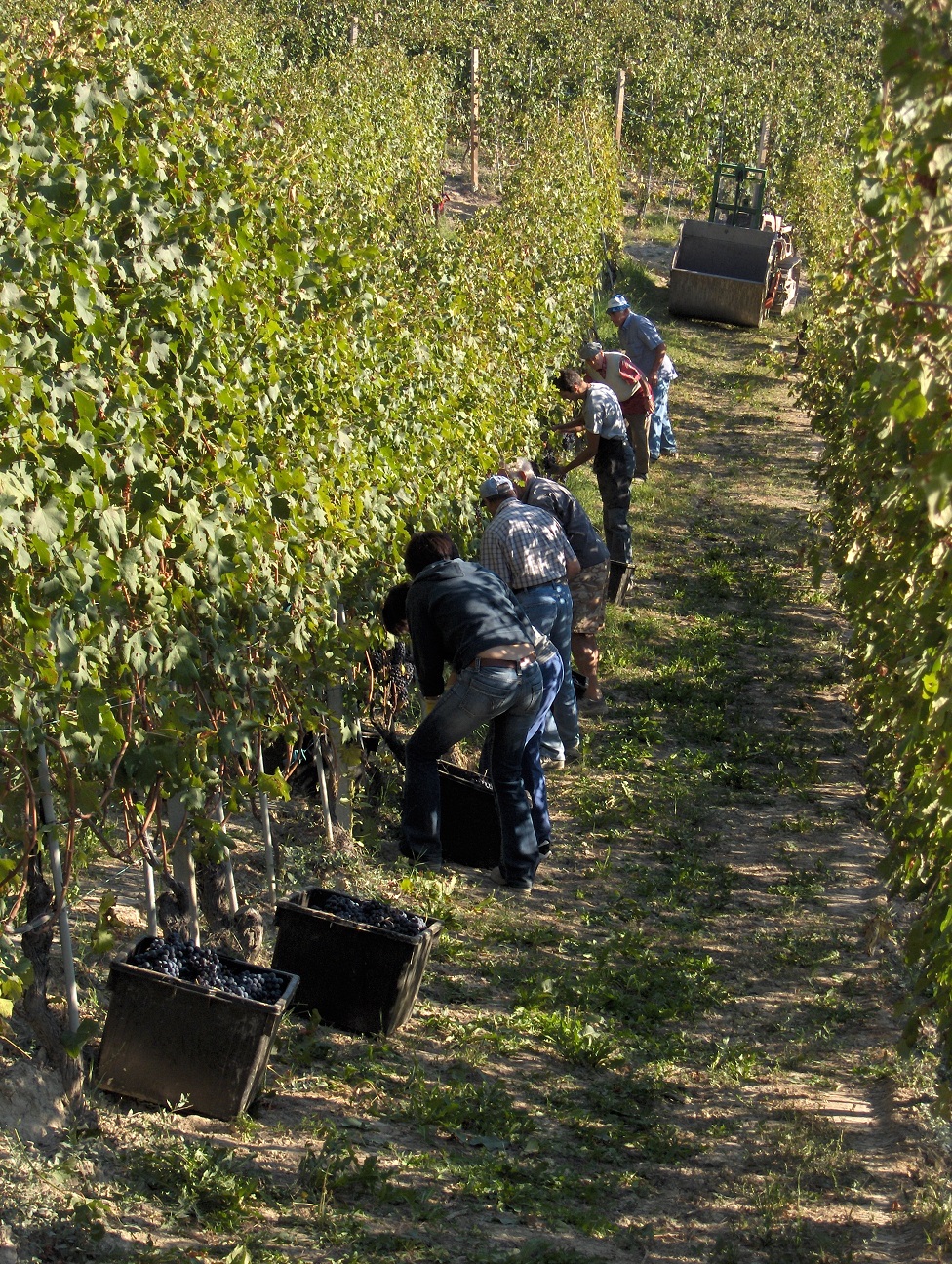
Image: Wine harvest in Piedmont
A comparison of the growing areas for Barolo and Barbaresco:
- Barolo: 164 ha
- Barbaresco: 227 ha
Winegrowing plays a fundamental role in Piedmont. Mostly red wines have been produced here since Roman times. Piedmont is a hilly wine region with high-quality and prestigious wines. Climate, terroir, grape varieties, and expert winemaking harmonize perfectly here.
Barolo and Barbaresco from Piedmont are world-famous, but what about the other wines that come from this region?
The most widespread grape variety is Barbera, which accounts for roughly two-fifths of the vineyard area across various locations. This gives wines made from this grape variety a distinctive character. In the area around Alba (Barbera d'Alba), the wines possess an optimal acidity structure, while in Monferrato and around Asti (Barbera d'Alsti), they exhibit slightly more freshness and fruitiness.
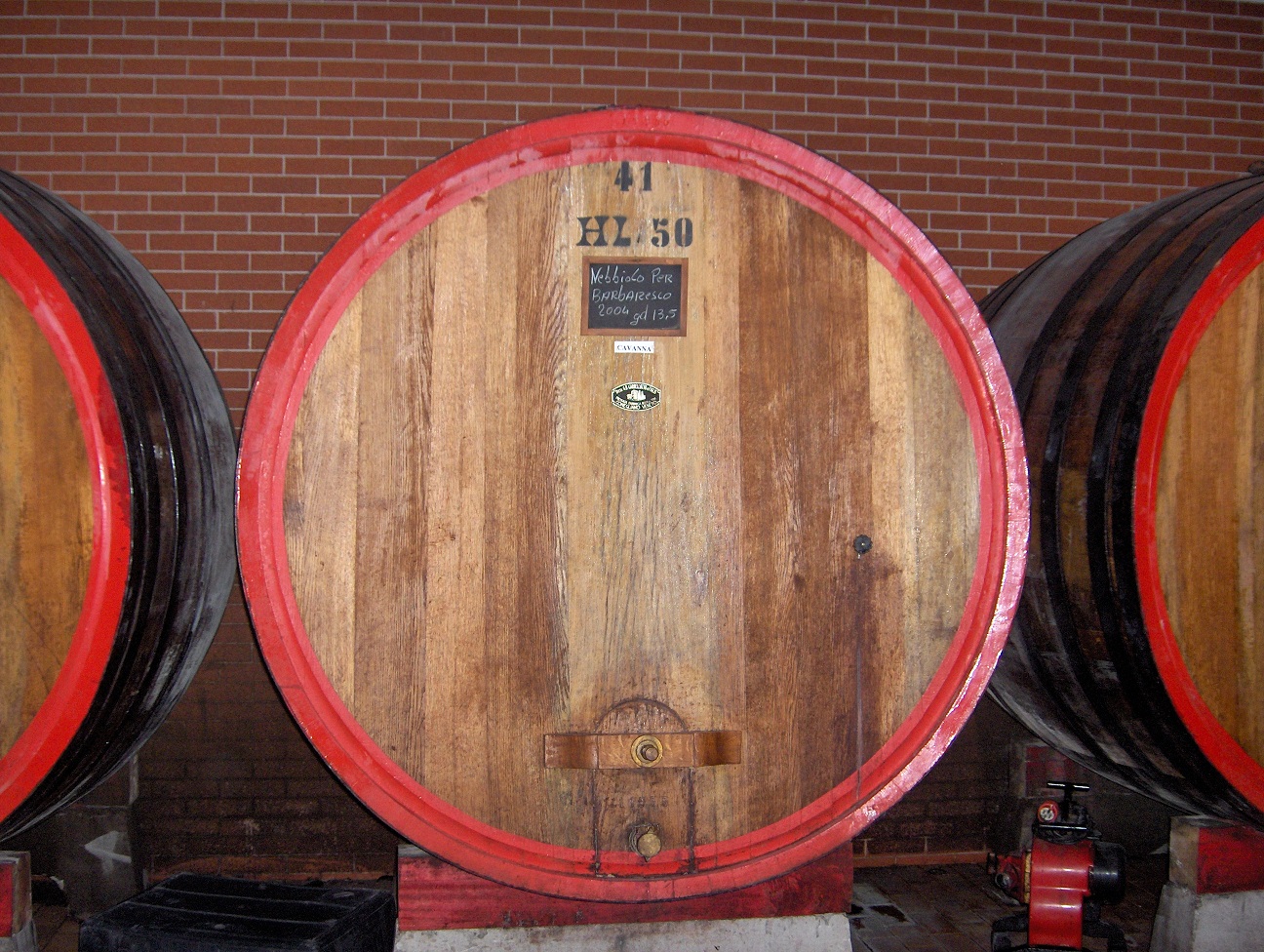
Image: Storage and maturation of wines in oak barrels
Speaking of character: what makes a good red wine from Piedmont?
Important characteristics are sweetness, acidity, and tannins.
Sweetness is important for flavor. The sugar from the grapes is not completely broken down. This is called residual sugar, which is contained in the wine. Whether a wine is dry, semi-dry, or sweet depends on the duration of fermentation and the overall sugar content of the grapes.
The acidity in wine depends on the malolactic fermentation process, which prevents the formation of undesirable malic acids. You can obtain information about the acidity and residual sugar levels from the winemaker. However, this is often not possible with lower-quality production methods, such as those used in mass bottling operations.
Tannins, on the other hand, are not flavor compounds, but rather create a tactile sensation felt on the palate. The different tannin structures depend on the age of the wine. They are also important when selecting wines to pair with certain foods.
Wines from Piedmont are characterized by balanced acidity, dry winemaking, and appealing tannins, which is particularly evident in Nebbiolo in its various vinification styles and cuvée creations.
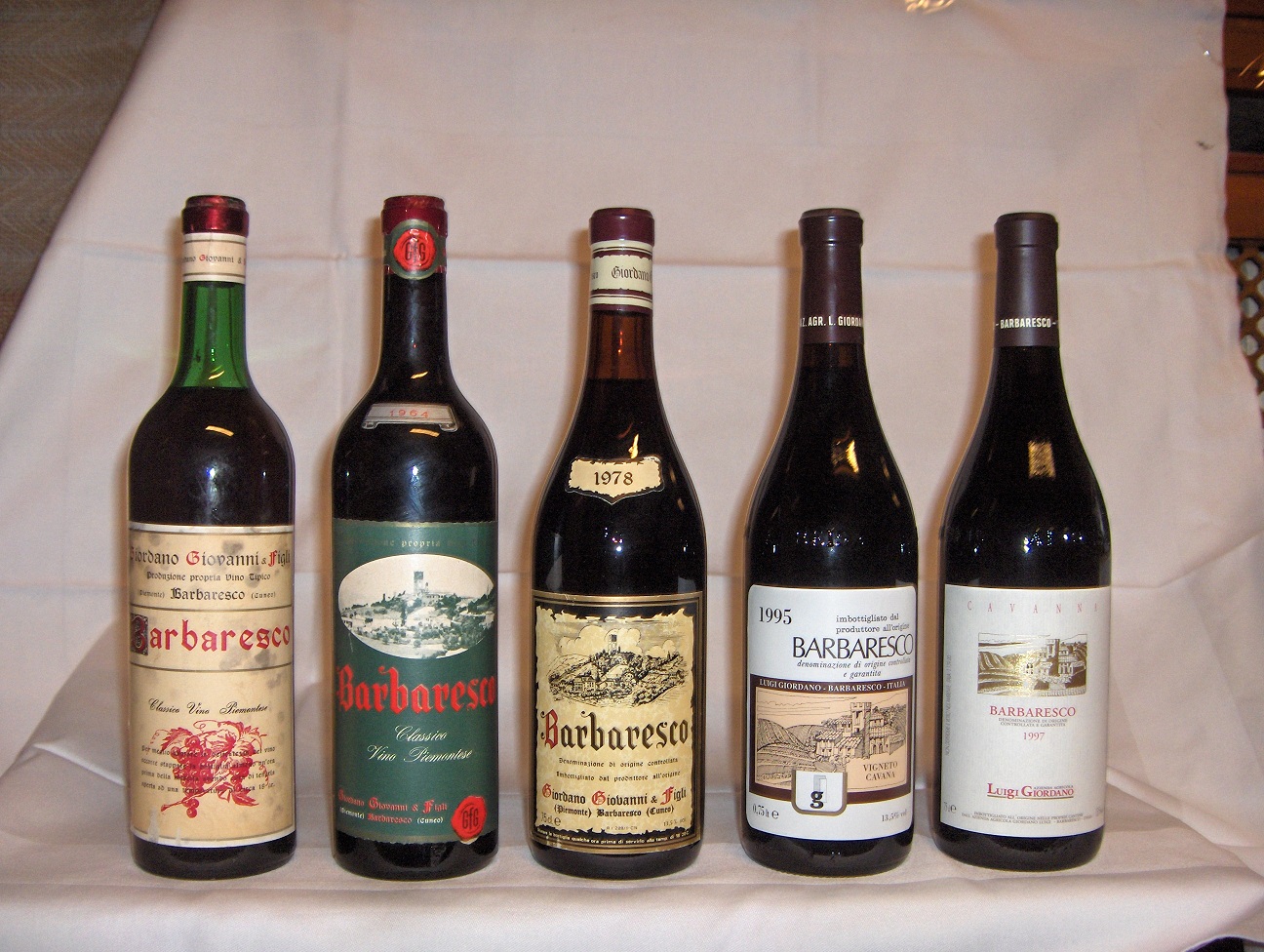
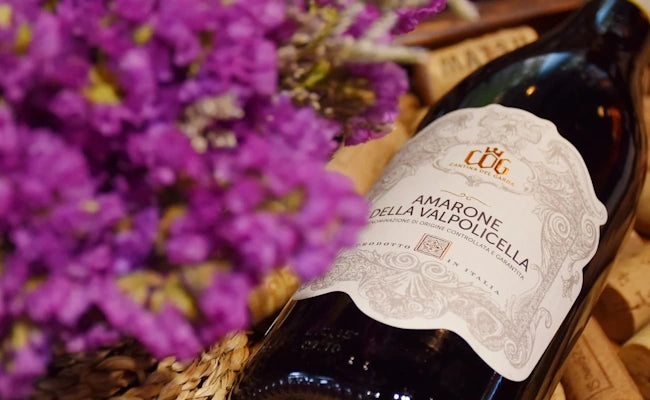
Image: Wine bottles from Piedmont
Example of typical wines from Piedmont
- Langhe Rosso from Mossio Fratelli with 40% Nebbiolo, 40% Barbera and 20% Dolcetto or
- Langhe Rosso by Luigi Giordano is approximately 4/5 Nebbiolo and 1/5 Grignolino (varying depending on the vintage).
Dolcetto, while a simpler-structured red wine, delights with its deep color and a symphony of fruit aromas strongly reminiscent of cherries. From the full spectrum of sour cherry to Amarena cherry, it is produced in a dry style. Dolcetto is often referred to as the "winemaker's wine."
The king of Piedmontese winemaking is undoubtedly Nebbiolo. An extremely delicate grape variety, it thrives almost exclusively in the Langhe region. Red berries combined with a sophisticated tannin structure create a wine of truly unique character. The Nebbiolo grape, through its vinification, forms the basis of the outstanding Barolos and Barbarescos.
Barolo and Barbaresco – the only distinguishing feature is the different length of aging in oak barrels. Recently, there have been approaches moving away from the traditional aging in large oak barrels towards using smaller barrels to break down the pronounced tannins more quickly. The fact that these wines steeped in tradition are often referred to as the kings of wine or wines of kings is entirely justified.
About the author Fritz Schäffler
Video: Sommelier Fritz Schäffler from Eichstätt introduces himself
Fritz Schäffler is the former managing director of an owner-operated trading and service company in the automotive industry. After selling his company, he embarked on a second career as a sommelier (IHK/AIS) and tasting manager. In Eichstätt near Munich, he opened the wine shop Depot-Piemont. His passion lies with the northern Italian wine region of Piedmont and its, for him, regal wines: Barolo, Barbaresco, and Barbera.
Important wineries in Piedmont
- Alfredo Prunotto
- Angelo Gaja
- Arnaldo Rivera
- Bruno Giacosa
- Domizio Cavazza
- Felice Bonardi
- Ferdinando Vignolo-Lutati
- Giacomo Morra
- La Spinona
- Luigi Bianco
- Luigi Calissano
- Luigi Giordano
- Mario Minuto
- Mossio Fratelli
- Pio Cesare

Written by Wolfgang Angeli


Leave a comment
This site is protected by hCaptcha and the hCaptcha Privacy Policy and Terms of Service apply.