


Wine 'Made in China' in the supermarket
White, rosé, and red wines from overseas are a welcome sight in the so-called "prestige" section of many of our supermarkets and discount stores. But how did Chinese wines suddenly find their way into our stores?
We already described the transport of wines across the world's oceans in the blog post ' Environmental Protection: No Overseas Wines at winetory ' . The ecological footprint is concerning. And the production process is even more so: after the long journey, the wines are industrially bottled in Europe from tank containers via large silos. These are often anonymous mass-produced products with a worse environmental record compared to European wines. Only the elaborately designed label is attractive and elegant. Unfortunately, a recent example shows how overseas wines from China, with an even worse environmental footprint, end up on supermarket wine shelves.
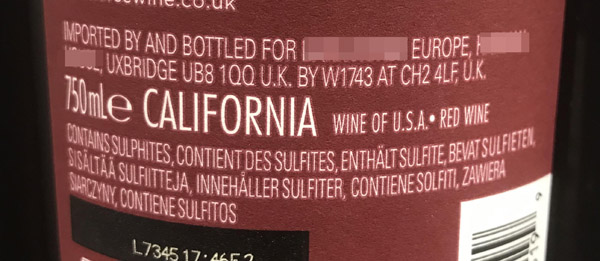
Image 1: Red wine from California that was bottled in Europe: “Imported and bottled […]” is written on the label on the back.
The wine market in China
The Chinese wine market is the second largest in the world after Spain in terms of vineyard area. Chinese consumers' demand for foreign wine is enormous. In some French regions, for example, Chinese companies have acquired stakes in vineyards and export up to 100% of their production to Asia. Chinese students of oenology (winemaking) visit these vineyards to learn the craft of wine production, and then take this knowledge back home.
But instead of fully utilizing the acquired knowledge to penetrate the Chinese market, wines are also exported to Europe in large quantities. And this is at the expense of the environment and for the benefit of additional profits for all involved.
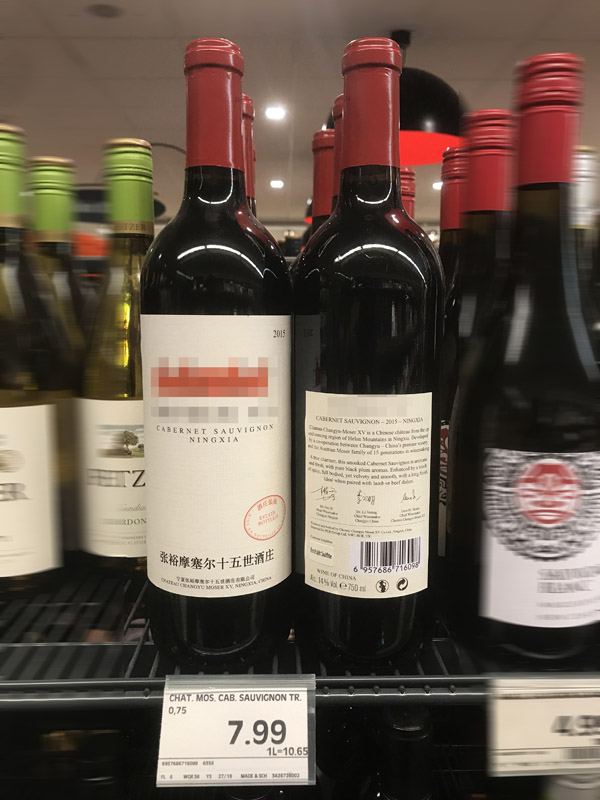
Image 2: Chinese wine in our supermarket for 7.99 euros
The wine from the Chinese château on the shelf
A self-proclaimed Chinese château, whose bottle we found at a well-known supermarket, has a relatively short history. According to its own account, the estate was built from scratch in 2013 near the provincial capital of Yinchuan in the Chinese province of Ningxia for 70 million euros. To lend the newly created empire sufficient prestige, an Austrian winemaking family contributed their expertise and name. Scores from rating agencies and effective marketing further contribute to its success. In Europe, major importers have taken control of the interpretation of the meaning and unique characteristics of these wines.
The producer in Ningxia province bottles the wine directly on its premises. The label also indicates China as the bottling location. For export to Europe, this means that instead of approximately 25,000 liters in a tank container, only about 8,000 liters can be transported in bottles in a container – roughly a third. The environmental impact of this transport method therefore results in up to three times more climate-damaging CO2 emissions than transport by tank container. The company presumably saves on the costs of expensive bottling in Europe as a result.
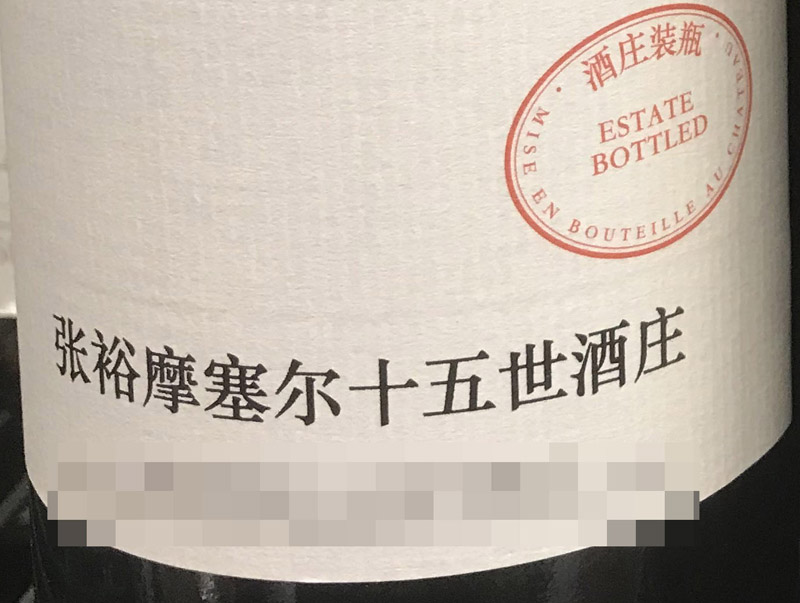
Image 3: Indication of the bottling location China with "Estate Bottled"
Example calculation of an import of wine from China to Europe
This is how European retailers could calculate the price of wine from China for the European market:
Cost calculation for 12,000 bottles of wine per shipping container:
€0.90/FL Manufacturing costs China
€0.50/FL logistics costs
€0.50/FL Distribution costs Europe
= €1.90/FL Purchase price trade
€6.71/FL Retail price (€7.99 gross)
6.71 - 1.90 = 4.81 €/FL Profit = ~250% Margin (!!)
For example, if a grocery retailer has approximately 11,000 stores in Germany and sells just six bottles of a Chinese wine per store per week, the annual volume amounts to roughly 3.3 million bottles, totaling 2.3 million liters, transported in 275 shipping containers. The profit per bottle would be about 16 million euros per year. These are truly massive figures in the world of big business. What informed consumer believes that such large quantities of wine, wine bottles, labels, and corks are produced sustainably in China, in harmony with nature and under fair working conditions?
Image 4: We love wine!
What words come to mind when you think of wine from China? Leave a comment!
Conclusion: Good wines for €7.99 can be bought directly from the winemaker.
Buying clothing or electronics made in China is understandable given the limited number of European suppliers. However, there's no such reason when it comes to wine: thousands of winemakers offer their products in Europe. Some might even be in your region.
For the price of the Chinese wine described, you can get very tasty white, rosé, and red wines directly from European winemakers just around the corner. This not only supports local agricultural jobs but also protects the environment: there's no packaging waste or shipping emissions.
And if it absolutely has to be an imported wine, then at least make sure that it was imported and then bottled. This saves up to three times more of the climate-damaging emissions generated by shipping.
Be careful when buying wine. Invest your money in good European wines that come directly from local winemakers.

Written by Wolfgang Angeli



Leave a comment
This site is protected by hCaptcha and the hCaptcha Privacy Policy and Terms of Service apply.