


Environmental protection: No overseas wines at winetory
Wine isn't only grown and produced in Europe: vast wine-growing regions in Australia, Africa, China, and South and North America also boast huge wineries producing red, rosé, and white wines. In this blog post, we'll describe how wines from overseas make their way into your shopping cart at the supermarket.
How does wine from overseas get onto the shelf?
Believing that all wine bottles shipped from overseas were filled in the country of origin is an illusion. Transport routes are long, complex, and expensive. Shipping pre-labeled bottles of wine makes no sense for many reasons and is uneconomical for the industry. Too much space in overseas containers would be wasted if ready-to-sell bottles were sent to Europe. Climatic factors also argue against it: small bottling units heat up more quickly during transport, which could affect the product quality of the wines. Therefore, the wine industry's logistics department has devised a sophisticated system for mass transport across the world's oceans.
Bottling in the country of origin
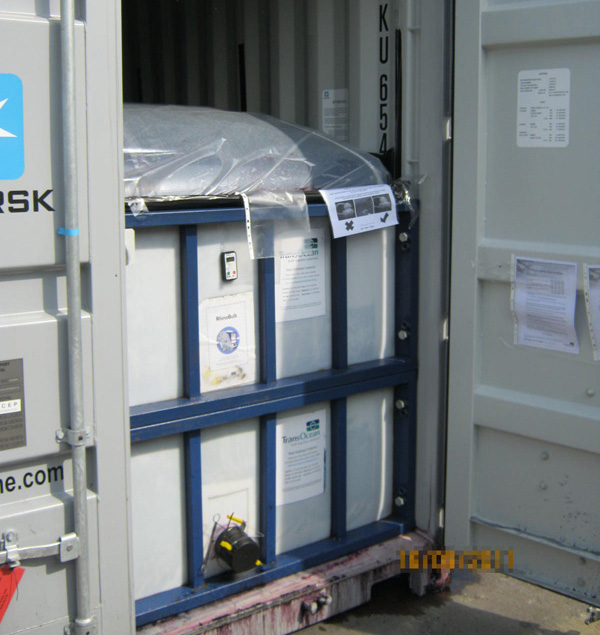
Image 1: Standard shipping container with wine
The standard packaging for overseas transport is the 20-foot shipping container. To make it suitable for wine shipments, metal latches are attached to the doors. These keep the wine contained within the so-called wine bladder, even when the doors are open. The inner wine bladder consists of a foil lining, which is protected from friction and damage by an additional outer layer of woven film. This allows for the bottling and shipping of up to 25,000 liters of wine.
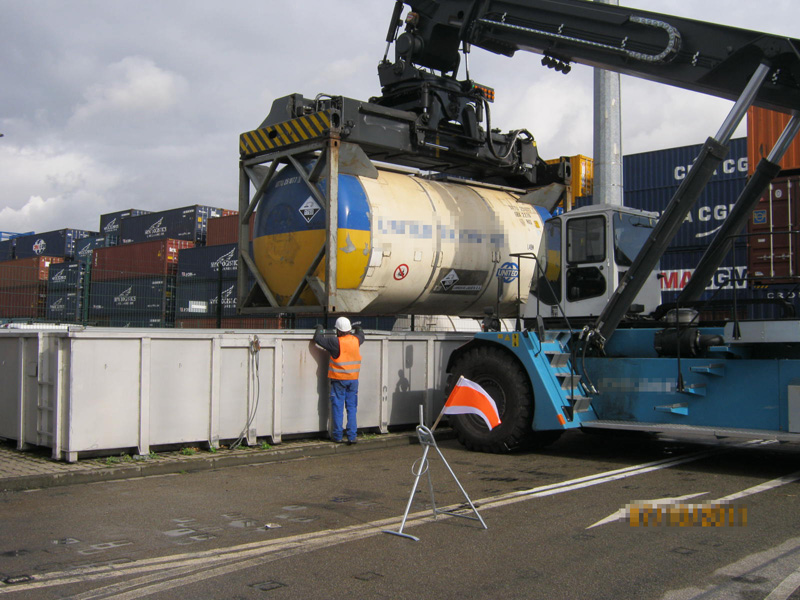
Image 2: Tank container
In addition to standard containers with wine bladders, tank containers are also used. Major manufacturers of these containers are located in Asia. To optimize transport routes, some newly built containers are rerouted by sea from Asia to, for example, South Africa, loaded with wine there, and then transported onward to Europe. Only after the wine arrives at the bottler does the tank container's originally planned life cycle begin: as a means of transporting chemicals.
Large-scale wine bottlers
Once the containers arrive in the destination country, they are transported to the bottlers. These large-scale bottlers in the beverage industry offer retailers a wide range of services. While one day they might be bottling and shipping juices and mixed drinks, on other days these bulk packaging facilities might also be processing wine. To maintain consistent taste and quality, several containers are pumped into large silos.
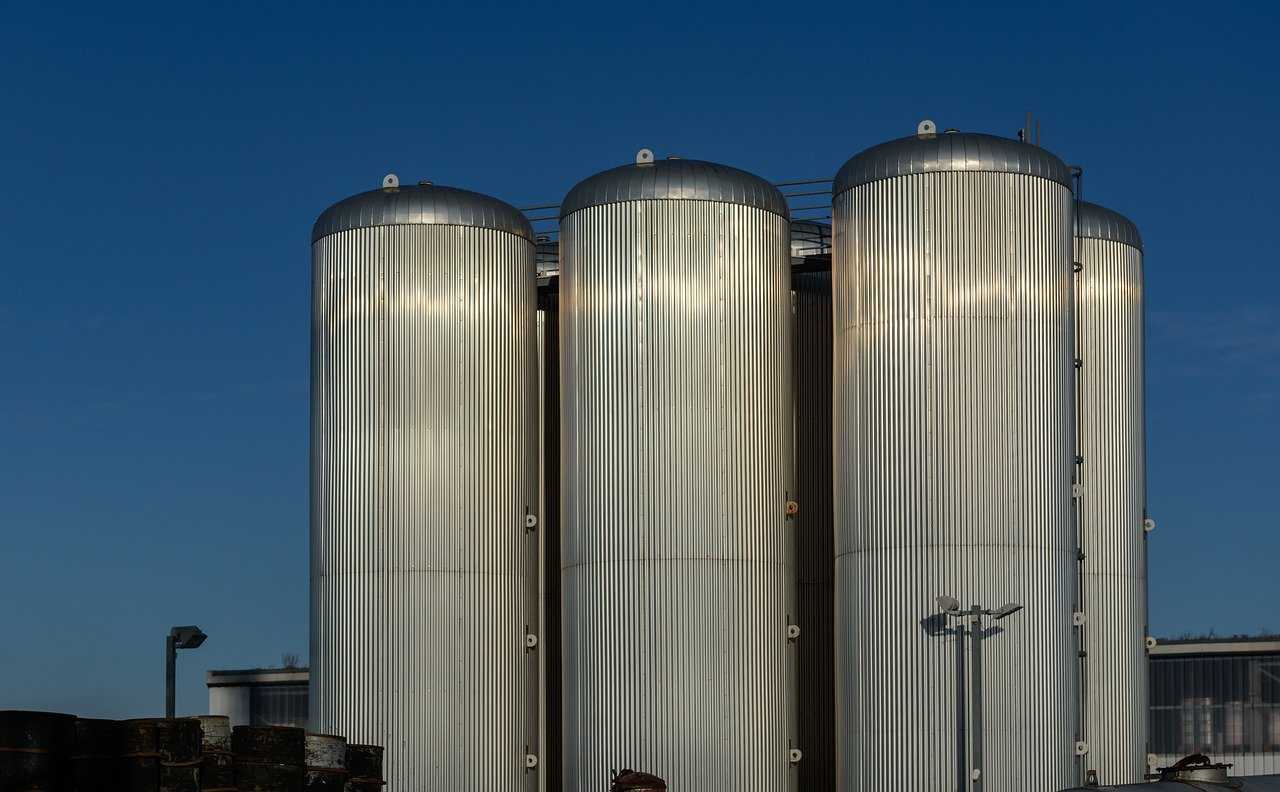
Figure 3: Silos for storing and filling bulk goods
This process blends the red, rosé, and white wines into bulk wines of a specific variety. Highly automated bottling lines then fill and label the bottles according to the retailer's specifications. This production method is necessary to meet the high demand from the grocery retail sector for inexpensive imported wine.
Ship exhaust fumes and packaging waste are left behind.
Transporting containers by sea generates exhaust fumes and, consequently, the environmentally harmful CO2. Furthermore, with standard containers, the liners from the wine bladders and the latches on the door openings must be disposed of. The container is then rinsed with water. Only then can the shipping company reuse the container for other cargo. Here, the tank container has a slight advantage: it only requires internal cleaning and can then be used for new liquid cargo shipments.
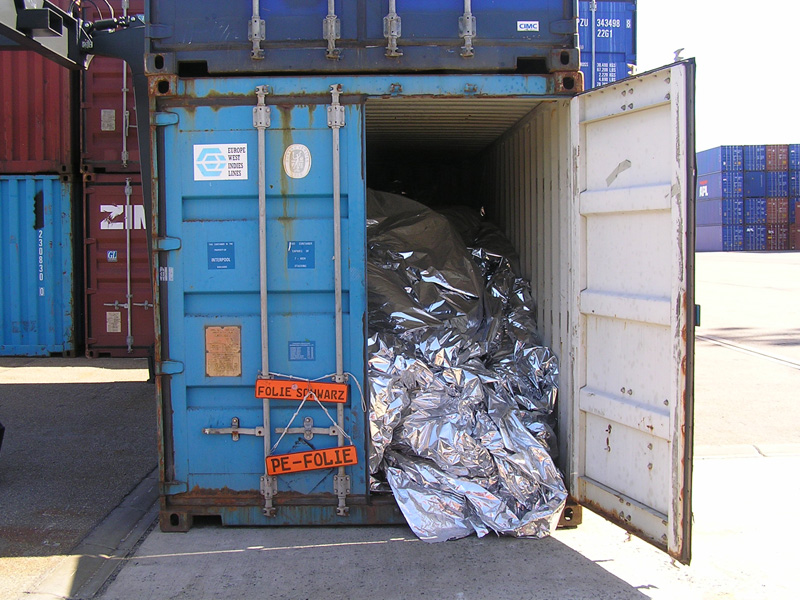
Figure 4: Slides after discharge
Arrival on the discount store shelf
And there it is, the supposedly delicious, inexpensive wine straight from the overseas winemaker. Have you ever looked at the back of wine bottles in the discount store? You might find it difficult to identify the winemaker. With this knowledge of the described production, transport, and bottling processes for overseas wines sold in supermarkets, you can now find the right wine for you even more easily. Price is also an indicator: for a winemaker to make a good living from their wine, it should cost at least €5 in stores. For all wines below this price point, you should take a closer look and consider whether it might be an industrially produced mass-market product with a poor carbon footprint.
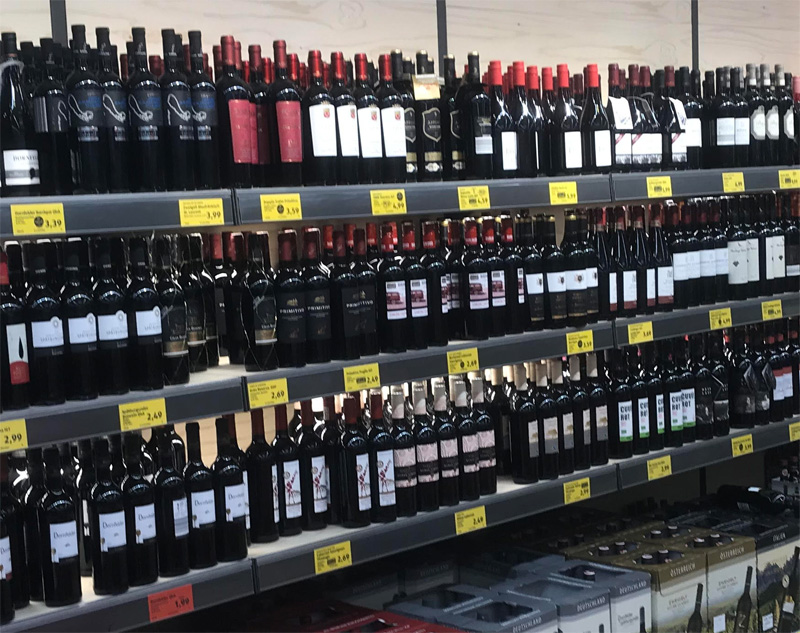
Image 5: Wine selection at the discount store
No overseas wines in the selection
Our contribution to reducing unnecessary transport routes, CO2 emissions from ships, and packaging waste is that we don't offer wines from overseas. We support small and medium-sized winemakers in successfully selling their wine online at fair prices. Make a difference too and avoid wines from overseas or wines made in China . After all, you'll hardly ever manage to try all the wines from Europe in your lifetime. There's simply too much good wine around us. :-)
Countries, regions & grape varieties of New World Wine
Argentina
- Main regions: Salta, Mendoza, Neuquén
- Main grape varieties (white): Chardonnay, Torrontés, Chenin Blanc
- Main grape varieties (red): Cabernet Sauvignon, Syrah, Malbec, Bonarda, Merlot
Australia
- Key regions: McLaren Vale, Hunter Valley
- Main grape varieties (white): Sauvignon Blanc, Chardonnay
- Main grape varieties (red): Cabernet Sauvignon, Chiraz
Chile
- Main regions: Central Valle including the subregions Maule and Maipo
- Main grape varieties (white): Chardonnay, Sauvignon Blanc
- Main grape varieties (red): Cabernet Sauvignon, Merlot, Carmenere
China
- Main regions: Bohai region in Shandong province, Hebei, Tianjin, Jilin, Xinjiang, Gansu, Ningxia,
- Main grape varieties (white): Riesling, Chardonnay
- Main grape varieties (red): Blaufränkisch, Lemberger, Cabernet Sauvignon, Malbec, Carignan, Gamay
New Zealand
- Key regions: Marlborough, Auckland, Canterbury
- Main grape varieties (white): Chardonnay , Sauvignon Blanc, Pinot Gris
- Main grape varieties (red): Merlot, Pinot Noir
South Africa
- Main regions: Paarl, Stellenbosch
- Main grape varieties (white): Semillon, Sauvignon Blanc, Chenin Blanc, Chardonnay, Viognier
- Main grape varieties (red): Pinot Noir, Cabernet Sauvignon, Merlot, Shiraz, Pinotage, Cinsault, Cabernet Franc
United States of America / USA
- Key regions: California, Washington, Oregon
- Main white grape varieties: Riesling, Chenin Blanc, Chardonnay, Gewürztraminer
- Main grape varieties (red): Cabernet Sauvignon, Barbera, Cabernet Franc

Written by Wolfgang Angeli


Leave a comment
This site is protected by hCaptcha and the hCaptcha Privacy Policy and Terms of Service apply.