



Quality levels - DOCG, DOC and IGT
Several quality features play a central role:
- Origin : From which region do the grapes come?
- Varietal purity : Which grape varieties were used for the wine?
- Grape quality : This depends largely on the ripeness and harvest quantity of the grapes.
- Production : Traditional methods and their characteristic influence on wine quality.
- Final product : The final quality is assessed through chemical and sensory analyses.
A distinction is made between two systems for classifying quality levels: the traditional Italian classification, which was introduced in 1960, and the Europe-wide uniform classification, which has been in effect since 2012.
To get started with the different quality levels, here is an overview of the designations of origin compared to those in Germany or Europe.
Quality levels of wines
| Classification (IT) | Classification (EU) | Classification (DE) |
| DOCG (Denominazione di Origine Controllata e Garantita) |
DOP (Denominazione di Origine Protetta) (Wine with protected designation of origin) |
Quality wine (wine with protected origin) |
| DOC (Denominazione di Origine Controllata) | ||
| IGT (Indicazione Geographica Tipica) | IGP (Indicazione Geografica Protetta) | Country wine (wine with protected geographical indication) |
| Vini generici (general wines) | Vini |
Key features of the DOCG classification
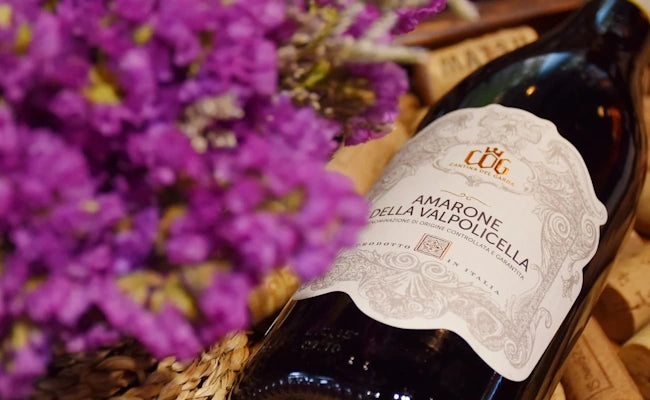
- Highest quality level : DOCG stands for "controlled and guaranteed designation of origin" and is the highest classification for Italian wines.
- Prerequisite : A wine must have borne the DOC seal for at least 7 years before it is eligible for DOCG testing.
-
Strict production rules :
- Only approved grape varieties may be used.
- Crop yields are limited and must originate from a defined geographical area.
- Every step of wine production, from grape ripening to bottling, is monitored.
-
Quality control :
- Every DOCG wine undergoes a comprehensive chemical and sensory analysis.
- A professional panel tastes the wine to ensure the highest quality.
- Authenticity assurance : Each DOCG bottle bears a numbered inspection band to prevent counterfeiting.
-
First awarded in 1980 : The first wines with DOCG status were Brunello di Montalcino, Nobile di Montepulciano, Chianti Classico (Tuscany), Barolo and Barbaresco (Piedmont).
Key features of the DOC classification
-
Definition and introduction :
- DOC stands for "Denominazione di Origine Controllata" and means "controlled designation of origin".
- The law was passed on July 12, 1963, inspired by the French AOC classification.
- The first DOC wine was the white wine Vernaccia di San Gimignano from Tuscany (now DOCG).
-
Aims and significance :
- Creating a quality standard for Italian wines.
- A crucial contribution to the recognition and international success of Italian wines.
-
Controlled parameters :
- Monitoring of grape varieties, geographical origin and ripeness of the grapes.
- Monitoring winegrowing practices and ensuring compliance with regional traditions.
- Limited harvest quantities to ensure quality.
-
Product variety :
- The DOC category allows for greater diversity compared to the DOCG classification.
- Popular products such as Prosecco and Rosé sparkling wine often bear the DOC seal.
-
Milestone in the wine world :
- The introduction of the DOC system marked the beginning of a new era and contributed significantly to the worldwide reputation of Italian wines.
Key features of the IGT classification
-
Definition and meaning :
- IGT stands for "Indicazione Geografica Tipica" and means "typical geographical indication".
- It corresponds to the French category "Vin de Pays".
-
Geographical origin :
- At least 85% of the grapes must come from a specific geographical area.
- The winemaking process is subject to final inspection and evaluation.
-
Flexibility for winegrowers :
- Less stringent regulations compared to DOC and DOCG.
- Enables experimentation with unconventional grape varieties (e.g. Merlot or Cabernet Sauvignon) and innovative production methods.
-
Quality and innovation :
- This category allows for the production of high-quality and creative wines that often do not adhere to traditional rules.
- Many IGT wines are of excellent quality and enjoy international renown.
-
Famous examples :
- The so-called Super Tuscans, such as Tignanello and Ornellaia, which were created in Tuscany in the 1970s and 1980s from international grape varieties, contributed significantly to the recognition of the IGT category.
- These wines are now considered classics among collectors.
Key features of the European classification
-
Uniform classification : Since 2012, a three-tier classification for protected designations has been in place throughout the EU:
- Indicazione Geografica Protetta (IGP) : Protected Geographical Indication.
- Denominazione di Origine Protetta (DOP) : Protected Designation of Origin.
- PDO with additional geographical indication or sub-region : For more specific designations of origin.
- Harmonised regulation : This classification replaces national designations to ensure uniform labelling and quality assessment in Europe.
- Flexibility for member states : Member states may continue to use their traditional names in parallel. This allows them to preserve national characteristics and regional identities.
-
Preference for traditional terms : Most wineries, especially in Italy, continue to use familiar designations such as IGT, DOC, or DOCG. These terms are well-established with consumers and best convey the quality and uniqueness of the respective wine region.
Other Italian quality features
Classico
- Original growing region : The term Classico refers to DOC or DOCG wines that originate from the historically defined, original growing regions.
- Limited origin : The grapes must come from a legally defined, smaller sub-area within the region. For example, for Soave Classico DOC, the grapes must come from specific areas of the municipalities of Soave and Monteforte d'Alpone.
- Stricter quality criteria : Classico wines are subject to stricter regulations than comparable wines without this designation. These include a reduced maximum yield per hectare and higher requirements for the minimum alcohol content.
- Preserving tradition : The Classico designation guarantees that the wine reflects the tradition and character of its original region of origin.
Superior
- Stricter production regulations : Superiore wines are subject to stricter regulations than regular DOC or DOCG wines.
- Reduced maximum yield : The maximum permissible harvest quantity per hectare is lower, which is intended to improve the quality of the grapes.
- Higher alcohol content : Superiore wines must have a higher minimum alcohol content, which indicates longer maturation and more intense aromas.
- Extended aging period : These wines often need to undergo a longer aging period before they can be released to the market in order to reach their full potential.
Reserve
- Highest quality level : Riserva wines represent the top quality within the DOC and DOCG categories.
- Extended aging period : These wines must age significantly longer than conventional DOC or DOCG wines. However, the exact duration depends on the regulations of the respective designation of origin.
- Enhanced flavor diversity : The additional maturation time contributes to the development of a more complex and intense flavor profile.
- Higher status within the classification : Riserva wines are considered prestige products that reflect careful production and long aging.

Written by Wolfgang Angeli


Leave a comment
This site is protected by hCaptcha and the hCaptcha Privacy Policy and Terms of Service apply.