


Alcohol-free wine - where high-tech meets enjoyment
The market for non-alcoholic wines will no longer be a niche market in 2026 – it will be a genuine movement. What was once often considered a last resort, for example, if you had to drive or were pregnant, is now a serious alternative to the classic glass of red wine in the evening for many. The leap in quality is so significant that even experienced connoisseurs often can no longer reliably distinguish modern non-alcoholic wines from their alcoholic counterparts in blind tastings.
Why is non-alcoholic wine booming right now? In 2025 alone, the German market grew by over 38%. There's a lot happening, especially in the premium segment between €10 and €19. Whether it's " Mindful Drinking ," " Dry January, " or " Sober Curious "—it's all about enjoying the moment without having to pay the price the next day. If you're looking for top quality, you should stick to specialized suppliers who focus on careful selection rather than mass-produced goods.
"Alcohol-free" is not always 0.0%
In the EU, and therefore also here in Germany, there is a clear legal regulation: You can label a wine as "alcohol-free" if it contains a maximum of 0.5% residual alcohol by volume. This minimal amount is completely harmless and comparable to the alcohol content in a very ripe banana or some fruit juices you drink every day. However, if you want or need to abstain from alcohol completely, you should specifically look for the "0.0%" label when buying wine.
Available wine types
- White wine : Particularly common are crisp varieties such as Riesling, Sauvignon Blanc and Pinot Blanc (Pinot Blanc) as well as more full-bodied varieties such as Chardonnay and Pinot Gris (Pinot Gris).
- Red wine : Fruity grape varieties such as Merlot, Cabernet Sauvignon, Pinot Noir (Spätburgunder) and Syrah dominate here.
- Rosé wine : Non-alcoholic rosé wines are often offered as blends or single-varietal wines (e.g., made from Grenache or Pinot Noir) and are popular for their fresh berry aromas.
- Sparkling wine : Alcohol-free sparkling wine alternatives, Prosecco variants and sparkling rosés are among the fastest growing segments, as the carbon dioxide compensates particularly well for the lack of alcohol in terms of taste.
- Dessert and specialty wines : Sweet varieties such as Moscato or flavored wines such as non-alcoholic mulled wine are also available in stores.
Popular grape varieties at a glance (as of 2026):
| Wine type | Common grape varieties |
| white wine | Riesling, Chardonnay, Sauvignon Blanc, Silvaner, Chenin Blanc |
| red wine | Cabernet Sauvignon, Merlot, Pinot Noir, Tempranillo, Syrah |
| Rose wine | Grenache, Pinot Noir, Merlot Rosé |
Here are the five most important facts you should know about guilt-free red indulgence:
Fact 1: Innovative production – Your wine, just naked
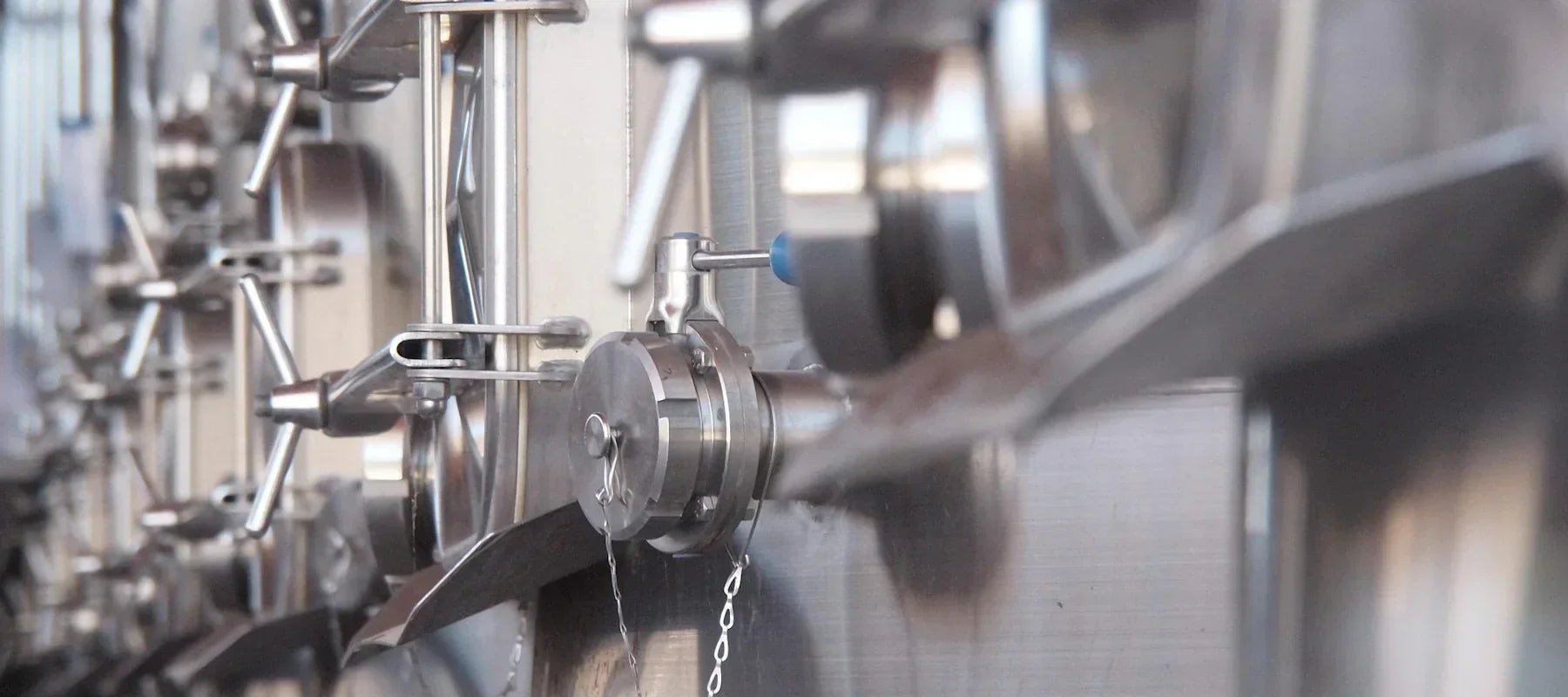
Alcohol-free wines are not simply grape juice. It is first fermented normally and only then dealcoholized. Three modern processes will dominate production in 2026:
- Vacuum distillation : The wine is placed under vacuum, causing the alcohol to evaporate at 30–35 °C. This preserves the valuable aromas that you taste.
- Spinning cone technique : Here, the aromas are first separated, the alcohol is removed, and then everything is precisely recombined. This preserves up to 99% of the original flavor.
- Reverse osmosis : Special membranes separate the alcohol and water before the water is returned to the system for full concentration.
Advantages and disadvantages of vacuum distillation
| category | Advantages | Disadvantages |
|---|---|---|
| Temperature & Quality | Gentle: Boiling point drops to approximately 27–32 °C; protects aromas and vitamins. | Loss of structure: Without alcohol, wine often lacks body, depth, and the familiar mouthfeel. |
| aroma | Recovery: Volatile aromas can be captured and added back to the wine. | Aroma change: Despite recovery, the profile may appear flatter than the original. |
| production | Efficiency: Proven standard procedure for large production volumes. | Investment: Very high acquisition costs for the complex technical equipment. |
| Health | Ingredients: Polyphenols and antioxidants are largely preserved. | Post-processing: Often, the addition of sugar or carbon dioxide is necessary to balance the taste. |
| resources | Oxygen exclusion: Protects against oxidation during withdrawal. | Energy requirements: High energy consumption for vacuum and cooling processes. |
Advantages and disadvantages of reverse osmosis
| feature | Advantages | Disadvantages |
|---|---|---|
| Aroma & Taste | Gentle: No heat required; delicate fruit aromas are optimally preserved. | Loss of structure: Important tannins can be filtered out along with the body, which reduces the amount of tannins. |
| precision | Precise control: Enables the pinpoint reduction of alcohol content (e.g., lifestyle wines). | Time required: Achieving 0.0% vol. usually requires several time-consuming runs. |
| Ingredients | Health benefits: Antioxidants and colorants remain largely concentrated in the wine. | Mechanical stress: Separating and rejoining the components alters the natural wine structure. |
| economy | Efficient for partial dealcoholization: Ideal for harmonizing heavy wines. | High costs: Expensive specialized equipment; often only profitable for small winegrowers through service providers. |
| Legal framework | Technologically established: Standard procedures in modern large wineries. | Regulation: Sometimes requires the addition of water (diafiltration), which is strictly regulated by law. |
Advantages and disadvantages of the centrifugal cone column
| feature | Advantages | Disadvantages |
|---|---|---|
| Aroma & Quality | Excellent preservation of the grape variety aromas through separate aroma recovery before alcohol removal. | Complexity and mouthfeel ("body") are reduced by the absence of alcohol as a flavor carrier. |
| Temperature & Time | Extremely gentle: Low temperatures (25–40 °C) and very short contact time (under 30 seconds) prevent cooked taste. | Despite careful handling, fine phenolic structures and the texture of the wine can be easily altered. |
| precision | Precise control is possible; reliably achieves values of <0.05% residual alcohol by volume. | A two-stage process is necessary (first flavorings, then alcohol), which makes the process technically complex. |
| economy | High throughput and versatile use (also for desulfurization or concentrate production). | Very high investment and operating costs; often only profitable for small wineries through service providers. |
| Sensors | It is considered the method that comes closest to the taste of the original wine. | Often, a subsequent correction (e.g., by adding sugar reserves) is necessary to restore the balance. |
Fact 2: Health benefits – Slim enjoyment
Alcohol-free wine retains the beneficial compounds from the grape skins. The polyphenols it contains (such as resveratrol) can lower your blood pressure, while alcohol tends to raise it.
- Calorie check : With only 20–30 kcal per 100 ml, you save a considerable amount compared to regular wine (approx. 70 kcal).
- No hangover : Since no alcohol is involved, your body stays hydrated. Headaches and fatigue the next morning are a thing of the past.
- Anti-aging : The antioxidants help you to lead a fit and conscious lifestyle.
Fact 3: Taste – Close, but unique
Alcohol-free wine is incredibly close to the original, but retains its own unique character. Since the alcohol, which provides warmth, is absent, the wine often feels lighter on your tongue.
- Fruity : You will notice that nuances of cherry, berry or vanilla often stand out more clearly because they are not masked by the alcohol.
- Mouthfeel : Good winemakers compensate for the lack of body with a fine tannin structure or a very subtle residual sweetness.
- Variety : Whether you love a robust Cabernet Sauvignon or a velvety Merlot – the typical characteristics of the grape varieties are retained.
Fact 4: Food pairing – The perfect accompaniment to food
Alcohol-free red wines are fantastic food companions. Their acidity and tannins make them a wonderful match for:
- Pasta dishes : Especially with dark sauces or dishes containing mushrooms.
- Cheese platters : A semi-dry non-alcoholic wine goes perfectly with spicy cheese.
- Dark meat : High-quality products can even compete with a hearty roast thanks to the extracted tannins.
Fact 5: Shelf life & storage – What you should know
One important detail to note: Because the preservative alcohol is missing, the wine is somewhat more sensitive after opening.
- Unopened : You can usually store it for 2 to 3 years.
- Once opened : Be sure to refrigerate it and enjoy it within 2 to 3 days.
- Quality pays off : Opt for premium products. Cheap versions often use too much sugar to mask the lack of alcohol – and unfortunately, you can taste the difference.
Conclusion
Alcohol-free wine is your symbol of modern enjoyment. It gives you the freedom to experience the complexity of a good wine without compromising your health or mental clarity. Just try it – your body will thank you!
Passende Produkte


Written by Wolfgang Angeli


1 comment
Moin zusammen,
Habe gerade die letzte MANARA Ripasso geöffnet; Jahrgang 2017 und perfekt !
Habe gerade den Beitrag über alkoholfreie Weine gelesen. Durch meine Diabetes muss ich sehr auf Kalorien und vor allem Zucker achten. Wenn ihr als in Zukunft alkoholfreie Weine mit wenig Zucker anbieten könnt: ich währe gerne ein Abnehmer.
Aktuell habe ich einen Sekt mit nur 3,5 gr. Zucker dr auch noch gut schmeckt. Mein aktueller Rose’ ohne ist vom Geschmack her in Ordnung, hat aber mit 7 gr. / 100 gr. Zu viel Zucker.
Hoffe bald von Euch zu hören.
Gruß Henry
Henry Joachim
Leave a comment
This site is protected by hCaptcha and the hCaptcha Privacy Policy and Terms of Service apply.