



Organic wine is on the rise
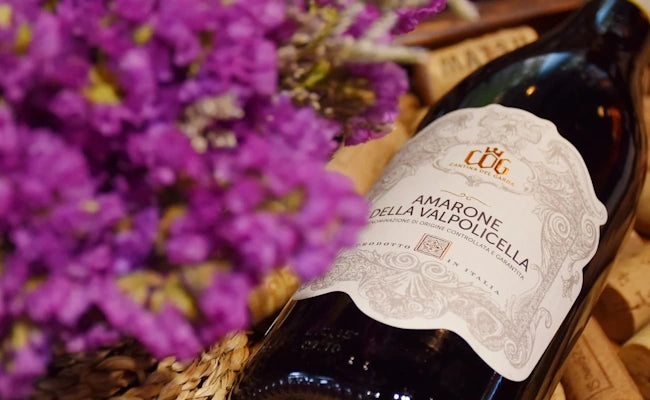
Organic wine is currently experiencing increasing popularity and demand. In recent years, consumer awareness of environmental and health issues has grown, leading to a stronger search for sustainable and organically grown products. This trend is also reflected in the wine sector.
More and more winegrowers and wineries are converting to organic farming or converting their existing vineyards to organic methods. Furthermore, many wine regions are developing and implementing certification programs and guidelines for organic viticulture to ensure consistent quality control and transparency.
The growing interest in organic wine is also reflected in sales figures. Organic wines have become more readily available in many wine shops, supermarkets, and online stores. Furthermore, many restaurants and wine bars offer a wider selection of organic wines on their menus.
How do you make "organic wine"?
Organic wine refers to wine produced using organic farming methods. Organic farming is an agricultural approach that emphasizes the use of natural and sustainable practices for cultivating plants, without the use of synthetic pesticides, herbicides, fertilizers, or genetically modified organisms (GMOs).
In the production of organic wine, grapes are grown without the use of synthetic chemicals. Instead, natural methods such as crop rotation, composting, and the use of beneficial insects are employed to maintain soil fertility, control pests and diseases, and promote the overall health of the vineyard. Organic winemakers also avoid additives and preservatives commonly used in conventional winemaking, such as sulfur.
It is important to note that standards for organic certification can vary from country to country. Generally, organic wines must meet certain criteria established by relevant certification bodies to be labeled as "organic." These criteria can cover aspects such as vineyard practices, grape sourcing, winemaking processes, and labeling requirements.
Choosing organic wine can be a personal preference based on environmental concerns, health considerations, or a desire to support sustainable agriculture. However, it's important to note that organic certification does not necessarily guarantee superior taste or quality. The aroma and quality of organic wines, like those of conventional wines, can vary considerably depending on factors such as grape variety, vineyard location, winemaking techniques, and the winemaker's skill.
What criteria does organic wine from Italy meet?
Organic wine production in Italy follows specific criteria and standards established by the European Union for organic farming and winemaking. These criteria include:
- Organic vineyard management: Italian producers of organic wine must use organic farming methods in their vineyards. This includes refraining from the use of synthetic pesticides, herbicides, and fertilizers. Instead, they rely on natural methods for pest and disease control, such as beneficial insects, crop rotation, and the use of substances approved for organic farming.
- Organic grape sourcing: The production of organic wine requires the use of organically grown grapes. The vineyards must be cultivated according to organic farming principles for a specified period, usually three years, before the grapes can be certified organic.
- Winemaking processes: During the winemaking process, organic wine producers must adhere to specific guidelines. They avoid the use of additives and processing aids that are not permitted for organic winemaking. Furthermore, the use of sulfur (sulfur dioxide) is limited compared to conventional winemaking, although a certain level of sulfur is permitted for preservation purposes.
- Certification and Labeling: To be labelled as organic wine, Italian producers must obtain organic certification from authorized certification bodies. These bodies ensure that the winemakers comply with the standards for organic farming and winemaking. The organic certification logo or label is displayed on the wine label and identifies the wine as produced according to organic standards.
It is important to note that there may be additional regional or wine-growing-specific certifications in Italy that go beyond the basic EU organic requirements. These certifications can offer further guarantees of the winemaker's sustainability and the organic practices employed.

Image: Winemaking in a stainless steel tank
What does "Vino Biologico" mean?
"Vino biologico" is the Italian term for "organic wine." It refers to wine produced according to the principles and standards of organic farming and winemaking. The designation "vino biologico" on a wine bottle or label indicates that the wine was made from grapes grown using organic farming methods.
Furthermore, organic guidelines are followed in the wine production, restricting the use of additives and processing aids. The use of sulfur (sulfur dioxide) is limited compared to conventional winemaking, although a certain level of sulfur is permitted for preservation purposes.
The labeling of a wine as "vino biologico" guarantees that it meets the standards for organic farming and winemaking. This can be important for consumers who are environmentally conscious, want to support sustainable agriculture, or have certain health or ethical preferences.

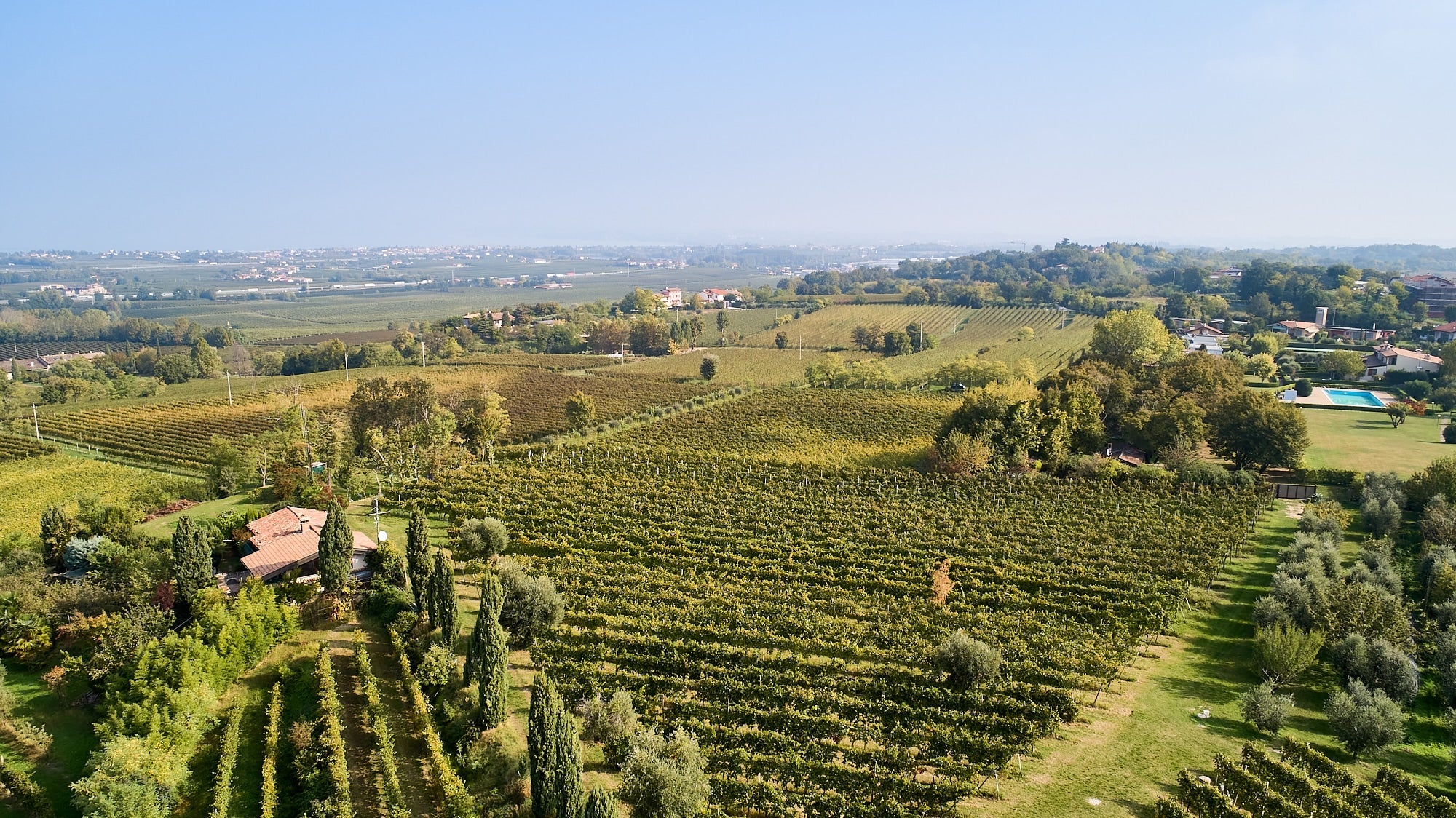
Image: Sustainable winegrowing in Italy
What does sustainability mean in the vineyard?
For Bonfanti Vini, working according to the principles of sustainability has become the focus of the company philosophy for several years, so that it has been certified as a vineyard and organic winegrower since 2017, after a three-year conversion.
The goal is to become a company that contributes to preserving the environment, respect for which has become a fundamental part of Bonfanti Wines' work.
The first sustainability measures mainly concern the vineyard:
- Use of organic fertilizers and soil improvers that are approved for organic farming.
- Permanent greening with legumes and grasses.
- Gentle pruning to leave organic matter in the soil and increase soil fertility.
- Cover crops along the slopes to maintain soil fertility. No herbicides are used in the vineyard.
- Drastic reduction of chemical products. Compliance with regional regulations for organic viticulture regarding pest control.
- Mowing the grass between the rows alternately to preserve the natural habitat of beneficial insects.
- Exclusive use of drip irrigation systems to save water.
- Use of the so-called sexual confusion technique to combat the "wine moth" infestation.
- Climate monitoring by stations operated by ARPAV.
- Application of pruning techniques to improve air circulation and reduce the occurrence of diseases.
Respect for tradition, typical wines and nature are and will be values passed on to future generations, so that every wine is its concrete expression.


Written by Wolfgang Angeli


Leave a comment
This site is protected by hCaptcha and the hCaptcha Privacy Policy and Terms of Service apply.