

Orange – Fourth color of wine
Stairs n' Roses – rocking Moselle with the orange wine 'Ohrenschwein'
Every wine lover knows the three traditional wine colors:
- white: white grapes vinified "white"
- red: red grapes are usually fermented on the skins as "red" and then pressed
- rosé: red grapes vinified "white".
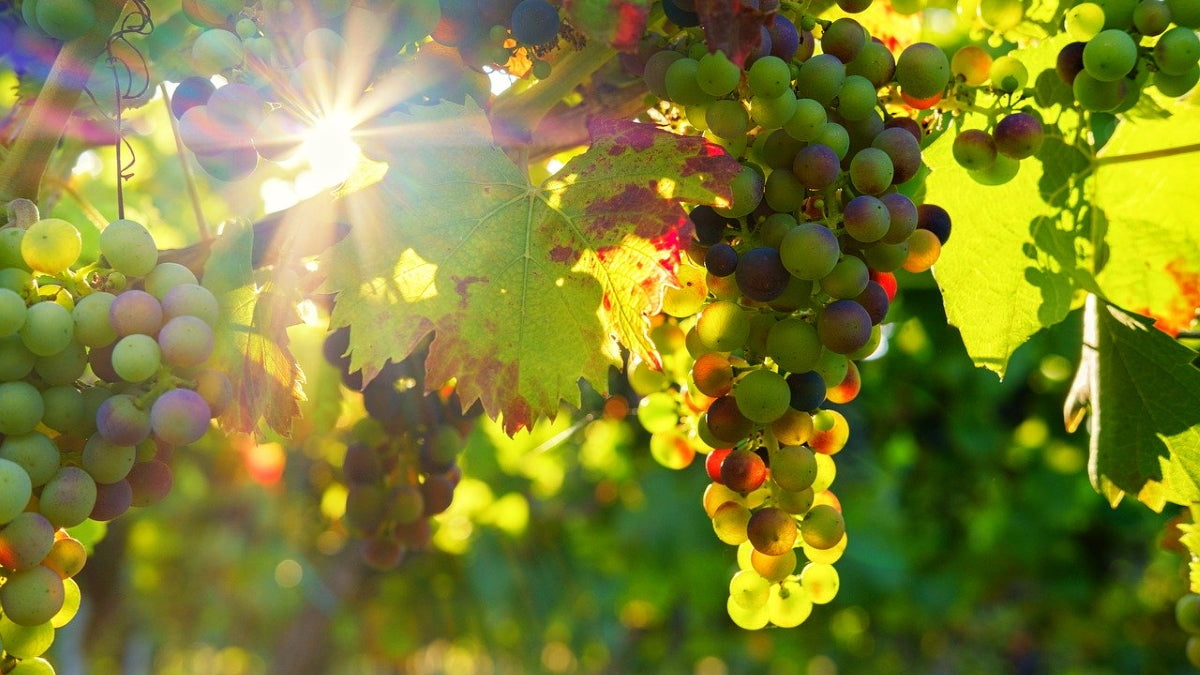
The fourth wine color is " orange." The recipe here is as follows: white grapes are fermented on the skins (as in traditional red wine production). Due to the extraction of the grape skins, "orange wines" often have a darker, orange-tinged color. This orange color gives this wine category its name. Although orange wines are relatively new to many, fermenting white grapes on the skins is an ancient practice that has been used in the Caucasus for around five millennia.
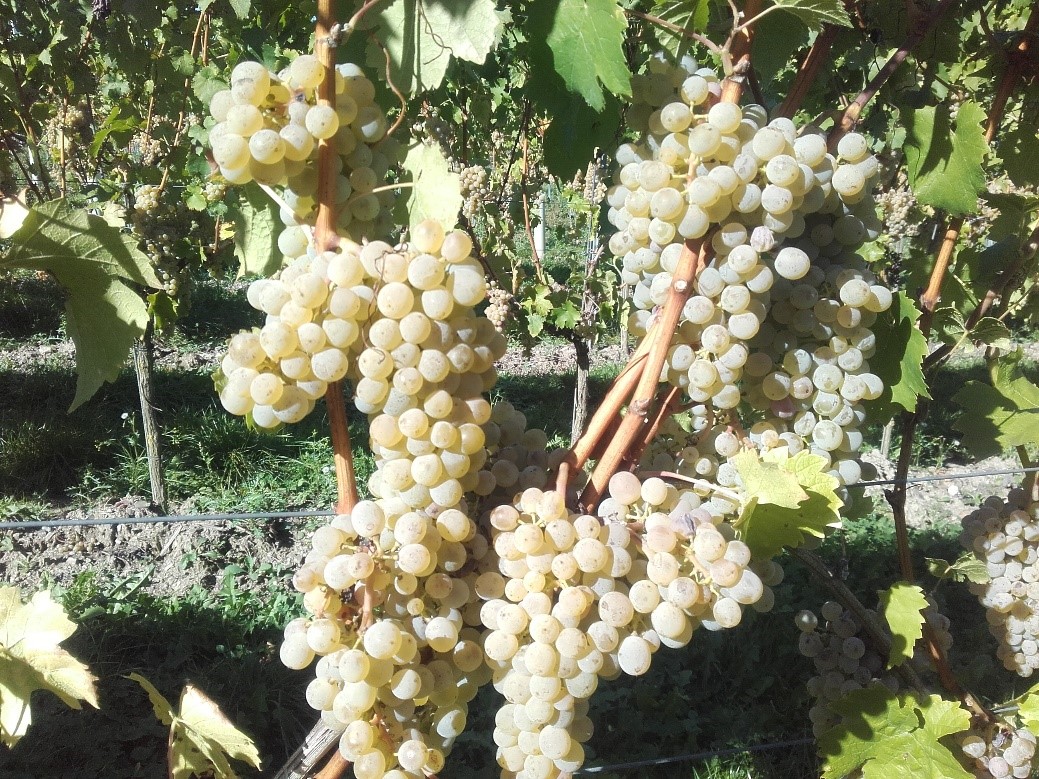
Besides their color, orange wines also differ significantly from their white counterparts in other ways. Due to maceration, they possess a pronounced tannin backbone and often exhibit less fruity and more spicy-herbal aromas. This distinctive, sometimes acquired, aromatic profile often makes orange wines excellent partners for certain dishes. Especially when it comes to the perfect food pairing with roasted or grilled meats, orange wines often reach their full potential.
Consequently, orange wines have become trendy, especially in experimental and high-end restaurants, which are constantly searching for new and unusual flavors – in both food and wine. Initially, orange wines were often ridiculed or even rejected by traditional wine drinkers. Now, thanks to its complexity, the "orange" wine category is moving from the niche of niche wines to a broader, more discerning wine-loving audience.
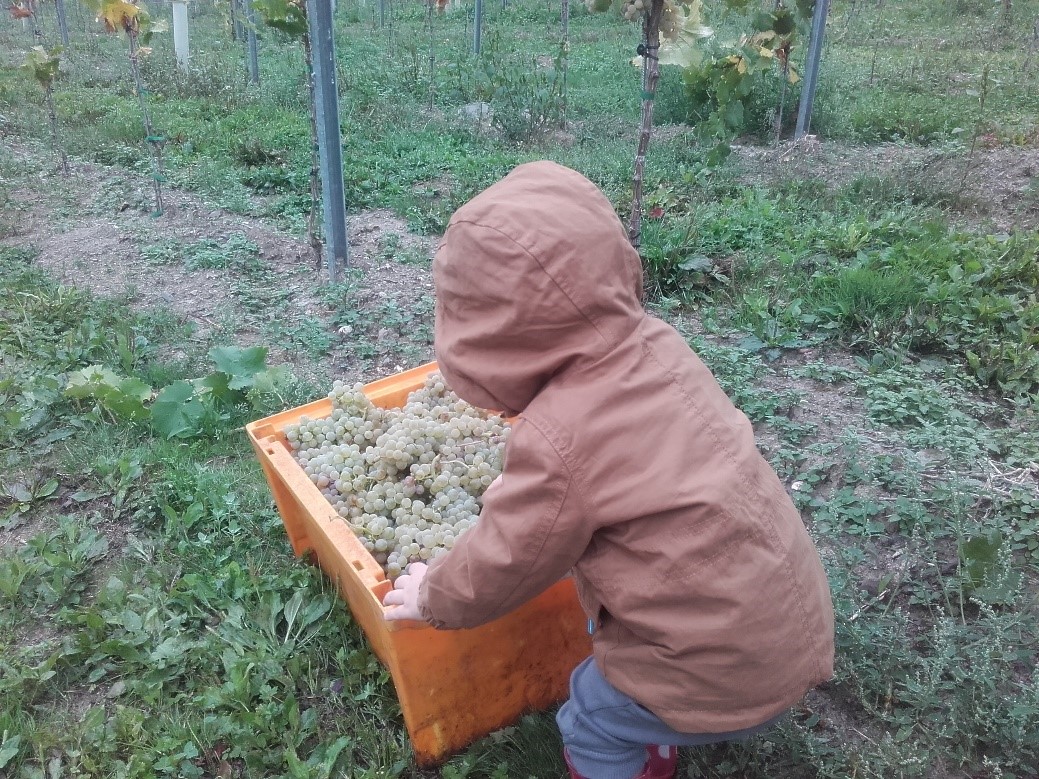
Our wine project Stairs n' Roses has made it its mission to do things a little differently from the traditional Moselle mainstream. We consciously focus on high-quality but experimental wines – which is why our orange wine "Ohrenschwein" has had a permanent place in our range since the beginning and enjoys increasing popularity.
As an example, we would like to explain the steps involved in producing our orange wine “Ohrenschwein”:
- Selective harvesting of perfectly healthy, fully ripe white grapes. In the case of our Ohrenschwein (a type of wine), these are Müller-Thurgau grapes from Kinheim on the Middle Moselle.
- Removing the grape stems (destemming)
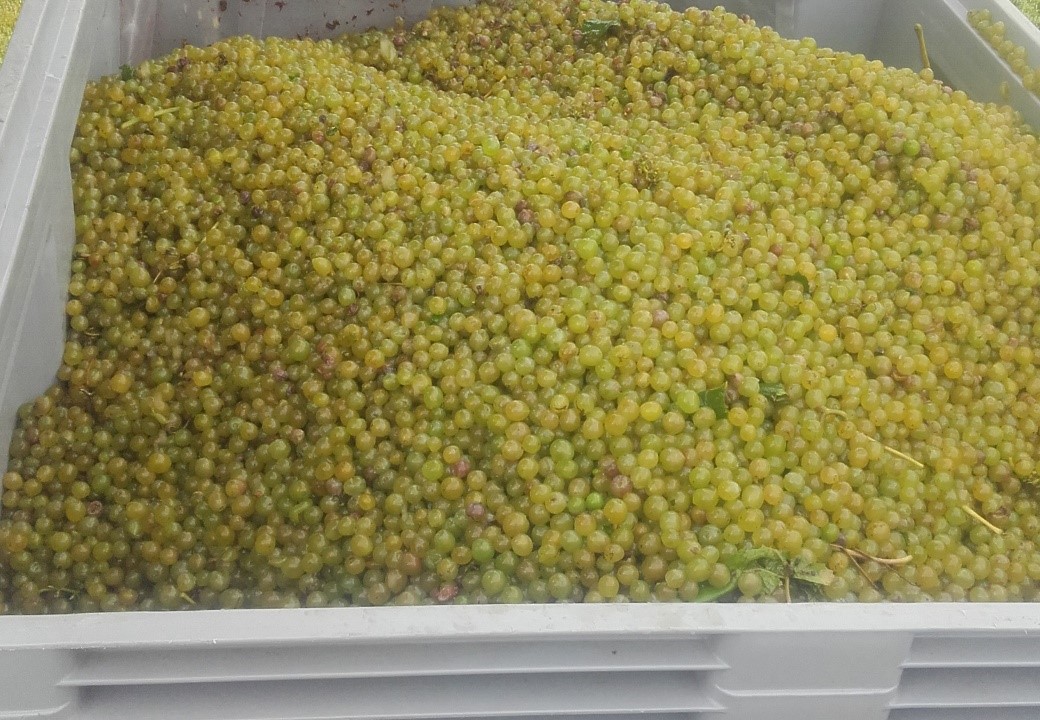 Image 3: Destemmed Müller-Thurgau berries
- Must fermentation in an open vat for approximately 3 weeks; punching down the cap of grape skins several times a day. Must fermentation means that the sugar in the grapes is slowly converted into alcohol through the addition of yeast. Carbon dioxide is produced during this fermentation process. The small bubbles create buoyancy in the container, which necessitates pushing the grapes down from the top. Then the fermentation continues.
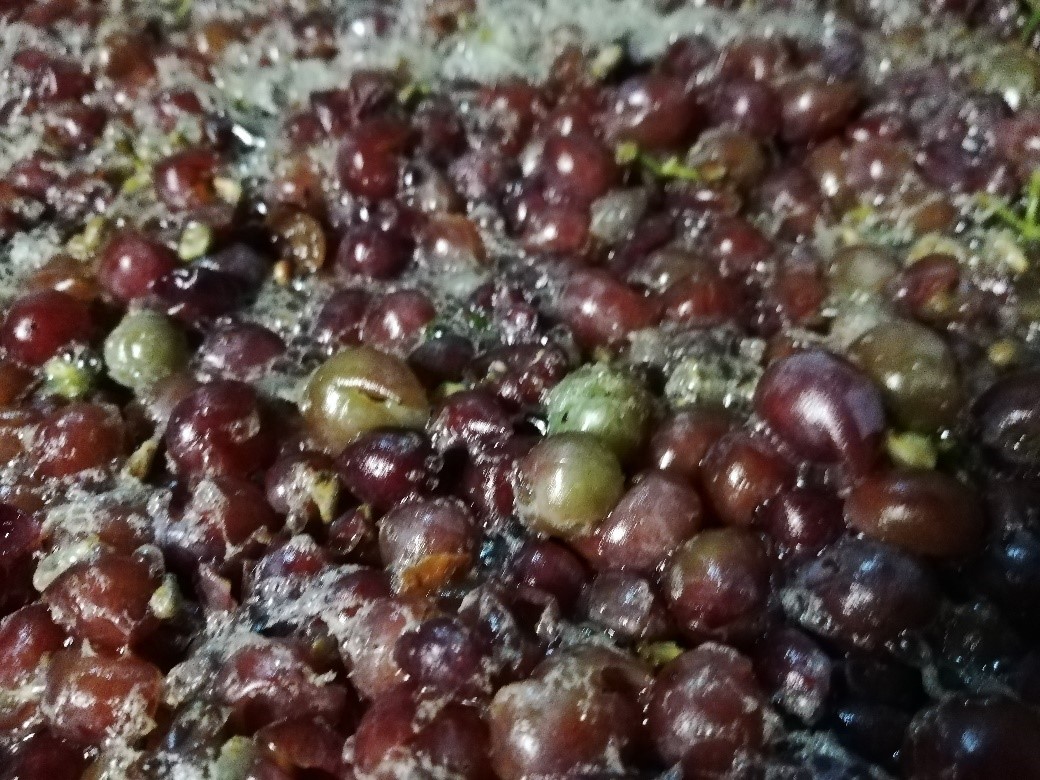 Image 4: Beginning of mash fermentation (here with the grape variety Red Müller-Thurgau).
- Gentle pressing
- Biological acid reduction for taste harmonization and microbiological stabilization
- Aged for 18 months in used 225-liter barrique barrels
- Filling the bottles
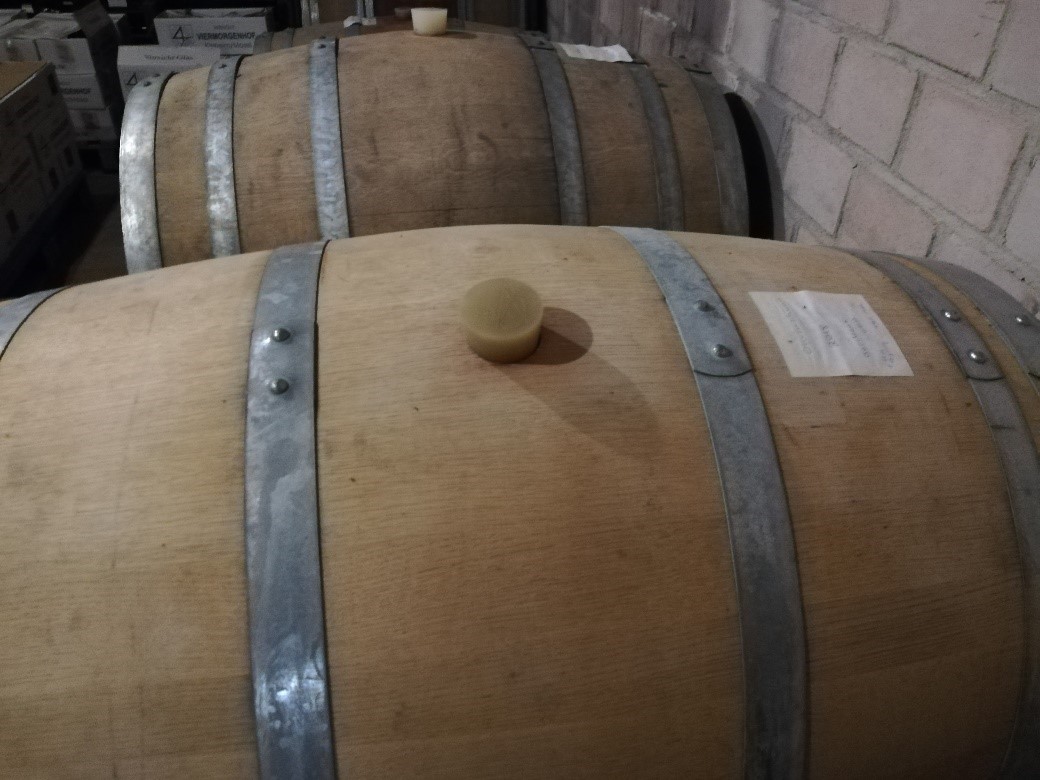
Orange wines are often bottled without any added sulfur. However, this usually results in noticeable oxidation aromas – not to everyone's taste, and certainly not ours. Furthermore, the absence of sulfur can lead to microbiological instability and the formation of flavor-altering substances that most wine drinkers find unpleasant. For these reasons, our Ohrenschwein wine is lightly sulfured to ensure that the enjoyment of drinking it is not compromised.
The trendy wine guru Captain Cork describes our Ohrenschwein as follows: “On the nose, raw sauerkraut, apple cider, fried banana, parsley root, apple, kohlrabi. On the palate, herbaceous and slightly bitter, lots of freshly brewed soup vegetables, a distinct spiciness from white pepper, plenty of juiciness from undefined fruits and vegetables, very clear and direct, an orange wine that has made its mark. A hint of cinnamon star at the very end. A great accompaniment to Korean-style grilled beef, a classic Vietnamese pho soup, or spicy cheese.” The Ohrenschwein is therefore less of an uncomplicated, light summer wine from the Moselle and more of a complex, spicy winter wine.
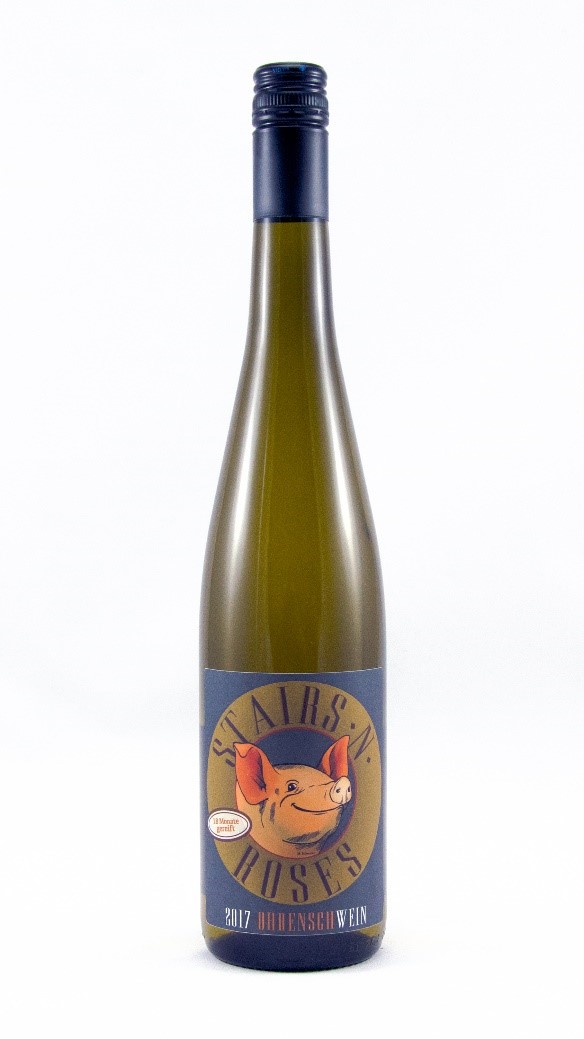
Fig. 6. The Stairs n' Roses ear pig in the bottle.
Wine experts are still undecided about the ideal serving temperature for orange wines. We agree, there's no single rule. The perfect temperature depends on the specific wine, the accompanying food, and, of course, personal taste. For our "Ohrenschwein" (a local specialty), we recommend experimenting with the serving temperature yourself. It's fascinating to see how differently the wine presents itself at refrigerator temperature compared to room temperature. Our advice: simply try it and then decide based on the occasion and your personal preference.
We hope we have sparked your curiosity about our orange wine “Ohrenschwein”.
About the author Dr. Daniel Molitor
Daniel lives and works at the family winery Viermorgenhof in Kinheim-Kindel on the Middle Moselle, in the large Moselle loop between Bernkastel-Kues and Traben-Trarbach. The name "Viermorgenhof" derives from its location, the old plot of land "In den Viermorgen." The wines, made from Riesling, Müller-Thurgau, Rivaner, and Dornfelder grapes, thrive on the steep slate slopes. With the Stairs n' Roses brand, Daniel expresses his passion for music. The Stairs n' Roses vineyards are located in the Lösnicher Försterlay (situated precisely between the Erdener Treppchen and the Kinheimer Rosenberg).
Video: Greeting from Dr. Daniel Molitor from the 2019 Riesling harvest
Website: www.viermorgenhof.de
Facebook: www.facebook.com/stairsandroses
Captain Cork's website: www.captaincork.com

Written by Wolfgang Angeli



Leave a comment
This site is protected by hCaptcha and the hCaptcha Privacy Policy and Terms of Service apply.