


Taste is measured by sweetness level.
The sweetness of a wine is indeed an important factor, measured by its residual sugar content, which conveys different taste impressions depending on the amount. Residual sugar indicates how much sugar remains in the wine after fermentation. Wines with a higher residual sugar content taste sweeter, while drier wines often contain less residual sugar and therefore tend to be more tart and acidic.
The sweetness levels of wine and sparkling wine are regulated uniformly across Europe and are based on specific residual sugar content, which is legally defined. These classifications are intended to provide consumers with guidance, but can be interpreted differently depending on the product category. The residual sugar content of a wine or sparkling wine is measured in grams per liter and determines its classification into categories such as dry, semi-dry, medium-sweet, and sweet.
Interestingly, the sugar levels for dry wine and dry sparkling wine differ considerably. While a dry wine typically has a residual sugar content of no more than 4 g/l, the limit for dry sparkling wine – such as Sekt or Champagne – lies between 17 and 32 g/l. This difference means that "dry" in sparkling wines is significantly sweeter than in still wines, which surprises many consumers. Those who expect a similar dryness in sparkling wine as in a dry white or red wine will often find that the taste is considerably milder due to the higher sugar content.
Interesting facts
- Brut and Extra Brut : Sparkling wines with designations such as "Brut" (0–12 g/l residual sugar) or "Extra Brut" (0–6 g/l) are a good choice for those who prefer a dry, less sweet sparkling wine. These varieties come closer to the dry taste of a wine.
- German sparkling wine categories : In Germany, a sparkling wine with up to 12 g/l residual sugar is considered "brut" and one with 12–17 g/l is considered "extra dry". These classifications differ slightly from those of the EU.
- Residual sugar and acid balance : Residual sugar influences the perception of acidity. A sparkling wine with a higher sugar content tastes milder, while a lower residual sugar content intensifies the impression of acidity and makes the sparkling wine appear fresher.
Sweetness level in wines
This results in the following categories depending on the residual sugar content:
| dry | up to 4 g/l or up to 9 g/l if the total acidity is a maximum of 2 g/l lower than the residual sugar content |
| semi-dry | 12-18 g/l, where the total acidity is a maximum of 10 g lower than the residual sugar. |
| lovely | up to 45 g/l |
| sweet | from 45 g/l |
Sweetness level of sparkling wines
With sparkling wine, champagne and prosecco, we also differentiate the taste depending on the residual sugar content:
| brut nature | zero dosage or no added sugar | up to 3 g/l |
| extra brut | extra bitter or extra | 0-6 g/l |
| brut | bitter or brutal | up to 12 g/l |
| extra dry | extra dry or extra secco | 12-17 g/l |
| dry | sec, secco, asciutto, dry or secco | 17-32 g/l |
| semi-dry | demi sec, abboccato, medium dry or semi sec | 32-50 g/l |
| mild/sweet | doux, dolce, sweet, dulce | from 50 g/l |
How does the sweetness level affect the taste of wine or sparkling wine?
The sweetness level plays a crucial role in the taste experience of wine and sparkling wine, as it significantly influences the balance between fruitiness, acidity, and body. Here are the various effects that sweetness level has on taste:
-
Fruity impression : Higher sweetness accentuates the fruitiness and often makes the wine or sparkling wine "fuller-bodied" and "juicier". Fruit notes such as apple, pear, berries, or exotic fruits become more pronounced due to the sweetness, which is particularly appreciated in fruit-forward grape varieties.
-
Balance with acidity : Sweetness balances acidity and can give the wine or sparkling wine a more harmonious structure. In combination with higher acidity, the wine can taste fresh and lively without being too acidic. This is particularly typical for sparkling wines and wines from cooler growing regions, which often have a higher acidity.
-
Body and fullness : Sweeter wines and sparkling wines are often perceived as "fuller" and "softer." The higher residual sugar content gives them a velvety texture and a rounded mouthfeel. Dry wines, on the other hand, often seem "slimmer" and more mineral.
-
Finish : The sweetness level also influences the finish – sweeter wines often leave a lingering, fruity aftertaste, while dry wines have a clean, often bitter finish.
As a general rule, sweet wines and sparkling wines (e.g., sweet, semi-dry) pair well with spicy dishes, desserts, or hot meals, as the sweetness complements and enhances their flavor. Dry wines and sparkling wines harmonize better with hearty, less sweet dishes and are perceived as more refreshing and lighter.
Do red wines tend to taste drier than white wines?
Yes, red wines tend to taste drier than white wines, but this depends on several factors. Here's an overview of why red wines are often perceived as "drier":
-
Tannin content : Red wines contain more tannins than white wines because the grape skins and seeds remain in the juice during fermentation. Tannins give the wine a slightly astringent, "gritty" texture, making it seem drier and influencing the mouthfeel. White wines contain fewer tannins and therefore taste softer and often fruitier.
-
Winemaking and Style : Red wines are often produced to be dry, while white wines are more frequently produced in varying degrees of sweetness – from dry to sweet. Particularly in Europe, dry red wines are considered the standard, while white wines are often made with some residual sugar to accentuate fruit aromas.
-
Taste and fruit aromas : Many white wines naturally have more intense fruit and acid notes, which, despite a dry style, can make them seem less "dry." The fruitiness of white wines, combined with low tannin content, often makes them appear rounder and lighter.
-
Acidity and freshness : White wines often have higher acidity, which emphasizes freshness and often makes them seem "juicier." This also gives dry white wines a certain lightness, while red wines, due to tannins and less pronounced acidity, often seem fuller and "stricter."
Overall, red wines are often perceived as drier, primarily due to their tannins and the typical dry winemaking style. However, there are also dry white wines that taste acidic and mineral and are perceived as very dry.
Do red wines go better with dinner than white wines?
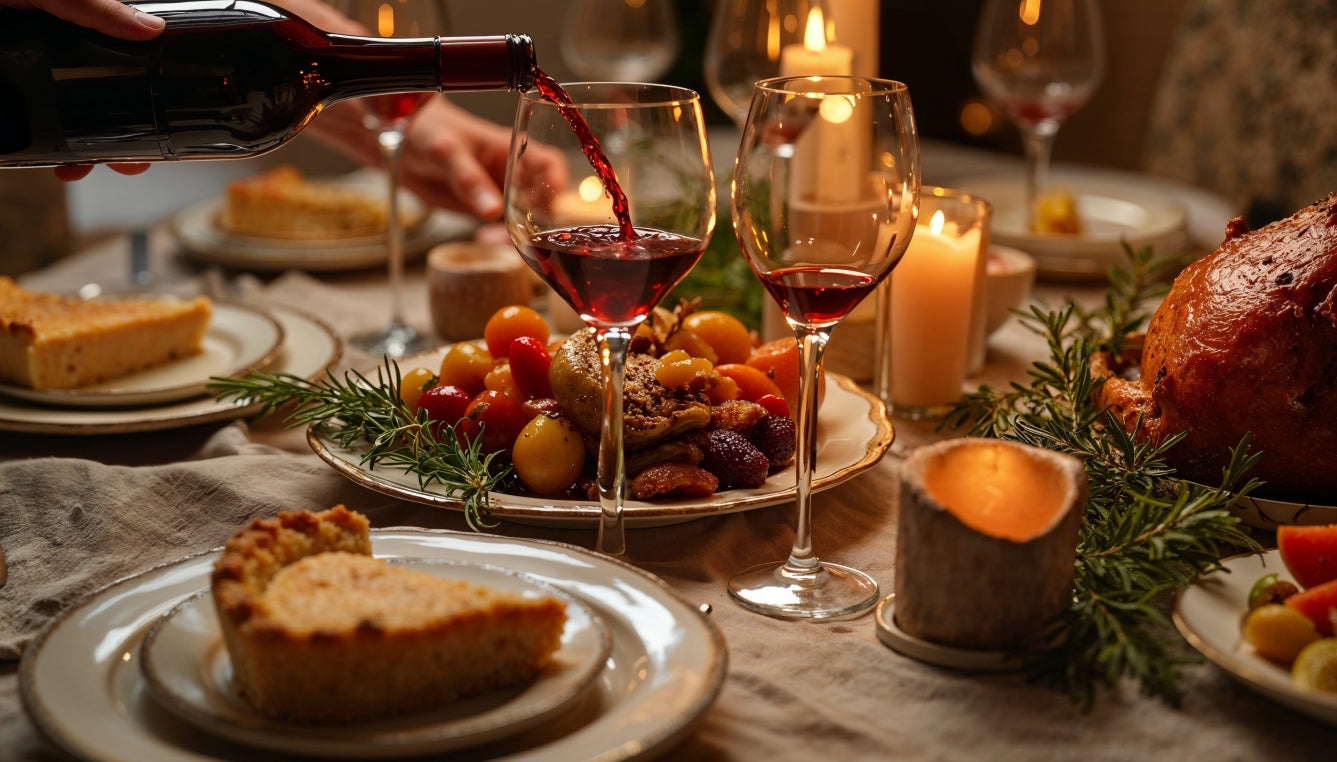
Red wines often pair well with dinner, but whether they are a better choice than white wines depends largely on the menu. Both types of wine have their strengths, and the choice depends on the flavors and textures of the food. Here are a few tips on when each wine is a better match:
-
Red wines and hearty dishes : Red wines are often more robust and have higher tannin and alcohol levels, making them ideal for savory dishes. They pair excellently with meat dishes such as steak, game, lamb, and braised dishes, as the tannins harmonize well with the proteins in the meat. Red wines also perfectly complement the flavors of spicy cheeses, grilled vegetables, or mushroom dishes.
-
White wines and lighter dishes : White wines are often fresher and more acidic, making them a good match for lighter dishes. They often harmonize better with fish, seafood, poultry, pasta with creamy sauces, or dishes featuring fresh herbs and lemon flavors. The acidity of white wines helps to cut through the richness of some dishes, making them a good choice for salad- and vegetable-based meals.
-
Versatility of rosé and light red wines : Light red wines such as Pinot Noir or Beaujolais, as well as rosé wines, are flexible and pair well with a wide range of dishes. They are a good choice when the menu is varied and includes both lighter and more robust dishes.
-
Season and mood : Red wines are often chosen in the cooler months and for relaxed evening meals, while white wines are more popular in summer or for lighter dinners.
So there is no "better" or "worse" – red and white wines both have their place, and the choice depends on the dish and personal preferences.

Written by Wolfgang Angeli


Leave a comment
This site is protected by hCaptcha and the hCaptcha Privacy Policy and Terms of Service apply.